



Ethical Fashion Supply Chain Transparency: A 2026 Guide
Table of Contents
- What Supply Chain Transparency Means in Fashion
- Why Traceability Matters for Ethical Fashion
- Supply Chain Transparency Best Practices
- Fashion Supply Chain Traceability Tools and Technology
- Apparel Industry Labor Transparency Examples
- Regulatory Requirements and ESG Compliance
- The Cost and Challenge of Transparency
- How to Verify Supply Chain Claims
Last Updated: August 16, 2026
What Supply Chain Transparency Means in Fashion
Supply chain transparency is the practice of disclosing information about where, how, and by whom fashion products are made, from raw material sourcing through manufacturing to the consumer. It means making visible what typically remains hidden: the factories, workers, labor conditions, and environmental practices embedded in every garment.
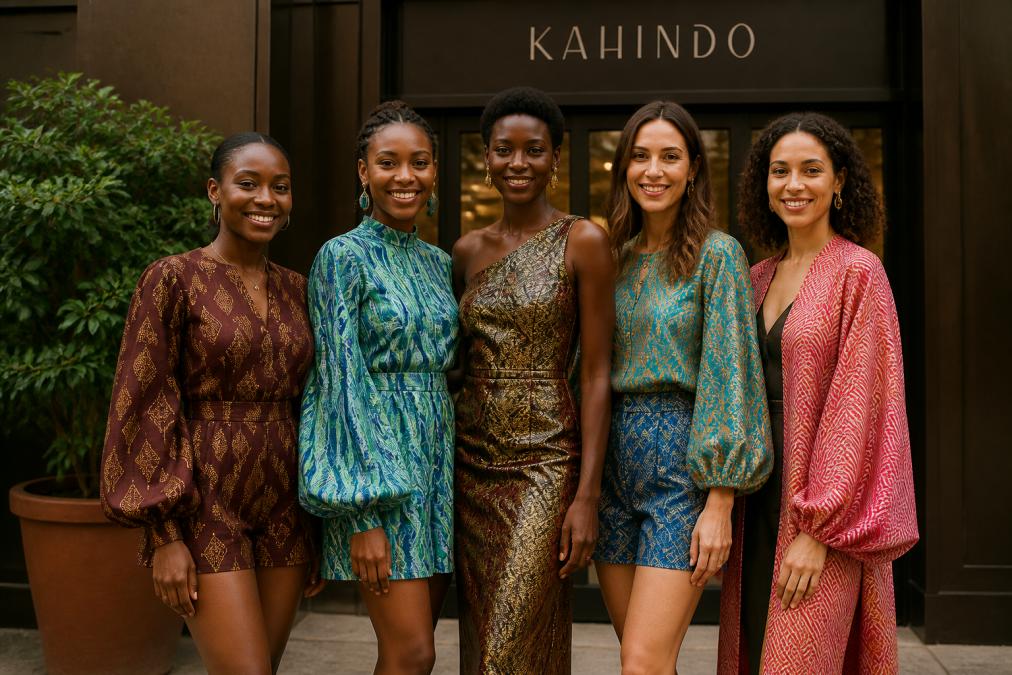
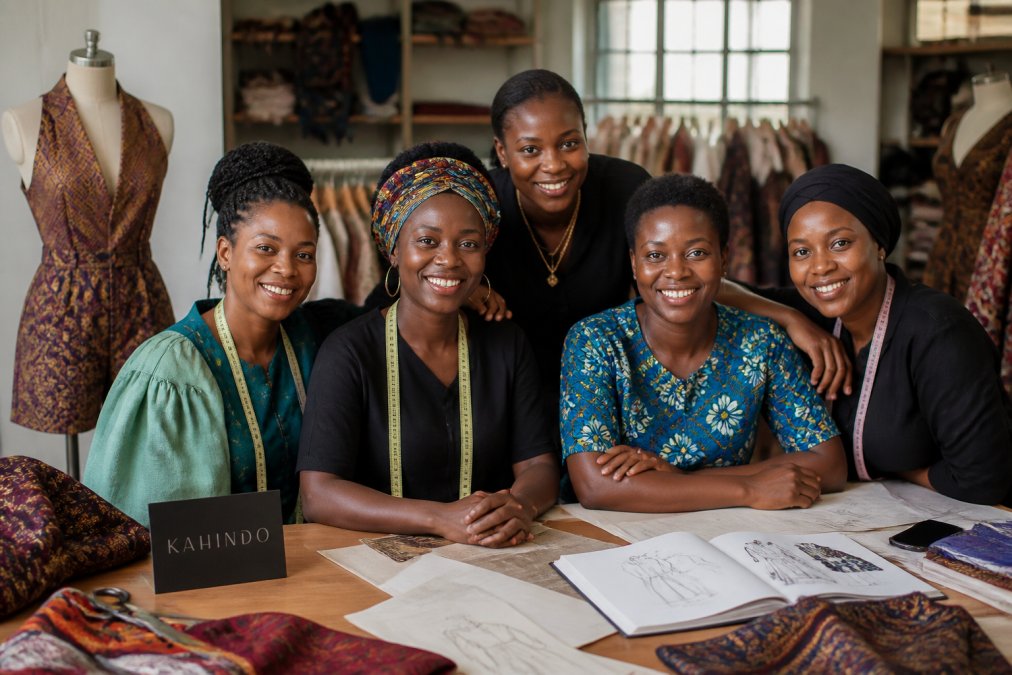
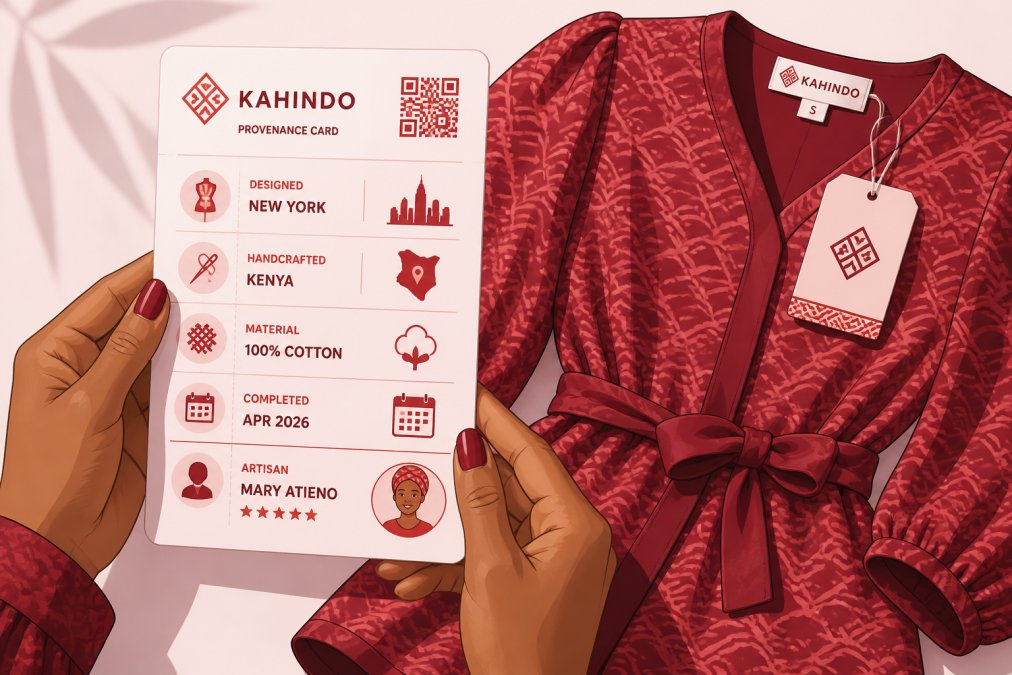
For ethical fashion brands, this transparency extends beyond compliance. It's a commitment to documenting the entire value chain, naming the artisans and facilities involved, and allowing customers to verify claims about fair-trade practices and sustainable production. Brands like KAHINDO demonstrate this by including provenance cards with each piece, identifying the female artisans in Kenya who handcrafted the garment and detailing labor hours and production methods.
Transparency addresses a fundamental problem: the industry's fragmented supply chains make it nearly impossible for consumers to know the true origin of their clothing. Most apparel moves through multiple tiers of suppliers across different countries and continents. Without deliberate documentation and disclosure, workers' identities remain anonymous, environmental impacts go unmeasured, and ethical claims become unverifiable marketing language.
True supply chain transparency requires naming names, sharing data, and inviting scrutiny. This approach carries risk, but it builds the trust that conscious consumers increasingly demand.
Why Traceability Matters for Ethical Fashion
Traceability, the ability to track a product's journey from origin to consumer, is the operational foundation of supply chain transparency. Without traceability, transparency claims are unverifiable.
The fashion industry's reliance on fragmented supply chains creates the "tier problem." A brand may contract directly with a tier 1 manufacturer, but that facility often outsources to tier 2, tier 3, and tier 4 suppliers. Many brands stop tracking after tier 1, leaving multiple layers of production invisible. Workers in lower tiers face the greatest risk of labor violations, precisely where visibility matters most.
Traceability systems address this by mapping the entire network, documenting which facilities are involved at each stage, who works there, what processes occur, and what materials are used. For conscious consumers, traceability answers critical questions: Who made this? Under what conditions? What were they paid? Was the environment protected?
When labor violations occur in a supply chain, companies that can quickly identify and isolate the problem demonstrate accountability. Those without traceability face reputational damage and regulatory risk.
Supply Chain Transparency Best Practices
Establishing meaningful transparency requires systematic practices that embed visibility into operations from the start.
Start with mapping. Before you can be transparent, you must know your supply chain. Identify every facility involved in production, every major material source, and every significant process. Begin with tier 1 suppliers and progressively map deeper tiers. Document facility locations, ownership, worker count, and primary processes.
Establish direct relationships. Transparency thrives in direct relationships between brands and production partners. Intermediaries and brokers obscure accountability. Contract directly with manufacturers and material suppliers whenever possible to enable regular audits, open communication, and genuine partnership.
Implement worker identification systems. Name the people who make your products. Collect basic information, first names, roles, tenure, and include it in product documentation. KAHINDO uses provenance cards to humanize production, make labor conditions harder to ignore, and give workers recognition for their craftsmanship.
Commit to public disclosure. Transparency that remains internal is not transparency. Publish information about your supply chain, ideally broken down by product line or collection. Include facility names, locations, worker counts, wage information, and production methods.
Conduct regular audits. Third-party audits provide independent verification of labor practices, environmental compliance, and wage standards. Schedule audits at least annually and share results. When audits reveal problems, disclose them alongside corrective actions.
Invest in worker welfare programs. Use supply chain visibility to identify gaps in worker welfare and invest in improvements. Partner with suppliers to raise standards, not just to document them.
Use technology strategically. Digital tools can simplify documentation and make data accessible to customers. However, technology is an enabler, not a solution. Start with practices; add technology to scale them.
Fashion Supply Chain Traceability Tools and Technology
Several categories of tools support supply chain traceability, each addressing different aspects of the transparency challenge.
Supply chain mapping platforms help brands document their network of suppliers and facilities. These tools create visual representations of supplier relationships, track facility information, and identify gaps in coverage.
Blockchain and distributed ledger systems create immutable records of product movement through the supply chain. Each transaction, material purchase, production step, quality check, shipment, is recorded in a way that cannot be altered retroactively. However, blockchain's value depends entirely on honest data entry at the source.
Worker management systems help track labor information at production facilities, recording worker hours, wages, roles, and tenure. They can flag anomalies like excessive overtime or wage inconsistencies.
Material tracking and certification systems document the origin and properties of textiles and raw materials, verifying that materials meet environmental or ethical standards.
Audit management platforms centralize the scheduling, execution, and reporting of supply chain audits, standardizing protocols and generating reports that highlight trends.
Consumer-facing transparency platforms allow customers to access supply chain information about products they own or are considering. Some brands use QR codes on garment tags to link to detailed production information.
The most effective traceability strategies combine multiple tools. A brand might use mapping software to identify suppliers, blockchain to track material movement, worker management systems at production facilities, and consumer platforms to share information.
Apparel Industry Labor Transparency Examples
Several apparel brands have implemented meaningful labor transparency, offering models for how the practice works in practice.
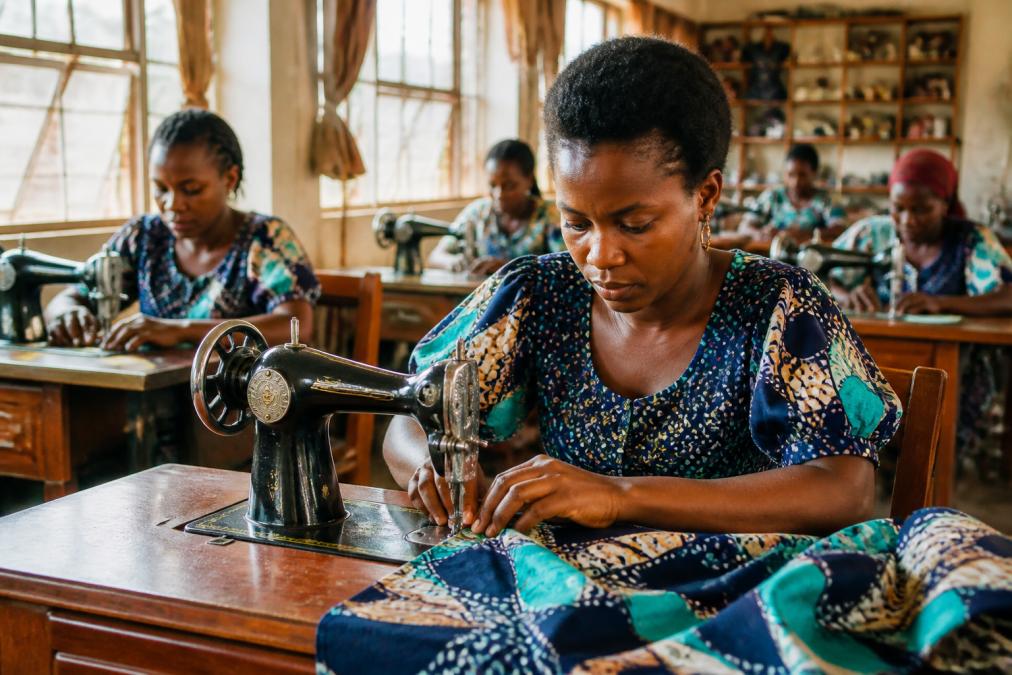
KAHINDO exemplifies artisan-centered transparency through its provenance card system. Each garment includes documentation identifying the female artisans in Kenya who handcrafted the piece, the hours invested, and details about the production process. This approach treats artisan identity as a luxury asset rather than a footnote. Customers purchasing a KAHINDO piece know exactly who made it, creating direct accountability and celebrating the craftsmanship that justifies the garment's price point.
Other brands have adopted factory transparency initiatives, publishing lists of all facilities used in production. Certification bodies like Fair Trade USA and the Global Organic Textile Standard (GOTS) provide third-party verification of labor and environmental practices. Some industry consortiums have developed shared transparency standards, creating common metrics for measuring labor practices and supply chain visibility.
The common thread across these examples is that meaningful transparency requires investment. Brands cannot achieve transparency cheaply or quickly.
Regulatory Requirements and ESG Compliance
Supply chain transparency is increasingly mandated by regulation rather than left to voluntary corporate initiative.
The European Union's Corporate Sustainability Due Diligence Directive requires large companies to identify and address adverse human rights and environmental impacts across their value chains. For brands selling into European markets, this regulation effectively makes supply chain transparency a legal obligation.
In the United States, the Uyghur Forced Labor Prevention Act imposes import restrictions on goods produced in Xinjiang or involving forced labor. California's Transparency in Supply Chains Act requires large retailers and manufacturers to disclose efforts to eliminate slavery and human trafficking from their supply chains.
ESG (Environmental, Social, Governance) reporting frameworks increasingly require supply chain transparency. The Global Reporting Initiative, Sustainability Accounting Standards Board, and other frameworks ask companies to disclose labor practices, environmental impact, and supply chain governance. Institutional investors use this information to assess risk and make investment decisions.
The SEC has proposed rules requiring public companies to disclose climate-related risks, including supply chain emissions. This regulation would require many apparel brands to map carbon footprint across their supply chains and set reduction targets.
These regulatory developments create both challenges and opportunities. Compliance requires investment in supply chain visibility. However, brands that build transparency systems gain competitive advantage by demonstrating accountability before competitors are forced to do so.
The Cost and Challenge of Transparency
Meaningful supply chain transparency carries real costs that brands must understand before committing.
Mapping costs. Creating an accurate supply chain map requires time and resources. For brands with complex, multi-tier supply chains, mapping can mean months of investigation, facility visits, and documentation. For large brands with hundreds of suppliers, mapping costs can reach into six figures.
Ongoing auditing and monitoring. Transparency requires regular verification that supply chain conditions match documented claims. Third-party audits typically range from several hundred to several thousand dollars per facility.
Technology infrastructure. Supply chain mapping platforms, blockchain systems, worker management software, and consumer-facing transparency tools all carry licensing or development costs.
Staffing and expertise. Meaningful transparency requires dedicated staff, supply chain managers, compliance officers, auditors, and data analysts. These roles demand specialized knowledge and typically command competitive salaries.
Remediation and improvement. When audits reveal labor violations, unsafe conditions, or environmental damage, addressing them requires investment. Raising wages, improving facilities, or transitioning to cleaner production methods all cost money.
Reputational risk from disclosure. Transparency inevitably reveals imperfections. A brand publishing supply chain information will face criticism when that information shows wage gaps or facility safety issues.
Transparency also creates operational friction. When supply chain information is public, suppliers face external scrutiny. Some may resist transparency requirements or demand higher fees. Data privacy creates tension with transparency; publishing worker names and facility locations can create security risks in regions with political instability.
Despite these costs and challenges, brands increasingly view transparency as non-negotiable. Conscious consumers expect it. Regulators mandate it. Institutional investors require it.
How to Verify Supply Chain Claims
Transparency claims mean nothing without verification. Conscious consumers and institutional buyers must know how to assess whether a brand's transparency is genuine or marketing theater.
Check for specific, verifiable information. Genuine transparency includes names, locations, and details that can be independently verified. A brand claiming "ethical production in Kenya" without naming facilities or artisans is making a vague claim. A brand listing specific facility names, worker counts, and wage information is providing verifiable transparency.
Verify third-party certifications. Independent certifications from organizations like Fair Trade USA, GOTS, or B Corp provide external verification of labor and environmental practices.
Review audit reports. Credible brands publish audit results, including findings of non-compliance and corrective actions. If a brand claims perfect compliance across all facilities, that's a red flag. Real supply chains have problems. Transparency means acknowledging them and showing how they're being addressed.
Trace product provenance. Some brands provide ways to trace specific products back to their production sources. QR codes on garment tags, provenance cards, or online databases allow customers to verify where and by whom their garment was made.
Check for worker voice. The most credible transparency includes direct input from workers. Some brands conduct worker surveys or include worker feedback in their transparency reports.
Look for industry participation. Brands serious about transparency often participate in industry initiatives, consortiums, or multi-stakeholder groups focused on supply chain accountability.
Assess consistency over time. Genuine transparency evolves as brands improve their supply chains and deepen their disclosure.
Demand specificity about wages. Ask: What are actual wages paid? How do they compare to local living costs? Are wages sufficient for basic needs? Credible brands can answer these questions specifically.
For brands like KAHINDO, verification is built into the product experience. The provenance card accompanying each garment names the artisans and documents production details. Customers can research the brand's fair-trade practices and artisan partnerships. This approach makes KAHINDO's transparency claims verifiable rather than abstract.
The fashion industry's opacity has long served brands well, obscuring uncomfortable truths about labor practices and environmental impact. But the market is shifting. Conscious consumers, institutional investors, and regulators increasingly demand to know where their clothes come from and who made them.
KAHINDO demonstrates that transparency can be a competitive advantage rather than a cost burden. By naming the female artisans in Kenya who handcraft each piece, documenting production methods, and including provenance cards with every garment, KAHINDO transforms supply chain information into a luxury asset. Customers aren't just buying a dress, they're supporting specific women and verifying ethical production.
| Verification Method | What It Reveals | Credibility Level |
|---|---|---|
| Specific facility names and locations | Supply chain mapping depth | High |
| Third-party certifications (Fair Trade, GOTS, B Corp) | Independent audit verification | High |
| Published audit reports with findings | Transparency about problems and fixes | High |
| Worker names and roles on product documentation | Direct artisan accountability | High |
| QR codes or digital traceability tools | Consumer-level verification capability | Medium-High |
| General sustainability statements | Marketing language only | Low |
| Vague claims about "ethical production" | No verifiable detail | Low |
Frequently Asked Questions
What is supply chain transparency in the fashion industry?
Supply chain transparency in fashion means disclosing where and how garments are made, from raw material sourcing through final production. This includes identifying tier 1 to tier 4 suppliers, documenting labor practices, and publishing information about environmental impact. Brands practicing supply chain transparency share details about factories, artisans, wages, and working conditions. KAHINDO exemplifies this through provenance cards that document each artisan and labor hours, allowing customers to trace their garment's origin and craftsmanship.
How can fashion brands improve supply chain traceability tools?
Brands strengthen traceability by implementing supply chain mapping technology, blockchain verification systems, and digital documentation at each production stage. Effective tools track materials from origin through manufacturing, creating verifiable records of who handled each item. Third-party audits and certifications add credibility. Regular disclosure updates and public reporting on labor practices, environmental stewardship, and factory locations build stakeholder accountability. Digital provenance systems allow customers to access supply chain data through QR codes or certificates linked to specific garments.
Why should I care about apparel industry labor transparency examples?
Labor transparency examples show you which brands actually walk the walk on ethical production. When brands openly document fair wages, worker welfare, and safe working conditions, you can verify claims before purchasing. Real examples demonstrate commitment to human rights due diligence and sustainable procurement practices. Brands like KAHINDO that publish artisan names, cooperative details, and wage information prove transparency isn't just marketing. Seeing concrete examples helps you distinguish genuine ethical brands from those using vague sustainability language without backing it up.
What regulations require fashion brands to disclose supply chain information?
The SEC's climate disclosure rules and proposed ESG reporting standards increasingly require public companies to report supply chain risks, including labor practices and environmental impact. California's Transparency in Supply Chains Act mandates disclosure of slavery and human trafficking prevention efforts. The Uyghur Forced Labor Prevention Act restricts imports from specific regions. Additionally, corporate responsibility frameworks like the UN Guiding Principles on Business and Human Rights set expectations for due diligence. While requirements vary by company size and market, the trend toward mandatory supply chain disclosure is accelerating across the apparel industry.
This article was written using GrandRanker