

Is Slow Fashion Worth the Investment in 2026
Table of Contents
- The Financial Case for Slow Fashion: Cost Per Wear Formula
- Quality of Materials and Craftsmanship: Why Durability Matters
- Building a Capsule Wardrobe: The Real Benefits
- How to Identify Sustainable Clothing Brands You Can Trust
- The Hidden Costs of Fast Fashion vs. Slow Fashion Investment
- Resale Value and the Circular Economy: Getting Your Money Back
- Maintenance and Care: Protecting Your Investment
- Conclusion
Last Updated: August 14, 2026
The Financial Case for Slow Fashion: Cost Per Wear Formula
When you buy a dress for $80 and wear it once, you've paid $80 per wear. When you wear it 40 times over five years, you've paid $2 per wear. This is the cost per wear formula, the single most important metric for understanding whether slow fashion is worth the investment.
Most people evaluate clothing by price tag alone, ignoring what they'll actually pay per wear. A high-quality garment costs more upfront but delivers value across dozens of wears. A cheap garment costs less initially but falls apart after five wears, forcing replacement. When you factor in replacement costs, the expensive piece wins decisively.

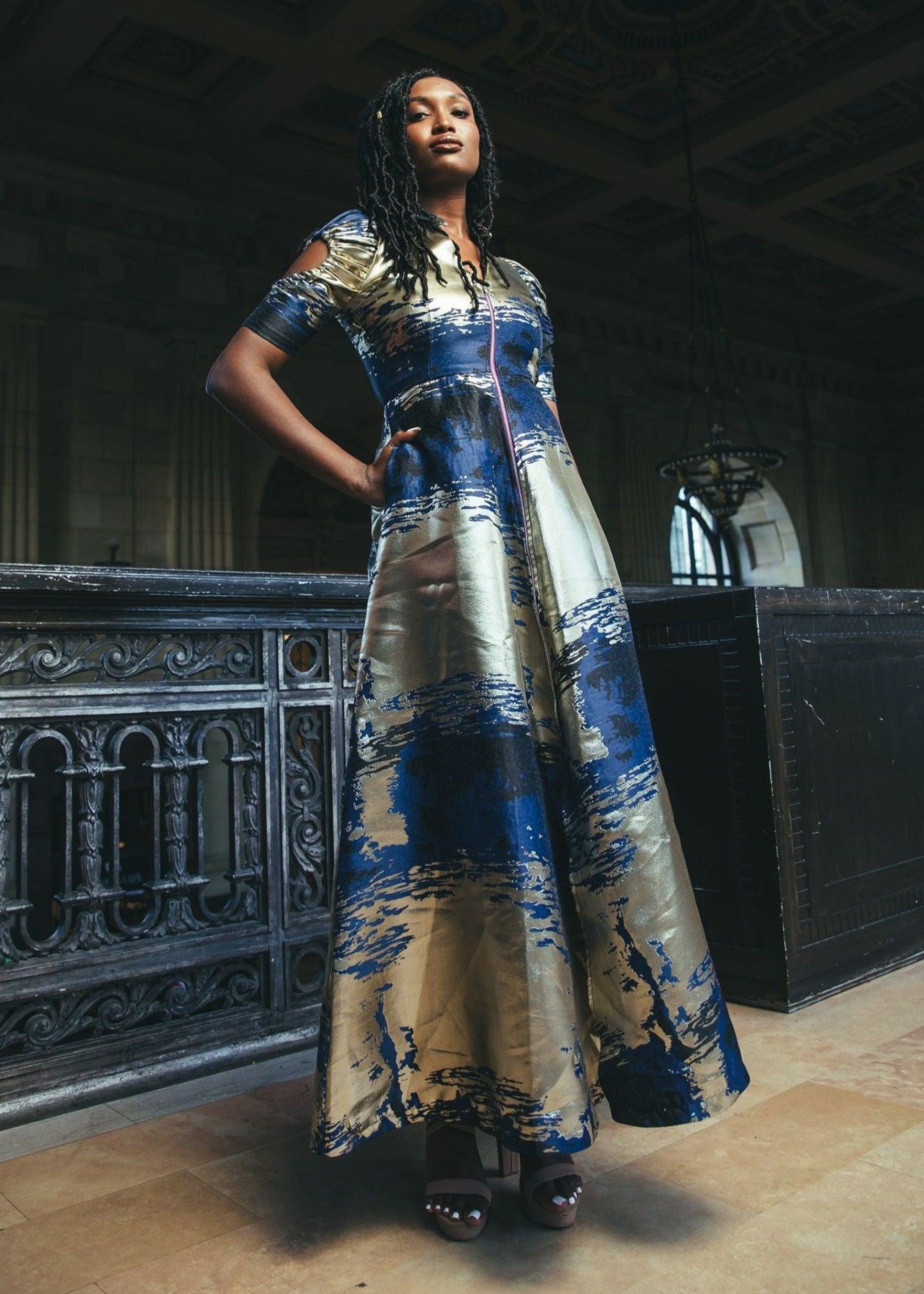
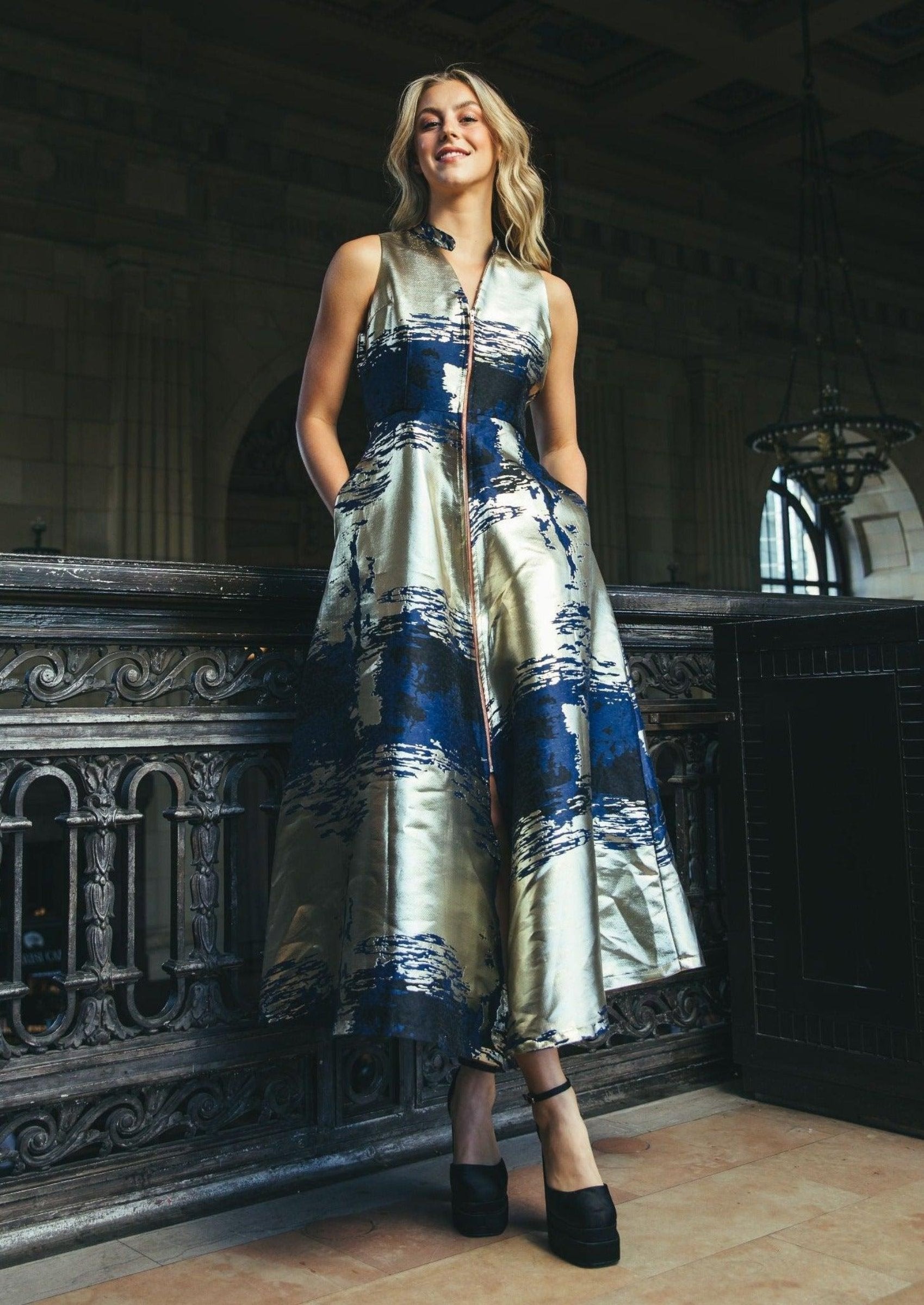
Consider a wedding guest dress. A fast-fashion option might cost $40 and last through two events before seams fail. A slow fashion piece from KAHINDO costs more at $80, but handcrafted construction and premium materials mean you'll wear it to weddings, galas, and milestone events for years. Wear it 20 times and you're at $4 per wear. That $40 dress, replaced every two wears, costs $20 per wear by comparison.
The cost per wear formula reveals a hard truth: slow fashion becomes obvious when you commit to wearing pieces multiple times. If you buy something and wear it once, no amount of quality justifies the expense. But if you're intentional about your wardrobe, choosing pieces you genuinely love and will reach for repeatedly, the investment pays for itself.
Quality of Materials and Craftsmanship: Why Durability Matters
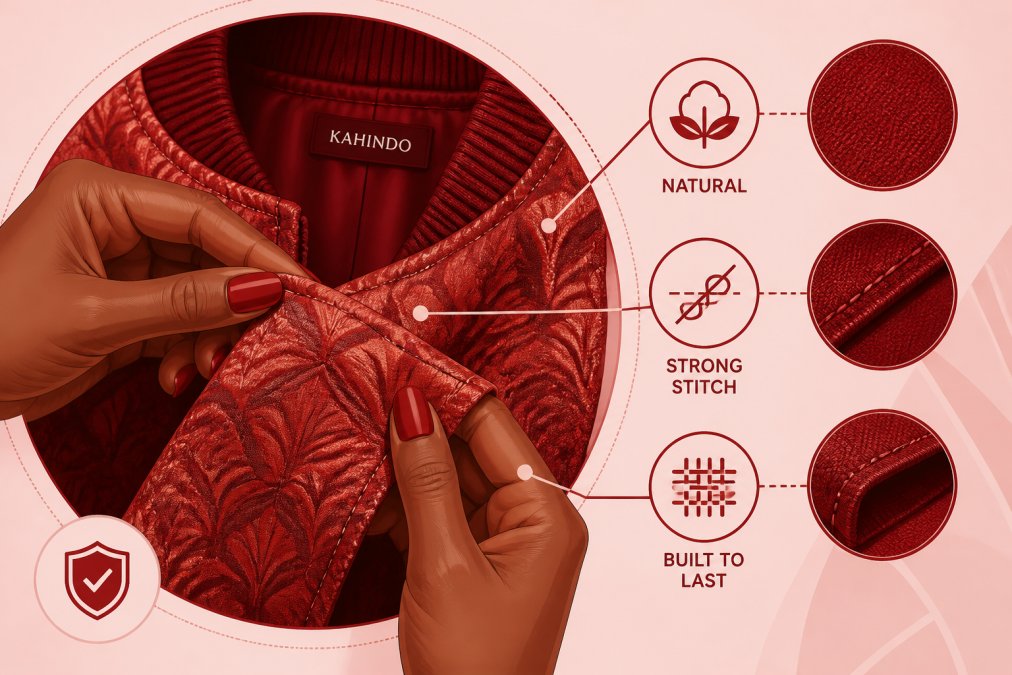
The difference between a garment that lasts five years and one that lasts five months comes down to materials and construction. Quality materials resist pilling, fading, and deterioration. Skilled craftsmanship means seams won't split, hems won't unravel, and closures function reliably through dozens of washes.
Natural fibers like linen, cotton, and viscose typically outlast synthetic blends. They breathe better, age more gracefully, and feel better against skin. Handcrafted construction matters enormously, hand-stitched seams use multiple thread lines and can be repaired, while machine-sewn single-line seams fail completely when broken. Reinforced stress points at armholes, necklines, and hem corners prevent the most common failure points.
Durable construction is visible if you know what to look for. Check seams for straightness and evenness. Examine hems for clean interior finishing. Feel buttons or zippers for security. These details signal whether a piece was made carefully or rushed.
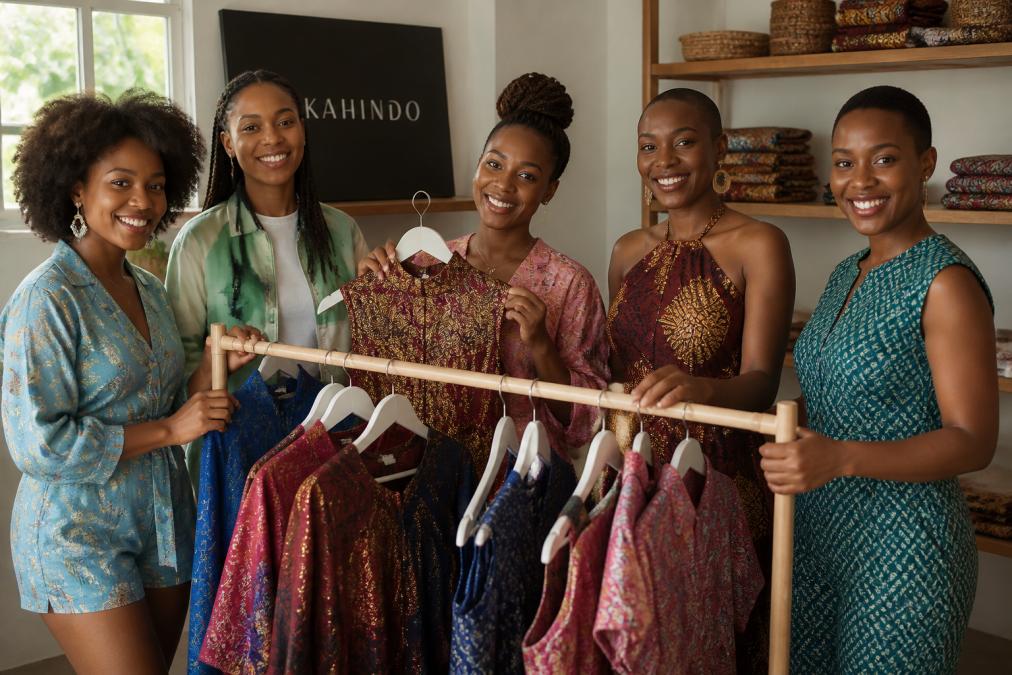
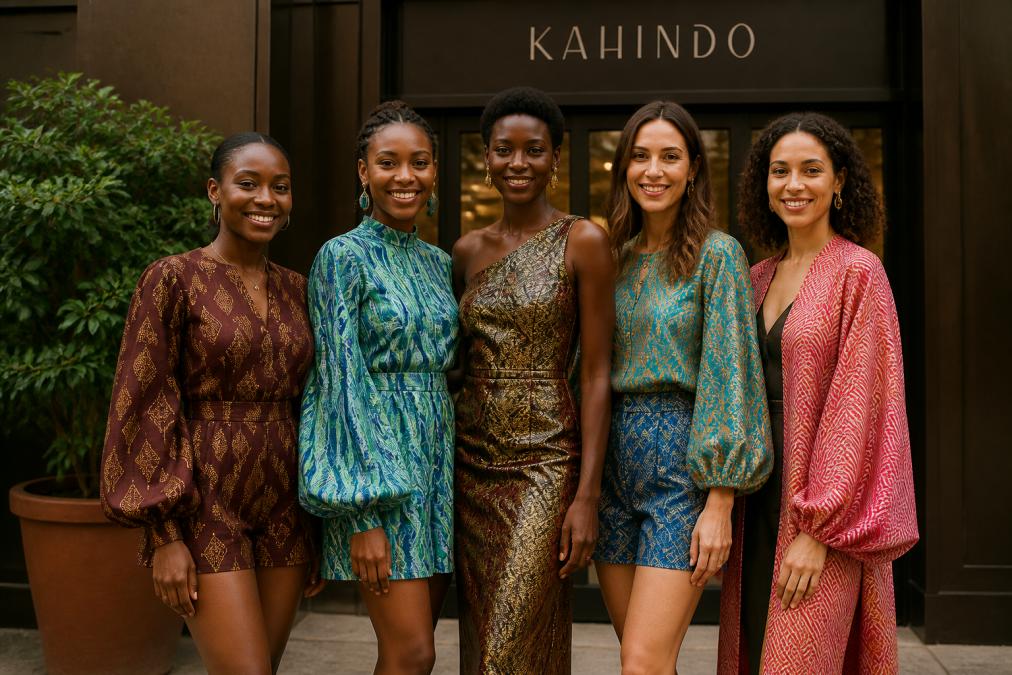
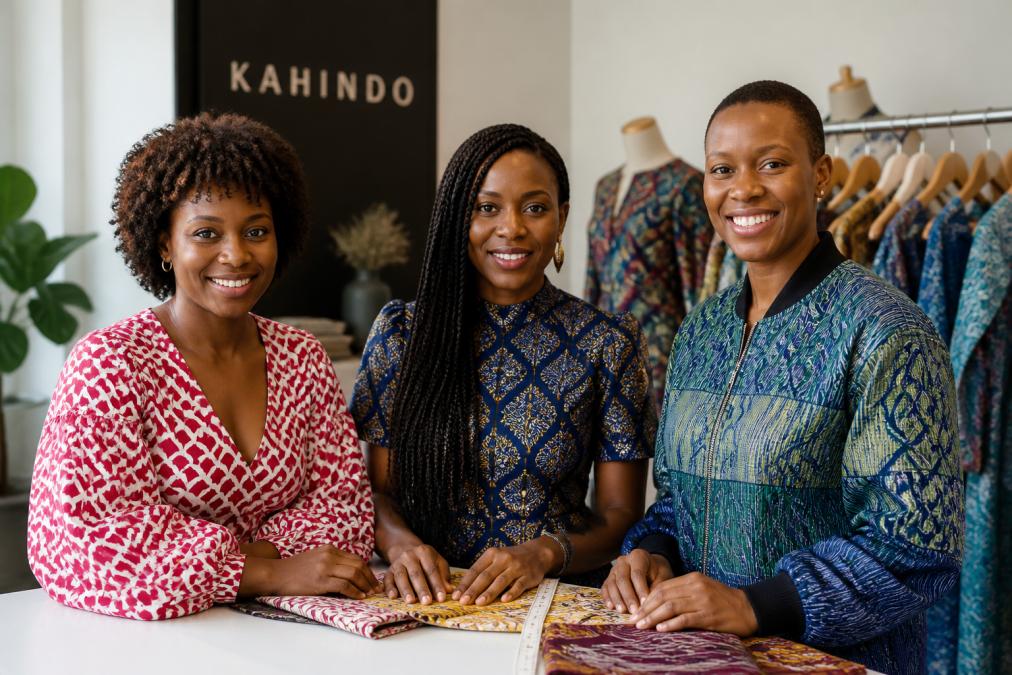
KAHINDO pieces exemplify this approach. Each garment is handcrafted by female artisans in Kenya using fair-trade practices, giving artisans time to perfect their work. The brand uses 100% hand-dyed Adire textiles and premium viscose chosen specifically for longevity. The slow-bath dyeing process creates non-replicable gradients that deepen with wear rather than fade. A well-made dress survives 50, 100, or even 200 wears, while a poorly made one fails after 5, the difference between $0.40 and $8 per wear.

Building a Capsule Wardrobe: The Real Benefits
A capsule wardrobe is a curated collection of versatile pieces that work together. Instead of owning 50 items that don't coordinate, you own 20-30 pieces that mix and match. Every item earns its place because it combines with others to create multiple outfits.
A smaller, intentional wardrobe forces you to buy better. You can't afford 50 mediocre pieces, so you invest in fewer, higher-quality ones. You wear each piece more often, improving cost per wear. You spend less time deciding what to wear and less money replacing worn-out items.
Building a capsule wardrobe starts with identifying your actual lifestyle. If you attend weddings and formal events regularly, occasion-ready pieces are essential. If you work creatively, statement pieces matter. If you're juggling work and family, practical comfort is non-negotiable. Your capsule should reflect how you actually live.
Choose a color palette of 3-4 core colors, say, navy, cream, and gold, so every piece coordinates with most others. Prints and patterns work within this palette, creating visual interest without chaos. Quality over quantity becomes the operating principle: instead of five $20 dresses, buy two $60 dresses that fit better, last longer, and make you feel better when you wear them.
Occasion-ready pieces deserve special attention. A well-chosen wedding guest dress or evening gown serves as an anchor for multiple events. Pair it with different shoes, jewelry, and accessories and it becomes a different look. This is where slow fashion worth investment becomes undeniable: one exceptional piece creates more value than three forgettable ones.

How to Identify Sustainable Clothing Brands You Can Trust
The sustainable fashion industry has a trust problem. Brands use terms like "eco-friendly," "ethical," and "sustainable" without clear definition or verification. Identifying trustworthy brands requires looking past marketing language to actual practices.
Start with supply chain transparency. Trustworthy brands tell you exactly where clothes are made, who makes them, and under what conditions. They share information about wages, working hours, and labor practices. Look for third-party verification like Fair Trade certification, B Corp status, or membership in ethical fashion organizations, which provide independent accountability.
Ask whether the brand prioritizes artisan empowerment. Do they work with the same manufacturers year after year, building relationships? Do they pay fair wages that support dignified life, not just minimum wage? Do they invest in artisan communities beyond purchasing labor? Brands that truly care show this through long-term partnerships and community investment.
Check the materials. Sustainable brands prioritize natural fibers, recycled materials, or innovative eco-friendly alternatives, disclosing what they use and why. They explain dyeing processes, water usage, and waste management. Vague language about "sustainable materials" without specifics is a red flag.
Read customer reviews looking beyond five-star ratings. Real customers discuss fit, durability, and how pieces hold up over time. They mention whether brands respond to problems and stand behind their work.
KAHINDO demonstrates these practices transparently. Every piece includes a provenance card documenting the artisan who made it and hours invested. The brand works exclusively with a female artisan cooperative in Nairobi, building long-term relationships. Fair-trade practices ensure living wages, and slow-bath dyeing minimizes environmental impact while creating non-replicable beauty.
The Hidden Costs of Fast Fashion vs. Slow Fashion Investment
Fast fashion appears cheap until you calculate its true cost. Environmental costs are staggering: the fashion industry generates massive textile waste, with clothes made to last one season ending up in landfills where synthetic fibers persist for decades. Dyeing and treatment use enormous quantities of water and chemicals, polluting waterways and harming ecosystems.
Social costs are equally troubling. Fast fashion's low prices depend on poverty wages for garment workers. Workers often labor 12-16 hour days in unsafe conditions without benefits or job security. Financial costs compound over time: a $30 dress worn three times costs $10 per wear, and constantly buying replacements means spending more overall despite each purchase feeling affordable.
Slow fashion investment flips this equation. Higher upfront costs are offset by durability, versatility, and the satisfaction of supporting ethical production. You spend more per item but less overall because you buy fewer items and keep them longer.
The environmental impact of slow fashion is measurably smaller. Fewer garments produced means less water, fewer chemicals, less waste. Durable pieces worn dozens of times spread their environmental cost across many wears. Natural fibers biodegrade. Fair-trade production means smaller factories with better environmental practices.
The social impact is transformative. Fair wages mean artisans support their families, invest in education, and build stable lives. Ethical production means safe working conditions and respect for workers' dignity. When you buy from KAHINDO, you directly support women's economic empowerment and artisan communities.
Resale Value and the Circular Economy: Getting Your Money Back
High-quality pieces hold their value and can be sold years later, recovering a significant portion of your original investment. The circular economy works because quality pieces have secondary markets. Handcrafted pieces from ethical brands attract buyers specifically seeking those attributes.
Resale platforms like Vestiaire Collective, Depop, and Poshmark connect sellers with buyers seeking high-quality, pre-owned pieces. A KAHINDO dress purchased for $80 and worn 30 times over five years retains value because craftsmanship, materials, and story matter to new owners. Sell it for 40-60% of original price and your actual cost becomes $32-48. Divide that by the number of wears and cost per wear drops dramatically.
Fast fashion pieces have almost no resale value. A $30 dress might sell for $3-5, if anyone wants it at all. The economics don't work.
Resale value matters most for occasion wear. A KAHINDO dress worn to three weddings over seven years can be sold to someone attending their first wedding, recovering $30-50 of the original cost. The new owner gets a unique, handcrafted piece at a discount. The original buyer reduces their cost per wear. Everyone wins. Durable construction means pieces survive multiple owners and decades of wear, the opposite of fast fashion's linear model.
Maintenance and Care: Protecting Your Investment
Slow fashion worth investment requires commitment to care and maintenance. Proper care extends garment life, preserves beauty, and deepens your connection to what you wear.
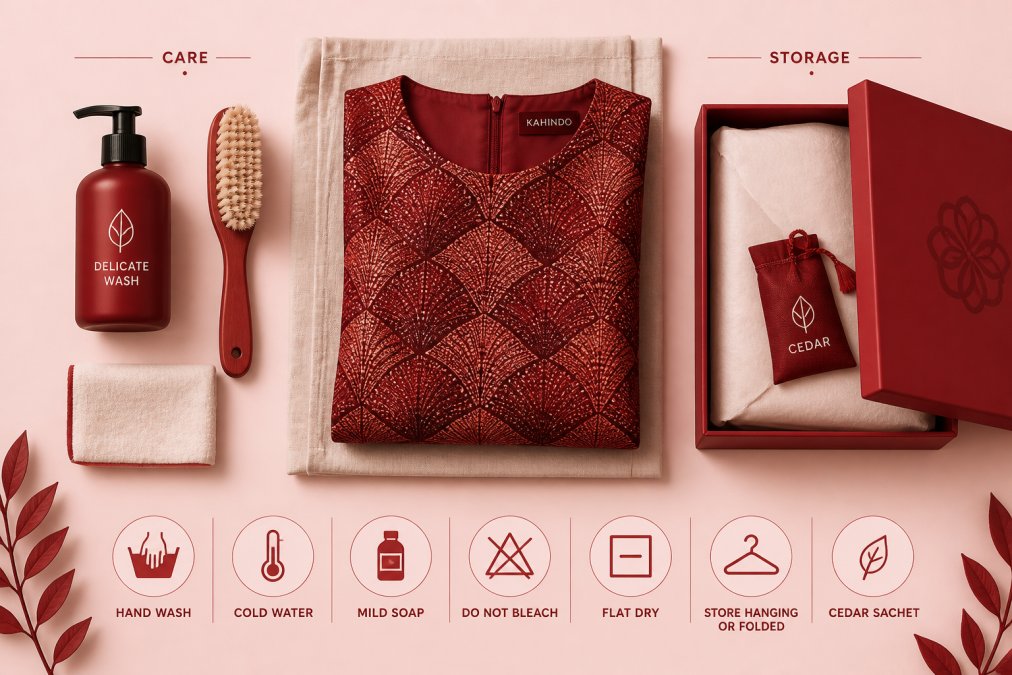
Hand washing in cold water with gentle detergent preserves fabrics far better than machine washing. Delicate pieces like KAHINDO's handcrafted garments benefit from cold-water hand washing and air drying, just 10 minutes that extends garment life by years. Store pieces properly: hang items that wrinkle easily, fold those that stretch. Use wooden hangers for delicate items and store in cool, dry places away from direct sunlight. Cedar blocks or lavender sachets protect against moths without harsh chemicals.
Spot cleaning extends time between full washes. A small stain addressed immediately with cold water and gentle blotting often disappears without washing the entire garment. Repairs preserve value: a loose seam repaired immediately prevents complete failure. A missing button replaced keeps a piece wearable. These repairs take minutes and cost nothing if you can sew, or modest amounts with a tailor.
Seasonal rotation prevents wear concentration. Rotating through a capsule wardrobe means each piece rests between wears, allowing fibers to recover. This simple practice doubles garment lifespan.
Slow fashion worth investment isn't about sacrifice or judgment. It's about recognizing that the cheapest option at purchase is often the most expensive over time. When you calculate cost per wear, factor in environmental impact, and consider resale value, high-quality pieces become the rational financial choice.
KAHINDO embodies this approach. Every piece is designed to be worn repeatedly across years and occasions. Handcrafted by female artisans in Kenya using fair-trade practices, these garments combine investment-grade quality with the story and impact of ethical production. You're not just buying a dress; you're supporting women's economic empowerment, accessing artisanal craftsmanship, and making a choice that aligns with your values. That's what makes slow fashion worth the investment.
Frequently Asked Questions
Is slow fashion worth the higher price tag compared to fast fashion?
Yes, when measured by cost-per-wear and longevity. A slow fashion piece worn 50+ times over five years costs roughly $1.60-$3.20 per wear, while a fast fashion item worn 5-10 times costs $5-$15 per wear. Slow fashion garments made from durable natural fibers and ethical construction last significantly longer, making the upfront investment financially sound over time, especially for occasion pieces.
How do you calculate cost-per-wear formula for clothing?
Divide the price of the garment by the number of times you expect to wear it. For example, a $200 dress worn 40 times over four years = $5 per wear. A $40 fast fashion dress worn 8 times = $5 per wear. The difference: the slow fashion piece maintains its quality, resale value, and fit, while the fast fashion piece deteriorates. Slow fashion investments become cheaper per wear the longer you keep them.
How can you tell if a clothing brand is truly sustainable?
Look for supply chain transparency, fair-trade certifications, and documented labor practices. Legitimate sustainable brands provide provenance information, artisan details, and wage transparency. Check if they use natural fibers, ethical dyeing processes, and support fair wages. Avoid greenwashing: real sustainable brands disclose their production locations, material sourcing, and environmental impact. Ask for proof rather than accepting marketing claims alone.
Does slow fashion actually last longer than fast fashion?
Yes. Slow fashion uses superior materials like natural fibers, hand-dyed textiles, and durable construction techniques. Fast fashion relies on synthetic blends, rushed manufacturing, and planned obsolescence. A slow fashion garment with proper care can last 5-10 years, while fast fashion typically fails within 1-2 years. The difference compounds: slow fashion pieces maintain their shape, color, and structural integrity, making them worth the investment.
This article was written using GrandRanker