

Heritage Quality Women's Occasion Wear: A Buying Guide
Table of Contents
- What Defines Heritage Quality in Women's Occasion Wear
- Sustainable Formal Wear for Women: Why Ethical Production Matters
- Choosing the Right Silhouette for Your Body Type
- How to Style Statement Occasion Wear
- Unique Wedding Guest Outfit Ideas Beyond the Dress
- Investment Pieces vs. Seasonal Trends: The Cost-Per-Wear Advantage
- Caring for Heritage Quality Fabrics
- Conclusion
Last Updated: August 17, 2026
What Defines Heritage Quality in Women's Occasion Wear
Heritage quality in women's occasion wear represents intentional craftsmanship, material integrity, and a garment's ability to transcend a single season or event. A heritage quality piece begins with fiber selection, moves through deliberate pattern-making, and concludes with finishing techniques that refuse shortcuts. According to the Sustainable Apparel Coalition's Material Impact Index, natural fibers and ethically sourced textiles significantly extend garment lifespan while reducing environmental burden over the lifetime of wear.
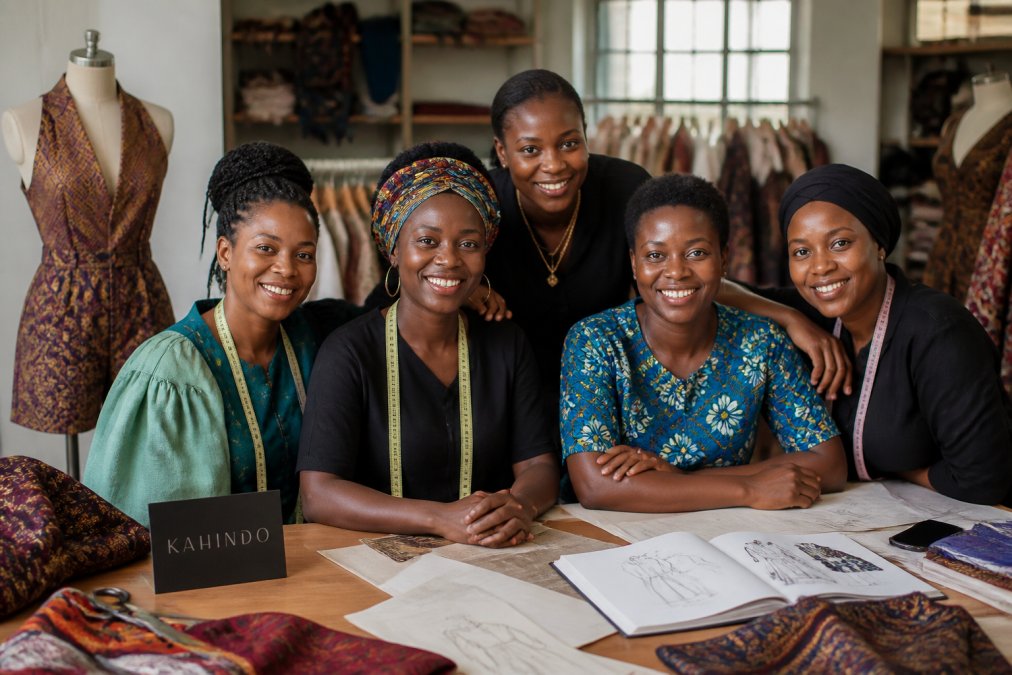
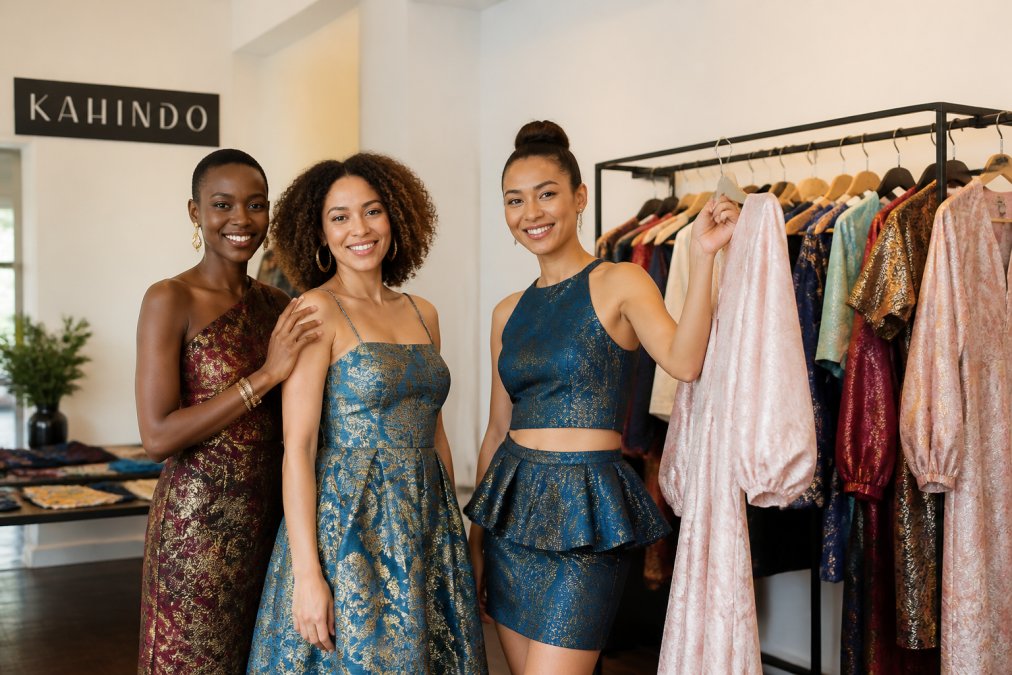
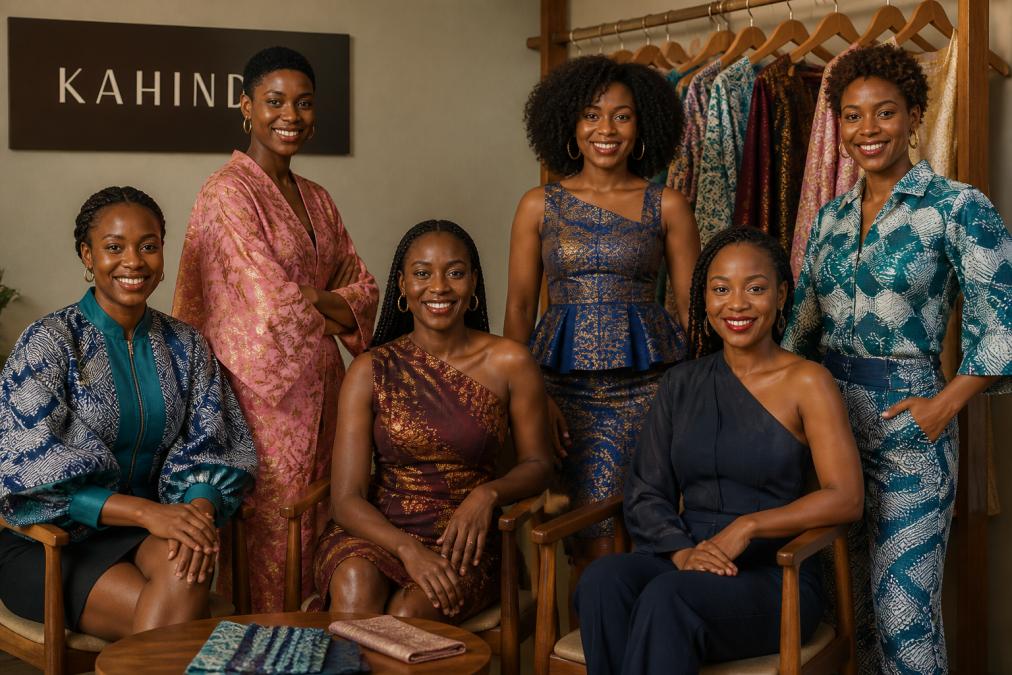
At KAHINDO, heritage quality women's occasion wear is built on this philosophy: every dress, gown, and jumpsuit is designed in New York and handcrafted by female artisans in Kenya. Each piece comes with a provenance card documenting the artisan and labor hours, transparency that transforms a garment into a story.
Craftsmanship and Construction Standards
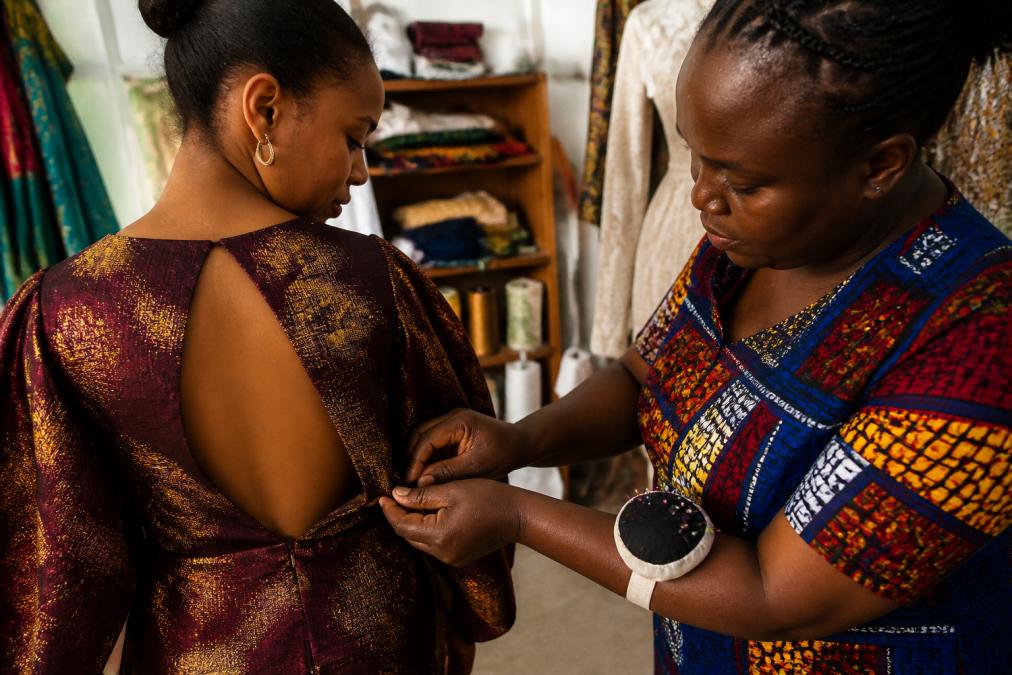
Craftsmanship in heritage quality women's occasion wear reveals itself in details most people never consciously notice but always feel. Hand-finished seams, reinforced stress points, and precision hemming distinguish a garment built to last from one engineered for disposal. Heritage construction means strategic reinforcement at high-stress points: armholes, side seams, and zipper bases receive additional stitching that prevents common failures. Hand-finished hems typically include multiple rows of stitching, allowing fabric to move naturally rather than being locked in place by industrial machinery.
KAHINDO's handcrafted approach ensures each garment receives individual attention. The artisans creating these pieces aren't racing against production targets; they're creating heritage quality women's occasion wear designed to become a favorite piece in your wardrobe.
Textile Integrity and Fabric Selection
The fabrics chosen for heritage quality women's occasion wear determine whether a garment lasts one season or ten. Natural fibers, silk, linen, cotton, wool, age beautifully and maintain structure through repeated wear and careful laundering. KAHINDO employs slow-bath dyeing processes that create unique, non-replicable color gradients. Natural fiber content also matters for longevity; polyester and metallic threads, when used intentionally in blends like KAHINDO's burgundy gold metallic jacquard (86% polyester, 14% metallic thread), add shimmer and structure without compromising care and repeated wear.

Sustainable Formal Wear for Women: Why Ethical Production Matters
Sustainability of formal wear extends beyond environmental impact to include the human systems that produce it. Sustainable formal wear for women means garments made by people compensated fairly, working in safe conditions, and building genuine economic stability. When artisans are paid fairly and given time to do their work properly, the result is better construction. When workers aren't racing against impossible quotas, seams are finished cleanly, embellishments are attached securely, and quality control is real.
Fair-Trade Practices and Artisan Empowerment
Fair-trade practices in sustainable formal wear for women guarantee that the people making your dress earn living wages, have safe working conditions, and build long-term economic security. KAHINDO's model centers on female artisan empowerment. Every piece is handcrafted by women in a Nairobi cooperative, ensuring economic value flows directly to the people creating it. When artisans are compensated fairly and treated with respect, they remain in their roles and develop deeper expertise. The provenance card included with each KAHINDO piece documents the artisan's name and labor hours invested, allowing you to understand exactly what your investment supports.
Supply Chain Transparency and Provenance
Supply chain transparency in sustainable formal wear for women means you can trace your dress backward: from your closet to the hands that made it, the materials that compose it, and the practices that governed its creation. Many luxury brands claim ethical production without offering proof. KAHINDO's approach inverts this: provenance is the product. The Fair Trade Certified standards for apparel outline the labor protections and wage requirements that define ethical production. When a brand commits to these standards, it's committing to verifiable practices, not vague claims.
Choosing the Right Silhouette for Your Body Type
The silhouette of your heritage quality women's occasion wear matters more than price tag or designer name. A dress that flatters your body type will be worn repeatedly; one that doesn't will hang in your closet regardless of quality or cost.
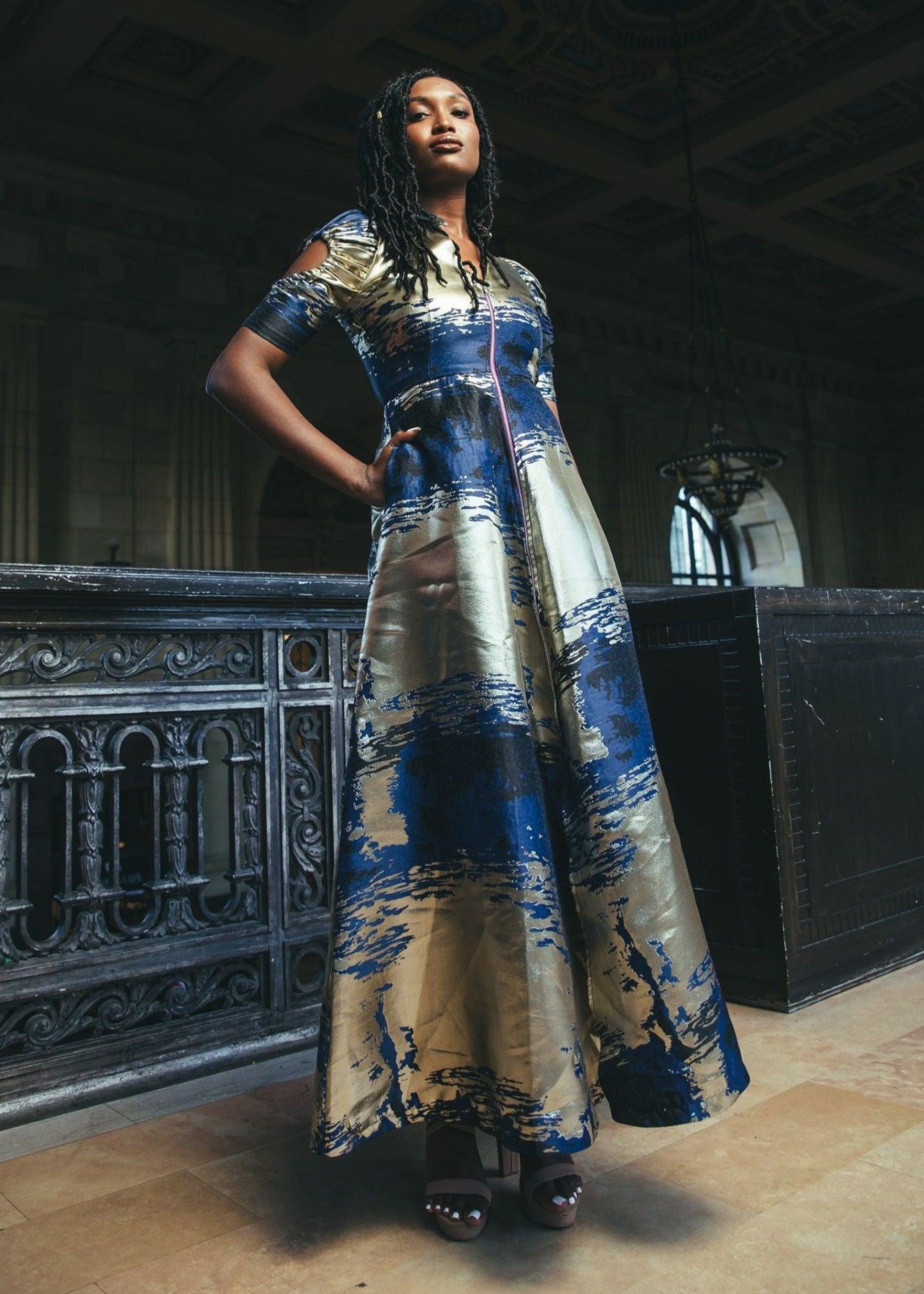
For pear-shaped figures, A-line and fit-and-flare silhouettes balance proportions by skimming hip and thigh while creating definition at the waist. KAHINDO's Cleopatra Maxi Dress, with its structured royal blue fabric and classic maxi length, works beautifully because the fabric holds its shape without clinging.

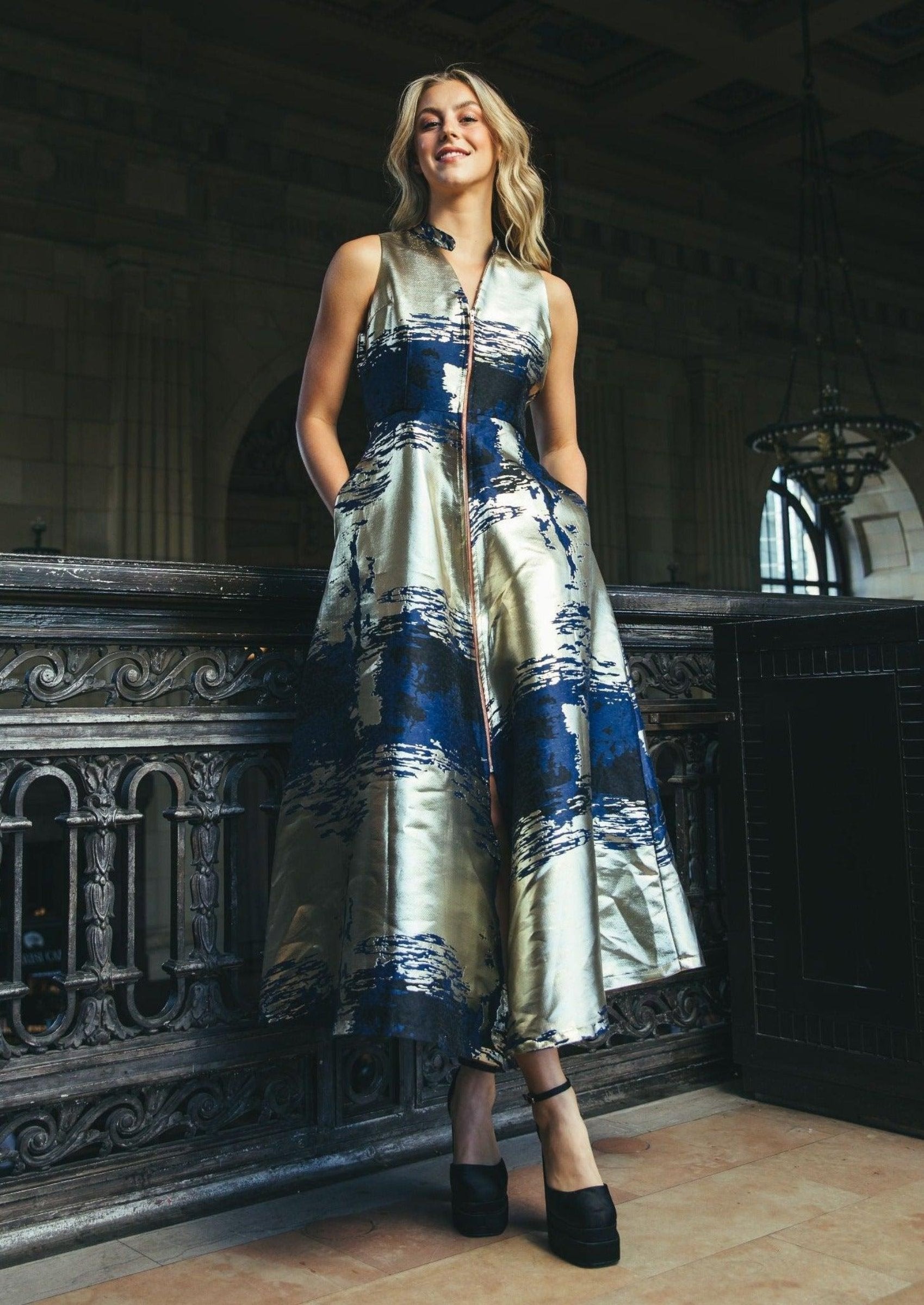
Apple-shaped figures benefit from silhouettes that define the waist and draw attention upward. High necklines, structured bodices, and empire waists all work well. The Chidi Midi Dress, with its collar design and front slit, creates visual interest at the neckline while the midi length balances proportions.
Hourglass figures can wear nearly any silhouette, but fitted styles that emphasize the natural waist are particularly striking. KAHINDO's Hadiza Mini Dress, with its one-shoulder design and fitted cut, creates a sophisticated, elongated line.
Rectangular body types benefit from silhouettes that create the illusion of curves. Peplum details, ruching, and bold prints add dimension. The real advantage of heritage quality women's occasion wear is that it's made to fit real bodies.
How to Style Statement Occasion Wear
Statement occasion wear demands confidence and intentionality in styling. When your dress features bold color, intricate embellishment, or striking silhouette, supporting elements should enhance rather than compete.
The first rule of styling statement heritage quality women's occasion wear is restraint in accessories. A dress with intricate print or bold color needs minimal jewelry. Choose one focal point beyond the dress itself: a single statement necklace, delicate earrings, or a bold cuff. Footwear should echo the formality of the occasion and the dress's aesthetic. Metallic heels, classic pumps, or strappy sandals in neutral tones work universally. Hair and makeup should feel polished but not overdone. The goal is to look like yourself at your best, not like you're wearing a costume.
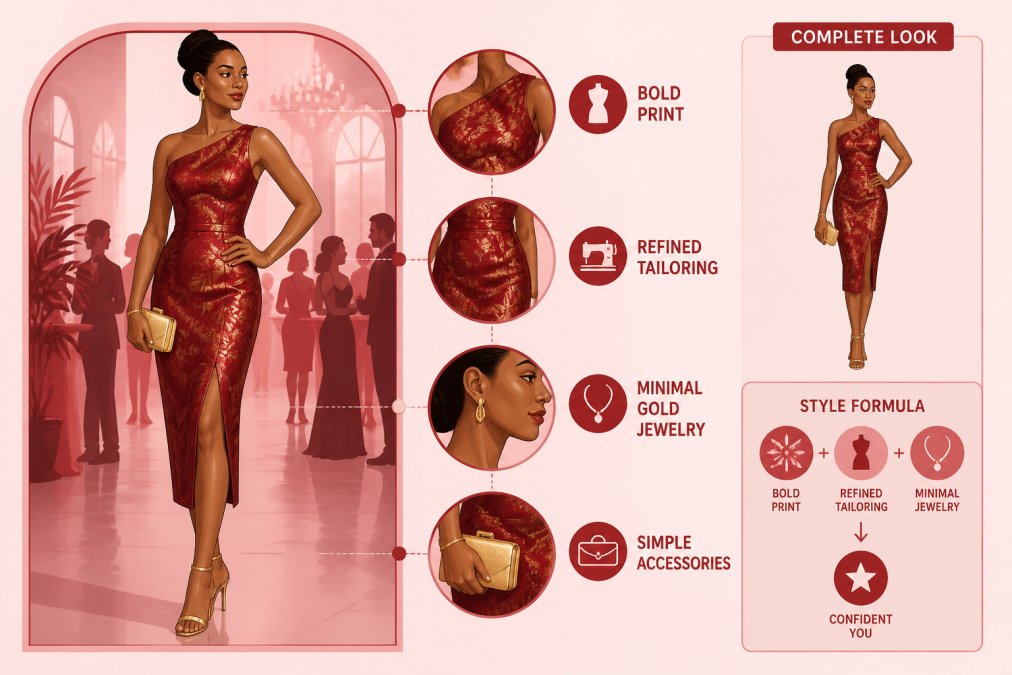
When you're wearing a garment you love, one that fits perfectly and is made with care, that confidence radiates.
Unique Wedding Guest Outfit Ideas Beyond the Dress
Wedding guest dressing has evolved beyond the traditional "find a dress, add shoes, done" approach. A jumpsuit offers a sophisticated alternative to traditional dressing. KAHINDO's occasion jumpsuits combine the formality of a gown with the modern sensibility of tailored separates.
Separates styling, a statement top paired with elegant trousers or a skirt, allows greater flexibility and personalization. Layering adds sophistication and versatility: a slip dress worn under a sheer overlay, a structured jacket over a column gown, or a luxe shawl draped over bare shoulders all create depth and dimension.
Color choice in wedding guest dressing should respect the couple's preferences while allowing your personality to shine. Jewel tones, emerald, sapphire, burgundy, amethyst, photograph beautifully, flatter most skin tones, and feel inherently formal. KAHINDO's rich, saturated colors in heritage quality women's occasion wear mean you can choose bold hues without worrying about them reading as costume-like.
The most memorable wedding guest looks are those that feel authentic to the wearer.
Investment Pieces vs. Seasonal Trends: The Cost-Per-Wear Advantage
The financial logic of heritage quality women's occasion wear becomes clear when you calculate cost-per-wear. A $300 dress worn three times costs $100 per wear. That same dress worn twelve times over five years costs $25 per wear. Heritage quality women's occasion wear rejects the disposable model entirely.
Investment pieces are built to transcend trend cycles. A timeless silhouette in quality fabric with excellent construction will look appropriate and beautiful at events five years from now. KAHINDO's pricing reflects this value proposition. The Cleopatra Maxi Dress at $300 is positioned as an investment piece, a garment you'll wear to multiple events, style different ways, and treasure for years. Owning rather than renting also offers psychological benefit. A dress that's yours becomes part of your identity. You know how it fits, how it moves, how it photographs.
| Aspect | Investment Pieces | Seasonal Trends |
|---|---|---|
| Lifespan | 5+ years with proper care | 1-2 seasons |
| Cost-Per-Wear | Decreases with each wearing | High, single-use economics |
| Style Evolution | Timeless silhouettes transcend trends | Designed to feel outdated quickly |
| Quality Standards | Heritage craftsmanship and materials | Mass production and shortcuts |
| Resale Value | Maintains value; can be worn or gifted | Minimal resale potential |
| Environmental Impact | Amortized over many wears; lower impact | High waste from disposable approach |
Caring for Heritage Quality Fabrics
Heritage quality women's occasion wear demands intentional care to maintain its beauty and structure. Always check the garment's care label first. Hand-washing is the safest approach for most heritage quality women's occasion wear. Use cool water, a gentle detergent formulated for delicate fabrics, and minimal agitation.
For drying, avoid direct heat and sunlight. Lay the garment flat on a clean, dry towel or hang it on a padded hanger in a well-ventilated space away from direct light. Storage requires attention as well. Heritage quality women's occasion wear should be stored in a cool, dry place away from direct sunlight. Acid-free tissue paper helps prevent creasing and discoloration. Professional dry cleaning by a specialist in luxury fabrics is often the safest option for set-in stains on delicate garments.
Heritage quality women's occasion wear represents a fundamental shift in how you think about formal dressing. It's not about owning more; it's about owning better. When you invest in pieces designed and constructed with intention, made by artisans compensated fairly, and built to last years rather than seasons, you're making a choice that benefits your wardrobe, your confidence, and the people who make your clothes.
KAHINDO embodies this philosophy entirely. Every dress, gown, and jumpsuit is designed in New York and handcrafted by female artisans in Kenya. The brand's commitment to fair-trade practices, supply chain transparency, and heritage quality women's occasion wear means your investment directly supports women's economic empowerment while giving you garments that will become favorites in your wardrobe. Explore KAHINDO's collection and discover occasion wear that looks good, feels good, and does good.
Frequently Asked Questions
What makes heritage quality women's occasion wear different from fast-fashion formal dresses?
Heritage quality occasion wear prioritizes refined tailoring, natural fibers, and meticulous garment construction that withstand repeated wear. Fast-fashion alternatives use synthetic blends, rushed assembly, and trendy cuts designed for single-season wear. Heritage pieces feature superior drape and fit, higher-end finishing details like hand-stitched seams, and fabrics chosen for longevity. When you invest in heritage quality, you're buying a timeless silhouette engineered to last years, not months.
How do I verify that sustainable formal wear for women is actually ethically produced?
Look for brands that provide supply chain transparency, including artisan identification, fair wages, and working condition documentation. Reputable makers include provenance cards or certificates detailing labor hours and production origins. Ask for third-party certifications (Fair Trade USA, B Corp) or direct access to factory information. Brands like KAHINDO document each garment's artisan and production process, allowing you to trace exactly where your dress was made and who crafted it.
Is investing in a heritage quality dress for one wedding really worth the cost compared to renting?
Yes, when calculated by cost-per-wear. A $300 heritage quality dress worn three times annually over five years costs $20 per wear. Rental services typically charge $50-$150 per event. Beyond economics, ownership offers exclusivity, your dress won't appear on multiple guests, plus the satisfaction of supporting artisan communities and owning a piece with real craftsmanship. Heritage pieces also appreciate in meaning; you'll remember the occasions you wore them.
How should I care for delicate evening fabrics to maintain heritage quality?
Store heritage occasion wear in breathable garment bags away from direct sunlight to prevent fading. Spot-clean minor stains immediately with cool water and mild detergent; avoid dry cleaning unless necessary, as harsh chemicals degrade natural fibers and embellishments. For hand-dyed or artisan textiles, turn the dress inside out before washing in cold water on a gentle cycle. Air-dry flat or hang on padded hangers. Professional restoration services can repair seams or embellishments if needed, extending the garment's life significantly.
This article was written using GrandRanker