




What Makes Fashion Truly Ethical?
A dress can be beautifully made, impeccably tailored, and unforgettable in a room. That still does not answer what makes fashion truly ethical. The real test is less about the final image and more about everything that made that image possible - who made it, how they were paid, what the process required, and whether the garment was created to matter long after one event.
For women who dress with intention, ethics is not a side note. It is part of luxury itself. If a piece is meant for a wedding, a gala, or a milestone celebration, it should carry more than visual impact. It should reflect care, dignity, and design choices that respect both the wearer and the maker.
What makes fashion truly ethical in practice
Ethical fashion is often reduced to a few familiar claims: organic fabric, recycled packaging, or a sustainability page tucked into a website footer. Those details can matter, but they are not the whole story. What makes fashion truly ethical is a system, not a slogan.
At its core, ethical fashion asks whether a brand creates beauty without shifting the cost onto someone else. That includes garment workers, artisans, local communities, and the environment. A lower price or faster turnaround usually comes from somewhere. Ethical production refuses to hide that reality.
This is why labor matters first. If the people making the clothes are underpaid, overworked, or kept invisible, the garment cannot honestly be called ethical, no matter how polished the branding may be. Fair pay, safe working conditions, respect for skill, and stable employment are not added benefits. They are the baseline.
The next layer is transparency. A brand does not need to perform every detail to earn trust, but it should be able to speak clearly about where garments are made, who makes them, and what standards guide production. Vagueness is often a warning sign. Ethical fashion is specific.
Then there is design intent. A garment made with care but designed for a single trend cycle raises its own questions. True ethics include longevity. Pieces should be made to last in construction, relevance, and emotional value. Occasionwear, especially, should never feel disposable simply because the event is singular. A well-made dress can still feel powerful years later when it is reworn, restyled, or passed on.
Ethics begin with the hands behind the garment
Fashion conversations often start with fabric. Ethical ones should start with people.
The modern fashion industry has trained shoppers to focus on the finished look while overlooking the labor behind it. Yet craftsmanship is not incidental to luxury. It is luxury. Hand-finishing, precise sewing, print placement, drape, fit - these are all expressions of human skill. When that skill is exploited rather than honored, the garment loses something essential, even if the customer never sees the factory floor.
An ethical brand treats makers as valued contributors, not hidden costs. That can mean fair-trade production models, artisan partnerships, opportunities for women in regions where employment access is limited, and long-term relationships rather than transactional outsourcing. It also means recognizing that craft deserves compensation.
There is a trade-off here, and it should be stated plainly. Ethical fashion is rarely the cheapest option. It cannot be, because fair labor has a real price. But higher cost is not automatically proof of ethics either. Luxury without accountability is simply expensive. The difference lies in whether the price reflects quality, craftsmanship, and equitable production - or just marketing.
Materials matter, but they are not the whole answer
Fabrics shape the environmental side of the conversation, but this is where nuance matters. There is no single perfect material. Natural fibers can require heavy water use. Synthetics can shed microplastics. Recycled options can reduce waste but still rely on industrial processing. Ethical fashion is rarely about absolutes. It is about better choices, made consciously.
A responsible brand considers the full life of a garment: sourcing, production, wear, care, and longevity. Sometimes that means choosing lower-impact materials. Sometimes it means producing in smaller quantities to avoid excess waste. Sometimes it means favoring exceptional craftsmanship and durability so the piece stays in a wardrobe for years instead of months.
For occasion dressing, this distinction matters. A striking dress that is worn once and forgotten carries a different cost than one designed with enough integrity and versatility to return for future celebrations. Ethical fashion does not ask women to sacrifice beauty. It asks brands to create beauty that lasts.
Why small-batch production often says more than big promises
Overproduction is one of fashion's least glamorous problems and one of its most consequential. The industry has normalized making too much, discounting aggressively, and discarding what does not sell. That cycle wastes materials, labor, and energy before a garment is ever worn.
Small-batch production offers a different approach. It usually signals greater control, more intentional buying, and less excess inventory. It can also support better craftsmanship because the focus stays on quality rather than volume. This does not make every small brand ethical by default, but it often aligns more naturally with ethical values than mass production built around speed.
For the customer, this changes the experience too. The piece feels considered, not churned out. It holds its point of view. That matters for women who are not looking to wear what everyone else is wearing, especially for meaningful occasions.
Cultural respect is part of what makes fashion truly ethical
Fashion draws constantly from global cultures, but inspiration and appropriation are not the same thing. This is another place where ethics goes deeper than surface claims.
When a brand references cultural motifs, prints, or techniques, the questions are simple but significant. Is the source acknowledged? Are the communities connected to that tradition benefiting? Is the work being interpreted with knowledge and respect, or simply mined for aesthetic value?
Ethical fashion honors origin. It does not flatten culture into trend. It understands that print, pattern, and craft can carry history, identity, and pride. When brands engage those elements responsibly, the garment communicates more than style. It carries meaning.
That is especially powerful in luxury. A culturally rooted piece can feel bold, modern, and celebratory while still honoring the traditions that shaped it. Done well, it offers the wearer something rare: fashion with presence and point of view.
The shopper's role in ethical fashion
No customer can investigate every seam, every supplier, or every claim. But thoughtful shopping still matters. The goal is not perfection. It is discernment.
A few questions tend to reveal a great deal. Does the brand explain who makes the clothes? Does it speak about production with clarity or with broad, polished language that says very little? Does the garment look designed for longevity, or for a single season of relevance? Does the pricing make sense for the level of craftsmanship being promised? And perhaps most important, does the brand seem to value women only as customers, or also as makers, collaborators, and communities?
Ethical fashion also asks something of the wearer after purchase. Care for the garment well. Alter it if needed. Rewear it proudly. Choose pieces with enough substance that repeating them feels elegant, not obligatory. The most sustainable dress is often the one that keeps being worn.
For this reason, occasionwear deserves a more thoughtful standard than it often gets. These are the pieces tied to memories, photographs, and personal milestones. They should not feel disposable. They should feel worthy of the moment and of the people who brought them to life.
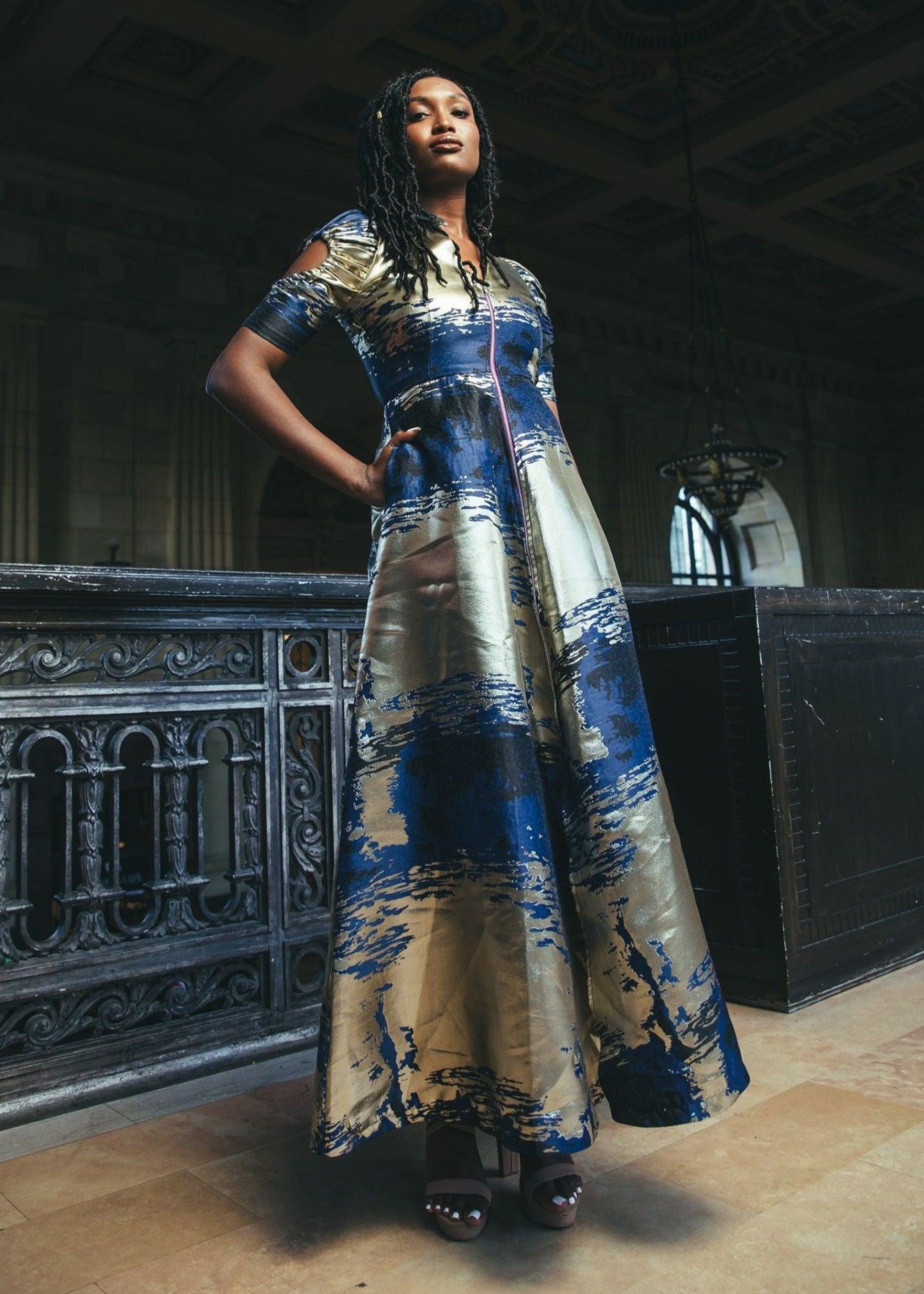
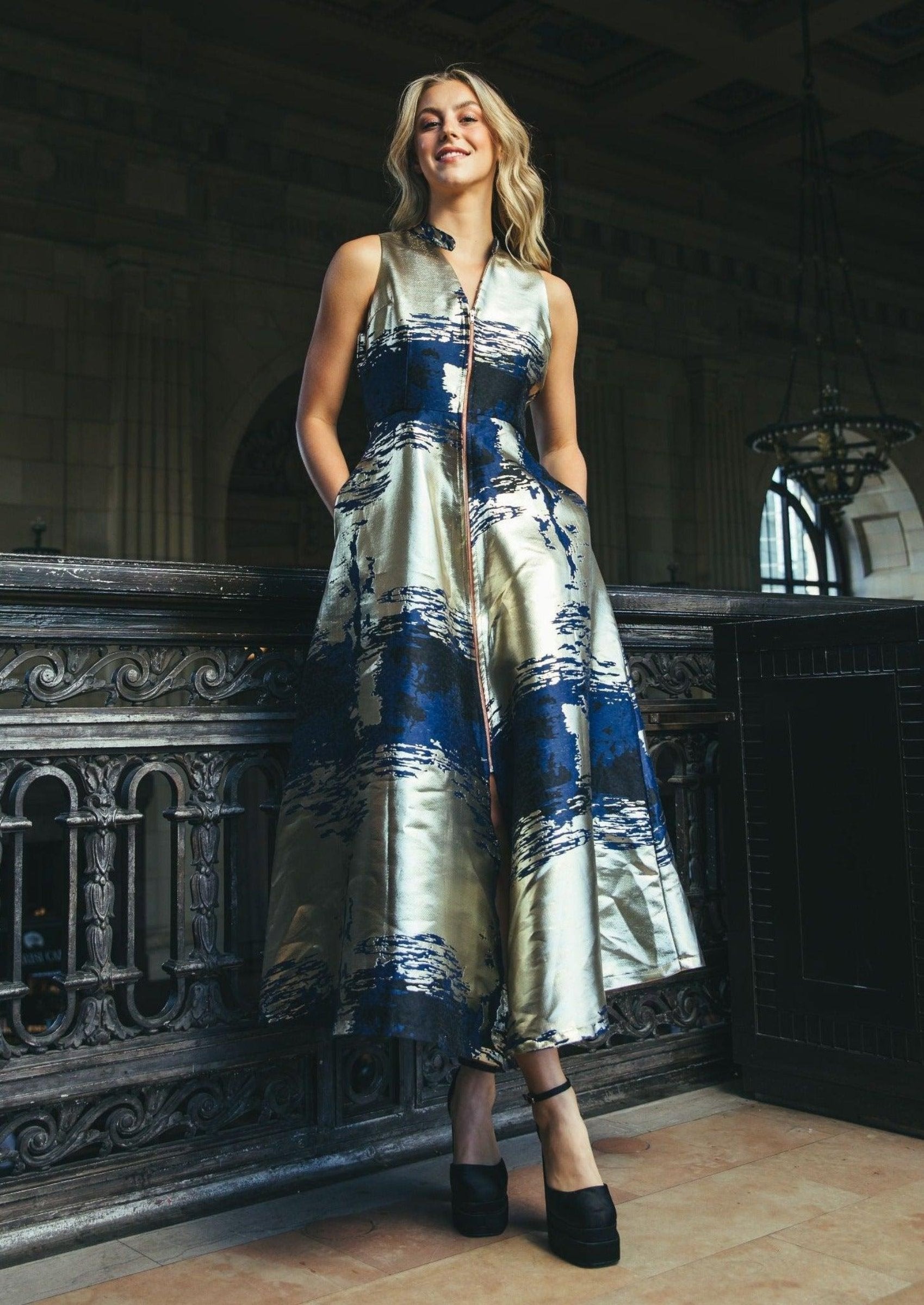
A brand like KAHINDO understands that fashion can be visually arresting and ethically grounded at once. That is not a contradiction. It is the standard more women are asking for.
What makes fashion truly ethical for luxury buyers
For the luxury customer, ethics should sharpen desire, not compete with it. The best ethical fashion does not ask you to choose between impact and beauty. It delivers both with intention.
That means exceptional design, yes, but also traceable values. It means craftsmanship that is visible in the fit and finish, and dignity that is visible in the business model. It means a garment that feels special because it is special - not just in appearance, but in what it supports.
Ethical fashion will never be one fixed formula. Different brands make different choices, and some compromises are inevitable. But the clearest marker remains the same: whether the pursuit of style is built on respect.
When fashion looks good, feels good, and does good, it earns its place in a woman's life. Not for one evening only, but for every story that follows.


