


How to Verify Ethical Clothing: A 5-Step Guide
Table of Contents
- Why Verify Ethical Clothing Claims
- Step 1: Check Third-Party Certifications and Labels
- Step 2: Research the Brand's Supply Chain Transparency
- Step 3: How to Spot Greenwashing in Fashion Marketing
- Step 4: Use the 3-3-3 Rule for Clothing Purchases
- Step 5: Inspect Garments and Verify Ethical Clothing in Person
- Best Apps for Ethical Shopping
- Red Flags of Greenwashing and What to Avoid
Last Updated: August 11, 2026
Why Verify Ethical Clothing Claims
Knowing how to verify ethical clothing has become essential for conscious consumers. Brands make sustainability claims constantly, but without verification, you're essentially taking their word for it. The difference between a company with genuine fair-trade practices and one engaging in greenwashing can be substantial, both for the artisans producing your clothes and for your own peace of mind as a buyer.
When you verify ethical clothing, you're doing more than checking a box. You're ensuring your money supports actual worker welfare, environmental responsibility, and supply chain transparency. Many brands use vague language like "ethically sourced" or "sustainable" without third-party backing, making it difficult for shoppers to distinguish between authentic commitments and marketing spin.
This guide walks you through five concrete steps to verify ethical clothing before you buy. You'll learn to read certifications, research supply chains, spot greenwashing tactics, apply a practical purchasing framework, and physically inspect garments for quality. At KAHINDO, we've built our entire brand on supply chain transparency, every piece includes a provenance card documenting the artisans and labor hours, because we believe customers deserve to know exactly where their clothes come from.
Step 1: Check Third-Party Certifications and Labels
Third-party certifications are your most reliable shortcut when learning to verify ethical clothing. These labels come from independent organizations that audit factories, verify wages, and confirm environmental standards. When you see a legitimate certification on a garment, it means an external party has verified the brand's claims rather than relying on self-reporting.
The most recognized ethical fashion certifications include Fair Trade Certified, which verifies living wages and worker rights; Global Organic Textile Standard (GOTS), which confirms organic fiber production and ethical manufacturing; and B Corp Certification, which audits overall social and environmental performance. Bluesign, OEKO-TEX, and SA8000 are additional certifications worth recognizing. Each has different focus areas, some emphasize environmental impact, others worker welfare, and some address both.
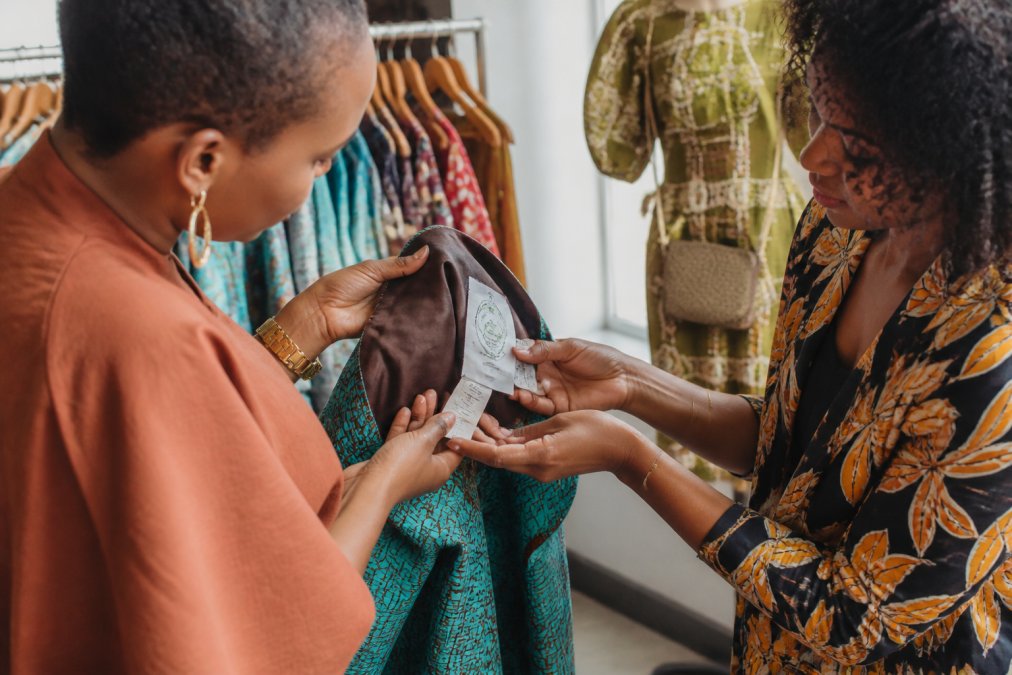
When you're evaluating certifications, look for specificity. A label should state which organization issued it, when it was verified, and what standards it covers. Vague terms like "eco-friendly" or "responsibly made" without a certification logo are red flags. Many greenwashing brands use certification-like designs without actual third-party backing.
Research the certifying organization itself. Not all certifications carry equal weight. Some require annual audits and surprise factory inspections; others conduct verification less frequently. The most rigorous certifications publish their audit standards publicly and maintain searchable databases where you can verify a brand's certification status directly.
Step 2: Research the Brand's Supply Chain Transparency
Supply chain transparency is where you separate genuine ethical brands from those using transparency as a marketing tool. Brands committed to ethical manufacturing typically publish detailed information about where production happens, who owns the factories, and how workers are compensated.
Start by checking the brand's website for a dedicated sustainability or impact page. Look for specific details: factory names and locations, worker wage information, and audit results. KAHINDO, for example, documents that every piece is handcrafted by female artisans in a Nairobi cooperative, and includes a provenance card with each garment showing the specific artisan and labor hours, this level of detail demonstrates genuine commitment to traceability.
Brands practicing real supply chain transparency will often publish annual impact reports or sustainability statements. These documents should include factory audit results, worker wage data, environmental metrics, and community impact initiatives. If a brand claims ethical production but offers no verifiable details about where clothes are made or how workers are paid, that's a significant warning sign.
Look for third-party verification of supply chain claims. Some brands partner with organizations that conduct independent audits and publish findings. Others may be members of industry accountability groups that set standards and monitor compliance. These partnerships indicate a willingness to be held accountable beyond internal claims.
Step 3: How to Spot Greenwashing in Fashion Marketing
Greenwashing in fashion is rampant. Brands use environmental language, nature-inspired imagery, and vague sustainability claims to appear ethical without making meaningful changes. Learning to spot these tactics protects you from supporting companies that prioritize marketing over actual impact.
Common greenwashing patterns include using terms like "natural," "eco-friendly," or "sustainable" without certification or specifics. A brand might highlight one positive practice, using organic cotton, for example, while ignoring the rest of the supply chain. This selective transparency creates a false impression of overall ethical commitment.
Watch for imagery that suggests environmental responsibility without substantiating claims. Brands might use green colors, leaf logos, or nature photography in marketing while their actual practices remain unchanged. Language like "committed to sustainability" or "working toward ethical production" suggests future intentions rather than current practices, a common greenwashing tactic.
Another red flag is when brands emphasize consumer behavior over corporate responsibility. Messaging that encourages you to "make sustainable choices" or "shop responsibly" shifts accountability to the buyer rather than addressing the brand's own manufacturing practices. True ethical brands focus on their own supply chain improvements, not on shaming customers.
Greenwashing also appears in misleading certifications. Some brands create their own "certified" labels that sound official but lack third-party verification. Always verify certifications through the certifying organization's website rather than trusting a brand's display of the logo.
Step 4: Use the 3-3-3 Rule for Clothing Purchases
The 3-3-3 rule is a practical framework for making intentional clothing purchases that align with ethical values. This approach helps you verify ethical clothing through your buying behavior, not just research.
The rule works like this: buy three pieces per season, wear each piece three times per month, and keep each garment for at least three years. This framework shifts you away from fast fashion consumption toward slow fashion principles. When you commit to wearing pieces frequently and keeping them long-term, you naturally prioritize quality and ethical production because durability matters more.
Applying this rule changes how you shop. You'll spend more time researching each purchase because you're making fewer of them. You'll focus on versatile pieces that work across multiple outfits rather than trend-driven items. You'll prioritize brands that offer transparency because you want to feel good about pieces you'll wear for years.

This approach also aligns with fair-trade principles. Artisans who handcraft garments deserve buyers who value their work enough to wear pieces for years, not weeks. When you commit to the 3-3-3 rule, you're honoring the labor invested in each garment.
The financial math supports this too. A piece worn 36 times over three years costs significantly less per wear than a trendy item worn a few times. Higher-quality, ethically made pieces often have higher upfront costs but deliver better value long-term, making the investment more rational.
Step 5: Inspect Garments and Verify Ethical Clothing in Person
Physical inspection reveals quality and craftsmanship that no marketing claim can fake. Before committing to a purchase, examine the garment closely to assess whether it will last the years you're investing in it.
Start with stitching. Run your fingers along seams to feel for consistency and strength. Loose threads, uneven stitching, or gaps between fabric layers indicate poor construction. Quality garments have tight, even stitches that follow straight lines. Pay special attention to stress points like underarms, pocket seams, and hem lines where durability is critical.
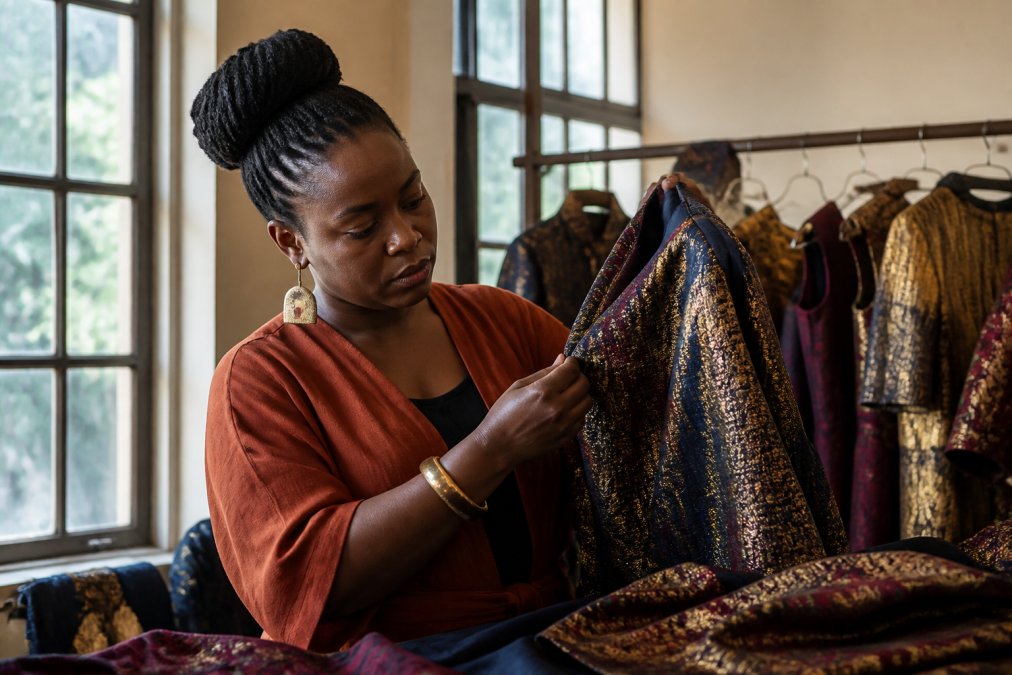
Check fabric weight and weave. Handcrafted pieces often feel substantial because quality materials are used. Run the fabric between your fingers to assess thickness and texture. Cheap materials feel thin and flimsy; quality fabrics have body and structure. For dyed pieces, examine color consistency, hand-dyed garments may have intentional variation, but the dye should be evenly absorbed throughout the fabric.

Look at finishing details. Quality garments have finished edges on internal seams, reinforced button attachments, and secure zippers. Check that buttons are sewn securely and that zippers glide smoothly. These details reveal whether a garment was assembled with care or rushed through production.
Examine the provenance documentation if provided. KAHINDO includes a provenance card with each piece documenting the artisan and labor hours. This card serves as proof of fair-trade practices and adds authenticity. If a brand offers similar documentation, it demonstrates commitment to transparency and traceability.
Try the garment on and assess fit and comfort. Quality pieces are designed to flatter and move with your body. If construction is poor, you'll feel it immediately, restricted movement, pulling seams, or awkward proportions. A well-made garment enhances your comfort and confidence.
Best Apps for Ethical Shopping
Several apps help you verify ethical clothing while shopping. These tools provide quick access to brand information, certification status, and sustainability ratings.
Good On You rates fashion brands on labor practices, environmental impact, and animal welfare. The app uses a simple letter-grade system (A through D) and provides detailed breakdowns of each brand's practices. You can scan barcodes in stores to check ratings instantly.
Ethical Consumer maintains a database of brand ratings across multiple ethical categories. The app covers labor standards, environmental practices, and corporate responsibility. You can search brands or products to see detailed scoring.
Remake provides information specifically about garment worker rights and labor practices. The app focuses on factory conditions and wage equity, making it valuable for understanding the human impact of your purchases.
Codecheck scans product barcodes to reveal ingredients and certifications. While broader than fashion-specific, it helps verify organic and fair-trade certifications on clothing labels.
Fashion Revolution's app promotes supply chain transparency by encouraging brands to answer the question "Who made my clothes?" You can search brands to see their transparency responses.
These apps vary in coverage, some focus on environmental impact, others on labor practices, and some address both. Using multiple apps gives you a more complete picture of a brand's ethical commitments.
Red Flags of Greenwashing and What to Avoid
Certain patterns consistently indicate greenwashing rather than genuine ethical commitment. Recognizing these red flags helps you avoid brands that prioritize marketing over substance.
Brands that refuse to disclose factory locations or worker wage information are hiding something. Transparency is non-negotiable for ethical fashion. If a company won't tell you where clothes are made or how much workers earn, that's a clear signal to shop elsewhere.
Vague sustainability claims without supporting data are another major red flag. Phrases like "committed to sustainability," "eco-conscious," or "responsibly sourced" mean nothing without specifics. Real ethical brands quantify their impact: they state exact wage amounts, publish audit results, and measure environmental metrics.
Limited product lines described as "sustainable" while the rest of the collection remains unchanged suggest greenwashing. True ethical brands apply standards across their entire production, not just a marketing line.
Brands that emphasize their "journey toward sustainability" indefinitely without showing progress are stalling. Genuine commitment involves measurable improvements over time. If a brand has been "working on" sustainability for years without concrete results, that's a red flag.
Avoid brands that use certification-like imagery without actual certifications. Some companies create official-looking logos that mimic real certifications but lack third-party backing. Always verify certifications directly through the certifying organization.
Brands that price ethically made pieces identically to fast-fashion items are suspicious. Fair-trade production, living wages, and quality materials cost more. If an "ethical" piece costs the same as mass-produced alternatives, the ethics claim is likely false.
Finally, be wary of brands that highlight one sustainability practice while ignoring the rest of their supply chain. Using organic cotton is positive, but if the factory exploits workers or dumps dyes into waterways, the overall impact is still negative. Ethical fashion requires comprehensive commitment, not selective practices.
Verifying ethical clothing requires effort, but the process becomes easier with practice. You're not just protecting artisans and the environment, you're building a wardrobe of pieces that last, fit well, and feel good to wear. Brands like KAHINDO demonstrate that luxury fashion and ethical production aren't mutually exclusive. When you invest in verified, ethically made pieces, you're supporting women's economic empowerment, ensuring fair wages reach the people who create your clothes, and choosing quality that justifies the investment. Start with one verified piece and build from there. Your choices matter.

Frequently Asked Questions
What certifications should I look for when verifying ethical clothing?
Look for third-party certifications like Fair Trade Certified, Global Organic Textile Standard (GOTS), and B Corp certification. These labels indicate independent verification of ethical practices. Fair Trade Certified guarantees fair wages and safe working conditions. GOTS confirms organic textile sourcing and responsible manufacturing. B Corp certification shows the brand meets high social and environmental standards. Check that certifications appear on product labels or the brand's official website, legitimate certifications always include verification codes you can validate independently.
How can I tell if a clothing brand is actually ethical or just greenwashing?
Greenwashing uses vague claims like 'eco-friendly' or 'sustainable' without proof. Verify ethical clothing by checking for specific data: published factory lists, third-party audits, transparent wage information, and named artisan communities. Greenwashing brands avoid naming suppliers or providing factory locations. Ethical brands like KAHINDO include provenance cards documenting artisans and labor hours. Request detailed supply chain information, if a brand refuses or gives vague answers, it's a red flag. Cross-reference claims with independent certifications rather than relying on marketing language alone.
What is the 3-3-3 rule for clothing, and how does it help verify ethical purchases?
The 3-3-3 rule means owning only 3 pairs of each basic item (jeans, white shirts, black pants), wearing each piece at least 3 times per month, and keeping garments for at least 3 years. This rule encourages investing in quality, ethically made pieces that last longer, reducing the demand for fast fashion and disposable clothing. When you verify ethical clothing and commit to wearing items longer, you support brands that prioritize fair labor and sustainable practices. This approach aligns with slow fashion principles and ensures your investment in ethical garments delivers real value.
Are there apps that help verify if clothing is ethical?
Yes, apps like Good On You, Ethical Consumer, and Remake provide brand ratings and supply chain information. Good On You rates fashion brands on labor practices, environmental impact, and animal welfare. Ethical Consumer offers detailed brand profiles and certifications. Remake focuses specifically on garment worker rights and factory conditions. These apps let you scan barcodes or search brand names before purchasing. Many also highlight red flags and greenwashing tactics. Using these tools alongside checking certifications and supply chain transparency helps you verify ethical clothing claims before committing to a purchase.
This article was written using GrandRanker