

Agaati Alternatives: Unique Dresses for Special Occasions
Table of Contents
- Why Look Beyond Agaati for Unique Dresses
- KAHINDO: Handcrafted Occasionwear with African Heritage
- Sustainable Formal Dresses: What Sets Ethical Brands Apart
- Slow Fashion Dress Designers: Building Lasting Pieces
- Price-Point Comparison: Investment vs. Rental
- Sizing, Fit, and Inclusivity Across Artisan Brands
- Styling Unique Dresses for Different Dress Codes
- How to Verify Ethical Claims and Supply Chain Transparency
Last Updated: August 15, 2026
Why Look Beyond Agaati for Unique Dresses
When searching for Agaati alternatives for unique dresses, you're seeking something that stands out, handcrafted, ethically made, and intentional rather than mass-produced. The market for special occasion dresses with authentic craftsmanship and transparent supply chains has expanded dramatically. Women choose Agaati alternatives not as a compromise, but because they're upgrading to something better aligned with their values.
The challenge is finding options that deliver on multiple fronts: authentic craftsmanship, transparent supply chains, flattering designs, and justified pricing. This guide walks you through the best alternatives, with a focus on brands that prioritize artisan empowerment, sustainable materials, and unique designs that make you feel like yourself at formal events.
KAHINDO: Handcrafted Occasionwear with African Heritage
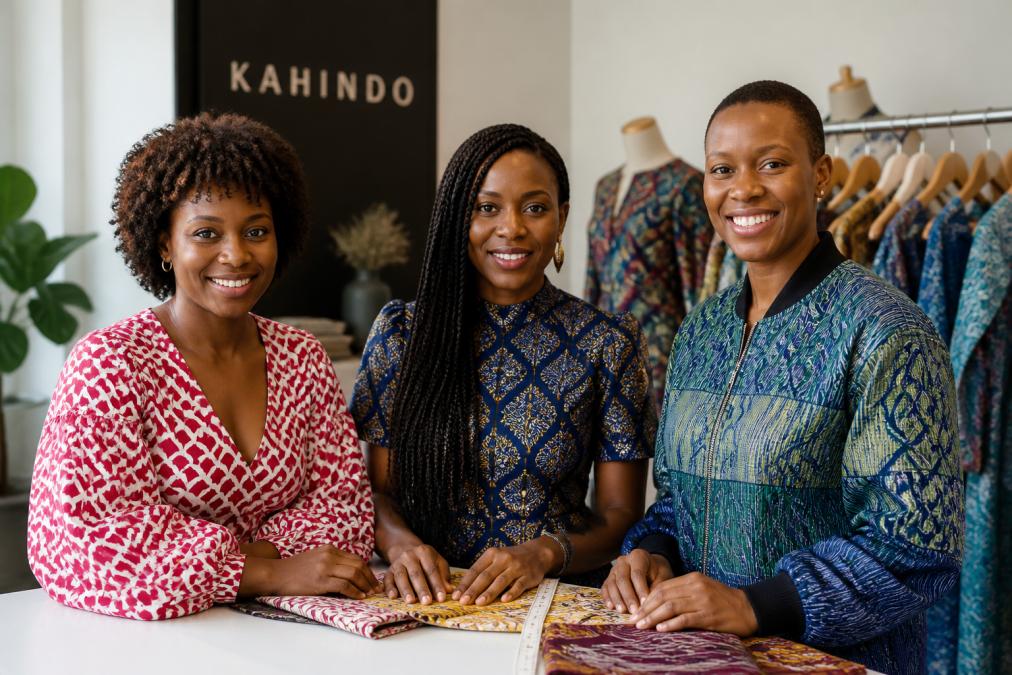
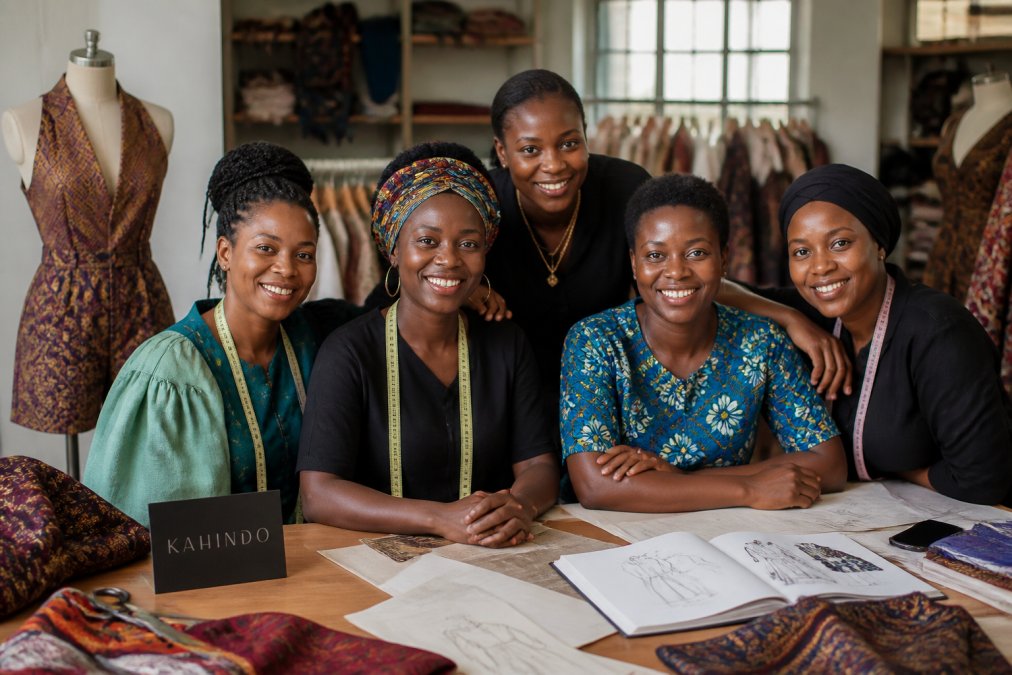
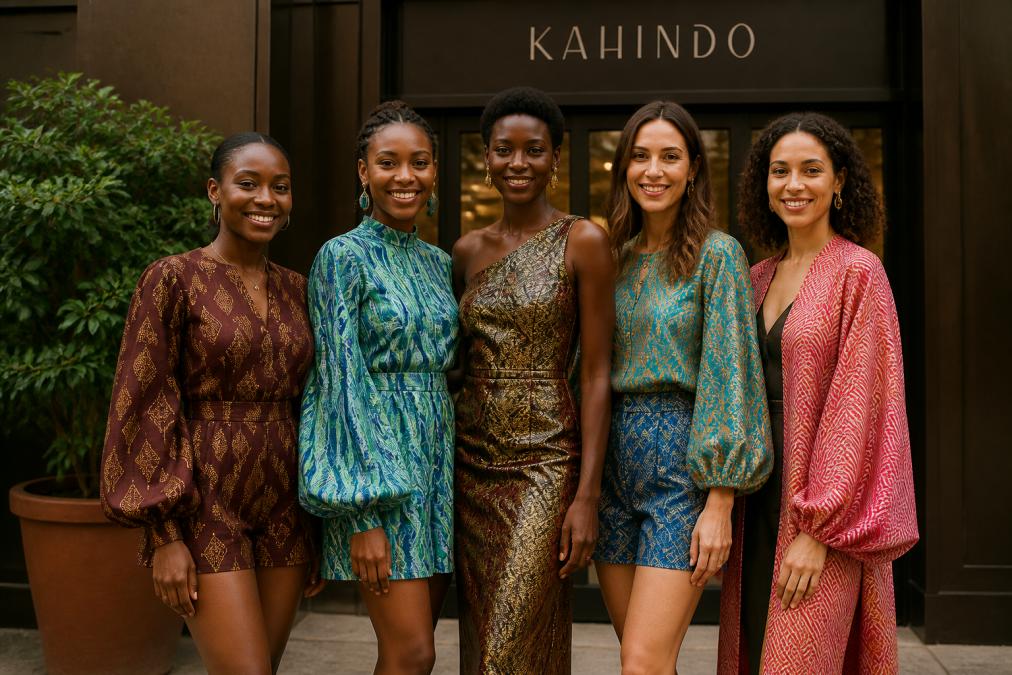
KAHINDO stands apart by treating African provenance as a primary luxury asset. Founded by Kahindo Mateene, a Project Runway Season 12 alumna and Tory Burch Fellow, the brand designs bold occasionwear in New York and handcrafts every piece in Kenya through a network of female artisans.
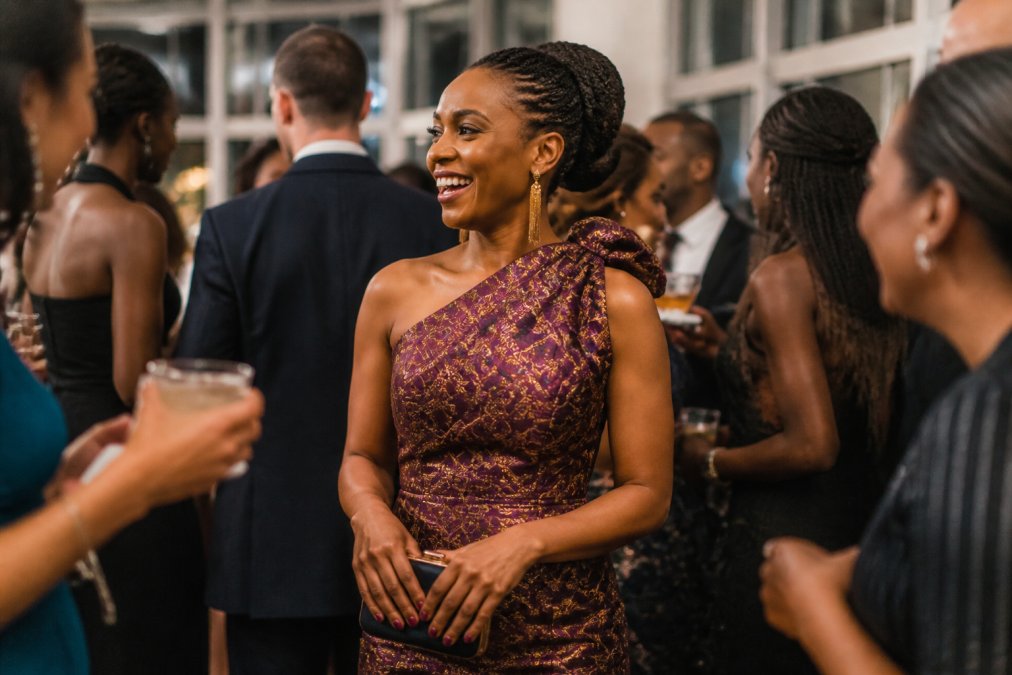
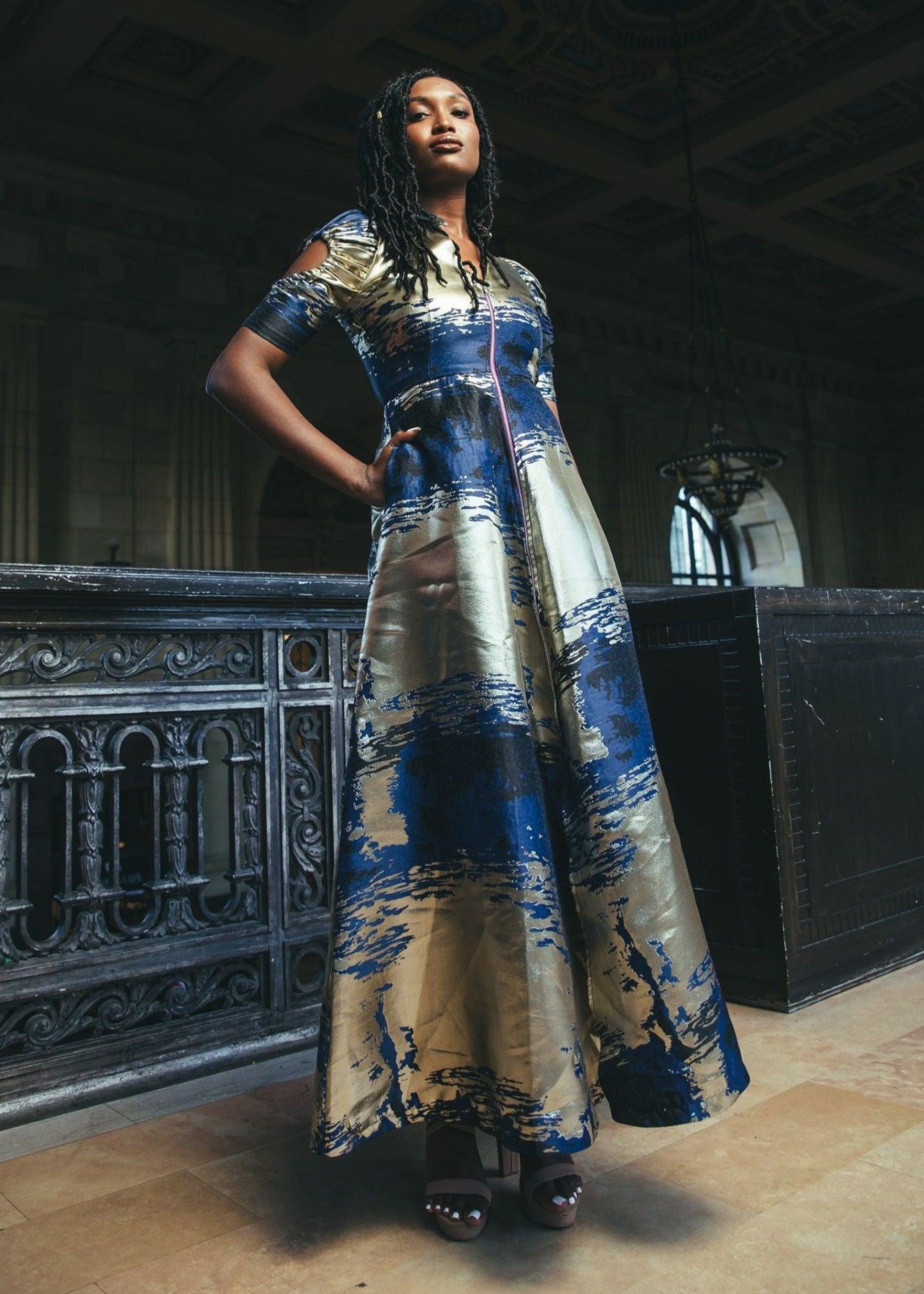
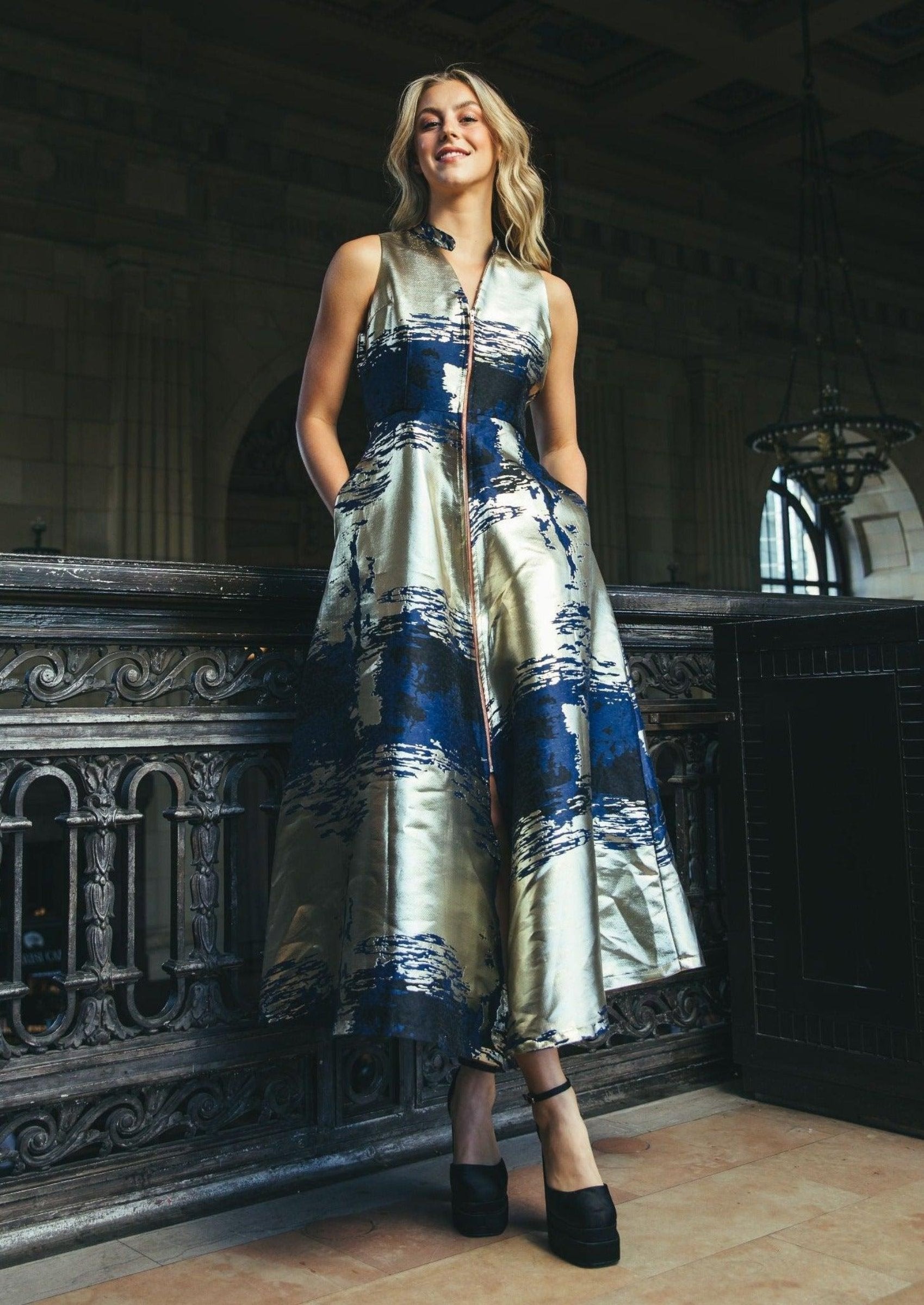
What distinguishes KAHINDO is the specificity of its production. Each garment includes a provenance card documenting the artisan who made it and exact labor hours invested. The Cleopatra Maxi Dress in royal blue ($300) uses 86% polyester and 14% metallic thread with invisible side pockets and a front metallic zipper. The Chidi Midi Dress ($288) features a front slit and collar design in luxurious jacquard. The Lesotho Mini Dress ($70) uses 100% cotton hand-dyed in the Futua Batik tradition, making each piece subtly unique.

The brand's mission, "Fashion That Looks Good, Feels Good & Does Good", reflects fair-trade practices ensuring living wages, slow-bath dyeing processes creating non-replicable gradients, and original print designs rooted in Congolese textile traditions. KAHINDO has been featured in Vogue, Elle, The New York Times, WWD, Essence, and Marie Claire, and is available through Nordstrom, Bloomingdale's, and Anthropologie.
Sustainable Formal Dresses: What Sets Ethical Brands Apart
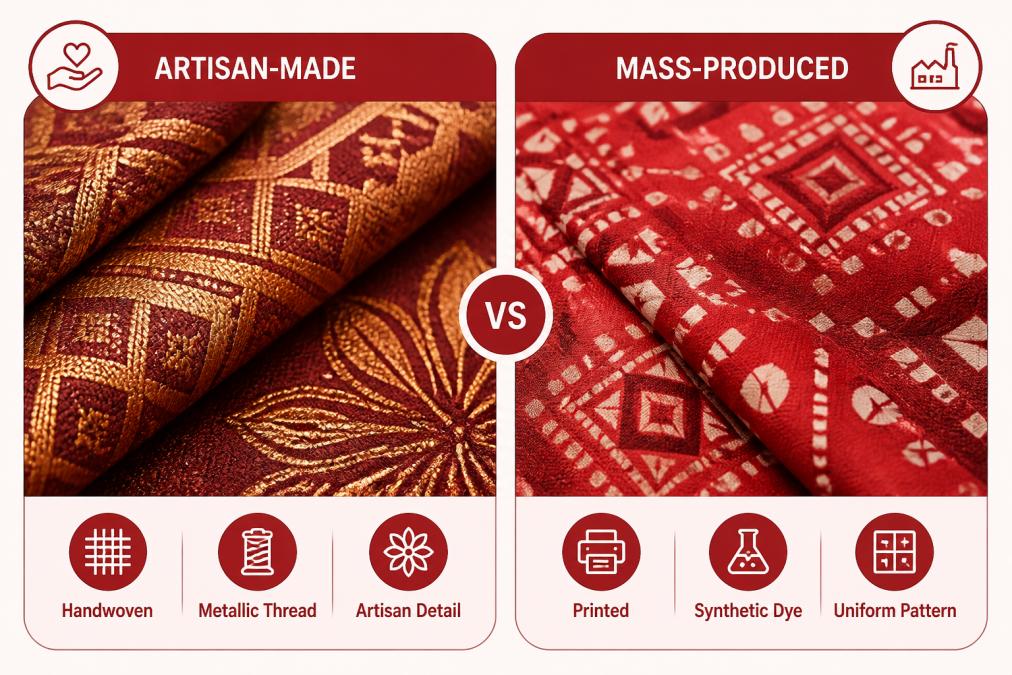
Real sustainable formal dresses brands share non-negotiable characteristics: transparent supply chains, fair compensation for makers, minimal waste in production, and materials chosen for longevity. The difference between greenwashing and genuine commitment shows up in specifics. A brand that documents artisan names, labor hours, and fair-trade certification is putting its reputation on the line.
Fair-Trade Craftsmanship and Artisan Empowerment
Fair-trade certification means artisans receive living wages, working conditions meet international standards, production happens in communities, and proceeds fund community development. For women artisans, fair-trade practices often mean access to skills training, healthcare, and childcare support.
When you buy from KAHINDO, you're participating in a system that builds economic independence for the women who made your dress. Artisans invested in their work and treated fairly produce higher quality pieces. The attention to detail, finishing, and fit aren't accidents, they result from people who care having time and resources to do their work properly.
Eco-Friendly Materials and Deadstock Fabrics
Sustainable formal dresses increasingly use deadstock fabrics, surplus materials from larger manufacturers that would otherwise end up in landfills. This reduces textile waste while often resulting in unique, limited colorways.
Natural fibers like cotton and rayon are another marker. KAHINDO's Lesotho Mini Dress uses 100% cotton in hand-dyed batik, while the Kariba Maxi Dress ($85) uses 100% original cotton in sage green and orange. The Lingala Strapless Dress ($75) is crafted from 100% rayon with a bold red scallop print. These materials breathe, age beautifully, and feel different than synthetics. Most KAHINDO pieces are dry-clean only, a signal that the fabric is substantial enough to warrant professional care, which extends garment life.

Slow Fashion Dress Designers: Building Lasting Pieces
Slow fashion dress designers stand in direct opposition to fast-fashion cycles where trends change every few weeks and garments fall apart after a season. Slow fashion means intentional design, quality materials, ethical production, and garments meant to be worn for years.
Instead of asking "Will this trend last until next season?" you ask "Will this dress still look good in five years?" KAHINDO exemplifies this approach. The Cleopatra Maxi Dress, Chidi Midi Dress, and other pieces are wardrobe anchors, well-made, versatile, and never dated. The metallic jacquard and African-inspired prints are timeless. Silhouettes are modern without being experimental.

Slow fashion also means production happens on a timeline allowing for quality. When KAHINDO handcrafts pieces in Kenya, there's no rush to churn out inventory. Turnaround times for custom or made-to-order pieces typically run 6-8 weeks, not 2-3 days.
Price-Point Comparison: Investment vs. Rental
A KAHINDO dress ranges from $60 to $300 depending on complexity and materials. Here's how to decide whether to buy or rent:
| Decision Factor | Buy (KAHINDO) | Rental Service | Outcome |
|---|---|---|---|
| Cost per wear (worn 3+ times) | $20-100 | $30-80 | Buy wins for frequent wearers |
| Cost per wear (worn once) | $60-300 | $40-100 | Rental wins for one-time events |
| Ownership and styling flexibility | Full control, restyle indefinitely | Limited to rental period | Buy offers more options |
| Quality and fit consistency | Handcrafted, documented artisan | Variable, mass-produced | Buy offers consistency |
| Environmental impact | One piece worn repeatedly | Shipping, cleaning, logistics per use | Buy has lower impact over time |
| Resale or gift potential | High (quality holds value) | None | Buy has residual value |
If you attend formal events regularly, buying unique, well-made pieces makes financial sense over time. If you have a single black-tie event, rental might be smarter. A third option: buying one exceptional dress that works across multiple occasions with different styling and accessories. A KAHINDO dress in jewel tones works as a wedding guest dress, gala gown, cocktail option, and date-night piece, dropping the per-wear cost significantly.
Sizing, Fit, and Inclusivity Across Artisan Brands
When pieces are handcrafted rather than mass-produced, sizing can be less standardized. KAHINDO's Hadiza Mini Dress runs small; the brand recommends sizing up. The Cleopatra and Chidi dresses fit true to size. Understanding the brand's fit guide before ordering is essential.
KAHINDO offers sizes 2-14 across most pieces, with some designs in XS-XL. This is broader than some luxury brands but narrower than mass-market retailers. Some artisan brands offer custom sizing, adding 4-6 weeks to production and increasing cost by 15-25%. When you find your size and fit, the quality and attention to detail often justify the narrower range.
Styling Unique Dresses for Different Dress Codes
Agaati alternatives for unique dresses reveal their real value through intentional styling. A handcrafted, statement-making dress isn't a one-occasion piece if styled strategically.
Black-tie or white-tie events: KAHINDO's Cleopatra Maxi Dress in royal blue with metallic jacquard works perfectly for formal galas. Pair with minimal jewelry, structured heels, and an evening clutch.
Wedding guest: The Kariba Maxi Dress ($85) in sage green and orange works beautifully for daytime or garden weddings. The Lingala Strapless Dress ($75) in red scallop print works for evening receptions. Avoid white, ivory, or anything competing with the bride.
Cocktail or semi-formal: The Hadiza Mini Dress ($95) in burgundy and gold metallic is built for this. Pair with pointed-toe heels, a structured clutch, and statement earrings.
Resort or destination events: Cotton pieces like the Lesotho Mini Dress ($70) work beautifully in warm climates. Flat sandals, a lightweight wrap, and minimal jewelry keep focus on the fabric's artistry.
When a dress has real craftsmanship and personality, you style around it rather than trying to transform it. The dress leads; your accessories support.
How to Verify Ethical Claims and Supply Chain Transparency
Here's what to look for when verifying ethical claims:
Named suppliers and locations: A brand should state exactly where pieces are made. KAHINDO names Kenya as production location and mentions female artisan cooperatives.
Fair-trade certification: Look for third-party certifications like Fair Trade Certified or Fair Trade USA, which require audited supply chains, documented wages, and worker protections.
Provenance documentation: KAHINDO includes a provenance card with each piece documenting the artisan and labor hours. Ask brands: Can you tell me who made this? Can I see documentation?
Wage transparency: The brand should state what fair wages mean in their production context. If a brand won't discuss wages, that's a red flag.
Production timeline: Handcrafted pieces take time. If a brand claims ethical, artisan-made dresses with two-week turnaround, something doesn't add up. KAHINDO's standard production is 4-6 weeks for custom pieces.
Third-party reviews and press: KAHINDO's features in Vogue, Elle, The New York Times, and WWD provide credibility. These publications vet their sources.
Customer testimonials: Real feedback reveals whether the brand delivers on promises.
The shift toward Agaati alternatives for unique dresses represents a broader movement in how women think about occasion wear. You're not just shopping for something to wear once; you're making a statement about what matters, quality, ethics, uniqueness, and lasting value. Brands like KAHINDO have built their business model around these values, making choosing them an upgrade, not a compromise.
When you're ready to invest in occasion wear that reflects your values and stands out, KAHINDO delivers. Every piece is handcrafted by female artisans in Kenya, designed with African-inspired prints and modern silhouettes, and backed by transparent supply chain documentation. Start with the Cleopatra Maxi Dress for formal events, or explore the Chidi Midi Dress for versatile elegance. Each piece comes with a provenance card telling the story of the woman who made it. Shop KAHINDO and wear fashion that looks good, feels good, and does good.
Frequently Asked Questions
What makes Agaati alternatives like KAHINDO different from mass-produced formal wear?
Brands offering Agaati alternatives prioritize handcrafted artistry, ethical production, and limited-edition designs. Unlike mass-produced dresses, each piece is made by skilled artisans using sustainable materials and fair-trade practices. KAHINDO, for example, handcrafts every dress in Kenya with documented provenance cards showing the artisan's story. This means your dress is genuinely unique, not one of thousands identical copies, and your purchase directly supports female artisan communities.
Are sustainable formal dresses actually worth the investment compared to renting?
Sustainable formal dresses are worth purchasing if you attend multiple special occasions yearly or value owning a singular, documented piece with real craftsmanship. A $75-$300 dress worn 3-4 times costs $25-$100 per wear, comparable to renting. However, rental services don't offer the same artisan story, customization, or emotional connection. If you prefer ownership, provenance, and supporting ethical makers, purchase wins. If you wear formal dresses rarely (once yearly), rental may make sense financially.
How can I verify that a slow fashion dress designer actually uses ethical and fair-trade practices?
Look for brands that provide transparency documents, provenance cards, or supply chain information on their website. Legitimate slow fashion dress designers will name their production location, artisan communities, and wage standards. KAHINDO includes a provenance card with each dress documenting the artisan and labor hours. Check for third-party certifications (Fair Trade USA, B Corp), published impact reports, or interviews with actual makers. If a brand won't disclose where or by whom garments are made, that's a red flag.
What dress styles work best for wedding guest looks when choosing unique, artisan-made options?
Artisan-made dresses shine in jewel tones, metallic jacquards, and African-inspired prints, colors and patterns that stand out at weddings. Midi and maxi lengths work for formal ceremonies; mini dresses suit cocktail receptions. Look for silhouettes with interesting details: halter necklines, asymmetric cuts, ruffle accents, or cutout designs. These elevate your look without competing with the bride. KAHINDO's Cleopatra Maxi Dress in royal blue or the Hadiza Mini Dress in burgundy gold are examples of statement pieces that photograph beautifully and feel special without overshadowing the occasion.
Do handcrafted dresses require special care, and do they hold up well after multiple wears?
Yes, handcrafted dresses typically require dry cleaning to preserve artisan dyeing, metallic threading, or delicate batik work. Most artisan brands specify care instructions on the garment tag. Quality handmade dresses are built to last: KAHINDO uses substantial fabrics (10oz+ weight) with reinforced seams and quality construction designed for repeat wear. The key is following care guidelines. A well-maintained artisan dress can be worn 10+ times over years without deterioration, especially compared to fast-fashion alternatives that degrade after 2-3 wears.
This article was written using GrandRanker