


Is Investing in Handmade African Textiles Worth It
Table of Contents
- What Makes Handmade African Textiles Different From Mass Production
- How to Identify Handmade African Textiles and Verify Authenticity
- The Real Benefits of Wearing Authentic African Textiles
- Investment Value and Resale Potential
- Durability and Care: How to Preserve Your Investment
- Cost of Ownership and Long-Term Value
- The Verdict: Is the Investment Worth It
- Frequently Asked Questions
Last Updated: October 12, 2026
What Makes Handmade African Textiles Different From Mass Production
Handmade African textiles stand apart from mass-produced fabrics in ways that go far beyond aesthetics. The difference lies in the process, the materials, and the intentionality behind each piece. When you invest in handmade African textiles, you're acquiring something fundamentally different from factory-made clothing.
Mass production prioritizes speed and consistency. Factories churn out thousands of identical pieces using synthetic dyes, mechanical looms, and standardized patterns. The goal is volume and profit margins. Handmade textiles follow an entirely different logic. Artisans work with natural materials, cotton, silk, plant-based dyes, using techniques passed down through generations. Each piece takes hours of labor. No two are exactly alike.
According to the Ellen MacArthur Foundation's research on circular economy in Africa, demand for African designs, textiles, and garments is increasing within and beyond the continent, signaling recognition of their unique cultural and artistic value. This isn't just nostalgia.
The craftsmanship shows. Hand-dyed fabrics create natural color variations that give each garment depth and character. Weaving by hand produces tighter, more durable cloth than many industrial processes. The slow-bath dyeing techniques used in traditional African textile production, like those employed by KAHINDO's artisan partners in Kenya, create gradients and color saturation that synthetic dyes struggle to replicate.
This matters for durability. You're not just buying a dress or jacket; you're buying an investment in longevity.
How to Identify Handmade African Textiles and Verify Authenticity
Authenticity matters because the market for African-inspired textiles is flooded with counterfeits. Mass manufacturers produce "African-print" fabrics that look the part but lack the substance.
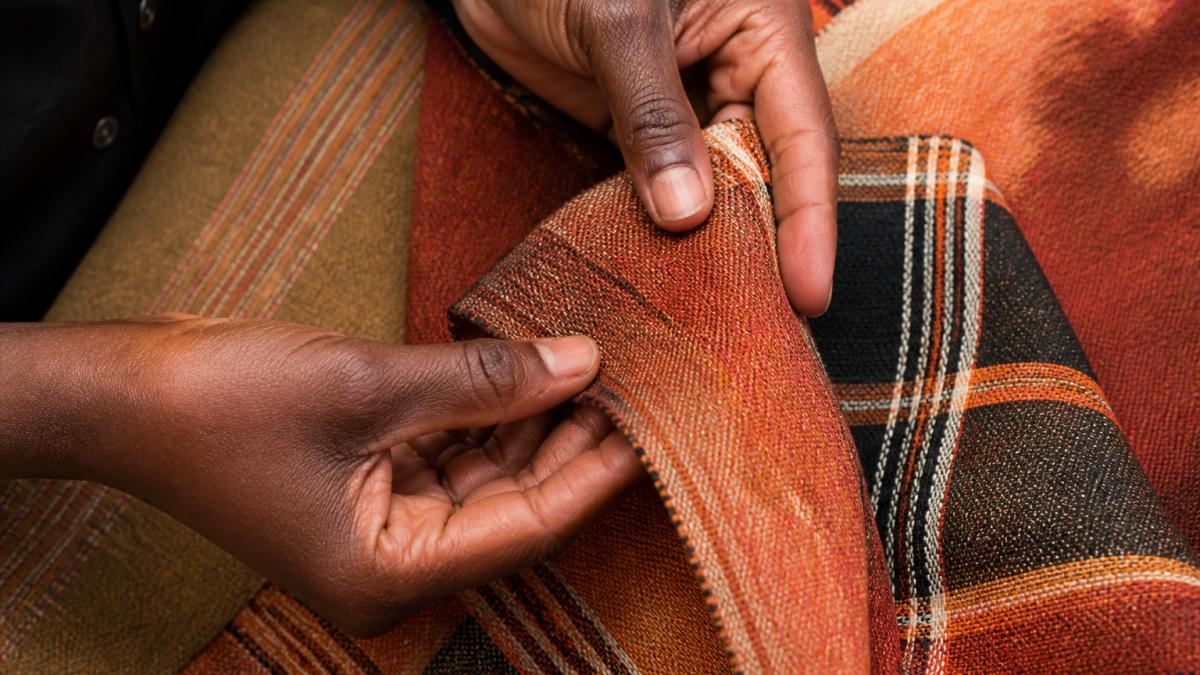
Start with the fabric itself. Run your fingers across genuine handmade textiles. Real hand-dyed cloth has slight irregularities, color variations, uneven saturation, visible texture. This is not a flaw; it's proof of authenticity. Machine-dyed fabrics are uniformly consistent.
Examine the weave. Handwoven textiles show variation in thread tension. The weave pattern may shift slightly. Edges are less perfect than factory cloth. Again, these imperfections are badges of authenticity. Machines produce flawless uniformity. Human hands create character.
Ask about provenance. Legitimate brands like KAHINDO include provenance cards with every piece, documenting the artisan who made it, the hours of labor invested, and the specific techniques used. This transparency is non-negotiable.
Look for natural materials. Genuine handmade African textiles rely on cotton, silk, and plant-based dyes. Synthetic fabrics and chemical dyes are red flags. Check the care label. Handmade pieces often require gentle hand-washing.
Price is another signal. Handmade textiles require dozens of hours of skilled labor. A legitimate handcrafted piece costs significantly more than mass-produced alternatives.
The Real Benefits of Wearing Authentic African Textiles
Wearing handmade African textiles delivers benefits that extend far beyond the personal. You're making a statement about your values every time you put on the garment.
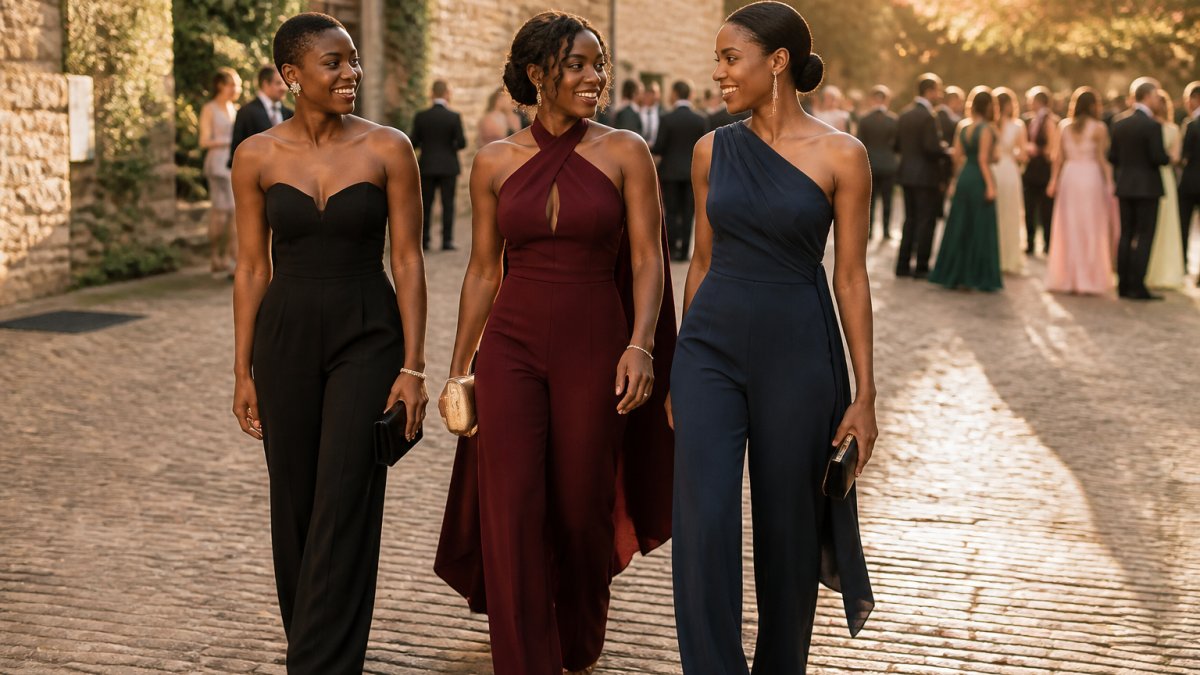
The first benefit is uniqueness. When you wear a piece handcrafted by an artisan in Kenya or Nigeria, you're wearing something no one else owns. Factory production means thousands of identical dresses exist. Handmade means your piece is singular. For occasions where standing out matters, weddings, galas, celebrations, this distinction is significant.
The second benefit is quality and longevity. A well-cared-for handmade garment can be worn for decades. This durability transforms the cost calculation. A $100 dress worn 20 times costs $5 per wear. A $40 mass-produced dress worn 5 times costs $8 per wear. The handmade piece wins on value.
The third benefit is cultural connection. Handmade African textiles carry stories. The patterns have meaning. The techniques have history. When you wear a piece rooted in Congolese textile traditions or West African weaving practices, you're participating in cultural preservation. You're honoring the artisans and the heritage they represent. This isn't superficial. For many wearers, this cultural resonance is the primary draw.
The fourth benefit is ethical alignment. Handmade African textiles, when sourced from legitimate fair-trade producers, support women's economic empowerment. The artisans who create these pieces earn living wages. Their communities benefit from sustained income. Your purchase directly funds education, healthcare, and economic opportunity for women artisans. This impact is real and measurable.
Investment Value and Resale Potential
This is where the conversation gets complicated. Can you actually make money on handmade African textiles?
The short answer: not through traditional resale. The longer answer requires nuance. The market data available doesn't isolate handmade African textiles specifically. Market Data Forecast estimates the overall Africa textile market at USD 1.85 billion in 2026, but this encompasses the entire sector, mass production, exports, and artisan work combined.
This matters because it means you shouldn't buy handmade African textiles expecting to flip them for profit. That's not their function. They're not commodities like stocks or real estate. They're wearable art with cultural significance.
However, resale value isn't zero. Handmade pieces hold their value better than mass-produced alternatives. The handmade piece retains proportionally more value because it's durable, distinctive, and desirable.
Where the real investment value lies is in cost per wear. If you purchase a handmade dress for $100, wear it 30 times over 10 years, and eventually resell it for $60, your net cost is $40 for 30 wears, or $1.33 per wear.
The investment thesis shifts when you frame it this way: handmade African textiles are investments in durability, quality, and impact rather than financial returns. You're investing in pieces that will serve you for years, that will make you feel confident and distinctive, and that will support artisans and preserve cultural heritage. Those returns are real, even if they're not monetary.
Durability and Care: How to Preserve Your Investment
Handmade textiles require more care than mass-produced alternatives, but this care is straightforward and essential to protecting your investment.
Start with washing. Hand-dyed fabrics are more delicate than synthetic alternatives. Always hand-wash in cold water using gentle detergent. Avoid bleach and harsh chemicals. Cold water prevents color bleeding and protects fiber integrity. Gentle detergent, or even mild soap, is sufficient.
Dry carefully. Never use a dryer. The heat damages natural fibers and can set stains. Instead, lay the garment flat to dry or hang it in indirect sunlight. Air drying preserves color and shape. It takes longer, but the payoff is longevity.
Storage matters. Keep handmade textiles in a cool, dry place away from direct sunlight. Prolonged UV exposure fades even the most stable dyes. Fold rather than hang to prevent stretching. Use acid-free tissue paper between folds to prevent creasing.
Stain treatment requires attention. Blot spills immediately with a clean cloth. Don't rub, which pushes the stain deeper into fibers. For stubborn stains, soak in cool water with mild detergent for 30 minutes before washing.
Ironing should be gentle. If needed, use low heat and iron on the reverse side of the fabric. Never iron directly on hand-dyed prints, which can fade under heat. A steamer is ideal for removing wrinkles without direct heat.
The investment in careful maintenance pays dividends in longevity. A dress cared for properly becomes a heirloom piece.
Cost of Ownership and Long-Term Value
Understanding the true cost of ownership requires looking beyond the purchase price to the lifetime expense.
| Metric | Handmade African Textile | Mass-Produced Alternative |
|---|---|---|
| Initial purchase price | $75-$125 | $30-$60 |
| Expected lifespan (years) | 15-25 | 2-4 |
| Number of wears before retirement | 50-100+ | 10-20 |
| Cost per wear | $1-$2.50 | $1.50-$6 |
| Resale value (% of purchase) | 50-75% | 10-25% |
| Care cost (washing, storage) | Minimal | Minimal |
| Replacement frequency | Every 20 years | Every 3 years |
| Total 20-year cost for equivalent wardrobe | $150-$250 | $400-$800 |
The data reveals a clear pattern. While handmade textiles cost more upfront, the lifetime cost is substantially lower. You're not replacing them every season. You're not buying new pieces constantly. One handmade dress serves you for decades.
Factor in emotional value. Every time you wear a handmade piece, you experience the quality. You feel the superior fabric. You appreciate the artistry. You know the story of the artisan who made it. These intangible benefits don't appear on a spreadsheet, but they contribute to the value proposition.
Factor in impact. Your purchase directly supports female artisans in Kenya and Nigeria. It funds education, healthcare, and economic opportunity. The Brookings Institution estimates the e-commerce market for Africa's creative economy could grow by USD 14.5 billion between 2025 and 2030, creating new pathways for artisans to reach global markets. Your investment is part of this growth.
When you add these elements together, durability, cost per wear, emotional satisfaction, and impact, handmade African textiles deliver exceptional value. The investment is justified not just economically but ethically and aesthetically.
The Verdict: Is the Investment Worth It
The answer depends on what you're optimizing for.
If you're looking for financial returns, handmade African textiles disappoint. The market for secondhand occasion wear is limited. African Business reports that AGOA renewal runs only through December 2026, with uncertainty afterward raising risks for investment and supply chains, adding complexity to the broader landscape of African textile production and export.
If you're optimizing for cost per wear, durability, and quality, handmade African textiles are unquestionably worth the investment. You're buying pieces that last decades, that make you feel distinctive, and that improve with age.
If you're motivated by impact, supporting women artisans, preserving cultural heritage, voting with your wallet for ethical production, the investment is absolutely justified. Every purchase funds living wages, education, and economic empowerment for artisans who make these pieces.
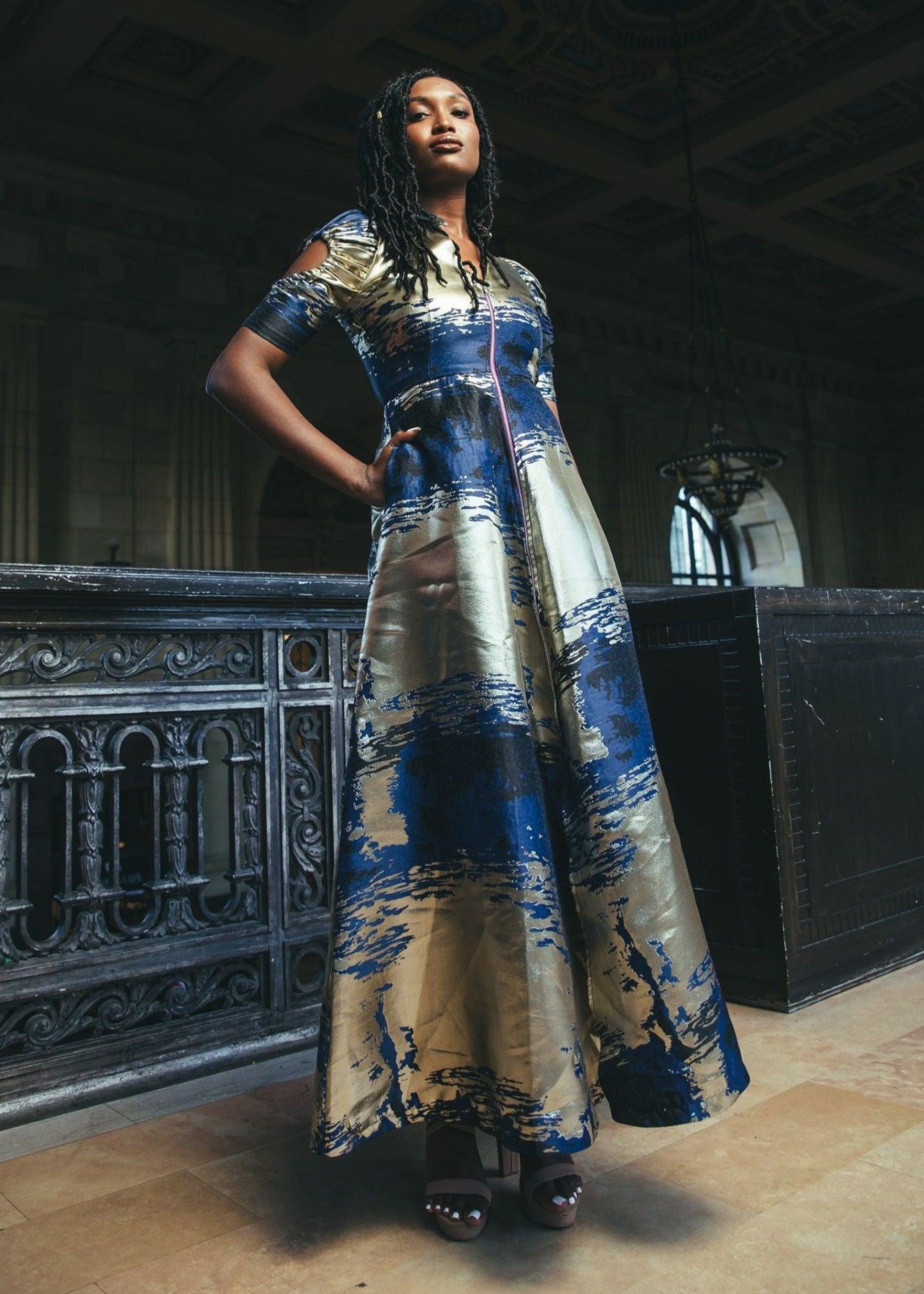
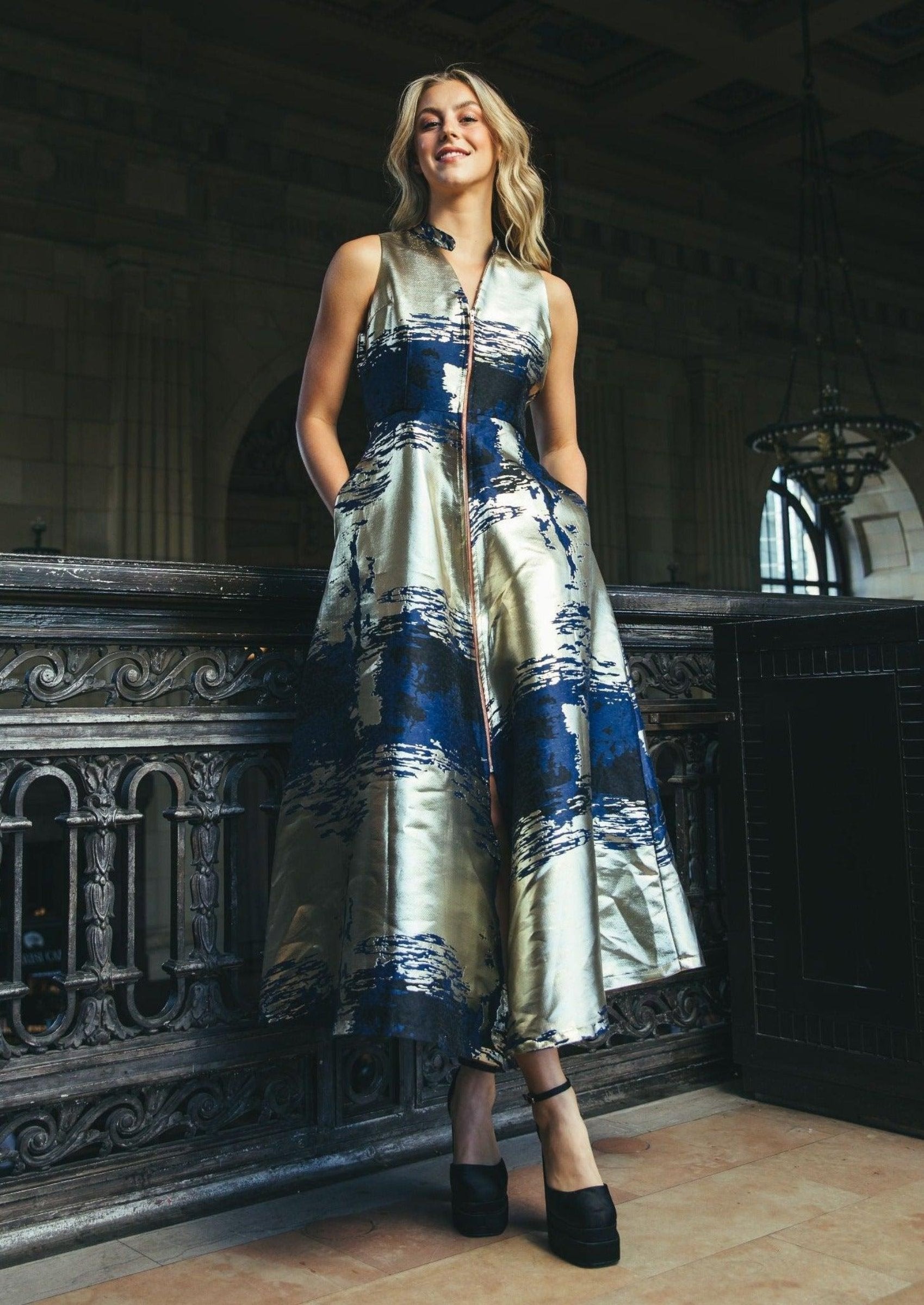
For the KAHINDO customer, the verdict is clear. You're buying occasion wear that stands out, that carries a story, and that supports the women who made it. The Kyoga Long Bomber Jacket ($80) or the Lesotho Mini Dress ($70) aren't just garments; they're statements about your values and your taste.

The investment is worth it if you value quality, uniqueness, and impact over fast fashion and disposable trends. For intentional dressers who want occasion wear with substance, handmade African textiles are not a luxury indulgence, they're the smart choice.
Investing in handmade African textiles is about making choices aligned with your values. You want pieces that last, that tell a story, and that support the artisans who create them. KAHINDO delivers exactly that.
Frequently Asked Questions
Are handmade African textiles worth the price compared to mass-produced alternatives?
Yes, when evaluated on durability, uniqueness, and impact. Each piece is non-replicable due to hand-dyeing variations and artisan craftsmanship. Beyond personal value, your investment directly supports female artisan livelihoods and fair-trade practices, creating economic empowerment that mass production cannot offer. The higher upfront cost translates to fewer replacements and meaningful social impact over time.
How can you tell if an African textile is actually handmade?
Look for provenance documentation, irregular dyeing patterns, and visible weave variations. Handmade textiles feature natural color gradations and slight imperfections that indicate human craftsmanship, while machine-made fabrics show uniform, repetitive patterns. Authentic brands like KAHINDO include provenance cards documenting the artisan and labor hours. Ask sellers for supply-chain transparency, artisan cooperatives, and fair-trade certification. Hand-dyed fabrics will have subtle color shifts across the piece; machine dyeing produces perfect consistency. Verify the brand's connection to specific artisan communities.
What are the main benefits of wearing authentic African textiles?
Authentic handmade African textiles offer cultural storytelling, superior craftsmanship, and tangible social impact. Each piece carries heritage, whether Adire resist-dyeing traditions, Batik techniques, or Congolese textile patterns, connecting you to centuries of artisanal knowledge. Wearing them supports female artisan empowerment and fair wages in communities where textile craft is a primary income source. Personally, you gain singular statement pieces that won't appear at every event, with quality construction that evolves beautifully with wear. The transparency of ethical production means you know exactly where your money goes.
How should you care for African textiles to protect your investment?
Hand-wash cold water with gentle detergent and air-dry flat or hang to preserve hand-dyed colors and fabric integrity. Avoid chlorine bleach, hot water, and high-heat drying, which fade natural dyes and weaken cotton fibers. Store in cool, dry conditions away from direct sunlight to prevent fading. Many handmade pieces, like the Adire Print Cotton Vest, require cold-water washing to maintain print quality. Check care labels for specific guidance, some textiles benefit from occasional conditioning. Proper care maximizes your investment's value and reduces the need for replacement.
Do handmade African textiles hold resale value?
Handmade African textiles hold moderate resale value, particularly pieces from recognized ethical brands with documented provenance. Vintage and artisan textiles have gained collector interest as slow-fashion and sustainability trends grow. Resale value depends on condition, brand reputation, and documentation of origin. Provenance cards and fair-trade certification increase desirability. For luxury occasion wear, resale potential offsets the initial investment compared to renting, especially if worn multiple times over several years.