

Article: 5 Benefits of Wearing Authentic African Textiles
5 Benefits of Wearing Authentic African Textiles
Table of Contents
- 1. Affirm Your Cultural Identity and Personal Expression
- 2. Support Female Artisans in Fashion and Economic Empowerment
- 3. Invest in Sustainable Fashion and Environmental Responsibility
- 4. Preserve Traditional Weaving Techniques and Heritage Craftsmanship
- 5. Own Unique African Print Formal Gowns That Make a Statement
- How to Identify Authentic Textiles vs. Mass-Produced Imitations
- Frequently Asked Questions
Last Updated: October 3, 2026
1. Affirm Your Cultural Identity and Personal Expression
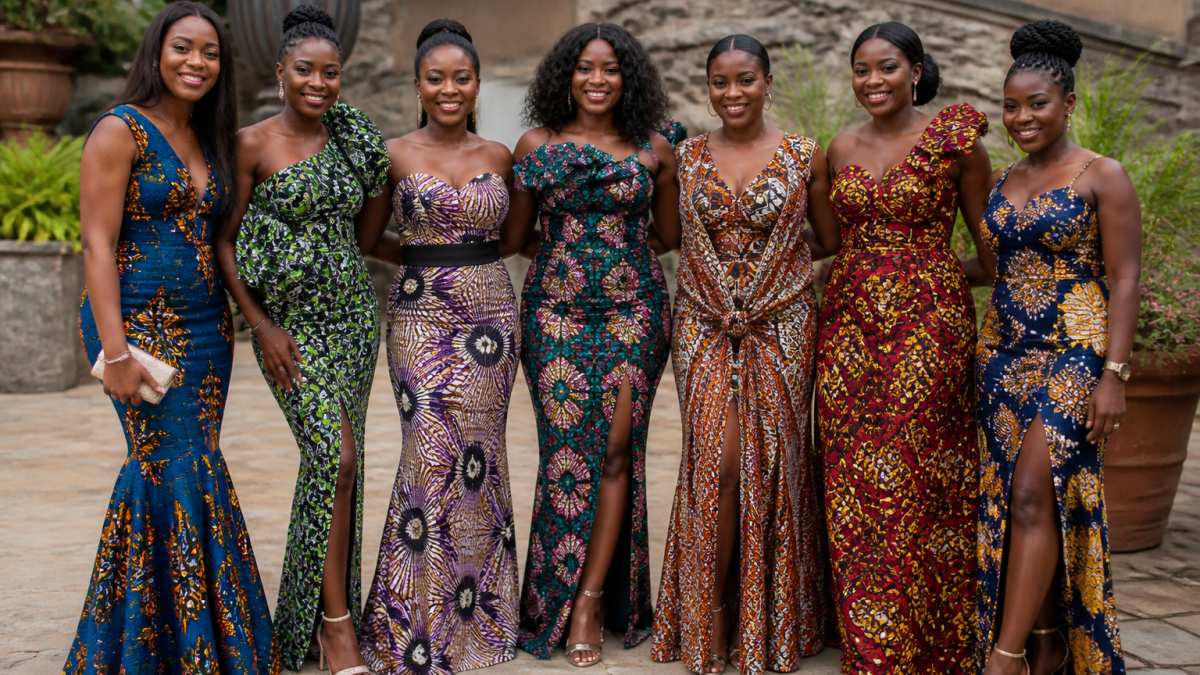
Wearing authentic African textiles goes far beyond fashion. It's a deliberate choice to celebrate who you are and where your roots run deep. When you put on a piece made from genuine African fabrics, you're making a statement about identity and belonging.
Research shows that cultural clothing serves as more than aesthetic choice, it functions as a form of self-affirmation. According to Iowa State University's 2025 study on cross-cultural textile appreciation, participants who wore traditional African garments for the first time reported heightened feelings of cultural connection and personal pride. The study tracked individuals with no prior experience wearing these pieces and found measurable shifts in how they perceived their own identity.
Authentic African textiles carry symbolic weight that mass-produced imitations simply cannot replicate. Each pattern, color combination, and weaving technique tells a specific story rooted in centuries of cultural tradition. When you wear these pieces, you're not just dressing yourself, you're honoring the narratives embedded in every thread.
For women seeking statement pieces for weddings, galas, and milestone events, this cultural resonance matters. Brands like KAHINDO understand this deeply. Each collection draws from Congolese heritage and artisan traditions, ensuring that the pieces you wear carry authentic cultural storytelling alongside modern silhouettes designed for today's occasions.
2. Support Female Artisans in Fashion and Economic Empowerment
The most powerful benefit of choosing authentic African textiles is the direct economic impact on the women who create them. When you buy a genuine piece, your money flows directly to female artisans, not to shareholders or corporate overhead.
According to ResearchGate's analysis of commemorative textiles as historical documents, textile production contributes significantly to rural livelihoods through employment generation and income creation. The research demonstrates that authentic textile industries create sustainable pathways out of poverty for entire communities, with women at the center of production.
Consider the contrast with mass production. Factory-made "African-inspired" pieces manufactured overseas generate minimal wages for workers and zero support for actual artisan communities. Authentic textiles represent a fundamentally different economic model, one where your purchase directly supports living wages, skill development, and financial independence for the women making your clothes.
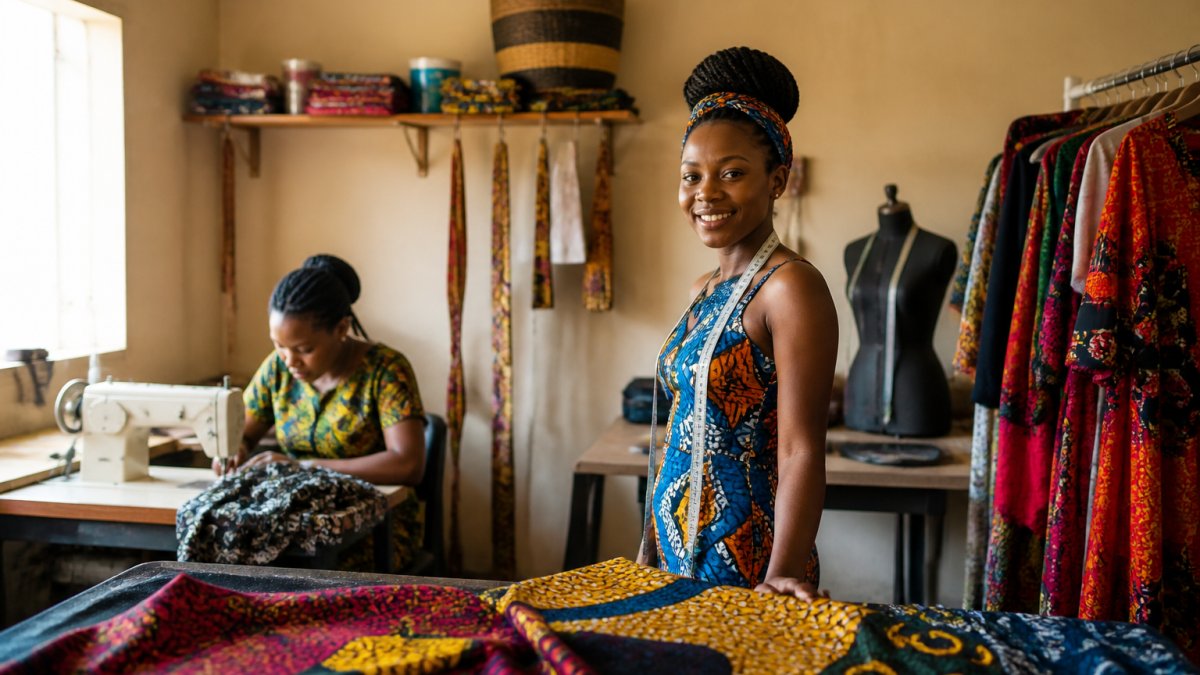
KAHINDO exemplifies this commitment. Every garment is handcrafted by female artisans in a Nairobi cooperative, with each piece including a provenance card that documents the artisan and labor hours. This transparency isn't marketing, it's accountability. You know exactly who made your dress and that they were paid fairly.

The numbers matter. Fair-trade practices ensure living wages that exceed minimum requirements, allowing women to reinvest in their own education, their children's futures, and their communities. This multiplier effect, where one woman's income lifts an entire household, is what sustainable fashion actually looks like.
3. Invest in Sustainable Fashion and Environmental Responsibility
Authentic African textiles represent a fundamentally sustainable approach to fashion. Unlike fast-fashion production, which relies on chemical-heavy dyeing, synthetic materials, and disposable design, genuine African textiles prioritize longevity, natural materials, and traditional processes.
The environmental case is straightforward. Most authentic pieces are made from 100% cotton, breathable, biodegradable, and produced without the synthetic polymer waste that clogs landfills. Traditional dyeing methods, particularly slow-bath processes, eliminate the toxic runoff associated with industrial textile production.
According to Journal of Fashion, Technology & Textile Engineering's 2024 review of biomimetic design in African textiles, contemporary African textile production increasingly integrates nature-inspired patterns and sustainable surface techniques. This approach honors both cultural heritage and environmental responsibility, the opposite of the extractive model that dominates fast fashion.
The durability factor cannot be overstated. A well-made authentic piece lasts decades, not seasons. KAHINDO's handcrafted pieces use slow-bath dyeing processes that create unique, non-replicable gradients, each garment is literally irreplaceable. When you invest in something this durable, you eliminate the need for constant replacement, which is where true sustainability lives.

Choosing authentic textiles means choosing fashion that doesn't require you to compromise your values. You get pieces that look exceptional, last for years, and carry zero guilt about environmental impact.
4. Preserve Traditional Weaving Techniques and Heritage Craftsmanship
Every time someone buys authentic African textiles, they're casting a vote for the preservation of centuries-old craftsmanship. Traditional weaving techniques, passed down through generations, refined over centuries, exist only because people still practice them. Mass production threatens this knowledge.
According to University of Guelph's 2022 thesis on material culture and African textiles in national identity, traditional textiles serve as case studies for how material objects communicate cultural identity and maintain heritage. The research emphasizes that these techniques represent irreplaceable knowledge systems that disappear when demand shifts to cheaper, industrialized alternatives.
The craftsmanship involved in authentic African textile production is extraordinary. Hand-weaving requires years of skill development. Batik and indigo dyeing demand precise knowledge of temperature, timing, and material chemistry. Pattern design carries cultural meaning that cannot be reduced to a digital algorithm. When you support artisans practicing these techniques, you're ensuring this knowledge survives.
This is where KAHINDO's model becomes significant. By designing in New York and handcrafting in Kenya through fair-trade partnerships, the brand creates economic incentives for women to master and pass down traditional skills. The provenance card included with each garment documents not just the artisan, but the techniques embedded in that specific piece.

| Technique | Time Required | Cultural Significance | Modern Availability |
|---|---|---|---|
| Hand-weaving | 40-80 hours per piece | Encodes family and community identity | Increasingly rare |
| Indigo dyeing | 20-30 hours per batch | Symbolizes protection and spirituality | Practiced by specialized artisans |
| Batik printing | 15-25 hours per piece | Communicates life transitions and social status | Limited to authentic producers |
| Hand-stitching | 10-15 hours per garment | Ensures durability and fit customization | Largely replaced by machine production |
Without demand for authentic pieces, these skills vanish. Young people move to cities for factory work. Techniques die with their practitioners. Buying authentic textiles is an act of cultural preservation, you're directly funding the continuation of knowledge systems that have survived centuries.
5. Own Unique African Print Formal Gowns That Make a Statement
There's a fundamental difference between wearing what everyone else is wearing and owning a piece that stands out. Authentic African print formal gowns exist in a completely different category from mass-produced occasion wear.
Each handcrafted piece is genuinely unique. The slow-bath dyeing process creates non-replicable color gradients. Hand-stitching ensures no two garments are identical, even when they use the same print. You're not buying a dress, you're buying a singular work of wearable art that no one else will own.
For women attending weddings, galas, and milestone events, this distinction matters enormously. You want to stand out. You want people to remember what you wore and ask where you got it. Mass-produced occasion wear ensures the opposite, you blend in with dozens of other guests wearing variations of the same fast-fashion dress.
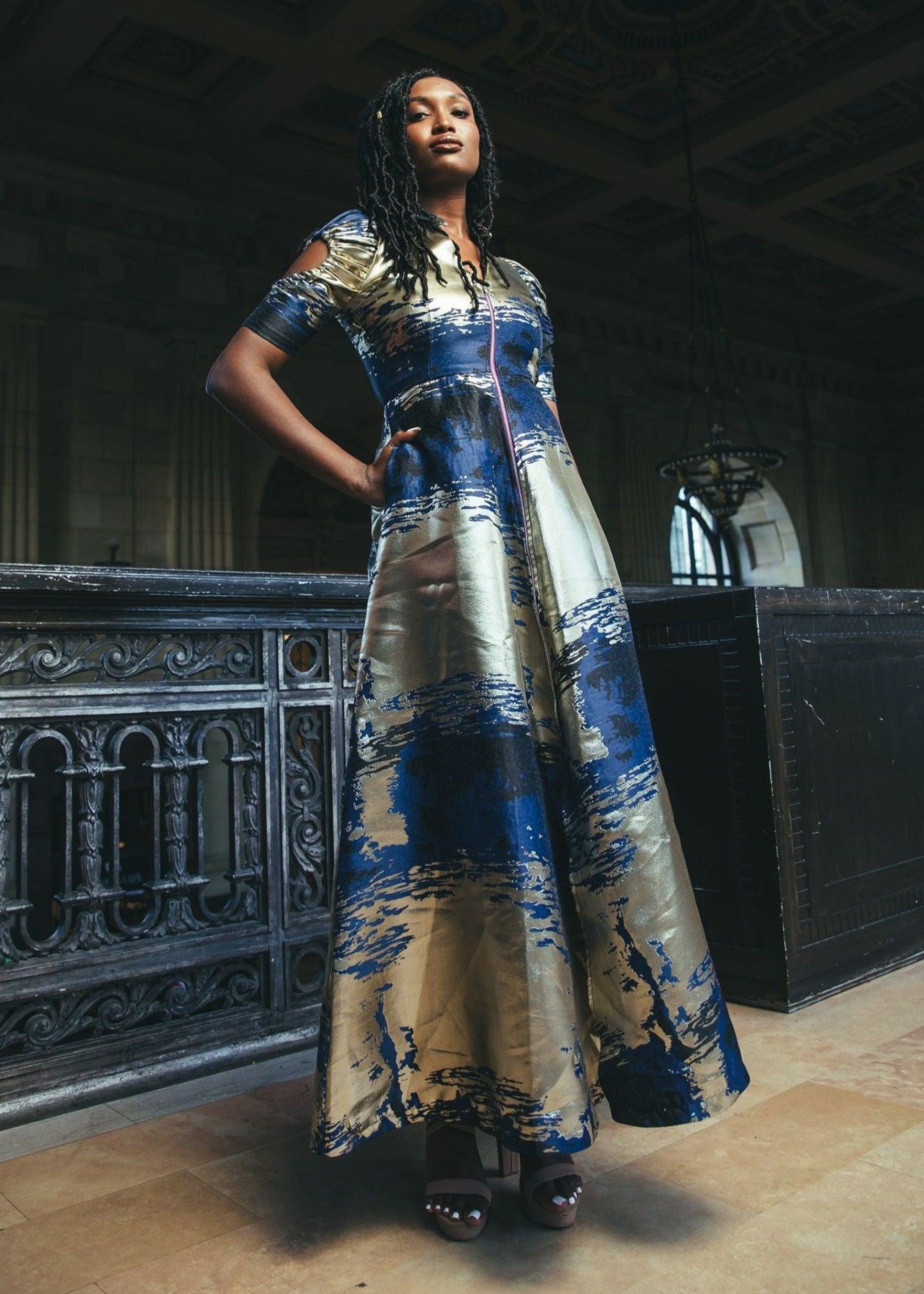
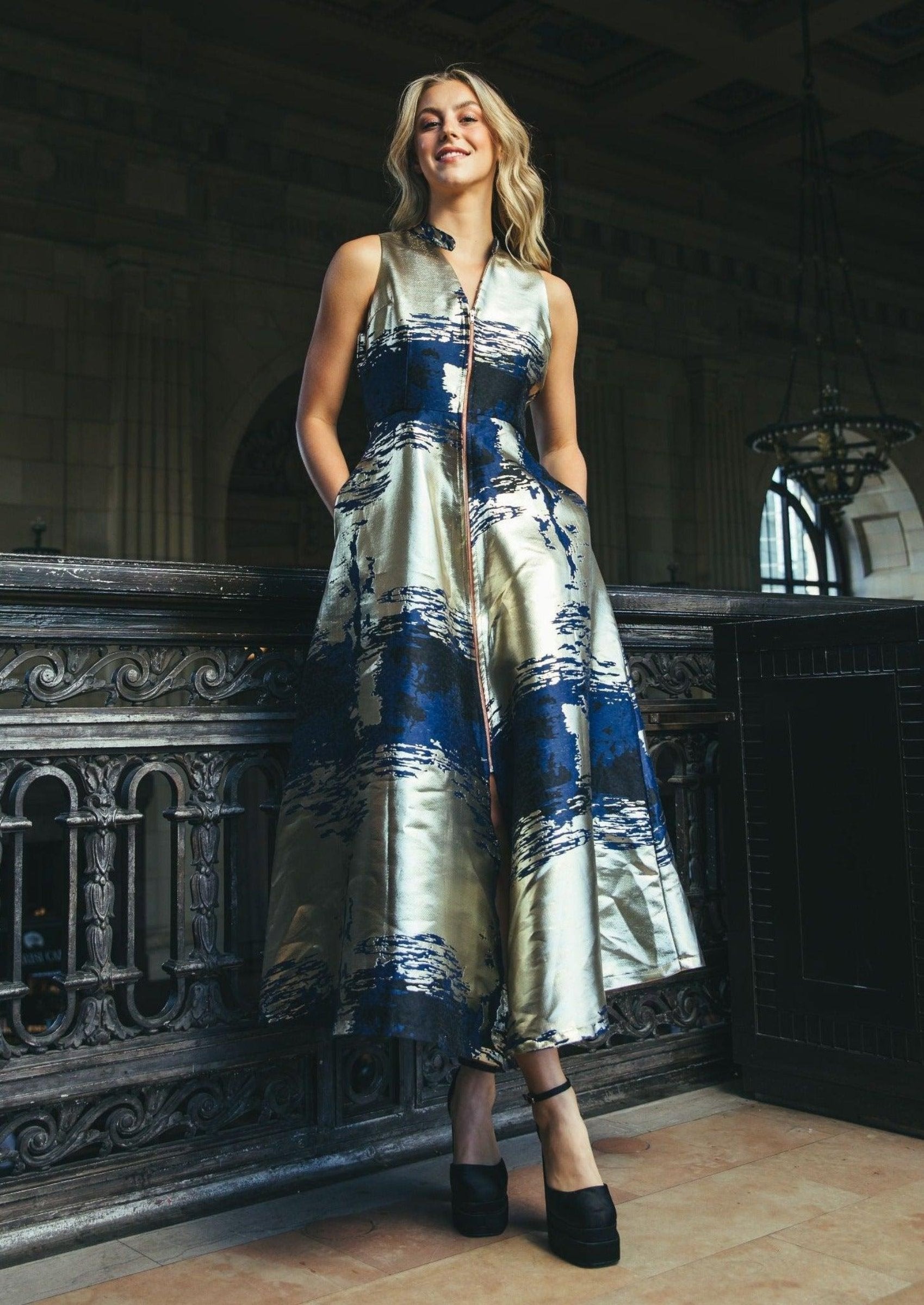
KAHINDO's collection specifically addresses this need. Pieces like the Kariba Maxi Dress in sage green and orange with delicate ruffle detailing ($85.00) combine vibrant African prints with modern silhouettes designed for formal occasions. The bold colors and artisan craftsmanship guarantee you'll be the most memorable person in the room.
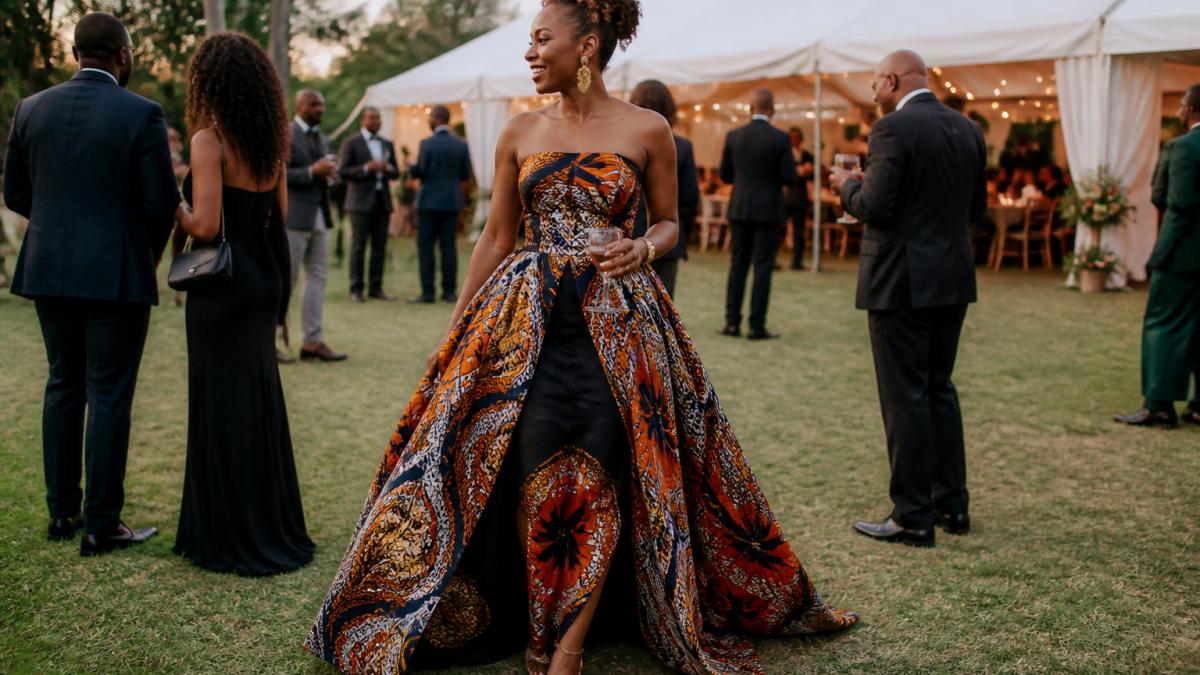
The investment makes sense when you consider what you're actually purchasing. A high-quality authentic piece works across multiple occasions, weddings, galas, celebrations, professional events. The durability means you'll wear it for years. Unlike a $150 fast-fashion dress you'll discard after one season, an authentic piece becomes a wardrobe foundation.
How to Identify Authentic Textiles vs. Mass-Produced Imitations
The market for "African-inspired" textiles has exploded, and not all of it is authentic. Some pieces marketed as handcrafted African fabrics are actually manufactured in China using digital printing and synthetic materials. Knowing how to distinguish genuine from counterfeit is essential.
Check the material composition. Authentic pieces use natural fibers, 100% cotton, silk, or linen. Mass-produced imitations use polyester blends, which feel different, wrinkle differently, and lack the breathability of natural materials. Read the label carefully. If it says "poly-cotton blend" or "polyester," it's not authentic.
Examine the dyeing process. Hand-dyed textiles show color variation, subtle shifts in tone that prove the piece was created through traditional slow-bath methods. Each section of the fabric will have slightly different saturation. Mass-produced pieces have uniform, consistent color because they're industrially dyed. This uniformity is actually a red flag for authenticity.
Look for the provenance documentation. Legitimate brands like KAHINDO include a provenance card with every piece, documenting the artisan, labor hours, and production details. If there's no documentation, no named artisan, and no transparency about where the piece was made, it's not authentic. Real brands stand behind their work.
Assess the stitching quality. Hand-stitched pieces show slight irregularities, the thread isn't perfectly uniform because it was sewn by human hands. Machine-stitched pieces are perfectly consistent, which actually indicates mass production. Look at seams, hems, and closures. Authentic pieces will show the marks of careful handwork.
Verify the origin claim. Authentic African textiles should come with information about which country, region, or community produced them. Vague claims like "African-inspired" or "inspired by African traditions" are evasion tactics. Genuine producers name their artisans, their communities, and their production methods.
| Authenticity Indicator | Genuine Textiles | Mass-Produced Imitations |
|---|---|---|
| Material | 100% natural fiber (cotton, silk, linen) | Polyester blends or synthetics |
| Dyeing | Hand-dyed with visible color variation | Uniform, industrially dyed color |
| Stitching | Hand-sewn with slight irregularities | Perfectly consistent machine stitching |
| Documentation | Provenance card with artisan details | No documentation or vague sourcing |
| Price point | $60-$150+ for quality pieces | $20-$40 for imitations |
| Origin transparency | Named artisans and communities | Generic "African-inspired" claims |
Price is also a signal. Authentic handcrafted pieces cost more because they require skilled labor, quality materials, and fair wages. If you're seeing "African print" dresses for $20, they're not authentic.
Fashion that looks good, feels good, and does good isn't a marketing slogan, it's a commitment to making choices that honor both people and planet. Authentic African textiles embody this philosophy completely. You get singular, high-quality pieces that will last for years.
The choice between authentic and mass-produced African-inspired pieces is ultimately a choice about what kind of fashion consumer you want to be. Every handcrafted piece from KAHINDO's collection delivers on that promise, with provenance documentation and fair-trade production that proves the impact of your purchase. Shop pieces like the Kariba Maxi Dress or Adinkra silk scarves and experience the difference authentic craftsmanship makes.
Frequently Asked Questions
What are the cultural benefits of wearing authentic African textiles?
Authentic African textiles carry profound cultural significance, functioning as narratives of identity and power that communicate specific cultural beliefs, life transitions, and social obligations. When you wear authentic pieces, you affirm your connection to heritage and express personal identity in ways mass-produced garments cannot. Research shows that wearing traditional textiles strengthens cultural awareness and serves as a form of self-expression rooted in genuine artisanal tradition rather than commercial imitation.
How does wearing authentic African textiles support female artisans?
Authentic textiles handcrafted by female artisans ensure that your purchase directly funds living wages, skill development, and economic independence for the women who create them. Brands like KAHINDO work directly with female artisan cooperatives in Kenya, providing fair-trade compensation and employment that lifts entire communities. Each garment includes documentation of the artisan and labor hours, creating transparency and accountability in the supply chain.
What distinguishes authentic African prints from mass-produced imitations?
Authentic African textiles are hand-dyed using traditional techniques, creating subtle variations and unique character in each piece. Mass-produced imitations manufactured in factories use synthetic dyes and standardized patterns, resulting in identical, lifeless reproductions. Authentic pieces often include provenance documentation, visible hand-finishing details, and natural color variations from slow-bath dyeing processes. Check for artisan names, labor transparency, and fair-trade certification to verify authenticity.
Why is ethical sourcing important in the African fashion industry?
Ethical sourcing ensures that artisans receive fair compensation, work in safe conditions, and maintain creative control over their craft. Without ethical practices, traditional textile production becomes exploitative, with profits flowing to retailers rather than creators. Only ethical sourcing guarantees that growth benefits the artisans themselves rather than corporate middlemen. Transparency, living wages, and artisan equity are foundational to sustainable African fashion.