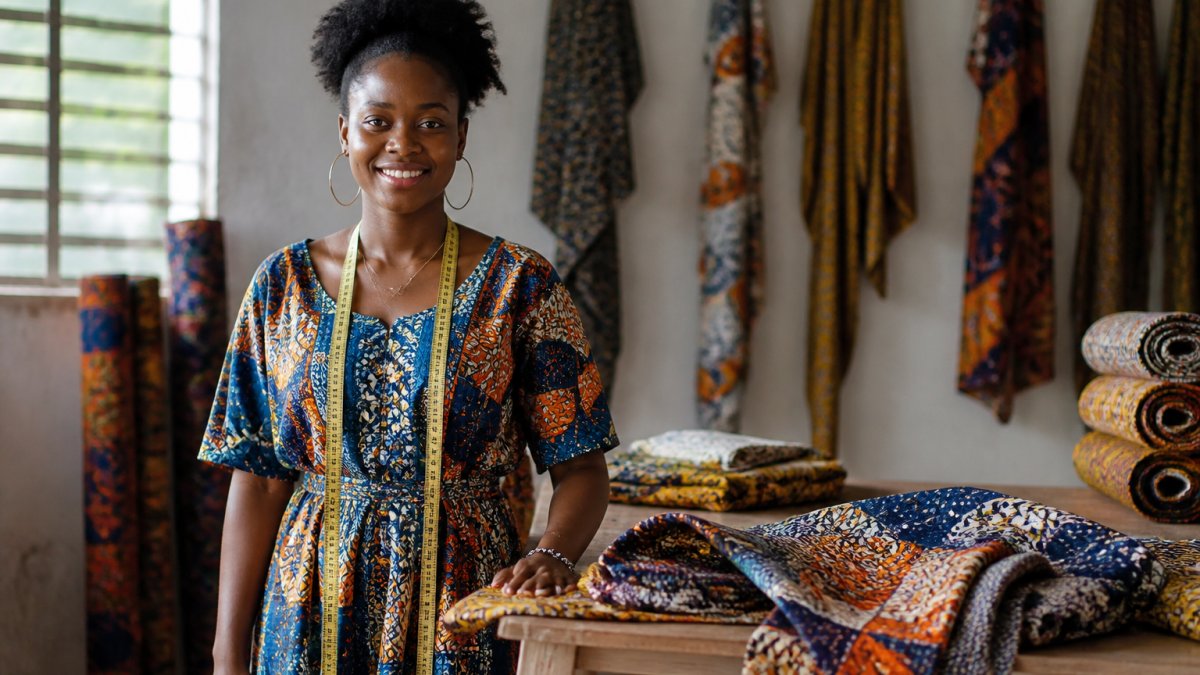




Article: How to Identify Authentic African Print Fabric
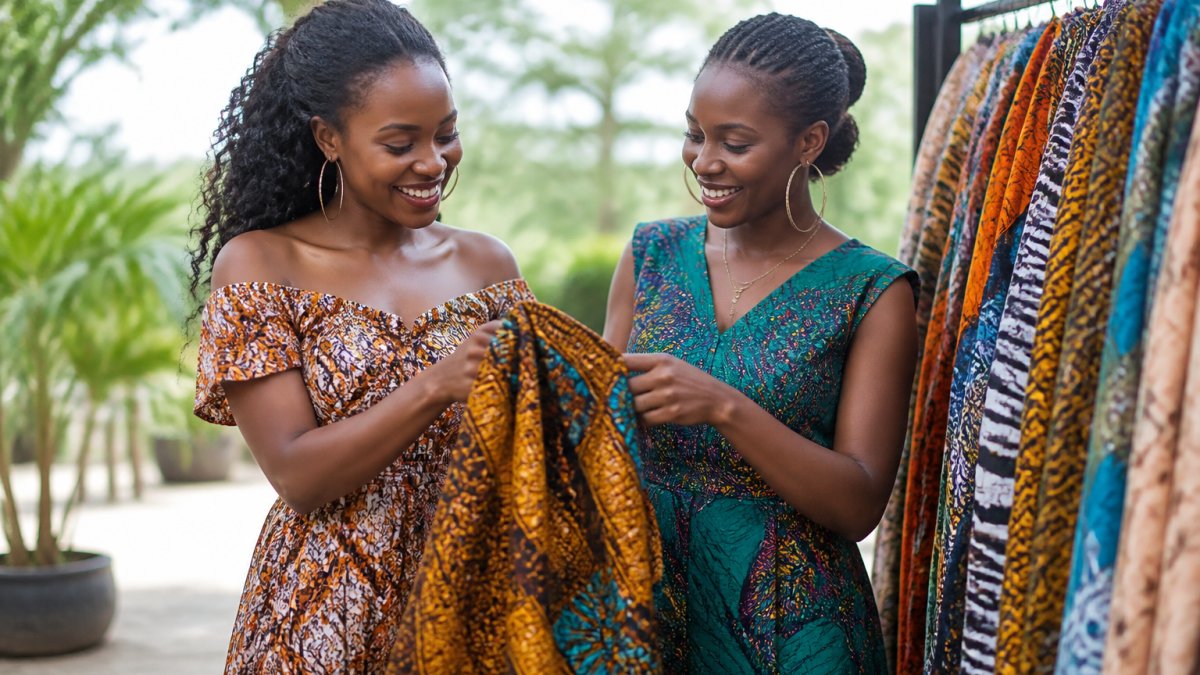
How to Identify Authentic African Print Fabric
Table of Contents
- What African Print Fabric Actually Is
- African Print Fabric Origin and Manufacturing
- African Fabric Patterns and Meanings
- How to Tell Real Wax Print from Imitation
- Step-by-Step Authenticity Checklist
- Why Sensory Tests Have Limits
- Sourcing and Ethical Production Matter
- Conclusion
- Frequently Asked Questions
Last Updated: October 10, 2026
What African Print Fabric Actually Is
African print fabric is a vibrant, boldly patterned cotton textile with deep cultural roots across the continent. The term refers to a broad category of hand-dyed and machine-printed fabrics that carry symbolic designs, geometric patterns, and rich color palettes rooted in African artistic traditions. These fabrics are used for clothing, accessories, home décor, and ceremonial garments.
However, the story is more complex than the name suggests. Research from the Polish Journal of Arts and Culture New Series documents that Ankara designs are typically symbolic, stylized, and colorful, selected according to consumer tastes. What many people don't realize is that not all African print fabrics are authentically African in origin.
The confusion matters because authenticity affects quality, cultural integrity, and where your money goes when you buy. Understanding what you're actually purchasing helps you make intentional choices about the pieces you wear.
African Print Fabric Origin and Manufacturing
African print fabrics have a layered history. While geometric and symbolic patterns have been part of African textile traditions for centuries, the modern "African print" aesthetic emerged through a combination of colonial trade, indigenous innovation, and global manufacturing. Today, authentic African prints come from multiple sources: handmade artisan pieces, small cooperatives, and larger textile mills across countries like Kenya, Nigeria, Ghana, and the Democratic Republic of Congo.
The manufacturing process defines whether a fabric is truly a wax print or an imitation. This distinction is where most confusion begins.
The Wax-Resist Technique
The wax-resist printing process is the foundation of authentic African wax prints. This ancient technique involves applying hot wax to cotton fabric in specific patterns, then dipping the cloth into dye. The wax resists the dye, creating sharp contrasts between colored and undyed areas. When the wax is removed, the pattern emerges.
The beauty of wax-resist printing lies in its unpredictability. Each piece develops subtle variations in color saturation, crackle patterns, and dye penetration. No two pieces are identical. The fabric develops a distinctive texture and scent that become markers of authenticity.
According to research published in the International Journal of Computer Applications, a model for analyzing and distinguishing traditional African fabric patterns supports image retrieval systems designed specifically for authentic wax prints. This research underscores how distinct genuine wax prints are from their imitations.
Hand-Applied Wax vs. Machine Printing
Hand-applied wax creates the most authentic and labor-intensive African prints. Artisans apply wax by hand using tools, stamps, or batik techniques, then dye the fabric. This method is slow, requires skill, and produces pieces with genuine character and variation.
Machine printing offers a faster, more consistent alternative. Some machine-printed fabrics use wax-resist methods at scale. Others skip wax entirely and print patterns directly onto cotton using conventional printing techniques.
Neither method is inherently "wrong," but they produce different results. Hand-applied wax prints command higher prices and carry more cultural authenticity. Machine-printed fabrics offer accessibility and consistency. The key is knowing which you're buying.
At KAHINDO, our pieces use hand-dyed Adire and Batik techniques rooted in West African traditions. Each garment reflects the artisan's work and the slow-bath dyeing process that creates non-replicable gradients.
African Fabric Patterns and Meanings
African print patterns are rarely decorative accidents. They carry meaning, tell stories, and connect wearers to cultural narratives. Motifs reference proverbs, celebrate historical events, honor ancestors, or express personal identity.
Researchers studying predominant Ankara fabric designs found that patterns are typically symbolic and stylized, selected according to consumer tastes and cultural significance. A pattern depicting interlocking shapes might represent unity and connection. A design featuring agricultural symbols could honor farming heritage. Colors also carry meaning: gold suggests prosperity, white represents purity, and red often signals celebration or importance.
Understanding pattern meaning enriches how you wear and appreciate African print fabrics. It transforms a garment from a fashion choice into a cultural statement. When you choose a piece, you're not just selecting colors and patterns, you're engaging with a tradition of symbolic expression.
How to Tell Real Wax Print from Imitation
This is where most people struggle. Genuine African wax prints have specific characteristics that distinguish them from imitations and machine-printed alternatives. The challenge is that no single test is foolproof. Instead, you need to examine multiple markers together.
Check the Selvage and Manufacturer Labels
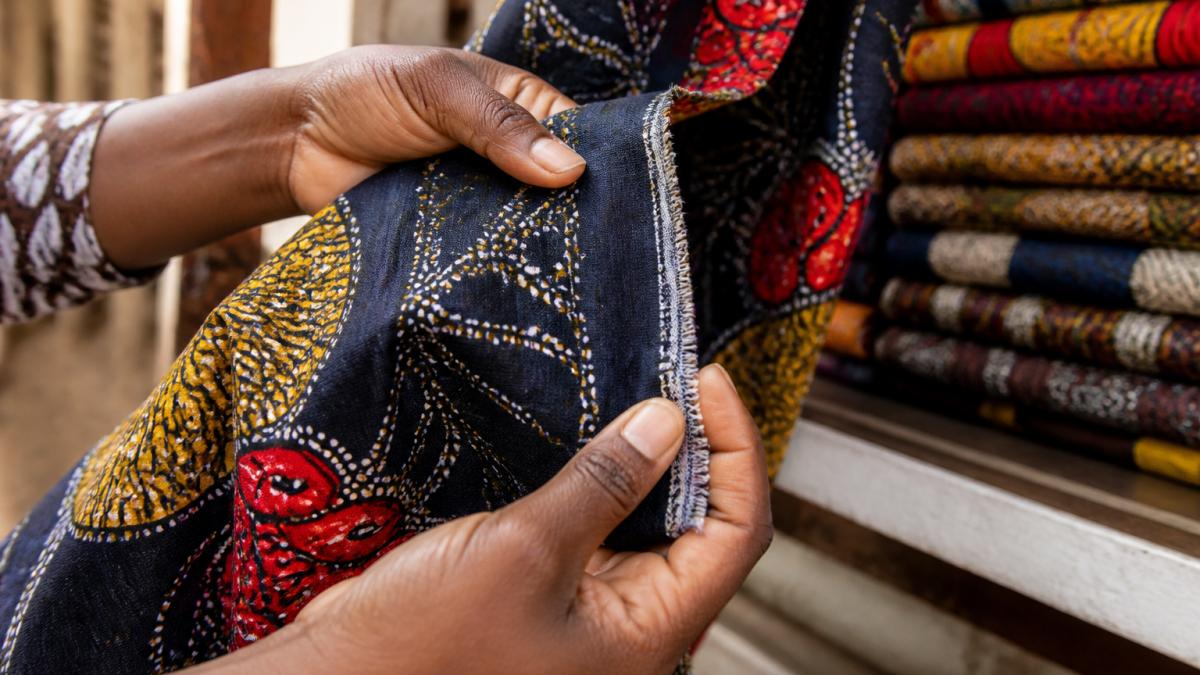
The selvage, the finished edge of the fabric, is your first clue. Authentic wax prints have selvage edges that show the manufacturing process. Look for printed text, numbers, or manufacturer names along the edge. Genuine African wax prints typically display clear labeling that identifies the producer, often with text in multiple languages.
Manufacturer labels matter because they create accountability. Reputable mills stand behind their products. If a fabric has no selvage markings or vague labeling, it's a red flag. Check the label on finished garments too. KAHINDO pieces include provenance cards documenting the artisan and labor hours, creating transparency about who made your garment and where it came from.
Imitation prints often have incomplete or missing selvage information. Chinese-made copies frequently lack proper labeling or display generic text that doesn't match known manufacturers.
Examine the Wax Scent and Crackle Effect
Authentic wax prints have a distinctive smell, a combination of wax, dye, and the cotton itself. When you first handle a genuine wax print, you may notice this scent. It's not unpleasant; it's simply the smell of the process.
The crackle effect is another marker. When wax-printed fabric is handled, worn, or washed, the wax layer cracks slightly, creating fine lines across the surface. These cracks allow dye to seep into previously protected areas, creating a subtle, aged appearance. Authentic wax prints develop more pronounced crackle over time and use.
However, here's what most guides miss: these sensory tests have real limits. Imitation manufacturers now add artificial wax scent to machine-printed fabrics. Some even create artificial crackle effects through chemical treatments. A fabric that smells like wax or shows crackle patterns is not automatically authentic.
Perform At-Home Fiber and Color Tests
Check the fiber content by examining the fabric closely. Authentic African wax prints are typically 100% cotton. Look at the garment label for fiber content. If it lists synthetic blends, it's not a traditional wax print.
Test color fastness by rubbing a damp white cloth against the fabric. Genuine wax prints may release some color initially, but the dye should be relatively stable. Machine-printed imitations often bleed excessively, especially in the first few washes. This test gives you a sense of dye quality and whether the fabric was properly processed.
Another simple test: examine how the pattern appears on both sides of the fabric. In authentic wax prints, the pattern shows on both sides, though the reverse side may be slightly less vibrant. Imitation prints often show the pattern primarily on one side, with the back appearing blank or faded.
Step-by-Step Authenticity Checklist
Use this checklist when evaluating African print fabrics or garments:
- Check selvage edges for manufacturer name, country of origin, and batch numbers
- Examine garment labels for fiber content (should be 100% cotton or primarily cotton)
- Smell the fabric for the distinctive wax and dye scent
- Run your fingers across the surface to feel for crackle texture
- Rub a damp white cloth against the fabric to test color fastness
- Look at both sides of the fabric, the pattern should be visible on both
- Research the manufacturer name if it appears on the selvage
- Ask for documentation about production origin and methods
- Verify the price point, authentic hand-dyed pieces cost more than machine-printed imitations
- Check for a provenance card or artisan information (this is KAHINDO's commitment to transparency)
This checklist helps you move beyond single tests and assess fabrics holistically.
Why Sensory Tests Have Limits
Many guides suggest you can identify authentic African prints by smell, touch, and appearance alone. This oversimplifies a complex reality. Manufacturing has evolved. Imitation producers now replicate many sensory markers that once reliably indicated authenticity.
A fabric can smell like wax, show crackle patterns, and feel like cotton without being an authentic hand-dyed African print. Machine printing has become sophisticated enough to mimic these characteristics.
This is why KAHINDO prioritizes provenance over sensory claims. Rather than asking customers to become textile experts, we provide documentation. Each piece includes information about the artisans who made it and the production methods used. You don't have to guess, you have proof.
Sensory tests are useful as part of a broader evaluation, but they shouldn't be your only tool. Combine them with label research, manufacturer verification, and documentation.
Sourcing and Ethical Production Matter
Where your African print fabric comes from affects both quality and impact. Fabrics produced by fair-trade cooperatives and artisan communities support economic empowerment. Fabrics manufactured by mills focused solely on volume and cost cutting often compromise quality and working conditions.
When you buy from brands committed to ethical production, you're making a choice about what you support. Fair-trade African print pieces cost more because the people who make them earn living wages. The production process is slower and more intentional.
Research from Academia.edu studies on African print fabric selection identifies color, price, motif size, and style as factors influencing how people choose African print clothing. Price is part of that equation, but it shouldn't be the only consideration.
Ask brands about their sourcing. Do they work directly with artisans? Can they trace each piece to its maker? Do they pay fair wages? Transparency matters.
Conclusion
To identify authentic African print, you need to examine multiple markers: selvage information, fiber content, sensory characteristics, and most importantly, production transparency. No single test tells the whole story. Instead, combine label research, manufacturer verification, and documentation to make informed choices.
The real difference between authentic and imitation African prints comes down to intention and accountability. Authentic pieces carry the marks of their makers. They're traceable. They tell a story about where they come from and who created them.
At KAHINDO, we believe that authentic African print fabrics deserve transparency. Every piece is handcrafted by female artisans in Kenya using traditional hand-dyed techniques rooted in Congolese textile traditions. Shop our collection of Kyoga Long Bomber Jacket, Strapless Batik Cotton Mini Dress with Flared Skirt, and other handcrafted pieces that prove fashion that looks good, feels good, and does good is possible.


Frequently Asked Questions
What is the difference between authentic African wax print and imitation copies?
Authentic African wax print fabric is created using the wax-resist dyeing technique, where hot wax is applied to cotton before dyeing, creating distinctive crackle patterns and color variations. Imitation prints use direct printing methods that replicate the appearance without the wax process. Real wax prints show wax penetration on both sides of the fabric, while copies are printed only on the surface. Authentic pieces typically cost more and come from verifiable manufacturers with selvage labels listing production origin.
How do I verify the origin of African print fabric before buying?
Check the selvage edge for manufacturer names and country of origin labels. Authentic African wax prints often carry marks from established mills in West Africa. Request a provenance card or documentation from the seller detailing where the fabric was produced and by whom. Brands like KAHINDO include provenance cards documenting artisan labor and production location. Ask sellers directly about their sourcing and whether they can provide supply chain transparency. Counterfeit fabric often has vague or missing origin information.
What do African fabric patterns and meanings tell you about authenticity?
Traditional African print motifs carry cultural significance and symbolic meaning rooted in specific regions and traditions. Authentic designs often reflect established pattern libraries from West African textile heritage, with names and stories tied to cultural identity. Imitation prints may use generic or poorly executed versions of traditional patterns without cultural context. Research the specific pattern name and origin, genuine Ankara or Kitenge designs have documented histories. Authentic pieces typically include information about the pattern's cultural significance, while mass-produced copies rarely do.
Can I rely on wax scent and crackle to confirm authenticity?
Wax scent and visible crackle are useful indicators but not definitive proof of authenticity. High-quality imitation fabrics can mimic these sensory qualities convincingly. The crackle effect can be artificially created through specialized printing techniques, and synthetic wax scent can be applied to copies. Use these tests as part of a larger verification process, not as standalone proof. Combine sensory checks with label verification, fiber testing, and sourcing confirmation for a complete authenticity assessment.