


Is Gucci Ethically Made? A Transparency Review
Table of Contents
- Is Gucci Ethically Made? The Short Answer
- Supply Chain Transparency and Labor Practices
- Environmental Impact and Sustainable Materials
- Animal Welfare, Fur, and Exotic Skins
- How to Verify Ethical Fashion Claims
- Sustainable Luxury Fashion Brands That Prioritize Transparency
- Greenwashing vs. Real Ethical Commitment
- Resale Value and Lifecycle Economics
- Featured Snippet Optimization
- Frequently Asked Questions
Last Updated: September 23, 2026
Is Gucci Ethically Made? The Short Answer
Gucci has made public commitments to sustainability and ethical labor standards, but significant gaps remain between stated values and documented practices. Transparency in luxury fashion remains inconsistent, and Gucci's ethical credentials require careful scrutiny.
This guide examines what Gucci discloses about supply chain, materials, and labor practices, highlighting where independent verification exists and how to assess whether ethical commitments are genuine or marketing strategy.
Supply Chain Transparency and Labor Practices
Gucci operates a complex global supply chain spanning manufacturing partners across Europe, Asia, and beyond. The brand publishes a supplier list and has committed to labor standards aligned with International Labour Organization conventions. However, transparency gaps persist.
A published supplier list doesn't equal verified accountability. Gucci discloses primary manufacturing partners, but detailed labor audits and third-party verification of working conditions remain limited in scope.
Gucci's Code of Conduct exists on paper, but enforcement mechanisms, particularly at subcontractor levels, lack transparency. Real accountability requires unannounced inspections and worker interviews by independent third parties.
Gucci has implemented living wage assessments at certain facilities and joined the Leather Working Group, a third-party certification body for leather production. Yet membership is not the same as independent verification of compliance.
Brands genuinely committed to ethical labor publish granular data: facility-by-facility wages, worker turnover, and independent audit results. Gucci's disclosures remain at a higher level of generality.
Environmental Impact and Sustainable Materials
Gucci has committed to carbon neutrality with targets aligned to the Paris Climate Agreement and invested in sustainable material sourcing. However, the luxury fashion industry's environmental footprint remains substantial, and Gucci's initiatives address only part of the problem.
Gucci sources organic cotton, increased recycled materials, and committed to phasing out harmful chemicals in leather tanning. These are meaningful steps within an industry that inherently generates significant waste and carbon emissions.
Gucci's carbon footprint calculations often exclude Scope 3 emissions, transportation, retail operations, and end-of-life disposal. Claiming carbon neutrality without accounting for the full product lifecycle is selective accounting.
Gucci has committed to reducing hazardous chemicals in leather tanning and partnered with chromium-free tanneries. Yet Gucci's practices reflect industry-wide challenges rather than leadership.
Gucci increased use of bio-based and regenerated materials, reducing reliance on virgin petrochemicals. However, regenerated materials like viscose carry environmental costs in processing and water usage. No material is impact-free.
Animal Welfare, Fur, and Exotic Skins
Gucci committed in 2017 to stop using fur in all collections, eliminating a practice many luxury houses still maintain.
Gucci continues to use leather and exotic skins like crocodile and python from suppliers claiming to meet welfare standards. Independent verification of animal welfare in exotic skin farming is limited.
A fur-free commitment is clear and verifiable. Animal welfare in leather and exotic skin production is ambiguous. Gucci's policy requires compliance with local laws, but enforcement varies significantly by country.
The leather industry operates as a separate economic sector with its own supply chains. Tanneries source hides based on market demand for leather goods, creating direct economic incentive for animal agriculture.
The brand has not committed to reducing or eliminating animal-derived materials. Their approach focuses on welfare standards and transparency rather than moving away from animal products altogether. This is a meaningful distinction from brands that have committed to vegan or animal-free materials as a strategic priority.
How to Verify Ethical Fashion Claims
Verification of ethical fashion claims requires access to information brands often control. However, several approaches help separate genuine commitment from marketing.
Look for third-party certifications like the Leather Working Group, Fair Trade Certified, and GOTS, which conduct independent audits. Genuine commitment includes independent verification because it's the only way to prove claims.
Check disclosure specificity. Brands publishing facility-by-facility data, worker wages, and detailed audit results are more transparent than those offering vague statements. Gucci publishes a supplier list and sustainability reports, but lacks facility-level wage data and independent audit results.
Look for third-party audits and published grievance data. A grievance mechanism is meaningless without transparency about complaints received and resolved.
Brands acknowledging supply chain complexity and explaining subcontractor audits are more credible than those that ignore it.
Research public controversies and legal challenges. Understanding specific allegations and brand responses provides context corporate reports won't reveal.
Brands engaging with criticism and making changes demonstrate accountability. Brands dismissing concerns signal ethical commitments are secondary.
Sustainable Luxury Fashion Brands That Prioritize Transparency
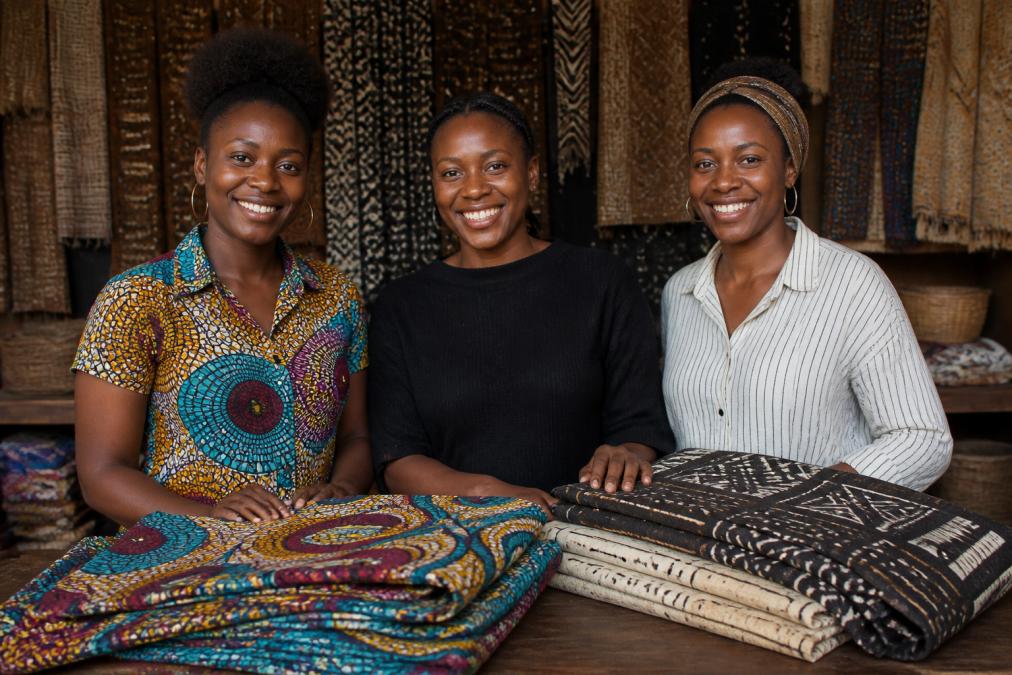
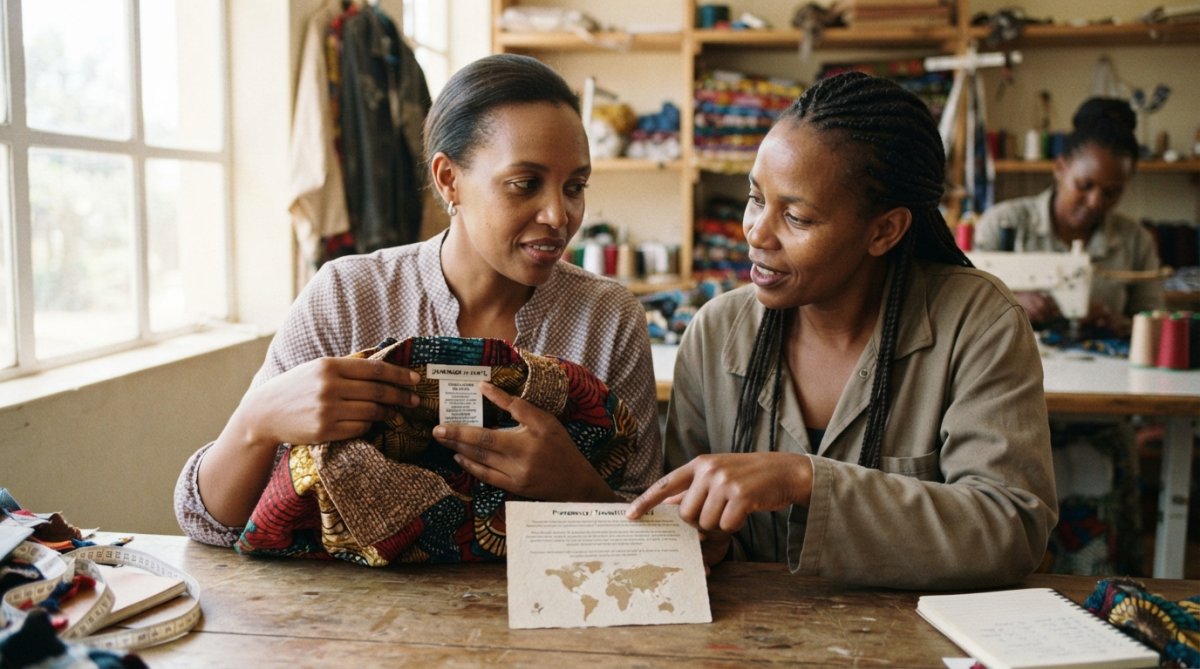
KAHINDO represents a different model. Every piece is handcrafted by female artisans in Kenya with fair-trade practices ensuring living wages. The brand includes a provenance card documenting the specific artisan and labor hours, creating direct traceability. Ethical production is inseparable from the product itself.
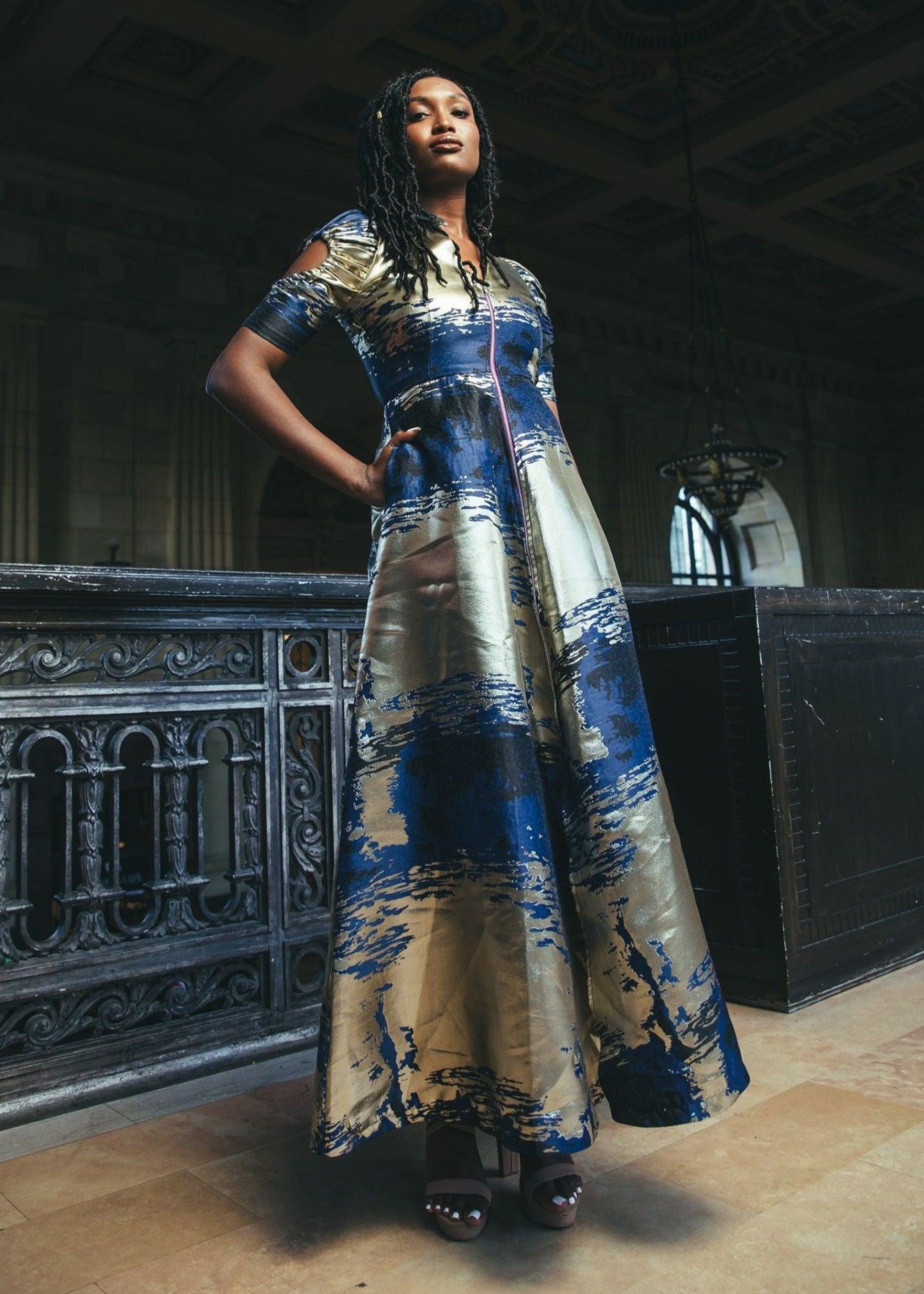
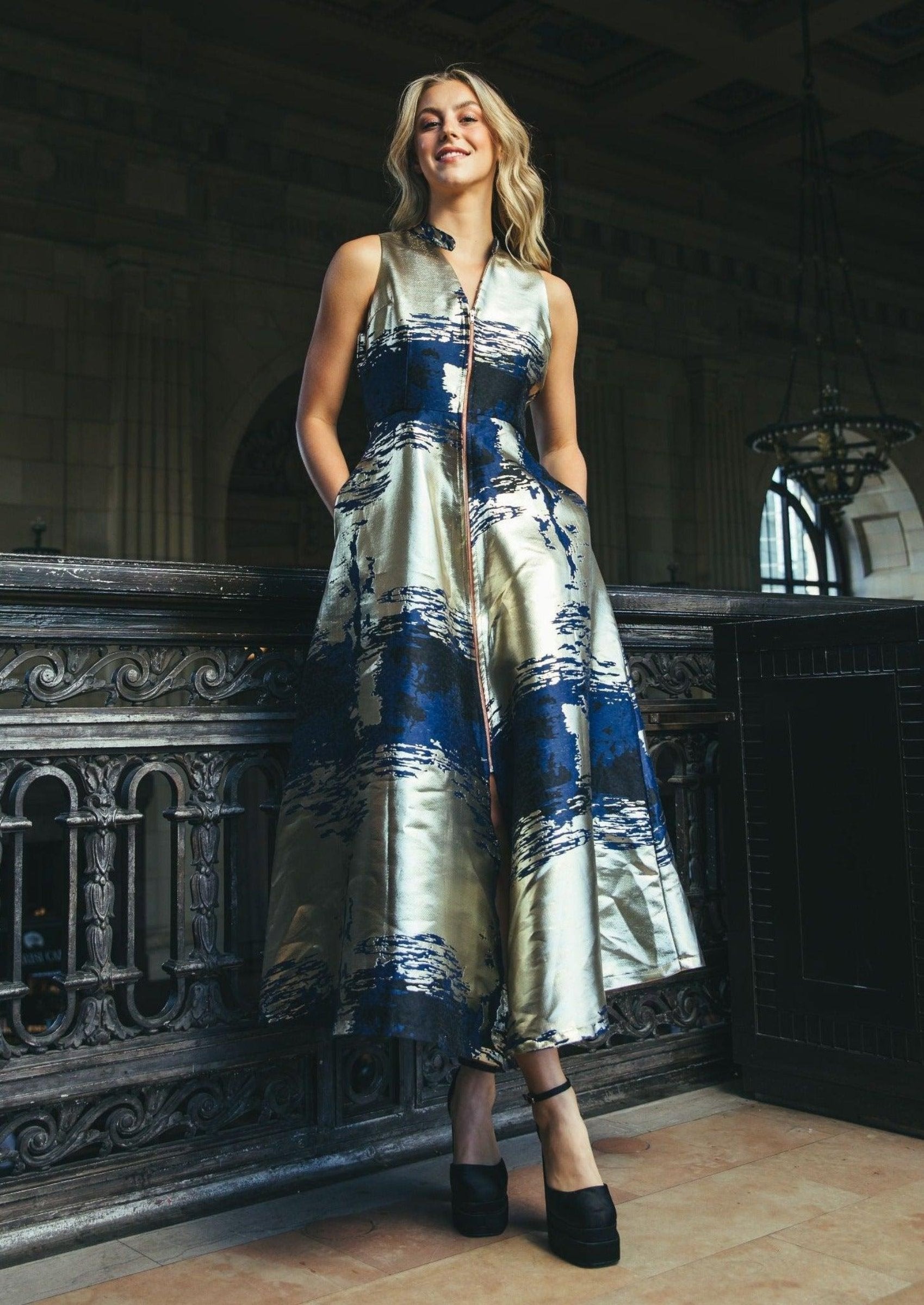
The Sade Jumper is ethically made in Kenya with 100% polyester construction and side pockets. The Mali Dress and Seychelles Dress feature hand-dyed Adire textiles made in Nigeria and finished in Kenya using fair-trade practices.

Other brands in the sustainable luxury space include those committed to regenerated materials, circular economy models, or regional production. Some focus on slow production timelines that reduce waste. Others emphasize resale value and durability as environmental strategies. The common thread: transparency about who makes the pieces and under what conditions.
When comparing luxury brands, ask whether ethical production is central to the business model or added on top of it. Brands where fair-trade practices and artisan empowerment are the foundation operate differently from brands where sustainability is a department. KAHINDO's model, designing in New York and handcrafting in Kenya with documented artisans, creates accountability that's built in, not bolted on.
Greenwashing vs. Real Ethical Commitment
Greenwashing is the practice of making environmental or ethical claims that are misleading or unsupported. It's distinct from "green-hushing," where a brand downplays or hides its ethical efforts. Understanding the difference helps you spot when a brand is exaggerating versus when it's being genuinely cautious about claims it can't fully verify.
Greenwashing typically involves vague language, selective metrics, and unverified claims. A brand might say they're "committed to sustainability" without specifying what that means. They might highlight one positive initiative while ignoring larger environmental impacts. They might use terms like "eco-friendly" or "sustainable" without third-party certification. Gucci's sustainability messaging sometimes falls into this category, they emphasize their commitments while being less transparent about gaps and ongoing challenges.
Green-hushing is the opposite: a brand makes genuine efforts but downplays them in public communication. This happens when brands are uncertain about claims or worried about criticism if they fall short. A brand might implement fair-wage practices but not publicize them because they're concerned about scrutiny. While green-hushing is less deceptive than greenwashing, it also means consumers don't get the information they need to make informed choices.
The most credible brands are transparent about both achievements and limitations. They state clearly what they've accomplished, what they're working toward, and where they still fall short. They invite third-party verification and publish detailed data. They acknowledge that no luxury brand is perfectly ethical and that trade-offs exist.
Gucci's approach leans toward selective transparency. The brand publishes sustainability reports and commits to specific targets. Yet they're less forthcoming about the full environmental impact of their operations or detailed labor conditions across their supply chain. This isn't necessarily greenwashing, it's the industry norm for luxury brands. But it's not the level of transparency that would allow you to verify their ethical claims independently.
KAHINDO operates differently. The provenance card with every garment, the named artisans, the documented fair-trade practices, these create verifiable transparency. You're not relying on the brand's interpretation of what "ethical" means. You can see exactly who made your dress and under what conditions. This model eliminates the ambiguity that allows greenwashing to thrive.
Resale Value and Lifecycle Economics
A frequently overlooked aspect of ethical fashion is the lifecycle of a garment. A piece that costs more upfront but lasts longer and retains resale value may have lower total environmental impact than a cheaper item discarded after a few wears. This is where luxury fashion can make a genuine environmental argument, if the pieces are actually durable and desirable enough to resell.
Gucci pieces, particularly classic designs and limited editions, maintain resale value. A Gucci bag or iconic accessory from a previous season often sells on secondary markets for 60-80% of original retail price. This resale market extends the lifecycle of the garment and reduces the incentive to manufacture new items to replace worn-out pieces. From a lifecycle perspective, buying a durable luxury item and reselling it when you're done is more sustainable than buying and discarding cheaper fashion multiple times.
However, this logic only holds if the piece is actually durable and if the resale market is accessible.
Featured Snippet Optimization
Quick Answer: Gucci has made public commitments to sustainable practices and ethical labor standards, but independent verification of these claims remains limited. The brand publishes supplier lists and sustainability reports, yet transparency gaps exist in labor audits and environmental impact accounting. Gucci's ethical credentials require careful evaluation rather than assumption.
Frequently Asked Questions
Is Gucci ethically made and transparent about its supply chain?
Gucci has made some commitments to transparency and ethical production, but independent audits reveal gaps. The brand publishes sustainability reports and has implemented third-party certifications in some facilities, but critics note that full supply chain traceability remains limited, particularly in leather tanning and exotic skin sourcing. Consumers seeking complete transparency should compare Gucci's disclosure against brands with documented artisan partnerships and detailed provenance tracking.
How can I verify ethical fashion claims before buying?
Look for third-party certifications (Fair Trade, B Corp, GOTS for organic cotton), request supply chain documentation, check for published labor audits, and examine whether the brand names specific facilities and artisans. Ask the brand directly about leather tanning chemicals, waste management practices, and labor wages. Brands with genuine ethical commitments provide provenance cards, artisan credits, and detailed material sourcing. Avoid vague terms like 'eco-friendly' without supporting evidence.
What makes a sustainable luxury fashion brand different from greenwashing?
Genuine sustainable luxury brands disclose specific environmental metrics (carbon footprint, water use, chemical reduction), name their production facilities and artisans, publish independent audits, and accept accountability for shortcomings. Greenwashing uses vague language ('responsibly sourced,' 'eco-conscious') without data, avoids naming suppliers, resists third-party verification, and emphasizes marketing over measurable impact. Brands practicing 'green-hushing' make real changes but underplay them; sustainable brands make changes and document them publicly.
Does buying a luxury dress once or twice a year justify the ethical premium?
Yes, if the brand demonstrates genuine fair labor practices and material durability. A dress worn twice annually over five years (10 wears) has a lower environmental cost per wear than a fast-fashion item worn 20 times in one year. Ethical luxury pieces with documented artisan production, quality construction, and resale value create longer product lifecycles. However, verify durability claims through customer reviews and return policies.