



Article: Choose a Destination Wedding Guest Dress: 2026 Guide
Choose a Destination Wedding Guest Dress: 2026 Guide
Table of Contents
- Understanding the Dress Code and Venue Type
- Best Colors to Wear to a Spring Wedding
- Breathable Fabrics for Wedding Guest Dresses
- Choosing the Right Silhouette for Your Body and Climate
- How to Pack a Formal Dress for Travel
- Accessorizing and Footwear for Destination Weddings
- Investment Pieces That Transition Beyond the Wedding
- Conclusion
- Frequently Asked Questions
Last Updated: September 24, 2026
Understanding the Dress Code and Venue Type
The first step in choosing a destination wedding guest dress is understanding what the couple expects. Every wedding has a dress code, and destination venues come with their own climate and setting challenges. Check the invitation carefully for guidance like "black tie optional," "cocktail attire," or "semi-formal."
Destination weddings often blur the lines between formal and relaxed. A beach ceremony might call for elegant but breathable fabrics. A mountain resort wedding demands different styling than a tropical island. The venue type shapes everything: outdoor ceremonies need wrinkle-resistant fabrics, while indoor receptions allow for more delicate materials.
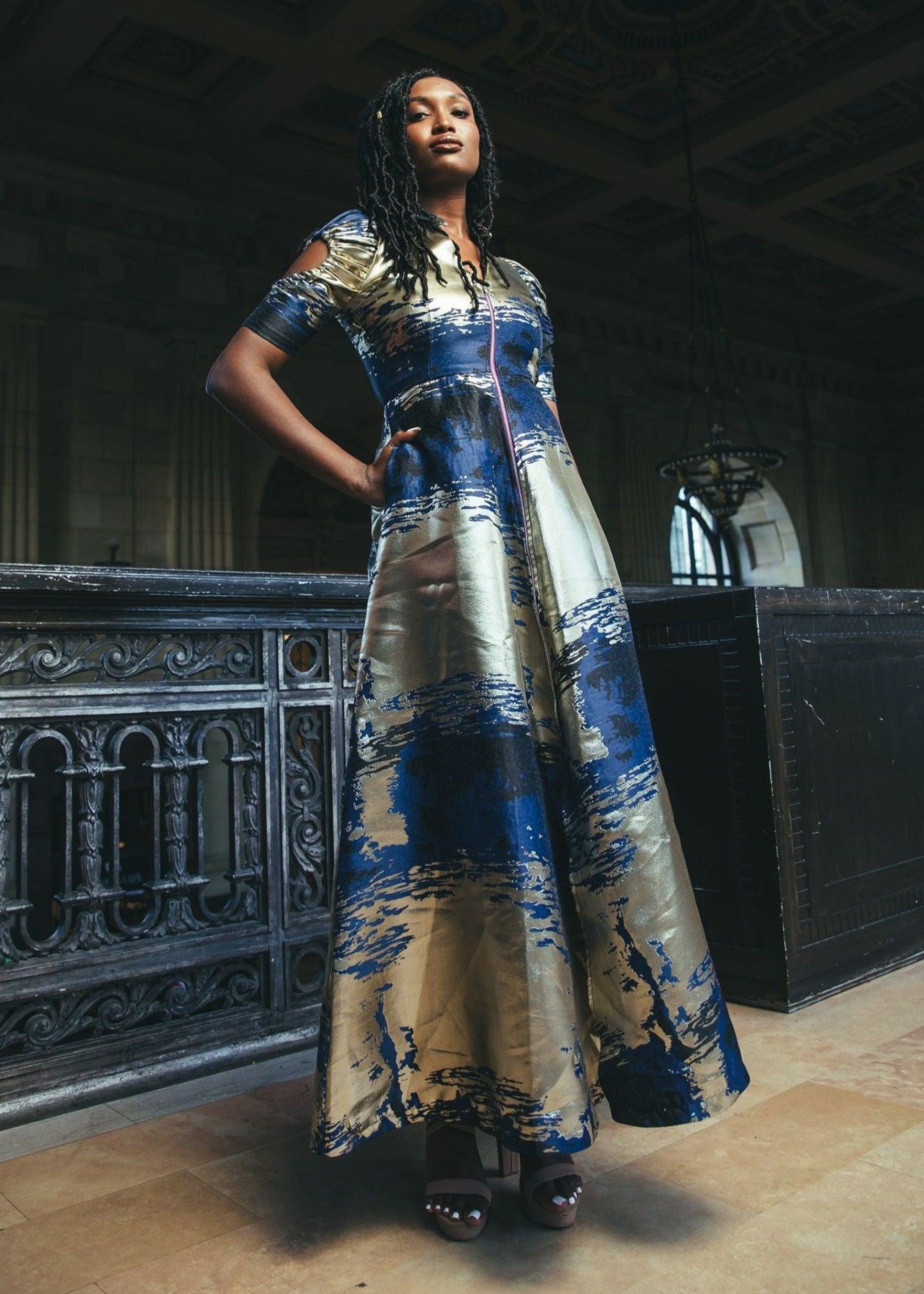
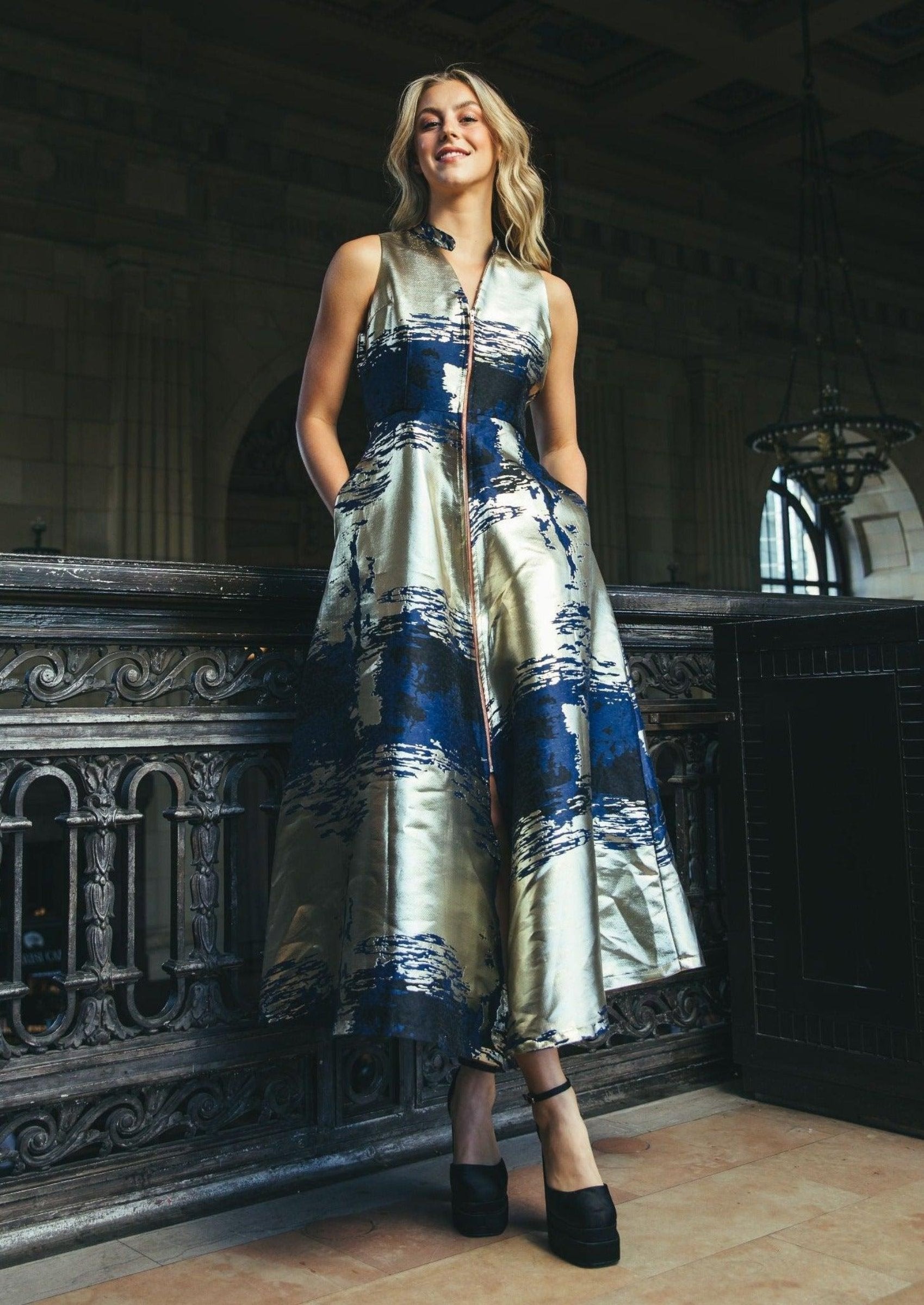
Consider the cultural context too. Some destinations have traditions that influence guest attire. Researching the location helps you choose a dress that respects local customs while fitting the couple's vision. KAHINDO's approach to occasion-ready dressing offers pieces that balance formality with the practicality destination travel demands.
Best Colors to Wear to a Spring Wedding
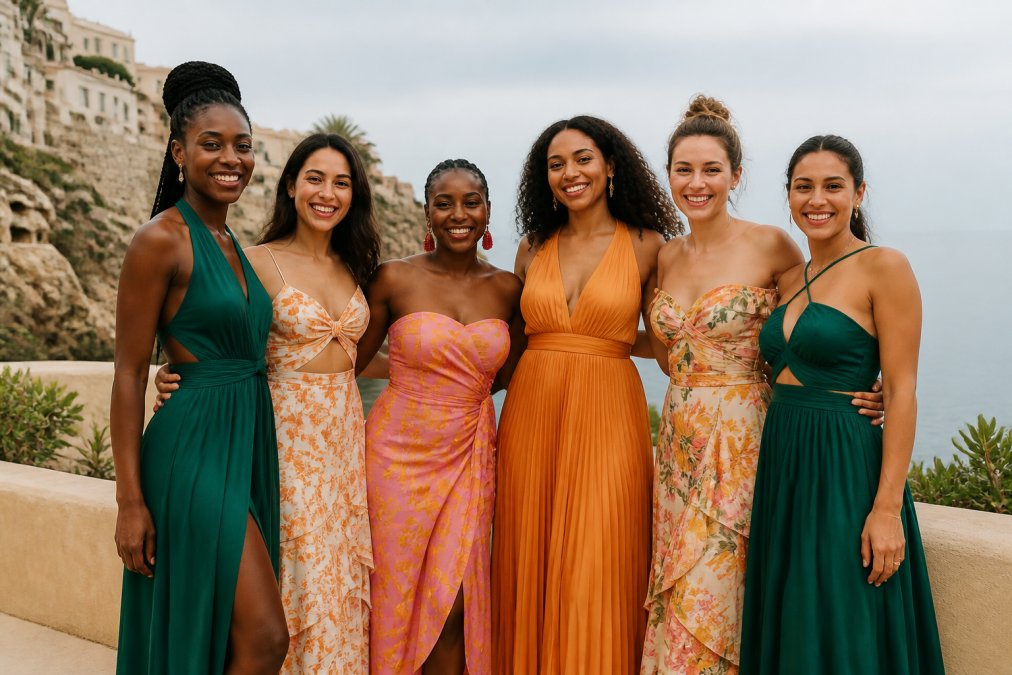
Spring weddings call for colors that feel fresh and celebratory. Light pastels work beautifully, soft blues, blush pinks, and pale yellows complement outdoor spring settings. Jewel tones like emerald and sapphire also shine at spring events, especially for evening receptions.
Avoid wearing white, cream, or ivory unless the invitation specifically permits it. These colors are reserved for the bride. Black is traditionally avoided at weddings, though black tie optional dress codes may permit it. Neutrals like taupe, champagne, and soft gray offer elegance without competing with the bride.
For destination spring weddings, consider how color photographs in natural light and in photos. Vibrant hues that feel bold in person often photograph beautifully in outdoor settings. KAHINDO's ombré pieces, like the Double Collar Ombré Organza Midi Dress, use color transitions that shift with movement, perfect for spring's dynamic lighting.

| Color | Best For | Avoid If |
|---|---|---|
| Soft pastels | Daytime spring ceremonies | You prefer bold statement looks |
| Jewel tones | Evening receptions | The venue is very casual |
| Neutrals | Formal affairs | You want to stand out |
| Bright hues | Outdoor celebrations | The dress code is black tie |
Breathable Fabrics for Wedding Guest Dresses
Destination weddings often mean heat, humidity, or unpredictable weather. Breathable fabrics keep you comfortable while maintaining elegance. Chiffon is lightweight and flows beautifully, making it ideal for tropical or warm-weather destinations. Linen blends offer structure while allowing air circulation. Organza provides a polished look without trapping heat.
Avoid heavy materials like velvet, thick satin, or dense knits unless the destination is cool. These fabrics will leave you uncomfortable during outdoor ceremonies or receptions. Moisture-wicking blends help manage perspiration while keeping your appearance fresh.
The construction matters too. Layered, lightweight fabrics can offer structure with breathability. Double-layer organza, used in pieces like the Strapless Ombré Organza Mini Dress, balances structure with breathability, remaining cool to wear.
Choosing the Right Silhouette for Your Body and Climate
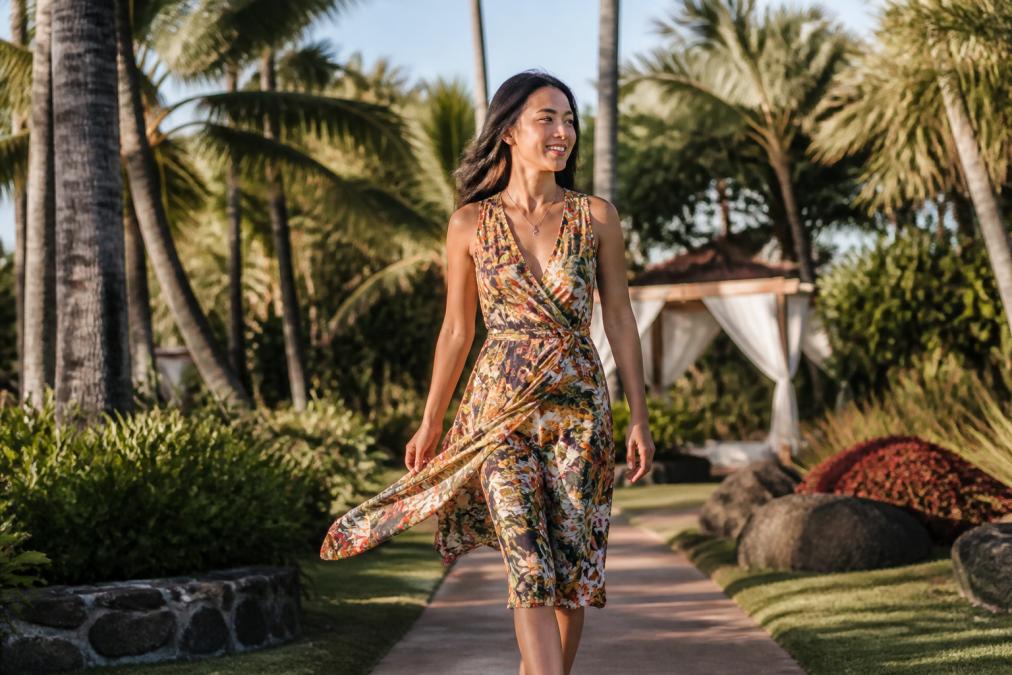
The silhouette you choose affects both comfort and confidence. Fitted styles work well for cooler climates or indoor receptions. Flowy, A-line, or wrap silhouettes offer comfort in heat and allow movement in wind. Midi and maxi lengths are versatile for most destination venues and climates.
Consider your body type and what makes you feel confident. A silhouette that flatters you in everyday life will flatter you at a wedding. The key is balance: choose something that feels secure without restricting movement, especially if you'll be dancing or walking on uneven terrain.
Climate impacts silhouette choice significantly. Tropical destinations benefit from looser cuts that allow air circulation. Structured silhouettes work better in cooler mountain or evening settings. Sleeveless or cap-sleeve styles maximize ventilation, while longer sleeves provide sun protection and formality.
How to Pack a Formal Dress for Travel
Packing a formal dress for a destination wedding requires more than rolling and tissue paper, it demands strategy and timing. The fabric you've chosen dictates your packing approach, and the destination's climate determines what tools you'll need on arrival.
Packing Method by Fabric Type
Breathable fabrics like chiffon and organza can be rolled loosely in acid-free tissue paper to minimize creasing. Avoid plastic dry-cleaning bags, which can trap moisture. For structured fabrics like linen blends or heavier silks, laying your dress flat in a garment bag is often recommended. If using a suitcase, placing the dress on top of other items and avoiding folding at stress points like the waist or neckline can help. Delicate embellishments or beading may require extra padding, wrapping these areas separately with tissue before rolling or laying flat is a common practice.
Climate-Specific Packing Considerations
Humid tropical destinations can present wrinkle and mildew risk. Packing your dress in a breathable garment bag rather than sealed plastic is often advised. Including silica gel packets in your luggage to absorb excess moisture, and considering a small, portable garment steamer, can be helpful. Arid climates can be gentler on fabrics, but static cling can be a concern. Packing a small anti-static spray or dryer sheet can address this before the event.
For multi-day trips where you're arriving several days before the wedding, pack your dress in a separate compartment to avoid crushing. Keep shoes, jewelry, and accessories in their own sections to prevent snagging delicate fabrics.
Pre-Event Preparation Timeline
Arriving at your destination with at least 24 hours before the event can allow time to address wrinkles and any travel damage. Most hotels offer pressing services for wedding guest attire, it's advisable to call ahead to confirm availability and turnaround time. If your hotel lacks this service, asking the concierge to recommend a local dry cleaner or tailor is an option. Many can press a dress within 2-4 hours.
If you're packing a steamer, using it the evening before the event is often recommended. Hanging your dress in a well-ventilated area (bathroom steam from a shower can work in a pinch) can allow wrinkles to release naturally. It's generally advised to avoid steaming immediately before dressing; let the fabric cool and set for at least 30 minutes.
For last-minute wrinkles on the day of the wedding, packing a travel-size wrinkle-release spray (these are often TSA-compliant in checked luggage) can be an option. It's advisable to test it on an inconspicuous area first. Alternatively, hanging your dress in a steamy bathroom for 10-15 minutes while you shower can help.
Protecting Your Dress During Travel
Keeping your dress separate from toiletries, sunscreen, and cosmetics that could stain is often recommended. Packing these items in sealed bags within your luggage can help. If traveling with a wrinkle-resistant fabric blend, there may be more flexibility, but even these can benefit from minimal compression. Avoiding overpacking your suitcase is generally advised, as a dress crammed into a full bag can wrinkle regardless of fabric type.
For flights longer than 6 hours, considering wearing your dress in a garment bag as a carry-on item if space allows can eliminate baggage-handling risk and allow you to inspect the dress upon arrival.
Accessorizing and Footwear for Destination Weddings
Accessories complete your look while serving practical purposes. Jewelry should complement your dress without overwhelming it. Statement earrings work well with simpler dresses; delicate jewelry suits detailed or patterned pieces. Keep jewelry minimal if your dress features bold prints or textures.
Investment Pieces That Transition Beyond the Wedding
Choosing a dress that works beyond the wedding makes financial sense. Solid colors transition more easily than heavily patterned pieces. Classic silhouettes remain elegant for years. Midi and maxi lengths work for multiple occasions, galas, cocktail parties, and formal dinners.
Conclusion
Choosing a destination wedding guest dress requires balancing formality with practicality. Consider the dress code, venue, and climate. Select breathable fabrics that travel well and silhouettes that flatter you. Pack thoughtfully and choose accessories that complement without overwhelming your look.
Frequently Asked Questions
What fabrics work best for a destination wedding guest dress in warm weather?
Breathable fabrics like linen blends, chiffon, and lightweight organza keep you cool and comfortable at tropical or warm-climate weddings. These materials allow air circulation and dry quickly if exposed to humidity or unexpected moisture. Look for blends that include natural fibers or high-quality synthetics like organza with spandex for both breathability and stretch. Avoid heavy fabrics like velvet or thick satin that trap heat and can feel restrictive in humidity.
How do I choose a destination wedding guest dress that won't wrinkle during travel?
Selecting wrinkle-resistant fabrics such as polyester blends, metallic thread blends, or specially treated fabrics designed for travel can help. Packing your dress in a garment bag and rolling it gently rather than folding can minimize creases. Considering dresses with structured fabrics that hold their shape, or planning to use a steamer or iron upon arrival, are also options. Many formal dresses can benefit from professional pressing at your destination hotel if needed.
What colors should I wear to a spring destination wedding?
Spring wedding colors include pastels like soft blues, blush, and pale yellows, as well as jewel tones like emerald and sapphire that photograph beautifully in natural light. Avoid wearing white or cream unless explicitly stated by the couple. Consider the venue's landscape and cultural context; vibrant hues work well at garden or tropical settings, while sophisticated jewel tones suit formal evening celebrations. Royal blue, as seen in KAHINDO's Cleopatra and Chidi dresses, offers timeless elegance for any spring occasion.
Should I buy or rent a destination wedding guest dress?
Buying an investment piece can make sense if you attend multiple formal events yearly and value owning something unique and handcrafted. Rental services work well for one-time events, but purchasing allows you to build a wardrobe of versatile pieces that transition beyond weddings. Ethical, artisan-made dresses like those from KAHINDO can be worn for galas, cocktail events, and celebrations for years, offering a worthwhile investment for intentional dressers.
The Knot's destination wedding planning guide offers comprehensive venue and logistics information. WGSN trend forecasting for spring 2026 provides insight into seasonal color palettes and fabric trends. The American Textile Manufacturers Institute on fabric care shares guidance on maintaining delicate fabrics while traveling.

