

Ethical Fashion for Milestone Events: 7 Brands
Table of Contents
- Why Ethical Fashion Matters for Milestone Events
- KAHINDO: Handcrafted Occasion Wear by Female Artisans
- Renting vs. Buying Formal Wear: Which Approach Fits Your Event
- Sustainable Fabric Guide for Formal Events
- Building Eco-Friendly Wedding Guest Outfits
- How to Verify Ethical Claims Before You Buy
- Making Ethical Fashion Choices for Every Milestone
Last Updated: August 12, 2026
Why Ethical Fashion Matters for Milestone Events
When you invest in a dress for a wedding, gala, or anniversary celebration, you're making a statement about who you are and what you value. Ethical fashion for milestone events means choosing pieces that look extraordinary while supporting fair labor practices and sustainable production methods. Conventional occasion wear often comes with hidden costs: textile waste, water pollution from synthetic dyes, and exploitative labor conditions. When you choose ethical fashion, you're opting for garments designed to last, crafted by artisans paid fairly, and produced with care for the environment.
Rather than treating milestone events as reasons to participate in fast fashion cycles, you can select pieces that align with your values, pieces with stories, provenance, and real craftsmanship behind them. Below, we'll walk you through how to navigate the options, from handcrafted artisan wear to rental services, plus practical guidance on verifying ethical claims before you buy.
1. KAHINDO: Handcrafted Occasion Wear by Female Artisans
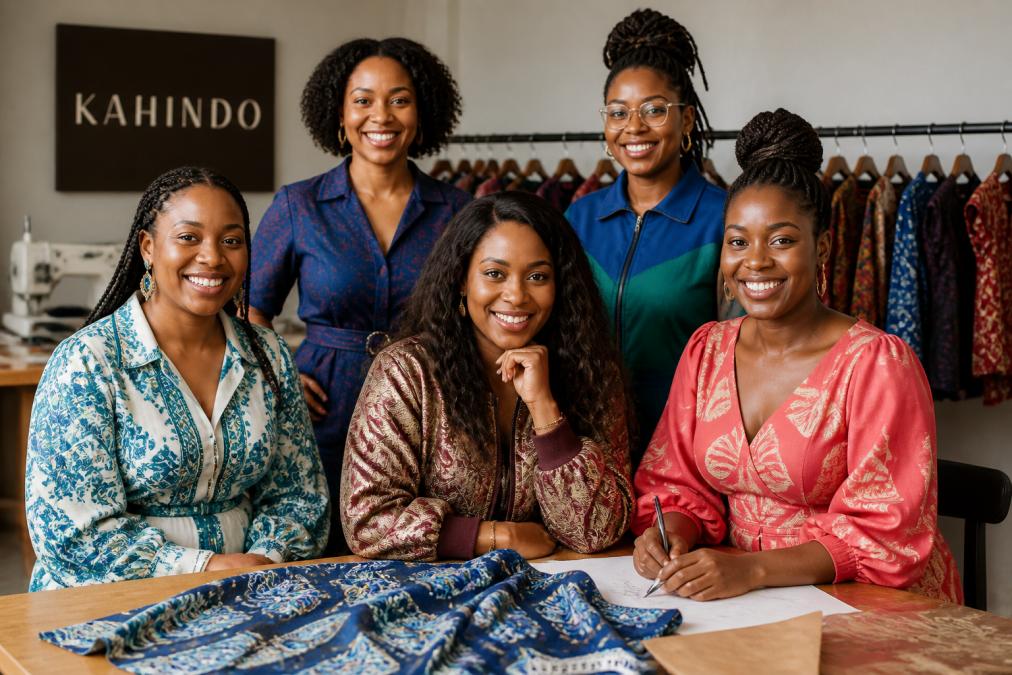
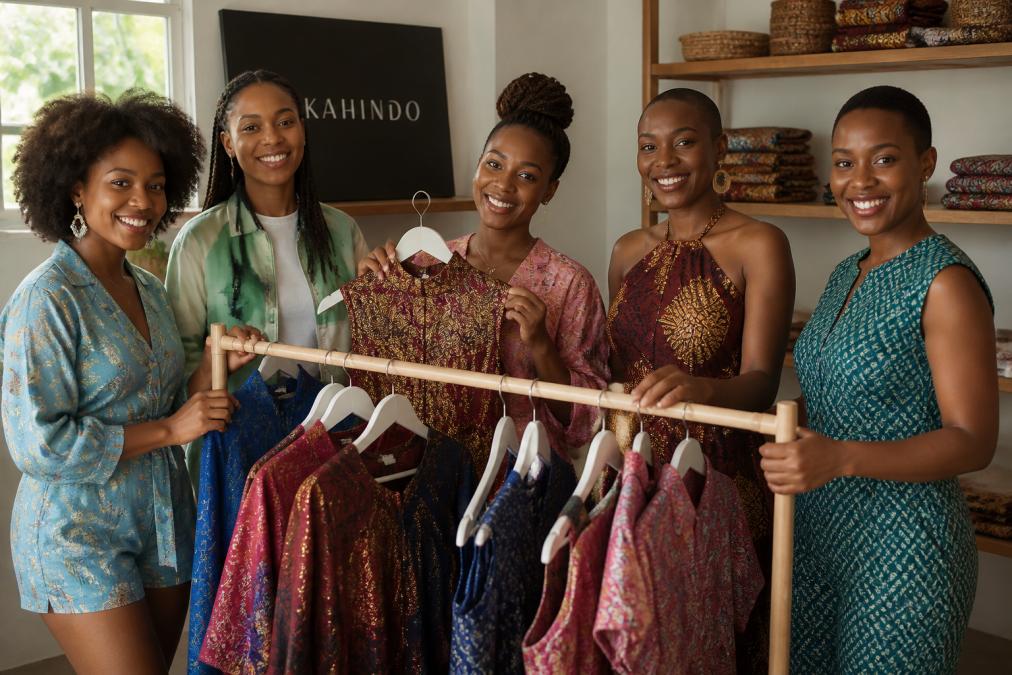
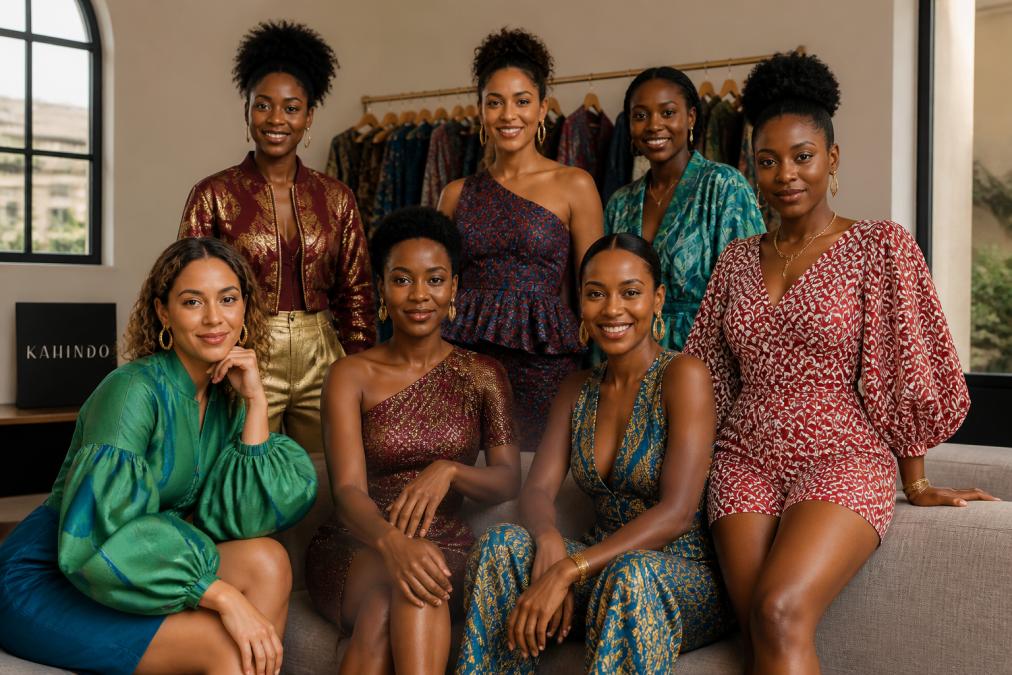
KAHINDO stands apart because the brand treats African provenance as the core of its luxury positioning. Every piece is designed in New York and handcrafted by female artisans in a Nairobi cooperative, blending Congolese textile traditions with modern silhouettes for weddings, galas, and milestone celebrations. The founder, Kahindo Mateene, is a Project Runway Season 12 alumna and Tory Burch Fellow whose vision centers on helping women artisans while creating statement pieces.
What sets KAHINDO apart is transparency built into every garment. Each piece arrives with a provenance card documenting the artisan who made it and the hours invested in its creation. The slow-bath dyeing process produces unique, non-replicable color gradients. The Strapless Ombré Organza Jumpsuit exemplifies this: the double-layer organza shifts from soft cerulean to deep ocean tones, a gradient that took hours of hand-dyeing to achieve.

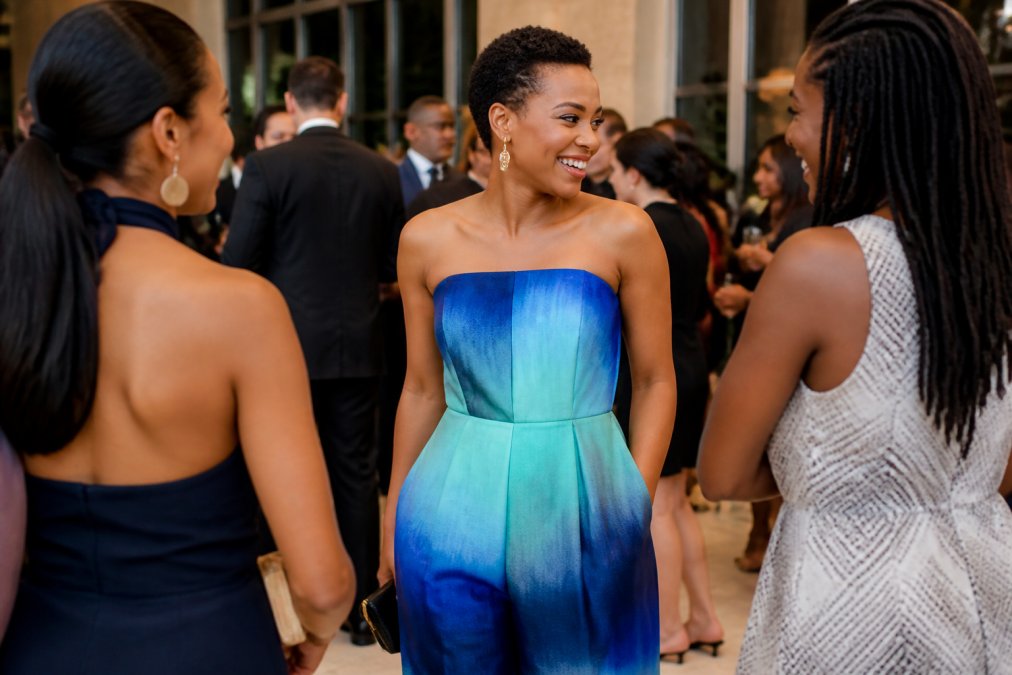
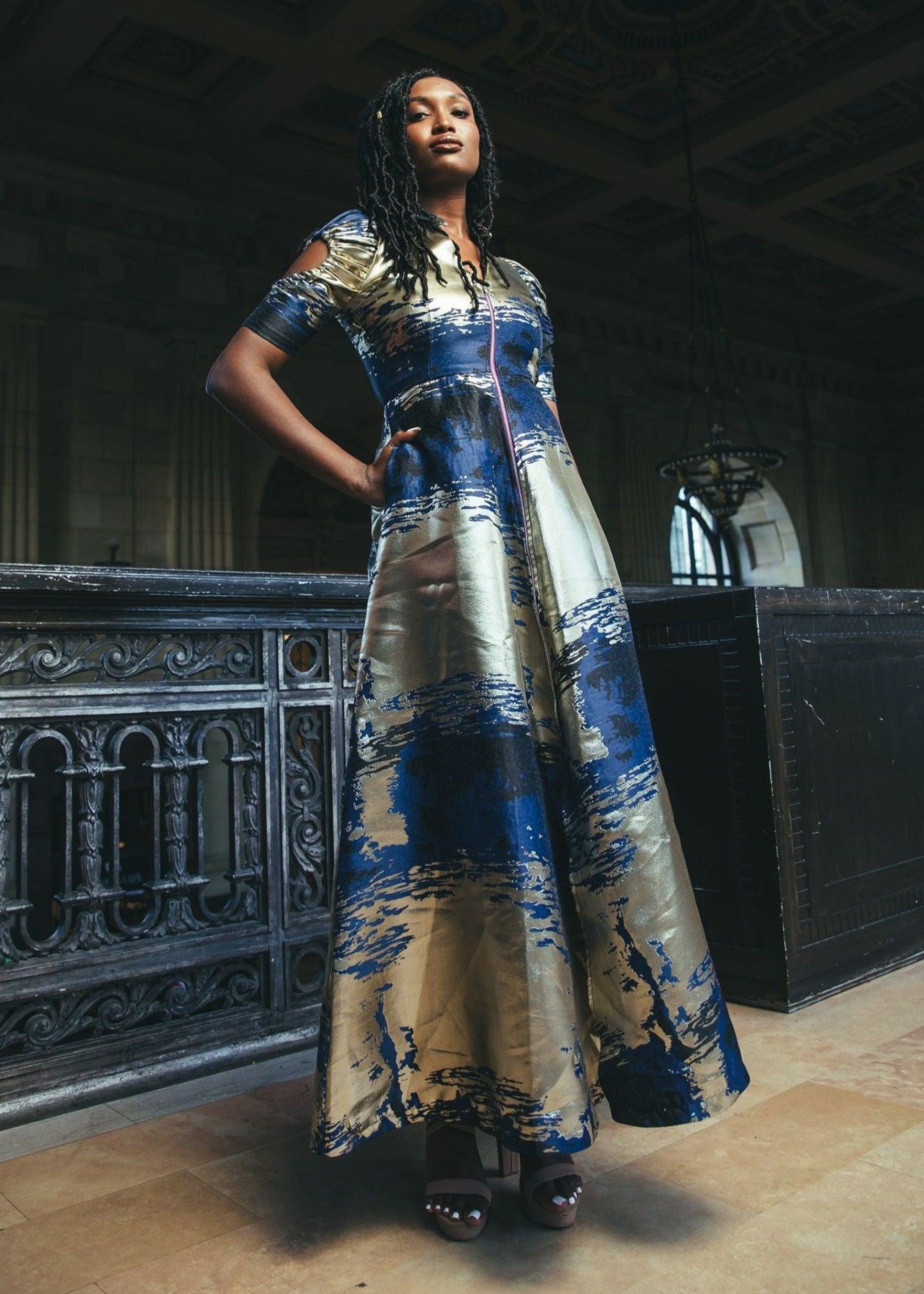
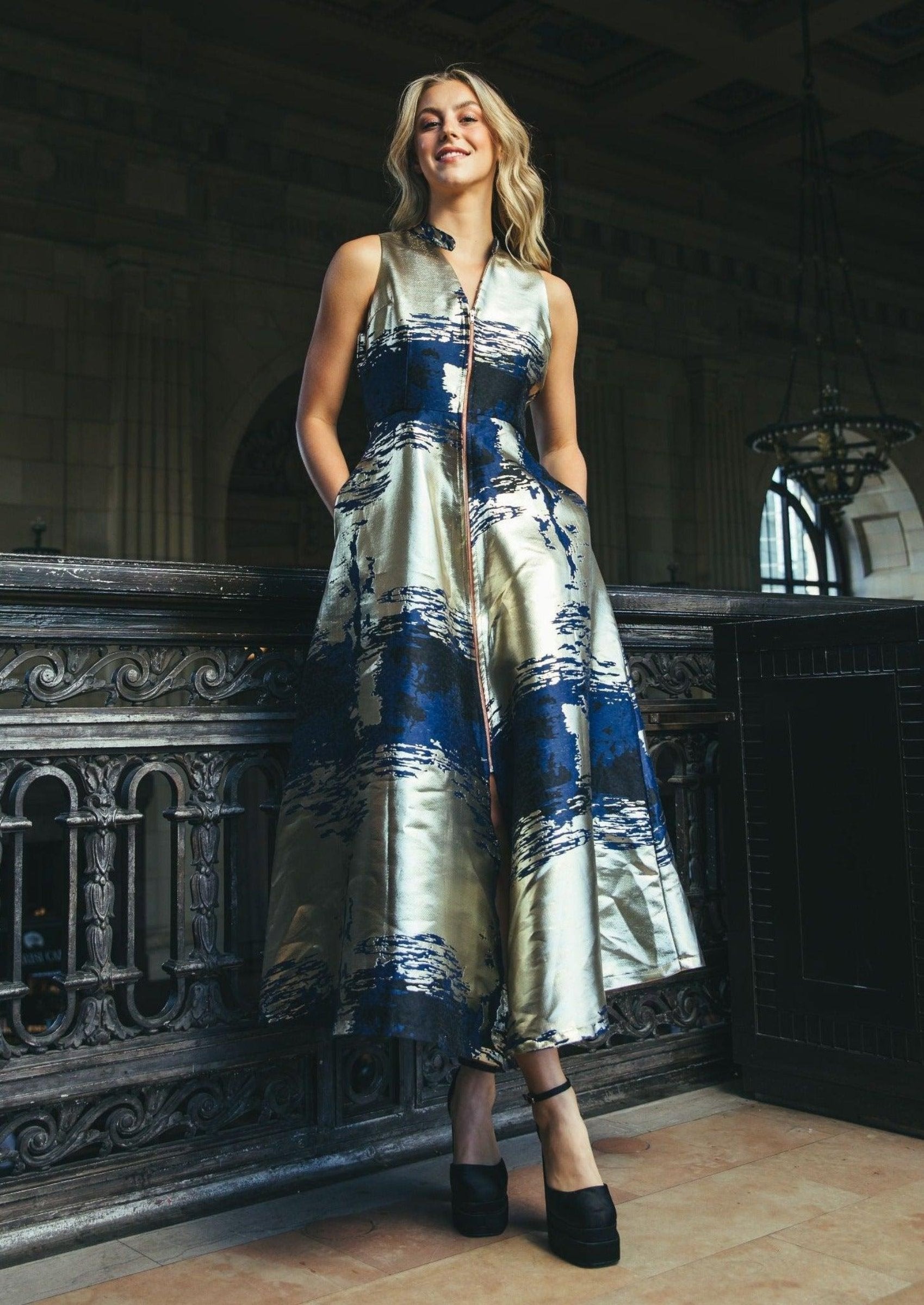
For milestone events, KAHINDO specializes in wedding guest dresses, bridesmaid looks, mother-of-the-bride gowns, and eveningwear. The Double Collar Ombré Organza Midi Dress works for formal weddings or galas, while the Burgundy Gold Metallic Halter Pencil Dress suits intimate celebrations. Pricing ranges from $75 to $445, with each garment representing fair-trade production where artisans earn living wages. The brand has been featured in Vogue, Elle, The New York Times, and Essence, and is sold through Nordstrom, Bloomingdale's, and Anthropologie.

2. Renting vs. Buying Formal Wear: Which Approach Fits Your Event
The decision between renting and buying formal wear depends on how often you'll wear the piece, how much you want to invest upfront, and whether you prioritize ownership or access. This choice directly addresses the problem of garments worn once and discarded.
Renting services like Rent the Runway offer access to designer dresses at a fraction of retail cost. A four-day rental typically starts around $35 per garment, with monthly memberships available for ongoing access. The model works well if you attend multiple formal events annually and want variety without commitment. The environmental benefit is real: extending a garment's lifespan across dozens of wearers reduces the per-wear carbon footprint significantly.
Buying makes sense when you'll wear a piece multiple times or want something custom-tailored to your body. A handcrafted ethical piece like those from KAHINDO can be worn to multiple events. The upfront cost is higher, but the per-wear value improves each time you style it differently. Ethical brands design for longevity and re-styling, not single-occasion disposal.
Consider this framework: If you attend one formal event every two years, rent. If you attend multiple events annually or want a signature piece that reflects your values, buy from an ethical brand. Some platforms like Nuuly offer subscription rentals starting at $98 per month with six items at a time, a middle ground between one-off rentals and permanent ownership.
3. Sustainable Fabric Guide for Formal Events
The fabrics you choose for milestone events matter as much as the design. Sustainable fabric selection involves understanding which materials minimize environmental impact while delivering the luxury feel expected for formal occasions.
Tencel (lyocell) is produced from sustainably managed wood pulp using a closed-loop process that recovers 99% of solvents, making it far gentler on water systems than conventional viscose. Organic cotton eliminates synthetic pesticides and chemical dyes. Linen is biodegradable, requires minimal pesticides, and develops a beautiful patina with age.
Recycled polyester represents the circular economy approach. Instead of virgin petroleum-based polyester, recycled versions come from reclaimed textiles or plastic bottles. KAHINDO's ombré pieces use 100% polyester organza, but the slow-bath dyeing process creates uniqueness that justifies the material choice.
Avoid fabrics with unknown origins or vague sustainability claims. Look for third-party certifications like OEKO-TEX (which tests for harmful substances) or Global Organic Textile Standard (GOTS) certification. When evaluating ethical fashion for milestone events, ask whether the brand discloses fabric sourcing, dyeing methods, and end-of-life options like take-back programs.
| Fabric Type | Environmental Impact | Best For | Durability |
|---|---|---|---|
| Organic Cotton | Lower pesticide use, high water demand | Everyday formal wear, bridesmaid dresses | Excellent with proper care |
| Tencel/Lyocell | Closed-loop production, minimal water pollution | Wedding guest dresses, evening wear | Very good, breathable |
| Linen | Biodegradable, minimal chemicals | Warm-weather formal events | Excellent, improves with age |
| Recycled Polyester | Diverts waste, lower carbon than virgin | Statement pieces, ombré effects | Good, depends on blend |
| Silk (Ethical) | Biodegradable, requires fair-trade sourcing | Luxury evening wear | Excellent if properly maintained |
4. Building Eco-Friendly Wedding Guest Outfits
Styling an eco-friendly wedding guest outfit starts with selecting one investment piece that can be re-worn and restyled for different events. This approach contradicts the fast-fashion mentality of buying something new for every occasion.
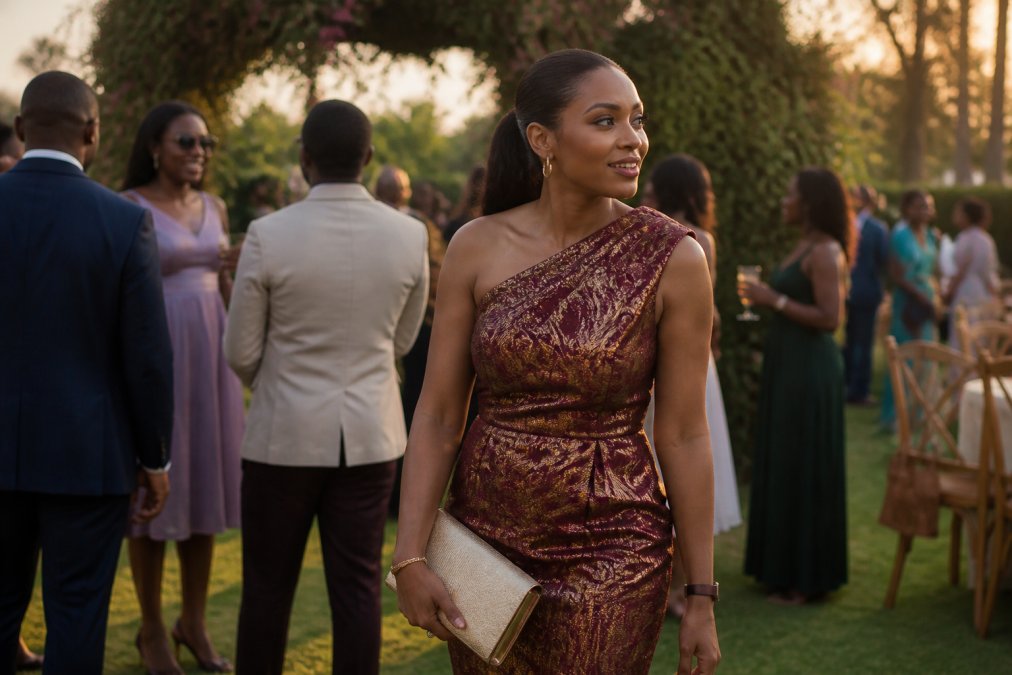
Begin with a neutral or jewel-toned base piece that works across seasons and event types. A burgundy or navy formal dress can transition from a winter wedding to a spring gala with different accessories. KAHINDO's Burgundy Gold Metallic One-Shoulder Mini Dress serves this purpose: the metallic jacquard works for evening celebrations, and the jewel tone pairs with different shoes and jewelry for multiple occasions.

Build around that piece with sustainable accessories. Ethical jewelry brands like Bario Neal (specializing in conflict-free diamonds and recycled metals) or Gardens of the Sun (B Corp certified with traceable gemstones) elevate a simple dress without requiring new clothing.
Consider the layering approach for versatility. A sleeveless dress becomes season-appropriate with a sustainable linen or organic cotton shawl. This strategy reduces the number of garments you need to own while maximizing styling options. The capsule wardrobe concept, owning fewer, higher-quality pieces that work together, is inherently more sustainable than accumulating single-use formal wear.
Plan for re-wearing by selecting timeless silhouettes over trendy cuts. A classic A-line, wrap dress, or tailored jumpsuit works across multiple years and events.
5. How to Verify Ethical Claims Before You Buy
Greenwashing, making false or exaggerated sustainability claims, is rampant in fashion. Before investing in ethical fashion for milestone events, learn to distinguish genuine commitment from marketing language.
Start by checking for third-party certifications. Legitimate ethical brands display certifications from organizations like Fair Trade USA, GOTS (Global Organic Textile Standard), B Corp, or Bluesign. Look for supply chain transparency. Ethical brands should disclose where materials are sourced, where garments are manufactured, and who makes them. KAHINDO goes further by including a provenance card with each piece, documenting the specific artisan and labor hours.
Ask specific questions before buying:
- Where is the fabric sourced, and is it certified organic or recycled?
- Which factories produce the garments, and are they independently audited?
- What are the labor standards, and are workers paid living wages?
- What happens to waste materials during production?
- Does the brand offer take-back or resale programs?
Research the founder and company history. Brands founded by people with deep expertise in fashion or sustainability tend to have more credible practices. Kahindo Mateene's background as a Project Runway alumna and Tory Burch Fellow signals serious design credentials.
Check independent reviews on platforms like Good On You, which rates fashion brands on labor practices, environmental impact, and animal welfare.
6. Making Ethical Fashion Choices for Every Milestone
Ethical fashion for milestone events isn't about perfection, it's about intentionality. Every choice you make to prioritize fair labor, sustainable materials, or garment longevity moves the industry toward better practices.
For weddings, skip the disposable bridesmaid dress culture and invest in a piece you'll wear again.
For anniversaries and milestone celebrations, treat yourself to a piece from a brand aligned with your values. KAHINDO's occasion wear works for 10-year anniversaries, milestone birthdays, or any celebration worth dressing for.
For galas and formal dinners, consider renting if you attend infrequently, but if you attend multiple formal events annually, buying from an ethical brand becomes the more sustainable choice. One handcrafted piece worn ten times has a lower environmental impact per wear than ten disposable dresses worn once each.
The broader shift toward ethical fashion for milestone events reflects a maturation in how we approach special occasions. Rather than treating them as reasons to consume, we're treating them as reasons to invest in pieces that matter, pieces with stories, craftsmanship, and values embedded in every stitch.
Choosing ethical fashion for milestone events means investing in pieces that reflect your values while supporting fair labor practices and environmental stewardship. KAHINDO exemplifies this approach with handcrafted occasion wear designed in New York and produced by female artisans in Kenya, each piece arriving with documented provenance. Whether you're selecting a Strapless Ombré Organza Jumpsuit for a gala or building a capsule wardrobe of re-wearable formal pieces, the foundation is the same: choose quality over quantity, transparency over marketing claims, and longevity over disposability. Start shopping with intention, and watch how your milestone celebrations become moments you're proud of, not just in how you look, but in what your choices represent.
Frequently Asked Questions
What defines ethical fashion for formal events?
Ethical fashion for formal events means choosing occasion wear produced with fair labor practices, transparent supply chains, and sustainable materials. It prioritizes the welfare of artisans and workers, uses eco-conscious textiles, and avoids fast-fashion waste. Brands like KAHINDO exemplify this by handcrafting pieces in Kenya with documented artisan partnerships and slow-dye processes that create unique, non-replicable garments. Look for provenance transparency, fair-trade certifications, and brands that treat African craftsmanship as a primary luxury asset rather than a marketing footnote.
How do I know if a brand's ethical claims are actually verified?
Request documentation: provenance cards, supply chain transparency reports, and third-party certifications like Fair Trade USA or B Corp. KAHINDO includes a provenance card with every piece, documenting the artisan and labor hours invested. Ask specific questions about wages, working conditions, and material sourcing. Verify through independent reviews, press coverage in reputable outlets like Vogue and The New York Times, and direct contact with the brand. Greenwashing often uses vague language like 'eco-friendly' without specifics, authentic brands name their artisans, co-operatives, and production processes.
Is renting or buying sustainable formal wear a better choice for one-time events?
Renting reduces immediate waste and costs ($35-$98 per rental), while buying a high-quality, timeless piece supports artisan empowerment and creates a lasting wardrobe staple. If you attend multiple milestone events yearly, purchasing an investment piece like a KAHINDO dress ($75-$445) offers better long-term value and durability. Rental services like Rent the Runway reduce textile waste through garment circulation, but shipping and cleaning impact their environmental footprint. The best choice depends on your event frequency, budget, and whether you value owning a singular statement piece with documented craftsmanship.
What sustainable fabrics should I look for in formal occasion wear?
Prioritize OEKO-TEX 100 certified fabrics, organic cotton, TENCEL (made from sustainably managed wood), recycled polyester, and natural fibers like linen and silk. KAHINDO uses double-layer organza with slow-bath dyeing for unique ombré effects, creating non-replicable gradients. Avoid polyester blends heavy in virgin plastic unless they're recycled content. Check for certifications from Bluesign or similar standards ensuring non-toxic dyes and ethical production. Handcrafted textiles often involve more intentional material choices, artisan-made pieces prioritize longevity over trend cycles, meaning your investment lasts for multiple milestone celebrations.
This article was written using GrandRanker