

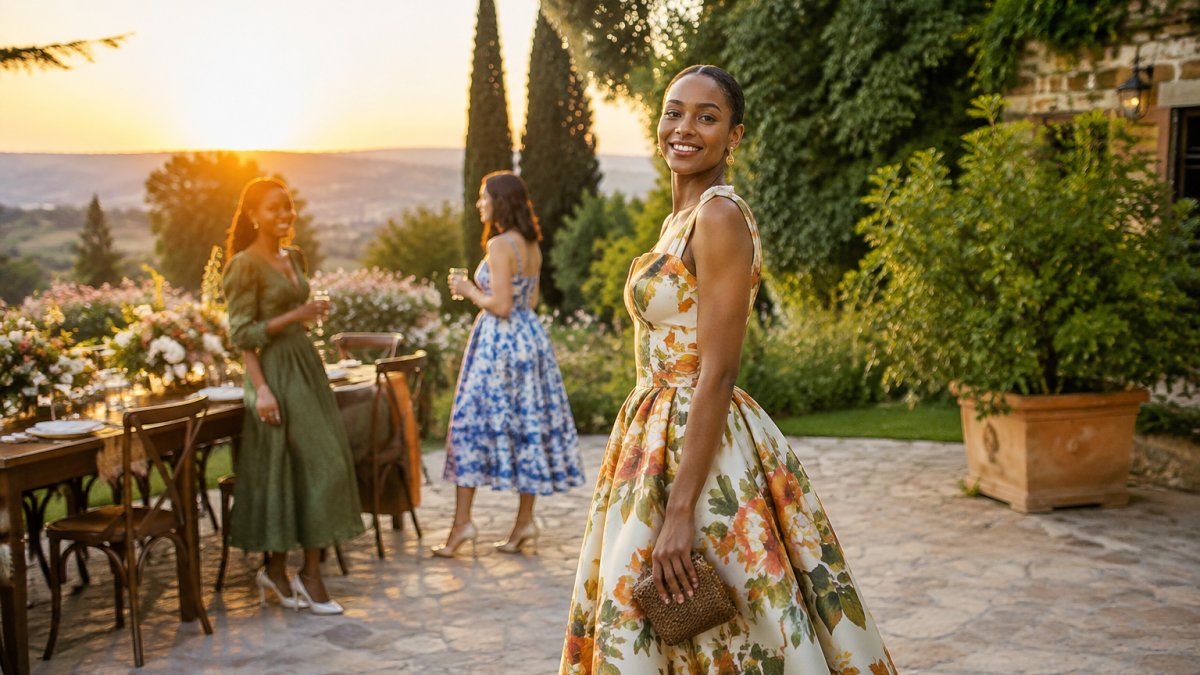
How to Style Vintage Dresses for Modern Weddings
Last Updated: November 4, 2026
Quick Summary
Style vintage dresses for modern weddings by matching the dress to the invitation's dress code first, then modernizing with contemporary accessories and shoes. Choose a flattering silhouette and era, and anchor the look with clean, current pieces so it reads intentional rather than costume.
- Match the dress to the invitation's dress code before considering the era or hemline.
- Authentic vintage needs alterations and gentle cleaning; vintage-inspired styles size normally.
- A sleek belt, statement jewelry in one spot, and pointed pumps modernize a vintage look.
- For 1950s fit-and-flare, use a soft net petticoat and avoid head-to-toe retro accessories.
- Have a dressmaker assess seams and fabric before buying a delicate vintage piece.
Table of Contents
- Start With the Invitation, Not the Era
- Authentic Vintage vs. Vintage-Inspired: Know What You're Styling
- Vintage Dresses for Wedding Guests: Building the Modern Look
- The Vintage Wedding Guest Dress With Sleeves, Styled Right
- 1950s Vintage-Style Wedding Dresses: What Still Reads Current
- Plus-Size Vintage Wedding Guest Dresses: Fit, Tailoring, and Proportion
- Fit, Alterations, and Caring for Delicate Fabrics
- Shop a Modern Heirloom for Your Next Wedding
- Frequently Asked Questions
Start With the Invitation, Not the Era
The first rule of styling vintage dresses for modern weddings has nothing to do with decade or hemline. It starts with the invitation in your hand.
According to Bride2Bride's 2026 vintage bridal styling guide, 78% of couples planning 2026 weddings are drawn to nostalgic styles. That's a lot of retro energy in the room.
KAHINDO designs occasionwear for weddings, celebrations, and evenings that matter. So before you fall in love with a 1960s shift, read the fine print. Then build the look around it.
- Black tie: floor-length, refined fabrics, no casual cotton
- Formal: long gowns or elevated midi, structured tailoring
- Semi-formal: midi or knee-length, polished accessories
- Cocktail: shorter hems, bolder details, statement jewelry
- Garden or beach: lighter fabrics, relaxed silhouettes, flat-friendly shoes
Below, we'll walk through the full process, from spotting authentic vintage to tailoring a delicate find.
Match the dress to the dress code on the invitation before anything else.
| Dress code | What to wear |
|---|---|
| Black tie | Floor-length, refined fabrics, no casual cotton |
| Formal | Long gowns or elevated midi, structured tailoring |
| Semi-formal | Midi or knee-length, polished accessories |
| Cocktail | Shorter hems, bolder details, statement jewelry |
| Garden or beach | Lighter fabrics, relaxed silhouettes, flat-friendly shoes |
Authentic Vintage vs. Vintage-Inspired: Know What You're Styling
Authentic vintage is a garment made decades ago; vintage-inspired is a new dress built with old-world details. The distinction changes everything about how you shop, fit, and care for the piece.
Authentic vintage comes with history, and often with fragility. Seams may be stressed, lace may be dry, and sizing runs small compared with modern charts. Vintage-inspired pieces, like the gowns Watters describes in its vintage wedding dress guide, borrow the details, drop waists, covered buttons, Chantilly lace, bias-cut skirts, but arrive with modern construction and standard sizing.
Why does it matter? Because your styling plan depends on it:
- Authentic vintage: plan for alterations, gentle cleaning, and limited stretch
- Vintage-inspired: style freely, layer boldly, size normally
- Both: anchor the look with modern accessories so it feels 2026, not 1976
A common mistake is treating a true vintage gown like a new purchase. It isn't. Treat it as a starting point, then style and tailor it with care.
Vintage Dresses for Wedding Guests: Building the Modern Look
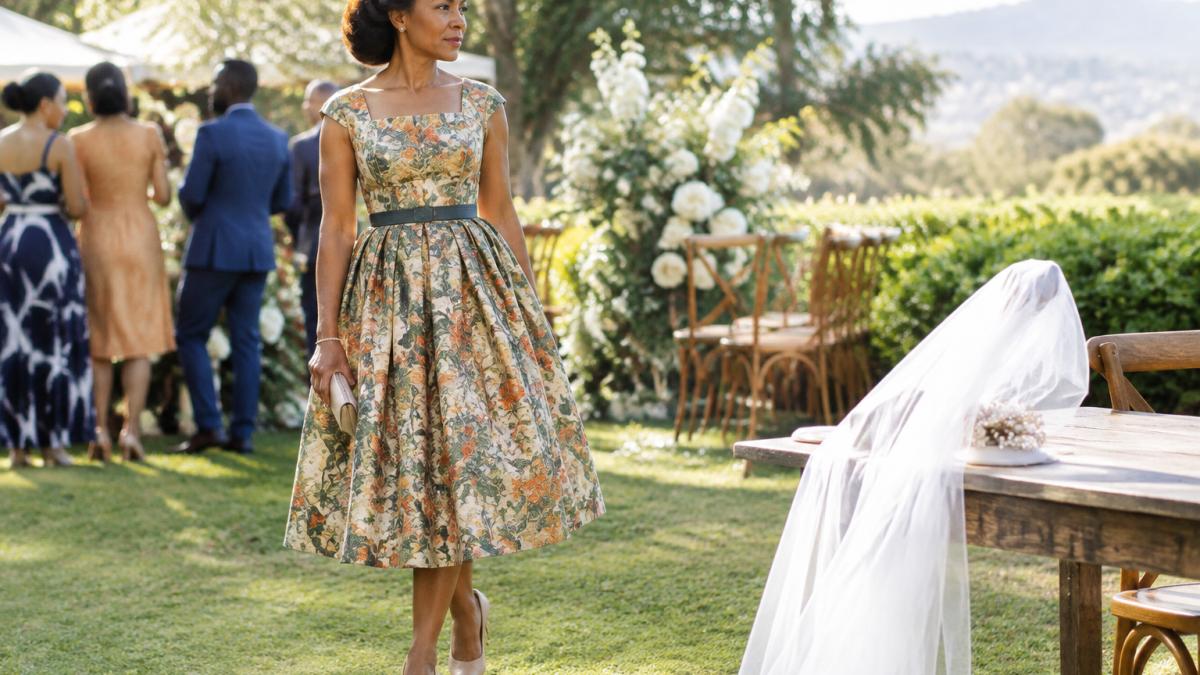
Building a modern look from a vintage dress takes two moves: pick the right silhouette and era, then update it with accessories and shoes. Do both and the outfit reads intentional. Skip either and it drifts toward costume.
Step 1: Choose the Silhouette and Era
Start with the shape that flatters you, then pick the era. A-line and sheath silhouettes suit most body types. Drop waists and bias skirts feel romantic and current. Off-the-shoulder necklines with an exposed clavicle add elegance without fuss.
Match the era to the venue. Art Deco beading suits an evening ballroom. A 1950s fit-and-flare works for a garden party. A slinky 1930s bias cut belongs at a black-tie dinner.
Step 2: Modernize With Accessories and Shoes
This is where vintage becomes modern. Swap dated extras for clean, contemporary pieces:
- A sleek belt or gold chain belt to define the waist
- Statement jewelry in one focal spot, not three
- Contemporary shoes: a pointed pump or strappy sandal
- A modern veil or small headpiece instead of a full retro hat
- A sheer bolero or tailored jacket for coverage and polish
For more ways to finish a distinctive look, our guide to unique wedding guest outfit ideas gives you extra combinations to build from.
The Vintage Wedding Guest Dress With Sleeves, Styled Right
A vintage wedding guest dress with sleeves solves two problems at once: coverage and polish. The trick is keeping sleeves from reading heavy, dated, or impractical for the venue. Sleeve construction and fabric weight largely determine how a dress styles.
Read the sleeve before you style it:
- Set-in long lace sleeves: romantic when the lace is delicate and the bodice stays simple. Pair with an updo and minimal jewelry so the sleeve detail leads.
- Three-quarter sleeves in fluid fabric: the most modern option. They look elegant with a slim clutch and a pointed pump and work for semi-formal and cocktail dress codes.
- Bishop or balloon sleeves: current when the cuff is narrow and the fabric is light; dated when the volume is stiff. A tailor can taper a cuff without rebuilding the sleeve.
- Stiff or heavy sleeves: the usual culprit is interfacing or a lined cuff. A dressmaker can reset the sleeve or swap in a sheer fabric, which is often cheaper than finding a new dress.
Match the sleeve to the season and venue. Long lace sleeves suit evening and cool-weather weddings; sheer or three-quarter sleeves suit garden and daytime events.
Pair sleeves with:
- Minimal jewelry so the sleeve detail leads
- An updo to keep the neckline clean
- A slim clutch and simple heels
- A single brooch at the cuff or shoulder for a vintage nod
Watch out: heavy beaded sleeves plus a beaded bodice can tip into costume, and beaded sleeves are also the hardest to alter. Let one element carry the drama.
For wedding-party members, sleeves add formality that photographs well in group shots, but coordinate with the couple's palette rather than the bride's dress.
1950s Vintage-Style Wedding Dresses: What Still Reads Current
The 1950s fit-and-flare still works because the shape is structurally forgiving: a defined waist, a full skirt, and a bodice that holds its own.
Start with the bodice. A clean, unembellished bodice with a defined waist reads modern; a heavily ruched or portrait-neck bodice with matching skirt detail reads dated.
Then control the volume. A full skirt needs a petticoat to sit correctly, but a stiff crinoline pushes the look toward theater. A soft net petticoat, or a single layer of tulle, gives the skirt shape without the stiffness.
Accessories are where the decade gets bridged:
- Veil: a single-tier fingertip or elbow veil in plain tulle, not a birdcage with matching lace trim
- Shoes: a pointed pump or a strappy sandal; avoid round-toe Mary Janes unless the rest of the look is deliberately retro
- Jewelry: one focal piece, such as a pearl strand or a single brooch at the waist, rather than a full parure
- Belt: a jeweled or grosgrain sash at the natural waist to sharpen the line
- Hair: a smooth chignon or a low pony with a small headpiece, not a full retro set
Watch out: matching a 1950s gown with 1950s accessories head to toe is the fastest route to costume. Let the dress carry the era and keep everything else contemporary.
For brides specifically, the 1950s shape also solves a practical problem: the full skirt hides hip and thigh fit issues, so alterations can focus on the bodice and waist. If you are checking whether a retro shape still feels fresh, our breakdown of luxury occasionwear trends for 2026 covers the silhouettes, colors, and fabrics leading the season.
Plus-Size Vintage Wedding Guest Dresses: Fit, Tailoring, and Proportion
Plus-size vintage wedding guest dresses work best when you prioritize fit over era. True vintage sizing runs small, so measure yourself and compare against the garment's actual numbers, not the tag.
Proportion matters as much as size. A defined waist, a well-placed neckline, and a hem that hits where you want it all change how a dress reads.
For concrete shopping guidance, our article on finding inclusive sizing for wedding guest fashion walks through what to look for. Then budget for alterations. They're not a failure of fit; they're how vintage becomes yours.
Fit, Alterations, and Caring for Delicate Fabrics
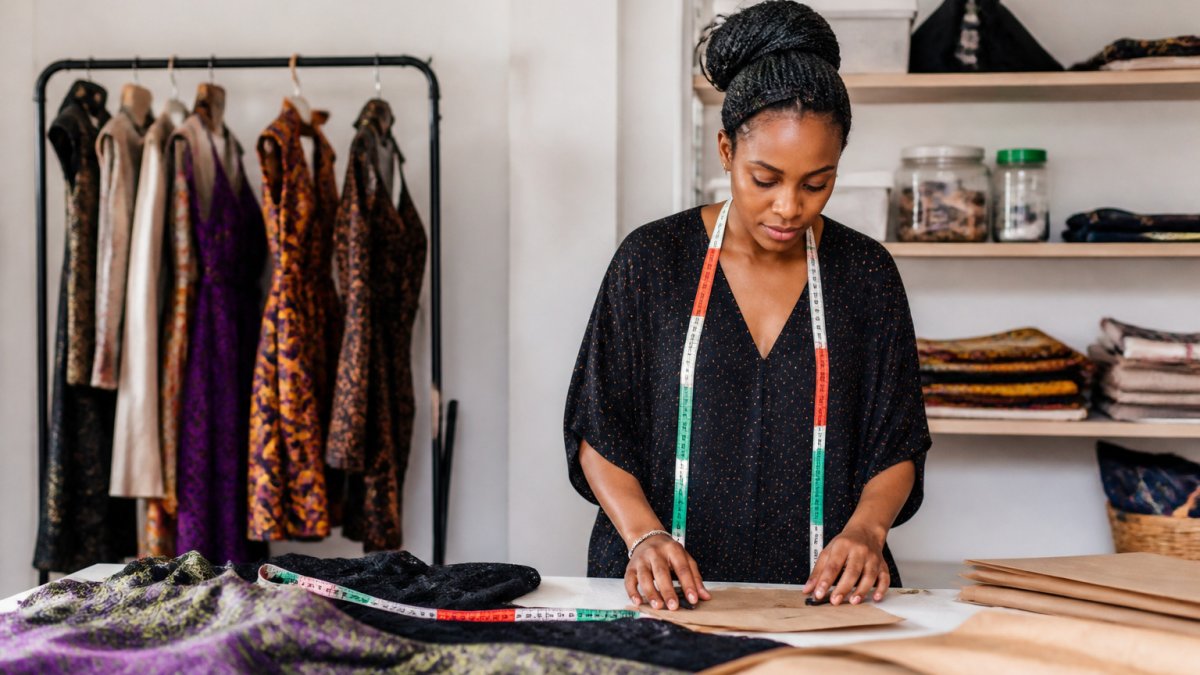
Delicate fabrics demand a gentle plan. Lace, silk, and old beading can tear or yellow if handled roughly, so treat every alteration and cleaning step with care.
Here's how to protect a delicate piece:
- Have a dressmaker assess seams and fabric before you buy
- Test-clean a hidden spot before any full cleaning
- Choose a cleaner experienced with vintage and beaded garments
- Ask the tailor to preserve original structure, not rebuild it
- Store on a padded hanger, away from direct light
If you're resizing a piece yourself, our guide on how to alter a dress that is too big at home covers the basics safely. When in doubt, hand it to a professional. A vintage dress has one chance at preservation.
Shop a Modern Heirloom for Your Next Wedding
The easiest way to get the vintage look without the fragility is to buy a modern heirloom: a new dress built with old-world craft. That's where KAHINDO comes in.
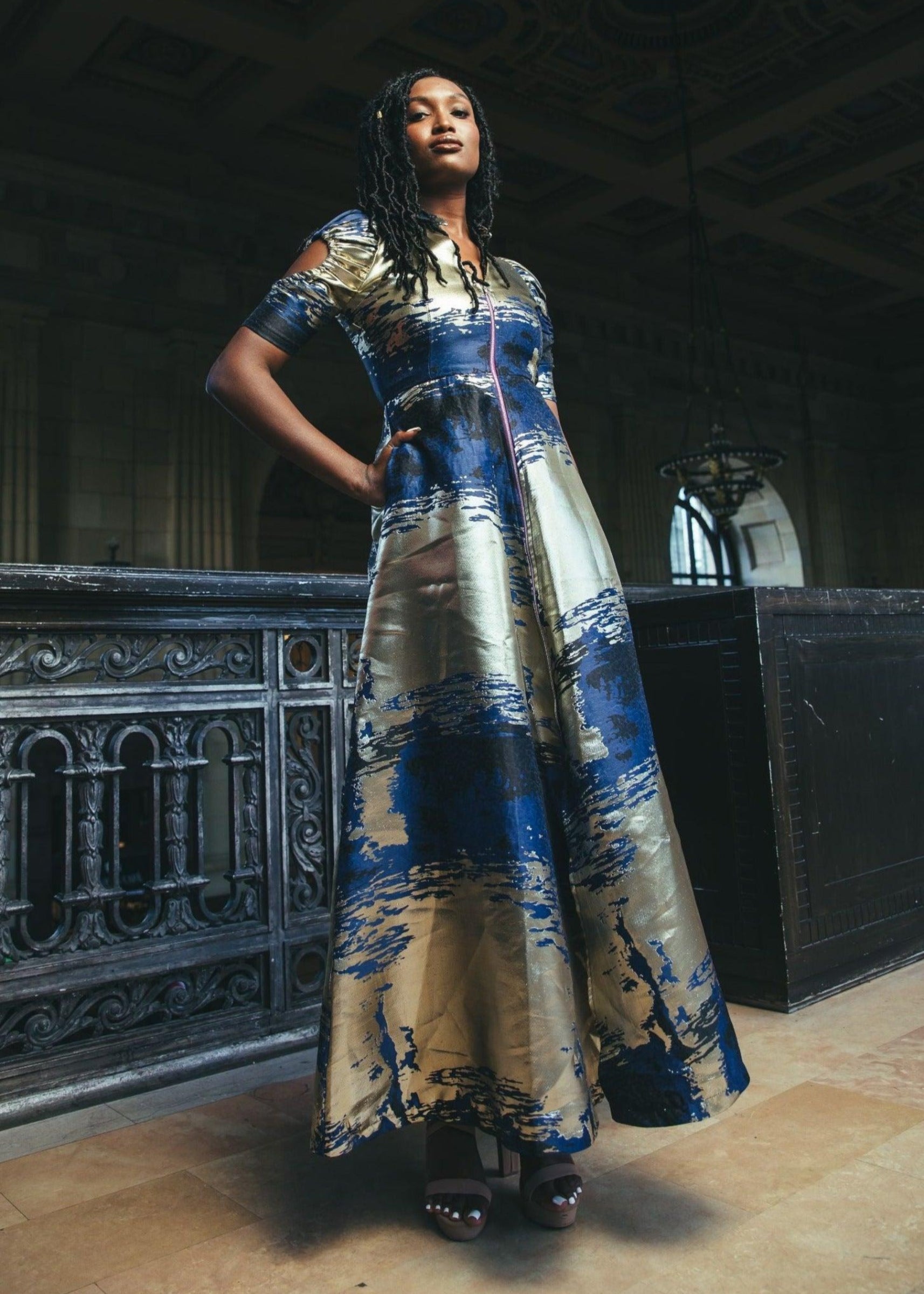
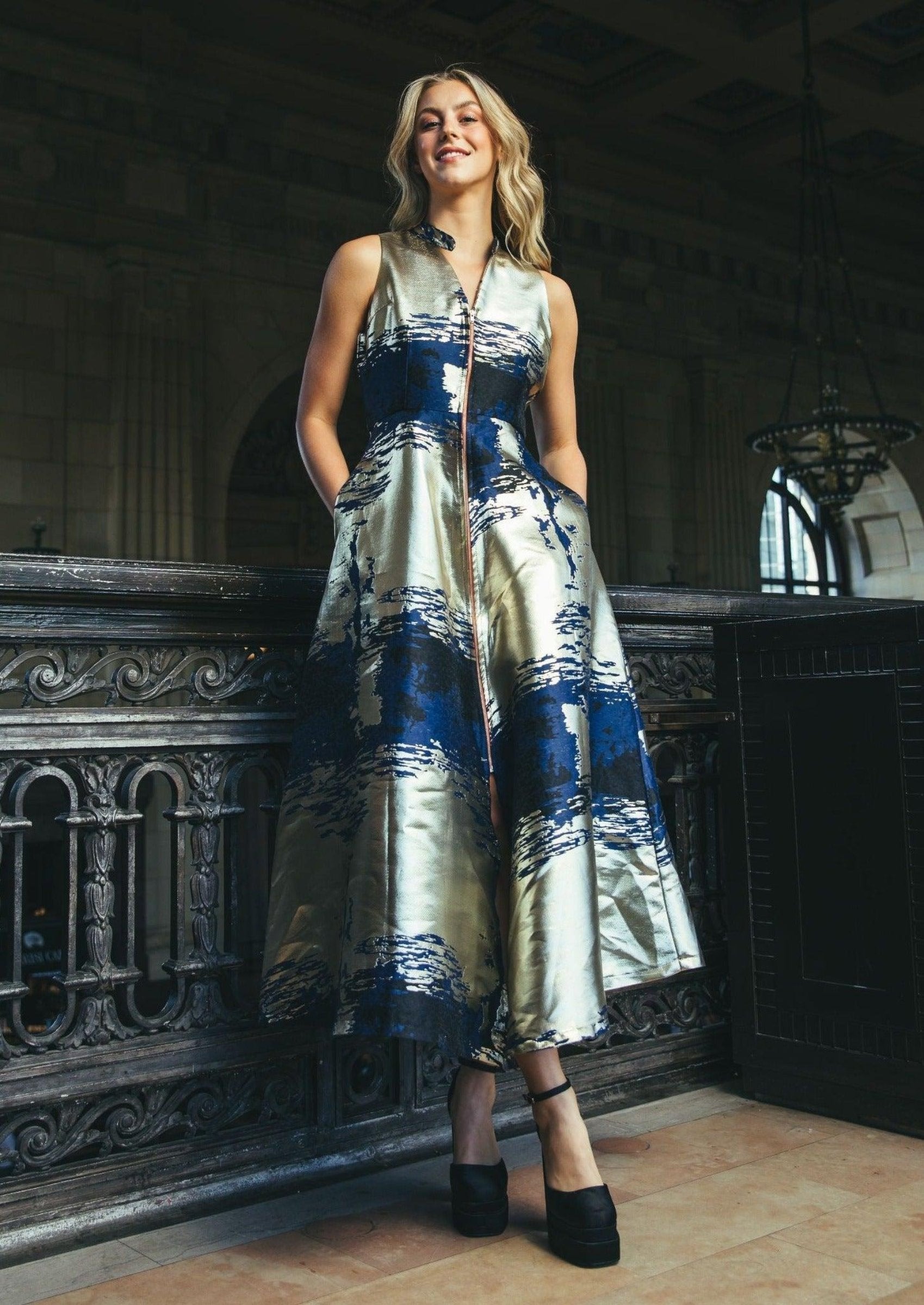
Consider the Burgundy Gold Metallic Jacquard Halter Pencil Dress. Its halter neckline and pencil skirt give you a vintage-inspired shape, while the metallic jacquard catches the light like something far older and rarer. It's occasion-ready and built to last.

- Handcrafted by female artisans in a Nairobi co-operative
- Original prints rooted in Congolese textile traditions
- Fair-trade practices with living wages
- A provenance card documenting the artisan and labor hours
Best for: wedding guests who want a statement piece with a story. Skip if: you need something for casual daytime wear.
The hardest part of styling vintage for a modern wedding isn't finding the dress. It's trusting that a piece with history can still feel entirely yours.
Frequently Asked Questions
Can you wear a vintage dress to a modern wedding?
Yes, as long as the dress respects the formality stated on the invitation. A vintage dress is a starting point, not a dress code: a black-tie or formal wedding still calls for floor-length or elevated fabrics, while a semi-formal or garden celebration leaves room for midi lengths and softer details. Check the venue, the time of day, and the couple's stated dress code first, then choose the era and silhouette that fits it. Styling with contemporary shoes, a modern veil, and minimal jewelry keeps the look current rather than costume-like.
What accessories make a vintage dress feel contemporary?
Contrast is the trick. Pair a vintage dress with modern accessories: a sleek belt or gold chain belt to define the waist, statement jewelry in a current shape, contemporary shoes rather than period reproductions, and a sheer bolero or jacket instead of a matching wrap. A modern veil or a simple headpiece finishes the look without tipping into costume. Keep one or two vintage elements as the focus and let everything else read as present-day, which is the hybrid approach stylists recommended throughout 2026.
How do you style a vintage wedding guest dress with sleeves?
Sleeves are an asset for wedding guest dressing because they suit church ceremonies, cooler venues, and evening events. Keep the rest of the look clean: a fitted sleeve reads modern when paired with a bias-cut skirt or a straight midi, and a sheer or lace sleeve works best with minimal jewelry so the detail stays the focus. Avoid stacking bracelets over a statement sleeve, and choose a shoe with a clean line. If the sleeve is long, a sleek belt and an updo balance the proportions.
How can you style a vintage dress for a wedding if you are over 50?
Focus on fit and fabric rather than trend. A tailored A-line or sheath in a substantial fabric, hemmed to a length you can move in, flatters at any age. Add a sleek belt at the natural waist, choose a shoe with a stable heel, and use one statement piece, such as a brooch or a gold chain belt, rather than several. Alterations matter more than the era: a dressmaker can adjust shoulders, take in the waist, and shorten a hem so the dress looks made for you.