

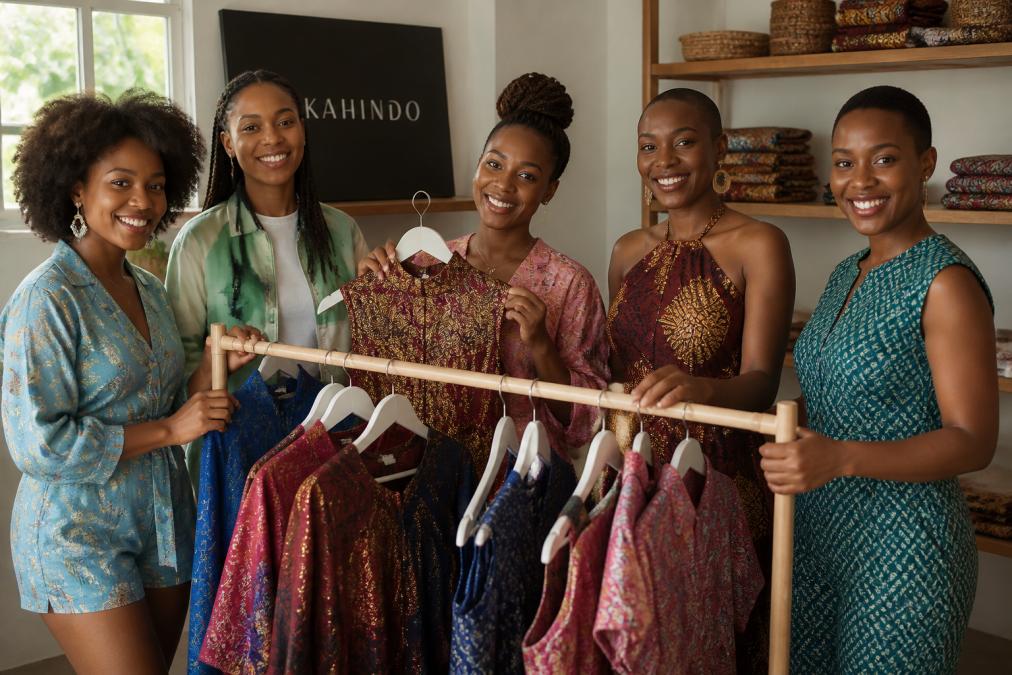
Alternatives to Renting Dresses: Buy, Swap & Save
Table of Contents
- Why Consider Alternatives to Renting Dresses
- Buying vs Renting Formal Dresses: The Economics
- Second-Hand Formal Wear Sites and Marketplaces
- How to Host a Clothing Swap for Formal Events
- Investing in Quality Pieces You'll Wear Again
- Comparison: Rental, Secondhand, Swaps, and Direct Purchase
- Conclusion
Last Updated: August 13, 2026
Why Consider Alternatives to Renting Dresses
When invited to a wedding, gala, or milestone event, renting feels practical and budget-friendly. But it's not the only path forward, and for many occasions, it's not the best one.
Alternatives to renting dresses have become more attractive as the rental model has matured. The economics have shifted. The quality of secondhand formal wear has improved dramatically. And perhaps most importantly, the psychology of ownership has resurfaced for women who want pieces that reflect their identity rather than disappear after one night.
This guide explores what happens when you step outside the rental subscription model. You'll discover how buying, swapping, and investing in quality pieces can actually cost less over time while giving you more control, uniqueness, and alignment with your values.
Buying vs Renting Formal Dresses: The Economics
The rental argument seems airtight on the surface: why spend $300 on a dress you'll wear once when you can rent it for $50? The answer lies in the cost-per-wear calculation.

A single formal dress rented costs $40 to $75 per event. If you attend two galas a year, that's $80 to $150 annually. Over five years, you're spending $400 to $750 on dresses you never own and that never reflect your personal style.
Now consider buying. A quality formal dress from a brand like KAHINDO starts at $75 for sample-sale pieces and ranges to $370 for handcrafted statement pieces. If you wear that dress twice a year for three years, your cost-per-wear drops to $12 to $62 per event, often lower than renting. Unlike rental, you own a piece that you can style differently, lend to friends, or resell.
Rental also carries hidden costs: damage fees, rush shipping, and subscription charges for frequent users. You're limited to current inventory, which means less creative freedom and more pressure to choose from what's available rather than what's right for you.
Buying also solves a fundamental problem: rental dresses are designed for maximum appeal to the broadest audience. They're safe and predictable. If you want to be remembered for what you wore, buying gives you agency that renting cannot.
Second-Hand Formal Wear Sites and Marketplaces
The secondhand formal wear market has transformed in the last five years. Today's resale platforms offer designer pieces, contemporary collections, and curation that rivals new retail.
Established Resale Platforms
Vestiaire Collective specializes in pre-owned luxury and contemporary fashion. You'll find formal dresses from established designers at 40-60% off retail. The platform handles authentication for luxury items, reducing fraud risk, and offers solid buyer protection.
Depop skews younger and more trend-focused but is increasingly popular for formal wear among Gen X and millennial shoppers. The mobile-first interface makes browsing feel like social shopping. Sellers include multiple photos and styling suggestions, helping you visualize how a dress might work for your body and aesthetic.
Poshmark operates similarly to Depop with a stronger U.S. presence. The community is active, reviews are detailed, and the "Posh Shows" feature lets sellers demonstrate pieces in action. For formal wear, this transparency is valuable.
TheRealReal focuses on luxury consignment and authentication. If you're shopping for high-end formal wear from established designer houses, this platform offers curatorial rigor that other resale sites don't.
Cost-Per-Wear Analysis for Secondhand Options
A formal dress purchased secondhand typically costs 30-60% less than retail. If you find a piece for $80 to $150 secondhand and wear it three times over two years, your cost-per-wear is $27 to $50 per event, competitive with rental pricing, but you own the piece outright.
The secondhand market also offers exclusivity. You're not wearing the same dress as five other guests. The inventory is finite and constantly rotating.
Shipping typically takes 5-10 business days. Returns vary by platform; some offer full refunds if a dress doesn't fit, others don't. Read the specific seller's policy before committing.
Risk is lower than you might think. Secondhand formal wear has usually been worn only once or twice. Stains, damage, or wear are typically disclosed in listings. Buyer protection policies usually favor you if a dress arrives in unexpected condition.
How to Host a Clothing Swap for Formal Events
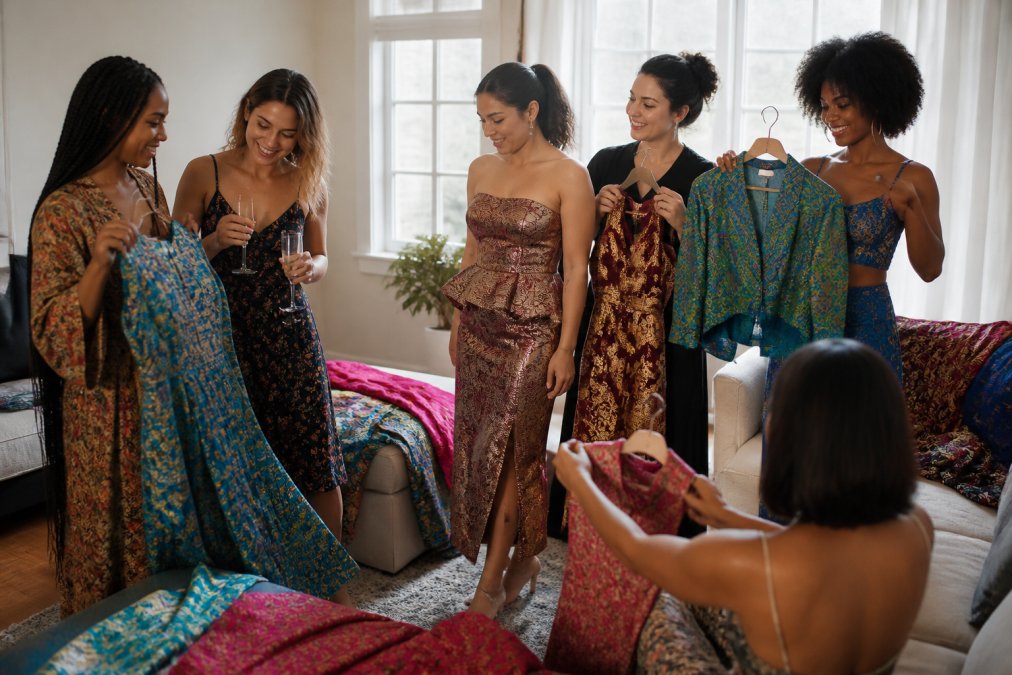
A clothing swap is the most underrated alternative to renting. It costs nothing, builds community, and solves the "I need something new but don't want to buy" problem for everyone involved.
Planning and Logistics
Invite 6-10 women who attend similar events and wear similar sizes. Set a date at least three weeks before the formal event you're all attending. Ask each person to bring 2-3 formal dresses they no longer wear or won't wear again soon.
Choose a location with good lighting and mirror access. Set ground rules upfront: no judgment, all dresses must be clean and in good condition, and everyone leaves with at least one piece they actually want to wear.
The swap itself usually takes 2-3 hours. Communicate the dress code beforehand (e.g., "cocktail dresses only" or "formal gowns and statement pieces"). Ask people to label their items with their name and size. Have a few safety pins and a sewing kit on hand for quick alterations.
Making Your Swap Successful
Success depends on managing expectations and building trust. Be explicit about condition standards. Agree upfront on what "acceptable condition" means.
Document the swap informally. Take photos of who leaves with what. This creates accountability and a record if questions arise later.
The real magic happens when you make it recurring. A quarterly or biannual swap with the same group builds momentum. People start thinking about what they'll bring. It becomes a trusted resource rather than a one-time event.
Investing in Quality Pieces You'll Wear Again
The most underrated approach to formal dressing is buying pieces you'll actually wear multiple times. This requires a shift in thinking, from "outfit for one event" to "building a formal wardrobe."
Selecting Versatile, Timeless Silhouettes
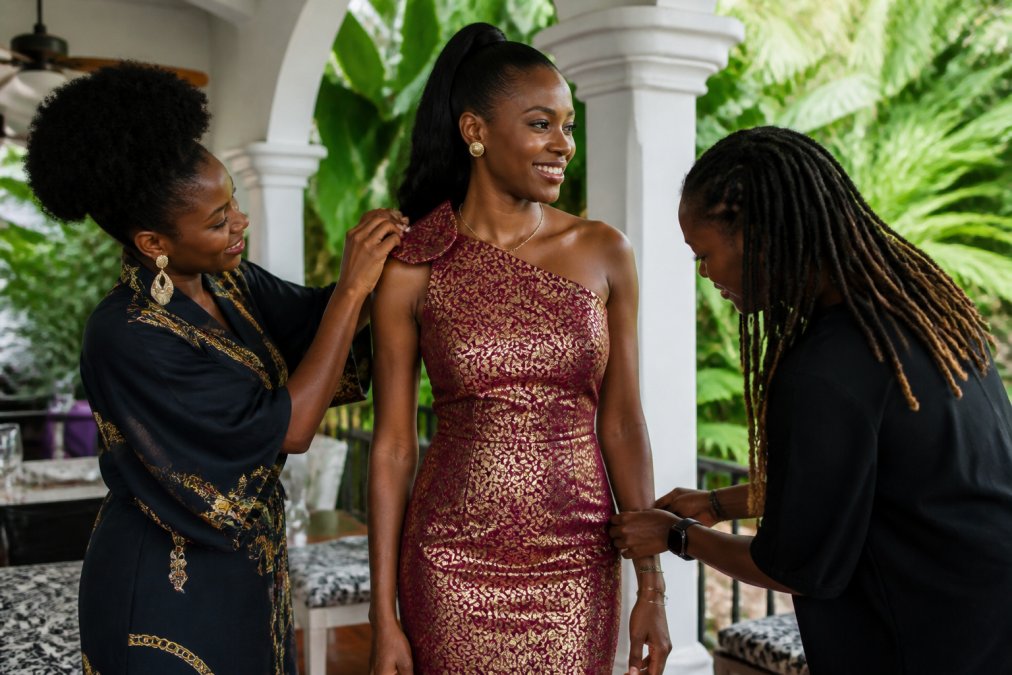
The key to rewearability is choosing silhouettes that work across different events. A pencil dress in a jewel tone can work for a cocktail party, a business gala, or a wedding reception. A midi dress with a simple collar transitions from formal to smart-casual depending on how you accessorize.

Avoid trends. Stick to classic silhouettes: sheath, A-line, wrap, column. These shapes have remained relevant for decades because they work across body types and ages.
Fabric matters more than you might think. Natural fibers like silk, cotton, and linen age beautifully and often look better after a few wears. Synthetic fabrics can pill, lose shape, or feel cheap after repeated wearing.
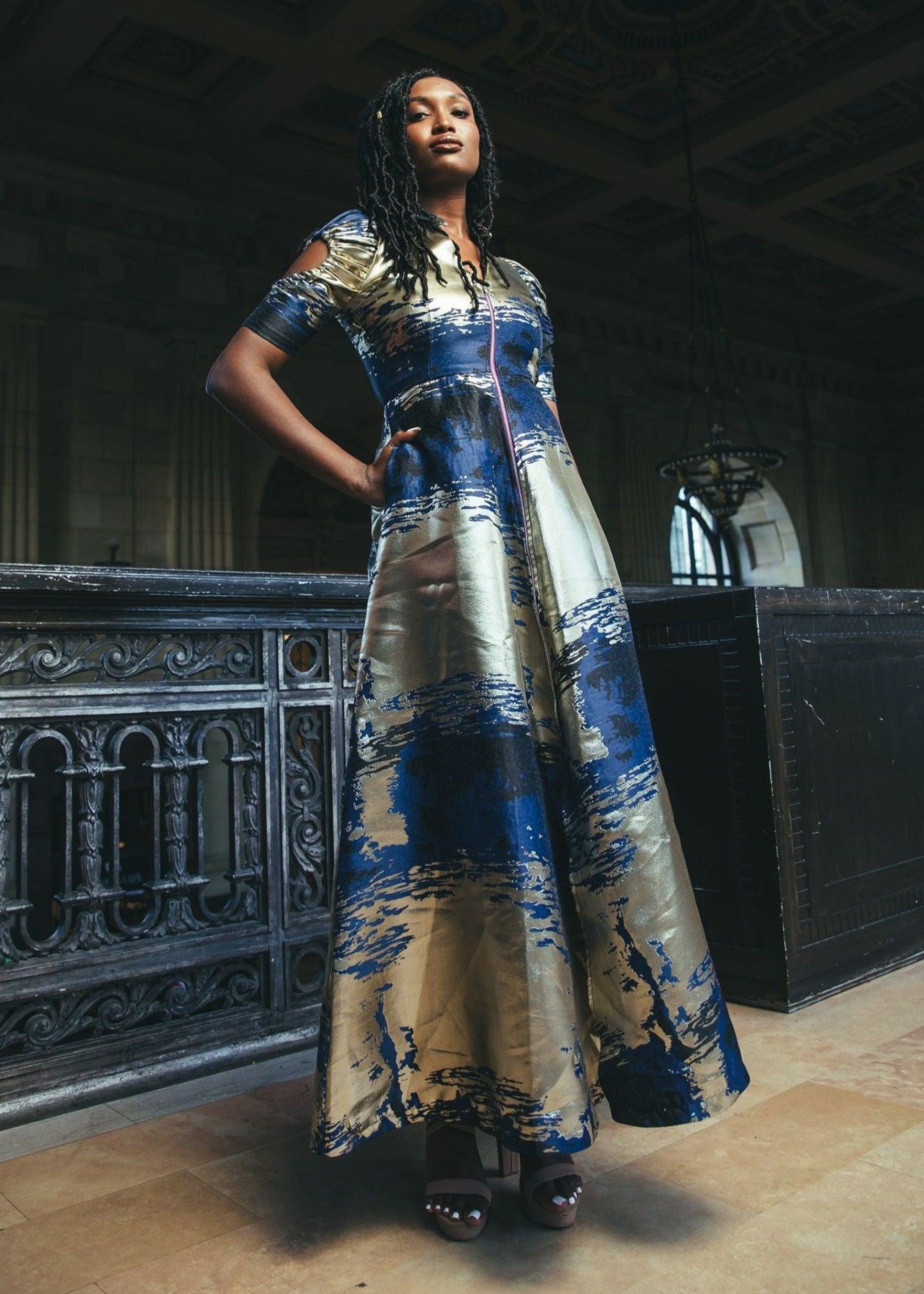
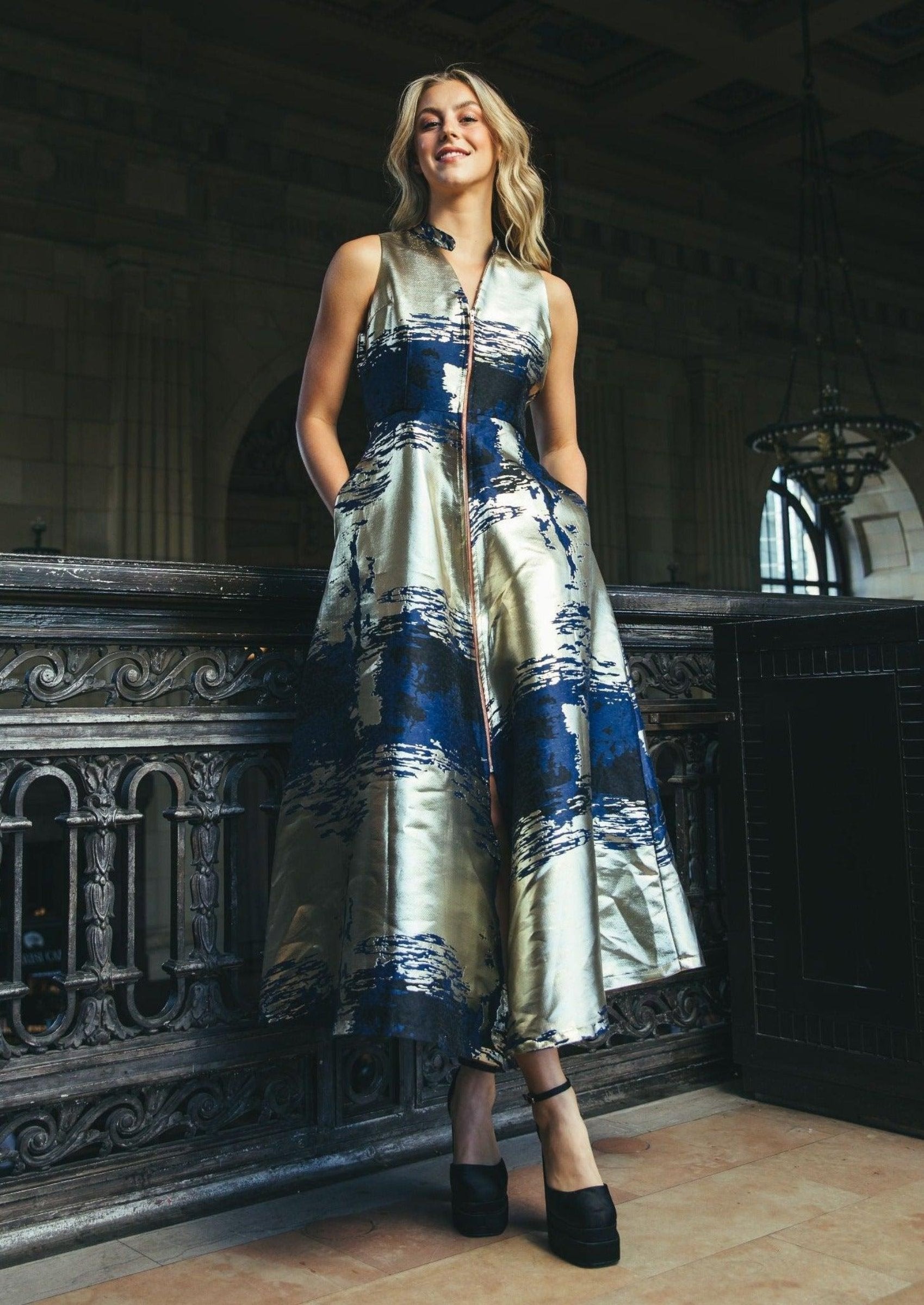
KAHINDO's approach is instructive. The brand designs pieces like the Cleopatra Maxi Dress in royal blue with metallic threading, a silhouette that works for multiple formal occasions but feels special enough that you'll actually reach for it. The handcrafted quality means it holds its shape and improves with wear.
Color is your friend here. A black formal dress is safe but forgettable. A dress in burgundy, emerald, navy, or rust becomes a signature piece you'll wear repeatedly because it stands out.
Ethical and Sustainable Investment Dressing
Investing in quality formal wear also means considering where and how it's made. Fast-fashion formal dresses are designed to be worn once and discarded. They fall apart and feel cheap.
Ethical formal wear, pieces handcrafted by artisans, made with fair-trade practices, and designed to last, costs more upfront but delivers better value over time. A dress made by female artisans in Kenya, like KAHINDO's pieces, comes with transparency about labor practices and material sourcing. You know exactly where your money goes.
Sustainable production also means slower dyeing processes, natural fibers, and construction methods that preserve the garment. A dress made this way doesn't just look better, it performs better. It holds color and maintains its shape.
Comparison: Rental, Secondhand, Swaps, and Direct Purchase
| Approach | Cost Per Wear | Ownership | Uniqueness | Time to Access | Best For |
|---|---|---|---|---|---|
| Rental subscription | $40-75 | No | Low | 3-5 days | Occasional formal events, budget-conscious |
| Secondhand purchase | $27-50 | Yes | High | 5-10 days shipping | Regular formal attendees, style-conscious |
| Clothing swap | $0 | Temporary | High | 1-3 weeks planning | Connected communities, frequent events |
| New purchase (quality) | $12-62 (over multiple wears) | Yes | High | Immediate | Investment dressers, signature pieces |
| New purchase (fast fashion) | $50-150 (single wear) | Yes | Medium | Immediate | One-off events, trend-driven |
The choice depends on your event frequency, budget, and values. If you attend one formal event every two years, renting makes sense. If you attend multiple events annually and care about standing out, buying secondhand or investing in quality pieces delivers better economics and more satisfaction.
The alternative to renting isn't just about saving money, it's about reclaiming agency over what you wear to the moments that matter. Whether you choose to buy secondhand, host a swap, or invest in quality pieces, you're choosing pieces that reflect your identity rather than defaulting to whatever's available in a rental catalog.
For women who attend formal events regularly, the math is clear: buying beats renting. For those who want pieces with a story and ethical production behind them, KAHINDO offers handcrafted formal wear designed in New York and made by female artisans in Kenya. The Cleopatra Maxi Dress in royal blue or the Chidi Midi Dress combine investment-worthy quality with distinctive design that ensures you won't blend into the crowd.

The best dress for your next formal event isn't necessarily the one you rent. It's the one you'll reach for again and again because it makes you feel like yourself.
Frequently Asked Questions
Is it cheaper to buy a dress than to rent one?
It depends on how often you wear formal dresses. If you attend events multiple times per year, buying, especially secondhand or investing in quality pieces, often costs less per wear than rental subscriptions. A $100 dress worn five times costs $20 per wear, while renting at $30-50 per event adds up quickly. For one-time events, renting may be cheaper upfront, but alternatives like swaps or secondhand purchases offer middle ground without subscription fees.
What are the best sustainable alternatives to clothing rental subscriptions?
Secondhand formal wear sites like Vestiaire Collective and Rebag offer pre-owned designer dresses with minimal environmental impact. Clothing swaps let you refresh your wardrobe without production waste. Buying quality, timeless pieces, especially from ethical brands, supports circular economy principles when pieces are worn repeatedly and eventually resold. Investing in versatile silhouettes you'll wear multiple times reduces the need for constant consumption, whether renting or buying.
How does clothing swapping work for formal events?
Organize a swap by inviting friends with similar sizes, setting a date, and having everyone bring unworn or gently worn formal dresses. Create a simple checklist of items and sizes beforehand. During the swap, try pieces on, discuss fit and care instructions, and exchange what works. Digital platforms like Poshmark also enable swaps through their app. Swaps are free, build community, and let you access new styles without purchase or rental costs, perfect for occasional event dressing.
What makes buying a quality formal dress a better investment than renting?
Quality dresses, especially handcrafted pieces with timeless design, hold value and can be worn to multiple events over years. They develop personal meaning and can be resold if no longer needed. Renting locks you into subscription fees or per-event costs with no ownership. Investing in versatile, well-made pieces lets you build a wardrobe tailored to your body and style, offers better fit guarantees, and eliminates return logistics stress. The cost-per-wear improves significantly with each wearing.
This article was written using GrandRanker