

Luxury vs Fast Fashion Formalwear: Key Differences
Table of Contents
- Luxury and Fast Fashion Formal Wear: Core Distinctions
- Production Speed, Volume, and Design Philosophy
- Luxury Formal Dresses: Craftsmanship and Materials
- Affordable Formal Dresses: Accessibility vs Longevity
- Quality of Formal Dresses: What Separates Them
- Sustainable Occasionwear: Ethical Production and Long-Term Value
- Formalwear Fit, Tailoring, and Cost-Per-Wear Analysis
- Making Your Choice: Luxury or Fast Fashion Formal Wear
- Frequently Asked Questions
Last Updated: October 17, 2026
Luxury and Fast Fashion Formal Wear: Core Distinctions
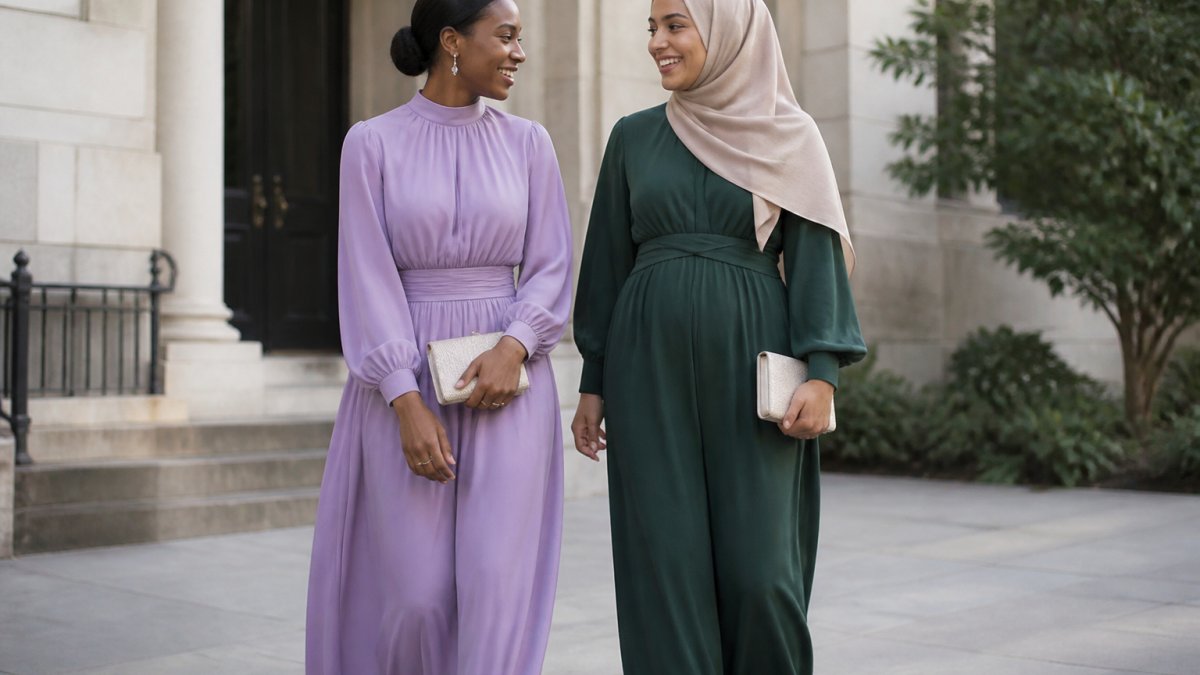
When shopping for occasion wear, the choice between luxury and fast fashion formal wear shapes how you look, how long the dress lasts, and what happens to it after the event. The difference between luxury vs fast fashion formal wear goes far deeper than price tags: production philosophy, material quality, construction, and garment lifecycle.
Luxury formal wear is designed to be worn repeatedly across years and occasions; fast fashion formal wear is engineered for trend cycles and single-season wear.
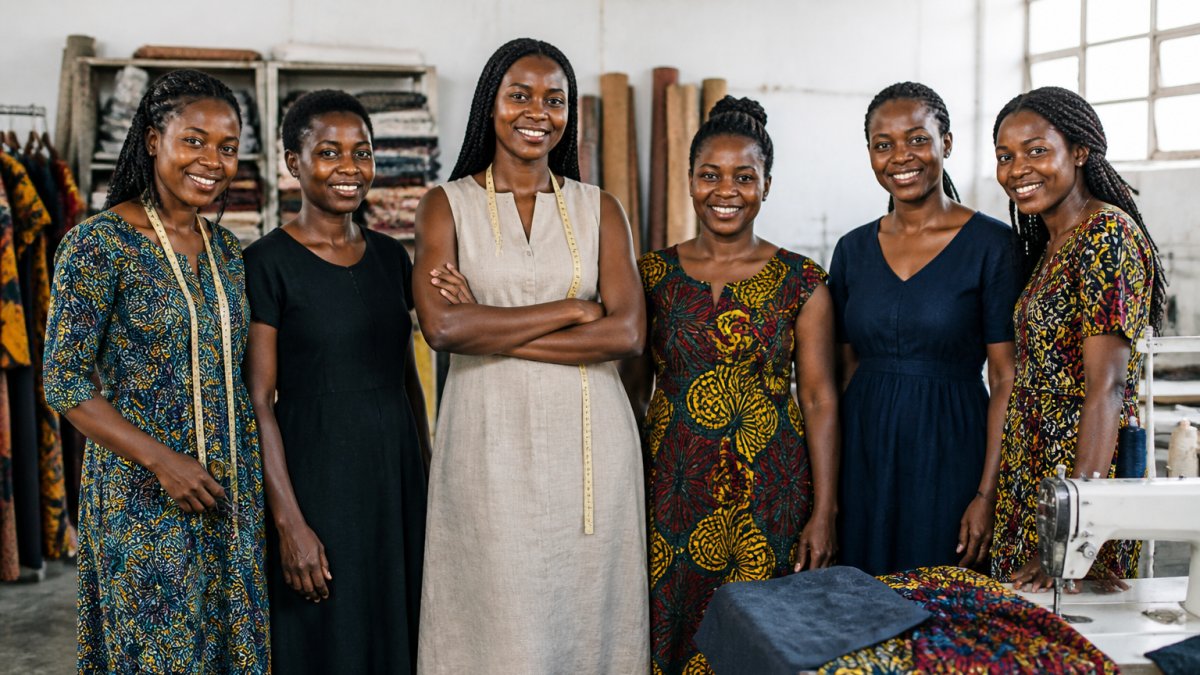
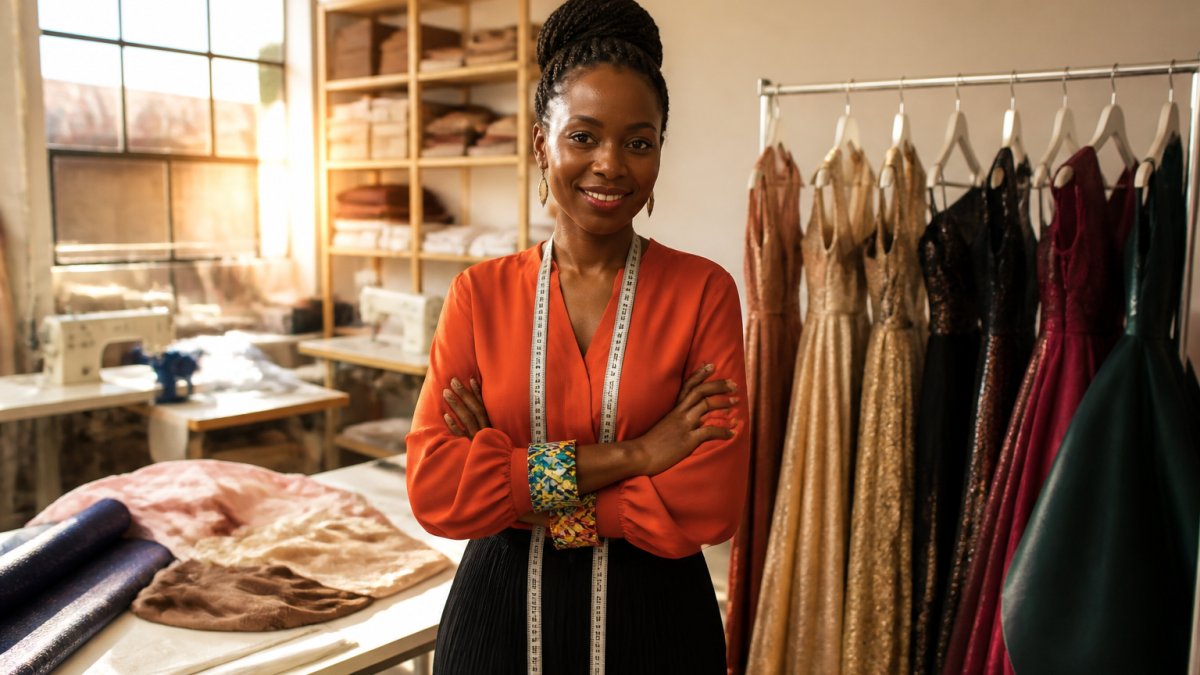
At KAHINDO, we design formal wear that bridges these worlds, handcrafted by female artisans in Kenya with luxury quality standards and a mission-driven approach to production. Understanding these differences helps you choose according to your values, budget, and how you actually wear formal clothing.
Production Speed, Volume, and Design Philosophy
Luxury formal dresses follow a slower production cycle. Designers sketch collections months in advance, source premium fabrics from specialized mills, and produce limited quantities, often fewer than 100 pieces per style. Fast fashion formal wear operates on compressed timelines, with designs moving from concept to store in weeks. Production volumes are massive: thousands of identical pieces manufactured to capture trend demand before it shifts.
Luxury brands invest in custom fabric development and exclusive prints; fast fashion brands source commodity fabrics and replicate trends quickly.
Design philosophy differs too. Luxury formalwear emphasizes timeless silhouettes that work across occasions and years. Fast fashion formal dresses chase trends aggressively: if off-shoulder necklines trend, every brand floods the market.
The speed-versus-craft tradeoff affects customization: luxury brands offer tailoring, alterations, and made-to-order options because small-batch production supports personalization, while fast fashion relies on standardized sizing because economies of scale depend on volume uniformity.
Luxury Formal Dresses: Craftsmanship and Materials
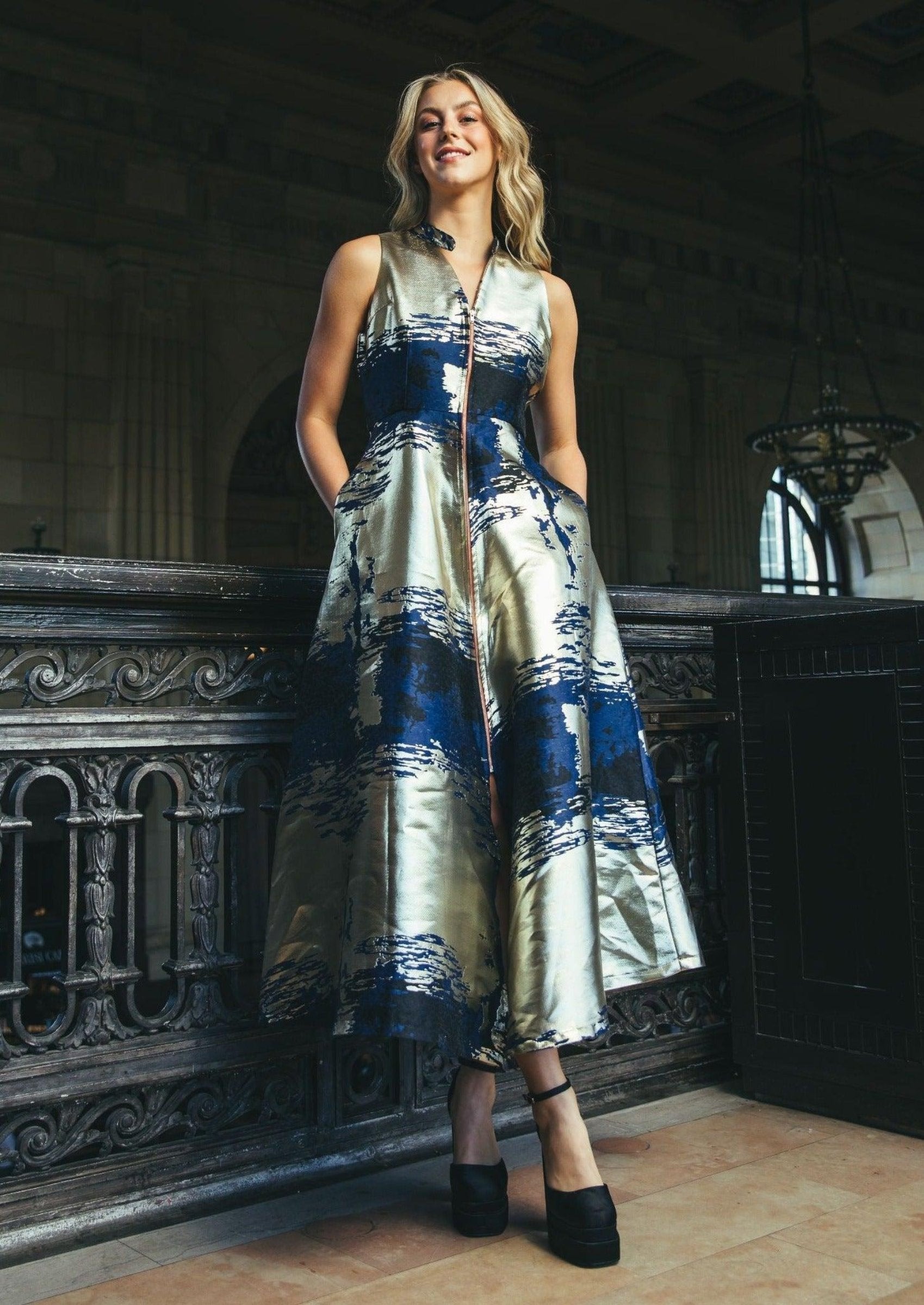
Luxury formal dresses prioritize hand-finished details and premium material composition. The fabrics are often sourced from European mills specializing in performance textiles, silk charmeuse, silk mikado, high-thread-count cotton, and blended technical fabrics engineered for drape and durability.
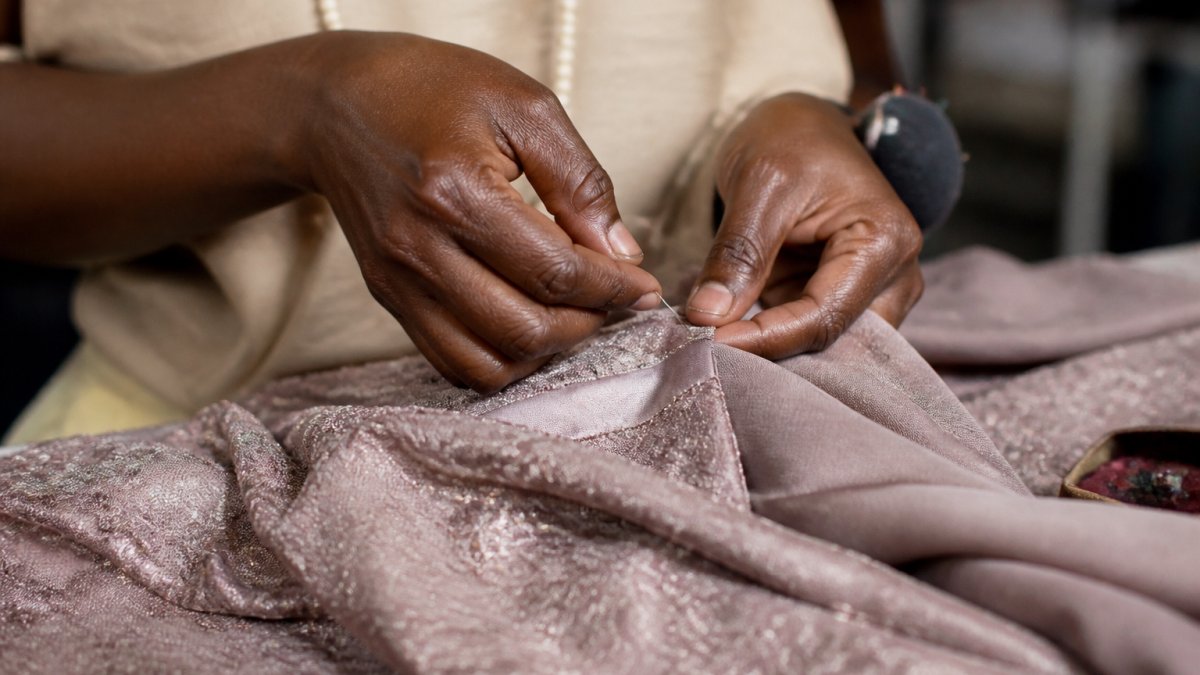
Construction methods distinguish luxury from everything else. Seams are hand-finished or sewn with specialized machinery to prevent fraying, hems are hand-sewn with invisible stitching, and zippers are often custom-made and hand-inserted. Lining is premium cotton or silk, not thin polyester, and boning in structured bodices is sewn individually, not glued.
Material quality compounds over time. A luxury dress dry-cleaned annually for 10 years looks nearly identical to its original state: dyes don't fade, seams don't split, fabric doesn't pill.
KAHINDO's Double Collar Ombré Organza Midi Dress exemplifies this approach. Made from double-layer organza with a 95% polyester, 5% spandex blend, the dress features hand-dyed ombré gradients unique to each piece. The double collar is an architectural detail that requires precision construction. At $345, this represents the luxury formal wear investment model, a piece designed for mothers of the bride, wedding guests, and bridesmaids who need standout elegance that won't disappear into a crowd.

Affordable Formal Dresses: Accessibility vs Longevity
Fast fashion formal dresses prioritize affordability and immediate trend alignment. Fabrics are commodity polyester blends chosen for cost and ease of manufacturing: cheaper to source, easier to dye in bulk, faster to produce.
Construction in fast fashion is mechanized and standardized: seams sewn quickly without hand finishing, visible machine-stitched hems, mass-produced zippers sometimes poorly aligned, thin lining, and glued rather than sewn boning.
The trade-off is lifespan. A fast fashion formal dress is designed for 1-3 wears before visible wear appears: seams fray or separate, fabric pills or thins, zippers jam or break, and the bodice stretches or sags.
This model works only if you wear a dress once and never again. A $75 dress worn once costs $75 per wear; a $345 dress worn 20 times costs $17.25 per wear; a $100 fast fashion dress worn 3 times costs $33.33 per wear.
Quality of Formal Dresses: What Separates Them
Quality in formal dresses is measurable across specific dimensions: fabric hand (how it feels), seam integrity, zipper function, lining durability, color fastness, and shape retention.
Fabric hand describes how the material feels and moves. Premium fabrics feel smooth and soft against skin and drape elegantly; cheap polyester feels stiff, plasticky, or rough. Fast fashion dresses often feel uncomfortable, tight, or sweaty because the material doesn't breathe.
Seam integrity determines whether the dress falls apart. Luxury seams are reinforced, finished, and often sewn with color-matched thread for invisible repairs. Fast fashion seams are single-stitched and unfinished, so they fray under stress; a luxury dress can be altered multiple times, while a fast fashion dress often tears when adjusted.
Zippers are a telling detail. Luxury brands use YKK or custom-made zippers installed with precision and proper seam allowances.
Lining quality affects comfort and longevity. Luxury dresses are fully lined with premium fabric that prevents static, cling, and visible panty lines. Fast fashion dresses often have minimal or no lining, so the dress clings uncomfortably and the interior construction is visible and fragile.
Color fastness matters for garments you'll wear repeatedly. Luxury dyes are set through multiple rinses and heat treatments, so color doesn't fade or bleed. Fast fashion dyes are set quickly to save time, so the first dry cleaning can cause noticeable fading or color transfer.
Shape retention is where you see the real difference over time. A luxury dress holds its shape because the fabric has memory and the construction supports the silhouette. A fast fashion dress stretches, sags, or warps because the fabric has no recovery and the construction can't support the design.
Sustainable Occasionwear: Ethical Production and Long-Term Value
Sustainability in formal wear connects directly to quality and longevity. A dress worn 20 times has a vastly lower environmental impact per wear than a dress worn once.
Burgundy Gold Metallic Jacquard Halter Pencil Dress →
Ethical production also differentiates these categories. Luxury brands often prioritize fair wages, safe conditions, and transparent supply chains because they can absorb higher labor costs.
KAHINDO's production model exemplifies ethical luxury. Every piece is handcrafted by female artisans in a Nairobi cooperative, ensuring fair-trade wages and economic empowerment. Each garment includes a provenance card documenting the artisan and labor hours. The slow-bath dyeing process creates unique, non-replicable gradients that make each piece singular. This transparency and craftsmanship command a premium price, but the investment supports real people and produces garments designed for decades of wear.
Fast fashion's environmental footprint is substantial: massive waste through overstock, returns, and discarded garments.
Choosing sustainable occasionwear means choosing pieces designed to last, produced ethically, and valued for their craftsmanship.
Formalwear Fit, Tailoring, and Cost-Per-Wear Analysis
Fit is where luxury and fast fashion diverge most practically. Luxury brands know formal wear must fit precisely to look good and feel comfortable through an entire event, so they offer multiple fit options, detailed size guidance, and often free alterations.
Fast fashion operates on standardized sizing with minimal customization. Fit is approximate at best. Dresses often run small or large unpredictably because production is spread across multiple factories with inconsistent quality control.
Tailoring costs matter for cost-per-wear analysis. A well-constructed luxury dress that fits imperfectly can be altered for $50-$150 and still look and feel premium.
Here's a practical cost comparison:
| Scenario | Dress Cost | Alterations | Total Cost | Wears Per Year | Years of Use | Cost Per Wear |
|---|---|---|---|---|---|---|
| Luxury dress (fits well) | $345 | $0 | $345 | 4 | 5 | $17.25 |
| Luxury dress (needs tailoring) | $345 | $100 | $445 | 4 | 5 | $22.25 |
| Fast fashion dress (fits well) | $75 | $0 | $75 | 1 | 1 | $75.00 |
| Fast fashion dress (needs tailoring) | $75 | $50 | $125 | 1 | 1 | $125.00 |
The luxury model wins on cost-per-wear even when tailoring is required.
Rental and resale alternatives also shift the equation. A luxury dress holds resale value, you can sell it for 40-60% of original price on secondhand markets. If you wear a $345 luxury dress 5 times and sell it for $200, your actual cost is $145, or $29 per wear. That's competitive with renting from services like Rent the Runway, which charges $60-$150 per rental depending on the dress.
Making Your Choice: Luxury or Fast Fashion Formal Wear
The decision between luxury vs fast fashion formal wear depends on three factors: how often you wear formal dresses, how long you want pieces to last, and what values matter to you.
Choose luxury formal wear if: You attend multiple formal events per year. You want pieces that work across different occasions and seasons. You value craftsmanship and transparency. You're willing to invest upfront for long-term value. You want to support ethical production and fair wages.
Choose fast fashion formal wear if: You wear formal dresses rarely (once or twice per year). You prioritize low upfront cost over longevity. You follow trends closely and want new styles frequently. You're comfortable discarding garments after minimal use.
The honest truth: luxury formal wear is better value if you wear it more than 3-4 times.
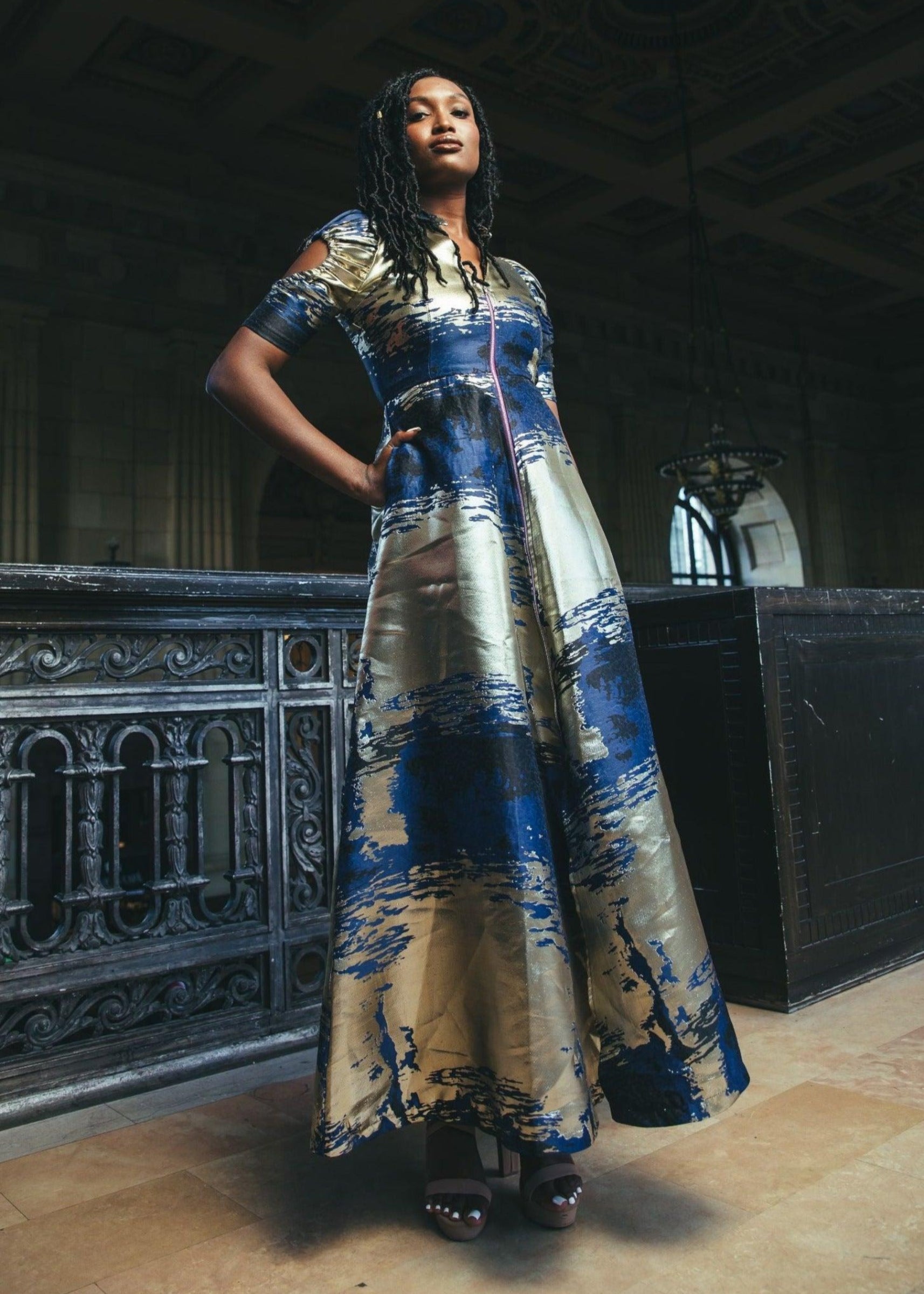
KAHINDO's approach to formal wear, handcrafted by female artisans, designed for multiple occasions, built to last, represents the luxury model with purpose. The Burgundy Gold Metallic Jacquard Halter Pencil Dress at $75 and the Fiesta Gown at $100 are entry points to this philosophy.

Each piece is designed for repeated wear across weddings, galas, and celebrations. Each includes a provenance card documenting the artisan who made it. Each is constructed to hold its shape and beauty through years of events.
When you choose between luxury and fast fashion formal wear, you're not just choosing a dress. You're choosing whether that piece becomes part of your life or disappears after one night.
The real question isn't whether to buy luxury or fast fashion formal wear. KAHINDO specializes in the latter: occasion wear designed to last, crafted with intention, and built to help the women who make it. Shop Blue Ombré and experience the difference that artisanal craftsmanship makes.
Frequently Asked Questions
What are the key differences between luxury and fast fashion formal wear?
Luxury formal wear prioritizes craftsmanship, premium materials, and timeless design, built to last years with proper care. Fast fashion formal wear emphasizes trend-driven styles, mass production, and affordability, typically designed for limited wear. Luxury pieces use high-quality fabrics like silk and fine-weave textiles, while fast fashion relies on synthetic blends. Luxury brands produce limited quantities to maintain exclusivity; fast fashion maximizes production volume. The price difference reflects not just materials but also ethical labor practices, design heritage, and garment durability in luxury occasionwear.
Is luxury formal wear worth the higher price?
Luxury formal wear offers better long-term value if you attend formal events regularly or want pieces you'll rewear. A $345 luxury dress worn 5-10 times costs $35-69 per wear, while a $50 fast-fashion dress worn once costs $50 per wear. However, if you wear formal dresses rarely or prefer experimenting with trends, rental services or affordable options may be more practical. Consider your lifestyle, storage space, and how often you need occasion wear before investing in luxury pieces.
How can you tell whether a formalwear brand is fast fashion or luxury?
Examine production volume, material composition, and supply chain transparency. Luxury brands produce limited quantities and use premium natural or high-quality synthetic blends (silk, organic cotton, fine polyester). They provide detailed information about where and how garments are made, often highlighting artisan involvement. Fast fashion brands offer high inventory turnover, mass-produced styles, and minimal production details. Check for certifications like fair-trade labeling, provenance documentation, or heritage craftsmanship claims. Luxury brands also typically offer detailed care instructions, and stand behind garment durability, fast fashion rarely does.
What should you look for in a well-made formal dress?
Inspect seam construction: stitches should be tight, even, and reinforced at stress points. Check fabric weight and feel, quality materials have substance and drape elegantly. Examine hems for hand-finishing rather than machine stitching alone. Look for full linings that prevent transparency and add structure. Test zippers and closures for smooth operation. Quality formal dresses have thoughtful details like pockets, adjustable straps, or strategic seaming for flattering fit. Read care labels carefully; garments requiring hand-washing or dry-clean-only indicate higher-quality materials. Finally, research the brand's production practices and customer reviews about durability after multiple wears.
Does sustainable occasionwear cost more than conventional formal wear?
Sustainable occasionwear typically costs more upfront due to ethical labor practices, fair-trade certification, and responsible sourcing. However, the higher initial investment reflects true production costs and garment longevity. A sustainably made dress at $100-$345 will outlast several fast-fashion alternatives purchased at lower prices. Sustainable brands often provide transparency about artisan wages and working conditions, ensuring your purchase supports fair labor. When calculating true cost, factor in durability, resale value, and how many times you'll wear the piece. Many conscious consumers find sustainable formal wear offers better alignment with their values than cheaper alternatives.