



Article: Is YSL an Ethical Company? 2026 Ratings
Is YSL an Ethical Company? 2026 Ratings
Table of Contents
- Is YSL an Ethical Company? The Verdict
- YSL's Environmental Impact and Sustainability Commitments
- Is YSL Cruelty Free? Animal Welfare and Testing Policies
- Supply Chain Transparency and Raw Material Sourcing
- How YSL Rates Among Ethical Luxury Fashion Brands
- YSL's Luxury Fashion Sustainability Ratings and Rankings
- Corporate Social Responsibility and Worker Rights
- What This Means for Conscious Luxury Shoppers
- Frequently Asked Questions
Last Updated: September 27, 2026
Is YSL an Ethical Company? The Verdict
Is YSL an ethical company? The answer is mixed. Saint Laurent has earned a "Good" rating for environmental policies Conscious Spend's brand sustainability assessment, and YSL Beauty is similarly rated for sustainability efforts Good On You's beauty division ratings. The brand has made genuine commitments to circular design, lower-impact materials, and supply chain transparency. But significant gaps remain: YSL is not certified cruelty-free, continues to test on animals through suppliers, uses exotic animal skins, and provides no evidence of financial security to workers in its supply chain.
For conscious luxury shoppers, the decision depends on which values matter most to you. If environmental impact is your priority, YSL's progress is noteworthy. If animal welfare is non-negotiable, you'll need to look elsewhere. This guide breaks down YSL's actual ethical standing across the categories that matter most.
| Ethical Category | YSL's Status | Verdict |
|---|---|---|
| Environmental Impact | Good rating for policies | Genuine progress, but limited transparency |
| Animal Welfare | Not cruelty-free certified | Animal testing occurs; exotic skins used |
| Supply Chain Transparency | Partial commitment | Some traceability; worker rights unclear |
| Circular Design | Active initiatives | Leather offcuts reused; real implementation |
| Third-Party Certification | None | No independent ethical seal |
YSL's Environmental Impact and Sustainability Commitments
Saint Laurent has positioned sustainability as central to its brand evolution. The company maintains official commitments emphasizing ethical sourcing, circular design, environmental impact reduction, and traceability goals Saint Laurent's official sustainability portal. This represents real movement from a luxury house that, years ago, treated sustainability as an afterthought.
The brand specifically highlights its use of lower-impact materials such as organic cotton. It has received recognition for these environmental policies from independent assessors. However, "good" is not the same as "excellent." YSL's environmental journey is genuine but incomplete, the company is pursuing elevation at every step of its sustainability journey, from sourcing to retail operations, yet gaps in transparency remain.
Carbon Footprint and Supply Chain Emissions
YSL has made commitments to reducing greenhouse gas emissions in its supply chain. The brand recognizes that luxury production carries environmental cost, and it has begun measuring and reporting on this impact. Yet specific carbon footprint data remains limited in public disclosures. The company acknowledges the scale of the challenge but does not provide detailed lifecycle analysis or third-party verified emissions reduction targets.
For shoppers trying to compare YSL to other luxury brands, the lack of granular carbon data makes assessment difficult. Many competitors in the luxury sector also avoid detailed emissions reporting, so YSL is not uniquely opaque. But transparency here is a competitive weakness, not a strength.
Circular Design and Waste Reduction
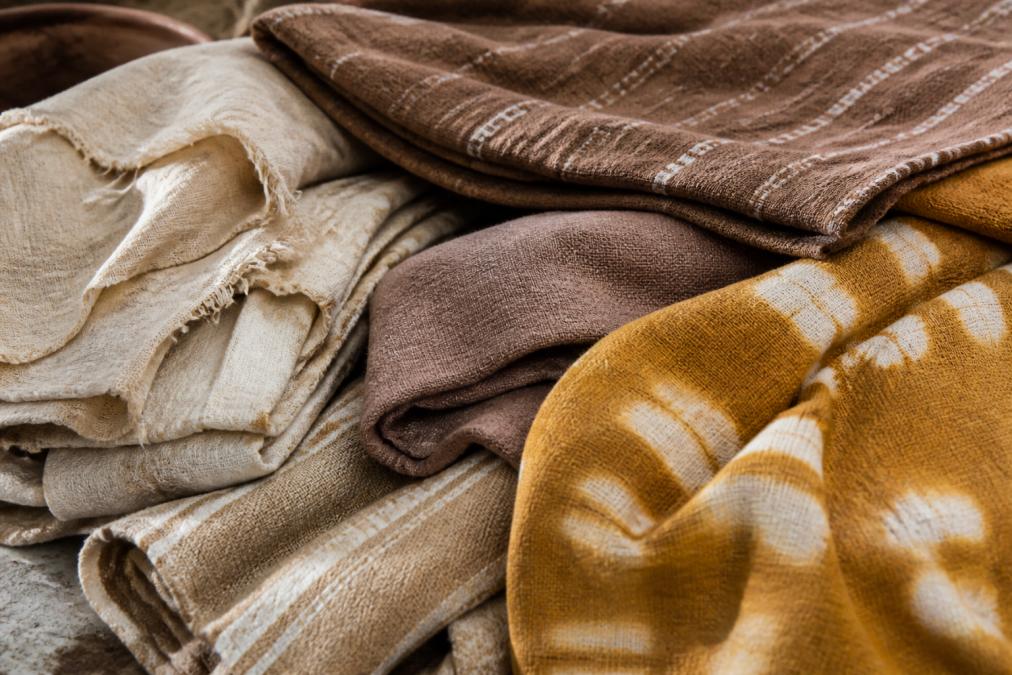
This is where YSL's environmental work becomes concrete. The brand is actively encouraging circularity and the reuse of leather offcuts. This practice reflects genuine circular design thinking: using waste streams from production to create new value rather than discarding material. It's a meaningful step beyond basic sustainability rhetoric.
The slow-bath dyeing processes used in some collections create unique, non-replicable gradients. These production methods align with environmental stewardship principles. However, the scope of these practices across the full YSL collection remains unclear. They appear concentrated in specific product lines rather than woven throughout the entire brand.
Is YSL Cruelty Free? Animal Welfare and Testing Policies
This is where YSL's ethical standing breaks down. The brand is not certified cruelty-free by organizations such as Leaping Bunny or Cruelty Free International. YSL is not vegan and is listed on animal testing databases maintained by organizations like Cruelty Free Kitty. The company may test on animals directly or through third-party ingredient suppliers.
For shoppers whose primary concern is animal welfare, this is a deal-breaker.
Third-Party Certification Status
YSL holds no independent ethical certifications. The brand has not pursued Leaping Bunny status, does not carry the Cruelty Free International mark, and has not sought other major third-party ethical seals. This absence is telling. Brands serious about animal welfare typically pursue these certifications because they provide verifiable proof to consumers.
Use of Exotic Animal Skins
YSL continues to use exotic animal skins in its collections. The brand does not provide evidence that these materials are sourced from certified sustainable or ethical suppliers. This practice contradicts the brand's sustainability messaging and conflicts with the values of shoppers seeking truly ethical luxury.
Supply Chain Transparency and Raw Material Sourcing
YSL has published limited supply chain information, but the depth and verifiability of these disclosures fall short of what conscious luxury shoppers need to assess true ethical standing. The brand acknowledges its sourcing practices and has committed to more ethical raw material sourcing, yet the company does not provide granular detail on supplier locations, audit frequencies, or remediation processes when violations are found.
What YSL Discloses
YSL's official sustainability portal outlines commitments to responsible sourcing and traceability goals Saint Laurent's official sustainability portal. The brand identifies leather, cotton, and other key materials as priority areas and states that it works with suppliers to meet environmental and social standards. However, the brand does not publish a detailed supplier list, does not disclose the percentage of materials sourced from certified suppliers, and does not provide third-party audit reports that would verify compliance.
Worker Rights and Fair Wages: The Silent Gap
The most critical absence in YSL's supply chain disclosures is concrete information about worker compensation and labor conditions. The brand does not publish wage data, does not disclose whether suppliers pay living wages (as defined by regional cost-of-living standards), and does not provide evidence of worker safety audits or grievance mechanisms.
Raw Material Sourcing: Leather and Beyond
YSL sources leather from multiple suppliers, but the brand does not disclose tannery locations, tanning methods, or chemical management practices. Leather production is water-intensive and relies on chromium and other chemicals that pose environmental and occupational health risks if not properly managed. Responsible tanneries invest in closed-loop water systems and worker safety protocols; irresponsible ones do not. YSL's silence on tannery standards suggests either that this information is not tracked or that the brand prefers not to disclose it.
The Transparency-Greenwashing Trade-Off
YSL's approach to supply chain communication exemplifies a common luxury brand strategy: highlight the improvements that are easy to market (organic materials, circular design) while remaining vague on the metrics that would require systemic change (worker wages, audit findings, supplier diversity). This is not necessarily deception, but it is selective honesty. True supply chain transparency would require YSL to disclose not only its commitments but also its failures, supplier audits that revealed violations, remediation efforts that succeeded or failed, and the percentage of the supply chain that remains unaudited or unverified.
How YSL Rates Among Ethical Luxury Fashion Brands
In the luxury sector, YSL occupies a middle position. The brand has done more environmental work than some heritage luxury houses that have barely acknowledged sustainability. But it lags behind competitors who have committed to cruelty-free status, full supply chain transparency, and worker protection programs.
YSL's Luxury Fashion Sustainability Ratings and Rankings
Independent Assessment and Scoring
Saint Laurent received a "Good" rating for its environmental policies. This rating reflects genuine progress but not excellence. Independent assessors recognize the brand's commitment to lower-impact materials and circular design initiatives. The "Good" designation acknowledges real effort while leaving room for improvement.
Greenwashing vs. Genuine Progress
The critical question: Is YSL genuinely improving, or is it engaging in greenwashing? The evidence suggests genuine progress with marketing emphasis. The brand has implemented real changes, organic cotton sourcing, circular design initiatives, emissions reduction commitments. These are not fabricated claims.
Corporate Social Responsibility and Worker Rights
YSL has not published detailed information about worker rights, wages, or labor practices in its supply chain. The brand acknowledges corporate social responsibility as important but has not made the same public commitments to worker equity that it has made to environmental impact.
What This Means for Conscious Luxury Shoppers
If you're shopping for ethical luxury occasionwear, YSL offers partial alignment with conscious values. The brand's environmental progress is real and worth acknowledging. But gaps in animal welfare, worker protection, and supply chain transparency mean YSL is not a complete ethical solution.
Frequently Asked Questions
Is YSL cruelty free and certified by Leaping Bunny?
No. YSL is not certified cruelty-free by Leaping Bunny or Cruelty Free International. The brand does not hold vegan certification and is reported to test on animals either directly or through ingredient suppliers, according to Cruelty Free Kitty and Bunny Search databases as of 2026. This remains a significant ethical concern for consumers prioritizing animal welfare.
What is YSL's sustainability rating from independent organizations?
Saint Laurent received a 'Good' rating for environmental policies from Conscious Spend in 2026, with recognition for using lower-impact materials like organic cotton. YSL Beauty also earned a 'Good' rating from Good On You in 2026 for sustainability efforts. However, these ratings acknowledge progress while noting limitations in supply chain transparency and the continued use of exotic animal skins in collections.
Does YSL disclose its supply chain and provide traceability?
YSL maintains official sustainability commitments emphasizing ethical sourcing, circular design, and environmental impact reduction. However, independent assessments note a lack of comprehensive supply chain transparency regarding worker wages and financial security for suppliers. The brand does not provide detailed traceability documentation comparable to fully transparent ethical luxury producers.
How does YSL compare to other ethical luxury fashion brands in terms of sustainability?
YSL ranks in the middle tier of luxury brands for sustainability. While it has committed to circular design and waste reduction, it lags behind brands with full cruelty-free certification and comprehensive supply chain transparency. Luxury consumers seeking maximum ethical alignment should compare YSL's 'Good' ratings against brands with higher certifications and more detailed labor practice disclosures.
Choosing ethical luxury means understanding the full picture of a brand's impact. YSL has made real environmental progress worth recognizing. But genuine ethical fashion requires commitment across all dimensions: environment, animals, workers, and transparency. Until YSL addresses the gaps in animal welfare and worker protection with the same seriousness it has shown to environmental impact, the brand remains a partial solution for conscious shoppers, not a complete one.