

Investment Dresses vs. Renting: Which Pays Off
Table of Contents
- The Case for Buying Investment Dresses
- Why Clothing Rental Services Appeal to Occasion Wearers
- Cost-Per-Wear Formula: The Real Financial Picture
- Hidden Costs of Renting: Shipping, Insurance, and Cleaning
- How to Care for Investment Dresses and Maximize Their Lifespan
- Building a Capsule Wardrobe for Weddings and Special Events
- Sustainability and Environmental Impact: Renting vs. Owning
- Conclusion: Making the Right Choice for Your Wardrobe
Last Updated: August 18, 2026
The Case for Buying Investment Dresses
When you buy an investment dress, you're acquiring a piece that will anchor your wardrobe for years, potentially decades. Investment dresses deliver value through longevity: a high-quality gown worn to five major events over ten years costs just $60 per wear, compared to a $150 rental worn once. According to KAHINDO's ethical fashion research, garments designed with heritage-quality craftsmanship and premium materials maintain structural integrity through dozens of wears when properly maintained.
Ownership carries emotional weight too. When you own a dress, it becomes part of your story, the wedding where you wore it, the compliments that followed. That connection drives how you care for the piece and how often you reach for it. Rental pieces carry no personal history.
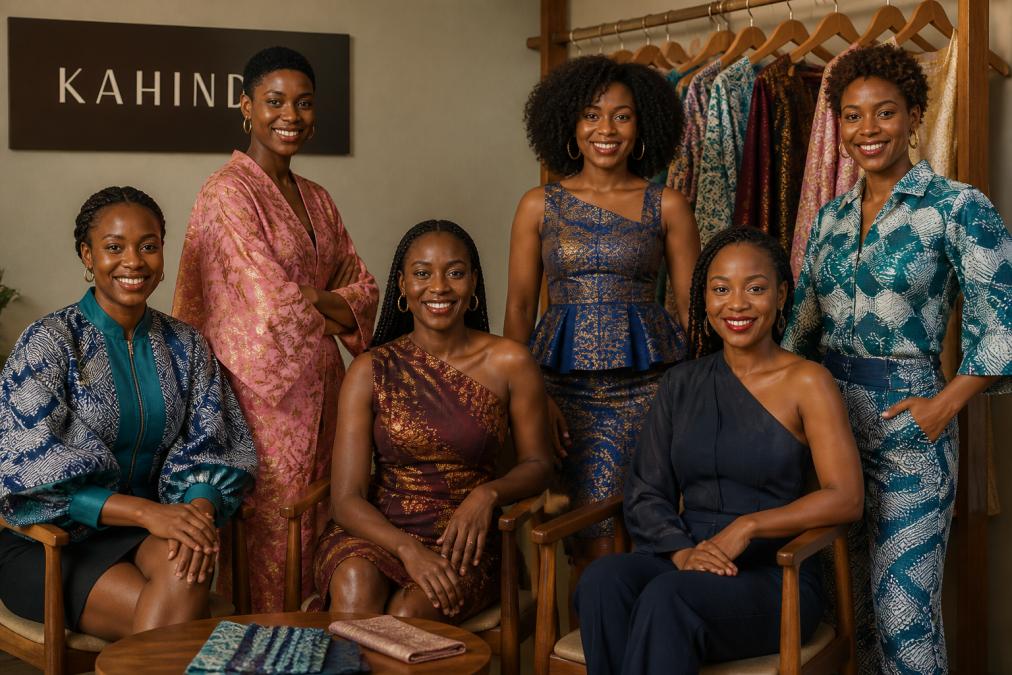
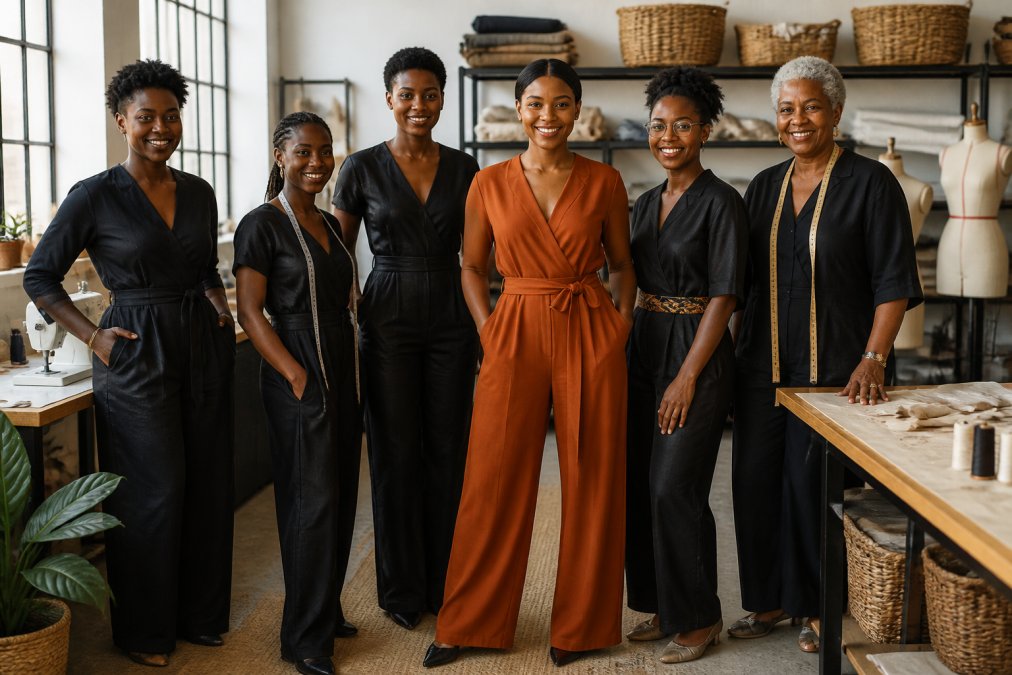
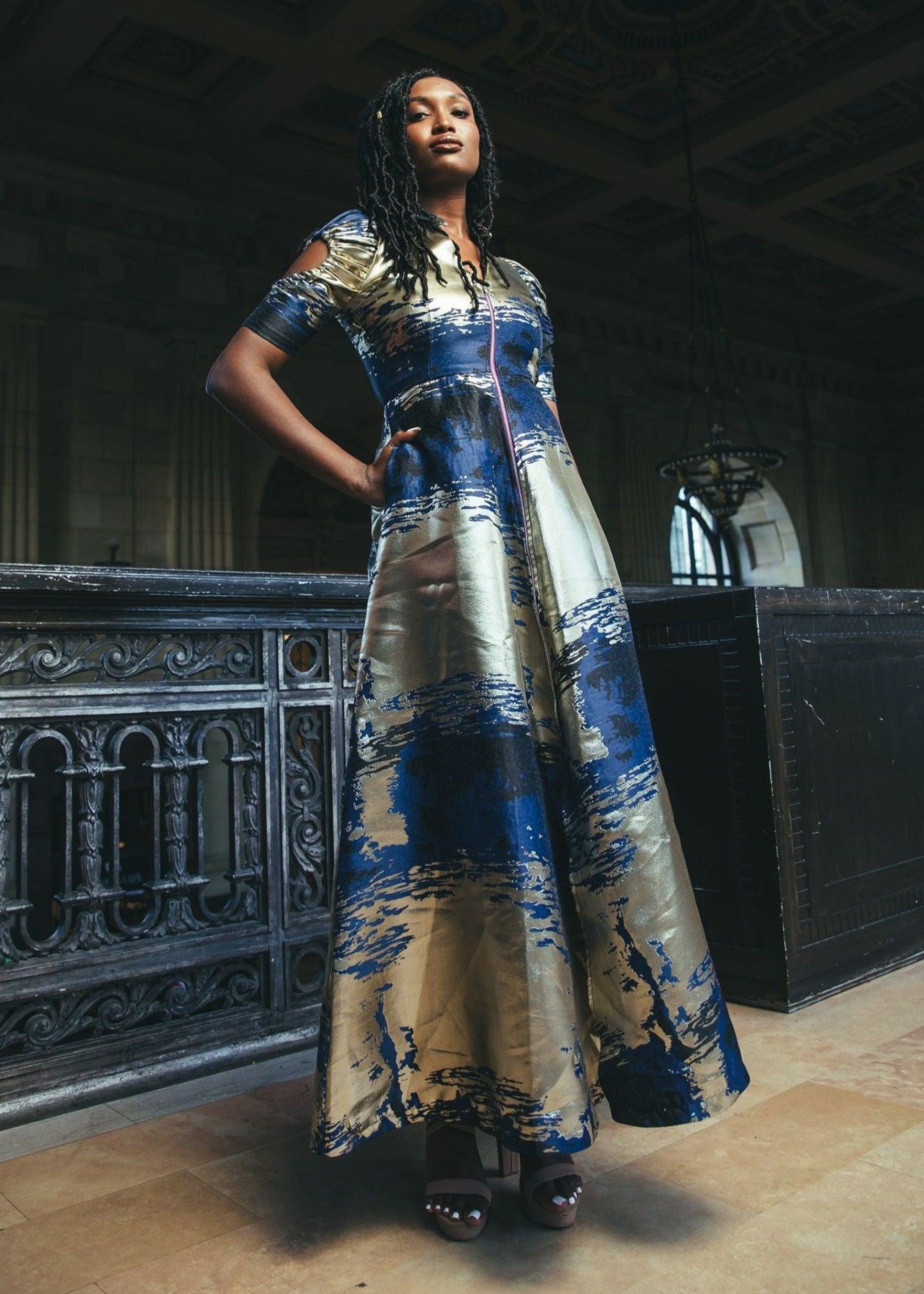
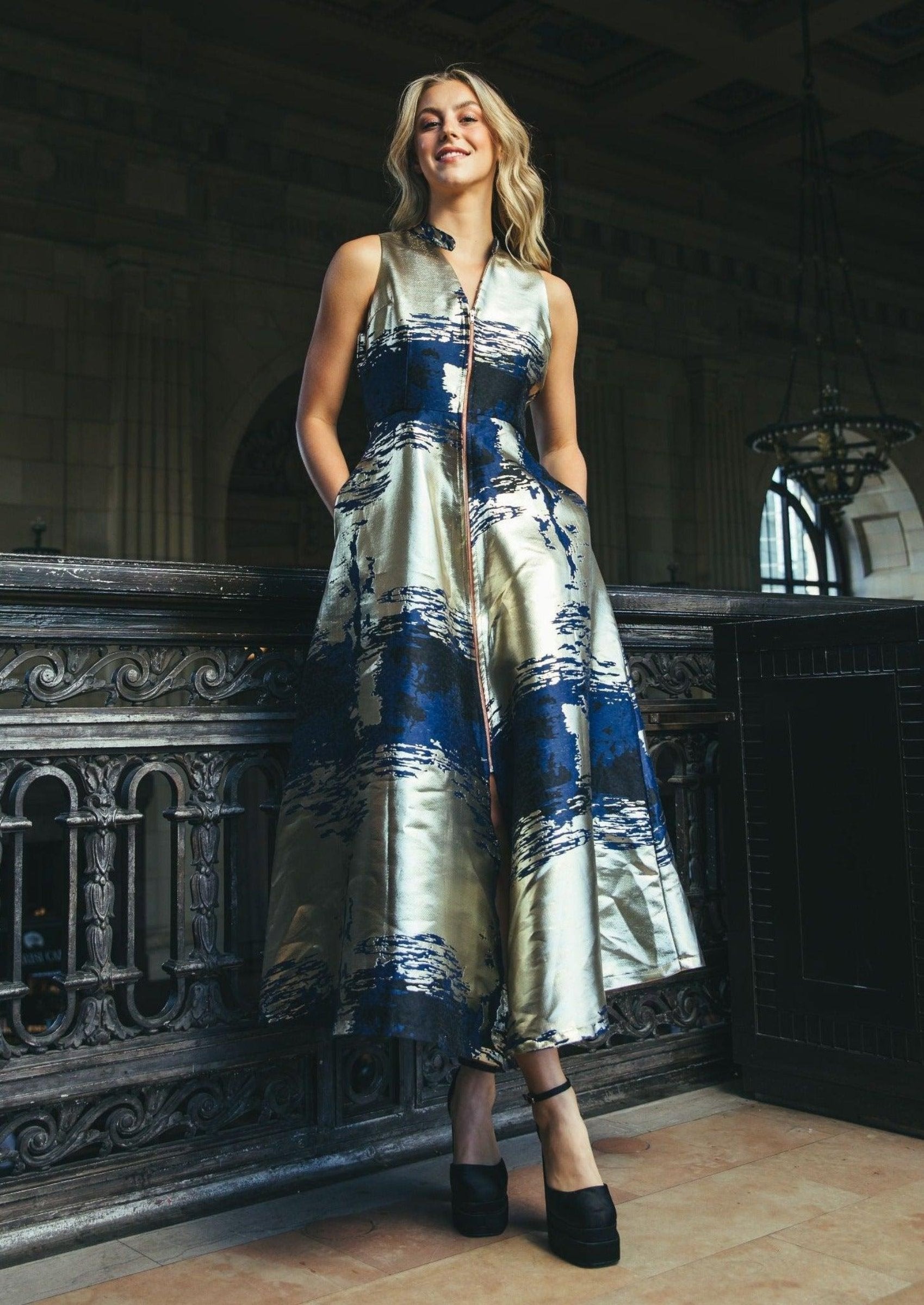
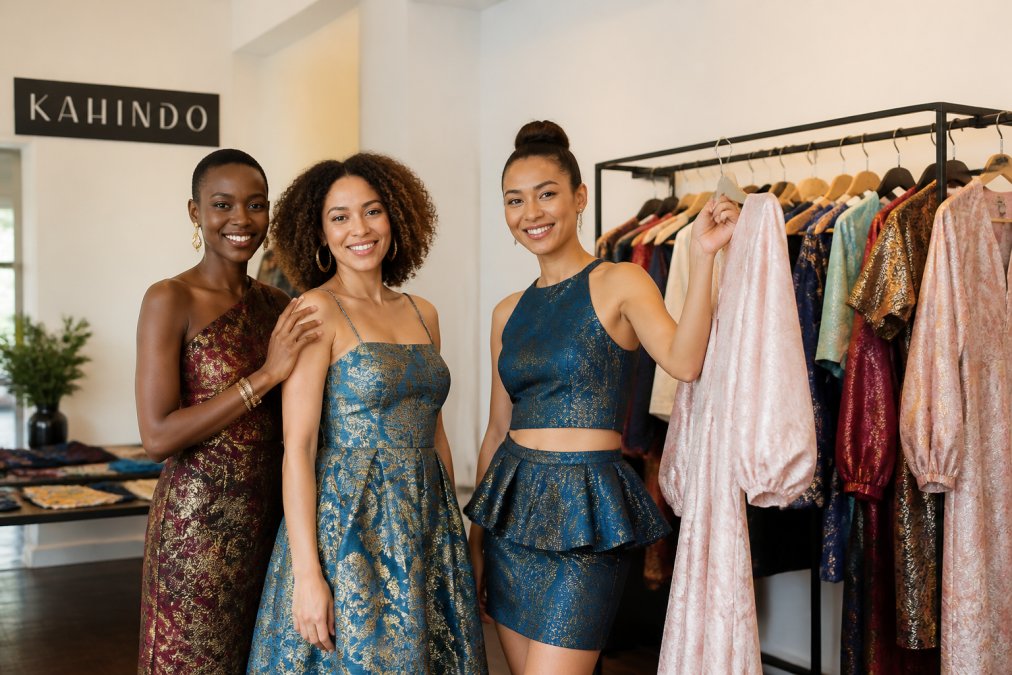
For occasion wear, investment dresses make financial sense. Brands like KAHINDO demonstrate why premium pricing is justified. Each piece is designed in New York and handcrafted by female artisans in Kenya using slow-bath dyeing processes that create unique, non-replicable color gradients. The Cleopatra Maxi Dress at $300 or the Chidi Midi Dress at $288 represent this commitment to quality, singular pieces built to last, not mass-produced garments.
Why Clothing Rental Services Appeal to Occasion Wearers
Rental platforms have captured significant market share by solving a real problem. Around 40% of consumers have tried clothing rental services, with approximately 17% of U.S. adults now using them regularly. The primary draw is access without commitment: you can wear a $2,000 gown for $100, democratizing luxury for price-conscious consumers and those attending formal events infrequently.
Subscription models dominate, accounting for nearly 65% of market adoption. Services like Rent the Runway, with over 11 million members, pioneered this approach. Monthly subscriptions typically cost $80-$150 and allow customers to rotate items regularly. Environmental positioning has also driven adoption, approximately 55% of Gen Z consumers have rented clothes, partly motivated by sustainability concerns.
However, the sustainability claim requires scrutiny. Maxine Bédat, Director at New Standard Institute, warns that "rental is not synonymous with sustainable. Unless the industry addresses the disposability of trends and throwaway culture of today, we will remain on this disastrous path." The environmental impact of constant transportation, frequent dry cleaning, and packaging waste can exceed the impact of owning a dress you wear multiple times.
The rental model appeals to specific segments: those attending one-off events, budget-constrained shoppers, and consumers valuing variety over investment. But hidden costs accumulate quickly.
Cost-Per-Wear Formula: The Real Financial Picture
Understanding cost-per-wear is key to making a rational decision. The formula is simple: total cost divided by number of wears.
Rental companies advertise monthly fees but omit complete costs. A $100 rental fee sounds reasonable until you factor in shipping ($10-$20 each way), potential damage fees ($50-$200), insurance ($5-$15 per rental), and dry cleaning ($15-$40).
Scenario 1: One-time rental
- Rental fee: $100
- Outbound shipping: $15
- Return shipping: $15
- Insurance: $10
- Dry cleaning: $25
- Total: $165 for one wear = $165 per wear
Scenario 2: Owned investment dress (KAHINDO Cleopatra Maxi Dress)

- Purchase price: $300
- Professional dry cleaning (twice per year for 5 years): $300
- Storage and maintenance: $50
- Total: $650 over 5 years
- Cost per wear (assuming 10 wears): $65 per wear
The owned dress becomes economically superior after just 2-3 wears.
| Scenario | Total Cost | Number of Wears | Cost Per Wear |
|---|---|---|---|
| Single rental | $165 | 1 | $165 |
| Three rentals annually | $495 | 3 | $165 |
| KAHINDO investment dress (5 years) | $650 | 10 | $65 |
| Premium retail dress (5 years) | $1,200 | 10 | $120 |
| Fast-fashion dress (2 years) | $120 | 2 | $60 |
Hidden Costs of Renting: Shipping, Insurance, and Cleaning
Rental platforms market simplicity, but the actual experience involves multiple friction points and unexpected expenses.
Shipping and logistics typically cost $10-$20 outbound, with return shipping often included in premium subscriptions but charged separately for basic plans. Rush fees can reach $50. Over a year of regular rentals, shipping costs accumulate to $200-$300.
Damage fees and insurance create financial risk. Rental agreements allow charges for stains, tears, or missing buttons, a small wine stain can trigger $75-$150 charges. Insurance adds $5-$15 per rental but doesn't cover all damage. Most customers discover fine print only after incurring charges.
Dry cleaning and garment care add $15-$40 per rental. Many recommend professional dry cleaning before returning items to avoid damage charges. Fit and sizing uncertainty generates hidden costs through returns and re-rentals, as rental sizing runs inconsistently across designers.
Subscription commitment and usage pressure create psychological costs. Many customers pay monthly but use subscriptions sporadically. Paying $100 monthly but renting only twice per year means effectively paying $600 annually for two wears at $300 per wear. According to research on clothing rental economics, the average renter underutilizes their subscription by 30-40%.
How to Care for Investment Dresses and Maximize Their Lifespan
Buying an investment dress is only half the equation. Proper preservation ensures it delivers value across multiple decades and dozens of wears.
Storage is foundational. Investment dresses require proper hanging in a climate-controlled closet away from direct sunlight. Use padded hangers, never wire hangers that create creases. Use acid-free tissue paper to stuff sleeves and maintain shape. A breathable garment bag protects from dust without trapping moisture.
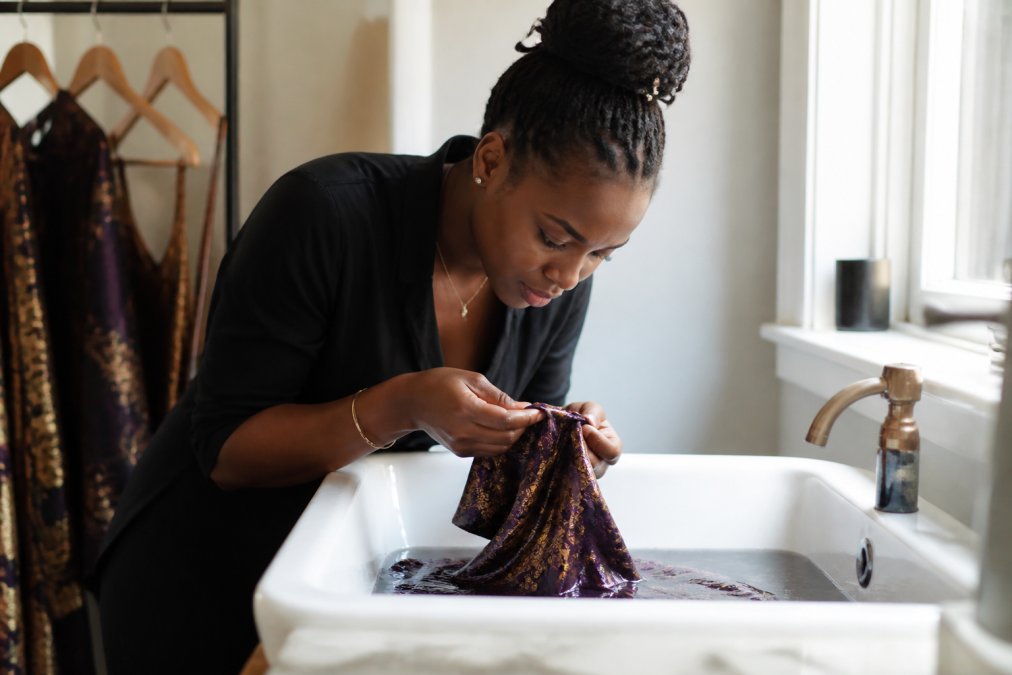
Cleaning requires precision. Most investment occasion dresses demand dry cleaning, but only when necessary, not after every wear. Many high-quality garments can be worn 2-3 times before cleaning if you're careful. Use a dry cleaner experienced with luxury and artisanal pieces. KAHINDO dresses, handcrafted with premium materials and slow-bath dyes, require specialized care.
Repairs should be proactive. A loose seam repaired immediately prevents complete seam failure. Keep contact information for a skilled tailor. Preventive repair ($20-$50) costs far less than replacing an entire dress.
Stain treatment demands immediate attention. Blot spills with a clean cloth, don't rub. Use cold water first; hot water sets protein-based stains permanently. For oil-based stains, use talc powder before cleaning. When in doubt, consult your dry cleaner.
Seasonal storage extends garment life. Ensure the dress is completely clean and dry before storing. Check periodically for moths or mildew. Cedar blocks or lavender sachets provide natural protection.
Building a Capsule Wardrobe for Weddings and Special Events
Strategic investment in a curated collection of occasion dresses creates a capsule wardrobe serving multiple events, seasons, and life stages. A functional collection typically includes 4-6 core pieces: one jewel-tone dress for winter galas, one lighter option for spring and summer weddings, one versatile neutral for professional events, and one statement piece reflecting your personal style.
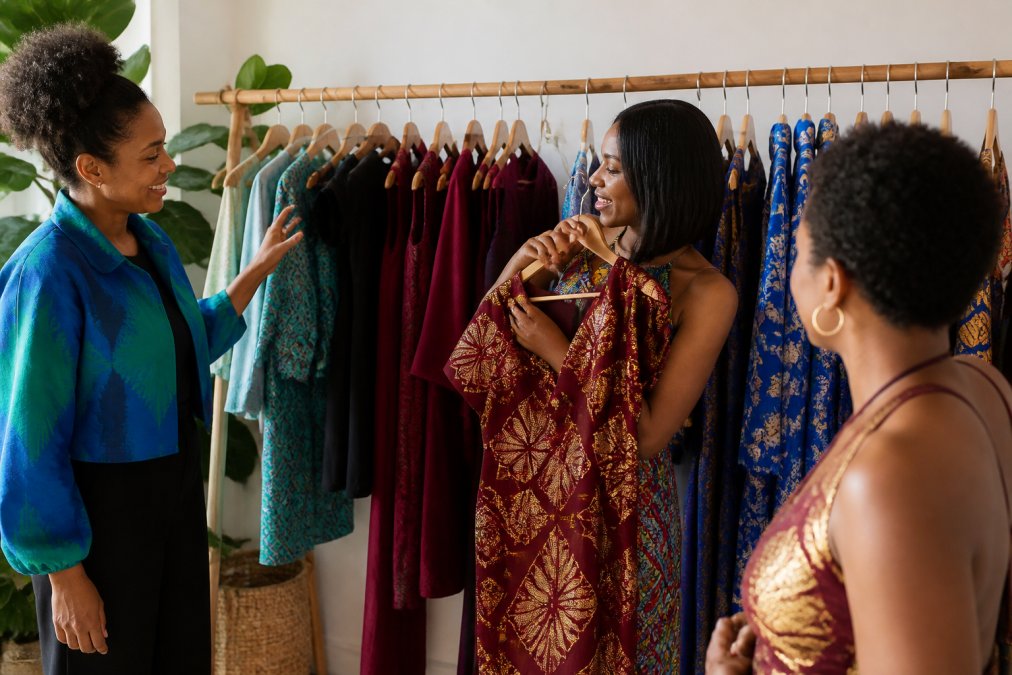
Color selection matters strategically. Jewel tones like sapphire, emerald, and burgundy work across multiple seasons and complement most skin tones. Neutrals like navy, black, and cream provide versatility. One or two statement pieces in bold prints allow you to express personality without needing a completely different wardrobe.
Silhouette diversity ensures options for different contexts. A maxi dress works for formal galas. A midi dress suits cocktail events. A knee-length option handles daytime events. A jumpsuit offers an alternative for those preferring pants.
KAHINDO's approach aligns perfectly with this philosophy. The Cleopatra Maxi Dress ($300) in royal blue serves formal galas. The Chidi Midi Dress ($288) in royal blue works for cocktail events. The Hadiza Mini Dress ($95) in burgundy gold metallic handles nightlife. Together, these pieces create a cohesive collection where each item can be worn multiple times annually.

Fabric quality ensures longevity. KAHINDO pieces use 86% polyester and 14% metallic thread specifically because this blend creates durability, maintains color vibrancy through multiple cleanings, and resists wrinkles. Construction quality, invisible seams, reinforced stress points, professional finishing, determines whether a dress lasts five years or five wears.
Budget allocation prevents capsule creep. Allocate $100-$150 annually for occasion wear if you attend 2-3 formal events yearly. One $300 investment dress annually builds a wardrobe faster than renting at $165 per wear.
Sustainability and Environmental Impact: Renting vs. Owning
The sustainability narrative around fashion rental has become dominant in marketing, but environmental reality is more complex. Rental services market themselves as circular economy solutions, yet omit critical environmental costs.
Transportation generates substantial emissions. Every rental involves at least two shipments, often using expedited shipping that increases carbon intensity. A dress rented five times in a year generates five round-trip shipments, potentially 500+ miles of transportation. This transportation alone can generate 15-20 kg of CO2 per rental cycle.
Dry cleaning compounds environmental damage. Professional dry cleaning uses perchloroethylene (PERC), a toxic solvent that contaminates groundwater and poses health risks to workers. Frequent dry cleaning, necessary for rental garments between customers, creates cumulative environmental and health impacts that owned dresses avoid if washed carefully at home.
Packaging waste is often overlooked. Rental dresses arrive wrapped in plastic mailers with tissue paper and branded inserts. A dress rented five times produces five packaging waste cycles, whereas an owned dress produces one.
The sustainability case for ownership strengthens when considering garment longevity. A dress owned and worn ten times over five years has a lower environmental footprint than the same dress rented ten times. The production phase is amortized across ten wears regardless of ownership model. The difference lies in transportation and cleaning phases, where ownership wins decisively.
KAHINDO's approach emphasizes durability and artisan empowerment rather than consumption reduction. By designing pieces meant to last decades and ensuring fair wages for the women who craft them, the brand prioritizes quality over quantity. A KAHINDO dress worn 20 times over 10 years has an environmental footprint dramatically lower per wear than any fast-fashion alternative.
Conclusion: Making the Right Choice for Your Wardrobe
The decision between buying investment dresses vs. renting depends on your attendance patterns, budget, and values. If you attend formal events fewer than twice yearly, occasional rentals make sense for specific events. But if you attend weddings, galas, and special occasions regularly, investment dresses deliver superior financial and practical value. After 3-5 wears, owned pieces cost less per wear than rentals.
For women seeking investment dresses that deliver on quality, craftsmanship, and ethical production, KAHINDO represents the intersection of these priorities. Each piece is designed in New York and handcrafted by female artisans in Kenya, ensuring fair wages and economic empowerment. The slow-bath dyeing process creates unique, non-replicable colors. Construction quality means these dresses will serve you for decades across dozens of events.
Start with one investment dress that resonates with your style, wear it repeatedly, care for it properly, and watch how it transforms from a purchase into a trusted wardrobe essential. That's the real value proposition of investment dresses: not just financial efficiency, but the confidence that comes from wearing pieces you genuinely love.
Frequently Asked Questions
Is renting a dress cheaper than buying an investment dress?
Not always. A single rental typically costs $30-$100, but the cost-per-wear calculation changes dramatically with repeated use. A $300 investment dress worn 10 times costs $30 per wear; the same dress worn 20 times costs $15 per wear. Rental appeals for one-time occasions, but if you attend multiple formal events yearly, buying emerges as the more financially efficient choice. Research shows 22% of renters cite access to outfits for special occasions, while 20% prioritize cost savings, suggesting the financial advantage is not always clear-cut.
What is the cost-per-wear formula and how does it apply to formal wear?
Cost-per-wear divides the total garment cost by the number of times you wear it. For a $300 dress worn 12 times annually over 5 years (60 total wears), the cost-per-wear is $5. This metric reveals that investment pieces become more affordable the more you wear them. Occasion wear complicates this: if a dress is worn only twice yearly, cost-per-wear stays high ($25 per wear on a $300 dress). However, well-designed pieces in neutral colors or classic silhouettes can be reworn to different events, lowering the true cost-per-wear and justifying the upfront investment.
What are the hidden costs of renting that I should know about?
Subscription and rental platforms account for nearly 65% of market adoption, but they carry often-overlooked expenses: shipping fees (typically $10-$20 each way), insurance or damage waivers ($5-$15 per rental), dry cleaning charges if you're liable for stains, and rush delivery fees. A $50 dress rental can quickly become $85-$100 with these add-ons. Additionally, fit guarantees vary, sizing inaccuracy means you may need to re-rent or pay return shipping. Over multiple events per year, these costs accumulate, sometimes exceeding the cost of owning a quality piece outright.
How should I care for an investment dress to ensure it lasts?
Proper garment care extends the lifespan and resale value of investment pieces. Always follow care labels, most luxury occasion wear requires dry cleaning only. Store dresses on padded hangers in breathable garment bags away from direct sunlight to prevent fading and fiber degradation. Address stains immediately and have them professionally treated before dry cleaning. Rotate pieces between wears to allow fibers to rest and recover. For handcrafted pieces like those from ethical luxury brands, this intentional care honors the artisan labor invested and maximizes the cost-per-wear over years of wear.
Ready to build your occasion-wear collection with pieces that look good, feel good, and do good? Shop KAHINDO's handcrafted dresses at kahindo.com. Each piece supports female artisan empowerment in Kenya while delivering the timeless elegance and bold prints that make you unforgettable at every celebration.
This article was written using GrandRanker