

Article: How to Measure for Formal Dresses: A Complete Guide
How to Measure for Formal Dresses: A Complete Guide
Table of Contents
- What You'll Need to Measure for Formal Dresses
- How to Measure Bust, Waist, and Hips
- Measuring for Length and Hem
- Understanding Formal Dress Size Charts
- Common Formal Wear Sizing Mistakes to Avoid
- Tips for Accurate Measurements
- Frequently Asked Questions
Last Updated: September 19, 2026
What You'll Need to Measure for Formal Dresses
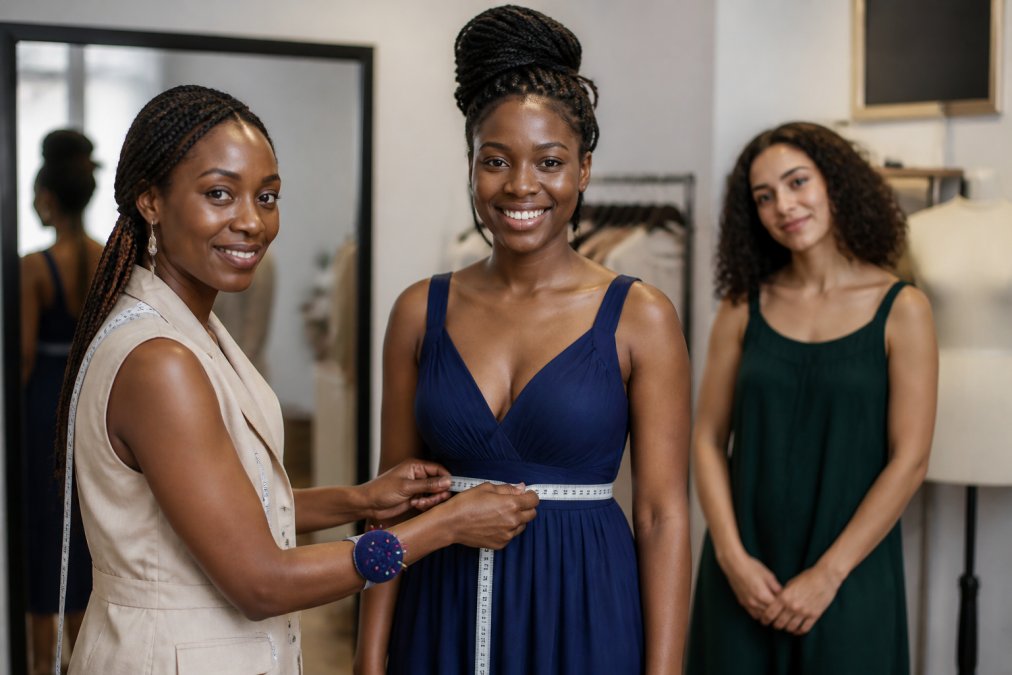
A flexible tape measure is essential for accurate measurements. This soft, pliable tool wraps around your body curves without distorting readings. Avoid rigid rulers or metal tape measures.
Wear minimal undergarments while measuring, heavy padding or shapewear adds inches that won't be there on the day you wear your dress. Stand in front of a mirror so you can see the tape position.
Record each measurement immediately. Measure twice for greater accuracy.
Here's what to gather before you start:
- Flexible tape measure (soft fabric, not metal)
- Minimal undergarments (basic bra and underwear)
- Notebook or phone to record numbers
- Mirror (optional but helpful)
- A friend to help (optional but recommended)
A second person can hold the tape steady and reduce errors.
How to Measure Bust, Waist, and Hips
These three measurements form the foundation of how to measure for formal dresses.
Measuring Your Bust
Stand straight with arms at your sides. Wrap the tape around the fullest part of your bust, keeping it level. The tape should be snug but not tight, you should fit one finger underneath. Pulling too tight makes the dress smaller than needed and restricts movement.
Measuring Your Natural Waistline
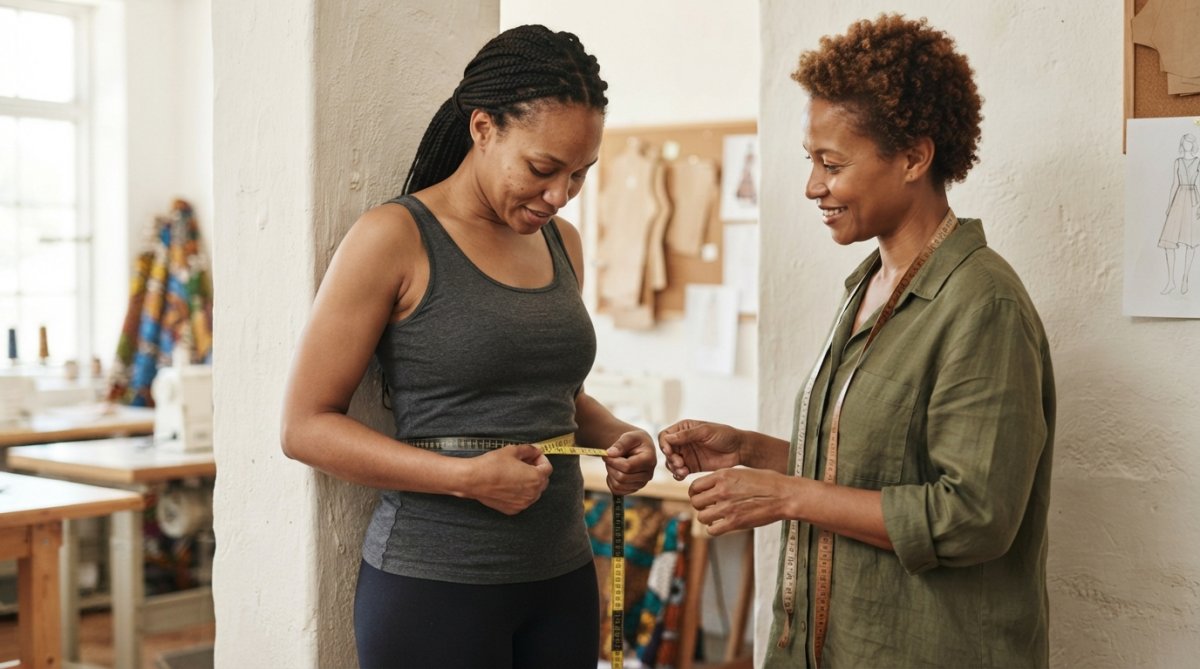
Find your natural waistline by bending sideways and feeling where the crease forms, usually about an inch above your hip bones. Wrap the tape level and horizontal around this point, snug but not tight. Breathe normally; holding your breath changes your measurement by up to an inch.
Measuring Your Hip Circumference
Measure at the fullest part of your hips (typically 7-9 inches below your waistline) with feet about 6 inches apart. Keep the tape level and snug but comfortable, with room for one finger underneath. This measurement is crucial for fitted silhouettes.
| Measurement | Location | Tape Position | Common Mistake |
|---|---|---|---|
| Bust | Fullest part of chest | Level and horizontal | Pulling too tight |
| Waist | Natural bend point | Level and horizontal | Holding breath |
| Hips | Fullest part of hips | Level and horizontal | Measuring too high or low |
Measuring for Length and Hem
Length measurements determine how your dress will hang. The correct method depends on the dress neckline and style.
Full-Length Gown Measurements
For full-length gowns, measure from the base of your neck to the floor in bare feet or the shoes you'll wear. For low-back or open-back gowns, measure from the highest shoulder point. For strapless gowns, measure from the top of your shoulder bone to the floor.
Accounting for Heel Height
Measure in the heels you'll wear to the event, or add that heel height to your barefoot measurement. Decide on your footwear before measuring to avoid a dress that's too long or too short.
Midi and Knee-Length Measurements
For midi-length dresses, measure from shoulder to the midpoint of your calf. For knee-length dresses, measure from shoulder to the center of your kneecap. Even a half-inch difference affects how the dress looks.
Inseam and Torso Length
Inseam length (inner thigh to ankle bone) is useful for high-slit formal dresses. Torso length (base of neck to waistline) helps with empire-waist or high-waisted styles if you have a longer or shorter torso than average.
Accounting for Fabric Drape and Train Length
Stiff fabrics like taffeta hang more rigidly than fluid fabrics like chiffon. For dresses with trains, check the product description for train length, chapel trains (about 1 yard) are practical for dancing, while cathedral trains (2+ yards) are more formal.
Measuring for Alterations
Many formal dresses come with standard hem lengths. If you're taller or shorter than average, you may need alterations. Knowing your exact length measurements before ordering helps you understand what adjustments might be necessary and their cost.
When you receive your dress, try it on in the shoes you'll wear to the event and have someone pin or mark where the hem should fall. This is more accurate than relying on the original hem, especially if the dress was made to a standard height that doesn't match your proportions.
Understanding Formal Dress Size Charts
A formal dress size chart translates your measurements into a specific size. Different brands use different sizing standards, so checking the size chart is essential before ordering. However, knowing how to read and act on a size chart goes beyond simply matching your bust to a number.
How to Read a Size Chart
Most formal dress size charts include bust, waist, and hip measurements for each size. Some also include length measurements and shoulder width. When you compare your measurements to the chart, look for the size where your measurements fall closest to the listed dimensions, not just one measurement, but the overall fit profile.
A comprehensive size chart shows bust, waist, hip, and length measurements for each size. Charts with only bust size are less helpful because formal dresses fit across multiple dimensions. For example, a dress might be sized 6 in the bust but run tight in the hips, which the chart would reveal if you compare all three measurements.
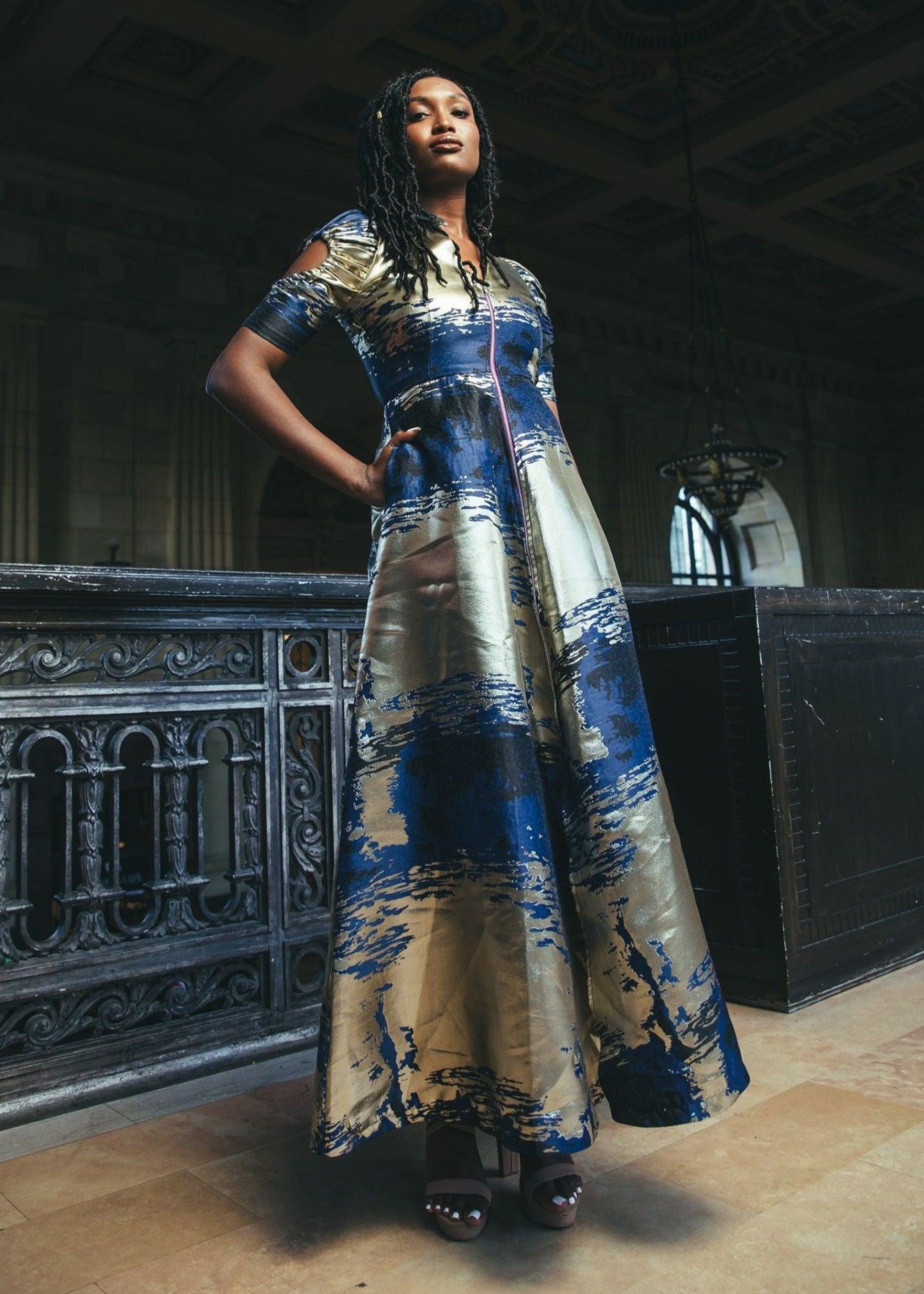
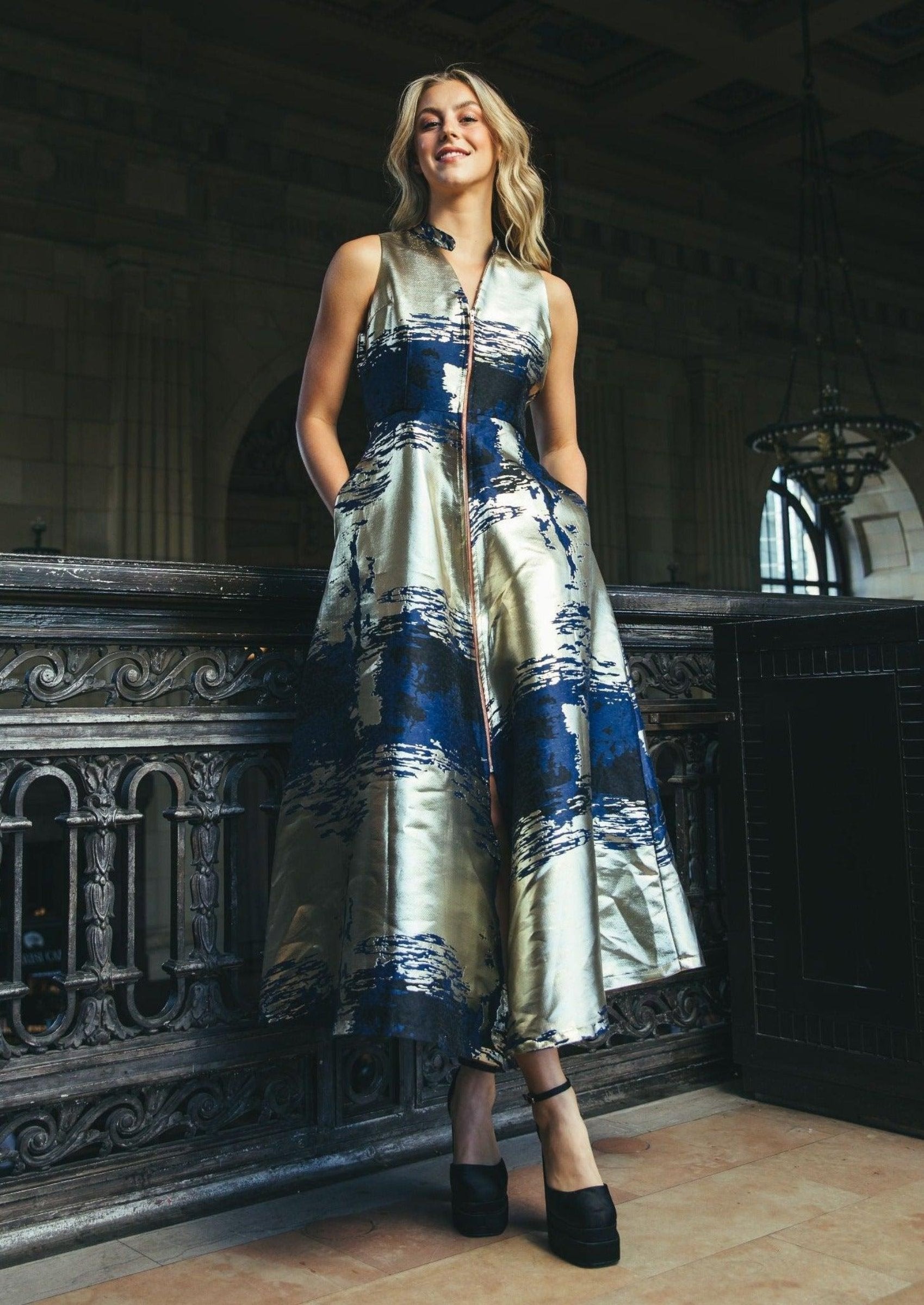
Burgundy Gold Metallic Jacquard Halter →
What to Do When You Fall Between Two Sizes
This is where most guidance stops, but it's where real fit decisions happen. If your measurements fall between two sizes, you need a strategy based on the dress style and fabric.
For fitted silhouettes (sheath, mermaid, bodycon): Size up. A fitted dress that's too snug will pull, create unflattering lines, and restrict movement. One size up in a fitted dress still looks tailored but allows comfort. You can always have the dress taken in by a tailor if needed; letting out seams is more difficult and expensive.
For A-line and flowing silhouettes: You have more flexibility. If your bust falls between sizes but your hips are closer to the smaller size, the A-line cut will accommodate the difference. Check the size chart for where your largest measurement (usually hips) falls, then size accordingly.
For empire waist and high-waisted styles: Focus on the bust and shoulder width if available. These styles don't rely on waist fit, so a slightly larger size won't create excess fabric at the midsection.
Accounting for Fabric and Stretch
Size charts assume standard fabric behavior. A dress cut from non-stretch taffeta or structured satin will fit differently than one made from stretch crepe or jersey. If the product description notes the fabric is stretch or has elastane content, you may be able to size down slightly because the fabric will conform to your body. Non-stretch fabrics need more room built in.
Using Customer Reviews and Fit Notes
Some formal dresses run small or large. Check customer reviews and fit notes on the product page. If multiple reviewers note that a dress "runs small," you may need to size up from your calculated size. If it "runs large," you might size down. These notes come from real customers who've worn the dress and provide crucial real-world data that the size chart alone doesn't capture.
Look for reviews from people with similar body shapes or measurements to yours. A reviewer who says "I'm 5'10" and usually wear a size 8, and this dress fit perfectly in a size 8" is more useful than a generic "great fit" comment.
When to Order Multiple Sizes
If you're uncertain between two sizes and the dress is returnable, ordering both sizes to try on at home is a legitimate strategy. This is especially true for expensive formal dresses where fit is critical. Many online retailers offer free returns, making this a low-risk way to find your true size in that specific dress.
Common Formal Wear Sizing Mistakes to Avoid
Understanding what not to do helps you measure correctly. Many people make the same mistakes when measuring for formal dresses, which leads to poor fit.
Don't measure while wearing your normal clothes or heavy shapewear. The extra fabric and padding add inches that won't be there when you wear your dress. Measure in minimal undergarments so your numbers reflect your actual body.
Avoid pulling the tape measure too tight. A tight measurement makes your dress smaller than it should be. The dress will feel uncomfortable and restrict your movement. Your tape should be snug but allow one finger to slide underneath.
Don't measure while holding your breath. Many people unconsciously hold their breath when measuring, which changes their waist and bust measurements. Breathe normally and relax your body while you measure.
Skipping the length measurement is a common mistake. You can't assume standard lengths will work for your body. If you're very tall or short, you need to know your exact measurements to plan for hemming.
Ignoring the size chart is another frequent error.
Tips for Accurate Measurements
Accuracy matters when you're investing in a formal dress. These tips help you get measurements you can trust.
Frequently Asked Questions
How do I know what size formal dress I am?
Measure your bust, waist, and hips using a flexible tape measure while standing straight and wearing undergarments (no padding or structured bras). Compare your measurements to a formal dress size chart, most brands base sizing on bust measurement first, then waist and hip. Keep in mind that handcrafted pieces like KAHINDO's dresses may vary slightly from mass-produced sizing, so always check the specific size chart for the garment you're ordering.
Should I wear heels when measuring for a floor-length gown?
Yes. Measure for length while wearing the heels you plan to wear with the dress. This ensures the hemline falls at the correct height, typically touching the top of your shoe without dragging on the ground. If you're unsure about heel height at purchase time, measure in flats and add 1-2 inches to account for standard formal footwear, then communicate your final heel height to a seamstress for tailoring if needed.
Do formal dresses typically run small?
Many formal dresses, especially handcrafted pieces, run true to size or slightly small. KAHINDO's Hadiza Mini Dress, for example, runs small and the brand recommends sizing up. Always check the specific product's size notes before ordering. When in doubt, measure carefully against the dress's size chart rather than relying on your usual ready-to-wear size, formal wear often has different proportions than everyday clothing.
What length should a formal dress be?
Floor-length gowns should touch the top of your shoe or hover just above it when you're wearing the heels you'll wear to the event. Midi dresses typically fall mid-calf, while mini formal dresses end at mid-thigh. Measure from your hollow to the floor (or to your desired hemline) while standing straight and wearing appropriate footwear. This vertical measurement is critical for ensuring the dress drapes elegantly without tripping hazards or unflattering shortness.