

Article: Ethical Luxury Fashion Brands: 2026 Guide
Ethical Luxury Fashion Brands: 2026 Guide
Table of Contents
- What Defines Ethical Luxury Fashion Brands
- How to Identify Ethical Fashion Brands
- Comparing Supply Chain Transparency and Fair Labor
- Is Zara Ethical Now and What It Means for Luxury Consumers
- Artisan-Made Luxury Clothing: Craftsmanship as an Ethical Asset
- Certifications and Third-Party Verification in Ethical Luxury
- Investment Value: Resale and Longevity of Ethical Luxury Pieces
- Frequently Asked Questions
Last Updated: September 18, 2026
What Defines Ethical Luxury Fashion Brands
Ethical luxury fashion brands combine high-end craftsmanship with transparent, fair production practices that prioritize worker welfare and environmental responsibility. Unlike fast fashion, ethical luxury focuses on longevity, traceability, and the human stories behind each garment.
Ethical luxury adds accountability: knowing where materials come from, how workers are treated, environmental impact, and whether the brand stands behind its pieces. This approach treats African provenance and artisan craftsmanship as primary luxury assets, not marketing footnotes.
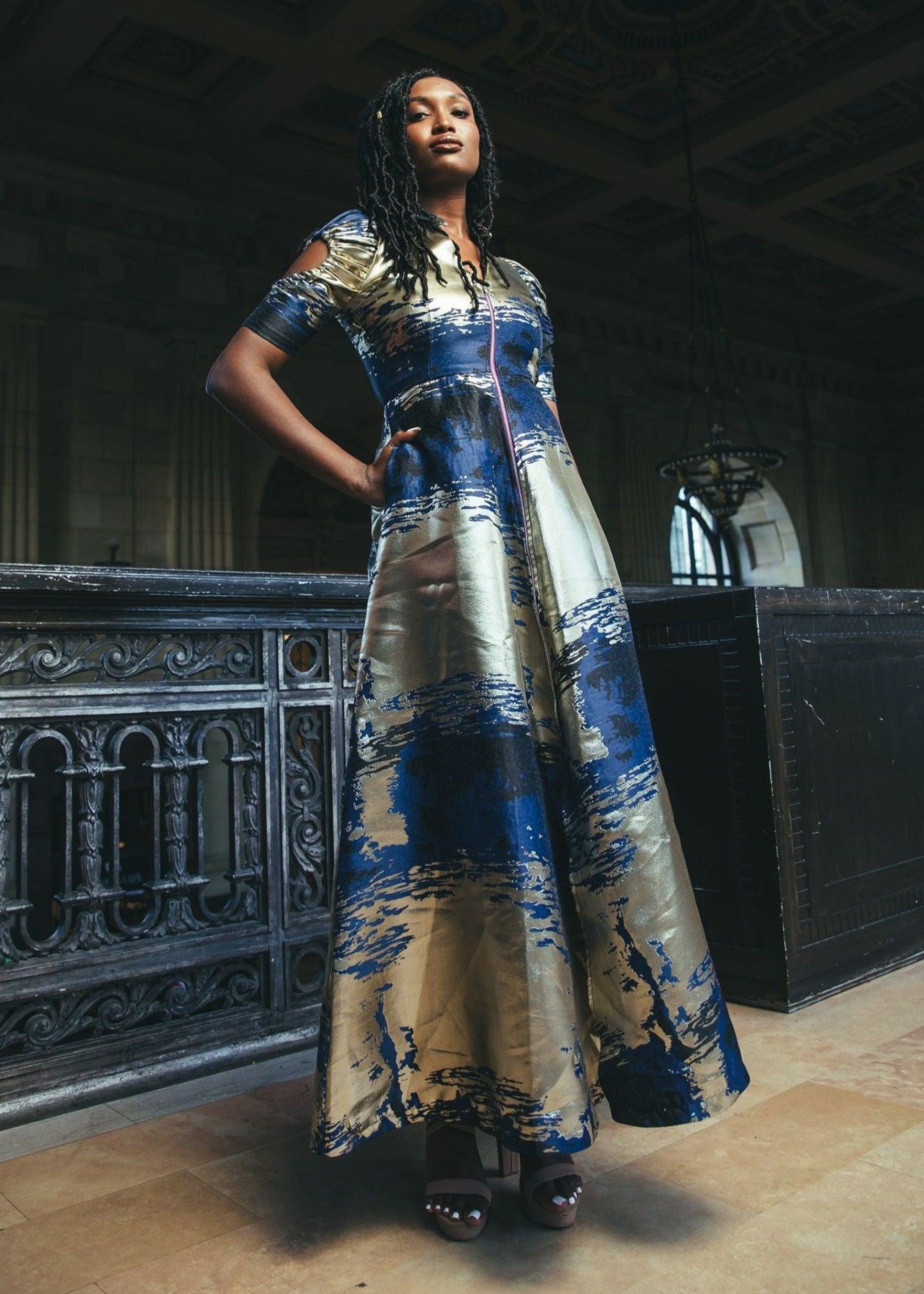
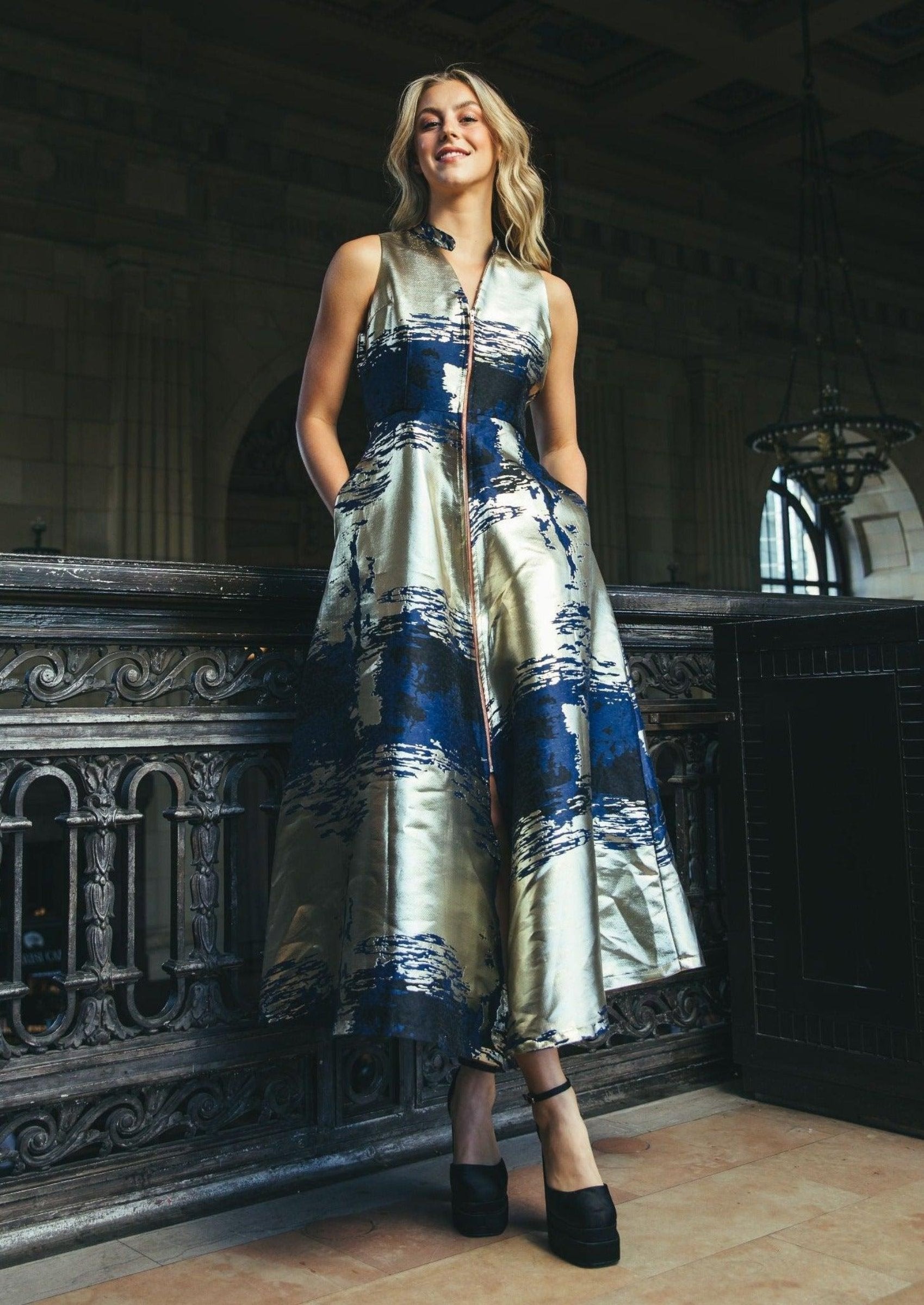
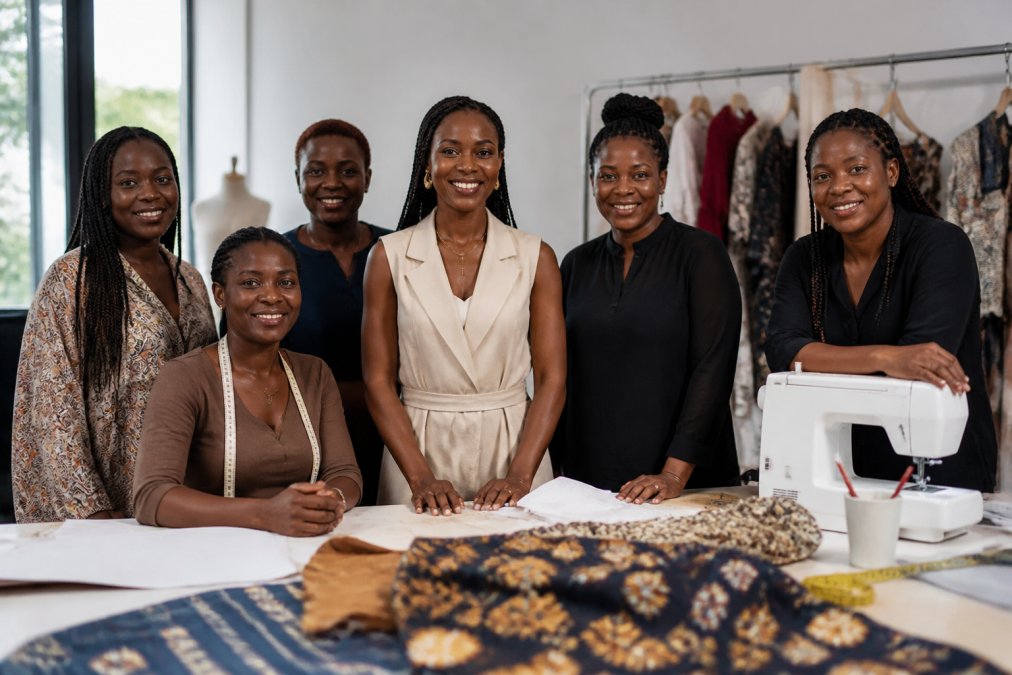
At KAHINDO, this philosophy shapes every decision. Each handcrafted piece designed in New York and produced by female artisans in Kenya comes with a provenance card documenting the artisan and labor hours. The brand's mission, "Fashion That Looks Good, Feels Good & Does Good", reflects a belief that luxury should help the people making it.
What separates ethical luxury from greenwashing is specificity. True ethical luxury brands provide supply chain transparency, third-party verification, and measurable commitments to fair wages and working conditions, not vague sustainability claims.
How to Identify Ethical Fashion Brands
Identifying ethical fashion brands requires looking beyond marketing language. Ask: Can I trace where this was made? Who made it, and were they fairly compensated? Will this piece last long enough to justify its price?
Check for supply chain transparency. Ethical brands publish information about their factories, artisans, or production partners. They name locations, share photos, and often provide direct connections to makers. KAHINDO includes artisan names on provenance cards. Other brands publish detailed factory audits or partner directly with cooperatives. If a luxury brand won't tell you where it's made or who made it, that's a red flag.
Look for third-party certifications. Organizations like Fair Trade USA, Global Organic Textile Standard (GOTS), and B Corp verify production claims through independent auditing. A brand displaying these logos has submitted to external scrutiny and is far more reliable than unverified brand claims.
Evaluate material sourcing. Ethical brands source organic textiles, deadstock fabrics, or regenerative materials. They document where fibers come from and what production methods were used. Low-impact dyes, natural processing, and waste reduction are standard practices. Ask whether materials are biodegradable, recyclable, or designed for longevity.
Assess business structure. Brands owned by artisan cooperatives or with direct partnerships to female-led production communities typically have stronger accountability. Kahindo Mateene's design experience and Tory Burch fellowship shaped KAHINDO's approach to blending African textile traditions with contemporary luxury.
Review customer feedback and press coverage. Vogue, Elle, The New York Times, and Essence have covered KAHINDO's ethical production. Consistent coverage across multiple outlets suggests legitimate practices.
Comparing Supply Chain Transparency and Fair Labor
Supply chain transparency and fair labor practices are where ethical luxury proves itself. Many brands claim fair wages; few document it publicly.
Transparency means naming names. KAHINDO's partnership with female artisans in a Nairobi cooperative is specific. Transparent brands publish supplier lists, factory audits, wage data, and pricing breakdowns showing allocation to materials, labor, overhead, and profit.
Fair labor means living wages, not minimum wage. Fair trade certification requires wages covering food, housing, healthcare, and education. Ethical brands commit to regular wage reviews based on cost of living increases.
Worker rights extend beyond wages. Safe working conditions, reasonable hours, freedom of association, and the right to organize are non-negotiable. Brands using third-party auditors can demonstrate compliance. Some go further, KAHINDO's model of partnering with female artisans directly addresses gender equity in fashion production.
Traceability creates accountability. When a brand can trace each garment to the person who made it, shortcuts become impossible. A dress with a provenance card naming the artisan and documenting labor hours creates a direct connection between consumer and maker. This model makes exploitation visible and personal.
Environmental impact assessment goes hand-in-hand with labor practices. Ethical brands measure carbon footprint, water usage, chemical discharge, and waste. Slow-bath dyeing, used in KAHINDO's hand-dyed pieces, is more environmentally conscious than industrial dyeing.
| Transparency Element | What to Look For | Why It Matters |
|---|---|---|
| Supplier disclosure | Named factories, cooperatives, or artisan partners with locations | Prevents hidden exploitation |
| Wage documentation | Published fair wage rates and regular audits | Ensures workers earn living wages |
| Labor standards | Written policies on hours, safety, and worker rights | Protects worker wellbeing |
| Environmental data | Carbon, water, and chemical impact measurements | Demonstrates sustainability commitment |
| Third-party verification | Certifications from independent auditors | Proves claims beyond marketing |
| Artisan attribution | Named makers with photos or stories | Creates accountability and human connection |
Is Zara Ethical Now and What It Means for Luxury Consumers
Zara's relationship with ethical production has evolved, but important distinctions remain between fast fashion transparency efforts and true ethical luxury.
Zara has made sustainability commitments and reduced water consumption. However, its rapid design-to-shelf cycles, high-volume production, and low price points fundamentally conflict with ethical luxury principles.
The speed problem. Ethical production requires time for handcrafting, slow-bath dyeing, and fair labor practices. Zara's model turns trends into garments in weeks, incompatible with artisan-made luxury or supply chain transparency at scale.
The price-wage disconnect. A $40 Zara dress cannot support fair wages, quality materials, and overhead. KAHINDO pieces start at $55 and reach $280 because handcrafted production and fair wages require that investment.
Scale vs. accountability. Zara operates thousands of stores with millions of pieces in production. Ethical luxury brands operate smaller production runs, enabling direct maker relationships and transparency. You can know who made your KAHINDO dress; you cannot know who made your Zara piece.
What this means for luxury consumers: Zara's improvements don't constitute ethical luxury. If you're seeking genuine artisan craftsmanship, supply chain transparency, and direct support for female artisans, ethical luxury requires accepting higher prices and longer wait times that reflect the true cost of responsible production.
The question isn't whether Zara is "ethical enough." It's whether you're willing to invest in pieces made with transparency, intention, and care. That choice defines ethical luxury consumption.
Artisan-Made Luxury Clothing: Craftsmanship as an Ethical Asset
Artisan-made luxury clothing treats handcraftsmanship as a primary value, not a production method. When a dress is handmade by a named artisan, that human skill becomes part of the garment's worth.
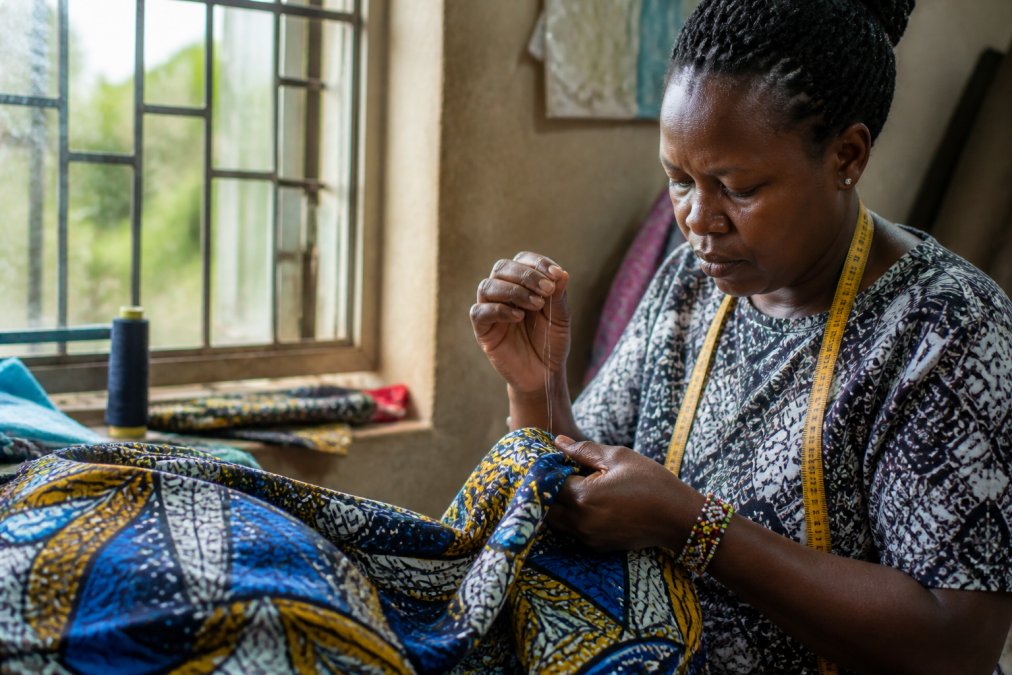
KAHINDO exemplifies this: each piece is designed in New York and handcrafted in Kenya, honoring African textile traditions and female artisan expertise. The slow, intentional process creates pieces that cannot be replicated by machines.
Why artisan-made matters. Handcrafted garments contain variations, a hand-dyed dress has subtle color shifts machine production cannot achieve. These variations prove authenticity and uniqueness; you're buying a singular garment made by a specific person.
Longevity as ethical value. Artisan-made pieces are designed to last decades. A $280 KAHINDO jumper worn 50 times costs $5.60 per wear; a $40 fast-fashion dress worn five times costs $8 per wear. Longevity reduces waste and consumption.
Economic empowerment. Your money goes directly to the maker. KAHINDO's female artisans in Kenya earn fair wages and build economic independence through their craft, supporting women's economic empowerment.
Cultural preservation. Artisan-made luxury often roots itself in heritage techniques. KAHINDO's collections draw from Congolese textile traditions and Kenyan craftsmanship. Supporting artisan production preserves cultural knowledge and prevents the homogenization of global fashion.
Certifications and Third-Party Verification in Ethical Luxury
Certifications provide independent verification that ethical claims are real. Without them, you're trusting a brand's word. With them, you're trusting auditors.
Fair Trade Certification verifies that workers earn fair wages, work in safe conditions, and have the right to organize. Fair Trade USA and other certifying bodies conduct unannounced factory audits. Products bearing the Fair Trade label have passed rigorous standards. KAHINDO's fair-trade partnerships with Kenyan artisans meet these requirements.
Global Organic Textile Standard (GOTS) certifies organic fiber production and processing. GOTS-certified textiles are grown without synthetic pesticides, processed without harmful chemicals, and traceable from farm to finished product. Brands using GOTS materials can prove their organic claims.
B Corp Certification evaluates a company's entire operation, not just products. B Corps meet high standards for worker treatment, environmental responsibility, and community impact. They're legally required to consider stakeholder interests, not just shareholder profit. This certification signals comprehensive ethical commitment.
Carbon Trust Standard verifies a brand's carbon footprint and reduction efforts.
Investment Value: Resale and Longevity of Ethical Luxury Pieces
Ethical luxury pieces hold value better than fast fashion because they're built to last and designed with timelessness in mind.
Frequently Asked Questions
How can I verify if a luxury brand is truly ethical?
Look for transparent supply chain documentation, third-party certifications like Fair Trade or B Corp status, and detailed information about labor practices and wages. Ethical luxury brands publish provenance cards, conduct independent audits, and disclose their production locations and artisan partnerships. Request specific evidence of fair wages, working conditions, and environmental impact assessments rather than relying on marketing claims alone.
What certifications should I look for in ethical luxury clothing?
Seek third-party certifications such as Fair Trade Certified, B Corp certification, and GOTS (Global Organic Textile Standard). These verify independent auditing of labor practices, environmental standards, and supply chain transparency. Brands that display these certifications have undergone rigorous assessment and ongoing compliance monitoring, providing concrete proof beyond self-reported ethical claims.
Is artisan-made luxury clothing always more ethical than mass-produced fashion?
Artisan-made luxury clothing has ethical advantages when produced through fair-trade partnerships with documented living wages and safe working conditions. However, the artisanal label alone doesn't guarantee ethics. Verify that artisan producers receive fair compensation, have transparent contracts, and work in safe environments. True ethical artisan luxury combines traditional craftsmanship with documented labor equity and environmental responsibility.
How does ethical luxury fashion compare in price to fast fashion alternatives?
Ethical luxury fashion costs significantly more than fast fashion due to fair wages, sustainable materials, and artisan labor. While fast-fashion dresses may have lower price points, KAHINDO's ethical luxury pieces range from $55-280. This price difference reflects the actual cost of ethical production. However, ethical luxury pieces offer superior durability and resale value, making them a better long-term investment than disposable fast fashion.