

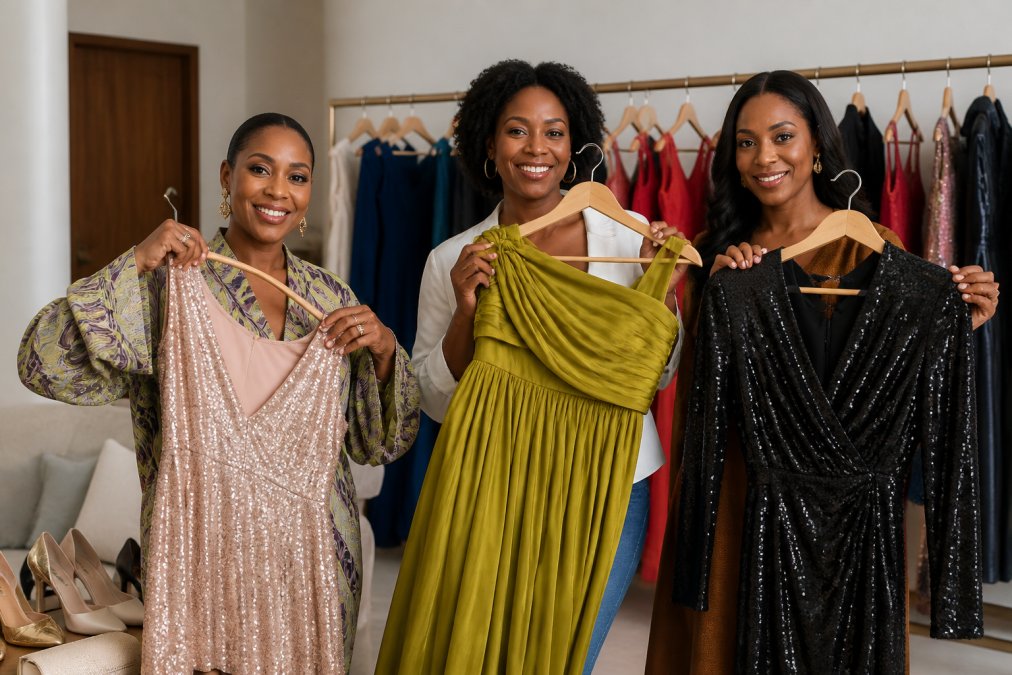
Renting vs Buying Luxury Dresses: Cost, Quality & Value
Table of Contents
- Renting vs Buying Luxury Dresses: Quick Comparison
- The Real Cost of Renting Designer Gowns
- Best Investment Dresses for Weddings and Special Occasions
- Cost-Per-Wear Calculation: How to Compare Real Value
- Hidden Costs and Practical Concerns with Rental Services
- Sustainability, Quality, and Long-Term Wardrobe Value
- When to Buy and When to Rent
- Conclusion
- Frequently Asked Questions
Last Updated: September 20, 2026
Renting vs Buying Luxury Dresses: Quick Comparison
The choice between renting and buying luxury dresses hinges on one simple question: how often will you wear it, and what matters more, cost savings or ownership? For most women attending weddings, galas, and special occasions, renting vs buying luxury dresses presents a genuine trade-off. This guide from KAHINDO explores both paths so you can make the choice that fits your lifestyle, budget, and values.
Renting offers immediate affordability and variety. Buying demands upfront investment but builds a wardrobe of pieces you control, style repeatedly, and own outright. The real answer depends on your event frequency, fit preferences, sustainability values, and how you define luxury.
| Aspect | Renting | Buying |
|---|---|---|
| Upfront Cost | $50-$200 per event | $75-$370+ one-time |
| Cost Per Wear (5+ events) | $50-$200 each | $15-$74 per wear |
| Ownership | Temporary | Permanent |
| Customization | Limited to available sizes | Full alterations possible |
| Environmental Impact | Shared use reduces waste | Single-owner, long-term use |
| Fit & Comfort | Risk of poor fit, rush returns | Tailored to your body |
| Quality Control | Variable inventory condition | Consistent, handcrafted quality |
| Styling Freedom | Rental terms restrict wear | Wear, restyle, repurpose |
The Real Cost of Renting Designer Gowns
Rental fees are only the beginning. Many rental services charge $50-$200 per event, but the hidden costs add up quickly and often surprise customers.
Shipping is the first hidden layer. Most rental platforms charge $15-$30 each way, or offer "free" shipping bundled into higher rental rates. If the dress arrives damaged or doesn't fit, you're paying to ship it back and potentially renting a replacement, another full rental fee. Some services charge restocking fees if you return early or late.
Insurance and damage liability create another cost tier. Rental services typically offer optional damage waivers for $15-$50 per rental. Without it, you're liable for the full replacement cost of the dress, which can exceed $500 for designer pieces. Many customers skip the waiver to save money, then stress throughout the event about accidental stains or tears.
Dry cleaning is often your responsibility. Even though rental dresses are "cleaned and ready," rental terms typically require you to dry clean before returning. A designer gown dry cleaning costs $30-$75, sometimes more. Some rental services charge a "cleaning fee" if they detect stains, adding another $25-$100 to your final bill.
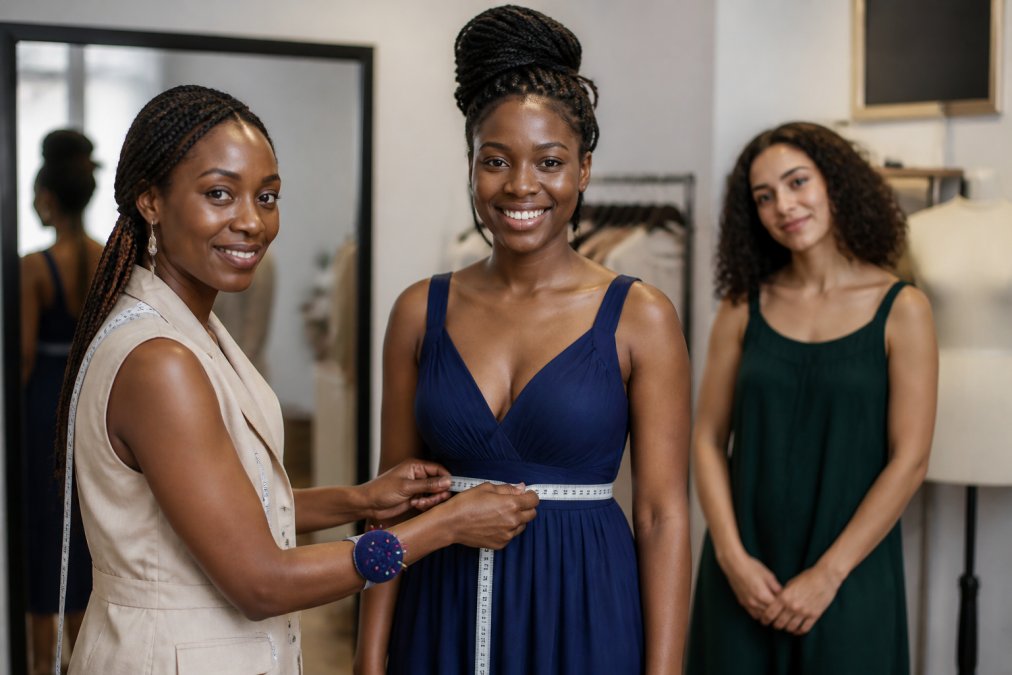
Fit and alterations are where rental economics break down for many women. Rental inventory comes in standard sizes with minimal customization. If the dress doesn't fit perfectly, you have limited options: wear it uncomfortable, pay for rush alterations (another $50-$150), or request a different size and pay additional shipping. For women with specific fit needs, petite frames, fuller figures, or unusual proportions, rental becomes frustrating and expensive.
Return windows create timing pressure. Most rental services require returns within 2-5 days of your event. If your wedding runs late or you want to wear the dress to a after-party, you risk late fees ($25-$75 per day). This rigid timeline doesn't work for multi-day celebrations or destination events.
Best Investment Dresses for Weddings and Special Occasions
Buying a luxury dress for special occasions makes sense when you prioritize quality, fit, and long-term value. The best investment dresses are pieces designed to last through multiple events, styled in different ways, and tailored to your body.
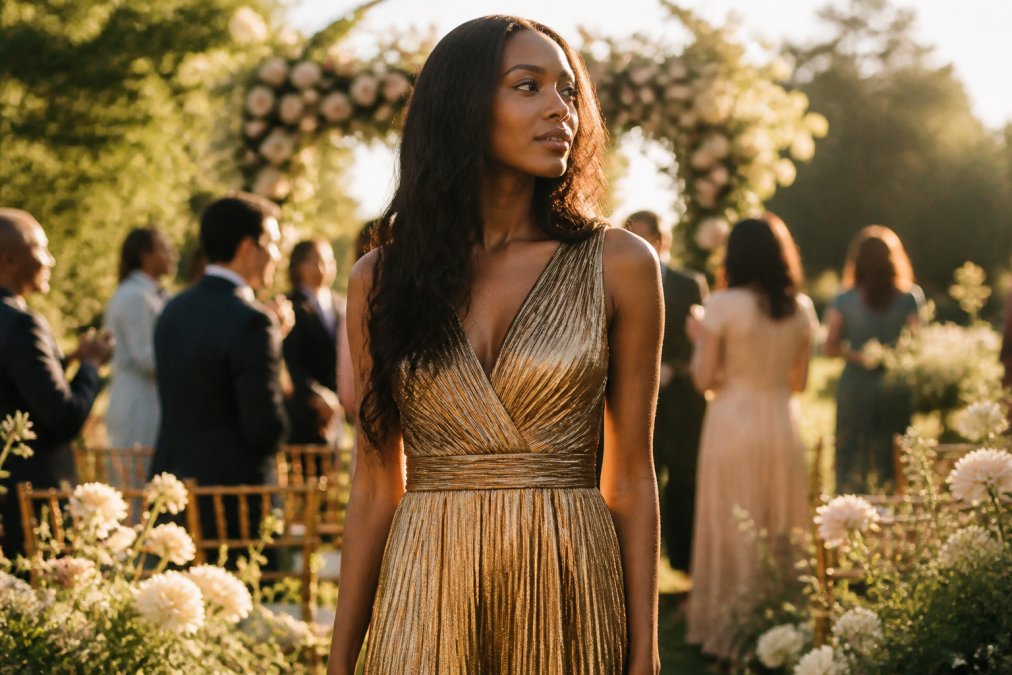
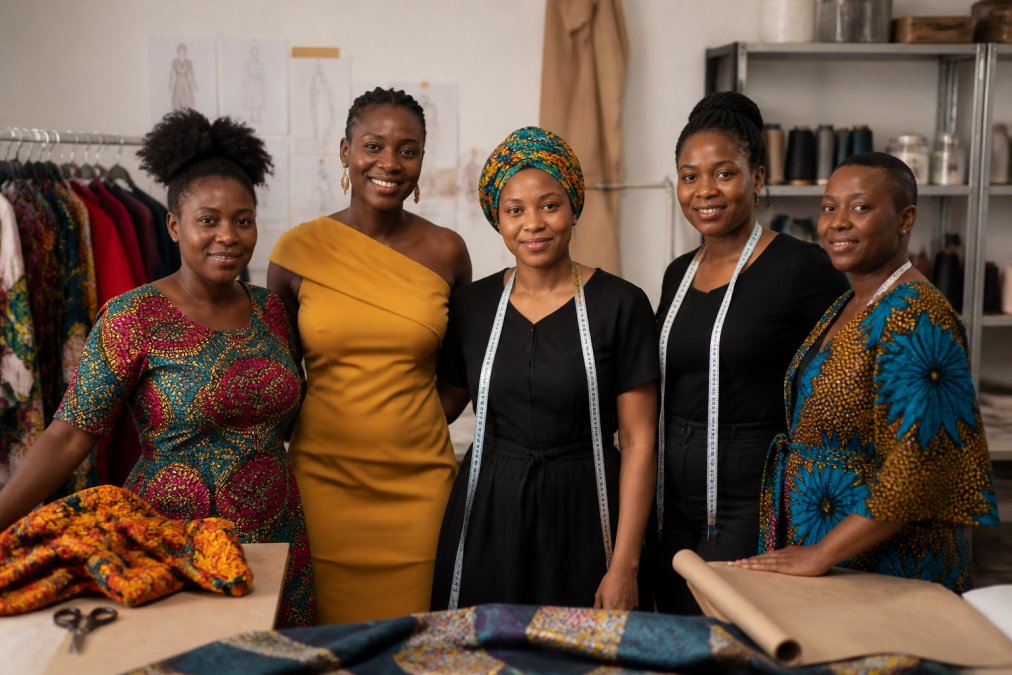
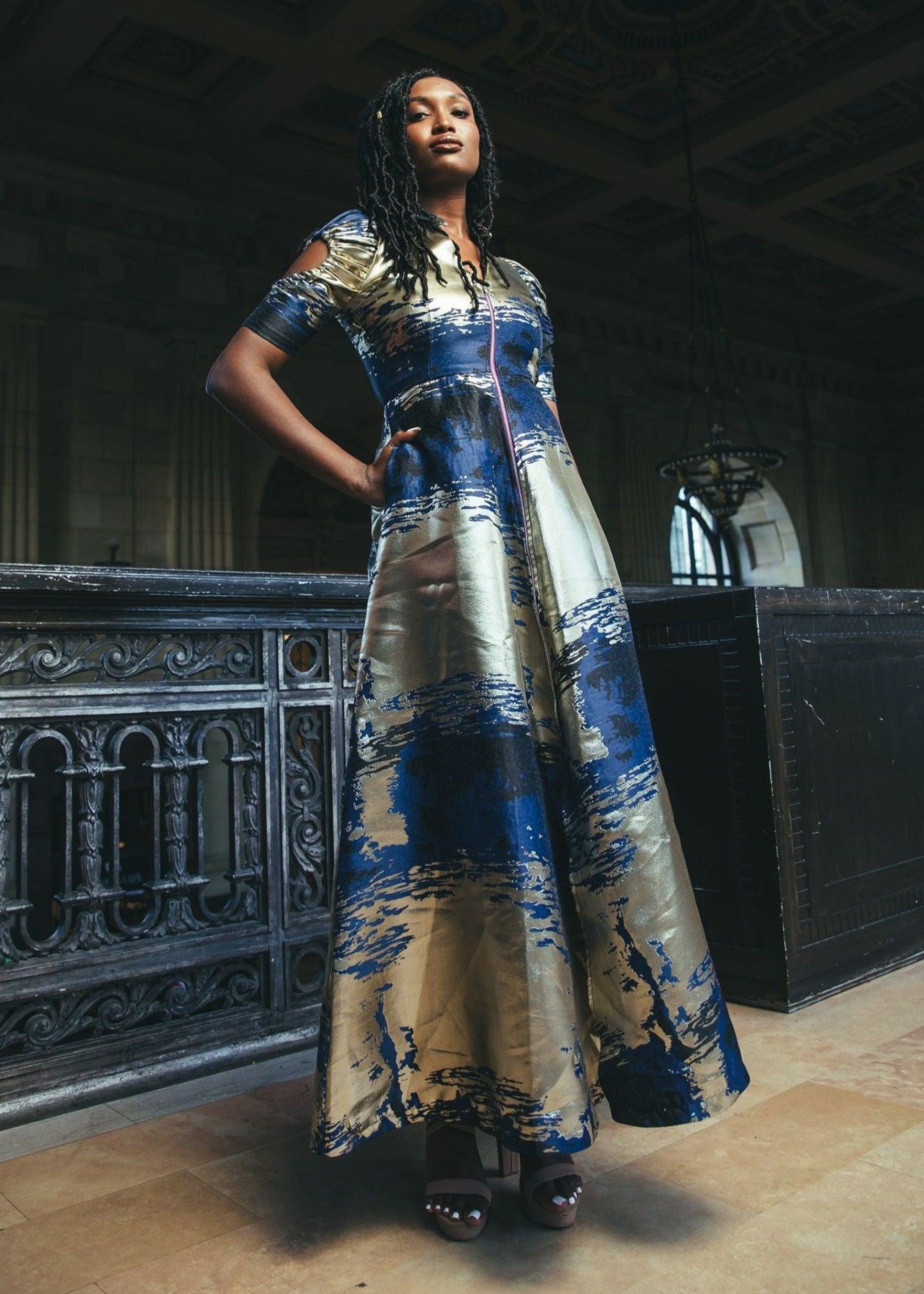
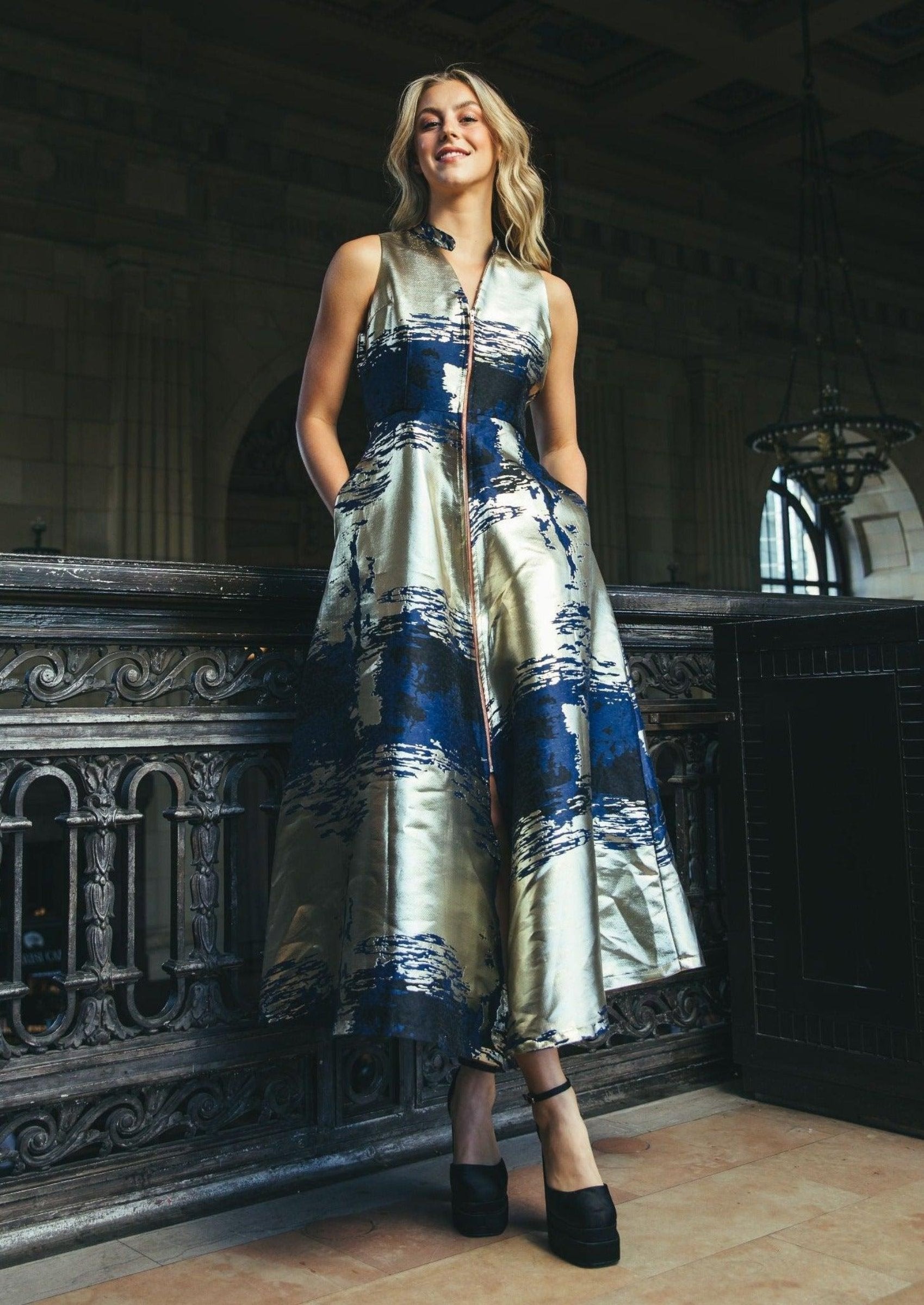
KAHINDO specializes in investment-quality occasion wear designed for exactly this purpose. Each piece is handcrafted by female artisans in Kenya, using metallic jacquards and ombré organza that hold their beauty through years of wear. The Cleopatra Maxi Dress ($300) in royal blue combines regal presence with practical features like invisible pockets and a metallic zipper. The Chidi Midi Dress ($288) offers versatility, wear it to a wedding, restyle it for a gala.

What separates investment dresses from fast-fashion occasion wear is craftsmanship and intentional design. KAHINDO pieces use 86% polyester blended with 14% metallic thread, creating a luminous effect that photographs beautifully and catches light in ways synthetic fabrics cannot. The construction holds its shape through multiple dry cleanings, alterations, and years of wear.
The Strapless Ombré Organza Mini Dress ($370) exemplifies investment thinking. Made from double-layer threaded ombré organza with 5% spandex, it's lightweight (8oz) yet substantial enough to hold its silhouette all evening. The gentle stretch means it adapts to your body without requiring extensive alterations. The ombré gradient, created through slow-bath dyeing, is non-replicable; no two dresses are identical.
Investment dresses also work across multiple occasions.
Cost-Per-Wear Calculation: How to Compare Real Value
Cost-per-wear is the single most useful metric for comparing renting versus buying luxury dresses. It cuts through emotion and reveals the actual economic value of each choice.
Burgundy Gold Metallic Jacquard Halter →
Rental Example:
- Rental fee: $150
- Shipping (round-trip): $30
- Insurance waiver: $25
- Dry cleaning: $50
- Total: $255 per event
Buying Example (KAHINDO Cleopatra Maxi Dress):
- Purchase price: $300
- Total initial investment: $425
Now calculate cost-per-wear:
- Renting: $255 per wear (single event)
- Buying: $425 ÷ 1 wear = $425 per wear (first event)
- Buying: $425 ÷ 3 wears = $142 per wear
- Buying: $425 ÷ 5 wears = $85 per wear
- Buying: $425 ÷ 10 wears = $43 per wear
Hidden Costs and Practical Concerns with Rental Services
Beyond pricing, rental services carry practical risks that don't show up in the rental fee.
Sustainability, Quality, and Long-Term Wardrobe Value
Handcrafted luxury pieces are designed for durability. KAHINDO dresses use slow-bath dyeing, metallic threads, and construction methods that preserve color and structure through years of wear. A dress that lasts 10 years and is worn 10 times has a per-wear environmental footprint of 1/10. A rental dress worn 20 times across 20 different people but lasting only 3 years has a higher per-wear impact due to faster depreciation.
When to Buy and When to Rent
The decision comes down to four factors: event frequency, fit needs, budget, and values.
Rent if:
- You attend fewer than two formal occasions per year
- You prefer variety and don't want to repeat dresses
- You have a limited budget for a single event
- You prioritize trying different styles without commitment
- You're attending an event in an unfamiliar size or style
Buy if:
- You attend three or more formal occasions annually
- You have specific fit needs (petite, tall, fuller figure, custom sizing)
- You value ownership and the ability to style and restyle
- You prioritize quality, craftsmanship, and durability
- You want to build a curated wardrobe of investment pieces
- You care about fair-trade production and artisan empowerment
- You plan to wear the same dress multiple times across different events
Conclusion
Renting luxury dresses makes sense for occasional wear and budget constraints. Buying makes sense for frequent occasion-goers, women with specific fit needs, and those who value ownership and craftsmanship.
Frequently Asked Questions
Is renting a luxury dress actually cheaper than buying one?
Renting typically costs 10-20% of a dress's retail price per wear, but hidden fees add up fast. A $300 dress rental might cost $50-75 upfront, plus $15-30 for shipping, $10-20 for insurance, and potential damage charges. If you attend two formal events yearly, buying a quality piece becomes competitive within 3-4 years. The real savings depend on how often you wear occasion wear and whether you factor in dry cleaning, alterations, and damage liability.
How do I calculate cost-per-wear for luxury dresses?
Divide the total purchase price by the number of times you'll wear the dress. A $300 dress worn 4 times costs $75 per wear; worn 8 times, it's $37.50 per wear. Compare this to renting: a $60 rental covers one event, so the cost-per-wear is $60 plus fees. If you attend formal events regularly, buying becomes the better investment within 2-3 years.
What are the hidden costs of renting designer occasion wear?
Rental services charge upfront rental fees, shipping (usually $10-30 each way), damage waivers or insurance ($10-20), and late fees if you miss the return window. Dry cleaning before return is often required, adding $15-30. If the dress arrives damaged or doesn't fit, you may pay restocking fees. Over a year of renting twice, these hidden costs easily add $200-400, offsetting the perceived savings compared to buying a quality investment piece.
Is buying a handcrafted dress more sustainable than renting mass-produced inventory?
Handcrafted, ethically made dresses support artisan communities and reduce fast-fashion waste, making them a stronger sustainability choice if worn multiple times. Buying one quality, handcrafted piece that lasts years and can be resold or repurposed creates less overall environmental impact than renting multiple mass-produced dresses annually. The sustainability advantage of buying increases with frequency of wear.
What should I consider when deciding whether to buy or rent a luxury dress?
Consider your event frequency, body confidence, and long-term wardrobe goals. Buy if you attend formal events 2+ times yearly, value fit and customization, or want pieces that reflect your personal style and values. Rent if you attend one event annually, prefer variety without commitment, or need a specific trend piece temporarily. For investment dresses that work across multiple occasions and seasons, buying, especially handcrafted, quality pieces, offers better long-term value and personal empowerment.