

Article: 5 Ethical African Fashion Brands to Support
5 Ethical African Fashion Brands to Support
Table of Contents
- Why Ethical African Fashion Brands Matter
- How to Tell If a Clothing Brand Is Ethical
- 1. KAHINDO: Artisan-Crafted Occasionwear with Provenance
- Ethical Fashion Brand Transparency: What to Verify
- Sustainable African Fashion Brands: Production and Materials
- African Fashion Brands Made in Africa: Artisan Communities and Local Craft
- How to Shop Ethically: Fit, Returns, Care, and Durability
- Frequently Asked Questions
Last Updated: October 4, 2026
Why Ethical African Fashion Brands Matter
Supporting ethical African fashion brands means funding fair wages for artisans, preserving traditional textile techniques, and directly helping the women and communities behind each garment.
Ethical brands disclose where clothes are made, who makes them, and how much they earn. They use sustainable materials, limit waste, and treat production as craft rather than commodity.
How these five brands were selected: This guide evaluated African fashion brands across four core criteria: (1) Transparency and verifiability, brands must publicly document production locations, artisan names or cooperatives, and labor practices. (2) Fair-trade or documented fair wages, brands either hold third-party certifications (Fair Trade USA, B-Corp) or publish specific wage information and working conditions. (3) Sustainable materials and production methods, brands prioritize natural fibers, hand-dyeing, or other low-impact techniques, and demonstrate waste reduction through made-to-order or small-batch production. (4) African ownership and production, brands are founded by African designers or diaspora entrepreneurs and produce garments on the African continent.
Each brand's ethical claims were cross-referenced against third-party certifications, founder interviews, and direct communication with brand teams. Where certifications exist, they are noted; where brands operate without formal credentials, the depth and specificity of their transparency documentation is cited as the measure of credibility.
What "ethical" and "sustainable" mean in this context: Ethical production encompasses fair wages, safe working conditions, artisan empowerment, and supply-chain transparency. Sustainable production prioritizes natural materials, low-impact dyes, waste reduction, and garment durability. These five brands demonstrate measurable commitment to both dimensions and are willing to be held accountable through documentation and customer access.
How to Tell If a Clothing Brand Is Ethical
A truly ethical brand answers five core questions: Where is the garment made? Who makes it? What are they paid? What materials are used? Can you verify any of this?
Greenwashing, appearing ethical without substantive practices, is common in fashion. Look for specific details: named production locations, artisan cooperatives, fair-trade certifications, or third-party audits. Vague language like "ethically sourced" or "responsibly made" without supporting evidence is a red flag.
The best ethical brands publish their supply chain, share photos of their makers, and explain their production process in detail. When a brand refuses to answer where a garment is made or how much artisans earn, that's your signal to shop elsewhere.
Check for certifications from recognized bodies like Fair-trade labels, organic certifications, and B-Corp status. However, certification isn't mandatory for ethical production; some smaller brands operate ethically without formal credentials. In those cases, the depth and specificity of their transparency becomes your measure.
| Verification Method | What to Look For | Red Flags |
|---|---|---|
| Supply chain transparency | Named locations, artisan names/photos, production details | Vague language, no specifics, hidden suppliers |
| Labor practices | Named wages, working conditions, artisan stories | No mention of pay, unclear working conditions |
| Materials sourcing | Organic cotton, natural dyes, recycled fabrics | No material details, greenwashing claims |
| Third-party verification | Fair-trade labels, B-Corp status, audits | No certifications, unverifiable claims |
| Provenance documentation | Cards, certificates, or digital records | No documentation, generic tags |
1. KAHINDO: Artisan-Crafted Occasionwear with Provenance
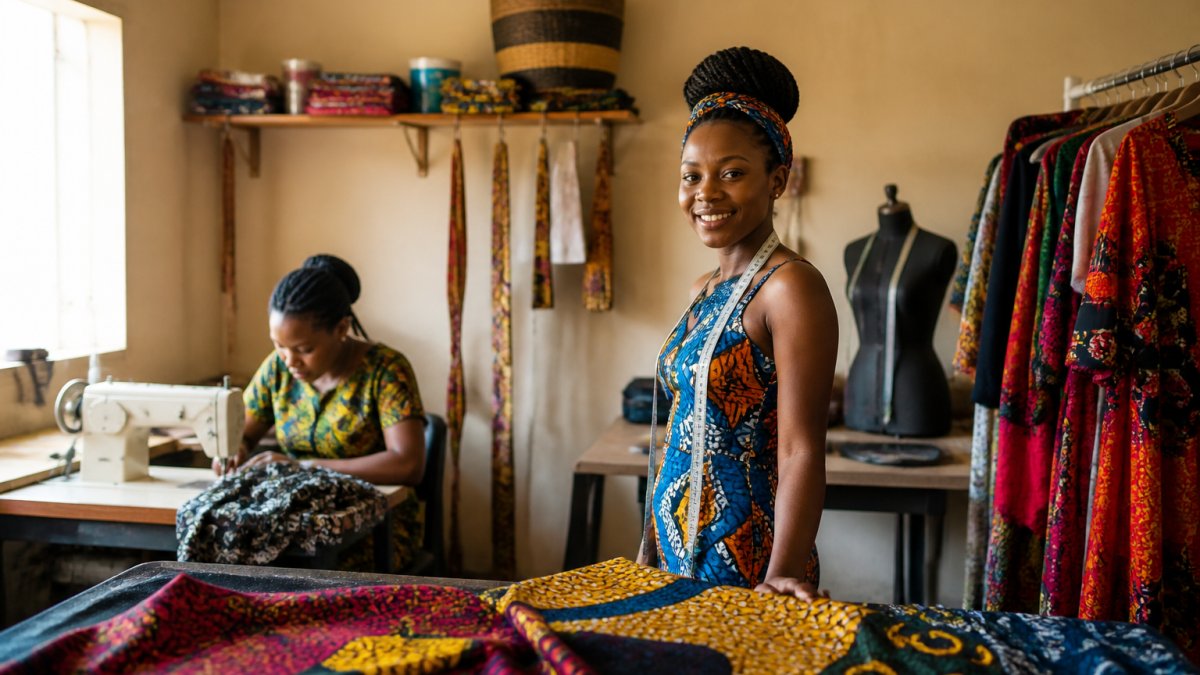
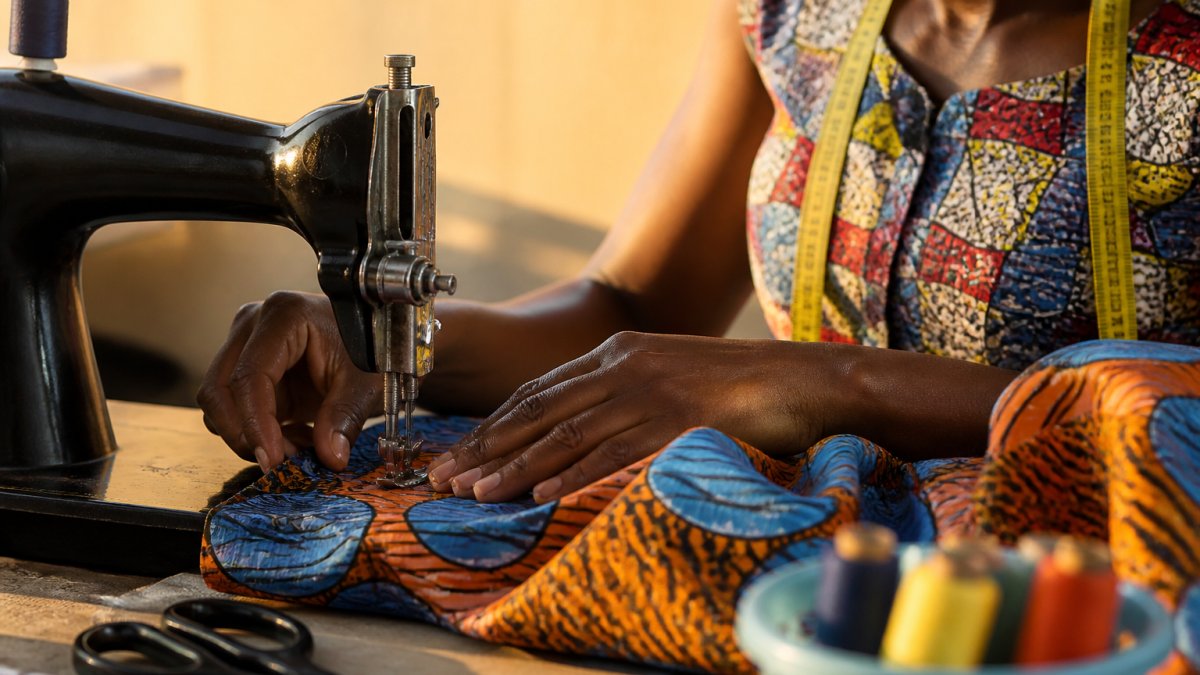
KAHINDO founder Kahindo Mateene, a Project Runway Season 12 alumna and Tory Burch Fellow, treats African provenance as a primary luxury asset. Every piece is designed in New York and handcrafted by female artisans in a Nairobi cooperative, blending Congolese textile heritage with contemporary silhouettes for weddings, celebrations, and formal occasions.
Founder Story and Design Philosophy
As a Congolese-American designer, Mateene channels her heritage into every collection, rooting designs in cultural storytelling and African textile traditions. Her mission, "Fashion That Looks Good, Feels Good & Does Good", drives every decision, from material selection to artisan compensation.
KAHINDO is sold direct-to-consumer at kahindo.com and through wholesale partners including Nordstrom, Bloomingdale's, and Anthropologie.
Fair-Trade Production and Labor Practices
Every KAHINDO garment includes a provenance card documenting the artisan's name and labor hours invested. Female artisans in KAHINDO's Nairobi cooperative receive fair-trade wages and equity in the production process. Slow-bath dyeing techniques create unique, non-replicable gradients.
A single dress might take 8-12 hours of skilled labor. That time is reflected in the price but justified by the quality, durability, and impact.
Signature Collections and Pricing
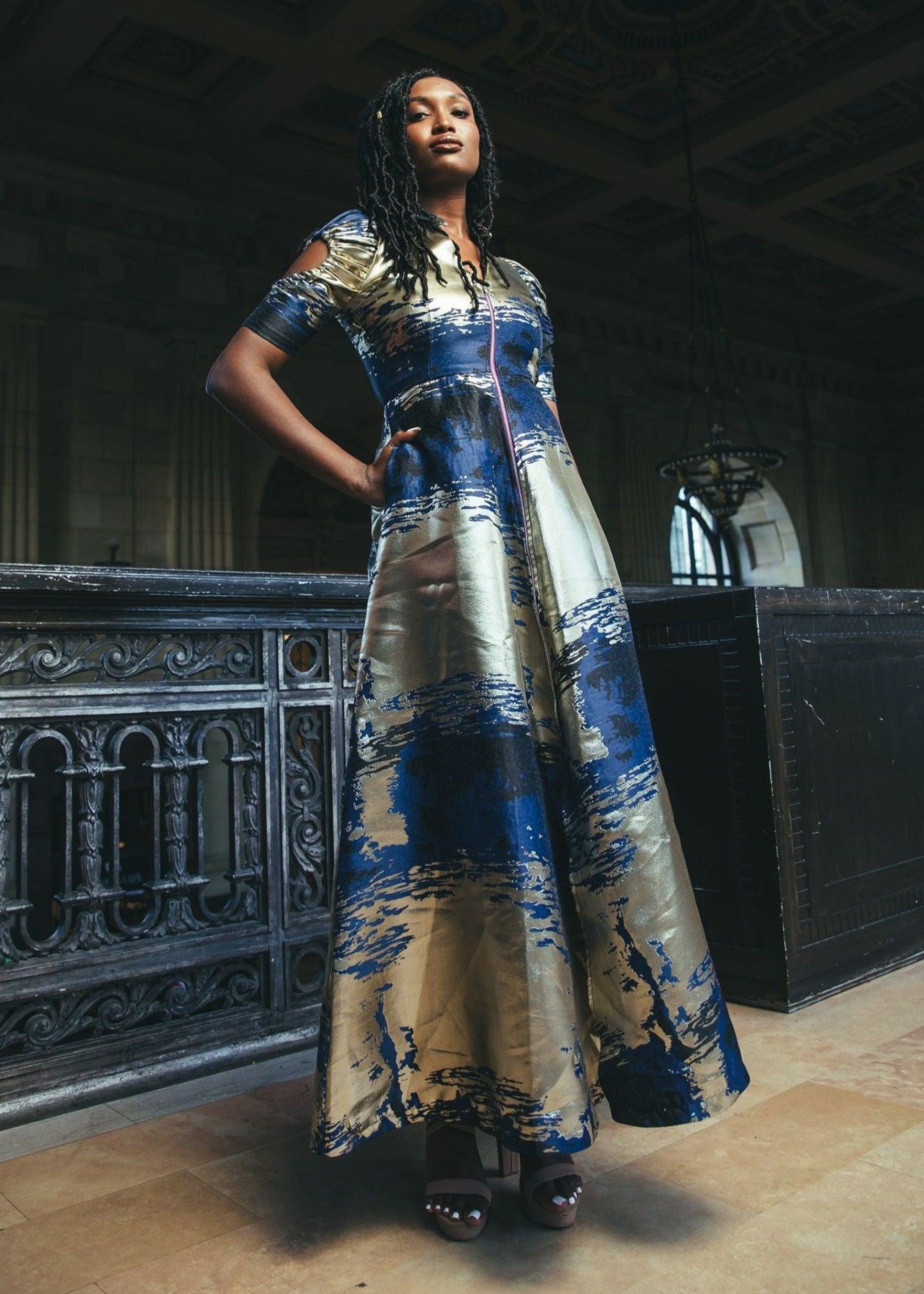
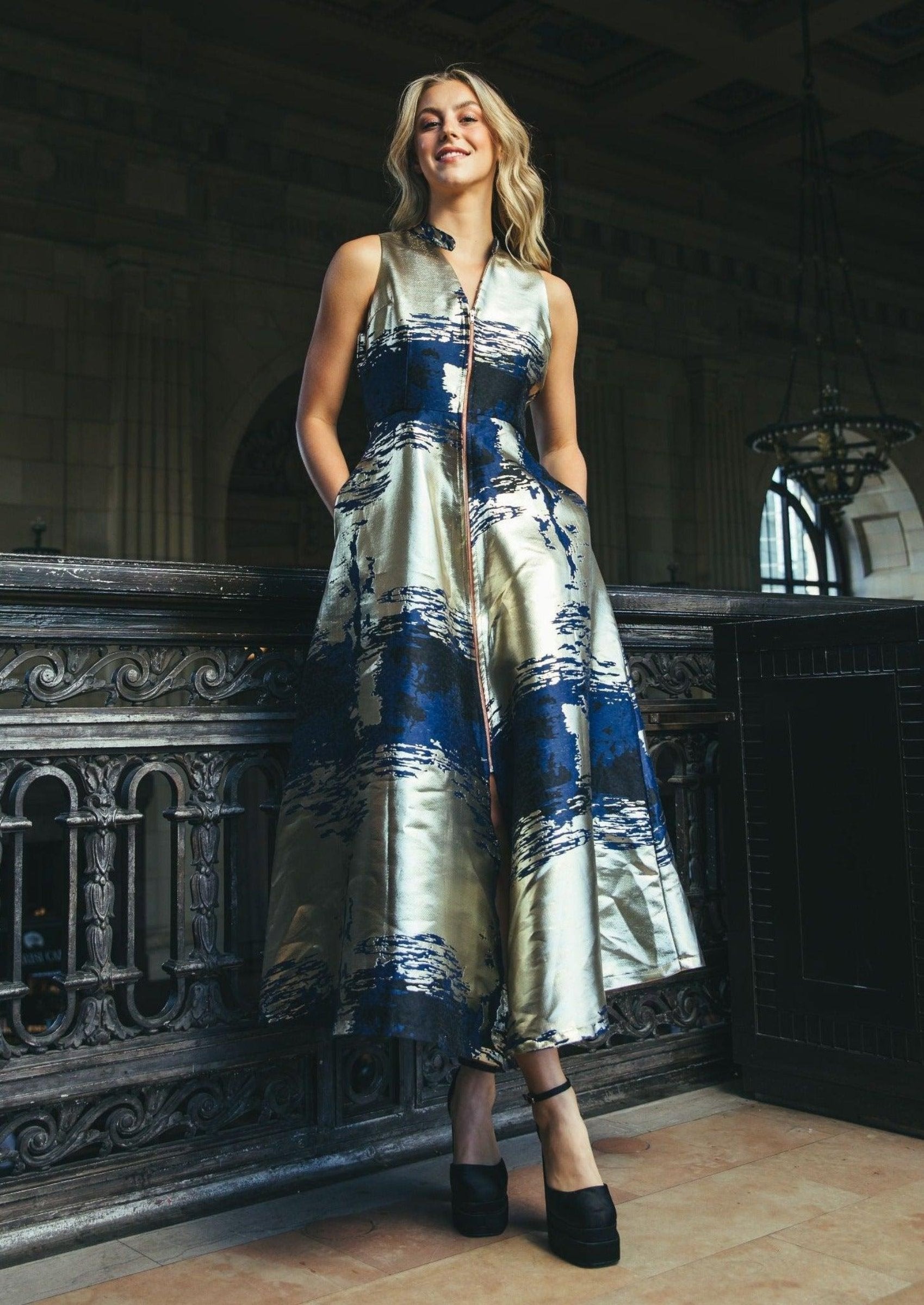
KAHINDO specializes in wedding guest dresses, bridesmaid dresses, mother-of-the-bride gowns, jumpsuits, and evening wear. The Kariba Maxi Dress ($85) features sage green and orange cotton with ruffle detailing. The Nobu Jumpsuit ($85) offers a bold blue and orange African-print cotton silhouette. The Lesotho Mini Dress ($70) combines hand-dyed batik cotton with a fitted bodice and flared skirt.


Accessories extend the ethical narrative. The Orange and Pearl Headband Fascinator ($128) is handcrafted by female artisans in Nigeria using upcycled KAHINDO fabrics. The Blue and Orange Earrings ($68) follow the same model.
Prices range from $55 to $128, positioning KAHINDO as investment pieces for conscious consumers.
Ethical Fashion Brand Transparency: What to Verify
The gap between ethical claims and ethical practice is where most consumers get misled. A brand might claim "sustainable" without explaining what that means or source from a "fair-trade cooperative" without naming it or sharing wage data. Transparency demands specificity.
Ask for documented evidence: artisan names and photos, production location addresses, wage information or fair-trade certification, material sourcing details, and environmental impact data. If a brand won't answer these questions, move on.
Look for provenance cards, detailed product descriptions, founder interviews explaining the production process, and customer testimonials from people who've visited production facilities.
Contact the brand with a specific question about production or materials. How quickly do they respond? Do they provide detailed answers or generic talking points? Ethical brands treat transparency as a competitive advantage.
Sustainable African Fashion Brands: Production and Materials
Sustainability in African fashion operates on multiple levels: environmental impact of materials, waste reduction in production, and garment longevity. A sustainable piece is one you'll wear for years, not seasons.
Many ethical African fashion brands prioritize natural fibers, organic cotton, linen, and traditional hand-dyed textiles. Hand-dyeing using natural processes (indigo, plant-based dyes) produces unique colors with minimal chemical runoff. Batik and Adire techniques create one-of-a-kind patterns through hand-dye resist methods, offering environmentally responsible alternatives to synthetic dyes and industrial printing. These artisanal methods extend beyond textiles to the careful sourcing of materials found in ethical jewelry brands that honor similar commitments to environmental stewardship and traditional craftsmanship.
Small-batch and made-to-order models eliminate excess inventory and waste. KAHINDO produces pieces in limited quantities, reducing overproduction. When you order, you're joining a small production run, not pulling from a warehouse of thousands.
A handcrafted garment made from quality cotton will outlast dozens of fast-fashion alternatives. Care instructions (hand-wash cold, air-dry) preserve the integrity of artisanal dyes and construction. That longevity is sustainability's real measure: fewer replacements mean fewer resources consumed over time.
African Fashion Brands Made in Africa: Artisan Communities and Local Craft
Supporting African fashion brands made in Africa means your purchase directly funds local economies and preserves traditional craft knowledge. Artisans benefit from full-wage employment, skill development, and economic stability.
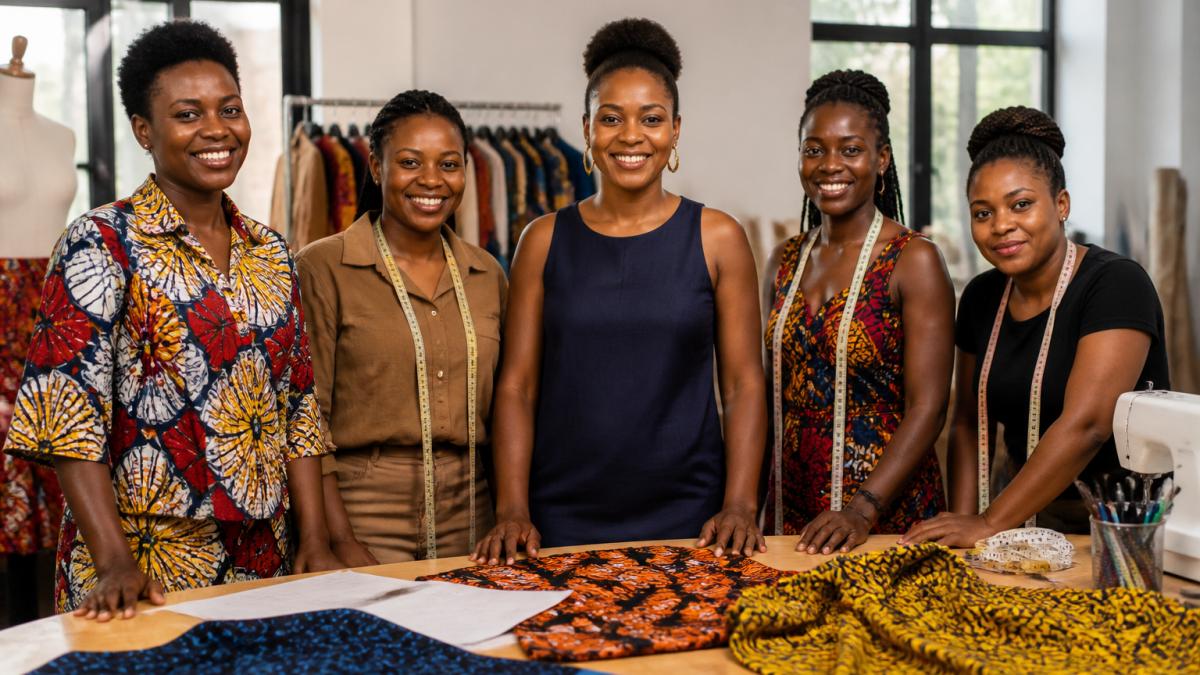
KAHINDO's partnership with female artisans in Kenya exemplifies this model. The cooperative structure ensures collective benefit and decision-making power. Artisans are named craftspeople whose work is documented and celebrated, contrasting sharply with outsourced manufacturing where workers remain anonymous.
Traditional textile techniques, hand-weaving, indigo dyeing, Adire resist printing, are cultural heritage at risk of disappearing. When you buy from brands that employ these techniques, you're preserving knowledge systems that span generations.
How to Shop Ethically: Fit, Returns, Care, and Durability
Ethical shopping extends beyond the purchase decision. Understanding fit, returns, care, durability, and shipping logistics ensures your investment lasts and your satisfaction justifies the price, especially when buying from smaller brands with different policies than mainstream retailers.
Fit and sizing: Handcrafted pieces often fit true to size but may have subtle variations due to artisanal production. Many ethical brands provide detailed size charts and fit notes. KAHINDO includes model heights and sizes in product descriptions, helping you visualize fit. However, sizing varies significantly across African fashion brands. Some use standard US sizing (XS-XL), while others use numerical sizes (6-16) or offer limited size ranges (S-L only).
Shipping and delivery timelines: Ethical brands, especially those producing made-to-order or in limited batches, have longer lead times than fast-fashion retailers. Confirm shipping costs and timelines before checkout; a $70 dress becomes less accessible if shipping adds $40 and requires a month's wait.
Returns and exchanges: Ethical brands often have stricter return policies than fast-fashion retailers, reflecting the made-to-order or small-batch nature of production. Understand the policy before buying. This isn't unreasonable, it reflects the reality that each piece is individually crafted and cannot be resold as new, but it does mean you're taking on more risk than with a mainstream retailer.
Care instructions and maintenance: Hand-wash cold, air-dry, and avoid harsh chemicals are common requirements for artisanal textiles. Natural dyes fade if mishandled; handcrafted seams can weaken under machine washing. Following care instructions isn't optional; it's the difference between a garment that lasts 5 years and one that deteriorates in 5 wears. Budget time for hand-washing into your decision.
Durability and true cost: Quality construction and natural materials mean ethical pieces outlast fast fashion by years. A handcrafted dress with reinforced seams and quality cotton will survive dozens of wears and multiple seasons. That durability is the real measure of value. Fewer replacements also mean less waste and lower environmental impact over time.
Resale and end-of-life: Ethical pieces hold value in secondhand markets because of their durability and design appeal. Before purchasing, consider whether you'd wear the piece for years or might resell it; this affects the true cost and sustainability calculation.
Frequently Asked Questions
What makes an ethical African fashion brand different from fast fashion?
Ethical African fashion brands prioritize fair wages, transparent supply chains, and artisan empowerment. Unlike fast fashion, which relies on mass production and low labor costs, ethical brands often handcraft pieces in limited quantities, document where and by whom each garment is made, and ensure workers earn living wages. Brands like KAHINDO include provenance cards with every piece, identifying the artisan and labor hours invested, accountability fast fashion avoids.
How can you verify a brand's ethical claims and supply-chain transparency?
Look for specific, verifiable information: named artisan communities or cooperatives, documented labor practices, wage details, and production locations. Ethical brands publish this openly, not vaguely. Check if the brand names the factory or cooperative, discloses worker wages, and explains sustainable material sourcing. Third-party certifications (fair trade, B Corp) add credibility. Brands that hide production details or use generic language like 'ethically made' without specifics are worth questioning.
Are sustainable African fashion brands more expensive than conventional options?
Yes, typically. Ethical African fashion brands invest in fair wages, artisan training, sustainable materials, and transparent production, costs that reflect in pricing. KAHINDO's pieces range from $55 to $128, higher than fast fashion but comparable to other luxury occasionwear. However, artisan-made pieces last longer, hold their shape, and carry cultural significance, making them better long-term investments than disposable garments you'll wear once.
What should I know about sizing, fit, and returns when buying handmade pieces?
Handmade garments may have natural variations in fit and finish, this is part of their artisanal value. Most ethical brands offer detailed sizing guides and fit notes. Before ordering, check the model's measurements and how the piece fits different body types. Review return and exchange policies carefully; some artisan brands have limited flexibility due to custom production. Ask questions about fit before purchasing, and choose brands that stand behind their work with clear return terms.
How do I care for and preserve handcrafted African fashion pieces?
Hand-dyed and artisan textiles require gentle care. Most pieces are 100% cotton and need cold-water hand washing to preserve dyes and prints. Air-dry to maintain shape and prevent shrinkage. Avoid harsh detergents, bleach, and high heat. Store flat or folded to prevent creasing. With proper care, artisan-made pieces develop character over time and last years. Many ethical brands provide care instructions with each garment; follow them to protect your investment and honor the artisan's work.