

Article: How to Build a Formal Event Capsule Wardrobe?
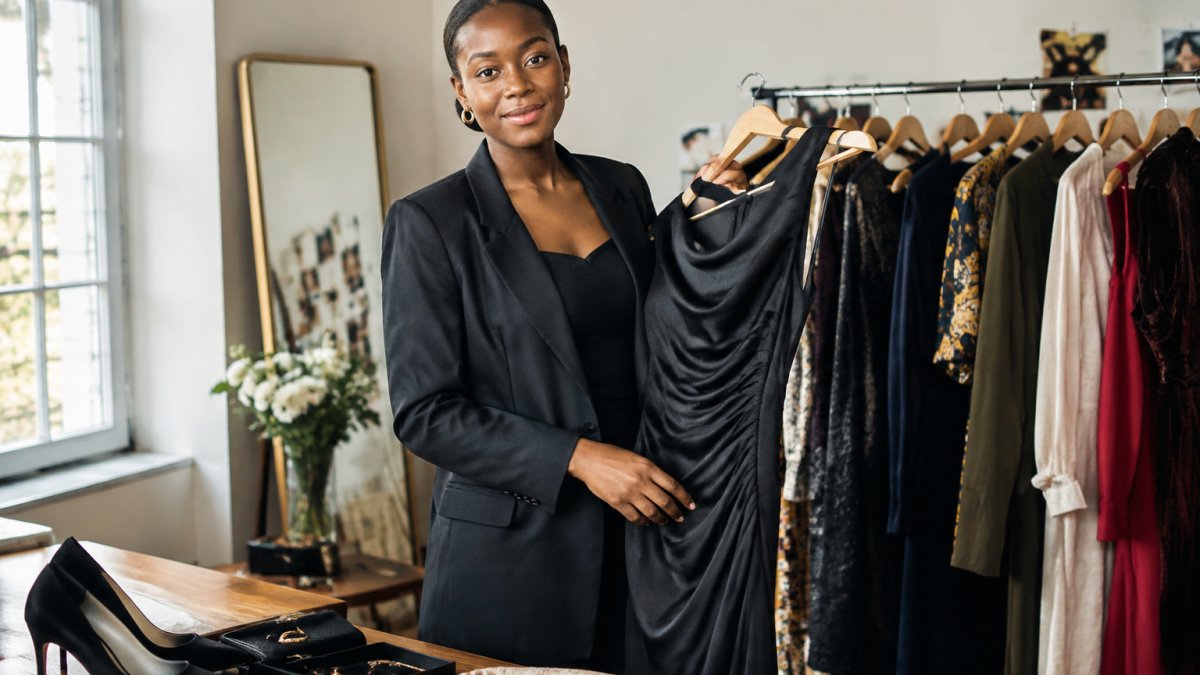
How to Build a Formal Event Capsule Wardrobe?
Quick Summary
A formal event capsule wardrobe is a small, planned set of dresses and accessories that covers the special occasions you actually attend. Start by listing your events for the next twelve months and their dress codes, then buy only pieces that work across at least two events.
- Write down every formal event for the next twelve months, with its date, venue and dress code.
- Sort events into three formality tiers: formal, mid-tier and relaxed formal.
- Aim for 3 to 4 dresses, 1 to 2 wraps, 2 pairs of shoes, 2 bags and 2 jewelry pieces.
- Before any purchase, check which tier the piece serves and how many calendar events it covers.
- Choose outer layers in neutral tones that coordinate with at least two dresses in your capsule.
Table of Contents
- How to Build a Formal Event Capsule Wardrobe
- What a Formal Event Capsule Wardrobe Is and Why It Helps
- Plan the Events You Actually Attend and Read Each Dress Code
- Step 1: Build a Capsule Wardrobe Template With Quantities
- Choose Investment Dresses for Weddings and Galas
- How to Style a Formal Dress for Different Occasions
- Assembling a Wedding Guest Capsule Wardrobe
- Your Next Step: Booking Fittings and Shortlisting Your First Three Pieces
- Frequently Asked Questions
How to Build a Formal Event Capsule Wardrobe
Last Updated: November 25, 2026
A formal event capsule wardrobe is a small, planned set of dresses and accessories that covers the special occasions you actually attend. Instead of buying a new outfit for every wedding or gala, you build a few pieces that mix, match and rotate.
Most people overbuy for events they rarely attend. A capsule approach keeps spending focused on pieces you will wear more than once. The steps below walk you through the process from start to finish.
What a Formal Event Capsule Wardrobe Is and Why It Helps
A formal event capsule wardrobe is a limited group of occasion pieces chosen to work together. Every item should pair with at least two others, so one purchase creates several outfits.
- Fewer pieces, more outfits: Each dress works with a few shoes, wraps and jewelry.
- Less impulse buying: A list tells you what you still need.
- Clearer style: Repeating a color palette keeps your looks consistent.
The research behind capsule wardrobes is still limited. A 2022 study in Sustainability examined how practicing a capsule wardrobe may influence everyday creativity, though it did not report a specific measured outcome (Everyday Creativity Practiced through a Capsule Wardrobe).
Plan the Events You Actually Attend and Read Each Dress Code
Start with a calendar, not a shopping cart. Write down every formal event you expect in the next twelve months: weddings, galas, charity dinners, office parties, milestone birthdays, holiday receptions.
Be honest about frequency. If you attend one black-tie gala a year and four cocktail or semi-formal events, your capsule should lean toward cocktail and semi-formal pieces with one floor-length option, not the reverse.
What Each Dress Code Actually Requires
Dress codes are not decorative language. They signal a specific level of formality, and getting them wrong is the most visible mistake a guest can make. The labels below reflect conventional American event etiquette; when an invitation is ambiguous, ask the host rather than guess.
- Black tie: The most formal code short of white tie. For women, this means a floor-length gown or a formal cocktail dress in an elevated fabric such as silk, satin, or structured jacquard. Avoid sundresses, casual jumpsuits, and anything that reads as daywear. Accessories should be dressy: heels, a clutch, fine jewelry. If the invitation says "black tie optional," a formal cocktail dress is acceptable, but a gown is always safe.
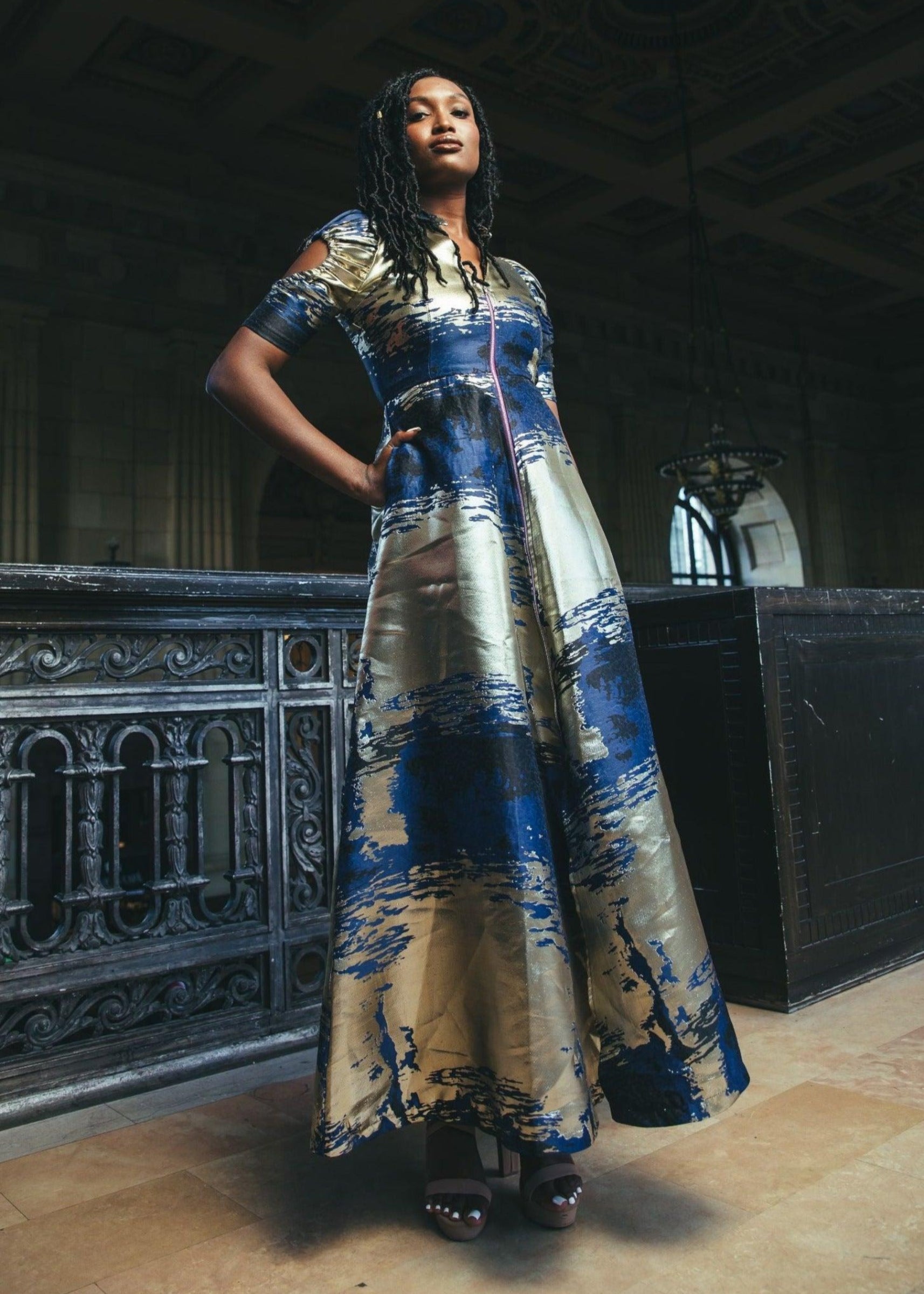
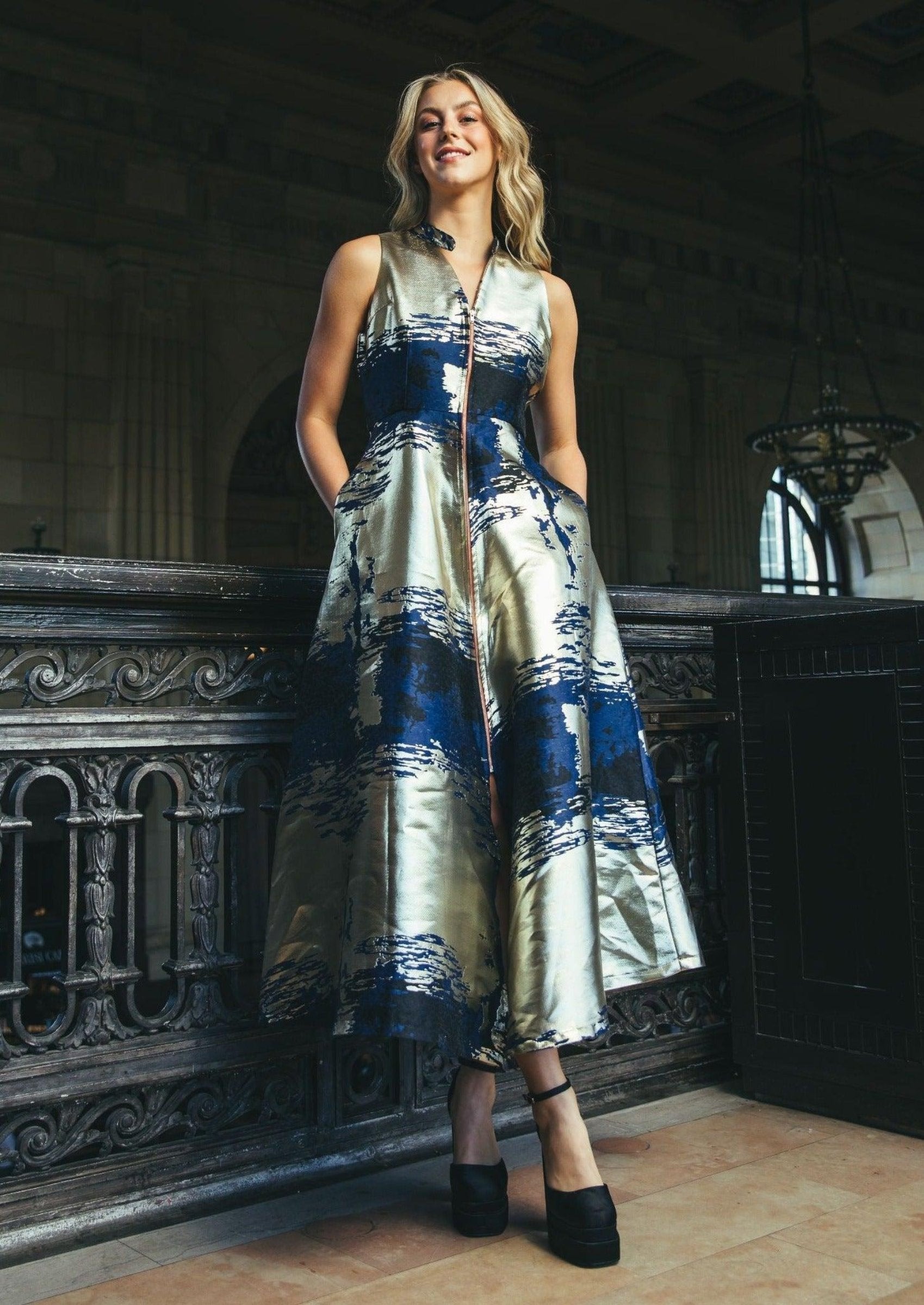
- Black tie creative: A variation that invites personality within black-tie formality. Floor-length or formal cocktail length still applies, but bold color, print, or statement accessories are welcomed rather than discouraged. This is the code where a printed or metallic dress earns its place in a capsule.
- Cocktail: Knee-length to midi dresses, polished jumpsuits, and dressy separates. Fabrics can include crepe, satin, and structured knits. Heels or dressy flats both work. Cocktail is the most common code for evening weddings, holiday parties, and fundraising dinners, which makes it the highest-value formality level in most capsules.
Translate the Codes Into Capsule Purchases
Once your calendar and codes are clear, map each event to a formality tier.
- If most events are mid-tier, prioritize two cocktail-appropriate dresses and one versatile formal option.
- If formal events dominate, invest in one floor-length gown and one formal cocktail dress that can be dressed up with accessories.
- If relaxed formal events dominate, choose dresses that work with both heels and dressy flats so one piece covers more dates.
Watch out: a dress that only satisfies one dress code on your calendar is a weak capsule purchase unless that code appears at least twice.
Keep the calendar and the code list next to your capsule template. Before any purchase, ask which tier the piece serves and how many events on your calendar it covers.
Step 1: Build a Capsule Wardrobe Template With Quantities
A template turns your plan into a shopping list. Aim for a small, fixed number of pieces in each category.
- Dresses: 3 to 4 pieces covering the most frequent events
- Wraps or outerwear: 1 to 2 pieces for cooler venues
- Shoes: 2 pairs, one dressy and one comfortable
Keep your template next to your calendar. Before you buy anything, check whether it fills a gap.
For a fit reference, measure your bust, waist, hips and hem length before shopping. Accurate numbers make online orders far easier, and our measurement guide for formal dresses walks through each one.
Choose Investment Dresses for Weddings and Galas
Your dresses carry most of the wardrobe's weight, so spend more here. Start with our curated picks for wedding investment dresses, then compare options for galas in the investment pieces for galas guide.
The Burgundy Gold Metallic Jacquard Halter Pencil Dress ($75.00) is one example. The halter neckline and pencil skirt suit cocktail and gala events.
Watch out: sample sale items can sell out quickly. Build a backup choice into your plan.
The article's key dress options and their stated details are summarised below.
| Item | Value | Note |
|---|---|---|
| Burgundy Gold Metallic Jacquard Halter Pencil Dress | $75.00 | Suits cocktail and gala events |
| Stock status | Limited | Sample sale item; check availability |
| Backup choice | Recommended | Sample sale items can sell out quickly |
How to Style a Formal Dress for Different Occasions
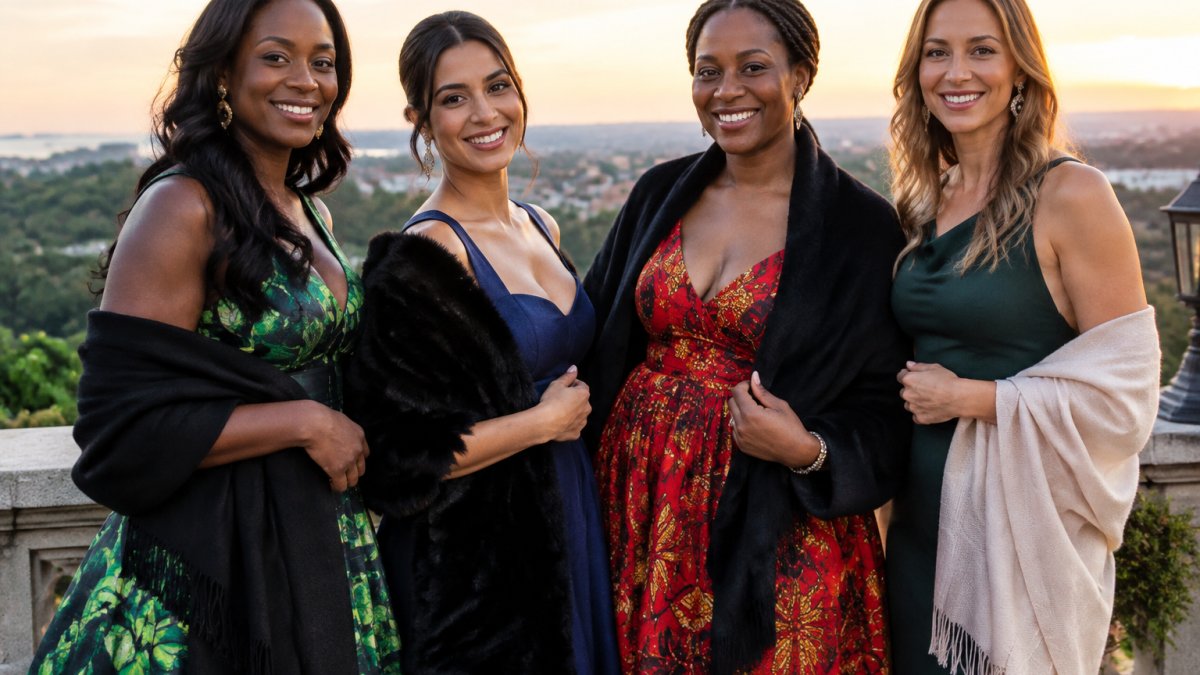
One dress can serve several events when you change the layers and accessories. A black-tie gala might call for heels and a clutch, while a daytime wedding could suit a jacket and flat sandals.
For ideas on matching dresses to specific events, browse African print dresses for formal events. Pair a bold print with neutral shoes so the dress stays the focus.
Use these styling rules:
- Keep one bold piece per outfit
- Match metals, such as gold jewelry with gold accents
- Layer a jacket or wrap for cooler evenings
Assembling a Wedding Guest Capsule Wardrobe
Weddings are the most common formal event most people attend, and they are also the most varied. A single year can include a black-tie evening wedding, a garden ceremony in July, a semi-formal rehearsal dinner, and a winter reception in a cold climate.
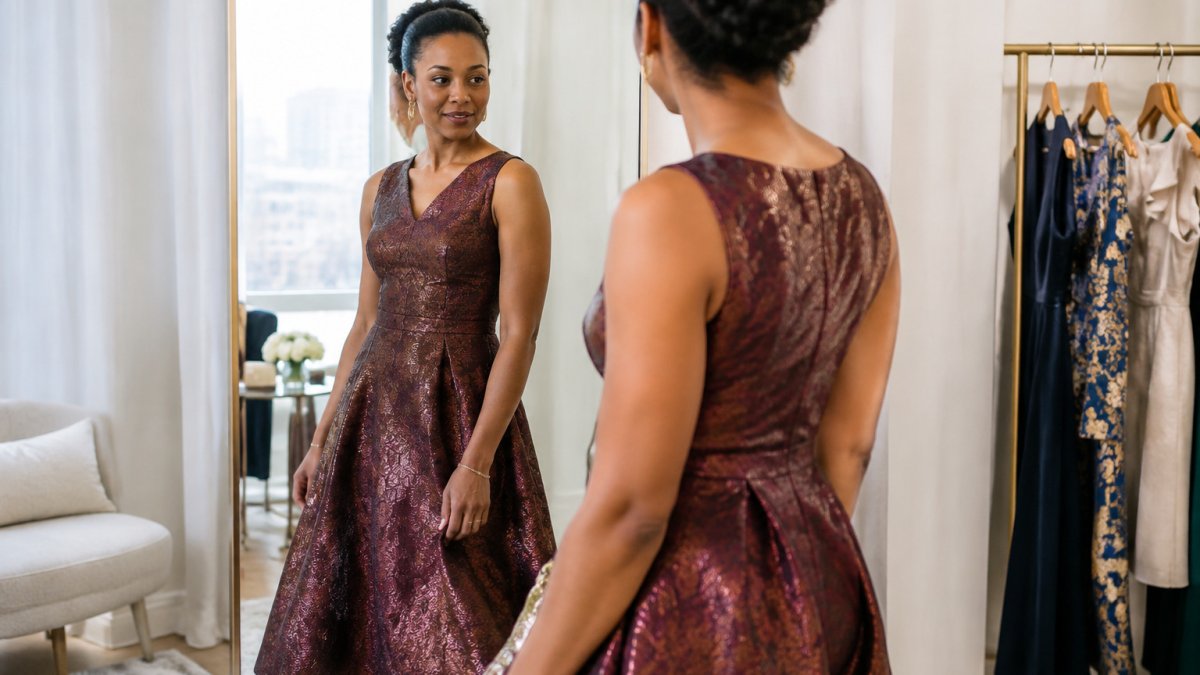
The framework below treats weddings as a seasonal and dress-code problem rather than a single aesthetic. Build one core dress per season you actually attend weddings in, then add layers and accessories that stretch each dress across codes and temperatures.
Start With Seasons, Not Just Dress Codes
Climate changes what a dress code means in practice. A black-tie wedding in a warm climate may call for lighter fabrics and sleeveless silhouettes, while a black-tie wedding in a cold climate may require a wrap, a tailored jacket, or a long-sleeve gown. Map your wedding calendar by season first, then by dress code.
- Warm-weather weddings (late spring through early fall): Prioritize breathable fabrics such as silk crepe, cotton blends, and lined linen. Sleeveless and halter silhouettes work well. Choose one midi or knee-length dress for semi-formal and garden codes and one formal option for evening events. You can discover wedding guest outfit ideas for each dress code, season, and body type to find looks that fit your plan.
- Cold-weather weddings (late fall through winter): Prioritize richer fabrics such as velvet, jacquard, and heavier satin. Long sleeves or a coordinating jacket become part of the outfit, not an afterthought. One formal dress and one cocktail dress can cover most winter events if you add a wrap or jacket.
- Transitional seasons (spring and early fall): These are the hardest to plan for because temperatures swing. A dress that works with both bare arms and a light layer is the most versatile choice. A silk scarf or a lightweight jacket can shift a dress from afternoon to evening.
Layering Strategies That Stretch a Small Capsule
Layers do two jobs: they adapt a dress to temperature and they shift its formality. A tailored jacket over a cocktail dress reads as semi-formal for a daytime ceremony; the same dress with a metallic wrap and heels reads as evening. Plan layers deliberately rather than improvising on the day.
- A lightweight jacket: Works for summer and transitional events, especially garden and semi-formal weddings. A cotton or linen-blend jacket with a defined waist pairs well with midi dresses. The KAHINDO Tanganyika Jacket ($90.00) is 100% cotton with a plunging V-neck and waist tie, suited to summer and smart-casual events rather than black tie.
- A wrap or pashmina: The most packable layer for cool evenings and cold-weather venues. Choose a neutral that matches at least two dresses in your capsule.
- A silk scarf: The smallest layer with the largest styling range. The KAHINDO Adinkra Diamond Silk Scarf ($125.00) is a 39" x 39" 100% silk satin piece. It can add color to a neutral dress or tie an outfit to a wedding's palette.
Watch out: layers that only match one dress defeat the purpose of a capsule. Choose outer layers in neutral tones that coordinate with at least two dresses, and check that the layer does not crush the dress fabric when worn over it for hours.
A Repeatable Wedding Guest Checklist
Before each wedding, run through the same short checklist so you are not shopping at the last minute:
- Confirm the dress code and the venue type (indoor, outdoor, house of worship, black-tie hall).
- Check the season and forecast, and choose the layer accordingly.
- Pick the dress from your capsule that matches the formality tier.
- Choose shoes you can wear for several hours, including any grass, gravel, or stairs at the venue.
- Add one statement accessory and keep the rest neutral.
- Confirm care and pressing needs at least a week ahead.
This checklist turns a stressful, last-minute purchase into a ten-minute decision. Over a year of weddings, the same three or four dresses and two layers can cover every invitation on your calendar, which is the entire point of a capsule.
Your Next Step: Booking Fittings and Shortlisting Your First Three Pieces
Start small. Choose the three pieces that cover your next three events, then check fit and care instructions before buying. A short list keeps the project manageable and your budget under control.
Book a fitting or measure carefully before ordering, and keep your calendar open for the next round of invitations. Your formal event capsule wardrobe grows one planned purchase at a time.
Frequently Asked Questions
What is the 3-3-3 rule for a capsule wardrobe?
The 3-3-3 rule is a quick planning framework: choose three base pieces, three accent pieces and three shoe or accessory options, then combine them into outfits. For formal events, adapt it by treating your dress or jumpsuit as the base, a wrap or jacket as the accent, and one clutch and one pair of heels as the finishing pieces. The method keeps the set small, so every item earns its place across several occasions.
How many dresses should a formal event capsule wardrobe include?
Most women who attend a steady calendar of weddings and galas do well with two to four occasion dresses. Start with one versatile dress that works for both evening and daytime events, then add a second for the most formal occasions. If you attend fewer than four events a year, one strong dress plus a layering piece is usually enough. Track which events you actually attend before buying more.
What should you include in a wedding guest capsule wardrobe?
A wedding guest capsule typically includes one primary dress, one jacket or wrap for ceremonies and cooler venues, one pair of block-heel or strappy evening shoes, and one clutch. Add a statement earring or a silk scarf if the dress is simple. Check the invitation for dress-code wording such as black tie, cocktail or garden formal, and match the level of formality before you shop. Pieces from the Burgundy Gold Metallic Jacquard Halter Pencil Dress at $75.00 or the Gold Jacquard Namibia Trenchcoat at $228.00 can anchor the look.
How do you choose formalwear you can wear again?
Pick silhouettes and colors that move between events: a pencil or A-line dress, a neutral or jewel-tone palette, and fabrics that dress up or down with accessories. Test whether you can wear the piece with two different shoe and jewelry combinations before buying. Once you have logged cost per wear across three or four events, the value becomes clear, and tailoring a fit you love usually extends how often you reach for it.