

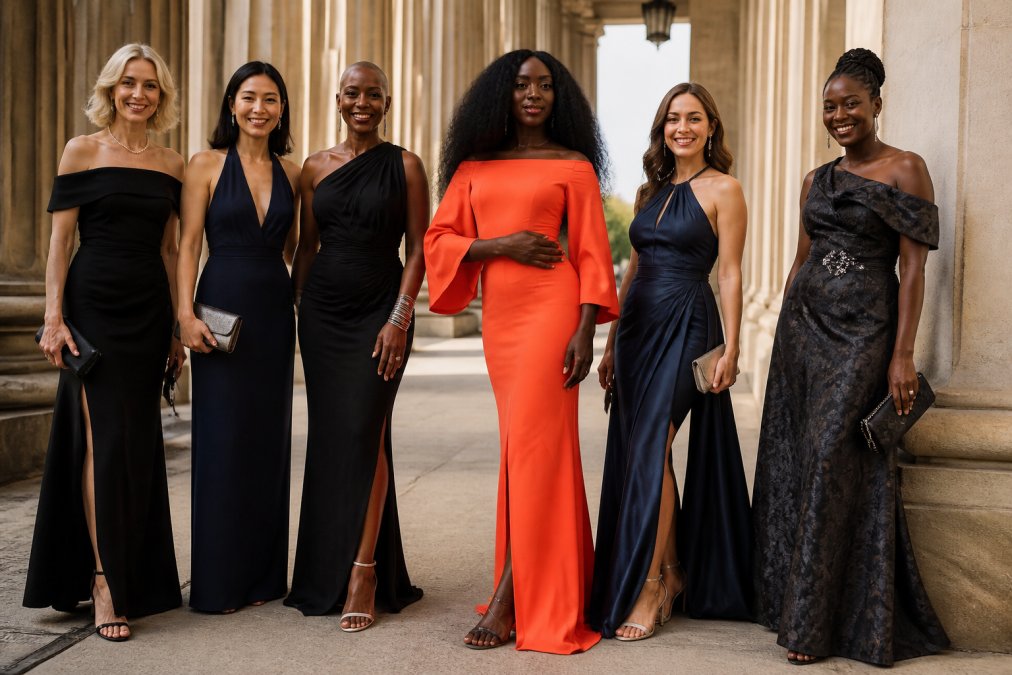
Best Investment Pieces for Galas: 7 Timeless Choices
Table of Contents
- What Defines an Investment Piece for Galas
- 1. Strapless Peplum Ombré Organza Jumpsuit: Sculpted Elegance
- 2. Cleopatra Maxi Dress: Regal Metallic Statement
- 3. Balloon Sleeve Ombré Organza Jumpsuit: Architectural Presence
- 4. Orange Maxi Gown: Bold Color Investment
- Sustainable Luxury Evening Gowns and Artisan-Made Formalwear Benefits
- How to Style a Gala Dress for Different Events
- Cost-Per-Wear and Resale Value: The Financial Case for Investment Pieces
Last Updated: August 25, 2026
What Defines an Investment Piece for Galas
An investment piece for galas is a garment engineered for longevity, versatility, and timeless appeal, one that justifies its cost through multiple wears, resale potential, and the confidence it delivers. True investment pieces feature sculpted silhouettes that flatter rather than trend-chase, luxury textiles like organza, silk, and metallic jacquard that age gracefully, and transparent provenance that gives lasting meaning.
The sustainable fashion market in the United States is projected to reach $2.5 billion to $3.2 billion by the end of 2026, with approximately 30% of apparel consumers now actively prioritizing sustainable labels (globaldata.com). This guide from KAHINDO explores what separates an investment piece from fast fashion and why your choices today matter for years to come.
The financial case is compelling. A $400 gala dress worn eight times costs $50 per wear, less than many single-occasion rentals. Add resale value, and that number drops further.
1. Strapless Peplum Ombré Organza Jumpsuit: Sculpted Elegance
The strapless peplum ombré organza jumpsuit represents everything a modern investment piece should be: architectural silhouette, luxury fabrication, and versatility across multiple gala settings. Priced at $420, this KAHINDO piece is handcrafted by female artisans in Kenya using double-layer threaded ombré organza that transitions from soft to deep blue tones.

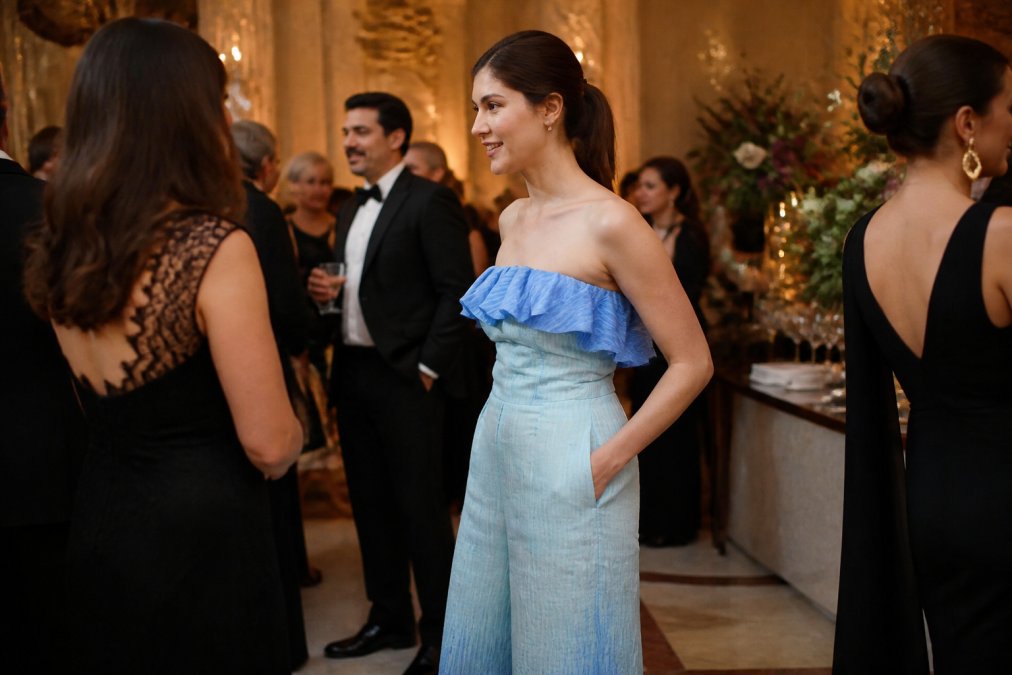
The peplum waist accentuates curves without excessive volume, while the lightweight organza (approximately 12 ounces) allows extended wear without fatigue. The structured bodice provides support, eliminating discomfort that derails many formal events. This jumpsuit works across charity galas, wedding receptions, formal dinners, and milestone celebrations. The neutral blue-to-deep gradient reads as sophisticated rather than trendy, ensuring it won't feel dated in three years.
Cost-per-wear analysis: At $420 for a piece worn 8-12 times over five years, you're looking at $35-$52 per wear. Factor in resale value for handcrafted luxury pieces, and that drops to approximately $25-$35 per wear.
2. Cleopatra Maxi Dress: Regal Metallic Statement
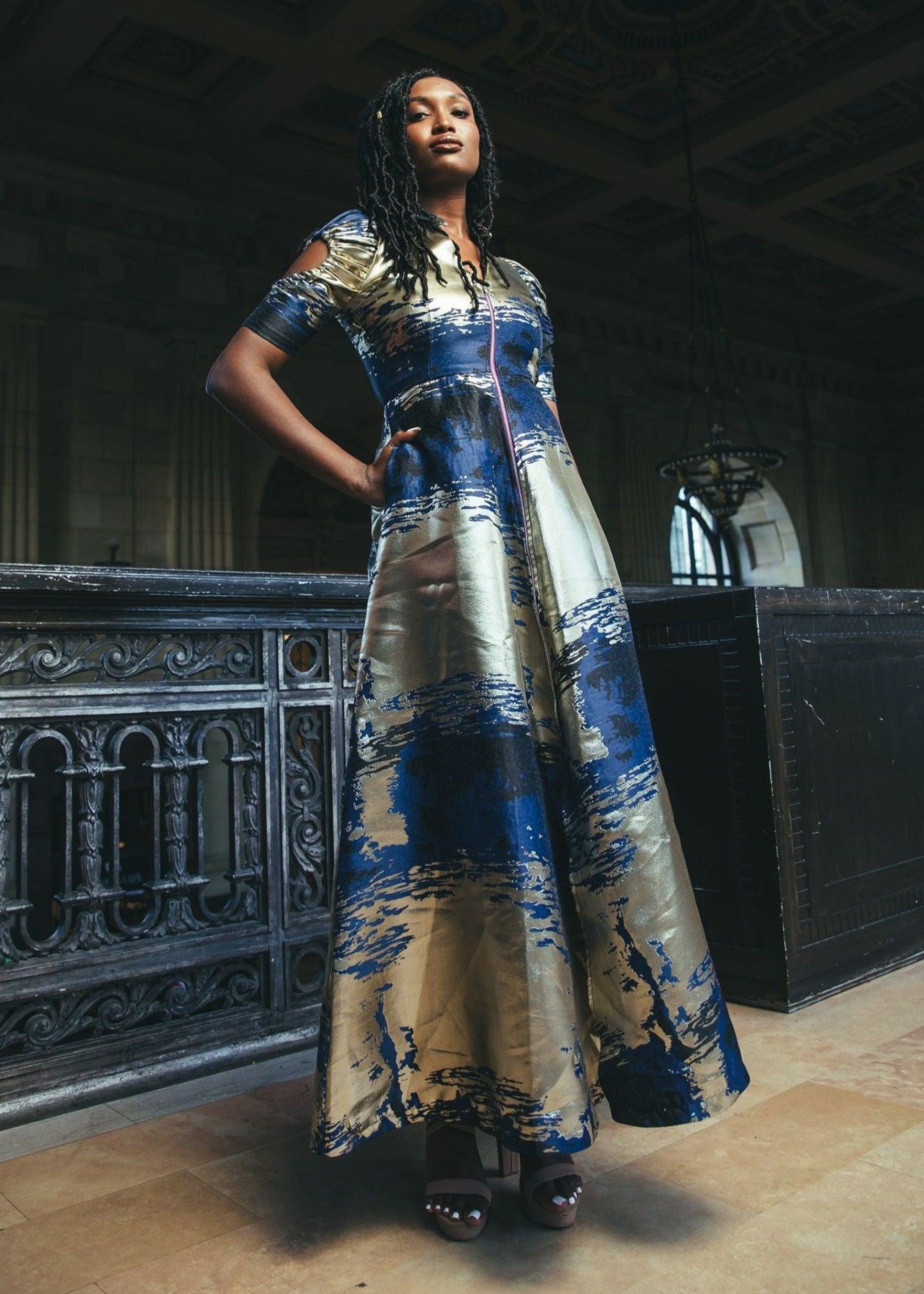
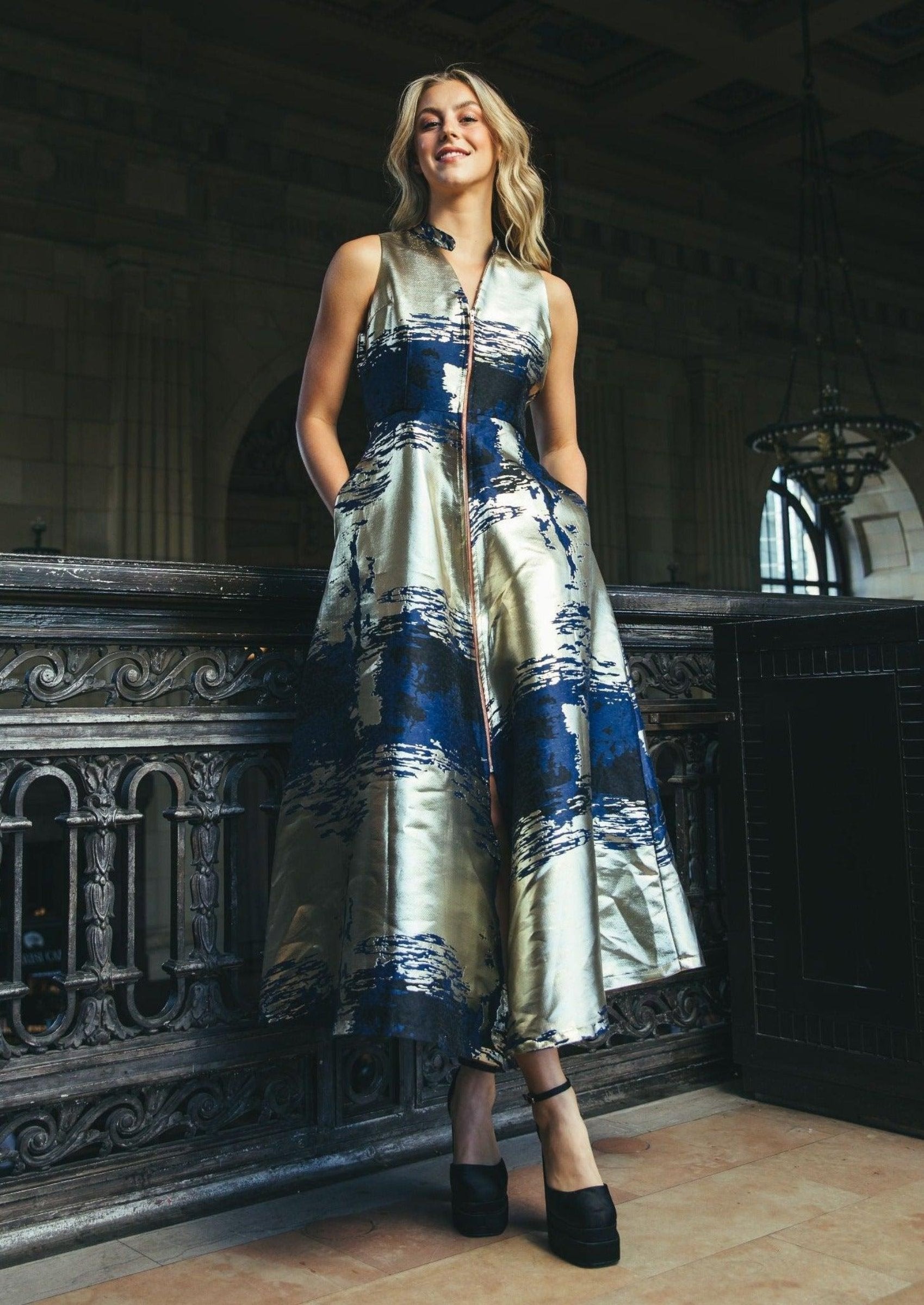
The Cleopatra Maxi Dress, priced at $300, is KAHINDO's answer to the woman who wants impact without compromise. Crafted in royal blue from 86% polyester and 14% metallic thread, this dress features invisible side pockets and a front metallic zipper, practical details that distinguish it from purely decorative gala wear. The updated sleeves include chic cut-out ruching detail, adding contemporary edge to a classic silhouette.
The metallic thread weave catches light beautifully, creating a luminous effect that photographs exceptionally well. According to Naise Shopper's 2026 luxury fashion analysis, metallic jacquard pieces are experiencing renewed demand among luxury consumers seeking lasting desirability (naiseshopper.com). Metallics age better than pure color because they don't fade as noticeably with wear and dry cleaning.
The invisible pockets and front zipper transform this from purely decorative wear into something functional. You can carry essentials without a clutch, and the zipper closure means no struggling at the end of the evening.
3. Balloon Sleeve Ombré Organza Jumpsuit: Architectural Presence
At $445, the Balloon Sleeve Ombré Organza Jumpsuit is the investment piece for women who refuse to blend in. Made from double-layer thread ombré organza with a luminous gradient effect, this floor-length jumpsuit features dramatic balloon sleeves and an open cutout back. The fabric weight (approximately 13 ounces) provides structure while remaining light enough for all-day comfort. The front zipper closure and side pockets maintain the practical elegance that distinguishes KAHINDO's occasionwear.

This jumpsuit works for bridesmaids seeking coordinated elegance, mothers of the bride wanting refined sophistication, and wedding guests dressing for formal evening occasions. The ombré gradient creates the illusion of movement even when standing still, an effect that mass-produced alternatives cannot match.
Cost-per-wear: At $445 for a piece worn 6-10 times over five years, you're at $44-$74 per wear before resale. The architectural design and handcrafted quality suggest strong secondary market potential.
4. Orange Maxi Gown: Bold Color Investment
The Orange Maxi Gown, priced at $100, proves that investment pieces don't require four-figure price tags. Made from 95% polyester and 5% spandex with Japanese silk detailing, this fully lined maxi gown delivers impact through color and silhouette. The off-boat neckline and dramatic trumpet sleeves create a powerful, sculptural silhouette, while a front slit adds elegant movement.

This is a statement piece for women confident enough to wear bold color. Orange reads as celebratory and energetic, perfect for galas with a festive spirit, cultural celebrations, or milestone events. The spandex content (5%) provides gentle stretch for a comfortable, flattering fit across different body types. The full lining ensures a polished, comfortable wear and extends the garment's lifespan by reducing stress on the outer fabric.
Sustainable Luxury Evening Gowns and Artisan-Made Formalwear Benefits
The shift toward sustainable luxury evening gowns reflects a fundamental change in how women approach gala dressing. Rather than viewing formal wear as disposable, conscious consumers are investing in pieces with transparent supply chains, ethical production, and lasting appeal. The U.S. resale market is on track to reach $66-68 billion in 2026, growing 9 times faster than traditional retail (bain.com).
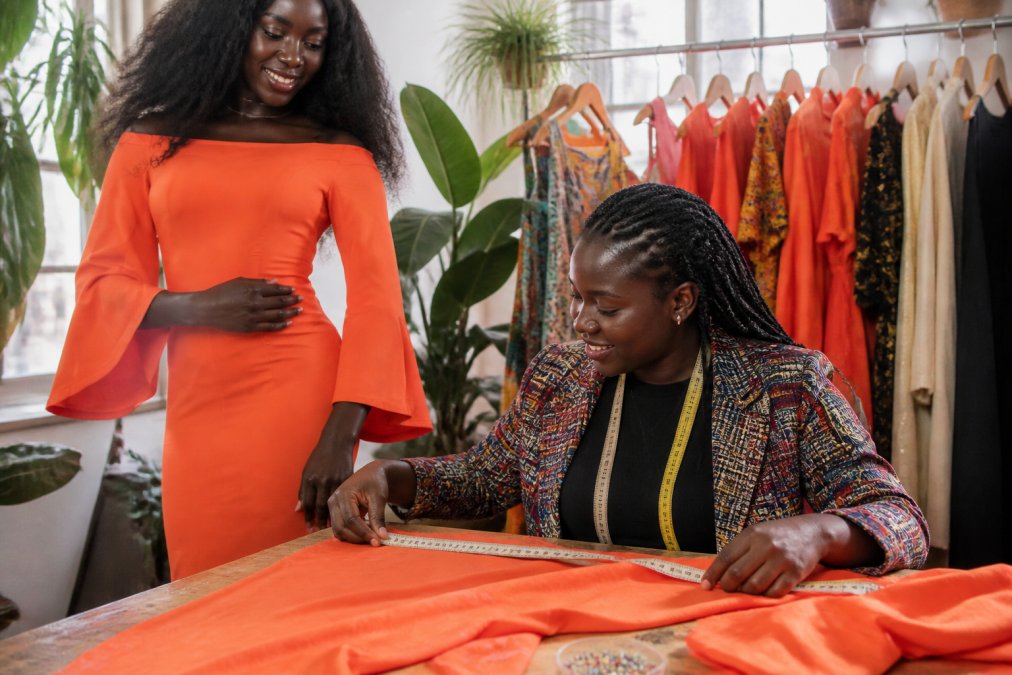
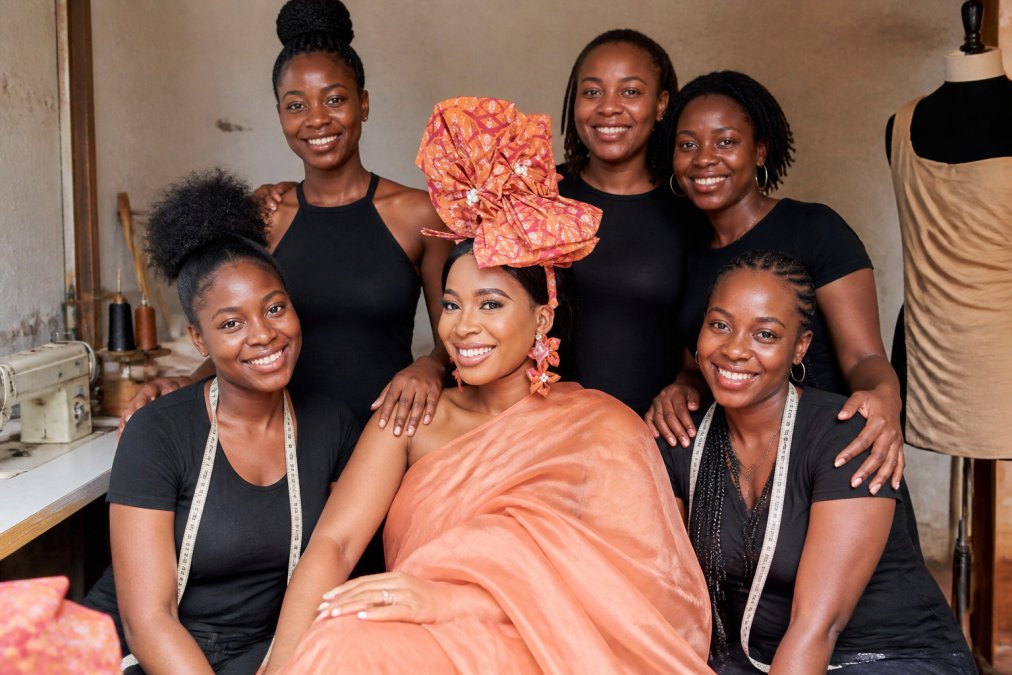
Artisan-made formalwear offers specific advantages over mass-produced alternatives. Each piece is handcrafted, making variations in color gradient, beadwork placement, and construction details singular. A KAHINDO gown isn't one of thousands; it's one of a kind, created by a named artisan in Kenya whose labor practices and fair-trade compensation are documented and transparent.
The provenance card included with every KAHINDO piece documents the artisan, labor hours, and production story. This transparency gives the wearer connection to the maker, transforming a purchase into a relationship, and enhances resale value, luxury buyers increasingly demand supply chain transparency, and documented artisan provenance commands premium pricing in secondary markets.
Sustainable luxury also means durability. Artisan-made pieces use higher-quality fabrics and construction techniques specifically because they're built to last. Slow-bath dyeing creates color saturation that resists fading. Hand-stitching distributes stress more evenly than machine construction, extending garment life. A dress worn eight times has one-eighth the environmental impact per wear compared to a dress worn once.
For women attending multiple galas annually, sustainable luxury pieces offer financial efficiency. A $400 handcrafted dress worn 10 times costs $40 per wear. A $150 fast-fashion dress worn twice costs $75 per wear.
How to Style a Gala Dress for Different Events
A true investment piece should work across multiple gala contexts. The styling strategy changes based on event type, venue formality, and cultural context, but the dress remains the anchor.
Charity Galas and Formal Fundraisers: Pair your investment piece with minimal jewelry, a structured clutch, simple drop earrings, and heeled sandals. The dress should be the statement; accessories should support, not distract.
Wedding Receptions and Milestone Celebrations: Layer your investment piece with statement jewelry, chandelier earrings or a bold bracelet. A metallic clutch or patterned wrap adds visual interest while allowing accessories to reflect your personal style.
Holiday and Seasonal Galas: Temperature and lighting change how your dress reads. In winter events with cooler lighting, metallic pieces shine. In summer galas with warm, golden-hour lighting, jewel tones like royal blue and deep orange photograph beautifully. Adjust footwear and wrap accordingly.
Cultural and Ceremonial Events: These galas often have specific dress codes or color expectations. An investment piece with cultural provenance, like KAHINDO's pieces rooted in Congolese textile traditions, adds authenticity to the occasion.
Your investment piece should work across at least three different gala contexts. If a dress only works for one specific event, it's not truly an investment.
Cost-Per-Wear and Resale Value: The Financial Case for Investment Pieces
The financial argument for investment pieces rests on two calculations: cost-per-wear and resale value. A $400 handcrafted dress can be cheaper than a $100 fast-fashion alternative.
Cost-per-wear is straightforward mathematics. A $300 dress worn six times costs $50 per wear. A $100 dress worn once costs $100 per wear. The investment piece wins on math alone, assuming multiple wears.
For frequent gala attendees, cost-per-wear calculations favor investment pieces decisively. A $400 dress worn 12 times costs $33 per wear. A $150 fast-fashion dress worn twice costs $75 per wear.
Resale value adds a second financial dimension. According to Arizton's 2026 luxury resale market analysis, the luxury resale market in the United States was valued at $8.65 billion in 2024 and is expected to reach $13.04 billion by 2030, growing at a compound annual growth rate of 7.07%. Handcrafted and artisan-made pieces command premium pricing because they're singular and documented provenance adds authenticity.
A KAHINDO dress with its provenance card typically retains 40-60% of retail value in secondary markets. A $400 dress can resell for $160-$240, effectively reducing your true cost to $160-$240. Spread across 8-12 wears, that's $13-$30 per wear, cheaper than renting from services like Rent the Runway, which typically costs $70-$150 per rental.
The resale advantage compounds for pieces with strong design longevity. A dress that feels dated in two years resells at a discount. A dress with timeless silhouette and quality construction resells at premium. This is why investment pieces with sculpted silhouettes, neutral-to-jewel-tone colors, and documented craftsmanship outperform trendy alternatives in secondary markets.
For women who attend galas regularly, the financial case is definitive. Between cost-per-wear and resale value, investment pieces cost less than fast fashion while delivering superior quality, ethical production, and the confidence that comes from wearing something singular and well-made.
The pieces featured throughout this guide, from the Strapless Peplum Ombré Organza Jumpsuit to the Orange Maxi Gown, share a common purpose: they're designed for women who understand that gala dressing is an investment, not an expense. KAHINDO specializes in exactly this category of occasionwear: handcrafted, fair-trade, documented pieces that work across multiple events and gain meaning through wear. Each garment arrives with a provenance card documenting the artisan who made it, transforming a purchase into a relationship. Shop KAHINDO's collection and invest in pieces that look good, feel good, and do good.
=== FAQ ANSWERS (audit these too, same rules) ===
[1] Q: What defines an investment piece in formal eveningwear? A: An investment piece combines timeless silhouettes, superior craftsmanship, and quality materials that resist trends. Look for structured tailoring, luxurious fabrics like organza and metallic jacquard, and designs that work across multiple occasions. Pieces from artisan-made brands offer exceptional durability and retain their aesthetic appeal for years. Cost-per-wear improves dramatically when a dress works for galas, black-tie weddings, and formal dinners rather than a single event.
[2] Q: How do artisan-made gowns compare to mass-produced luxury pieces? A: Artisan-made formalwear benefits from handcrafted construction, unique textile processes, and individualized attention that mass production cannot replicate. Fair-trade artisan pieces offer transparency about labor practices and material sourcing, plus non-replicable details like slow-bath dyed ombré effects. This craftsmanship translates to garments that hold their shape, resist pilling, and maintain their visual impact season after season, making them superior long-term investments despite higher initial cost.
[3] Q: Can one gala dress work for multiple black-tie events? A: Yes. Neutral metallics, jewel tones, and solid colors work across weddings, galas, and formal dinners. Style variations, different jewelry, shoes, and wraps, create distinct looks from the same dress. Avoid heavily themed prints or event-specific embellishments. Jumpsuits and maxi dresses in timeless silhouettes offer versatility that mini dresses or heavily embellished gowns cannot match, maximizing your cost-per-wear and making the investment more practical.
[4] Q: What fabrics are best for long-term gala wardrobe investments? A: Organza, metallic jacquard, and high-quality satin resist wrinkles and maintain their structure through repeated wear and dry cleaning. Ombré organza with double-layered construction offers visual depth and durability. Polyester blends with spandex provide gentle stretch without losing shape. Quality construction matters as much as fiber content, look for full lining, reinforced seams, and substantial weight (12-13oz for jumpsuits, heavier for gowns) that signals durability.
[5] Q: How does ethical production impact the quality of formalwear? A: Fair-trade artisan production emphasizes quality over speed, resulting in meticulous attention to detail, hand-finishing, and rigorous quality checks. Slow-bath dyeing processes create non-replicable color gradients and superior color fastness. Female artisans working in cooperative settings take pride in their craft, reducing defects and ensuring each piece meets exacting standards. This commitment to ethical practices directly translates to garments that last longer, resist fading, and maintain their structured silhouettes through multiple seasons of wear.
Frequently Asked Questions
Q: What defines an investment piece in formal eveningwear?
A: An investment piece combines timeless silhouettes, superior craftsmanship, and quality materials that resist trends. Look for structured tailoring, luxurious fabrics like organza and metallic jacquard, and designs that work across multiple occasions. Pieces from artisan-made brands offer exceptional durability and retain their aesthetic appeal for years. Cost-per-wear improves dramatically when a dress works for galas, black-tie weddings, and formal dinners rather than a single event.
Q: How do artisan-made gowns compare to mass-produced luxury pieces?
A: Artisan-made formalwear benefits from handcrafted construction, unique textile processes, and individualized attention that mass production cannot replicate. Fair-trade artisan pieces offer transparency about labor practices and material sourcing, plus non-replicable details like slow-bath dyed ombré effects. This craftsmanship translates to garments that hold their shape, resist pilling, and maintain their visual impact season after season, making them superior long-term investments despite higher initial cost.
Q: Can one gala dress work for multiple black-tie events?
A: Yes. Neutral metallics, jewel tones, and solid colors work across weddings, galas, and formal dinners. Style variations, different jewelry, shoes, and wraps, create distinct looks from the same dress. Avoid heavily themed prints or event-specific embellishments. Jumpsuits and maxi dresses in timeless silhouettes offer versatility that mini dresses or heavily embellished gowns cannot match, maximizing your cost-per-wear and making the investment more practical.
Q: What fabrics are best for long-term gala wardrobe investments?
A: Organza, metallic jacquard, and high-quality satin resist wrinkles and maintain their structure through repeated wear and dry cleaning. Ombré organza with double-layered construction offers visual depth and durability. Polyester blends with spandex provide gentle stretch without losing shape. Quality construction matters as much as fiber content, look for full lining, reinforced seams, and substantial weight (12-13oz for jumpsuits, heavier for gowns) that signals durability.
Q: How does ethical production impact the quality of formalwear?
A: Fair-trade artisan production emphasizes quality over speed, resulting in meticulous attention to detail, hand-finishing, and rigorous quality checks. Slow-bath dyeing processes create non-replicable color gradients and superior color fastness. Female artisans working in cooperative settings take pride in their craft, reducing defects and ensuring each piece meets exacting standards. This commitment to ethical practices directly translates to garments that last longer, resist fading, and maintain their structured silhouettes through multiple seasons of wear.
This article was written using GrandRanker