

Best Investment Dresses for Weddings
Table of Contents
- What Makes an Investment Dress Worth the Cost
- Cost-Per-Wear Analysis: Why Premium Fabrics Pay Off
- Top Investment Dresses for Wedding Guests
- Sustainable Wedding Guest Attire: Quality That Lasts
- How to Style a Statement Dress for Multiple Weddings
- Building a Capsule Wardrobe for Formal Events
- Tailoring and Care: Preserving Your Investment
- Frequently Asked Questions
Last Updated: September 3, 2026
What Makes an Investment Dress Worth the Cost
An investment dress is intentional. The difference between a one-time wear and a piece that defines your formal wardrobe comes down to fabric quality, timeless design, and ethical production.
According to ThredUp's 2026 Dress the Part(y) report, 87% of wedding guests admit to buying outfits they wear only once. This waste happens because most people chase trends or settle for fast-fashion that falls apart after a few wears. An investment dress flips this equation.
When you invest in a premium piece, you're paying for durability. High-quality fabrics like silk blends, crepe, or linen last significantly longer than fast-fashion alternatives. You're also investing in versatility, a well-chosen investment dress works across multiple occasions: weddings, galas, cocktail parties, and celebrations.
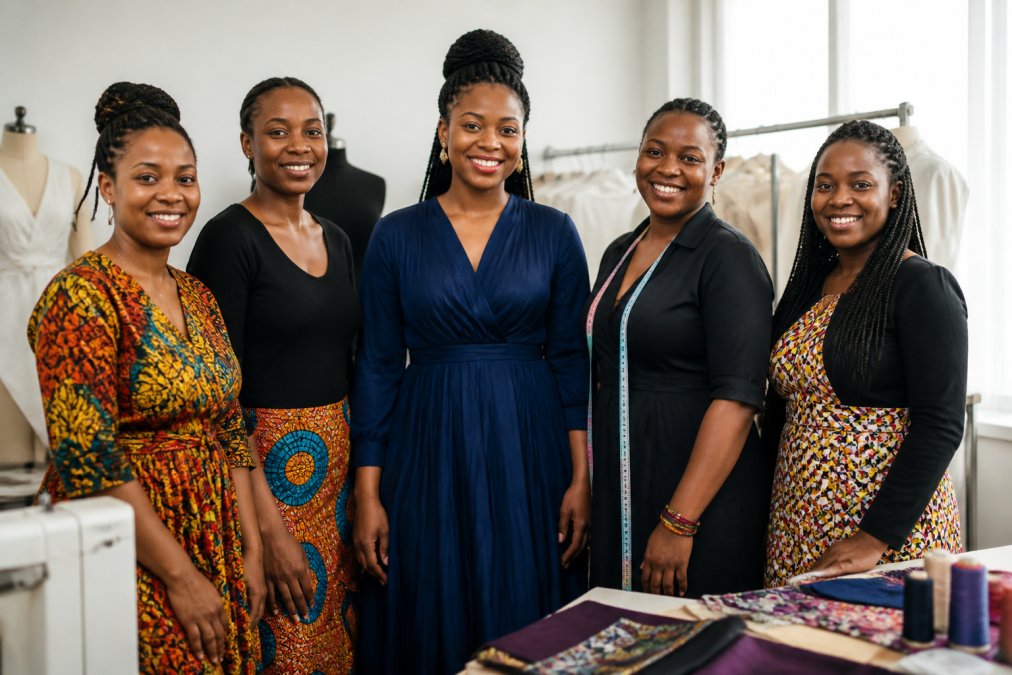
For conscious consumers, investment dresses offer transparency and ethics. Brands like KAHINDO design pieces in New York and handcraft them by female artisans in Kenya, ensuring fair wages with every purchase. The pieces that truly last are those with classic aesthetics, draped fabrics, fluid silhouettes, and rich tones like burgundy, wine, and forest green. Trendy cutouts and novelty prints are not investments.
Cost-Per-Wear Analysis: Why Premium Fabrics Pay Off
Cost-per-wear is the metric that separates smart shopping from impulse buying: divide the dress's price by the number of times you'll wear it.
A $70 dress worn once = $70 per wear. A $300 dress worn 10 times = $30 per wear. The expensive option wins.
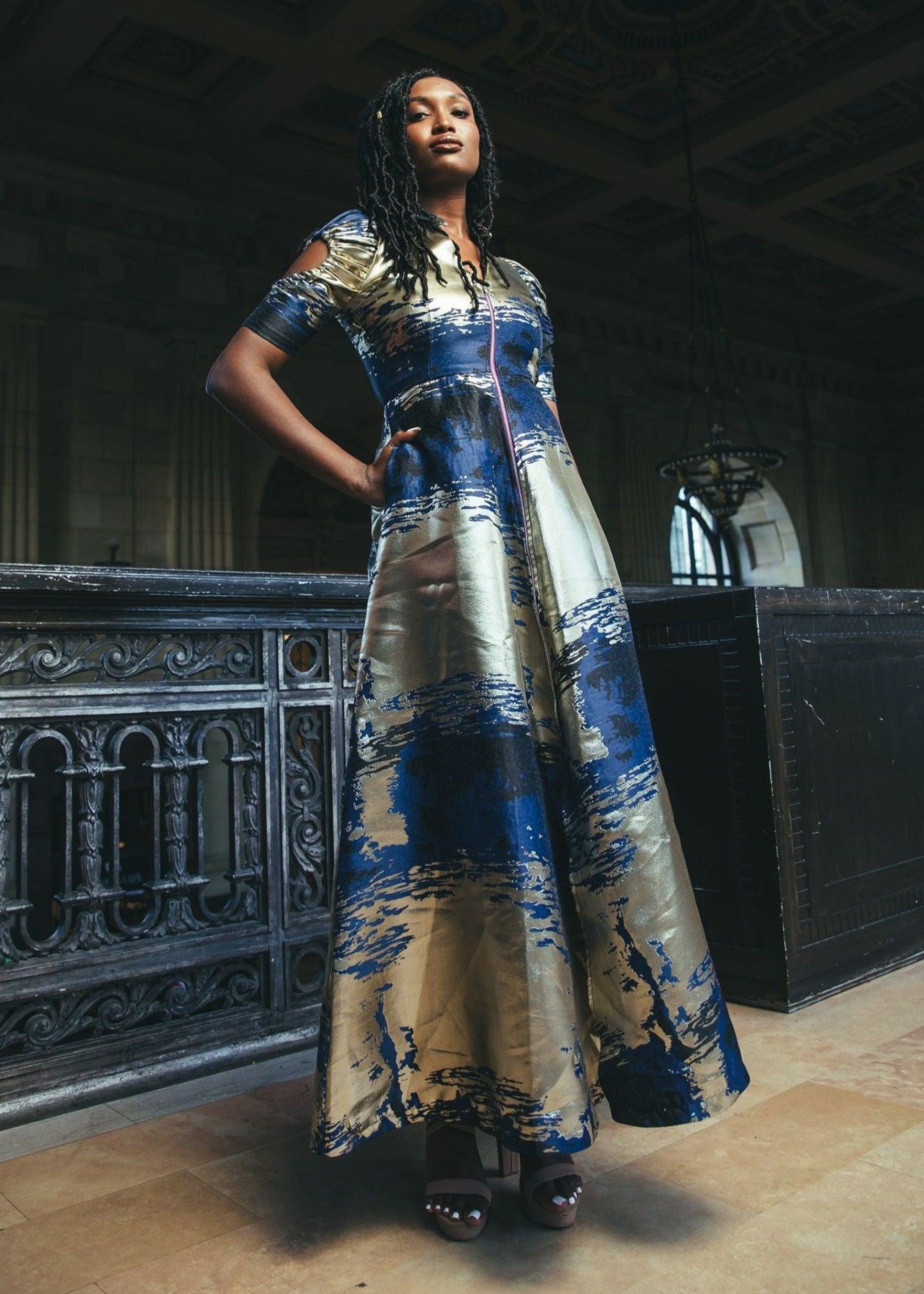
Premium fabrics resist pilling, maintain their shape through multiple cleanings, and actually improve with age. Metallic jacquard, like the 86% polyester and 14% metallic thread blend used in KAHINDO's Cleopatra Maxi Dress ($300), catches light beautifully and holds its luminous finish through years of wear.

According to Duke University's Fuqua School of Business research on formal attire, wearing formal clothing influences purchasing behavior, people buy nearly 18% more items and spend 6% more money when dressed formally. This suggests investment dresses elevate your entire approach to dressing.
| Fabric | Durability | Versatility | Cost-Per-Wear Advantage |
|---|---|---|---|
| Silk blend | Excellent | High | 12+ wears easily |
| Crepe | Excellent | High | 10+ wears |
| Linen | Very good | Medium | 8+ wears |
| Metallic jacquard | Excellent | Medium | 6+ wears (high impact) |
| Faux leather | Good | Medium | 5+ wears |
| Organza | Good | Medium | 4+ wears |
The sweet spot for cost-per-wear is a dress you'll wear at least 6-8 times. Choose pieces that transition across seasons and occasions. A burgundy metallic jacquard halter pencil dress works for winter galas, holiday parties, and evening celebrations.
Top Investment Dresses for Wedding Guests
1. Cleopatra Maxi Dress: Statement Elegance in Royal Blue
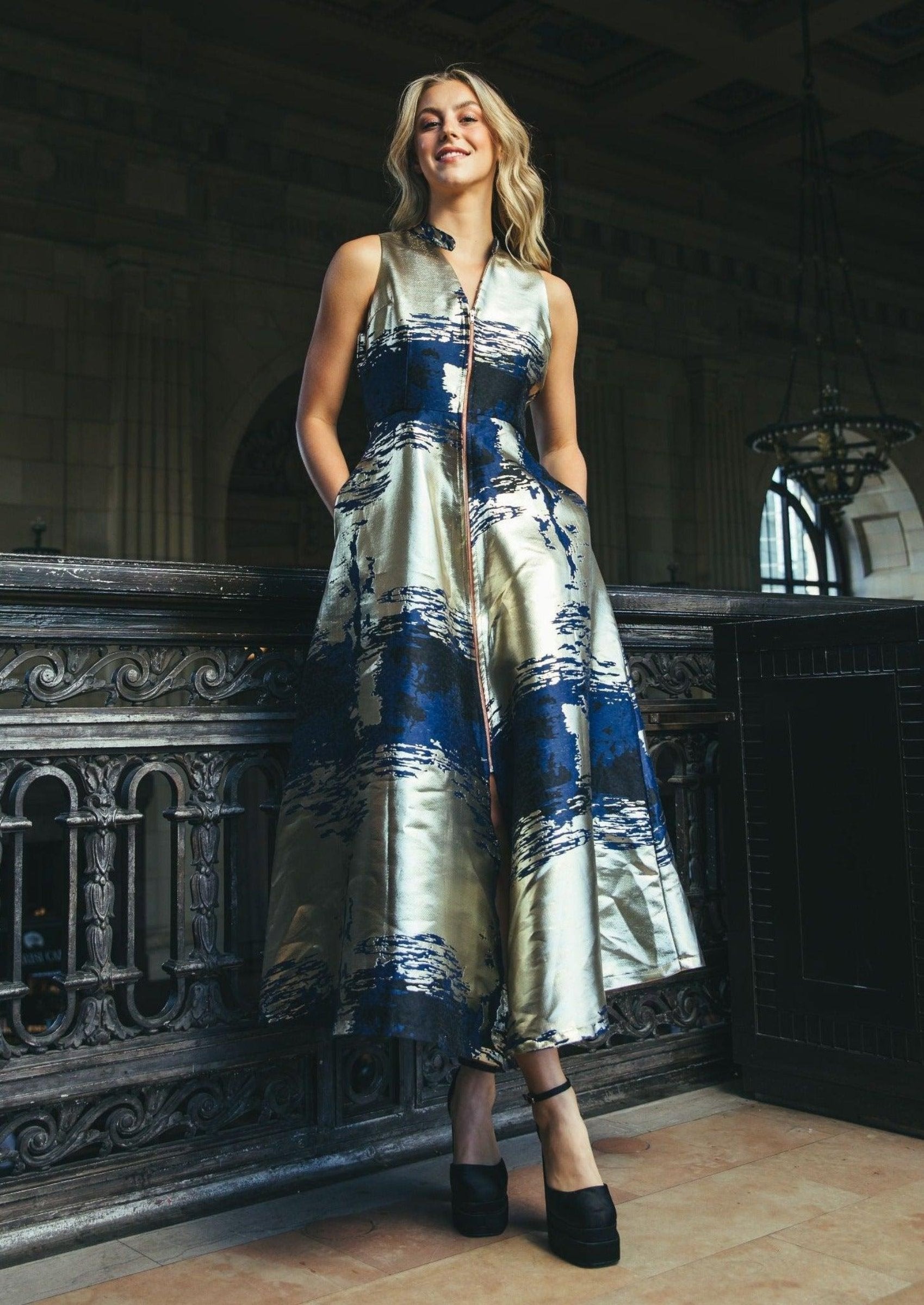
The Cleopatra Maxi Dress from KAHINDO ($300) is crafted in regal royal blue from an 86% polyester and 14% metallic thread blend, delivering the luminous presence that defines formal elegance.
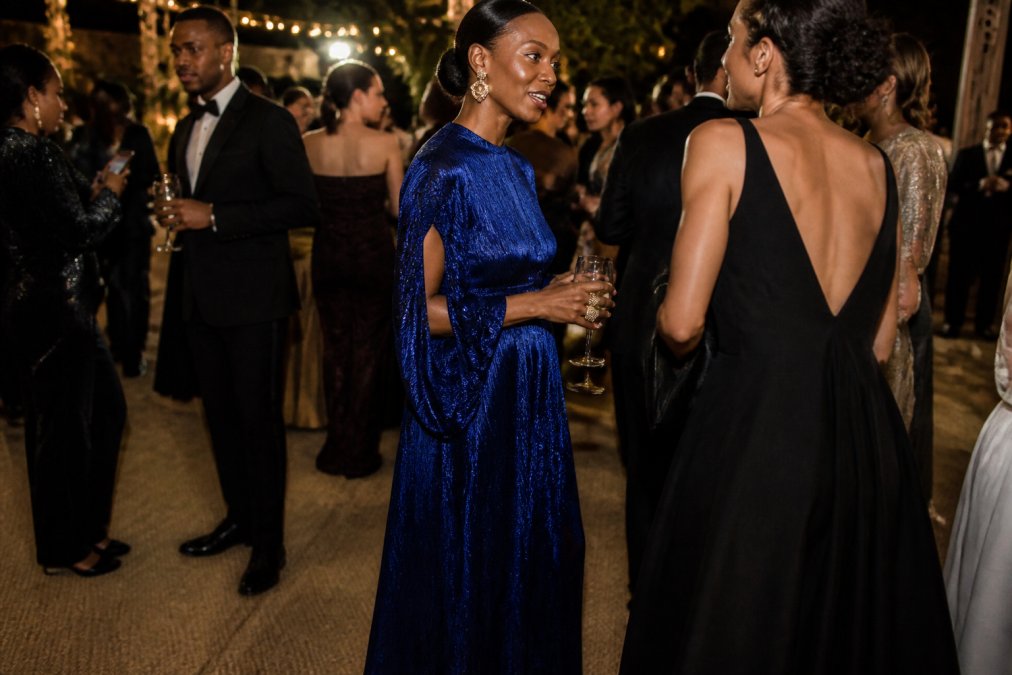
Invisible side pockets and a front metallic zipper add practicality without sacrificing the clean line. Updated sleeves feature chic cut-out ruching detail, a contemporary edge that prevents the dress from feeling dated. Every piece is handcrafted in Kenya by female artisans and includes a provenance card documenting the artisan and labor hours.
Wear this dress to 8 weddings or galas over three years, and you've hit $37.50 per wear. The metallic jacquard holds its shape through dry cleaning, and the royal blue photographs exceptionally well.
Best for: Women who want a statement maxi dress that commands attention.
2. Strapless Ombré Organza Mini Dress: Modern Versatility
The Strapless Ombré Organza Mini Dress ($370) represents contemporary elegance that works across multiple seasons and occasions.
Made from double-layer threaded ombré organza (95% polyester, 5% spandex), this dress transitions beautifully with a luminous, textured finish. The spandex blend provides gentle stretch for a secure fit, while the lightweight construction keeps it effortless to wear all day into the evening.
The strapless silhouette is clean and modern with no fussy detailing. The ombré effect creates visual interest without relying on prints, meaning it pairs with virtually any accessories. This dress excels as a wedding guest option and works for galas, cocktail parties, and upscale celebrations.
Best for: Women attending multiple weddings per year who need a piece that transitions across seasons and occasions.
3. Burgundy Gold Metallic Jacquard Halter Pencil Dress: Timeless Sophistication
The Burgundy Gold Metallic Jacquard Halter Pencil Dress, known as the Amara Dress ($75), proves that investment-quality pieces don't always require a premium price tag.
Made from luxurious burgundy gold metallic jacquard (86% polyester, 14% metallic thread), this dress exudes opulence through its construction. The halter neckline and pencil skirt silhouette offer classic allure. This dress works year-round.
At $75, wear this dress 8 times and you've invested just $9.38 per wear. The pencil silhouette flatters most body types, and the halter neckline works for different shoulder preferences.
Best for: Budget-conscious wedding guests who refuse to sacrifice quality. If you attend 3-4 formal events per year, this dress pays for itself in cost-per-wear within a single season.
4. Faux Leather Midi Dress with Cutout Detail: Contemporary Edge
The Faux Leather Midi Dress with Cutout Detail and Removable Belt ($80) offers contemporary edge without sacrificing investment value.

Made from luxurious faux leather with a polished finish, this dress creates a striking, fashion-forward look for cocktail events and creative occasions. Long sleeves and a chic cutout detail add modern, editorial quality. The removable belt offers styling versatility, cinched for a defined waist or worn without for a cleaner line.
Quality faux leather develops character with wear, a subtle patina that actually improves the dress's appearance over time. Unlike fast-fashion materials that crack and peel, quality faux leather becomes more elegant as it ages.
Best for: Women attending cocktail parties and creative galas who want contemporary style with investment-quality construction.
Sustainable Wedding Guest Attire: Quality That Lasts
Sustainability isn't marketing in investment dressing, it's practical reality. Sustainable fabrics are durable fabrics. Ethical production means better construction.
According to Grand View Research's 2026 formal wear market analysis, sustainability is a major motivator for using rental and second-hand platforms. But the most sustainable choice is buying once, buying well, and wearing a piece for years.
Sustainable fabrics worth investing in include organic cotton, bamboo silk, TENCEL Lyocell, linen, hemp, and recycled materials. KAHINDO uses 100% original cotton in pieces like the Sage Green & Orange Cotton Maxi Dress with Ruffles ($85), ensuring breathability, natural drape, and longevity.
When artisans are paid fairly and work in safe conditions, they take pride in their craft. This pride shows in construction details: reinforced seams, quality hardware, and finishing touches that prevent deterioration. KAHINDO's handcrafted pieces include a provenance card offering transparency that fast-fashion brands never provide.
Building a sustainable formal wardrobe means choosing classic silhouettes over trendy cuts, neutral or rich jewel tones over seasonal colors, and premium fabrics over novelty materials.
How to Style a Statement Dress for Multiple Weddings
The secret to maximizing cost-per-wear is styling versatility. A statement dress is a canvas for different accessories, shoes, and layering pieces that transform its entire mood.
The Cleopatra Maxi Dress in royal blue becomes pure glamour with gold accessories and strappy heels. Swap in silver jewelry and metallic sandals for contemporary elegance. Add a structured blazer and pointed-toe flats for daytime celebrations. The dress remains the same, but styling completely changes its context.
The Burgundy Gold Metallic Jacquard Halter Pencil Dress pairs with nude pumps and delicate jewelry for classic wedding guest style. Switch to black ankle boots and a leather jacket for cocktail parties. Add a wrap and statement earrings for galas.

For the Faux Leather Midi Dress, with pointed-toe heels and a structured clutch it's evening sophistication. With ankle boots and a cropped leather jacket, it's contemporary cool. The removable belt allows you to adjust the silhouette, creating two entirely different dress shapes from one piece.
Choose statement dresses in colors and fabrics that pair with your existing accessories. Metallics work with virtually any jewelry. Deep jewel tones pair beautifully with gold, silver, or mixed metals.
Building a Capsule Wardrobe for Formal Events
A formal capsule wardrobe is about intentionality. It's a curated collection of pieces that work together, multiply styling options, and eliminate decision fatigue.
Start with investment dresses as anchors. Build around them with supporting pieces: wraps, blazers, belts, and jewelry that work across multiple dresses.
The ideal formal capsule includes:
- 2-3 investment dresses in different silhouettes (maxi, midi, mini)
- 2-3 colors that work with your skin tone and existing accessories
- 1 structured blazer in black or neutral
- 1 evening wrap or shawl
- 3-4 pairs of shoes (black heels, nude pumps, metallic flats, strappy sandals)
- Statement jewelry in 2-3 metals
- A clutch or small evening bag in neutral
For women attending 4-6 formal events per year, this capsule should cost between $500-$800 total. That breaks down to approximately $85-$130 per event when you factor in cost-per-wear over three years. This is significantly less than buying a new dress for each event and infinitely more sustainable.
Tailoring and Care: Preserving Your Investment
An investment dress is only an investment if you preserve it through proper tailoring, storage, and cleaning.
Tailoring is non-negotiable. A dress that fits perfectly will be worn 10 times while an ill-fitting dress sits in the closet. Budget $50-$150 for tailoring. A hemmed dress, a taken-in waist, or adjusted straps transform a dress from "close enough" to "perfect."
Storage matters enormously. Formal dresses should be stored on padded hangers in a cool, dry closet away from direct sunlight. Never hang dresses in plastic dry-cleaning bags for extended periods, plastic traps moisture and causes yellowing. Use breathable cotton garment bags instead.
Cleaning depends on fabric. Most premium fabrics require dry cleaning. KAHINDO pieces are marked "dry clean only" for good reason. Professional dry cleaning preserves the fabric's integrity and prevents damage. Budget $8-$15 per cleaning. If you wear a dress 10 times over three years, that's $80-$150 in cleaning costs, still reasonable when divided across the dress's lifespan.
Between wearings, air out your dress to release odors and moisture. This extends the time between professional cleanings.
For pieces like the Faux Leather Midi Dress, care is simpler. Faux leather can be gently wiped with a damp cloth and maintained with a leather conditioner to prevent cracking.
The difference between a dress you wear once and an investment piece you wear for years comes down to intentionality. Investment dresses are chosen carefully, styled creatively, and cared for properly. They're pieces from brands like KAHINDO that prioritize quality, ethics, and timeless design.
When you invest in a dress that costs $75 to $370 and wear it 8-12 times, you're not overspending. You're making the most economical choice available. You're also making the most sustainable choice. And when that dress is handcrafted by female artisans in Kenya through fair-trade practices, you're making the most ethical choice too.
=== FAQ ANSWERS (audit these too, same rules) ===
[1] Q: What defines an investment dress for a wedding? A: An investment dress for weddings combines premium fabric quality, timeless silhouette, and versatile styling potential. It should feature construction details like hidden pockets, quality seams, and breathable materials that endure multiple wears. The dress works across multiple occasions, not just one wedding, and maintains its shape and color after proper care. Ethical production and artisan craftsmanship add lasting value, as seen in handcrafted pieces that document their origin and labor hours.
[2] Q: How do you calculate cost-per-wear for sustainable wedding guest attire? A: Divide the dress price by the number of times you'll wear it. A $300 dress worn 10 times costs $30 per wear; worn 5 times, it costs $60. Investment dresses justify higher upfront costs through rewearability across seasons and occasions. Premium fabrics like metallic jacquard and organza resist pilling and fading, extending active wear life. Sustainable pieces made with fair-trade practices and quality construction often outlast cheaper alternatives, lowering true cost-per-wear over years of wear.
[3] Q: Can you wear the same dress to multiple weddings without it being obvious? A: Yes, if you invest in styling versatility. Change accessories, shoes, and hair styling between events. Statement dresses in jewel tones or bold prints work well for this, they read differently depending on how you accessorize. A metallic jacquard dress paired with simple jewelry and heels reads formal; styled with layered gold chains and strappy sandals, it shifts to cocktail. Midi and maxi lengths offer more flexibility than minis. Aim for dresses with neutral bases or timeless prints rather than trendy seasonal colors.
[4] Q: What fabric qualities matter most in a wedding guest dress? A: Look for natural or high-quality blended fabrics that breathe and drape well: silk blends, cotton, linen, crepe, and chiffon resist wrinkles and maintain shape. Metallic jacquard and organza hold structured silhouettes beautifully and photograph well. Avoid thin polyester alone, it clings and wrinkles easily. Weight matters: substantial fabrics (8-10 ounces) hold their form throughout an event, while lightweight materials feel effortless. Ethically produced fabrics often use better dyeing processes, resulting in richer colors that resist fading after multiple wears and professional cleanings.
Frequently Asked Questions
Q: What defines an investment dress for a wedding?
A: An investment dress for weddings combines premium fabric quality, timeless silhouette, and versatile styling potential. It should feature construction details like hidden pockets, quality seams, and breathable materials that endure multiple wears. The dress works across multiple occasions, not just one wedding, and maintains its shape and color after proper care. Ethical production and artisan craftsmanship add lasting value, as seen in handcrafted pieces that document their origin and labor hours.
Q: How do you calculate cost-per-wear for sustainable wedding guest attire?
A: Divide the dress price by the number of times you'll wear it. A $300 dress worn 10 times costs $30 per wear; worn 5 times, it costs $60. Investment dresses justify higher upfront costs through rewearability across seasons and occasions. Premium fabrics like metallic jacquard and organza resist pilling and fading, extending active wear life. Sustainable pieces made with fair-trade practices and quality construction often outlast cheaper alternatives, lowering true cost-per-wear over years of wear.
Q: Can you wear the same dress to multiple weddings without it being obvious?
A: Yes, if you invest in styling versatility. Change accessories, shoes, and hair styling between events. Statement dresses in jewel tones or bold prints work well for this, they read differently depending on how you accessorize. A metallic jacquard dress paired with simple jewelry and heels reads formal; styled with layered gold chains and strappy sandals, it shifts to cocktail. Midi and maxi lengths offer more flexibility than minis. Aim for dresses with neutral bases or timeless prints rather than trendy seasonal colors.
Q: What fabric qualities matter most in a wedding guest dress?
A: Look for natural or high-quality blended fabrics that breathe and drape well: silk blends, cotton, linen, crepe, and chiffon resist wrinkles and maintain shape. Metallic jacquard and organza hold structured silhouettes beautifully and photograph well. Avoid thin polyester alone, it clings and wrinkles easily. Weight matters: substantial fabrics (8-10 ounces) hold their form throughout an event, while lightweight materials feel effortless. Ethically produced fabrics often use better dyeing processes, resulting in richer colors that resist fading after multiple wears and professional cleanings.
This article was written using GrandRanker