

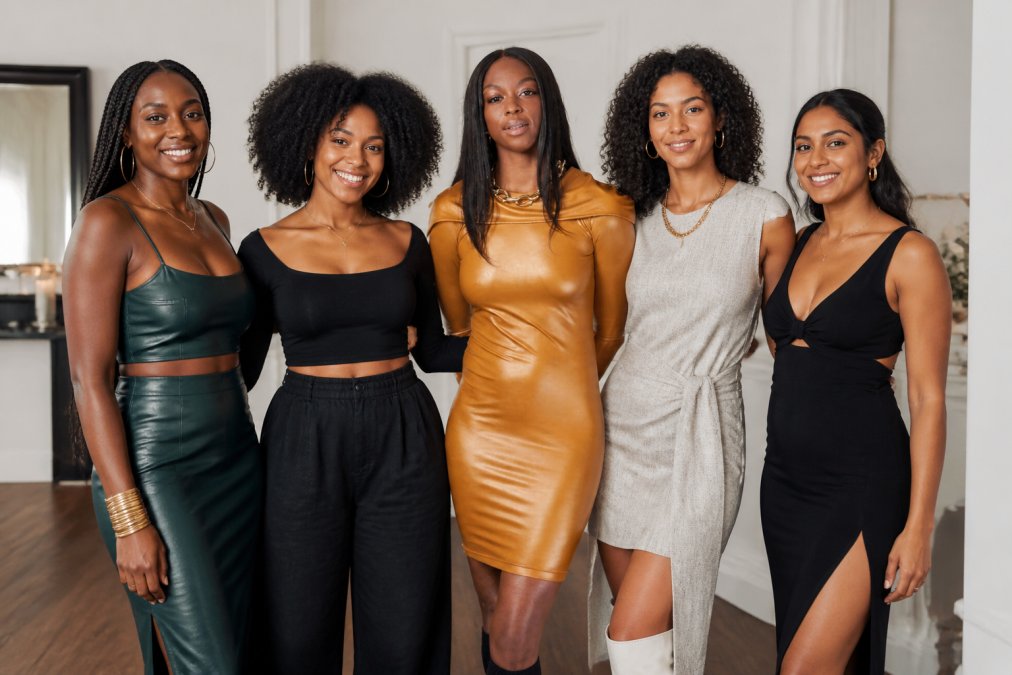
Statement Pieces Beyond Cultureville: 7 Ethical Alternatives
Table of Contents
- What Makes a True Statement Piece in Luxury Fashion
- Why Ethical Luxury Womenswear Brands Are Redefining Occasion Wear
- KAHINDO vs Cultureville: How Fair-Trade Craftsmanship Changes the Equation
- Six More Ethical Alternatives for Statement Pieces
- Sustainable Wedding Guest Dresses: How to Choose
- Investment Value: Why Statement Pieces Outlast Trends
- Conclusion: Dressing with Intention
Last Updated: August 24, 2026
What Makes a True Statement Piece in Luxury Fashion
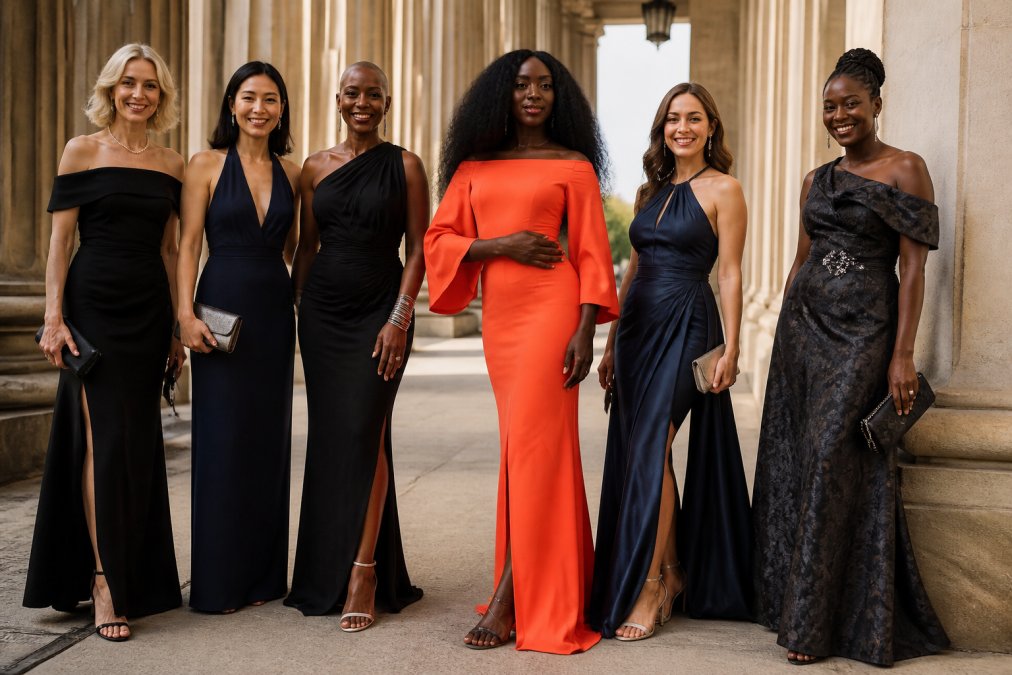
A statement piece is a bold, eye-catching garment designed to command attention and express individuality. It prioritizes visual impact through dramatic silhouettes, unexpected textures, jewel tones, bold patterns, or exaggerated proportions. What separates a true statement piece from ordinary occasion wear is intention, it tells a story about who you are and becomes memorable.
More than 55% of U.S. consumers report considering sustainability before purchasing apparel, and over 45% prefer recycled or organic textile products when available, according to Ethical Fashion Market Growth, Trends & Insights 2026. This shift reflects a deeper change in how people approach luxury fashion. They want garments that look good, feel good, and do good.
The best statement pieces share three qualities: exceptional construction that proves quality, cultural or artistic authenticity that gives them meaning, and versatility that allows them to transition across multiple occasions. A well-chosen statement piece becomes a conversation starter and an investment that outlasts seasonal trends.
Why Ethical Luxury Womenswear Brands Are Redefining Occasion Wear
Women no longer accept the choice between affordable and ethical, between unique and responsibly made. Ethical luxury womenswear brands are proving that you can have all three by combining fair-trade production, artisan empowerment, and culturally authentic design.
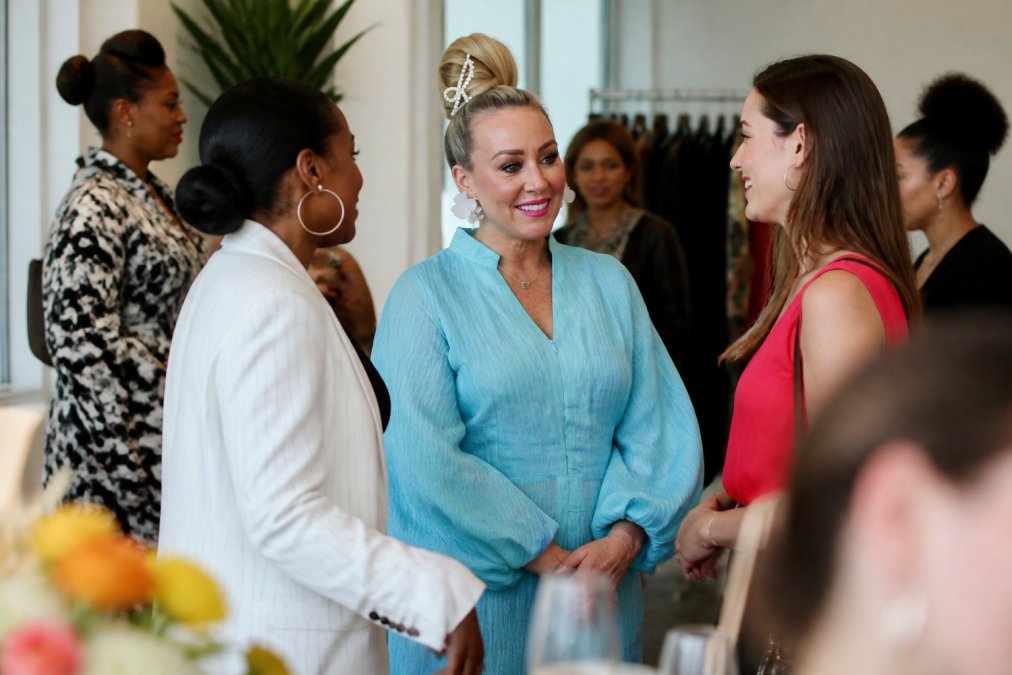
By 2026, approximately 30% of U.S. apparel consumers actively prioritize sustainable labels, according to US Sustainable Fashion Market Report 2026: Trends & Forecast. The U.S. sustainable fashion market is projected to reach $2.5 billion to $3.2 billion by the end of 2026, growing at a compound annual growth rate of 9-10% (sourceready.com). This is now mainstream, not niche.
What makes ethical luxury different is that sustainability is foundational, not an afterthought. Every garment carries a story: the artisan who hand-stitched the seams, the natural dyes used, the fair wages paid. This transparency builds trust with consumers tired of greenwashing. The shift toward bold, eye-catching styles and statement pieces is also reshaping the industry, with more brands embracing maximalist prints, exaggerated silhouettes, and textural contrast. Consumers increasingly want pieces that reflect their personality and bring joy.
KAHINDO vs Cultureville: How Fair-Trade Craftsmanship Changes the Equation
KAHINDO and Cultureville both occupy the ethical luxury occasion wear space but approach the market from distinctly different angles.
Production & Artisan Empowerment
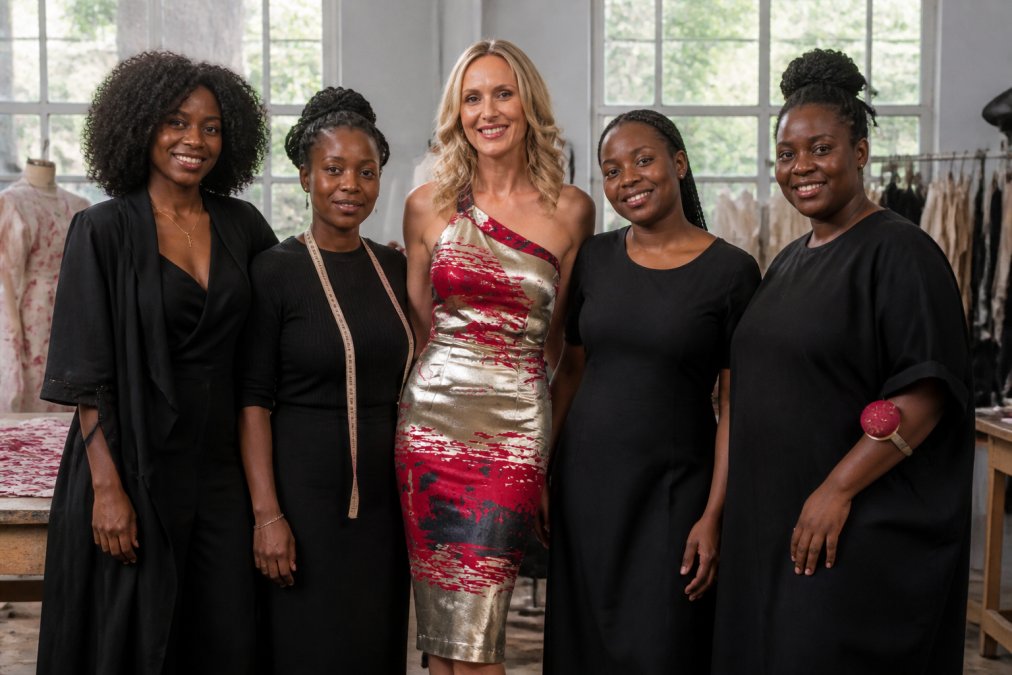
KAHINDO's production model centers on direct partnership with female artisans in Kenya. Every piece is handcrafted by women in a Nairobi cooperative, with each garment including a provenance card that documents the artisan and labor hours. The brand uses slow-bath dyeing processes that create unique, non-replicable gradients, meaning no two pieces are identical. KAHINDO employs fair-trade practices ensuring living wages and artisan equity, treating African craftsmanship as a primary luxury asset.
Cultureville operates with a similar ethical framework but emphasizes different production methods and geographic sourcing.
Design Philosophy & Cultural Authenticity
KAHINDO's design DNA comes directly from founder Kahindo Mateene's heritage, rooted in Congolese textile traditions blended with contemporary silhouettes designed in New York. As Kahindo Mateene states, "I did not set out to disrupt fashion. I set out to honor the women who make it."
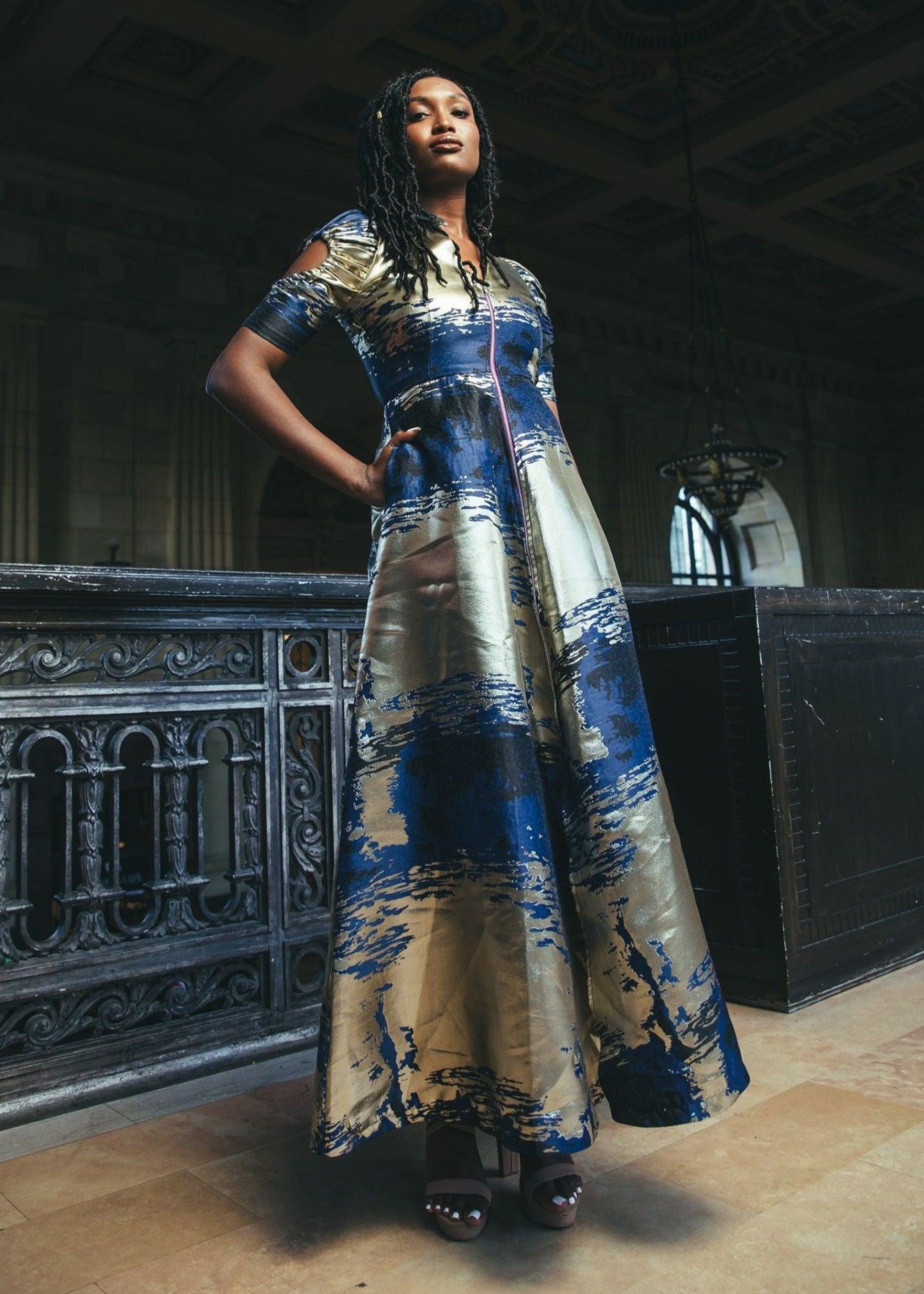
The brand's aesthetic emphasizes bold African prints, jewel tones, and dramatic silhouettes. Pieces like the Balloon Sleeve Ombré Organza Jumpsuit ($445) feature exaggerated proportions and luminous fabrics. These are designed for women who want to be noticed.
Pricing & Value Proposition
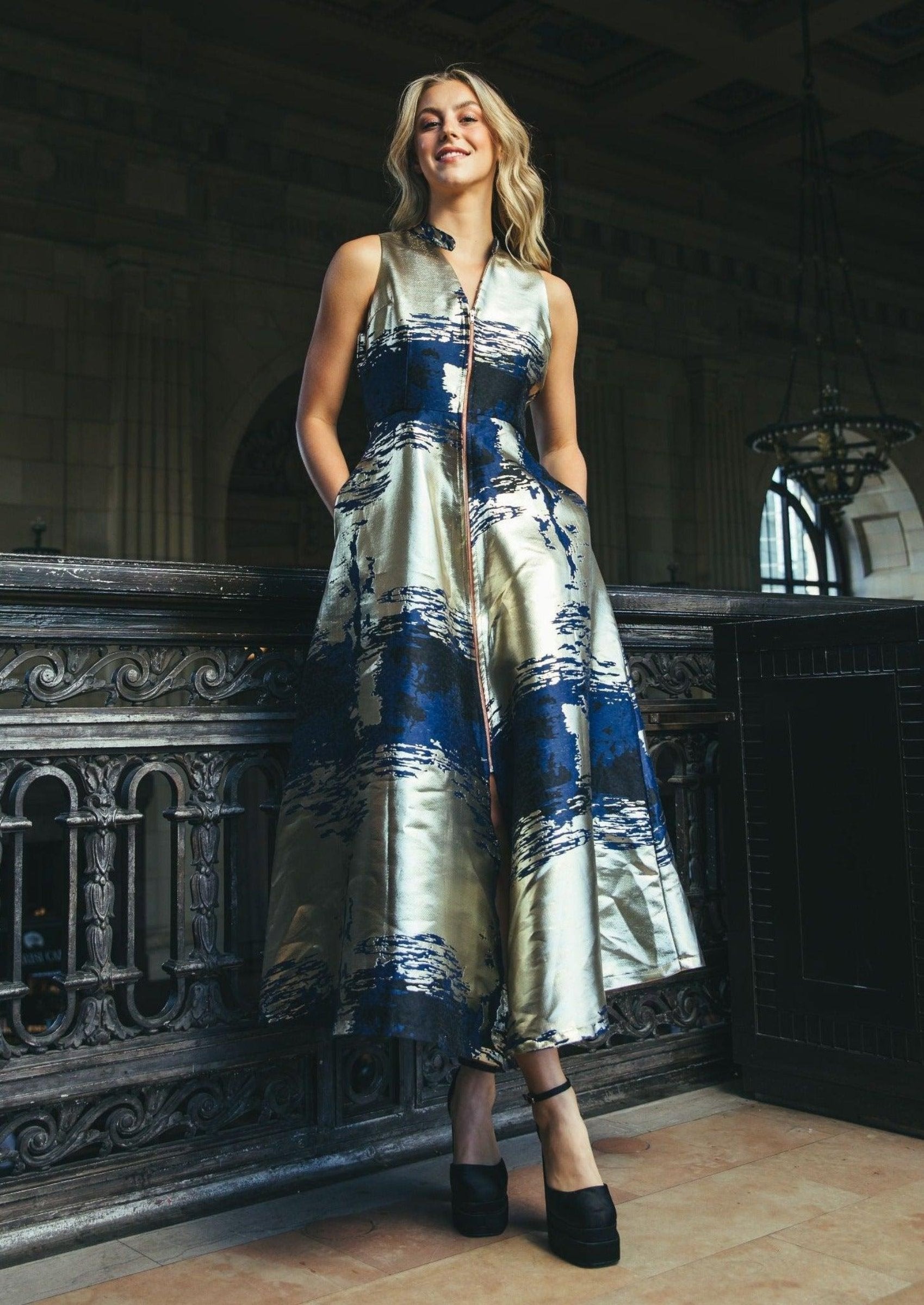
KAHINDO's pricing reflects the quality, artisanal labor, and fair wages embedded in each piece. Occasion dresses range from $60-$80 for faux leather pieces like the Mzingazi Dress ($60) and Sibayi Midi Dress ($65), while jumpsuits command $420-$445 for ombré organza styles. You're paying for handcrafted quality, transparent supply chain practices, and direct support of female artisan empowerment.

Six More Ethical Alternatives for Statement Pieces
Reformation: Vintage Luxury Meets Sustainability
Reformation, founded in 2009, uses repurposed vintage clothing, salvaged deadstock fabric, or new sustainable materials. The brand invests in green building infrastructure to minimize waste, water, and energy footprints. Statement pieces lean toward contemporary minimalism with unexpected details, cutouts, or bold color blocking. Pieces tend toward the $74-$998 range. If your priority is environmental impact and circular economy practices, Reformation delivers.
With Jean: Maximalist Prints & Artisan Construction
With Jean produces clothing consciously by artisan sewers in China and ships orders in biodegradable plastic. Known for fun, bold, maximalist prints, the brand celebrates color, pattern clash, and textural abundance. Pricing is generally accessible, with many pieces under $200. The trade-off is less transparency about individual artisan partnerships compared to KAHINDO.
Cleobella: Bohemian Statement Pieces with Purpose
Cleobella specializes in bohemian-inspired occasion wear with global influences, emphasizing handcrafted details, natural fabrics, and artisanal construction. Pieces feature flowing silhouettes and intricate beading. Cleobella works with independent makers in Bali and India. If you prefer flowing fabrics and understated cultural references to loud African prints, Cleobella offers an alternative aesthetic.
Agaati: Contemporary African Luxury
Agaati brings contemporary African design sensibility to luxury occasion wear, celebrating African aesthetics while maintaining modern silhouettes. Pieces combine traditional textiles with modern design. Agaati emphasizes a zero-waste philosophy and works with artisans in India and Nepal. The choice between KAHINDO and Agaati often comes down to specific design aesthetic and founder vision.
Christie Brown Online: Heritage Craftsmanship
Christie Brown Online emphasizes heritage craftsmanship and artisanal construction with quality materials, meticulous tailoring, and timeless silhouettes. Statement pieces tend toward classic elegance rather than bold maximalism, appealing to consumers seeking investment pieces with longevity. Christie Brown offers dresses ranging from approximately $99 to $650.
Andrea Iyamah: Textural Elegance & Artisan Collaboration
Andrea Iyamah creates statement pieces through textural contrast, unexpected fabric combinations, and artisan collaboration. Pieces often feature layering, unconventional silhouettes, and textile artistry, attracting fashion enthusiasts who view clothing as wearable art. Andrea Iyamah offers items ranging from approximately $126 to $400.
Sustainable Wedding Guest Dresses: How to Choose
Selecting a sustainable wedding guest dress requires balancing aesthetics, fit, durability, and ethical production. Start by considering the event's formality and your personal style. KAHINDO's ombré jumpsuits ($420-$445) suit formal evening weddings. The Sibayi Midi Dress ($65) in golden sand faux leather works for cocktail celebrations.

Next, evaluate the brand's transparency about production. Can you trace where the piece was made? Do they name specific artisans or cooperatives? KAHINDO's provenance cards offer this level of detail.
Verification & Transparency Criteria
Legitimate ethical brands document their supply chain, name specific production locations, and explain fair-trade practices. They're transparent about pricing so you understand where your money goes. KAHINDO's transparency includes provenance cards documenting artisans and labor hours, specific mention of Nairobi cooperative partnerships, and founder storytelling that connects you to the brand's mission.
Ask yourself: Can I verify this brand's claims? Do they provide specific information or just vague sustainability language? Brands confident in their ethics are transparent about them.
Fit, Durability & Care for Artisanal Fabrics
Artisanal fabrics require different care than mass-produced alternatives. KAHINDO's faux leather pieces are dry-clean only. The ombré organza jumpsuits need gentle handling. Understanding fabric care before purchase prevents disappointment.
Fit is critical when buying artisan-made pieces. Durability is where ethical luxury proves its value, quality construction and artisanal attention mean these pieces withstand repeated wear.
| Consideration | What to Check | Why It Matters |
|---|---|---|
| Production Location | Named country, city, cooperative | Verifies supply chain transparency |
| Artisan Details | Named individuals or cooperatives documented | Confirms direct economic impact |
| Fabric Care | Dry clean vs. washable, specific instructions | Affects long-term durability and maintenance cost |
| Sizing Consistency | True to size, fit notes from customers | Reduces fit risk with handmade pieces |
| Return Policy | Exchange/return window, conditions | Protects investment if piece doesn't work |
| Price Transparency | Justification for pricing, cost breakdown | Ensures you understand what you're paying for |
Investment Value: Why Statement Pieces Outlast Trends
The real cost of clothing is the price per wear. A $65 dress worn to ten occasions costs $6.50 per wear. A $40 fast-fashion dress worn twice costs $20 per wear. The math favors investment pieces.
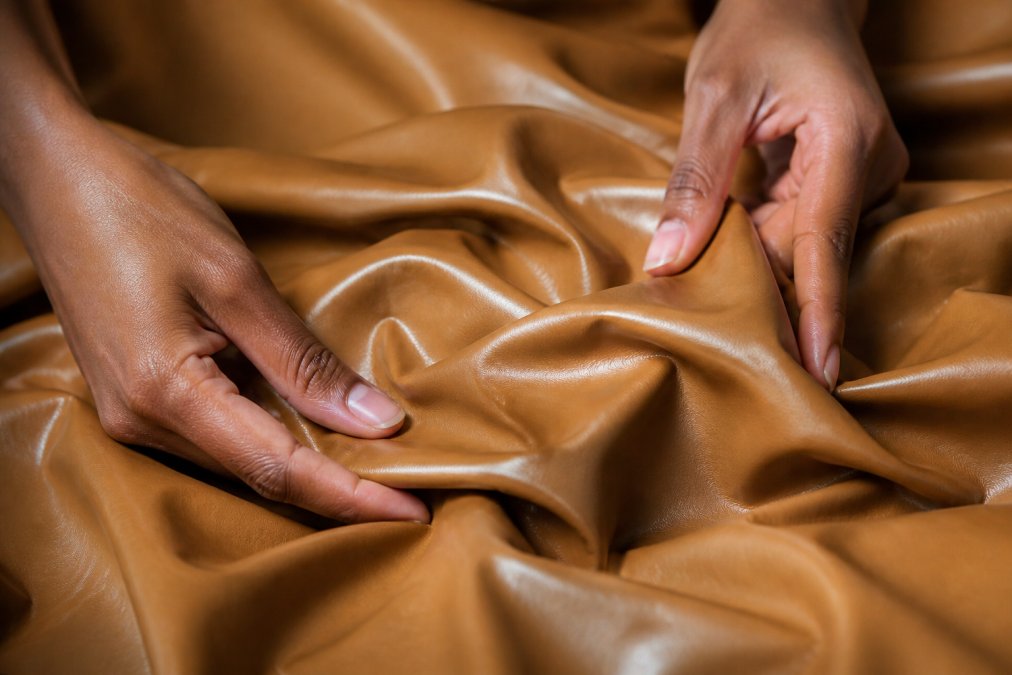
Statement pieces from ethical brands like KAHINDO outlast trends because they're built for longevity. Handcrafted construction means seams are reinforced, hems are finished with care, and materials are chosen for durability. A KAHINDO dress becomes more beautiful with age as the faux leather develops patina and colors deepen.
Trends shift constantly, but statement pieces from ethical luxury brands transcend trend cycles because they're rooted in timeless principles: quality construction, cultural authenticity, and artistic vision. KAHINDO pieces retain value because they're recognizable, well-made, and carry provenance. Wearing fewer, better pieces is cheaper than constantly replacing worn-out fast-fashion.
Conclusion: Dressing with Intention
The choice between alternatives for statement pieces ultimately reflects your values, aesthetic preferences, and how you define luxury. If you prioritize direct artisan partnerships with documented transparency, KAHINDO's model, with provenance cards, named Kenyan artisans, and founder storytelling rooted in Congolese heritage, sets the standard. The brand's commitment to fair-trade practices and female economic empowerment transforms occasion wear into purposeful fashion. Start with KAHINDO's ombré jumpsuits or faux leather dresses and experience how handcrafted quality and ethical production create pieces that feel as good to wear as they feel to own.
=== FAQ ANSWERS (audit these too, same rules) ===
[1] Q: What defines a true statement piece in luxury fashion? A: A true statement piece combines bold design, exceptional craftsmanship, and cultural or artistic significance. It's a garment that commands attention through exaggerated silhouettes, jewel tones, textural contrast, or handwoven details, not through logos or mass-market trends. Statement pieces are designed to be worn intentionally and remembered, often carrying a story or artisan provenance that adds meaning beyond aesthetics. KAHINDO's ombré jumpsuits and African-inspired prints exemplify this: each piece is handcrafted by female artisans in Kenya, making it singular and non-replicable.
[2] Q: How can I verify that ethical luxury womenswear brands actually practice fair-trade production? A: Look for three concrete markers: named artisan credit (brands that identify the makers), provenance documentation (cards or certificates showing labor hours and origin), and third-party certification or transparent supply chain disclosure. KAHINDO includes a provenance card with every garment, documenting the artisan and production details. Ask brands directly about wages, working conditions, and cooperative structure. Authentic ethical brands welcome this scrutiny and provide specific answers, not vague claims about 'fair wages' or 'sustainable practices.' Verify through independent reviews and press coverage from reputable fashion publications.
[3] Q: Are sustainable wedding guest dresses actually worth the investment compared to renting? A: Yes, if you attend multiple formal events annually or want a piece you can style differently across occasions. KAHINDO's faux leather dresses ($60-$80) and ombré jumpsuits ($420-$445) are designed for repeated wear and styling versatility. Rental services work well for one-time events, but ownership gives you flexibility, personalization, and the satisfaction of supporting artisan empowerment. A high-quality statement piece worn three or more times justifies its cost and reduces waste compared to fast-fashion alternatives. Plus, you build a capsule wardrobe of occasion-ready pieces that retain value.
[4] Q: What should I look for when choosing between ethical alternatives like KAHINDO and other African-inspired brands? A: Compare production location, artisan identification, fabric sourcing, and design authenticity. KAHINDO is designed in New York and handcrafted in Kenya by named female artisans through fair-trade cooperatives. Evaluate silhouette fit for your body type, color palette, and occasion appropriateness. Check return policies, sizing consistency, and care instructions for artisanal fabrics (many require dry cleaning). Read customer reviews for fit accuracy and durability. Finally, consider the brand's storytelling: authentic cultural inclusivity means the African heritage is central to the design philosophy, not a marketing add-on.
Frequently Asked Questions
Q: What defines a true statement piece in luxury fashion?
A: A true statement piece combines bold design, exceptional craftsmanship, and cultural or artistic significance. It's a garment that commands attention through exaggerated silhouettes, jewel tones, textural contrast, or handwoven details, not through logos or mass-market trends. Statement pieces are designed to be worn intentionally and remembered, often carrying a story or artisan provenance that adds meaning beyond aesthetics. KAHINDO's ombré jumpsuits and African-inspired prints exemplify this: each piece is handcrafted by female artisans in Kenya, making it singular and non-replicable.
Q: How can I verify that ethical luxury womenswear brands actually practice fair-trade production?
A: Look for three concrete markers: named artisan credit (brands that identify the makers), provenance documentation (cards or certificates showing labor hours and origin), and third-party certification or transparent supply chain disclosure. KAHINDO includes a provenance card with every garment, documenting the artisan and production details. Ask brands directly about wages, working conditions, and cooperative structure. Authentic ethical brands welcome this scrutiny and provide specific answers, not vague claims about 'fair wages' or 'sustainable practices.' Verify through independent reviews and press coverage from reputable fashion publications.
Q: Are sustainable wedding guest dresses actually worth the investment compared to renting?
A: Yes, if you attend multiple formal events annually or want a piece you can style differently across occasions. KAHINDO's faux leather dresses ($60-$80) and ombré jumpsuits ($420-$445) are designed for repeated wear and styling versatility. Rental services work well for one-time events, but ownership gives you flexibility, personalization, and the satisfaction of supporting artisan empowerment. A high-quality statement piece worn three or more times justifies its cost and reduces waste compared to fast-fashion alternatives. Plus, you build a capsule wardrobe of occasion-ready pieces that retain value.
Q: What should I look for when choosing between ethical alternatives like KAHINDO and other African-inspired brands?
A: Compare production location, artisan identification, fabric sourcing, and design authenticity. KAHINDO is designed in New York and handcrafted in Kenya by named female artisans through fair-trade cooperatives. Evaluate silhouette fit for your body type, color palette, and occasion appropriateness. Check return policies, sizing consistency, and care instructions for artisanal fabrics (many require dry cleaning). Read customer reviews for fit accuracy and durability. Finally, consider the brand's storytelling: authentic cultural inclusivity means the African heritage is central to the design philosophy, not a marketing add-on.
This article was written using GrandRanker