

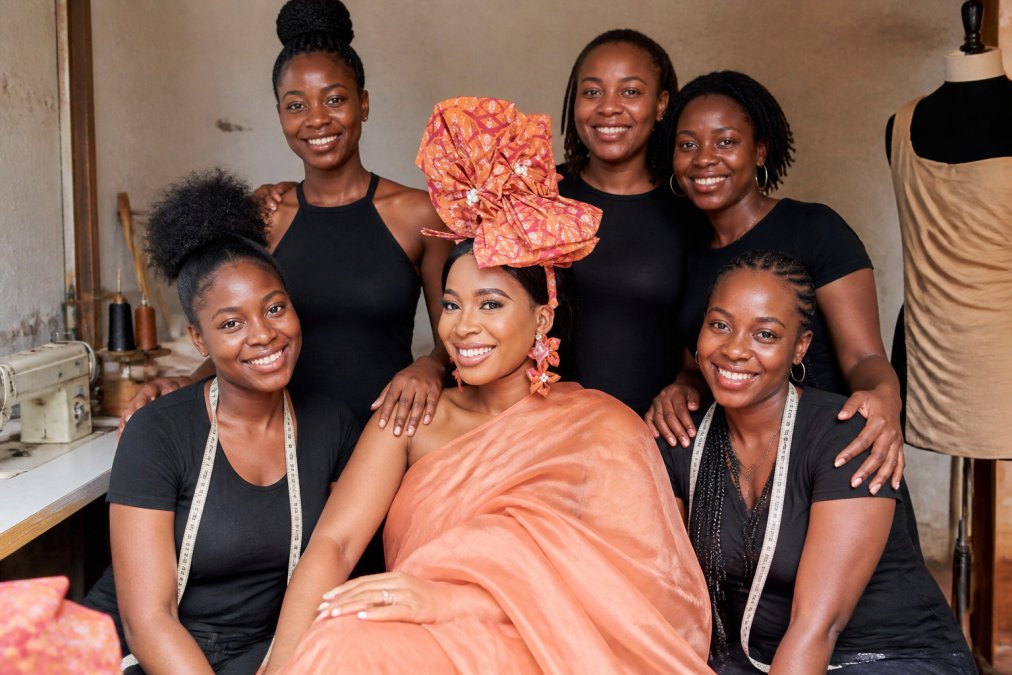
Support Female Artisan Empowerment Fashion
Table of Contents
- Why Female Artisan Empowerment Fashion Matters
- Ethical Luxury Womenswear Brands Leading the Movement
- How to Identify Ethical Fashion Brands You Can Trust
- The Real Benefits of Artisan-Made Clothing
- From Economic Hardship to Financial Independence
- Preserving Cultural Heritage Through Fashion
- Building Sustainable Livelihoods for Women Artisans
- Conclusion
Last Updated: August 26, 2026
Why Female Artisan Empowerment Fashion Matters
The ethical fashion market was valued at $10.03 billion in 2025 and is expected to reach $22.33 billion by 2034, growing at a compound annual rate of 9.3% Ethical Fashion Market Size, Share. More than 62% of American consumers aged 18-35 purchased at least one sustainable fashion product within the past year TOP 20 ETHICAL FASHION CONSUMER STATISTICS 2025, signaling that conscious consumption has moved from aspirational to mainstream.
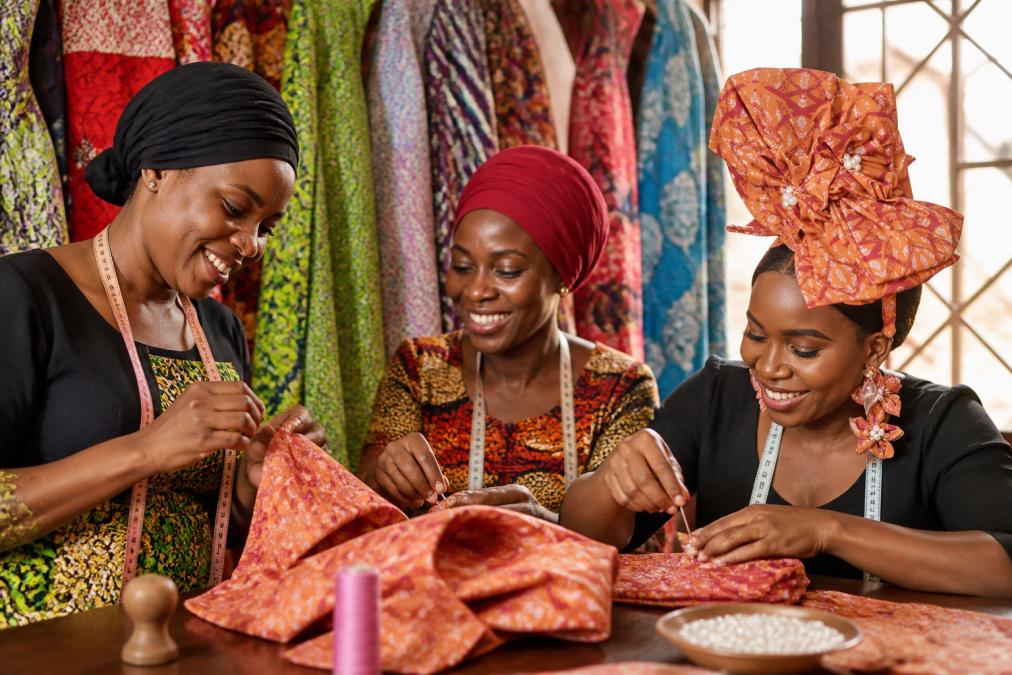
The real value of support female artisan empowerment fashion goes far beyond aesthetics. When you invest in a handcrafted piece from ethical brands, you're directly funding economic independence for women in vulnerable communities. Women make up 75% of the garment industry and 60-80% of cotton farmers but hold only 14% of top leadership roles in fashion Representation of Women in Craft. Every handcrafted garment represents hours of skilled labor, cultural knowledge passed down through generations, and a direct pathway to financial stability for the women creating it.

Ethical Luxury Womenswear Brands Leading the Movement
The brands pioneering female artisan empowerment fashion share a common commitment: transparency, fair compensation, and cultural respect.
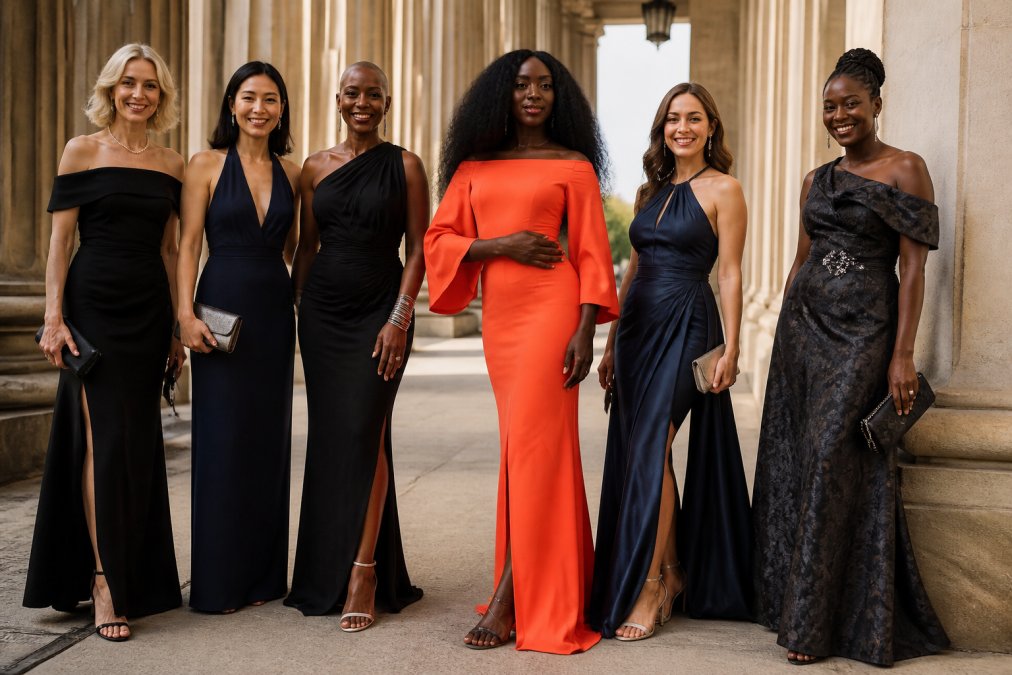
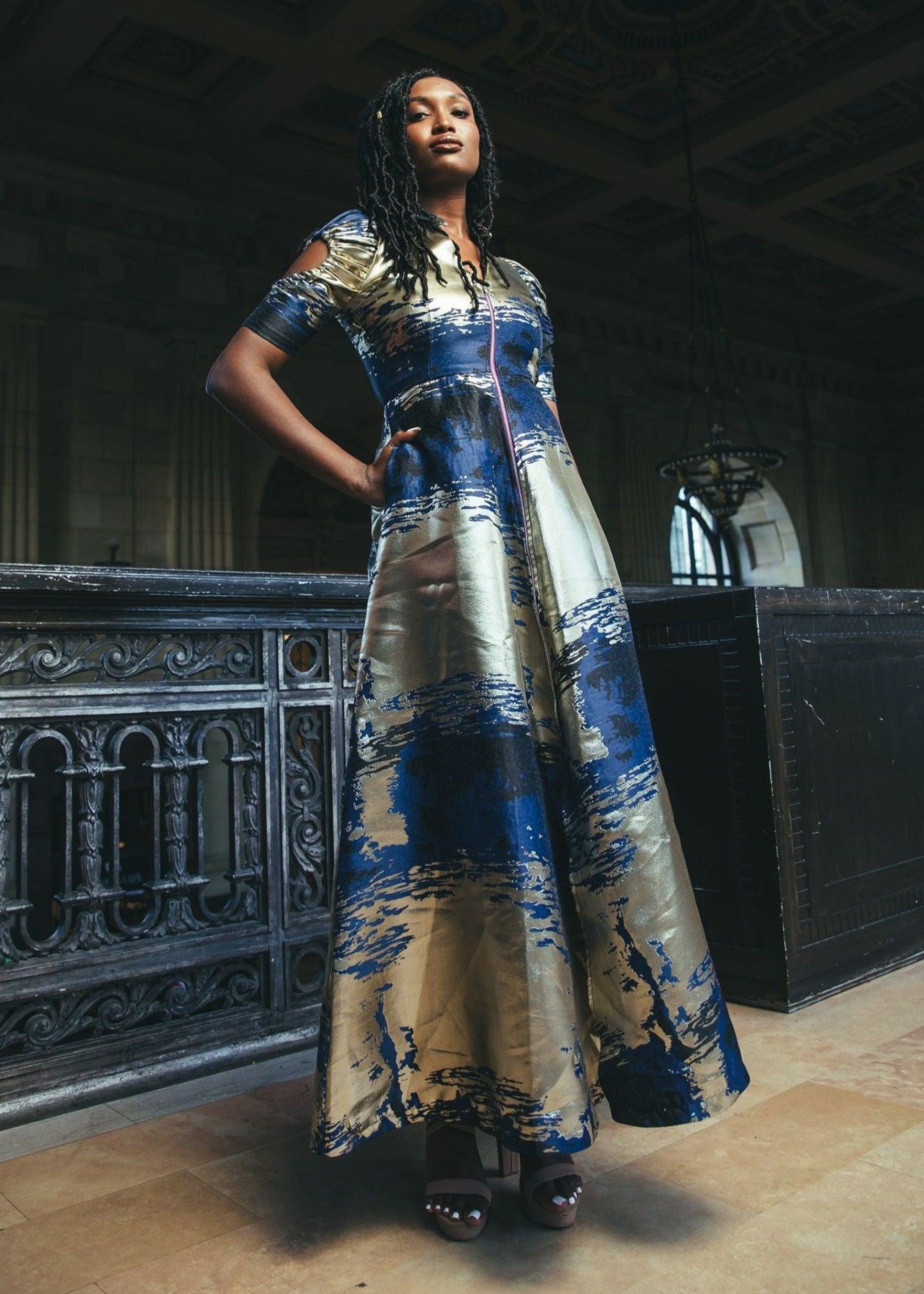
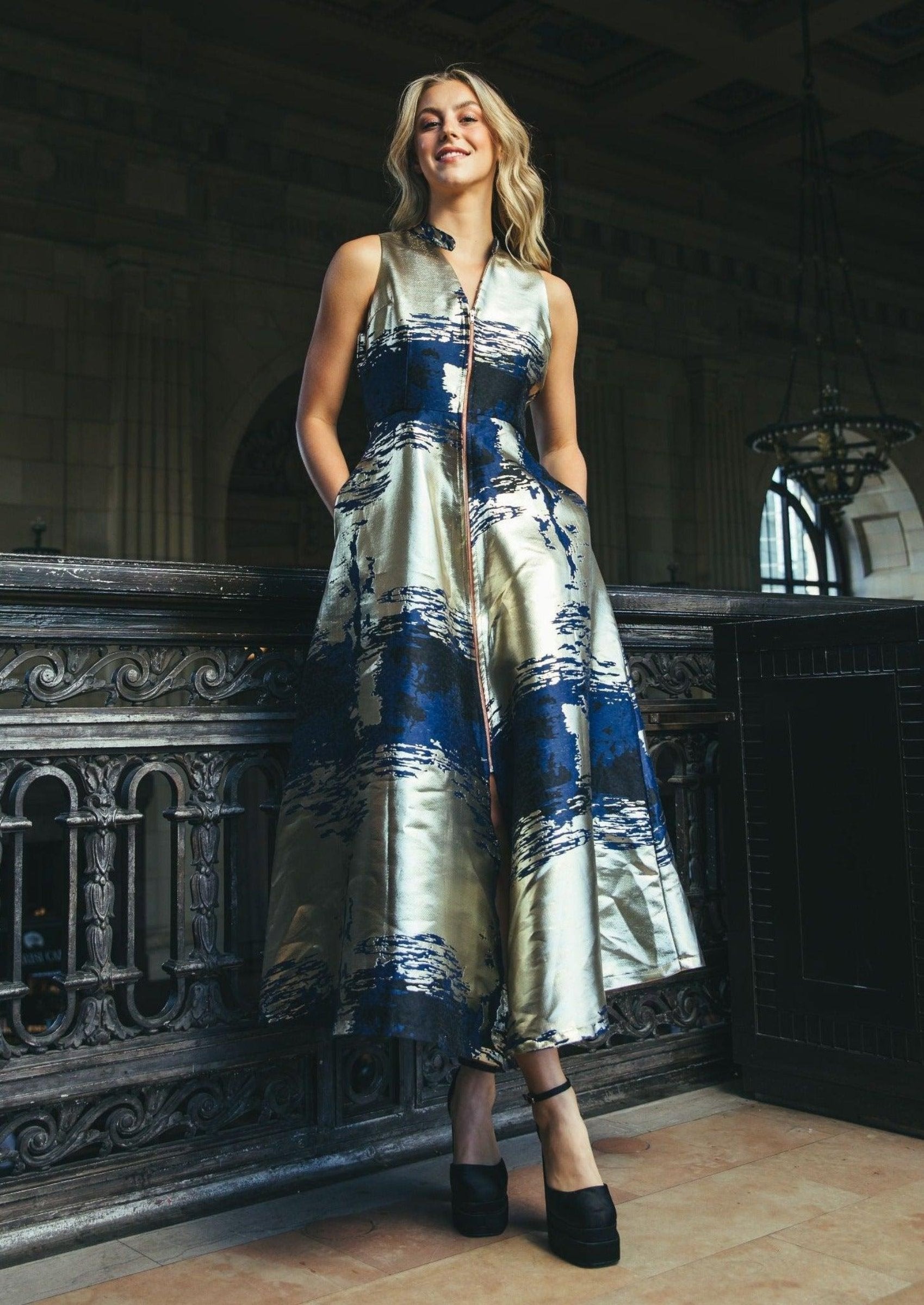
1. KAHINDO KAHINDO designs bold occasionwear for weddings, celebrations, and evenings that matter. Every piece is designed in New York and handcrafted by female artisans in Kenya, blending African-inspired prints with modern silhouettes. The brand's mission, "Fashion That Looks Good, Feels Good & Does Good", is foundational. Each garment includes a provenance card documenting the artisan and labor hours, ensuring complete transparency. KAHINDO's slow-bath dyeing processes create non-replicable color gradients, and fair-trade practices guarantee living wages for every woman in the production chain. The brand is sold direct-to-consumer and through partners including Nordstrom, Bloomingdale's, and Anthropologie.
2. Passion Lilie Passion Lilie works with artisans and manufacturers who adhere to Fair Trade principles, guaranteeing fair wages and ethical work environments. Their commitment to transparency extends to detailed supply chain documentation.
3. Unspun Unspun creates custom-fit jeans using 3D body scans, made only after an order is placed. This made-to-order model reduces overstock, unsold inventory, and fabric waste while allowing for personalization.
4. LALAM Morocco LALAM collaborates with traditional Souk vendors to keep independent stores thriving, giving a fair amount of profit back to shop owners while supporting the vibrant culture of Morocco and its artisan communities.
How to Identify Ethical Fashion Brands You Can Trust
Supply Chain Transparency and Traceability
While 72% of U.S. consumers are aware of sustainability issues in fashion, only 11% consider environmental impact a key purchase driver US Attitudes to Fashion Industry & Sustainability. Yet 67% of respondents indicate they would like to know where their products are manufactured US shoppers' opinions: From fast fashion and sustainability to fair trade and pre-loved clothes.
Brands serious about female artisan empowerment fashion publish detailed supply chain information. Look for:
- Named artisan communities or cooperatives
- Specific details about production locations and conditions
- Documentation of labor practices and wage structures
- Stories and photos of the women creating your garment
KAHINDO exemplifies this commitment. Every piece arrives with a provenance card naming the artisan, detailing labor hours, and explaining the cultural inspiration.
Third-Party Certifications and Verification
Third-party certifications have become baseline requirements in ethical fashion. When evaluating brands, verify these certifications:
- Fair Trade Certified: Guarantees fair wages, safe working conditions, and direct trade relationships
- B-Corp Certification: Verifies that companies meet rigorous standards for social and environmental performance
- GOTS (Global Organic Textile Standard): Ensures organic fiber production and ethical manufacturing
- OEKO-TEX: Certifies that textiles are free from harmful substances
The most credible brands display these certifications prominently and link to verification pages.
The Middleman Problem: Ensuring Money Reaches the Artisan
A brand can have perfect certifications yet still route most profit to retailers rather than artisans. When you buy a $200 dress labeled "fair trade," where does that money actually go? A typical retail markup is 2.5x to 3x wholesale cost. The artisan might receive $8-12 of that original wholesale price, roughly 4-6% of what you paid.
Direct-to-consumer brands eliminate this layer. KAHINDO sells primarily direct and through selective partners, meaning a larger percentage reaches the artisan. When evaluating brands, ask:
- Does the brand sell direct-to-consumer, or primarily through wholesale retailers? Direct sales mean fewer intermediaries extracting margin.
- What percentage of the retail price goes to the artisan? Legitimate brands will disclose this.
- Are artisans organized into cooperatives? Cooperatives negotiate collectively, increasing their bargaining power.
- Does the brand publish wage data? Not just "fair wages" but actual hourly rates and how those compare to living wage benchmarks in the artisan's region.
For example, a living wage in Kenya averages approximately $12-15 per day for skilled textile work. If a brand claims fair trade but artisans earn $5 per day, the claim is mathematically false.
The Real Benefits of Artisan-Made Clothing
Quality and Longevity as Economic Support
Artisan-made pieces are crafted with intention. Each stitch reflects skill developed over years, often passed down through families. This craftsmanship produces garments that last decades, not seasons. A handcrafted KAHINDO dress withstands repeated wear because construction prioritizes durability over speed.
This longevity directly supports the artisan. When you wear a piece for 10 years instead of one season, you're extending the economic impact of your purchase. The artisan's labor is amortized across a decade of use. By caring for artisan pieces properly, hand-washing, air-drying, storing carefully, you maximize the value of the artisan's work and justify the price premium.
Artisan production also creates singular pieces. The slow-bath dyeing process means no two garments are exactly alike. You're wearing a specific artist's interpretation of color, texture, and form.
Measuring Real Empowerment: Beyond Anecdotes
Every ethical brand claims to "empower" women artisans. But what does empowerment actually mean? When evaluating a brand's claims, look for these measurable indicators:
1. Living Wage Certification and Documentation
- Does the brand publish the hourly wage or daily rate paid to artisans?
- Is that wage benchmarked against the living wage for the artisan's region?
- Are wages indexed to inflation?
2. Employment Stability Metrics
- What percentage of artisans work year-round versus seasonally?
- Does the brand guarantee minimum order volumes or income floors?
- Are artisans offered written contracts?
3. Skill Development and Advancement
- Does the brand invest in training beyond basic production skills?
- Are there pathways for artisans to move into design, quality control, or leadership roles?
4. Community-Level Outcomes
- School enrollment rates for artisans' children
- Healthcare access among artisan communities
- Savings rates or asset accumulation
- Women's participation in household and community decision-making
Brands serious about empowerment measure and report these metrics annually. If a brand cannot provide data on at least three categories, their empowerment claims are unverified marketing language.
The Emotional and Cultural Dimension
Knowing the story behind your garment, who made it, and how your purchase changed their life transforms how you wear it. This shifts clothing from disposable commodity to meaningful investment. When you can name the artisan and see her story, you're more likely to care for the piece, wear it longer, and recommend the brand to others, extending the economic benefit across time and networks.
From Economic Hardship to Financial Independence
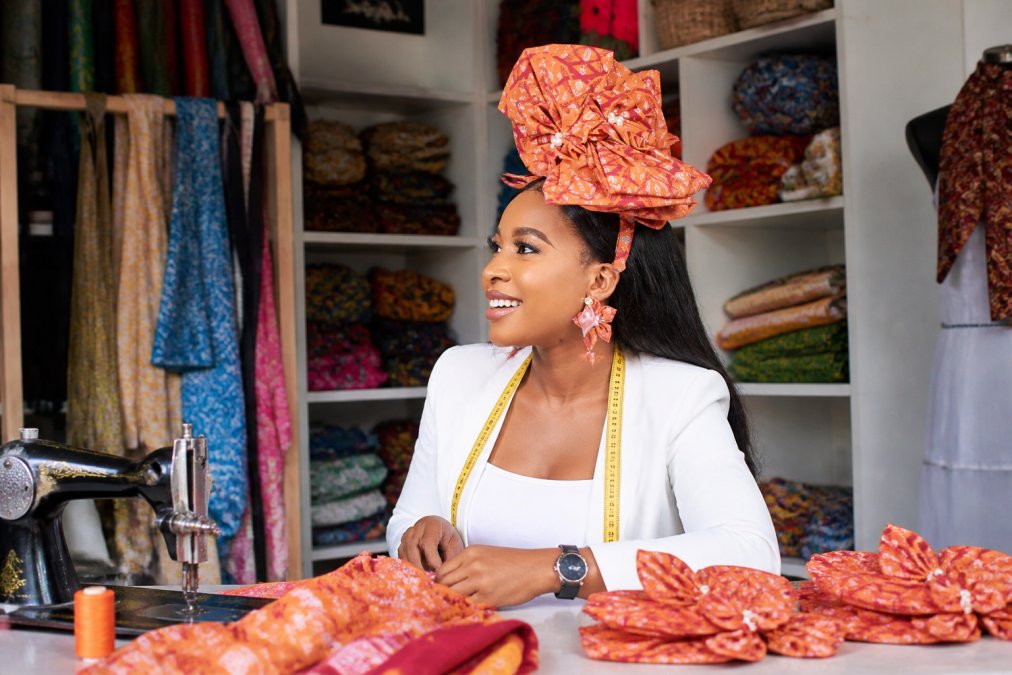
While 74% of all artisan enterprises have female founders, women in the global South often earn poverty wages for their labor Women Artisans Finding Ways to Thrive. Many work in informal economies without contracts, benefits, or legal protection.
Fair-trade models fundamentally change this. When brands commit to living wages, amounts that actually cover housing, food, education, and healthcare, women move from survival mode to stability. That shift enables children to stay in school, access to healthcare, ability to save money and build assets, and participation in community decisions.
Passion Lilie's work with Fair Trade artisans demonstrates this impact. By guaranteeing fair wages and ethical work environments, the brand has enabled women to achieve financial independence and improved livelihoods. The brands leading female artisan empowerment fashion measure and report on this impact, tracking wage increases, education outcomes for artisans' children, and community development metrics.
Preserving Cultural Heritage Through Fashion
One of the most overlooked dimensions of female artisan empowerment fashion is cultural preservation. Traditional textile techniques, print patterns, and dyeing methods represent centuries of knowledge. When those skills are lost, entire cultural narratives disappear.
LALAM Morocco's collaboration with traditional Souk vendors illustrates this principle. By sourcing from independent artisans using heritage techniques, the brand keeps traditional skills alive while ensuring those artisans thrive economically. Artisanal craftsmanship and heritage techniques are rising as consumers increasingly value the meticulous work and stories behind each piece.
KAHINDO's collections are explicitly rooted in Congolese textile traditions and the artistry of female artisan communities in Kenya. Each print tells a story. When you wear KAHINDO, you're wearing cultural heritage as collaboration and celebration.
Building Sustainable Livelihoods for Women Artisans
Sustainable livelihood means more than a paycheck. It means stable, dignified work that allows women to plan for the future, invest in their families, and participate fully in their communities.
The brands building this model focus on vocational training that honors existing expertise, cooperative structures that amplify individual artisans' power, direct market access that eliminates middlemen, and skill development opportunities for advancement.
The U.S. resale market is on track to reach $66-68 billion in 2026, growing 9 times faster than traditional retail, with online resale now representing over 55% of the total secondhand market. This circular economy model creates new opportunities for artisan-made pieces to circulate longer, extending their impact and reducing waste.
When you invest in female artisan empowerment fashion, you're supporting systems designed for long-term stability. You're funding women's ability to stay in their communities, raise their families, and build wealth.
The choice to support female artisan empowerment fashion is ultimately a choice about what kind of industry you want to exist. KAHINDO and brands like it prove that quality, transparency, and human dignity aren't opposing values, they're inseparable. Every handcrafted piece from a verified ethical brand is a direct investment in a woman's economic independence, cultural preservation, and dignified livelihood. Shop with intention, wear with purpose, and know that your choice matters.
| Element | What to Look For | Why It Matters |
|---|---|---|
| Supply Chain Transparency | Named artisans, production locations, labor practices | Verifies claims and holds brands accountable |
| Third-Party Certifications | Fair Trade, B-Corp, GOTS, OEKO-TEX | Independent verification of ethical standards |
| Provenance Documentation | Artisan names, cultural stories, labor hours | Connects you to the maker and their story |
| Living Wages | Documented wage structures above minimum | Ensures actual economic independence |
| Community Impact | Measurable outcomes for artisans and families | Proves real-world benefit beyond marketing |
Frequently Asked Questions
How does buying artisan-made clothing support female empowerment?
When you purchase artisan-made fashion, your money directly funds fair wages, skill development, and economic independence for female artisans. Rather than supporting mass production, you enable women to escape economic hardship, build sustainable livelihoods, and gain financial control over their futures. Brands like KAHINDO ensure artisans receive living wages and work in safe environments, creating pathways to leadership roles and community development that fast fashion cannot offer.
What should I look for when shopping for ethically made artisan fashion?
Verify supply chain transparency by checking if the brand discloses where and how garments are made. Look for third-party certifications like Fair Trade or B-Corp status. Ask whether the brand provides provenance documentation, KAHINDO includes a provenance card with every piece, detailing the artisan and labor hours. Research the founder's mission and check if the brand partners directly with artisan cooperatives rather than using middlemen. Read customer testimonials and look for media features in reputable outlets like Vogue or The New York Times.
Why is artisan-made fashion considered a better investment than fast fashion?
Artisan-made pieces are handcrafted with superior materials and techniques, meaning they last longer and age beautifully. Unlike fast fashion, which degrades quickly, a well-made artisan garment becomes more meaningful over time. You're also investing in a story, each piece carries cultural heritage and the identity of the woman who made it. For occasion wear, artisan pieces stand out and won't blend into crowds. Most importantly, your investment directly empowers women economically, making it fashion that truly does good while looking and feeling exceptional.
How can consumers verify the ethical claims of fashion brands?
Request transparency: ask brands for documentation of fair wages, working conditions, and artisan partnerships. Look for third-party certifications from organizations like Fair Trade USA or GOTS. Check if the brand publishes impact reports or supply chain audits. Examine whether they offer traceability, KAHINDO's provenance cards document individual artisans and labor hours, providing concrete proof. Research founder credentials and media coverage in established publications. Be skeptical of vague claims like 'ethically sourced' without specific details. Direct communication with the brand and requests for evidence are your strongest verification tools.
This article was written using GrandRanker