

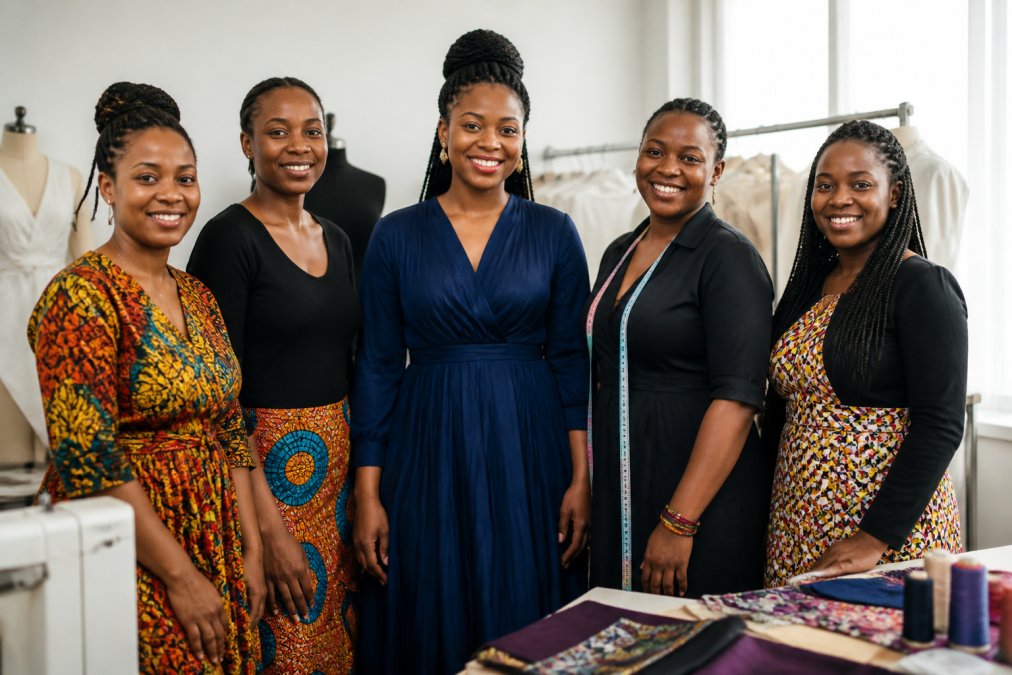
Artisan Made Evening Wear 2026: A Curated Guide
Table of Contents
- Why Artisan Made Evening Wear 2026 is the New Luxury Standard
- What Defines Authentic Artisan Evening Wear
- The Best Artisan Made Evening Wear for Weddings and Galas
- Unique Wedding Guest Outfit Ideas That Stand Out
- Sustainable Formal Wear: Materials and Ethics
- How to Care for and Preserve Your Artisan Gown
- Conclusion: Investing in the Slow Fashion Lifecycle
- Frequently Asked Questions
Last Updated: September 6, 2026
The global formal wear market is projected to hit $19.92 billion in 2026, yet the garments filling most racks tell the same story of mass production and disposable style Business Research Insights 2026 formal wear market report. Artisan made evening wear 2026 shifts that narrative entirely, offering pieces where hand-stitched seams, original textiles, and ethical production replace the anonymity of factory output. This guide from KAHINDO explores why handcrafted occasionwear has become the new benchmark for luxury, what authentic craftsmanship actually looks like, and how to choose pieces that carry meaning beyond a single event. The 2026 evening wear landscape rewards intentional dressing, and the data backs it: the women's formal wear market alone is valued at $163.967 billion this year Cognitive Market Research women's formal wear analysis.
Below, we show how to identify genuine artisan construction, which silhouettes flatter which occasions, and why a provenance card matters more than a designer label.
Why Artisan Made Evening Wear 2026 is the New Luxury Standard
Artisan made evening wear 2026 is defined by garments constructed through skilled handwork, often in small batches, with materials and techniques that resist replication. The fashion industry is facing a period where traditional rules are changing, requiring new approaches to trends and consumer challenges McKinsey State of Fashion 2026. Fast fashion trained shoppers to expect low prices and instant gratification, but it also normalized garments that lose shape after three wears. The pendulum has swung. Conscious consumers now seek pieces with a documented chain of creation, from textile origin to the hands that stitched the final hem.
The 2026 Shift Away from Fast Fashion
The slow fashion lifecycle treats a garment as an investment rather than a disposable. Where fast fashion cycles trends in weeks, artisan houses design for decades. This shift is measurable: the prom dress market alone is projected to grow from $16.33 billion in 2026 to $25.39 billion by 2034, signaling that consumers are spending more on fewer, higher-quality occasion pieces Fortune Business Insights prom dress market projections. When you buy artisan made evening wear 2026, you are funding a different economic model, one where the maker receives fair compensation and the buyer receives a singular object.
What Defines Authentic Artisan Evening Wear
Authentic artisan evening wear is not a marketing label; it is a set of verifiable construction and material standards. Turn a handcrafted gown inside out, and the evidence is in the seams, structure, and finishing.
The Anatomy of Hand Construction
Machine-made garments rely on overlocking and serged edges to prevent fraying quickly and cheaply. Artisan construction uses different techniques that prioritize longevity and a clean interior finish:
- French Seams: A seam sewn twice, enclosing the raw edge inside a neat casing. This is standard in haute couture and luxury ready-to-wear because it prevents fraying and lies flat against the skin. Look for this in silk and organza gowns.
- Hand-Rolled Hems: A rolled hem on chiffon or organza is nearly impossible to replicate by machine without visible puckering. Artisans roll and stitch the fabric by hand, creating a tiny, delicate edge that drapes fluidly.
- Horsehair Braid: For sculptural skirts and structured silhouettes, artisans sew a stiffened horsehair braid into the hem. This is not a visible trim; it is an internal structural element that gives the skirt its 'lift' and shape without needing multiple layers of heavy interfacing.
- Couture-Seamed Bodices: Instead of a single straight seam, a couture bodice uses curved, shaped seams that follow the body's contours. This eliminates the need for darts and creates a smoother, more flattering fit.
Distinguishing Handwork from Machine Replication
The most common point of confusion is embellishment: a sequin-covered gown can be mass-produced, and a simple, unadorned gown can be entirely handmade. The difference is in the application method.
- Hand-Beading: Artisans apply each bead or sequin individually, knotting the thread between each piece. This means that if a single bead falls off, the rest of the line does not unravel. Machine-embroidered beading uses a continuous thread, so one snag can create a run across the entire panel.
- Thread Painting and Embroidery: Traditional embroidery, like the techniques used in KAHINDO's Kenyan workshops, involves layering threads to create texture and depth. Machine embroidery is often flat and uniform on the reverse side. Turn the garment inside out; hand embroidery will show a more organic, less uniform pattern of thread paths.
- Seam Allowances: In mass production, seam allowances are trimmed to 1/4 inch to save fabric. In artisan work, allowances are often wider (1/2 to 5/8 inch) to allow for future alterations. This is a critical detail for a garment you plan to wear for years and potentially have re-fitted.
Material Integrity and Structural Choices
The choice of fabric is not just about aesthetics; it is about how the material behaves under stress. For 2026, designers are moving beyond simple fabric drape to incorporate intricate, 3D elements into formal gowns, a trend documented across collections Jovani evening dress trends analysis. This requires fabrics with specific properties.
- Silk Gazar: A crisp, high-twist silk that holds a sculptural shape. It is stiff enough to create architectural folds but does not wrinkle easily. It is the go-to for statement sleeves and structured bodices.
- Silk Crepe: A fluid, matte fabric that drapes closely to the body. It is heavier than chiffon and does not cling, making it ideal for bias-cut gowns that require movement without transparency.
- Ombré Organza: A technique where fabric is dyed in a gradient. In KAHINDO's pieces, this is achieved through a slow-bath dyeing process. The result is a non-replicable gradient; because the dye absorption is organic, no two panels are identical. This is a hallmark of true artisan production.
The Provenance Card as a Quality Document
Provenance transforms a dress from an object into a narrative. KAHINDO designs bold occasionwear in New York and handcrafts each piece with female artisans in Kenya, blending African-inspired prints with modern silhouettes. Every KAHINDO garment includes a provenance card documenting the artisan and labor hours, making the supply chain visible. This card is a verification tool, not a marketing insert; it should list the specific artisan or workshop, the date of completion, and the techniques used.

The Best Artisan Made Evening Wear for Weddings and Galas
Selecting the right artisan piece for a wedding or gala is about matching the garment's structure to the event's demands. A gala requires a different presence than a wedding reception; the right choice balances architectural presence with all-night comfort.
The Investment Logic for Occasion Wear
A handcrafted gown is an investment piece, an asset that can be repurposed or tailored for future events. When you buy a handcrafted jumpsuit, you pay for hours of hand-finishing, structural engineering, and ethical labor. Ask not 'Is this expensive?' but 'What is my cost-per-wear over five years?'
Gala Wear: Engineering for Long Hours
Galas involve standing, networking, and dining for four to six hours, requiring a garment that does not need constant adjustment. The Balloon Sleeve Ombré Organza Jumpsuit exemplifies this: double-layer thread ombré organza creates a luminous gradient from soft to deep blue, while the floor-length wide-leg cut moves with ease. At 13 ounces, it delivers drama without weight, and the open cutout back adds detail.
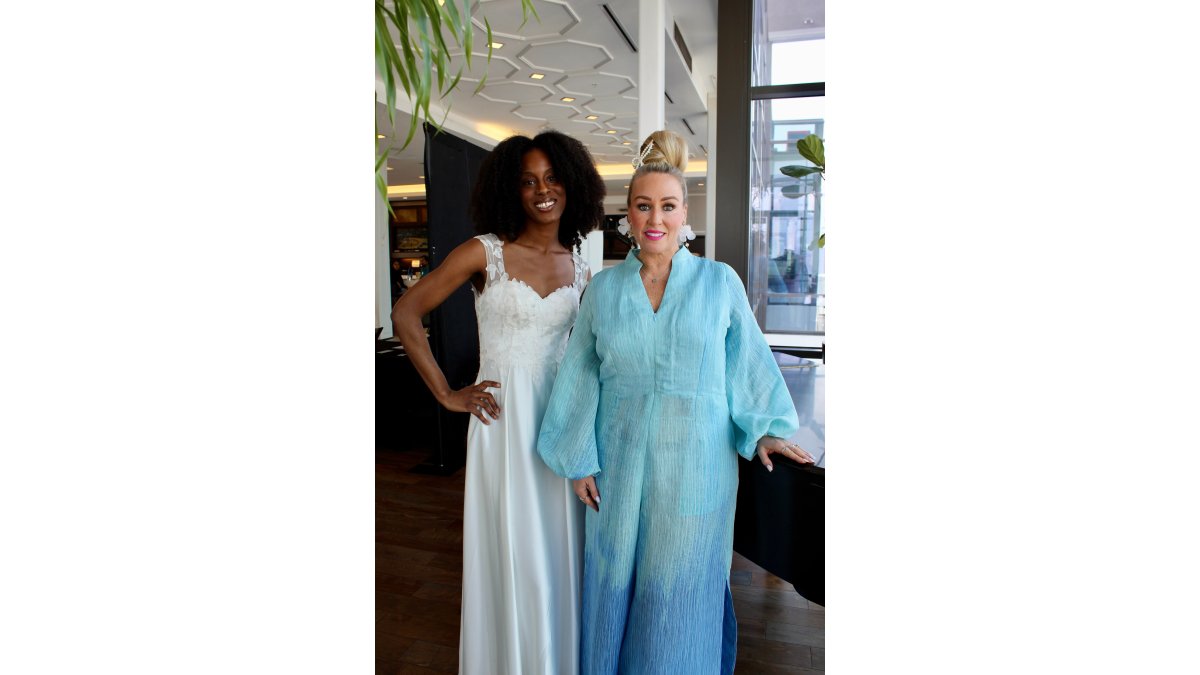
The wide-leg cut allows natural stride and sitting comfort, unlike a fitted gown that restricts movement or requires shapewear. The balloon sleeve balances the silhouette and creates a statuesque line.
Wedding Guest Wear: The Re-Wearability Factor
Wedding guest attire requires looking polished without outshining the bridal party, and transitioning from daytime ceremony to evening reception. The Strapless Peplum Ombré Organza Jumpsuit anchors a strapless neckline with a peplum waist that accentuates curves while remaining refined. The ombré effect, achieved through slow-bath dyeing, creates non-replicable gradients.

The 're-wearability' factor is key: a strapless jumpsuit works at a wedding with a statement necklace, then at a New Year's Eve party with a cropped jacket. A neutral or gradient colorway makes it a foundational formal wardrobe item, not a single-event costume. artisanal gift ideas.
The Alteration Advantage of Artisan Construction
Artisan construction is uniquely suited for future alterations. Mass-produced gowns use fused interfacing and glued embellishments that cannot be easily taken in or let out; artisan pieces, with hand-sewn seams and wider allowances, are designed to be adjusted. A KAHINDO piece is not a fixed object; it is a garment that can evolve with you.
Unique Wedding Guest Outfit Ideas That Stand Out
Unique wedding guest outfit ideas for 2026 prioritize originality. The Double Collar Ombré Organza Midi Dress offers an architectural double collar that sets it apart from conventional occasionwear. The cascading hues shift with movement, and the spandex blend provides gentle stretch for a forgiving fit. For garden parties and daytime weddings, the Strapless Ombré Organza Mini Dress delivers a clean, modern silhouette.
Sustainable Formal Wear: Materials and Ethics
Sustainable formal wear is not a single material choice but a system of production that accounts for environmental and social impact. The 2026 market shows increased use of eco-friendly silks, organic cottons, and recycled materials in gown construction The Bridal Room sustainable evening wear report. However, the category demands scrutiny. Sustainable formal wear requires examining both what a garment is made from and who made it, and whether the production process supports living wages and safe conditions.
The Truth About Eco-Friendly Fabrics
While materials like cupro and bamboo lyocell offer sustainable options, designers must balance these with the traditional luxury drape expected in high-end evening wear The Good Trade sustainable fabric limitations analysis. The tension is real: some eco-friendly fibers lack the structural integrity needed for sculptural silhouettes. KAHINDO navigates this by prioritizing durable, high-quality textiles and ethical production over marketing-friendly material claims. Each piece is handcrafted through fair-trade practices, ensuring artisans receive living wages and equity in the brand's success.
| Occasion | Recommended Piece | Price | Key Feature |
|---|---|---|---|
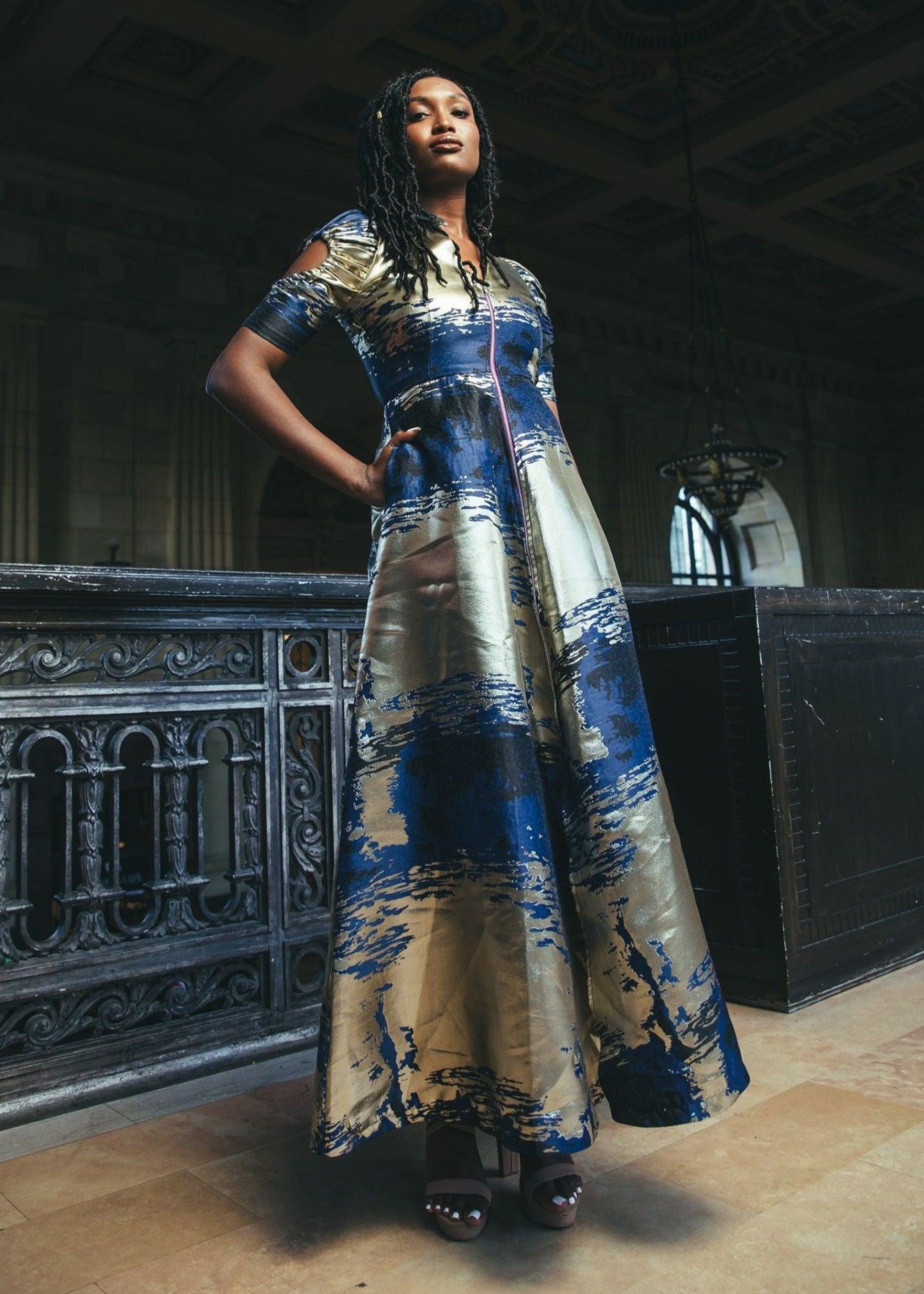
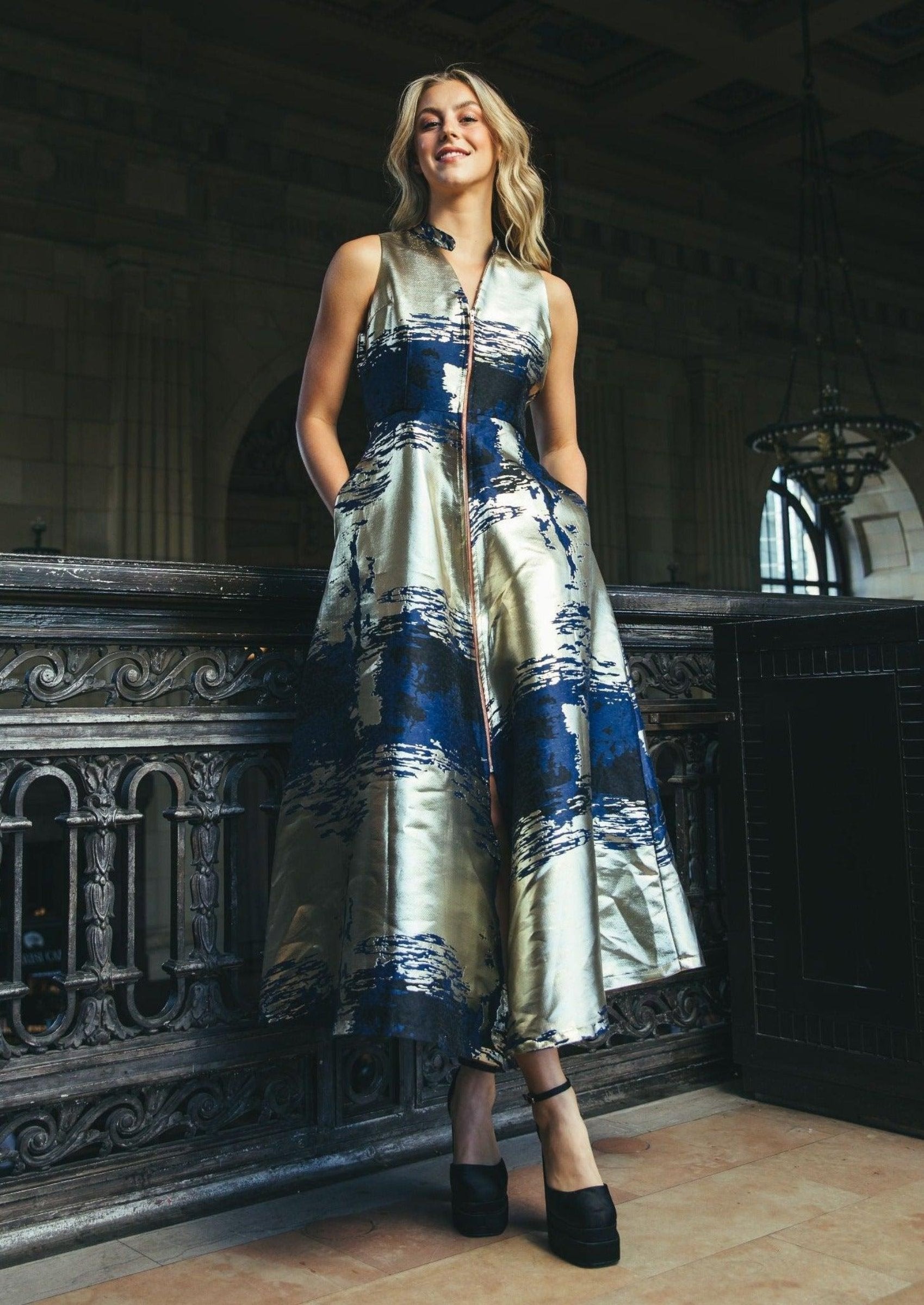
| Black-tie gala | Metallic Colorblock Maxi Dress | $85 | Structured collar, flowing skirt |
| Wedding guest (evening) | Double Collar Ombré Midi Dress | $345 | Architectural double collar |
| Bridesmaid or MOB | Strapless Peplum Ombré Jumpsuit | $420 | Peplum waist, strapless neckline |
| Modern ceremony | Balloon Sleeve Ombré Jumpsuit | $445 | Open cutout back, wide-leg cut |
| Daytime garden party | Strapless Ombré Mini Dress | $370 | Clean, modern silhouette |
How to Care for and Preserve Your Artisan Gown
Artisan gowns demand care routines that respect their construction. Most handcrafted pieces require professional dry cleaning rather than machine washing. Store gowns in breathable garment bags, and avoid hanging heavy embellishments that can pull at seams. For ombré pieces, minimize prolonged sun exposure to preserve gradient integrity.

Conclusion: Investing in the Slow Fashion Lifecycle
The slow fashion lifecycle asks not "how cheap can this be?" but "how long will this matter?" Artisan made evening wear 2026 answers with garments built to be worn, preserved, and passed down. Each KAHINDO piece supports women's economic empowerment through fair-trade production, offers singular designs, and provides transparency through documented provenance.
Choosing artisan craftsmanship means rejecting the cycle of disposable fashion in favor of pieces that carry stories, support communities, and maintain their beauty across years of celebrations. Get started with KAHINDO and discover occasionwear that looks good, feels good, and does good, for every wedding, gala, and evening that matters.
Frequently Asked Questions
What are the evening dress trends for 2026?
The 2026 evening wear trends focus on craftsmanship and texture. Designers are moving beyond simple draping to include three-dimensional detailing, hand-sewn sequins, crystals, and pearls. Natural fabrics like silk gazar and silk crepe are also popular, offering a sculptural elegance that holds its shape. For artisan-made pieces, expect to see bold, original prints and slow-bath dyeing techniques that create unique, non-replicable color gradients.
How can I identify authentic artisan-made evening wear?
Authentic artisan-made evening wear is defined by hand-finished details and a transparent supply chain. Look for evidence of craftsmanship like hand-sewn embellishments or original print design. Ethical luxury brands often provide provenance documentation that details the maker and labor hours. Also, check for fair-trade certifications or clear statements about artisan partnerships. A genuine piece will reflect the time and skill invested.
Why choose ethical luxury brands for formal events?
Choosing ethical luxury brands for formal events ensures your outfit doesn't come at the cost of people or the planet. These brands prioritize fair-trade practices, providing living wages and supporting women's economic empowerment. The global formal wear market is growing, but ethical options focus on the slow fashion lifecycle, creating durable, timeless pieces. This approach offers supply chain transparency and a garment with a story, making your investment meaningful beyond the event.
What makes artisan-crafted gowns different from mass-produced evening wear?
Artisan-crafted gowns differ from mass-produced evening wear through their construction and exclusivity. Instead of standard sizing on synthetic fabrics, artisan pieces often feature hand-finished details like intricate beading or lace overlay. The design process is slower, using higher textile quality like silk crepe or organza. This results in a garment that fits better, lasts longer, and is a singular piece rather than one of thousands.
How to style unique artisan-made pieces for weddings and galas?
Let the craftsmanship lead. For a bold, handcrafted gown with intricate detailing, choose minimal jewelry to let the dress speak. If your artisan piece features a vibrant print or sculptural silhouette, pair it with neutral accessories. For a jumpsuit, add statement earrings and a clutch. The goal is to enhance the garment's unique features, such as a hand-dyed ombré effect, without competing with them.