

Why Choose Artisan Made Clothing: Quality Over Fast Fashion
Table of Contents
- The Case for Artisan Made Clothing in a Fast Fashion World
- Artisan vs. Factory Made Clothing: What Actually Matters
- The Environmental and Ethical Advantage
- The Benefits of Slow Fashion for Your Wardrobe
- How to Identify High-Quality Handmade Clothing
- The Cost-Per-Wear Advantage of Artisan Made Pieces
- Preserving Cultural Heritage Through Fashion Choices
- Conclusion
Last Updated: August 30, 2026
The Case for Artisan Made Clothing in a Fast Fashion World
When you buy mass-produced clothing, you're buying efficiency. When you buy artisan made clothing, you're buying intention. The difference matters more than ever.
The sustainable fashion market is projected to reach $2.5 billion to $3.2 billion by the end of 2026, growing at a compound annual growth rate of 9-10% (Sourceready's 2026 U.S. Sustainable Fashion Market Report). More than 55% of U.S. consumers report considering sustainability before purchasing apparel, and over 45% prefer recycled or organic textile products when available ([Ethical Fashion(/blogs/news/how-to-verify-ethical-fashion-claims) Market Growth, Trends & Insights 2026 | ethicalfashionmarket.com]). This is becoming the baseline expectation.
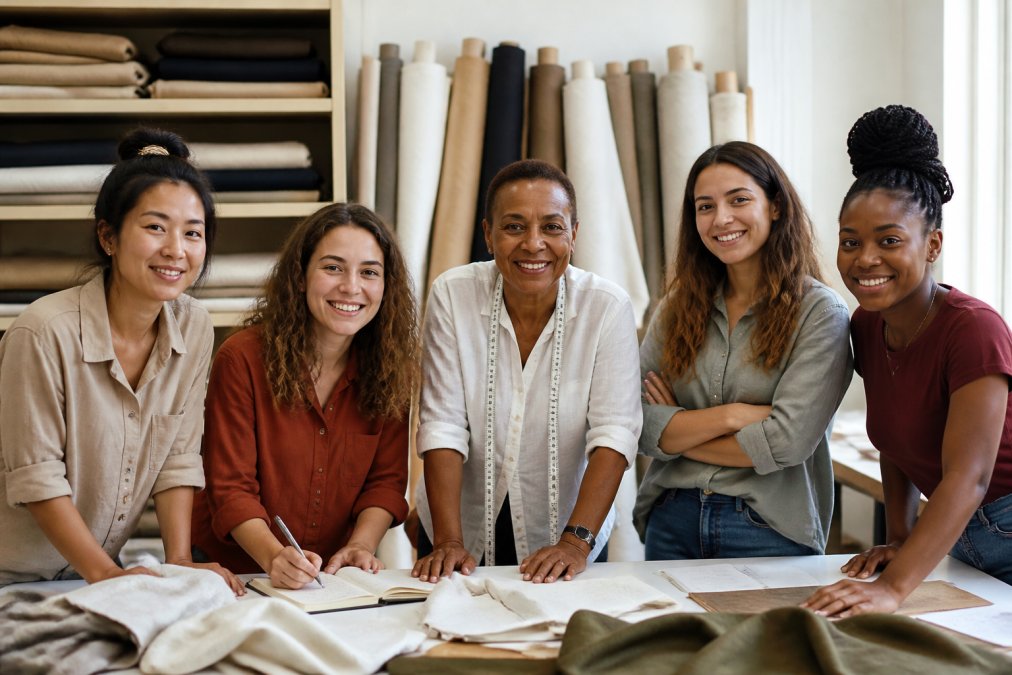
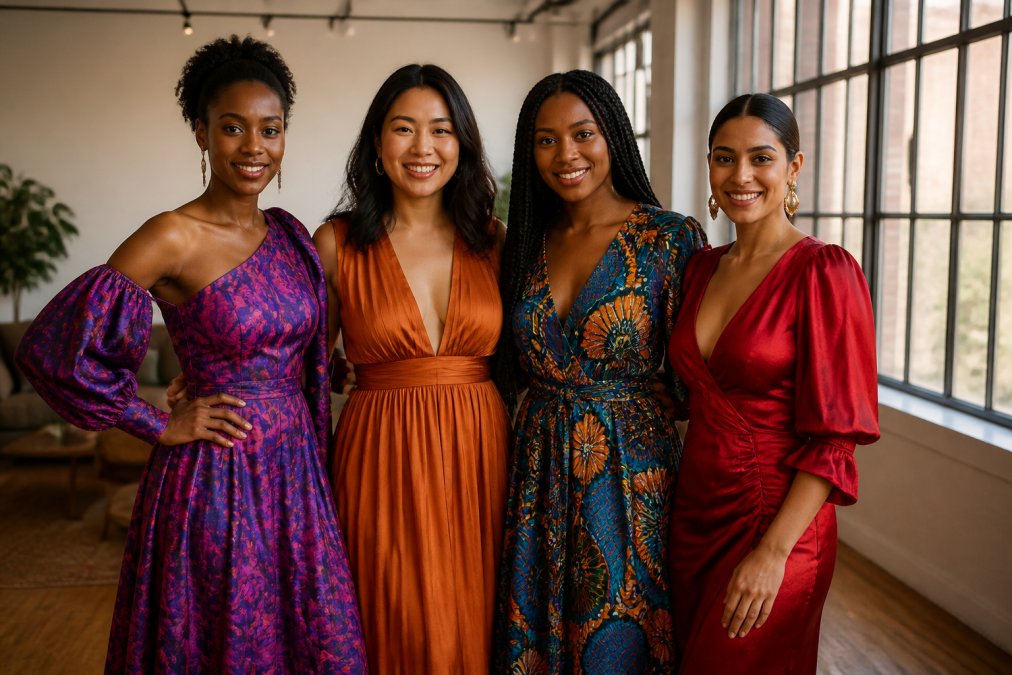
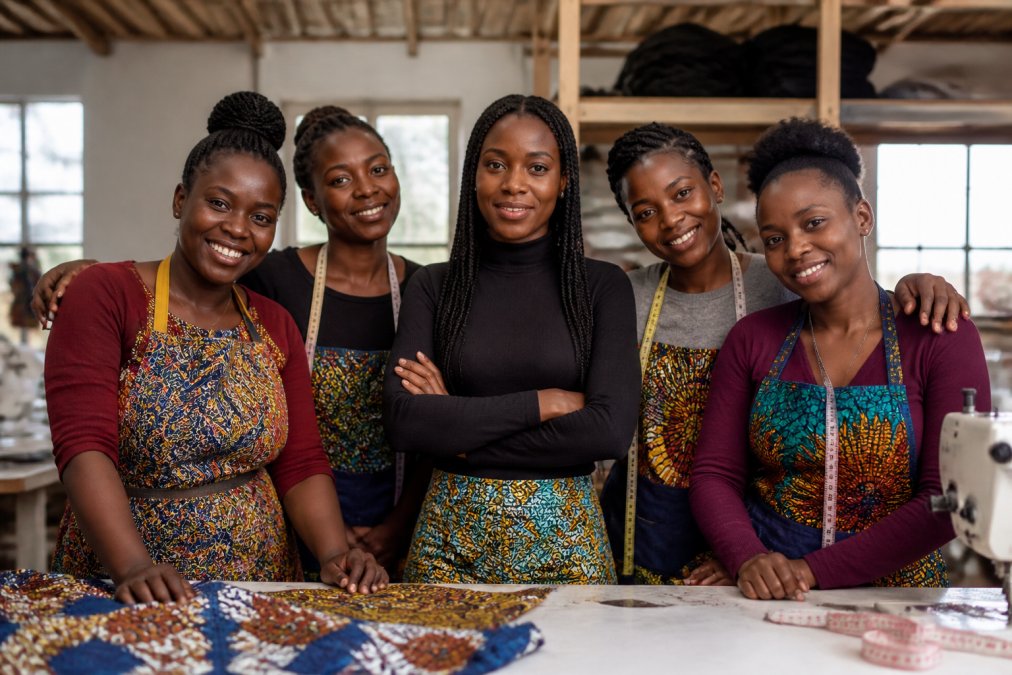
At KAHINDO, choosing artisan made clothing changes the relationship between wearer and garment. Every piece tells a story through the hands that crafted it, the materials chosen, and the values embedded in every stitch. This guide explores why that choice matters, how to identify genuine craftsmanship, and what makes artisan-made pieces worth the investment.
The real question isn't whether you can afford artisan made clothing. It's whether you can afford to keep buying disposable fashion that falls apart, wastes resources, and perpetuates systems that harm both people and the planet.
Artisan vs. Factory Made Clothing: What Actually Matters
The gap between handcrafted and mass-produced garments goes far deeper than price. It's about how the garment is made, who makes it, and what happens to it after you wear it.
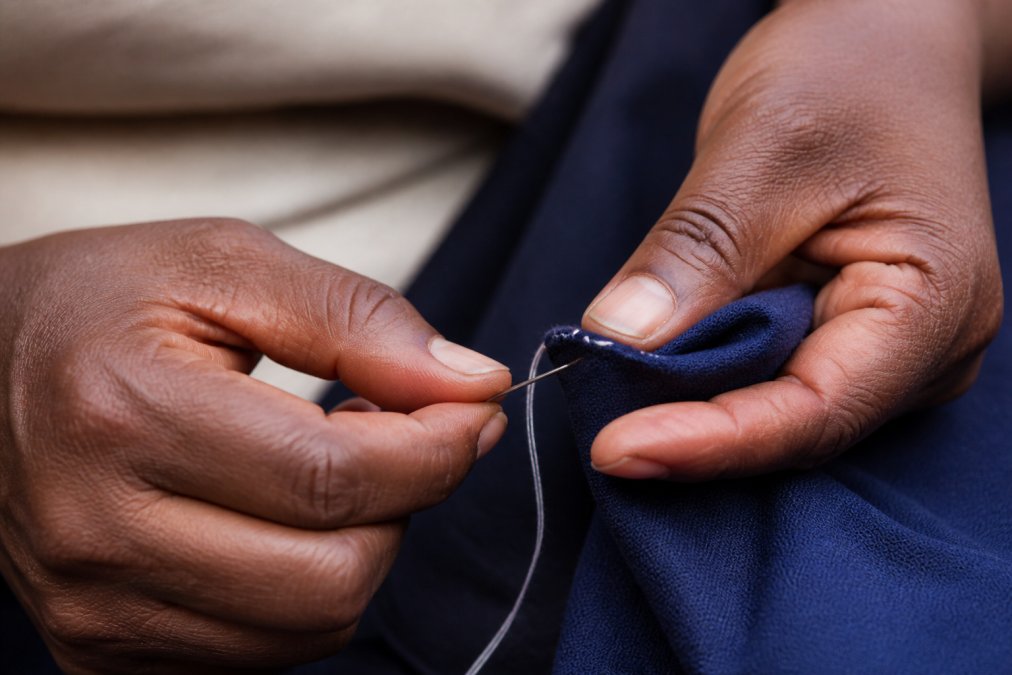
Factory-made clothing prioritizes volume and speed. A single factory might produce thousands of identical pieces daily using standardized patterns and assembly-line workflows. Artisan made clothing operates under a different philosophy: a skilled artisan might complete 5-10 pieces per week, with each one carrying subtle variations that reflect the maker's hand. These aren't flaws, they're signatures.
Research from Kansas State University involving 487 adult female U.S. consumers found that framing luxury products as artisanal influenced perceived value, and consumers' fashion involvement positively influenced their preference for artisanal luxury products. When people understand the artisanal process, they actively prefer it.
Factory garments are designed for one or two seasons. The seams use polyester thread that degrades over time, and fabrics are synthetic blends chosen for cost-efficiency, not longevity. Artisan made clothing uses natural fibers, cotton, linen, silk, wool, that improve with age. Stitching is reinforced at stress points and construction anticipates years of wear.
More than 97% of clothing sold in the United States is made overseas (YouTube documentary on U.S. clothing manufacturing costs and challenges), often in countries where labor standards are poorly enforced. Artisan production typically happens in smaller workshops where relationships between maker and brand are direct and transparent. You know who made your piece and the conditions they worked under.
| Aspect | Factory Made | Artisan Made |
|---|---|---|
| Production Speed | 1,000+ pieces/week per factory | 5-10 pieces/week per artisan |
| Material Selection | Cost-optimized synthetics | Premium natural fibers |
| Quality Variation | Standardized, identical | Subtle, intentional variations |
| Labor Conditions | Distant supply chains | Direct relationships, transparent |
| Durability | 1-2 seasons | 5+ years with proper care |
| Repairability | Often impossible | Designed to be mended |
The choice between factory and artisan isn't just about quality. It's about whether you want to participate in a system that values efficiency over people, or one that values craft over speed.
The Environmental and Ethical Advantage
Fast fashion generates 92 million tons of textile waste annually, roughly 81 pounds per person in the United States. Most ends up in landfills, taking decades to decompose.
Artisan made clothing approaches sustainability from first principles. When a piece is made to last a decade instead of a season, the environmental impact per wear drops dramatically. A garment worn 100 times has one-tenth the carbon footprint of a garment worn 10 times.
Reducing Waste Through Intentional Production
The handmade and crafts market is projected to surpass $906 billion in 2025 and could reach $1.94 trillion by 2033, growing at an annual rate of 8.83% (Handmade Clothing Sales Statistics 2025). This growth reflects a fundamental insight: buying less, but buying better, reduces waste at the source.
When artisans design and produce clothing, they're responding to actual demand, not churning out inventory. This means less overproduction, less unsold stock destined for discount bins or destruction, and less seasonal manufacturing pressure.
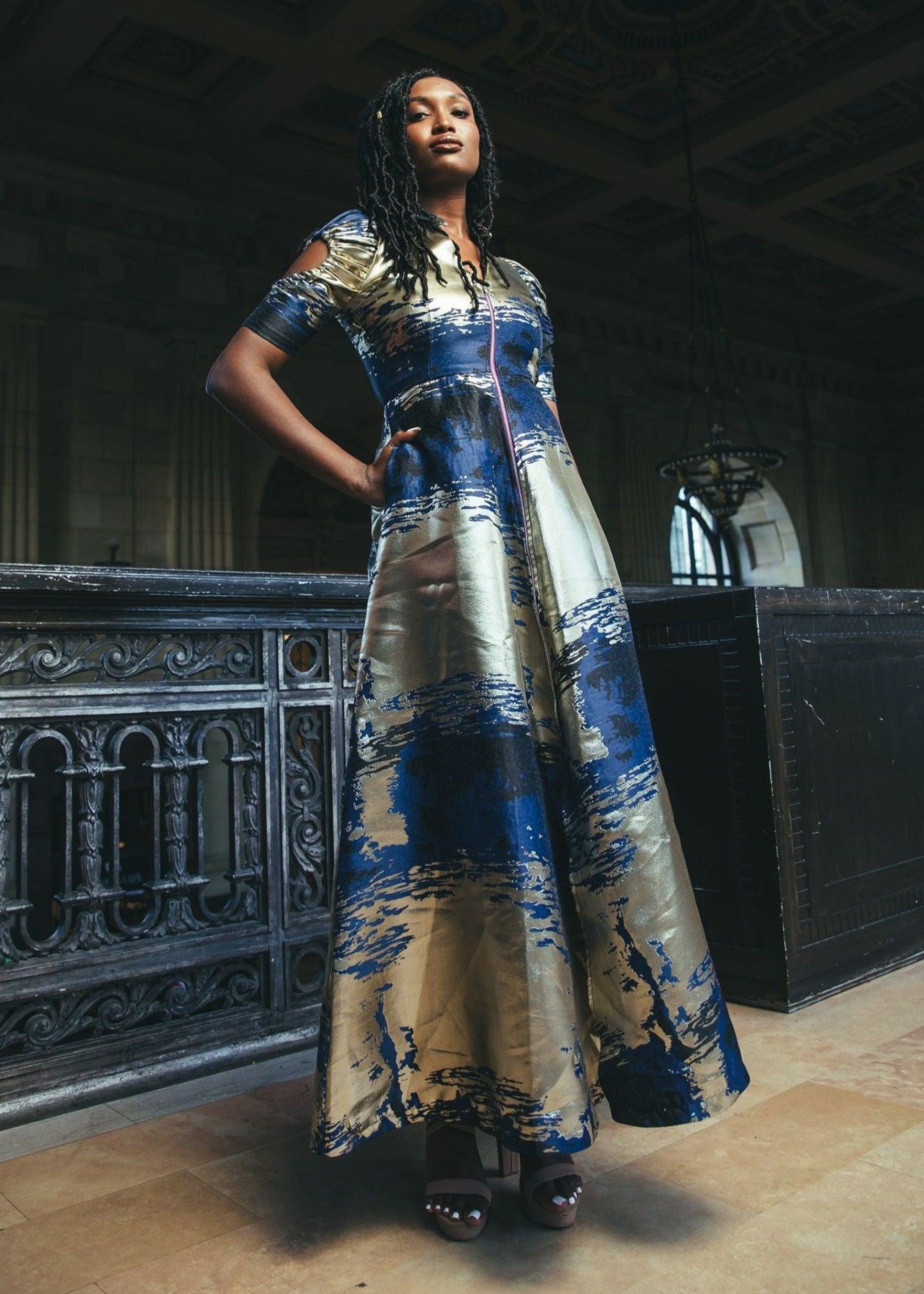
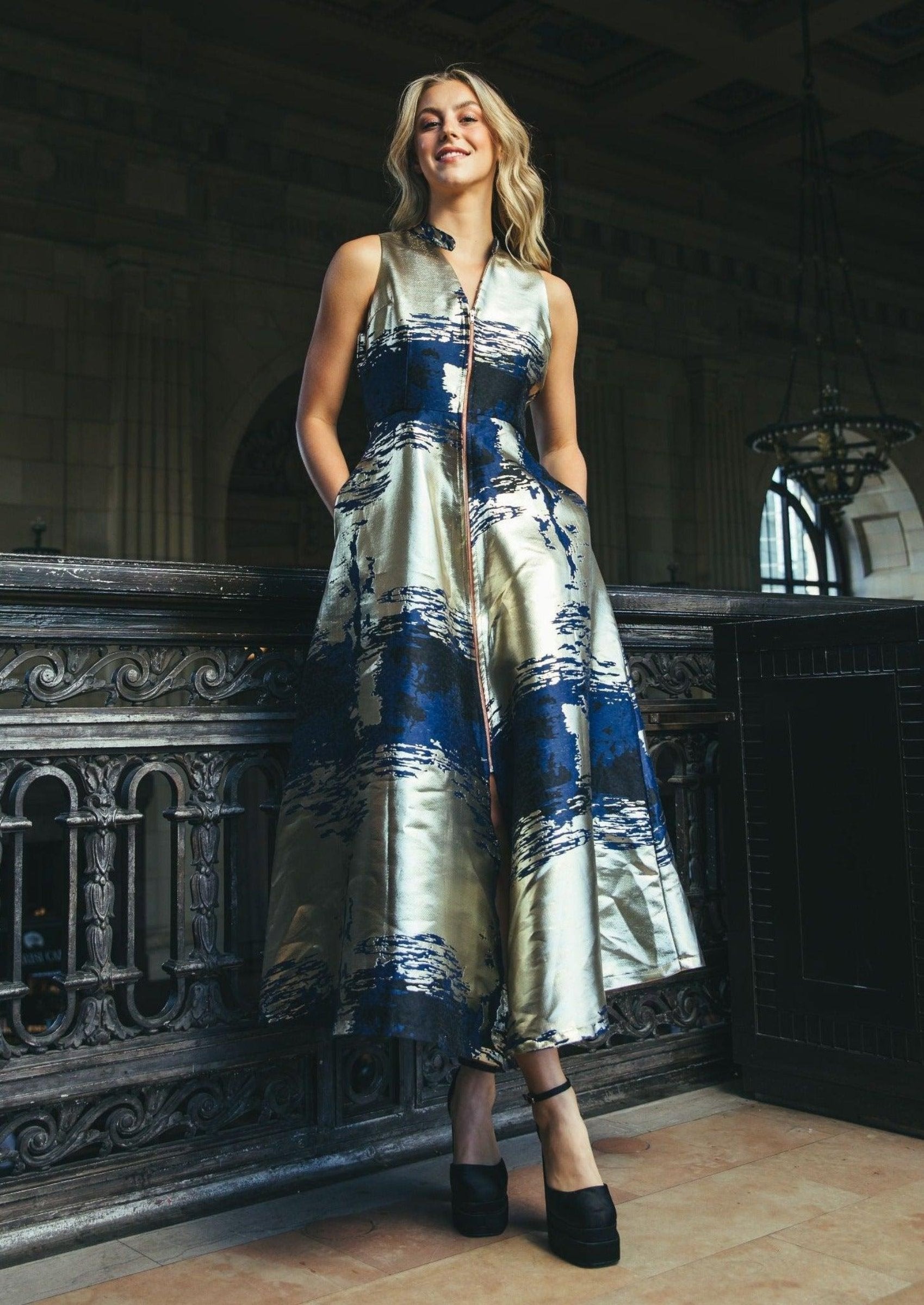
KAHINDO's slow-bath dyeing process exemplifies this philosophy. Each piece is dyed individually using natural dyes that create unique gradients impossible to replicate. The intentionality of the process means intentionality of the purchase.
Fair Wages and Artisan Empowerment
Over 70% of millennials are inclined to pay a premium for sustainable brands (Accenture's Success Stories in Sustainable Fashion). But what does "premium" mean if it doesn't translate to fair compensation for the people making the garments?
In fast fashion supply chains, workers, often women in developing economies, earn a fraction of the retail price. A $50 garment might result in $1-2 reaching the maker. Artisan production models invert this dynamic. When you buy artisan made clothing directly from KAHINDO, a meaningful portion goes directly to the artisans. Fair wages are foundational to the business model.
In 2024, over 4.2 million U.S. consumers purchased at least one custom-made garment, and bespoke orders grew by 19% compared to 2022 (United States Custom Made Clothes Market Size, Share & Forecast Report). This trend reflects growing consumer demand for transparency and direct relationships with makers.
The Benefits of Slow Fashion for Your Wardrobe
Slow fashion isn't about moving slowly through life. It's about being intentional about what you bring into your wardrobe and keeping those pieces longer.
The average person buys 60% more clothing than they did 15 years ago and keeps each piece for half as long. This acceleration creates psychological dependency on novelty and drives us toward cheap, trendy pieces.
Artisan made clothing breaks this cycle. When you invest in a well-crafted piece, you're less likely to treat it as disposable. You care for it differently, style it in multiple ways, and wear it for years. This shift transforms your entire approach to fashion.
A slow fashion wardrobe is smaller but more functional. Each piece works with others, colors coordinate, and styles are timeless rather than trendy. The result? You actually wear more of what you own. For professional settings, artisan pieces offer particular advantages. A handcrafted blazer or dress in a neutral tone becomes a foundation piece that works across contexts, maintaining its shape through repeated wearing and cleaning.
How to Identify High-Quality Handmade Clothing
Not all pieces labeled "handmade" or "artisanal" are created equal. The term has been diluted by marketing speak and half-truths.
Spotting Artisan-Washing and Genuine Craftsmanship
Artisan-washing, using artisanal language and imagery to market mass-produced goods, has become rampant. Brands might use a single artisan's photo while manufacturing 90% of their line in factories, or use terms like "inspired by traditional techniques" without actually employing them.
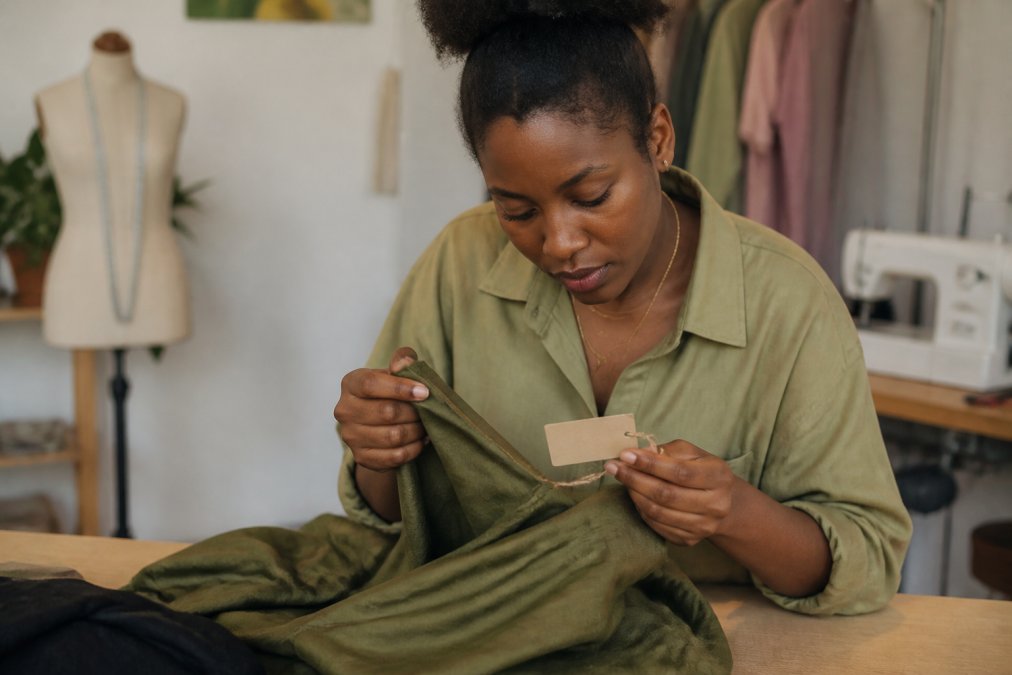
To identify genuine artisan made clothing, look for specificity. Legitimate artisan brands provide details: the artisan's name, location, background, specific techniques used, and how long each piece takes. KAHINDO includes a provenance card with every garment, documenting the artisan who made it and labor hours invested.
Ask direct questions. How many pieces does each artisan produce per week? What materials are used and where are they sourced? Can you see photos of the workspace? Are artisans employees with benefits or independent contractors? Brands with nothing to hide answer readily.
Understanding Materials and Care Requirements
Artisan made clothing typically uses natural fibers, cotton, linen, silk, wool, because these materials age beautifully and require less chemical processing. However, they also require different care than synthetics.
Hand-washing is standard for artisan pieces. Machine washing can damage hand-stitched seams and cause natural dyes to fade. Air drying preserves the garment's shape and integrity. These aren't inconveniences; they're investments in longevity. A piece cared for properly will last decades.
Check the care label before purchasing. Look at seams, hems, and closures. Hand-stitched seams show slight irregularities, evidence of human work, and should be tight and reinforced at stress points. Hems should be finished, and closures secure and well-aligned.
Natural dyes create unique color variations and gradients, proof of the handmade process. Over time, these dyes may fade slightly, which is part of the garment's aging story, not a failure.
The Cost-Per-Wear Advantage of Artisan Made Pieces
The most common objection to artisan made clothing is price. A handcrafted dress might cost $200-400, while a factory equivalent costs $40-60. Cost-per-wear analysis flips that calculation. If you wear the factory dress 10 times before it falls apart, you've paid $4-6 per wear. If you wear the artisan dress 200 times over five years, you've paid $1-2 per wear.
In 2024, personalized handmade items accounted for around 12% of all handicraft sales, reflecting growing consumer recognition that artisan made clothing offers value beyond the initial price tag (TOP 20 HANDMADE PRODUCTS MARKETING STATISTICS 2025).
A $40 dress lasting one season requires constant replacement. Over five years, you might buy 10-15 similar dresses, spending $400-600 total. With an artisan dress, you own one exceptional piece that evolves with you. For special occasions, a $300 artisan dress worn at 15 events costs $20 per event, compared to $30 per event for a $60 fast-fashion dress worn twice.
The investment also protects against decision fatigue. You're not constantly shopping and second-guessing. You have fewer, better pieces that you know work for you.
Preserving Cultural Heritage Through Fashion Choices
Every artisan made garment carries cultural knowledge. Traditional weaving patterns, dyeing techniques, and construction methods represent centuries of accumulated skill. When you buy artisan made clothing, you're participating in the preservation of cultural heritage.
23% of U.S. adults strongly believe handmade products are high quality (TOP 20 HANDMADE PRODUCTS MARKETING STATISTICS 2025), reflecting recognition that traditional methods produce superior results.
KAHINDO's collections are rooted in Congolese textile traditions and the artistry of female artisan communities across Kenya. The brand treats African provenance as a primary luxury asset. Every collection tells a cultural story through specific print patterns and construction techniques that honor heritage.
When artisan communities lose markets for traditional crafts, they lose more than income. Young people migrate to cities seeking factory work because there's no economic viability in traditional craftsmanship. Within a generation, centuries of accumulated knowledge disappears.
Buying artisan made clothing directly reverses this trend. It creates economic incentive for young people to learn traditional skills and validates these skills as valuable and contemporary. This is particularly important for communities historically marginalized or exploited. When African artisans control the narrative around their own work, are credited, compensated fairly, and recognized as artists rather than labor, it reshapes power dynamics in the fashion industry.
Choosing artisan made clothing means choosing a different relationship with fashion. It means accepting that the best pieces aren't the newest or cheapest, but the ones made with care by skilled hands. It means understanding that what you wear tells a story about your values, your taste, and the world you want to support.
KAHINDO offers that choice. Every piece is handcrafted by female artisans in Kenya, designed in New York, and backed by transparency about who made it and why it matters. When you invest in artisan made clothing from KAHINDO, you're supporting economic empowerment, preserving cultural heritage, and choosing fashion that looks good, feels good, and does good.
=== FAQ ANSWERS (audit these too, same rules) ===
[1] Q: What does artisan made clothing actually mean? A: Artisan made clothing refers to garments handcrafted by skilled makers using traditional or contemporary techniques, typically in small batches or individually. Unlike mass production, each piece involves direct human craftsmanship, from hand-dyeing fabrics to detailed stitching. Artisan makers often preserve cultural textile traditions and use eco-friendly methods. However, the term isn't regulated, so look for transparency about production methods, maker identity, and materials. Genuine artisan work includes documentation of the maker and their process, distinguishing it from items simply labeled 'artisan' without substance.
[2] Q: How does artisan made clothing differ from mass-produced garments in terms of quality? A: Artisan made clothing typically offers superior durability, unique design, and intentional material selection compared to mass-produced pieces. Handcrafted items use higher-quality natural fibers and construction techniques designed for longevity rather than rapid turnover. A study from the Society for Personality and Social Psychology found that participants consistently rated traditionally made products as higher in quality and were more willing to purchase them. Mass production prioritizes speed and cost reduction, often using synthetic materials and shortcuts that compromise durability. Artisan pieces are built to last years, making them better long-term investments despite higher upfront costs.
[3] Q: Why should I choose artisan made clothing over fast fashion brands? A: Choosing artisan made clothing supports ethical production, environmental responsibility, and genuine craftsmanship. Over 55% of U.S. consumers report considering sustainability before purchasing apparel. Artisan production reduces textile waste, uses eco-friendly materials, and ensures fair wages for makers, often female artisans in underserved communities. You're investing in pieces with a story and provenance rather than anonymous mass production. The slow fashion approach means each garment is designed for durability and timeless style, reducing the need for constant replacement. Artisan makers often preserve cultural textile heritage and traditional techniques, making your purchase a form of cultural preservation.
[4] Q: How can I verify that artisan made clothing is truly ethically produced? A: Look for third-party certifications like Fair Trade, B-Corp, GOTS (Global Organic Textile Standard), or OEKO-TEX, which verify ethical labor practices and material sourcing. Transparent brands provide detailed information about their makers, production locations, and supply chain. Many artisan brands include provenance cards or documentation identifying the artisan and labor hours invested. Research the brand's mission and check for features like fair-wage guarantees and artisan equity programs. Read customer reviews and look for media features in reputable publications that have verified the brand's claims. Be skeptical of vague sustainability language without specific certifications or maker identification.
Frequently Asked Questions
Q: What does artisan made clothing actually mean?
A: Artisan made clothing refers to garments handcrafted by skilled makers using traditional or contemporary techniques, typically in small batches or individually. Unlike mass production, each piece involves direct human craftsmanship, from hand-dyeing fabrics to detailed stitching. Artisan makers often preserve cultural textile traditions and use eco-friendly methods. However, the term isn't regulated, so look for transparency about production methods, maker identity, and materials. Genuine artisan work includes documentation of the maker and their process, distinguishing it from items simply labeled 'artisan' without substance.
Q: How does artisan made clothing differ from mass-produced garments in terms of quality?
A: Artisan made clothing typically offers superior durability, unique design, and intentional material selection compared to mass-produced pieces. Handcrafted items use higher-quality natural fibers and construction techniques designed for longevity rather than rapid turnover. A study from the Society for Personality and Social Psychology found that participants consistently rated traditionally made products as higher in quality and were more willing to purchase them. Mass production prioritizes speed and cost reduction, often using synthetic materials and shortcuts that compromise durability. Artisan pieces are built to last years, making them better long-term investments despite higher upfront costs.
Q: Why should I choose artisan made clothing over fast fashion brands?
A: Choosing artisan made clothing supports ethical production, environmental responsibility, and genuine craftsmanship. Over 55% of U.S. consumers report considering sustainability before purchasing apparel. Artisan production reduces textile waste, uses eco-friendly materials, and ensures fair wages for makers, often female artisans in underserved communities. You're investing in pieces with a story and provenance rather than anonymous mass production. The slow fashion approach means each garment is designed for durability and timeless style, reducing the need for constant replacement. Artisan makers often preserve cultural textile heritage and traditional techniques, making your purchase a form of cultural preservation.
Q: How can I verify that artisan made clothing is truly ethically produced?
A: Look for third-party certifications like Fair Trade, B-Corp, GOTS (Global Organic Textile Standard), or OEKO-TEX, which verify ethical labor practices and material sourcing. Transparent brands provide detailed information about their makers, production locations, and supply chain. Many artisan brands include provenance cards or documentation identifying the artisan and labor hours invested. Research the brand's mission and check for features like fair-wage guarantees and artisan equity programs. Read customer reviews and look for media features in reputable publications that have verified the brand's claims. Be skeptical of vague sustainability language without specific certifications or maker identification.
This article was written using GrandRanker