


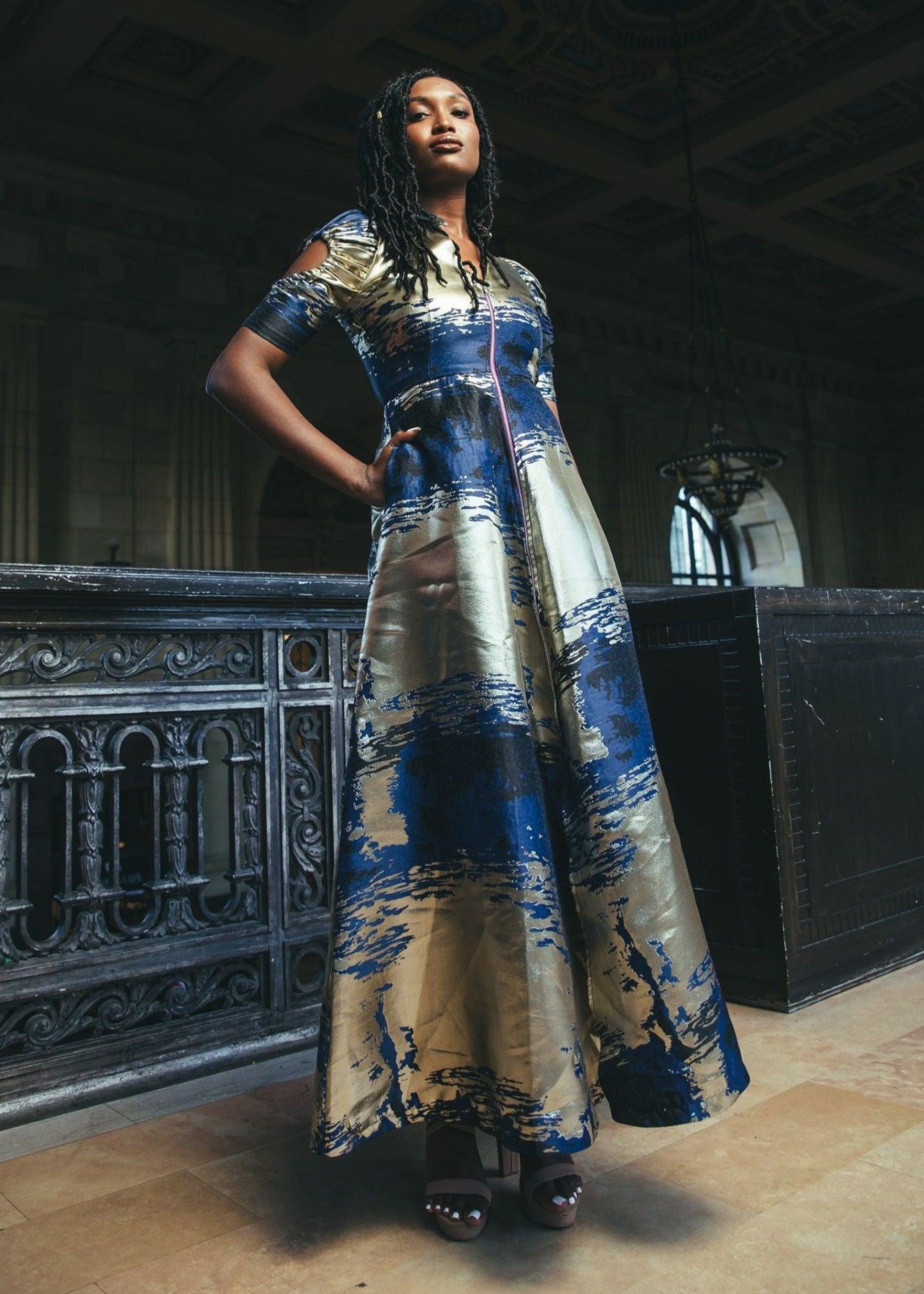

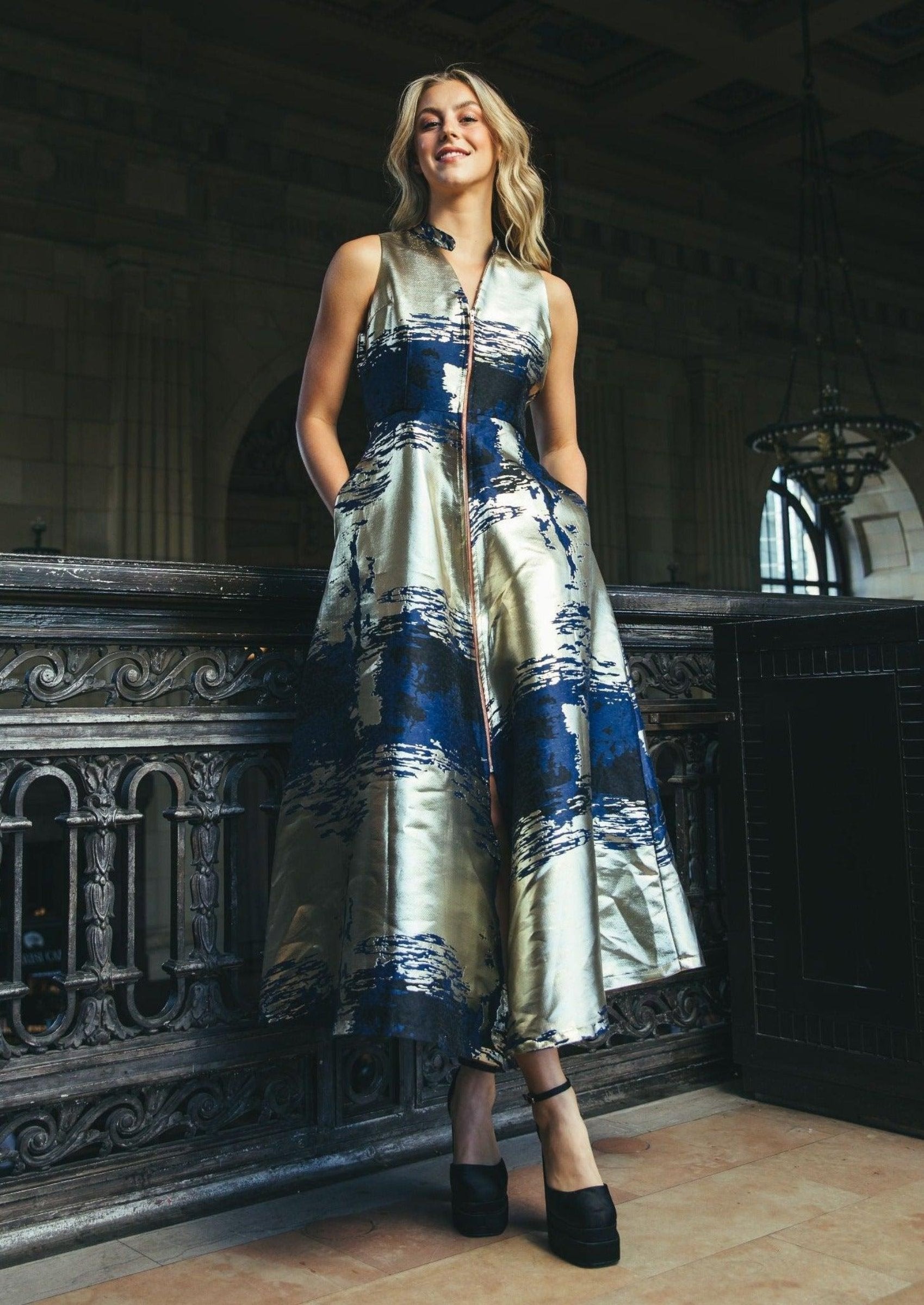

Why Women Owned Fashion Brands Matter
A great dress can change the energy of a room. The right one does more than flatter - it communicates taste, confidence, and intention before you say a word. That is part of why women owned fashion brands continue to resonate so deeply with discerning shoppers. They are often built from a sharper understanding of how women actually want to feel in their clothes, especially when the occasion matters.
For the woman dressing for a wedding, gala, milestone birthday, or black-tie celebration, fashion is rarely a casual purchase. She is not shopping for noise. She is shopping for presence. She wants beauty, yes, but she also wants thought behind the silhouette, integrity behind the label, and a point of view strong enough to stand apart from the churn of trend cycles. That is where women-led brands often distinguish themselves.
What sets women owned fashion brands apart
Not every brand founded by a woman shares the same values, aesthetic, or production model. Ownership alone is not a guarantee of quality or ethics. But in fashion, leadership shapes priorities. When women are building the brand, designing the collection, and defining the customer experience, the result often feels more considered.
That consideration can show up in obvious ways, like fit, fabrication, and comfort. It can also show up in less visible decisions: whether a special occasion dress is lined properly, whether a bridesmaid silhouette feels elegant instead of apologetic, whether a statement print is balanced with tailoring that gives it longevity. These are not small details. They are the difference between a dress that photographs well once and a piece that earns its place in a wardrobe.
Women owned fashion brands also tend to understand the emotional side of dressing with greater precision. Occasionwear is tied to memory. A mother-of-the-bride look is not just another purchase. A wedding guest dress has to strike a narrow balance - memorable, but respectful; polished, but not rigid; expressive, but still appropriate. Brands that grasp those nuances design with more empathy and, often, more sophistication.
Style and substance should not compete
Luxury has long sold aspiration. What has changed is the standard behind it. Today, many women want more from the brands they invest in. They still want exceptional design, but they are asking harder questions about who made the garment, how it was produced, and whether the brand's values hold up under scrutiny.
This shift has created space for women owned fashion brands that treat style and impact as inseparable. That matters because ethical fashion should not require aesthetic compromise. A beautifully cut gown should still be beautifully cut if it is made responsibly. A bold printed dress should not lose its fashion authority because it also supports artisan livelihoods. In fact, the opposite is often true. When a garment is rooted in craftsmanship and made with care, it carries a depth that mass-produced fashion cannot replicate.
There is a difference, though, between meaningful ethics and polished messaging. Some brands use empowerment language as decoration. Others build it into the business model itself through fair wages, artisan partnerships, responsible production runs, and long-term investment in craft. The second approach is harder to build, but it is the one that earns trust.
How to shop women owned fashion brands with discernment
If you are drawn to women-led labels, it helps to look beyond the headline. The best shopping decisions come from understanding what the brand is actually offering.
Start with design identity. Does the brand have a clear point of view, or is it chasing whatever is trending this season? Occasion dressing benefits from clarity. Strong brands know what they stand for, whether that means sculptural tailoring, vibrant print, minimalist eveningwear, or romantic draping. A distinct signature usually signals confidence, and confidence tends to age better than trend imitation.
Then look at construction and material choices. Photographs can create the illusion of luxury, but fabric weight, finishing, lining, and cut tell the real story. This is especially important for formalwear. A gown can appear dramatic online and feel flimsy in person. The brands worth investing in build garments that hold their shape, move beautifully, and feel worthy of the moment.
Next, consider the production model. Small-batch manufacturing, artisan craftsmanship, and ethical sourcing all sound appealing, but they mean different things from one brand to another. It is reasonable to expect specifics. Where are the garments made? Who is making them? Is the craftsmanship central to the brand, or simply part of its marketing language? The more precise the answers, the more credible the brand.
Finally, think about longevity. A strong women-led fashion brand should offer more than a one-event solution. That does not mean every dress must be understated. It means the piece should have enough design integrity to feel relevant beyond a single season. The best special occasion purchases are not disposable. They stay with you because they still say something, even years later.
Why women owned fashion brands matter in occasionwear
Occasionwear is one of the clearest spaces where values and aesthetics meet. These are emotionally charged purchases, often tied to major life events. The woman buying them wants to feel extraordinary, but she also wants to feel aligned with her choices.
That is why women owned fashion brands can feel especially compelling in this category. They often design from a place of lived understanding. They know that confidence is not created by excess alone. Sometimes it comes from precision. Sometimes from color. Sometimes from a silhouette that honors the body instead of fighting it.
There is also a cultural dimension worth paying attention to. Many women-led brands bring a broader design perspective into the market, drawing from heritage, craft traditions, and global influence in ways that feel personal rather than performative. When done well, that kind of fashion carries both beauty and authorship. It feels designed, not manufactured for algorithmic approval.
For women who are tired of generic occasion dressing, this matters. Too much formalwear still relies on predictable formulas - safe colors, expected cuts, forgettable embellishment. A stronger alternative is fashion with identity. Not loud for the sake of it, but expressive enough to be remembered.
A better standard for luxury
The most interesting shift in fashion is not simply who owns the brands. It is what ownership allows those brands to prioritize. Women founders are helping define a version of luxury that is less about excess and more about intention. That can mean craftsmanship over volume, purpose over posturing, and emotional connection over trend urgency.
Of course, trade-offs exist. Smaller brands may have more limited inventory, longer lead times, or fewer markdowns than large retailers. Handcrafted production takes time. Responsible manufacturing can cost more. But for many shoppers, those trade-offs are part of the value. They are choosing fewer pieces with more meaning, and they expect those pieces to deliver on both beauty and principle.
That is the real appeal. Women owned fashion brands are not compelling simply because of who is at the top. They matter because the strongest among them are reshaping what women can expect from fashion itself. Better design. Better storytelling. Better alignment between what a garment looks like and what it stands for.
Brands such as KAHINDO show what that looks like when style credibility and social impact are treated as one conversation, not two. Bold occasionwear, female artistry, and ethical production do not compete for attention. They elevate one another.
The next time you are shopping for a dress that has to do more than fill a closet, pay attention to the brand behind it. The most memorable piece is often the one that carries vision as confidently as it carries color.


