




How to Build a Conscious Wardrobe
A crowded closet can still leave you with nothing that feels right. The issue is rarely a lack of clothing. More often, it is a lack of clarity - about what you truly wear, what suits your life, and what deserves a place in it.
That is the real starting point for how to build conscious wardrobe habits that last. A conscious wardrobe is not about perfection, strict rules, or dressing plainly in the name of ethics. It is about choosing with intention. It is about owning pieces that carry beauty, purpose, and staying power.
What a conscious wardrobe really means
A conscious wardrobe is built on alignment. Your clothes should reflect your style, your values, and the reality of your calendar. If you spend your social life attending weddings, galas, milestone dinners, and celebrations, a conscious wardrobe should honor that. It should not force you into a fantasy version of minimalism that leaves you underdressed for the moments that matter.
This is where many women get stuck. They assume thoughtful shopping means buying only basics. In reality, a conscious wardrobe can include bold print, rich color, and statement occasionwear. The question is not whether a piece stands out. The question is whether it earns its place.
A garment earns its place when you can answer yes to a few quiet but important questions. Do I love it beyond this season? Does it fit beautifully? Can I picture where I will wear it? Was it made with care? Will I still feel proud of this purchase a year from now?
How to build conscious wardrobe choices around your real life
Start with your life as it exists, not as it looks on someone else's mood board. If your year includes black-tie weddings, cocktail receptions, charity events, and family celebrations, your wardrobe should be built to meet those occasions with confidence.
This is why thoughtful wardrobe building begins with categories, not impulse. You may need fewer casual throwaways and more elevated pieces that can be styled differently across multiple events. A beautifully made dress, tailored jumpsuit, or striking set can do more work than five forgettable purchases.
There is also a practical luxury to this approach. When your wardrobe includes pieces with presence, you spend less time panic-shopping before an event. You know you have something exceptional. You know it fits your point of view. You know it carries the right energy.
Audit what you own without guilt
Before buying anything new, study your current wardrobe with honesty. Not criticism - honesty. Pull out the pieces you reach for when you want to feel polished, powerful, and fully yourself. Then notice what those pieces have in common.
It may be a certain silhouette, a preference for saturated color, a love of sculptural sleeves, or fabrics that hold shape beautifully. Your best wardrobe clues are already in your closet.
Then look at what has not worked. Often the misses tell the clearest story. Maybe you bought trendy pieces that never felt like you. Maybe you settled for dresses that photographed well but felt generic in person. Maybe the fabric, fit, or finish never justified the price.
A conscious wardrobe gets sharper when you stop repeating expensive mistakes.
Define your personal standard
Style becomes more intentional when you have standards. These do not need to be complicated. In fact, they should be specific enough to guide you in a fitting room or while shopping online.
Your standards might include impeccable fit, distinctive design, natural or high-quality fabrics, versatile occasionwear, or transparent production. For many women, it also means buying from brands that treat craftsmanship and ethics as inseparable from beauty.
That last point matters. If a garment is beautifully designed but built on hidden labor and disposable quality, the experience eventually feels thin. Luxury should hold more than visual impact. It should hold integrity.
Buy fewer pieces with more presence
The fastest way to weaken a wardrobe is to fill it with items bought for a single mood, a single sale, or a single event with no afterlife. The strongest wardrobes are edited. They are not sparse, but they are selective.
When you buy less often, each purchase can carry more intention. You can choose a dress with memorable print, refined construction, and a silhouette that will still feel compelling next year. You can invest in a jumpsuit that works for a rehearsal dinner, a gallery opening, and a formal birthday celebration with a change of accessories.
This is the difference between cost and value. A low price does not automatically make a garment a smart buy. If it pills, loses shape, or feels forgettable after one wear, it was expensive in every way that counts. A well-made piece worn repeatedly often proves more economical and far more satisfying.
Occasionwear deserves a place in a conscious closet
There is a persistent idea that conscious dressing must center only on everyday essentials. But many women are not shopping only for office basics and weekend denim. They are dressing for milestone moments, family photographs, ceremonies, and celebrations they will remember for years.
Occasionwear belongs in a conscious wardrobe when it is chosen well. The best pieces are expressive without feeling costume-like. They stand apart, yet remain wearable. They honor the significance of the event while allowing your own style to lead.
That is why craftsmanship matters so much in formal dressing. When a garment is expertly made, it moves differently. It photographs beautifully, yes, but more importantly, it changes how you carry yourself. You feel considered. You feel ready.
Look beyond the label and ask better questions
Conscious shopping is not about chasing perfect brand language. It is about asking sharper questions and paying attention to the answers.
How was this made? Who made it? Does the brand treat ethics as marketing or as a foundation? Is the design distinctive enough to outlast trend cycles? Does the quality match the story being told?
Not every brand will communicate these things with equal clarity. Some offer direct transparency about production and craftsmanship. Others rely on vague language that sounds admirable but says very little. Trust specifics over slogans.
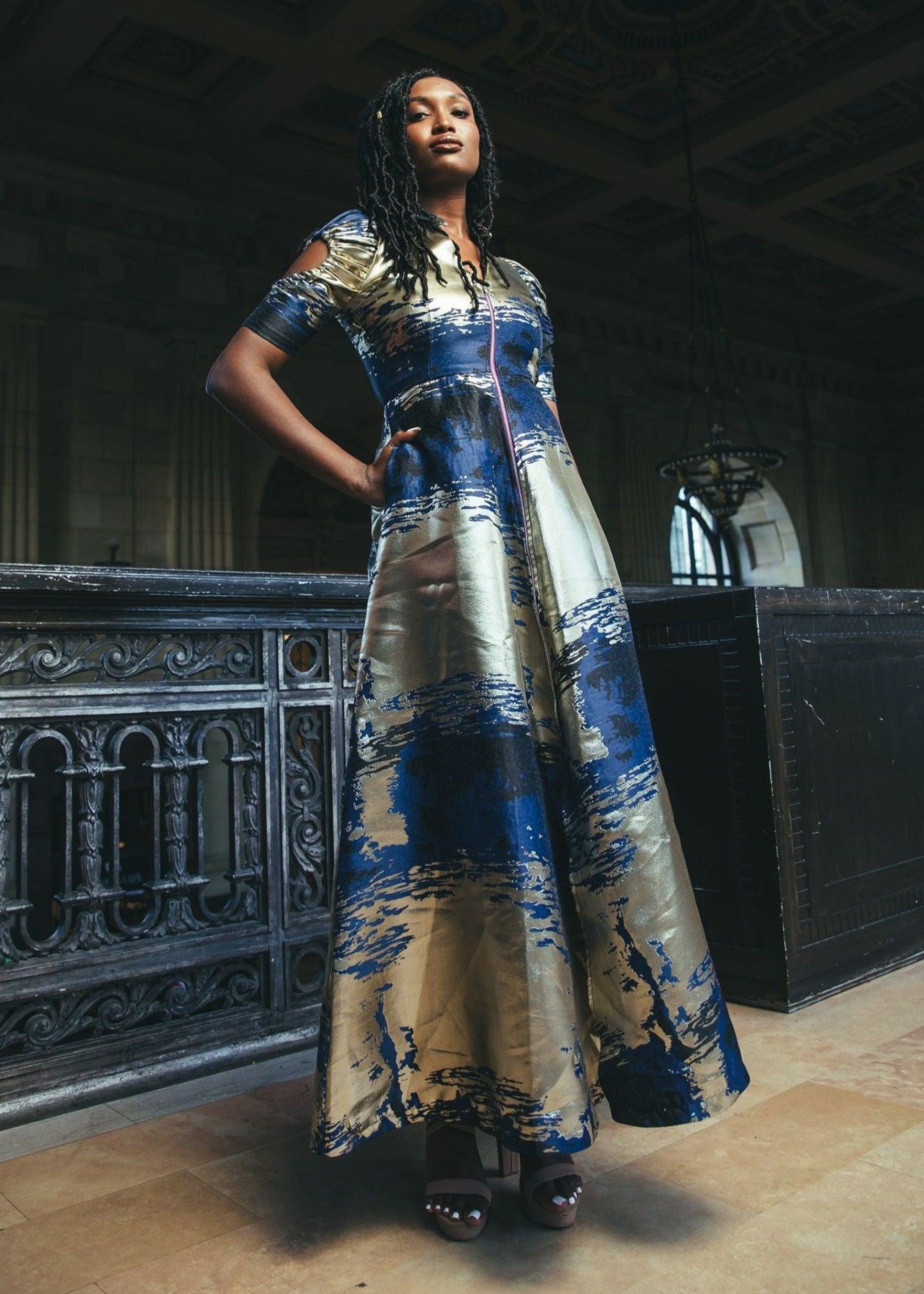
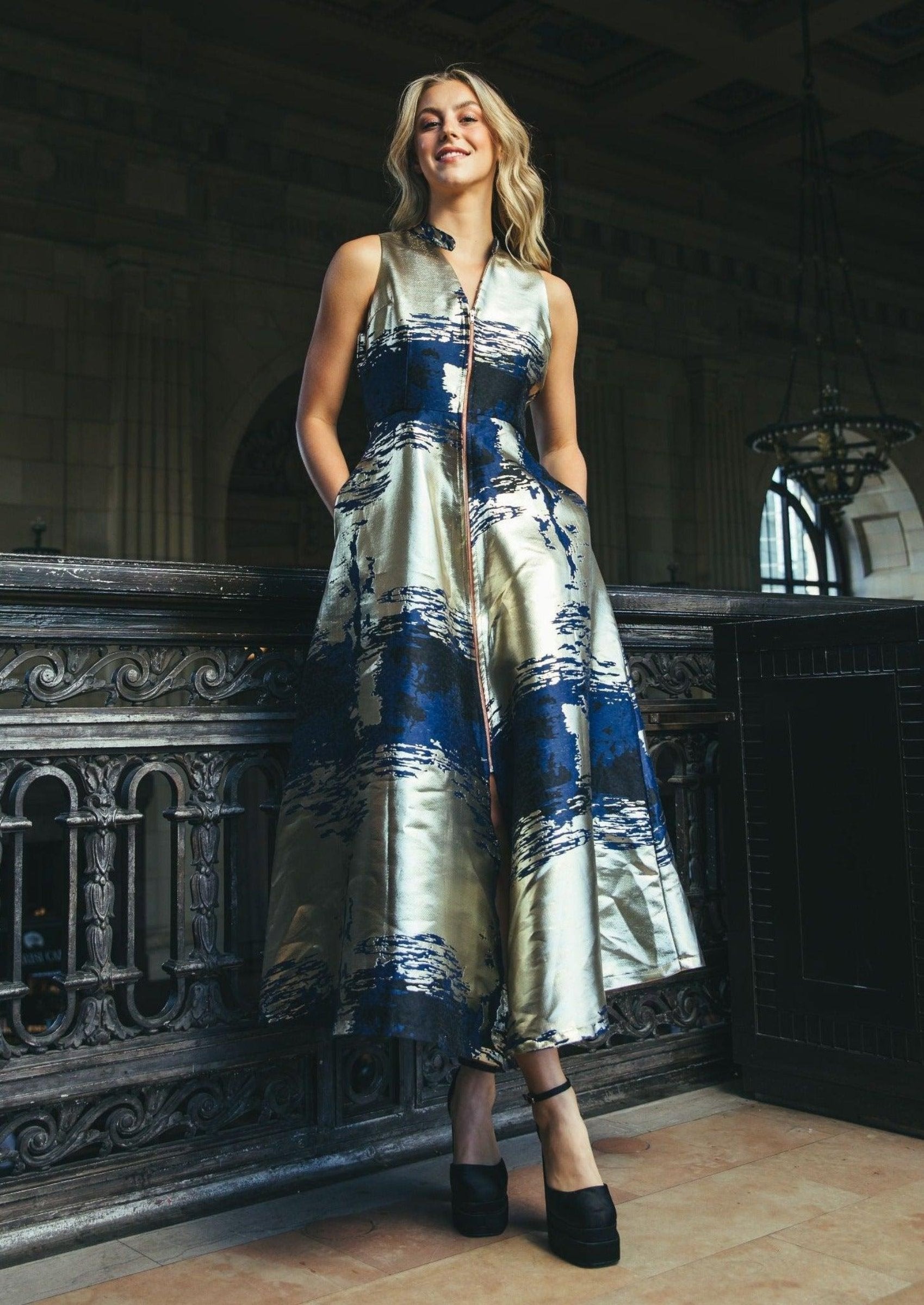
If a brand creates with intention, respects artisanship, and produces pieces meant to be worn and remembered, that is worth noting. KAHINDO, for example, builds occasionwear around bold design, fair-trade production, and handcrafted excellence - proof that fashion can look extraordinary while doing meaningful good.
Let versatility mean more than neutral
Versatility is often reduced to beige, black, and pieces designed to disappear into the background. But for a woman with a strong point of view, versatility can look much more interesting.
A statement dress can be versatile if it works across different kinds of events. A printed gown can be versatile if it can be styled with delicate jewelry for a wedding or dramatic earrings for an evening celebration. A bold piece does not need to be quiet to be useful.
This is an important shift in mindset. Conscious dressing is not about becoming less visible. It is about becoming more precise.
Care is part of the wardrobe
Building consciously does not end at purchase. The way you care for your clothes determines how long they remain beautiful.
Read care labels. Store formal pieces properly. Repair small issues before they become reasons to discard something. Steam instead of overwashing when possible. Protect embellishment, structure, and fabric with the same attention you gave the purchase itself.
There is respect in maintenance. It honors the maker, the material, and your investment.
Leave room for emotion
Not every wardrobe decision can be reduced to a spreadsheet. Some pieces belong because they make you feel extraordinary. They mark an occasion, reflect your heritage, or capture a version of yourself you want to remember.
A conscious wardrobe should still have feeling. It should hold beauty, confidence, and memory alongside practicality. The goal is not to strip fashion of pleasure. The goal is to choose pleasure with discernment.
If you are learning how to build conscious wardrobe habits, start here: buy for the life you actually live, choose pieces with story and substance, and let every addition prove its worth in more than one way. The right wardrobe does not ask you to be less expressive. It asks you to be more intentional - and far more unforgettable.


