


Sustainable Formal Wear for Women: 10 Ethical Choices
Table of Contents
- What Defines Sustainable Formal Wear
- Eco-Friendly Materials to Look For in Formal Dresses
- Ethical Wedding Guest Dresses: Fair-Trade and Artisan-Made Options
- Luxury Sustainable Occasionwear: Jumpsuits and Evening Silhouettes
- Fair-Trade Certification and Supply Chain Transparency
- Circular Economy: Rental, Resale, and Vintage Alternatives
- How to Care for Delicate Eco-Fabrics to Extend Garment Life
- Building a Sustainable Formal Capsule Wardrobe
Last Updated: August 28, 2026
What Defines Sustainable Formal Wear
Sustainable formal wear combines ethical production, eco-friendly materials, and timeless design to create occasion-ready garments without compromising the planet or workers. Unlike fast fashion, it prioritizes longevity, transparency, and fair labor standards, treating each piece as an investment rather than a disposable trend.
The sustainable fashion market in the United States is projected to reach $2.5 billion to $3.2 billion by the end of 2026, growing at a CAGR of 9-10%, according to Sourceready's 2026 US Sustainable Fashion Market Report. This growth reflects a fundamental shift: consumers demand proof of ethical claims, not greenwashing.
What separates sustainable formal wear is commitment to the entire lifecycle, from fiber sourcing to production to garment care. Fair-trade certification, transparent supply chains, and artisan empowerment are foundational. Women aged 30 and above increasingly seek pieces that align with their values without sacrificing elegance.
According to Fashion Revolution's 2025 Consumer Survey, 80% of consumers believe fashion brands should have sustainability certifications. This is mainstream expectation, not niche demand.
Eco-Friendly Materials to Look For in Formal Dresses
The fabric you choose determines environmental impact and longevity. Organic cotton, TENCEL Lyocell, peace silk, hemp, and recycled fibers are cornerstones of sustainable occasionwear.
Organic cotton is grown without synthetic pesticides or fertilizers, reducing water consumption and soil degradation. For formal dresses, organic cotton blends work well in structured pieces. Traceable cashmere from ethical herds offers luxury without conventional production's environmental cost.
TENCEL Lyocell deserves special attention for formal wear. This regenerated cellulose fiber from sustainably managed forests uses a closed-loop process that recycles 99% of solvents. The result is luxurious drape, natural sheen, and biodegradability rivaling silk. For evening dresses and jumpsuits, TENCEL creates the fluid movement expected of formal occasionwear.
Peace silk (Ahimsa silk) allows silkworms to complete their lifecycle before harvesting, eliminating the boiling process of conventional silk. The slightly slubbed texture works beautifully in statement pieces where authenticity matters.
Deadstock fabrics and upcycled materials represent circular fashion in action. Brands like Christy Dawn use deadstock to minimize textile waste while creating limited-quantity, distinctive garments aligned with slow-fashion principles.
Hemp and linen deserve consideration for durability and minimal environmental footprint. Hemp requires no pesticides and regenerates soil quality. Linen demands minimal water and produces zero toxic runoff. Both develop a beautiful patina with age, making them ideal for investment pieces.
Ethical Wedding Guest Dresses: Fair-Trade and Artisan-Made Options
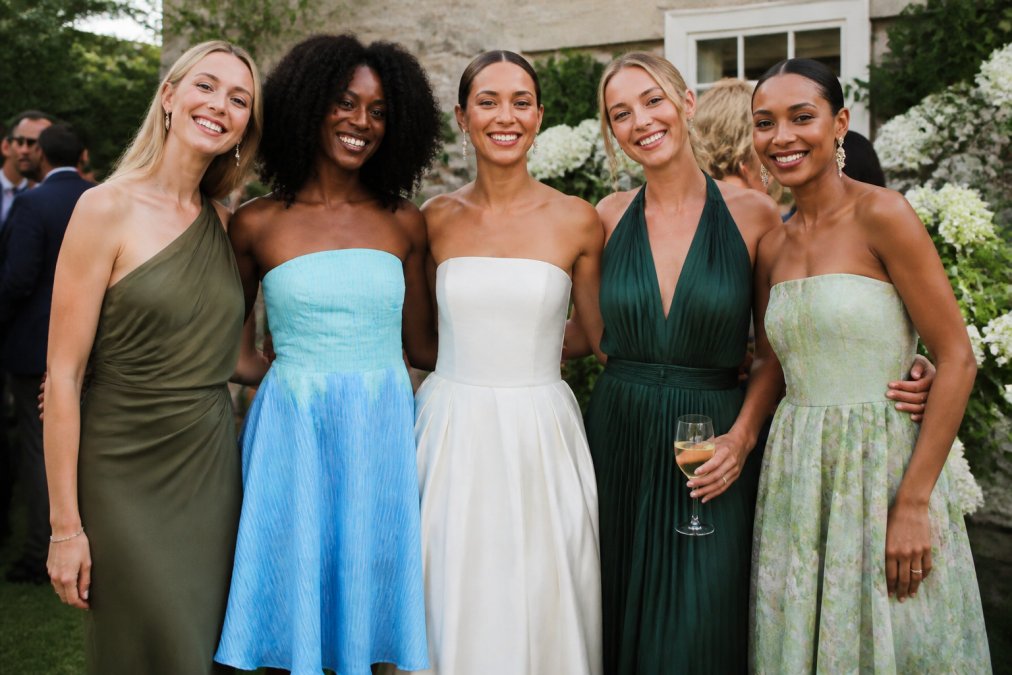
Wedding guest dresses showcase sustainable formal wear's potential. Fair-trade certification ensures artisans receive living wages, safe conditions, and equitable treatment. According to Fashion Revolution's 2025 survey, 72% of consumers think brands should have ethical certifications, yet few verify them.
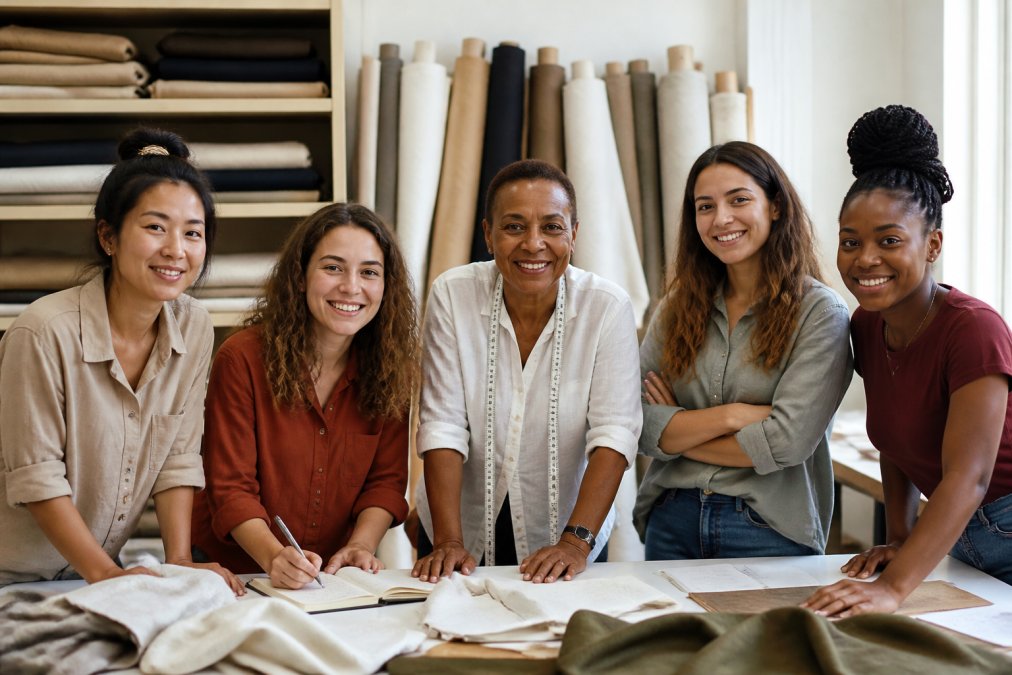
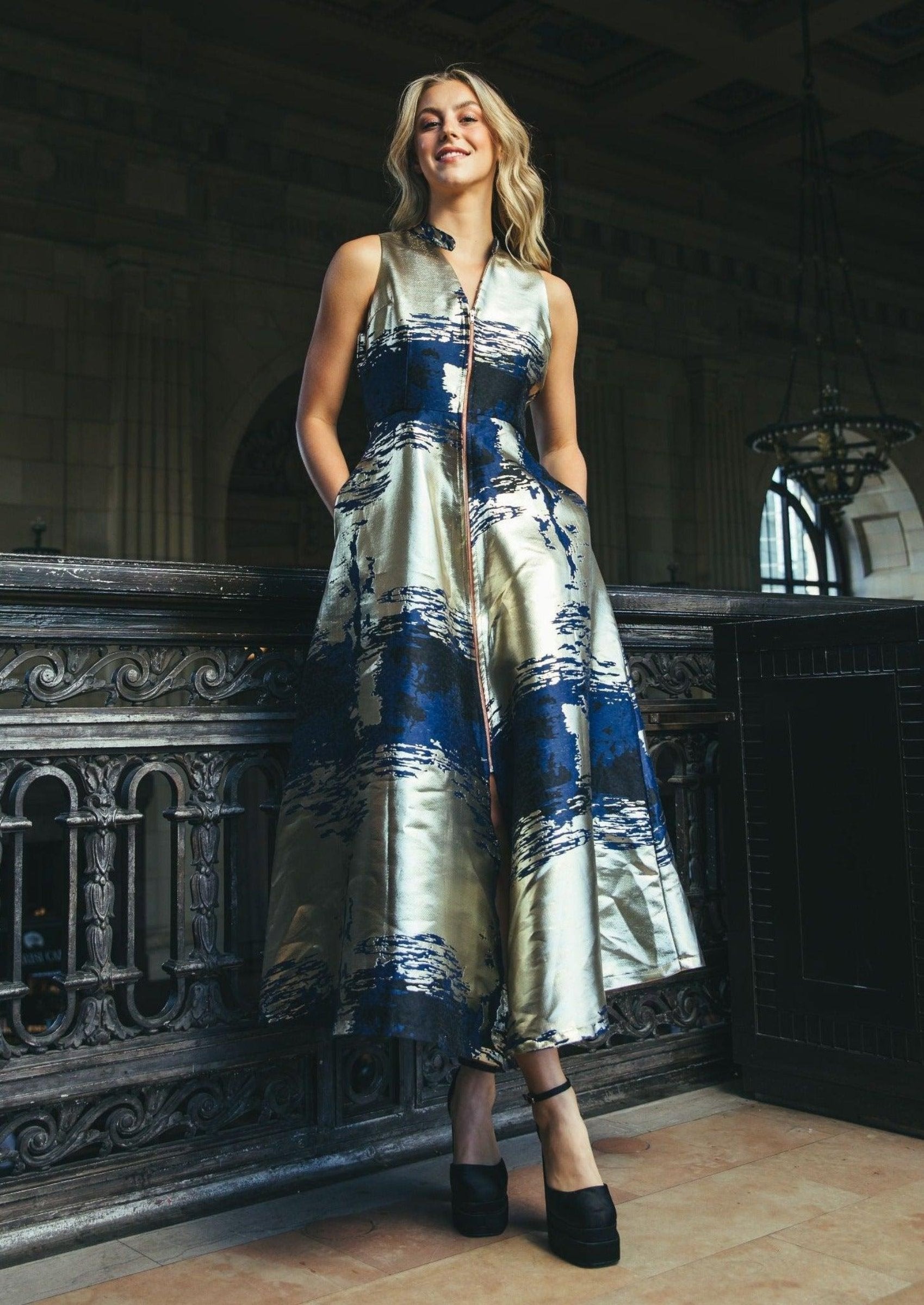
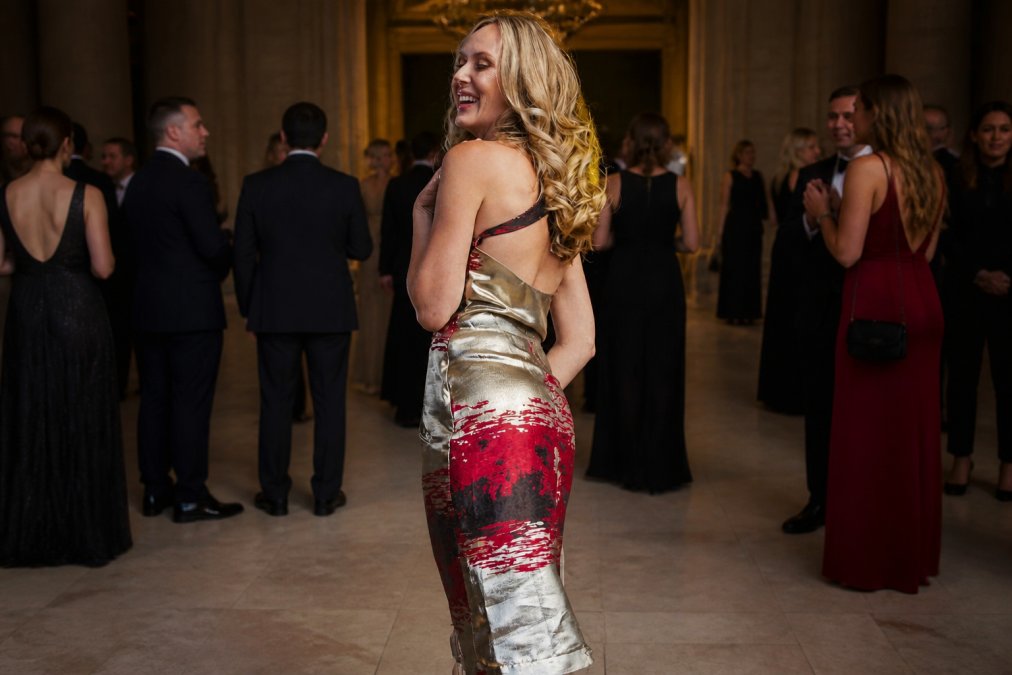
KAHINDO exemplifies this commitment. Every dress is handcrafted by female artisans in Kenya, with provenance cards documenting the artisan and labor hours. The Burgundy Gold Metallic Jacquard Halter Pencil Dress ($75) combines African-inspired textiles with modern silhouettes. The 86% polyester and 14% metallic thread blend creates luminous effects ideal for evening events.

Metallic Jacquard Statement Dresses
Metallic jacquard dresses represent artistry and occasion-ready elegance. The weave incorporating metallic thread creates visual depth and movement that photographs beautifully and commands attention without additional accessories.
The Burgundy Gold Metallic One-Shoulder Mini Dress ($95) from KAHINDO demonstrates how an asymmetric neckline transforms a classic silhouette into editorial elegance. At approximately 10 ounces, the fabric holds its shape throughout an evening. These pieces work best for cocktail-style weddings and rehearsal dinners where you want to stand out without overshadowing the bride.
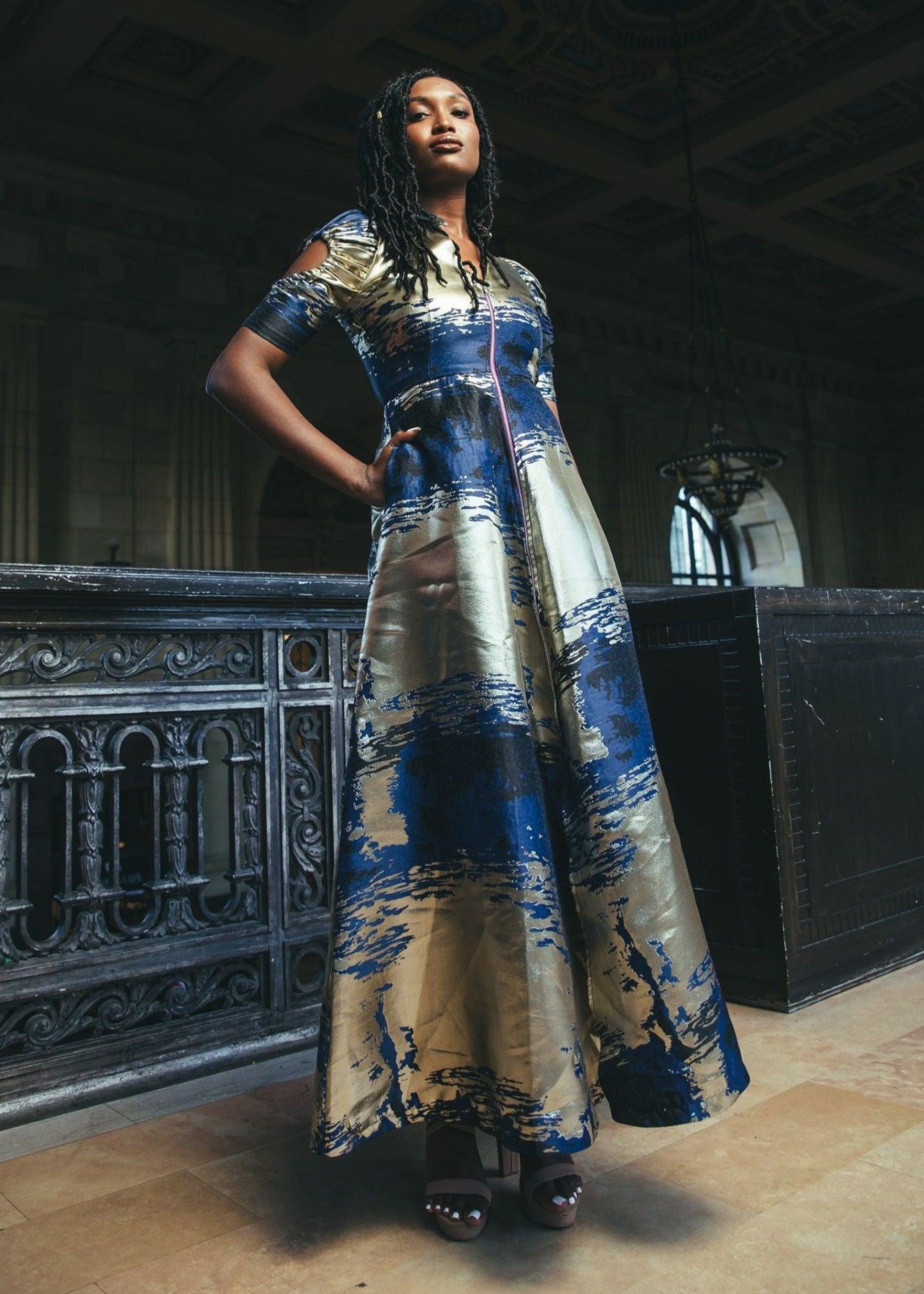
The Cleopatra Maxi Dress ($300) elevates the jacquard concept to full-length grandeur. The royal blue colorway, invisible side pockets, front metallic zipper, and chic cut-out ruching detail combine practicality with regal presence.
Faux Leather Occasion Pieces
Modern faux leather is sophisticated and durable, offering an ethical alternative to animal leather with ease of care.
The Faux Leather Bodycon Dress with Cape Sleeves ($60) from KAHINDO showcases how faux leather creates dramatic formal wear. Cape sleeves elevate the bodycon silhouette from everyday to occasion-ready. The Golden Sand Faux Leather Midi Dress with Front Pleat ($65) offers curve-hugging sophistication in a warmer hue. The Faux Leather Midi Dress with Cutout Detail & Removable Belt ($80) demonstrates versatility, allowing you to adjust the silhouette to your preference.
Luxury Sustainable Occasionwear: Jumpsuits and Evening Silhouettes
Jumpsuits offer the presence and polish of a gown without restriction, making them ideal for women who want to move and celebrate freely. For sustainable fashion, jumpsuits are compelling because a single piece replaces both top and bottom, reducing overall garment count.
Ombré Organza Jumpsuits
Ombré organza, a double-layer threaded fabric with luminous gradient effect, creates visual depth and movement. The technique requires precision in dyeing and construction, which is why artisan-made pieces command premium pricing.
The Balloon Sleeve Ombré Organza Jumpsuit ($445) from KAHINDO features dramatic sleeves and open cutout back. At 13 ounces, the organza is lightweight for all-day comfort while substantial enough to hold its shape. The floor-length silhouette, flowing wide-leg cut, and front zipper combine practicality with refined elegance. ethical fashion brands.
The Strapless Peplum Ombré Organza Jumpsuit ($420) anchors the strapless neckline with a chic peplum waist. The blue-to-deep-blue gradient creates movement even when standing still. At approximately 12 ounces, it's ideal for extended wear at galas.
Satin Wide-Leg Jumpsuits
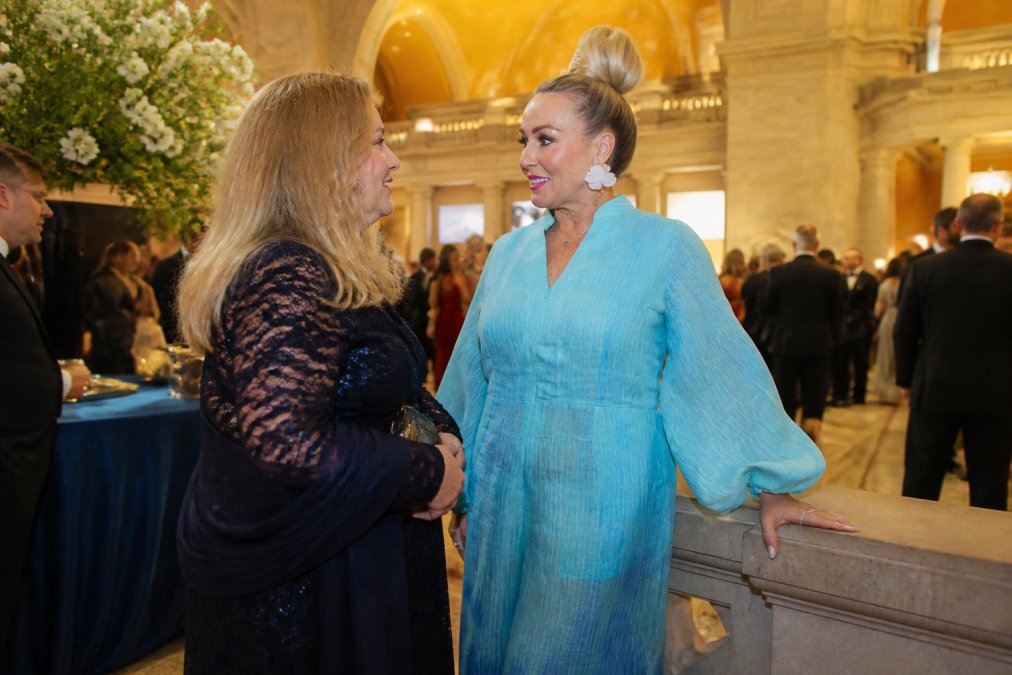
Satin offers polished refinement with luxurious drape. The Strapless Satin Wide-Leg Jumpsuit with Pockets ($145) in rich red-orange demonstrates how bold color and impeccable construction create presence without embellishment. The silky finish catches light beautifully, and practical side pockets add functionality. The wide-leg cut elongates the silhouette while allowing freedom of movement for extended formal events.
Fair-Trade Certification and Supply Chain Transparency
Fair-trade certification is becoming a baseline requirement for conscious consumers. According to Fashion Revolution's 2025 Consumer Survey, the majority believe brands should have ethical certifications.
But certification alone isn't enough. Transparency about supply chain, fiber sourcing, processing, garment makers, and wages separates genuine commitment from greenwashing.
Look for third-party certifications like Fair Trade USA, GOTS (Global Organic Textile Standard), OEKO-TEX, and B-Corp. These verify claims rather than relying on brand self-reporting. KAHINDO goes further: every piece includes a provenance card documenting the artisan and labor hours, transforming the supply chain from abstract to personal.
This transparency holds brands accountable, allows you to verify values alignment, and connects you to the person who crafted your garment. When you know your wedding guest dress was handcrafted by a specific artisan in a Nairobi cooperative, the garment takes on deeper meaning.
Circular Economy: Rental, Resale, and Vintage Alternatives
The resale market is transforming how we think about formal wear. The U.S. resale market is on track to reach $66-68 billion in 2026, growing 9 times faster than traditional retail, according to Sourceready's 2026 US Sustainable Fashion Market Report.
Rental platforms like Rent the Runway offer compelling alternatives for one-time events. You wear a designer dress once, return it, and eliminate guilt of purchasing something worn once or twice. Environmental impact is significantly lower than buying new.
Resale platforms like Vestiaire Collective, Poshmark, and Depop democratize access to high-quality formal wear. Buying secondhand extends the lifecycle of existing garments, reducing demand for new production.
Vintage formal wear offers authenticity and craftsmanship that modern mass production often lacks. Vintage pieces frequently feature superior construction, natural fabrics, and timeless silhouettes. Shopping vintage is both sustainable and distinctive.
The circular economy approach means your formal wear doesn't have to be new to be ethical. Wearing something secondhand is often more sustainable than purchasing a new sustainable piece.
How to Care for Delicate Eco-Fabrics to Extend Garment Life
The most sustainable garment is the one already in your wardrobe. Extending formal wear life through proper care becomes an ethical practice.
Delicate eco-fabrics require specific care. TENCEL Lyocell, peace silk, organic cotton blends, and ombré organza demand gentler handling than conventional fabrics.
Hand washing is the gold standard. Use cool water, gentle silk-specific detergent, and avoid wringing or twisting. Allow pieces to air dry flat or on padded hangers away from direct heat or sunlight.
Dry cleaning is necessary for some fabrics, particularly faux leather. Seek eco-friendly dry cleaners using liquid CO2 or gentler solvents rather than traditional perchloroethylene.

Storage matters. Use breathable garment bags in cool, dark spaces away from direct sunlight. Use cedar blocks or lavender sachets for natural moth prevention rather than toxic naphthalene-based mothballs.
Spot cleaning extends time between full washes. Address small stains immediately with cool water and gentle cloth, blotting rather than rubbing.
Pilling prevention: Use a fabric comb or gentle depilling tool rather than picking at pills. Washing less frequently and careful storage reduces pilling.
Building a Sustainable Formal Capsule Wardrobe
A sustainable formal capsule wardrobe means investing in fewer, higher-quality pieces that work across multiple occasions. Rather than buying a new dress for every event, build a collection of timeless silhouettes in complementary colors.
Start with neutral bases: A well-made black or navy formal dress, a sophisticated jumpsuit, and a versatile midi piece form the foundation. KAHINDO's faux leather dresses in neutral tones ($60-$80) serve this purpose beautifully.
Add one statement piece: A metallic jacquard dress, ombré jumpsuit, or piece with unexpected details. The Burgundy Gold Metallic Jacquard Halter Pencil Dress ($75) or Cleopatra Maxi Dress ($300) serve this role.

Invest in versatile accessories: Minimal jewelry, structured clutch, and elegant shoes in neutral colors allow you to transform the same dress across occasions.
Prioritize quality over quantity: A $300 ombré jumpsuit worn 15 times across multiple years has lower cost-per-wear than a $75 fast-fashion dress worn twice. Sustainable fashion is ultimately about economics: fewer, better pieces cost less over time.
Consider your lifestyle: Build your capsule based on actual event frequency, not aspirational fantasy.
| Piece Type | Investment Level | Occasions | Styling Flexibility | Lifespan |
|---|---|---|---|---|
| Neutral midi dress | $60-$100 | Cocktails, weddings, dinners | High | 5-10 years |
| Statement jumpsuit | $300-$450 | Galas, evening celebrations | Medium | 7-12 years |
| Metallic jacquard dress | $75-$300 | Cocktails, evening events | Medium | 5-8 years |
| Faux leather piece | $60-$80 | Cocktails, nights out, special occasions | High | 4-6 years |
Building a sustainable formal wardrobe is about intention. Each piece should earn its place through versatility, quality, and values alignment. KAHINDO's handcrafted occasionwear, with fair-trade production and artisan empowerment at its core, represents investment pieces that become more meaningful with every wear. When you know the story behind your dress, the artisan who crafted it, the materials chosen for their impact, the fair wages that made its creation possible, you wear it with purpose.
Frequently Asked Questions
Q: What defines sustainable formal wear for women?
A: Sustainable formal wear combines ethical production, eco-conscious materials, and intentional design. It prioritizes organic cotton, TENCEL Lyocell, hemp, and recycled fabrics over synthetic fibers; ensures fair-trade wages and labor rights for artisans; uses non-toxic dyes and low-impact manufacturing; and emphasizes garment longevity over disposability. Brands often provide supply chain transparency and certifications like Fair Trade or GOTS.
Q: How can I find ethical wedding guest dresses that actually fit my budget?
A: Start with brands offering fair-trade production and transparent sourcing, many price competitively despite ethical practices. KAHINDO's faux leather dresses start at $60-$80, offering luxury occasion wear handcrafted by female artisans in Kenya at accessible price points. Consider circular economy options: rental services, resale platforms, and vintage formal wear reduce waste and costs. Focus on timeless silhouettes and quality construction so your investment lasts multiple seasons.
Q: What fabrics should I avoid in formal wear if I want to be sustainable?
A: Avoid synthetic fibers like polyester, acrylic, and nylon when possible, they shed microplastics, require petroleum extraction, and take decades to decompose. Steer clear of conventional cotton (heavily pesticide-dependent) unless certified organic. Fast-fashion formal wear often uses low-quality blends that deteriorate quickly. Instead, seek organic cotton, TENCEL Lyocell, peace silk, hemp, linen, and regenerated cellulose. If synthetics are used (as in some performance fabrics), prioritize recycled polyester. Check for non-toxic dyes and low-impact dyeing processes, these reduce water pollution and chemical exposure for artisans and the environment.
Q: How do I know if a sustainable formal wear brand's claims are actually verified?
A: Look for third-party certifications: Fair Trade Certified, Global Organic Textile Standard (GOTS), OEKO-TEX, and B-Corp status provide independent verification. Brands should publish supply chain details, name specific artisans or factories, and explain their production processes transparently. KAHINDO includes a provenance card with each garment documenting the artisan and labor hours, offering direct accountability. Be skeptical of vague claims like 'eco-friendly' without specifics. Greenwashing is common, verify before purchasing.
This article was written using GrandRanker