

Durable Handcrafted Formal Dress Guide
Table of Contents
- What Makes a Handcrafted Formal Dress Worth the Investment
- Best Investment Dresses for Weddings and Formal Occasions
- How to Identify High-Quality Garment Construction
- Ethical Craftsmanship and Fair Trade Standards
- Sustainable Formal Dress Care Tips
- Authentication and Provenance: What to Look For
- Handcrafted Formal Dress vs. Fast Fashion: The Real Cost
- Conclusion
Last Updated: August 23, 2026
What Makes a Handcrafted Formal Dress Worth the Investment
A handcrafted formal dress represents far more than a single garment. When you invest in a durable handcrafted formal dress, you're acquiring a piece engineered for longevity, designed with intention, and created by skilled artisans who take pride in their work. The global formal wear market is projected to grow at a CAGR of 5.8% between 2026 and 2034, increasing from $43.8 billion in 2025 to $72.6 billion by 2034, according to Dataintelo's Formal Wear Market Research. Yet within that expanding market, a clear divide exists: mass-produced garments designed for disposability versus artisan-made pieces built to last.
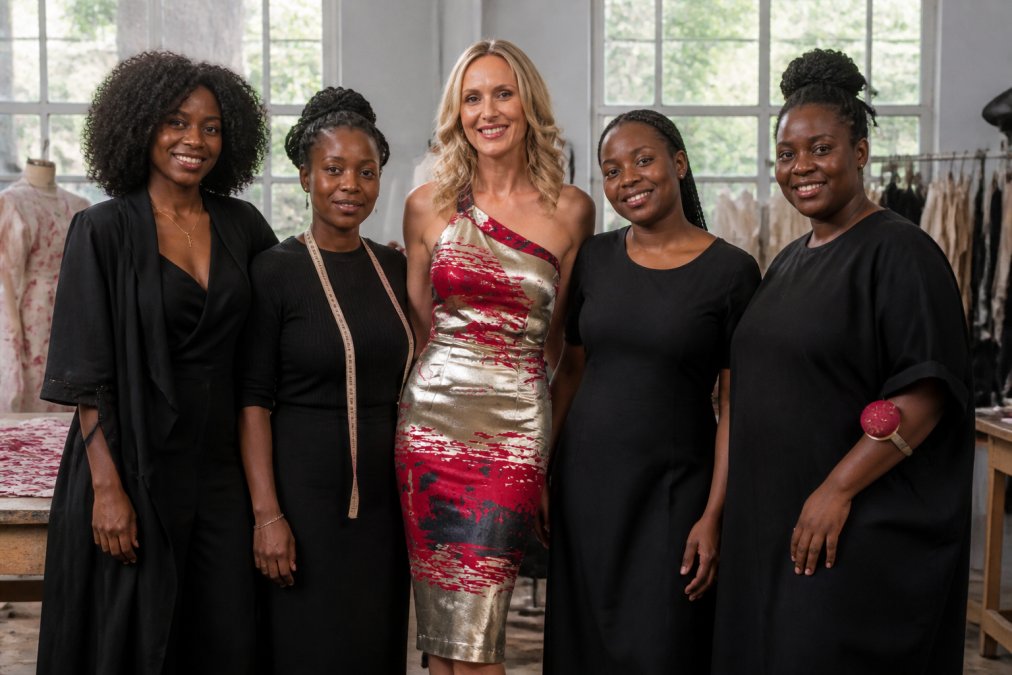
Approximately 2 million weddings annually in the United States create consistent demand for formal wear, and nearly 58% of premium tuxedo and dress buyers prefer personalized designs, fabric selection, and tailored fitting, according to Business Research Insights on Formal Wear Market Growth. KAHINDO, an ethical luxury womenswear brand designing bold occasionwear, embodies this shift. Every piece is designed in New York and handcrafted by female artisans in Kenya, blending African-inspired prints with modern silhouettes and fair-trade production that helps the women who create them.
The real cost advantage emerges over time. The average garment is worn only seven times before being discarded, according to research by the Ellen MacArthur Foundation. A handcrafted formal dress, by contrast, can be worn for decades. Handmade clothing offers significantly lower long-term cost-per-wear due to high-integrity natural fibers, double-stitched tension points, and generous seam allowances that maintain structural integrity for years.
Best Investment Dresses for Weddings and Formal Occasions
When selecting an investment piece for weddings and formal occasions, focus on versatility, construction quality, and timeless design. The best investment dresses work across multiple events without feeling repetitive or dated.
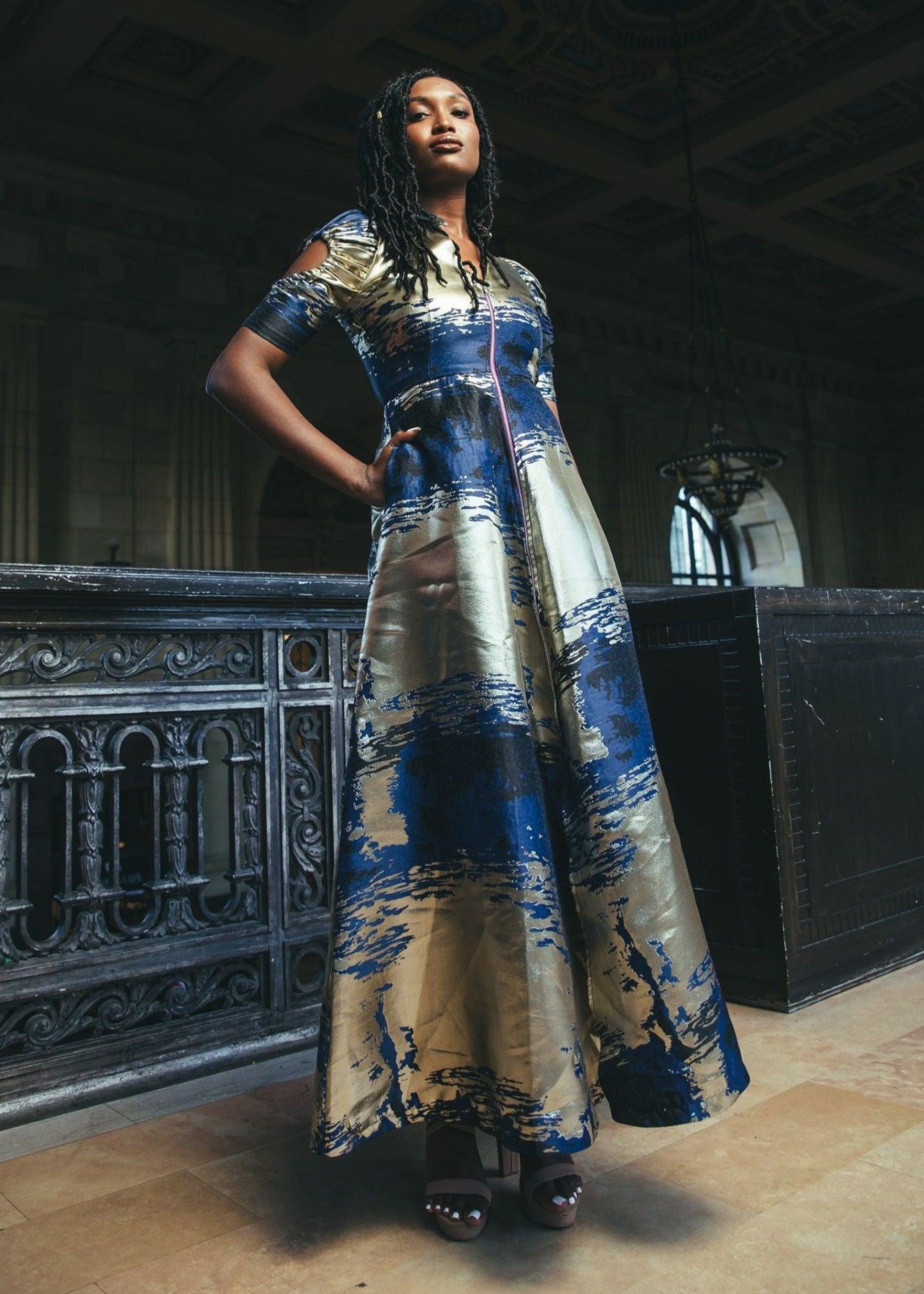
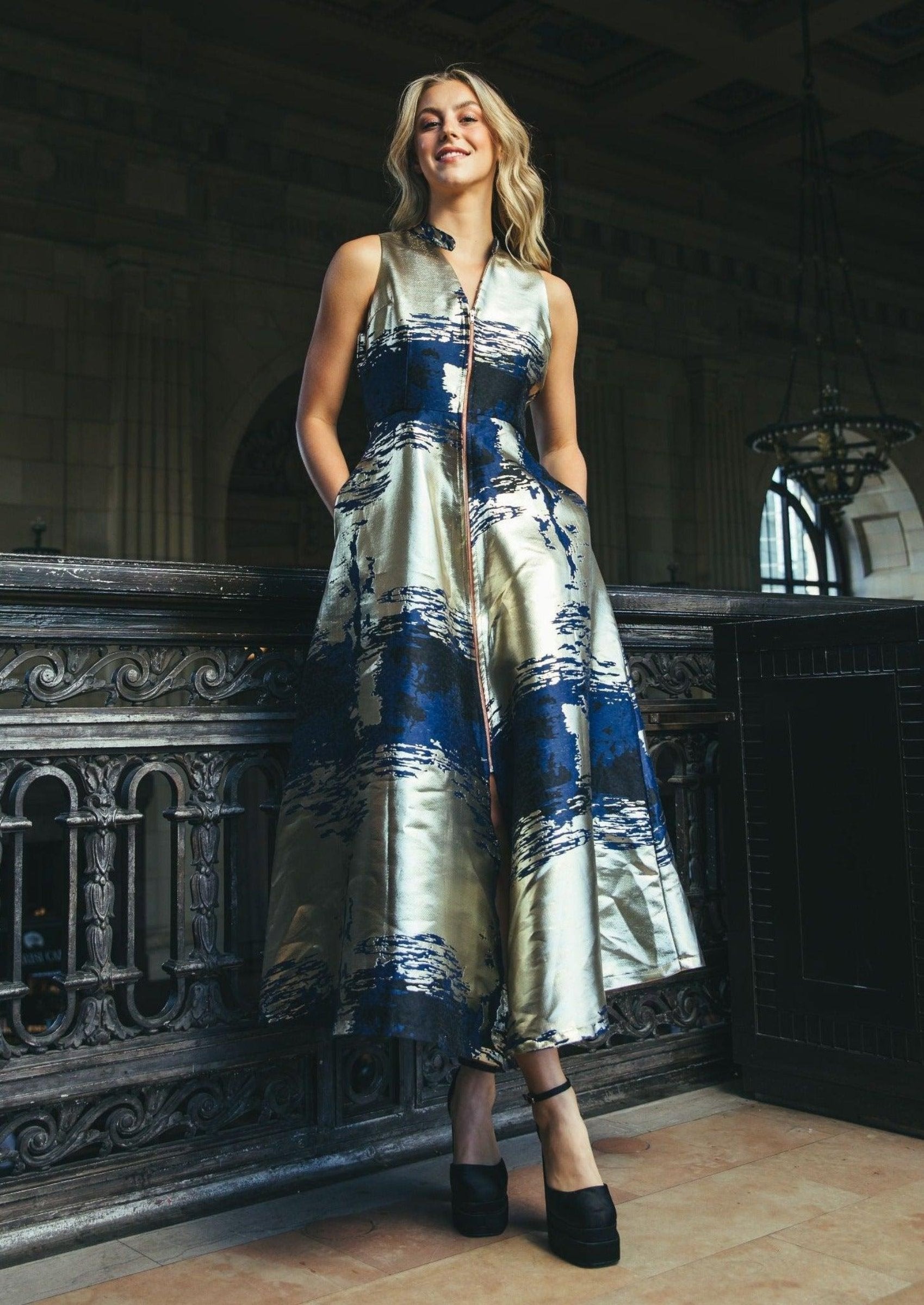
KAHINDO's collections exemplify this principle. The Cleopatra Maxi Dress, crafted in regal royal blue with 86% polyester and 14% metallic thread, features invisible side pockets and a front metallic zipper at $300. The Chidi Midi Dress ($288) offers similar craftsmanship in a collar design with front slit, providing versatility for both weddings and professional evening events. For those entering the handcrafted market, the Hadiza Mini Dress ($95) and Amara Dress ($75) demonstrate that artisan quality doesn't require maximum price points.

The distinction between investment pieces and disposable occasion wear lies in fabric composition and construction longevity. Investment dresses use natural fibers, silk, linen, organic cotton, wool blends, that age gracefully and develop character over time. Fast fashion relies on synthetic blends optimized for cost reduction, not durability. A handcrafted formal dress in quality natural fibers can be refreshed through professional tailoring, altered for life changes, and passed to the next generation.
How to Identify High-Quality Garment Construction
High-quality garment construction separates investment pieces from disposable fashion. Most shoppers evaluate dresses by color, fit, and price, but construction quality determines whether a dress survives five wears or fifty.
Seam Integrity and Stitch Density
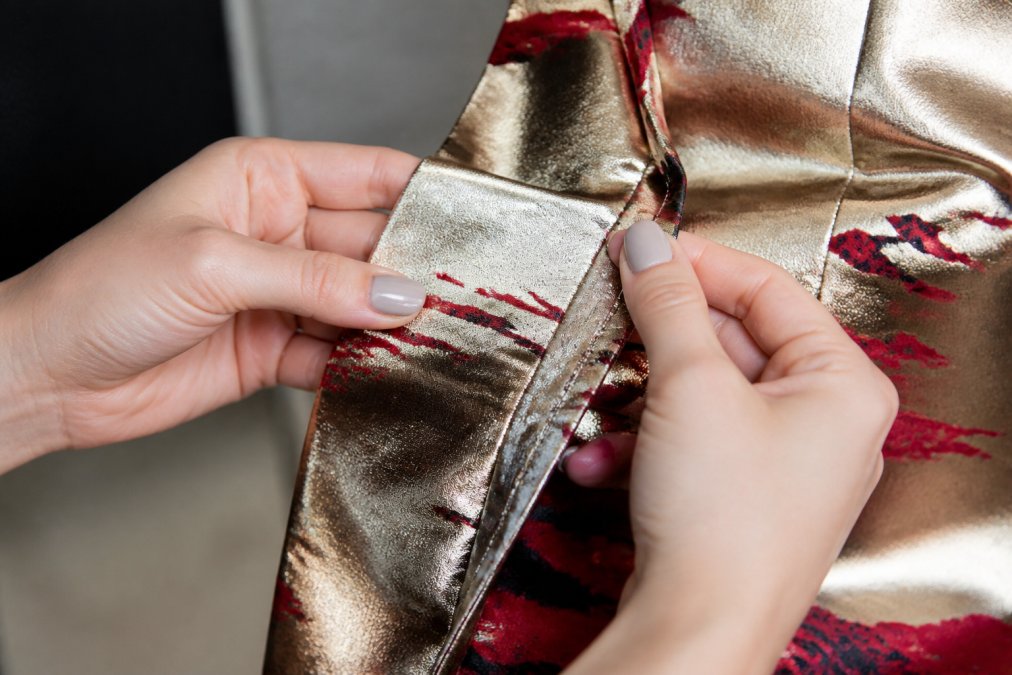
Examine the seams before committing to any formal dress. Garments crafted with at least 12 stitches per inch hold seam integrity through repeated laundering significantly better than standard 8-stitch commercial seams. Run your finger along the seam line; quality construction feels smooth with no gaps or loose threads.
Look for double-stitched seams, particularly at stress points: armholes, waistbands, and side seams. A single-stitch seam fails when one thread breaks; double-stitched seams remain intact even with thread damage. Examine the inside of the dress; if seams are finished (edges bound or sealed), the garment was constructed for longevity. Raw, unfinished seams indicate the manufacturer expected short lifespan.
Natural Fiber Selection and Fabric Composition
Natural fibers breathe, age beautifully, and resist pilling and deterioration far longer than synthetics. Check the fiber content label. A dress listing "100% silk" or "100% linen" signals investment-tier construction. Blends like "80% cotton, 20% silk" combine durability with practical care. Avoid anything under 70% natural fiber; below that threshold, synthetic properties dominate and durability drops sharply.
Weight matters equally. Medium-weight fabrics (6-8 ounces) balance drape with durability. Heavy fabrics (10+ ounces) indicate substantial construction built to endure. KAHINDO's Hadiza Mini Dress, at approximately 10 ounces, exemplifies this principle.

Tailoring and Fit Standards
A dress cut and sewn precisely to your measurements lasts longer than one adjusted after purchase. Handcrafted formal dresses often offer made-to-order or custom-fit options, allowing artisans to tailor seams, hems, and darts to your exact proportions. This precision reduces stress on seams; a dress that fits perfectly distributes body weight evenly across the garment, preventing premature seam failure.
Assess how a dress sits on your body before purchase. Bunching, pulling, or gaps indicate poor fit that will stress seams during wear. Handcrafted producers typically offer detailed measurement guides and virtual fitting consultations, services that signal commitment to longevity.
Ethical Craftsmanship and Fair Trade Standards
Ethics and durability are inseparable in handcrafted formal wear. Brands committed to fair-trade production invest in artisan training, quality materials, and sustainable processes, the same commitments that extend garment lifespan.
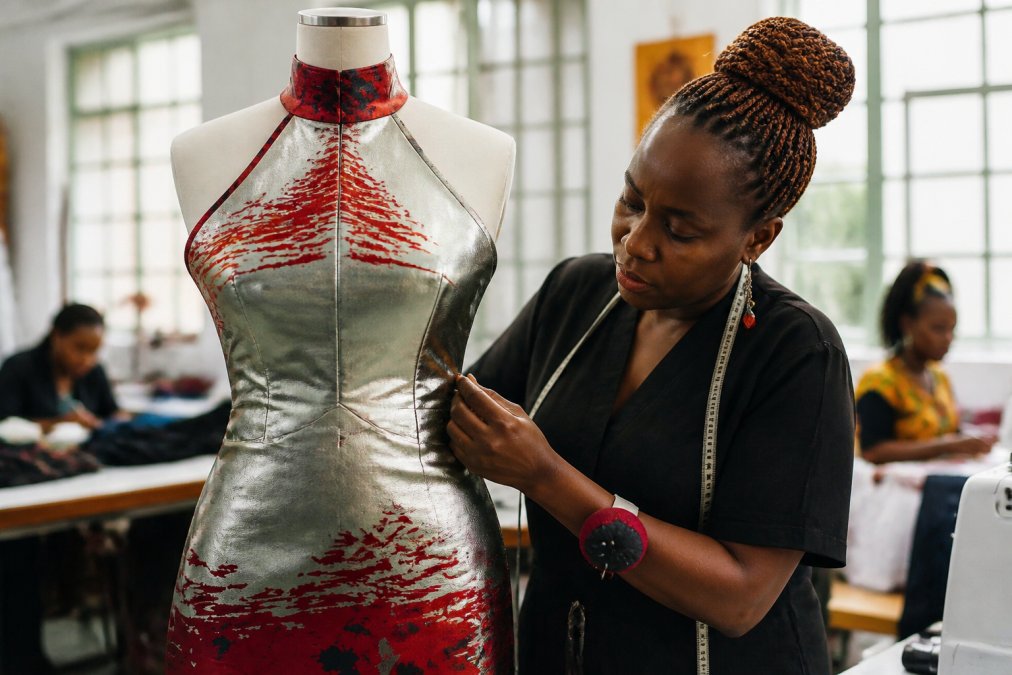
Fair-trade certification ensures artisans earn living wages, work in safe conditions, and retain agency over their craft. KAHINDO's production model exemplifies this standard: every piece is handcrafted by female artisans in a Nairobi cooperative under fair-trade conditions, with named artisan credit on every garment and a provenance card documenting labor hours and cultural heritage.
Verify fair-trade claims before purchasing. Legitimate certifications come from organizations like Fair Trade Certified, World Fair Trade Organization, or regional equivalents. Ask for specific details: Where are garments made? Who are the artisans? What wages do they earn? How are working conditions monitored?
The connection between ethical production and durability runs deep. Artisans paid fairly and treated with respect take pride in their work. They use quality materials, invest time in precision, and stand behind their craftsmanship. When you buy from KAHINDO, you're supporting female economic empowerment and ensuring the artisan who created your piece benefits directly from your investment.
Sustainable Formal Dress Care Tips
Longevity requires intentional care. A handcrafted formal dress demands more attention than fast fashion, but the investment repays itself through decades of wear.
Storage: Hang dresses on padded hangers in a climate-controlled closet away from direct sunlight. For extended storage, use acid-free tissue paper to prevent creasing and allow air circulation.
Cleaning: Follow care labels precisely. Most handcrafted formal dresses require professional dry cleaning to preserve delicate fabrics and construction. Between wearings, air the dress outdoors for several hours to remove odors and moisture.
Repair: Address damage immediately. A small seam separation costs $15-30 to repair; ignored, it becomes a $100+ reconstruction. Professional tailors can reinforce weakening seams, replace worn zippers, and adjust hems as your body changes.
Refreshing: After multiple wears, natural fibers benefit from professional steaming (not ironing, which damages delicate fabrics).
Approximately 35% of fashion consumers show interest in environmentally responsible clothing choices. Proper care aligns with this value; extending a dress's lifespan is the most sustainable choice available.
Authentication and Provenance: What to Look For
A handcrafted formal dress's value extends beyond aesthetics to its story, the artisan's identity, the cultural heritage embedded in design, and the transparency of its supply chain.
Provenance Documentation: KAHINDO includes a provenance card with every garment, documenting the artisan's name, labor hours, and cultural heritage. Request similar documentation from any handcrafted brand.
Supply Chain Transparency: Ask where garments are produced, who the artisans are, and how their work is compensated. KAHINDO's model, designing in New York, producing in Kenya, with named artisan credit, demonstrates transparency competitors rarely match.
Material Verification: Request fabric swatches or detailed fiber composition. Handcrafted producers use traceable, high-quality materials and can explain their sourcing.
Artisan Empowerment: Verify that production supports artisan communities. Does the brand invest in training? Do artisans control their own work? KAHINDO's cooperative model, where female artisans in Kenya retain agency and earn fair wages, represents the standard to expect.
Handcrafted Formal Dress vs. Fast Fashion: The Real Cost
The price difference between a handcrafted formal dress and fast fashion seems stark until you calculate cost-per-wear. A $95 KAHINDO dress worn 40 times costs $2.38 per wear. A $40 fast fashion dress worn 4 times costs $10 per wear. Over a decade, the math becomes undeniable.
Fast fashion relies on planned obsolescence: designs change seasonally, fabrics degrade quickly, and construction shortcuts ensure replacement purchases. Handcrafted dresses, by contrast, are designed for permanence. Construction quality, natural fibers, and timeless design ensure relevance across decades.
Environmental impact amplifies the cost difference. Fast fashion's production waste, chemical pollution, and carbon footprint far exceed handcrafted garment production. Choosing handcrafted formal wear aligns financial and environmental interests.
The custom-made clothes market is expected to be worth around $156.4 billion by 2035, growing from $57.1 billion in 2025 at a CAGR of 10.6% from 2026 to 2035, according to Custom Made Clothes Market Size, Share. This growth reflects consumer recognition that handcrafted, made-to-order, and customized garments deliver superior value.
Choosing a handcrafted formal dress means investing in durability, artisanal skill, and ethical production. KAHINDO's collections, from the accessible Amara Dress at $75 to the investment-tier Cleopatra Maxi at $300, demonstrate that artisan quality supports occasion-ready elegance for every budget. Every piece is designed in New York and handcrafted by female artisans in Kenya, with fair-trade wages, named artisan credit, and a provenance card documenting the story behind your dress. When you wear a KAHINDO piece, you're wearing craftsmanship that helps the women who made it. Shop the collection at kahindo.com and discover why discerning dressers choose handcrafted formal wear for occasions that matter.

| Consideration | Handcrafted Formal Dress | Fast Fashion Dress |
|---|---|---|
| Upfront Cost | $75-$300 | $30-$60 |
| Expected Lifespan | 10-20+ years | 1-2 seasons |
| Cost Per Wear (50 wears) | $1.50-$6 | $0.60-$2 (but rarely worn 50 times) |
| Seam Quality | Double-stitched, 12+ stitches/inch | Single-stitch, 8 stitches/inch |
| Fiber Content | 100% natural or 80%+ natural blends | Synthetic-dominant blends |
| Ethical Production | Fair-trade certified, artisan-named | Often exploitative labor practices |
| Environmental Impact | Minimal (worn for decades) | High (frequent replacement) |
| Customization | Made-to-order, tailored fit available | Standard sizing only |
=== FAQ ANSWERS (audit these too, same rules) ===
[1] Q: What makes a handcrafted formal dress more durable than mass-produced options? A: Handcrafted formal dresses use high-integrity natural fibers, double-stitched tension points, and generous seam allowances that maintain structural integrity through repeated wear and laundering. Garments crafted with at least 12 stitches per inch hold seam integrity significantly better than standard 8-stitch commercial seams. This construction approach means your dress will last for years of special occasions, not just a single event.
[2] Q: How can you tell if a dress is truly handcrafted and ethically made? A: Look for transparency in production sourcing, provenance documentation, and artisan credit. Ethical brands provide detailed information about where and how garments are made, including labor practices and fair-trade certification. Many handcrafted luxury brands now include provenance cards documenting the artisan, labor hours, and materials used. Request this documentation before purchasing, and verify that the brand can trace its supply chain to specific production facilities and workers.
[3] Q: Why is investing in a handcrafted formal dress better than renting or buying fast fashion? A: The average garment is worn only seven times before being discarded, making handcrafted pieces with multi-year longevity far more economical per wear. A durable handcrafted dress worn to multiple events over five years costs significantly less per wear than renting or buying disposable options repeatedly. Additionally, handcrafted pieces develop character over time, maintain their structure through proper care, and often appreciate in value among conscious consumers seeking authentic, artisan-made fashion.
[4] Q: How should you care for a handcrafted formal dress to maximize its lifespan? A: Follow fabric-specific care instructions provided by the maker, typically dry cleaning for delicate fabrics and hand washing for others. Store garments in breathable garment bags away from direct sunlight to prevent fading and fiber degradation. Address stains promptly and have repairs done by skilled tailors familiar with handcrafted construction. Proper storage, minimal washing, and professional care extend the life of your dress by years, making it a true investment piece.
[5] Q: What sustainable fabrics should you look for in a handcrafted formal dress? A: Seek natural fibers including organic cotton, silk, linen, and wool, which biodegrade and require fewer chemical treatments than synthetics. Check fabric composition labels and ask brands about their dyeing processes. Sustainable brands often use low-impact dyes, natural dye baths, and ethical sourcing practices that reduce environmental harm while maintaining color vibrancy and fabric integrity.
[6] Q: How do you authenticate a vintage or secondhand handcrafted formal dress? A: Examine construction quality, seam integrity, and stitching patterns consistent with artisan work. Research the brand's history, production methods, and typical fabric weights. Check for provenance documentation, designer labels, and any included cards or certificates. Inspect fibers for natural material composition and ask the seller for detailed photos of seams, hems, and any repairs. Authentic handcrafted pieces show evidence of careful construction and aging that reflects genuine craftsmanship rather than mass production.
[7] Q: What price range should you expect for a quality handcrafted formal dress? A: Investment-quality handcrafted formal dresses typically range from $75 to $300 or more, depending on fabric complexity, artisan labor, and design exclusivity. This pricing reflects fair wages for skilled craftspeople, premium natural materials, and limited production runs. While higher than fast fashion, the per-wear cost over multiple years of wear makes handcrafted pieces economically comparable to or better than frequent purchases of disposable alternatives.
Frequently Asked Questions
Q: What makes a handcrafted formal dress more durable than mass-produced options?
Handcrafted formal dresses use high-integrity natural fibers, double-stitched tension points, and generous seam allowances that maintain structural integrity through repeated wear and laundering. Garments crafted with at least 12 stitches per inch hold seam integrity significantly better than standard 8-stitch commercial seams. This construction approach means your dress will last for years of special occasions, not just a single event.
Q: How can you tell if a dress is truly handcrafted and ethically made?
Look for transparency in production sourcing, provenance documentation, and artisan credit. Ethical brands provide detailed information about where and how garments are made, including labor practices and fair-trade certification. Many handcrafted luxury brands now include provenance cards documenting the artisan, labor hours, and materials used. Request this documentation before purchasing, and verify that the brand can trace its supply chain to specific production facilities and workers.
Q: Why is investing in a handcrafted formal dress better than renting or buying fast fashion?
The average garment is worn only seven times before being discarded, making handcrafted pieces with multi-year longevity far more economical per wear. A durable handcrafted dress worn to multiple events over five years costs significantly less per wear than renting or buying disposable options repeatedly. Additionally, handcrafted pieces develop character over time, maintain their structure through proper care, and often appreciate in value among conscious consumers seeking authentic, artisan-made fashion.
Q: How should you care for a handcrafted formal dress to maximize its lifespan?
Follow fabric-specific care instructions provided by the maker, typically dry cleaning for delicate fabrics and hand washing for others. Store garments in breathable garment bags away from direct sunlight to prevent fading and fiber degradation. Address stains promptly and have repairs done by skilled tailors familiar with handcrafted construction. Proper storage, minimal washing, and professional care extend the life of your dress by years, making it a true investment piece.
Q: What sustainable fabrics should you look for in a handcrafted formal dress?
Seek natural fibers including organic cotton, silk, linen, and wool, which biodegrade and require fewer chemical treatments than synthetics. Check fabric composition labels and ask brands about their dyeing processes. Sustainable brands often use low-impact dyes, natural dye baths, and ethical sourcing practices that reduce environmental harm while maintaining color vibrancy and fabric integrity.
Q: How do you authenticate a vintage or secondhand handcrafted formal dress?
Examine construction quality, seam integrity, and stitching patterns consistent with artisan work. Research the brand's history, production methods, and typical fabric weights. Check for provenance documentation, designer labels, and any included cards or certificates. Inspect fibers for natural material composition and ask the seller for detailed photos of seams, hems, and any repairs. Authentic handcrafted pieces show evidence of careful construction and aging that reflects genuine craftsmanship rather than mass production.
Q: What price range should you expect for a quality handcrafted formal dress?
Investment-quality handcrafted formal dresses typically range from $75 to $300 or more, depending on fabric complexity, artisan labor, and design exclusivity. This pricing reflects fair wages for skilled craftspeople, premium natural materials, and limited production runs. While higher than fast fashion, the per-wear cost over multiple years of wear makes handcrafted pieces economically comparable to or better than frequent purchases of disposable alternatives.
This article was written using GrandRanker