

Article: Black Tie Optional Worth It? A Real Investment Guide
Black Tie Optional Worth It? A Real Investment Guide
Table of Contents
- What Does Black Tie Optional Actually Mean?
- Black Tie Optional vs. Black Tie: Key Differences
- What to Wear to a Black Tie Optional Wedding
- Best Investment Dresses for Weddings and Formal Events
- Cost Per Wear of Formal Gowns: Rent vs. Buy
- Quality Markers That Protect Your Investment
- Building a Capsule Wardrobe for Formal Events
- Sustainable Formal Wear: Investment With Impact
- Frequently Asked Questions
Last Updated: September 25, 2026
What Does Black Tie Optional Actually Mean?
Black tie optional investment means you have a choice: the host welcomes formal attire but won't judge you if you choose something less structured. It's more flexible than "black tie required" but still expects sophistication and polish. You can wear a floor-length gown, a midi dress, elegant trousers, or even a jumpsuit, whatever you choose should feel intentional and occasion-appropriate, not casual. This dress code sits between semi-formal and black tie, acknowledging that not everyone owns a traditional tuxedo or floor-length gown, yet still signaling that the event matters.

Black Tie Optional vs. Black Tie: Key Differences
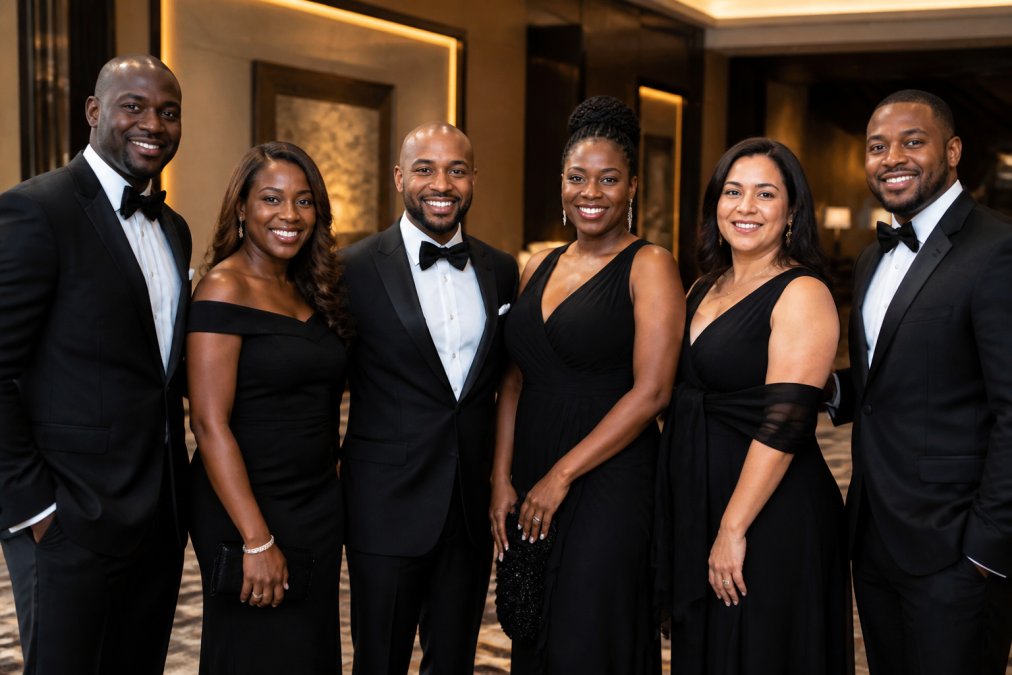
Black tie is prescriptive; black tie optional is permissive. With black tie, women wear floor-length gowns and men wear tuxedos with bow ties, little room for deviation. Black tie optional removes that requirement, letting you wear a sophisticated cocktail dress, midi gown, elegant trousers, or statement jumpsuit. The formality level stays high in both cases; the difference is flexibility. Black tie optional gives you permission to make choices that reflect your style, comfort, and budget while still respecting the occasion's significance.

| Dress Code | Women's Options | Men's Options | Formality Level |
|---|---|---|---|
| Black Tie | Floor-length gown required | Tuxedo with bow tie required | Highest |
| Black Tie Optional | Floor-length gown, midi dress, elegant trousers, jumpsuit | Tuxedo or dark suit with tie | High with flexibility |
| Semi-Formal | Cocktail dress, midi dress, dressy separates | Dark suit with tie | Moderate-High |
What to Wear to a Black Tie Optional Wedding
Choose something polished, elegant, and intentional. Avoid anything casual, trendy, or overly playful.
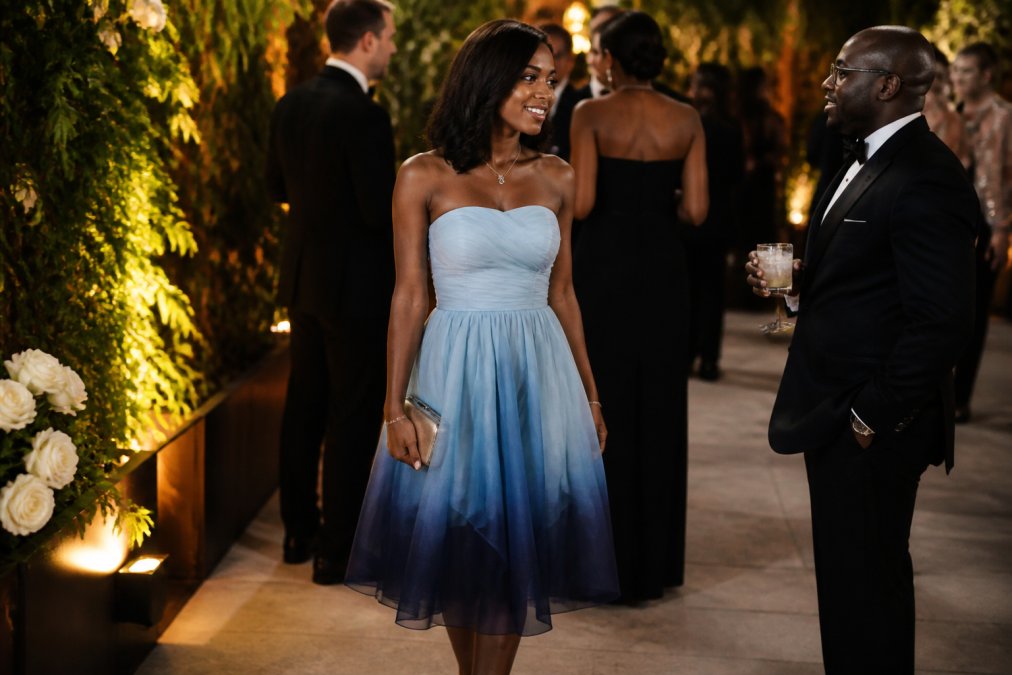
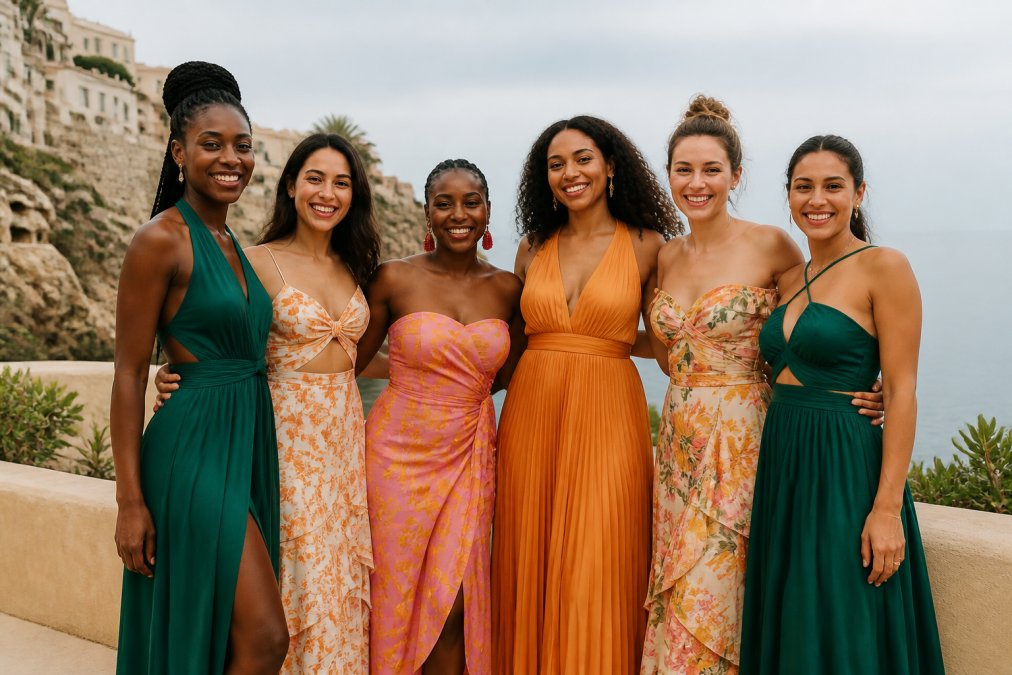
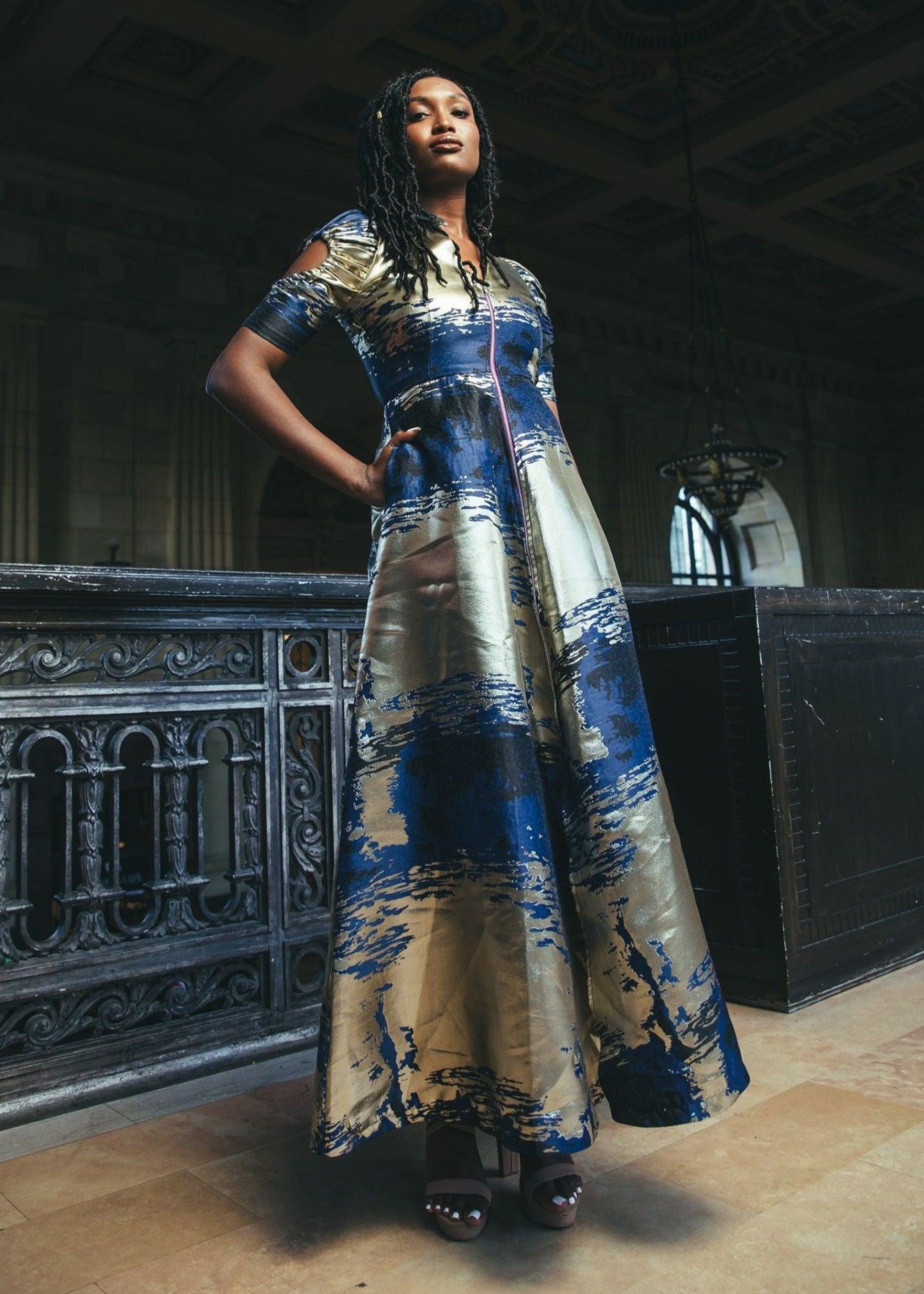
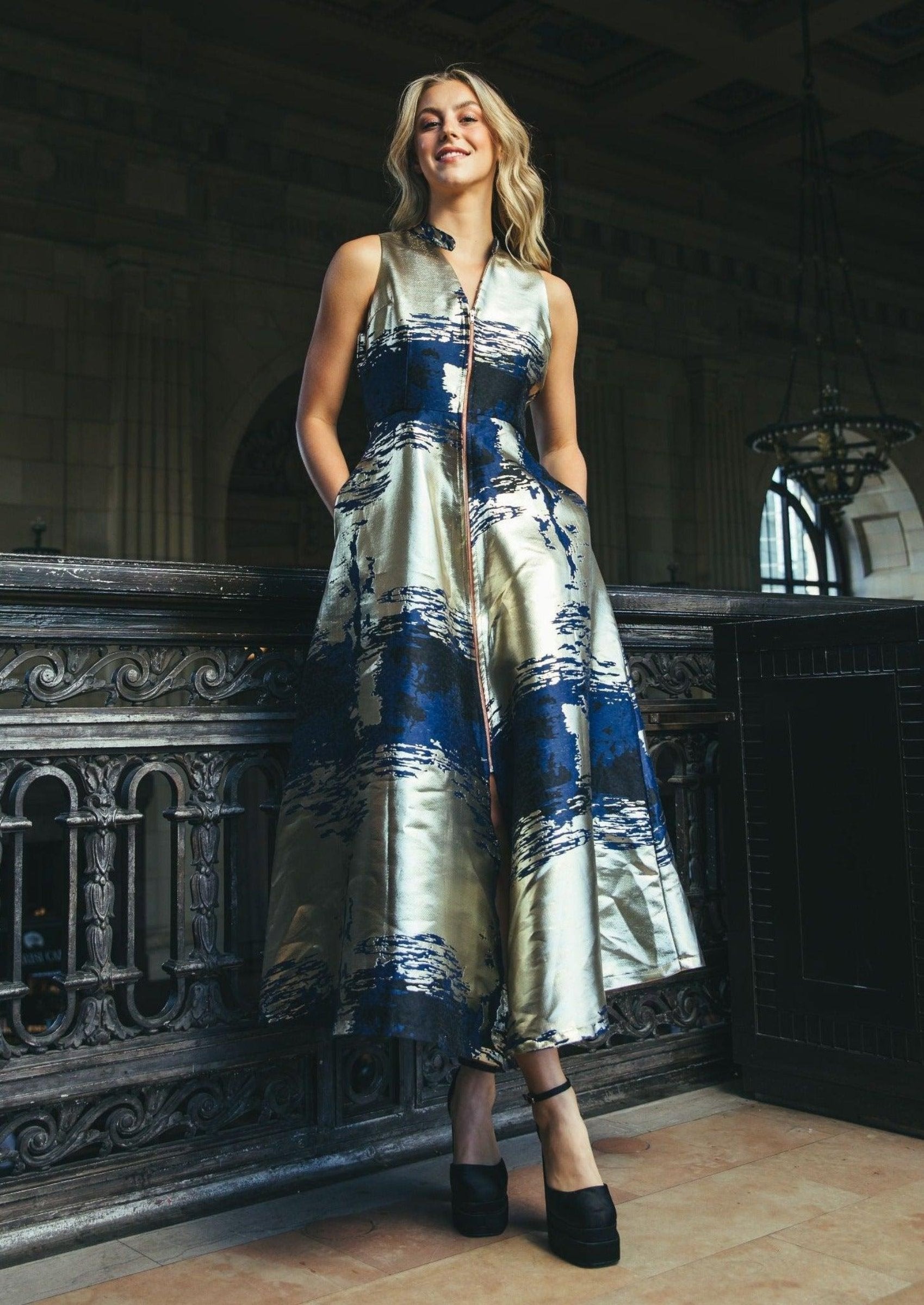
Choose a dress or jumpsuit in a jewel tone, rich neutral, or statement color. Silhouette matters more than length: a well-fitted midi dress in metallic jacquard reads as formal as a floor-length gown if the fabric and construction are luxurious. Avoid sundresses, short cocktail dresses, or casual separates, they read underdressed. Signal that you took the occasion seriously through your choices.
For Women: Silhouettes, Lengths, and Formality Levels
Floor-length gowns communicate maximum formality and work universally. Midi dresses in metallic jacquard, silk blend, or organza read formal; cotton or casual knit reads underdressed. Floor-length jumpsuits with dramatic sleeves are absolutely appropriate. Mini dresses work only if the fabric is exceptional and silhouette editorial. High-waisted palazzo trousers in luxe fabric with a fitted top or statement jacket create formal elegance.
Footwear and Accessory Etiquette
Wear polished, intentional shoes: patent leather heels, strappy sandals in metallic finishes, or elegant flats. Metallic, black, or jewel-tone shoes work universally; nude elongates the leg. Accessories should enhance, not compete. For a statement dress, keep jewelry minimal; for solid-colored gowns, layer more generously. Use clutches or structured evening bags, not totes. Jewelry in gold, silver, or mixed metals works; statement earrings suit simple necklines, delicate necklaces suit dramatic ones.
Best Investment Dresses for Weddings and Formal Events
The best investment dresses work across multiple occasions, weddings, galas, cocktail parties, milestone celebrations. Look for timeless silhouettes, quality fabrics, and refined details. Avoid trend-driven cuts or colors that will feel dated in two years. A floor-length gown in a jewel tone or rich neutral works across seasons.
Statement Pieces That Justify the Cost
A truly exceptional dress justifies investment through versatility and craftsmanship. The Orange Maxi Gown with Trumpet Sleeves exemplifies this: the dramatic silhouette, luxurious fabric blend with Japanese silk detailing, and full lining create a piece that works at galas, formal dinners, and weddings. At $100, it's an accessible entry point to investment dressing.
For those seeking maximum impact, the Green Metallic Shimmer Cleopatra Dress delivers a show-stopping presence. The emerald shimmer catches light beautifully, the sculptural puff sleeves command attention, and the full-length silhouette reads formal across any black tie optional setting. At $125, it's a statement piece that justifies repeat wear through its uniqueness.
The Balloon Sleeve Ombré Organza Jumpsuit at $445 represents a higher investment tier. The double-layer ombré organza creates a luminous gradient effect, the dramatic balloon sleeves and cutout back provide editorial sophistication, and the floor-length silhouette works for bridesmaids, wedding guests, and gala attendees. This is a piece you'll reach for repeatedly across seasons.
What makes these pieces investment-worthy is construction quality. What makes these pieces investment-worthy is construction quality. Each garment includes a provenance card documenting the artisan and labor hours.
Versatility Across Multiple Occasions
The best investment dresses work across at least three different occasions. A floor-length jewel-tone gown works at weddings, galas, and formal dinners. A midi dress in metallic or ombré fabric works at cocktail parties, garden events, and upscale celebrations.
The Double Collar Ombré Organza Midi Dress at $345 exemplifies cross-occasion versatility. The architectural double collar is distinctive enough to stand out, yet the midi length and ombré coloring work at weddings, garden parties, cocktail events, and upscale gatherings.
Burgundy Gold Metallic Jacquard Halter →
Cost Per Wear of Formal Gowns: Rent vs. Buy
Cost per wear is calculated by dividing total cost by number of times worn. A $300 dress worn three times costs $100 per wear; worn six times, it costs $50 per wear.
When Buying Makes Financial Sense
A black tie optional investment makes sense if you attend formal events at least twice a year. Over five years, that's ten occasions, a $300 investment dress costs $30 per wear, comparable to or cheaper than renting multiple times. Buying also makes sense if you want pieces that reflect your personal style and won't repeat in your social circle. Handcrafted pieces from brands like KAHINDO are inherently unique.
When Renting Is the Smarter Choice
Renting makes sense if you attend formal events fewer than twice a year. Renting for $75-150 per event is more economical than buying a $300 dress you'll wear once. However, rental fees, cleaning, and alteration charges accumulate, and inventory is limited during peak seasons. The real consideration: cost efficiency or personal expression? If you attend formal events regularly and care about wearing something distinctive and well-made, buying investment pieces wins.
Quality Markers That Protect Your Investment
Not all formal dresses are built to last. Quality markers distinguish pieces that will hold their value and durability from those that will deteriorate after a few wears.
Craftsmanship and Durability Standards
Examine fabric weight. Lightweight, flimsy fabrics deteriorate quickly. Quality formal wear uses substantial fabrics that hold their shape. The Balloon Sleeve Ombré Organza Jumpsuit weighs 13 ounces, substantial enough to maintain structure through multiple wears and cleanings.
Ethical Production and Long-Term Value
KAHINDO's fair-trade production ensures pieces are made by skilled artisans earning living wages, translating to careful construction. Slow-bath dyeing creates non-replicable color gradients. A dress you can trace to a specific artisan, made with fair wages and sustainable practices, feels valuable beyond its price tag, translating to longer ownership and more frequent wear.
Building a Capsule Wardrobe for Formal Events
A capsule wardrobe for formal events solves the "what do I wear" problem by creating a small collection of pieces that mix and match across occasions.
Sustainable Formal Wear: Investment With Impact
Sustainable formal wear aligns ethical values with investment sense. KAHINDO's fair-trade production supports women's economic empowerment: female artisans in Kenya earn living wages and build sustainable livelihoods. Slow-bath dyeing creates superior color, maintaining luminous quality through years of wear. Handcrafted pieces reduce environmental impact through slower production and intentional construction, creating garments designed to be kept, not discarded.
Frequently Asked Questions
Does black tie optional mean you have to wear black?
No. Black tie optional allows flexibility in color choice while maintaining formal sophistication. You can wear jewel tones, metallics, deep jewel greens, rich burgundies, or other elegant colors alongside traditional black. The key is choosing a dress that reads as formal evening wear, think floor-length or midi gowns, metallic finishes, or structured silhouettes. The 'black tie' part refers to the formality level, not a mandatory color requirement.
What is the difference between black tie optional and black tie?
Black tie is a strict dress code requiring floor-length evening gowns, tuxedos, or formal separates with specific accessories like bow ties and cummerbunds. Black tie optional relaxes those rules, you can wear a midi dress, a sophisticated jumpsuit, or tailored trousers instead of a full gown. The distinction matters for budget and wardrobe planning: black tie optional attire gives you more flexibility in silhouette and can work across multiple events, making it a better investment for regular formal attendees.
How do you calculate the cost per wear of formal gowns to decide if buying is worth it?
Divide the total price of the dress by the number of times you'll realistically wear it. If you attend 4-6 formal events per year and wear the same dress to 2-3 of them, a $350 gown worn 3 times costs roughly $117 per wear. Compare that to rental costs (typically $50-100 per event). If you attend formal events regularly, buying a quality piece with versatile styling options becomes the better investment. For occasional attendees (1-2 events yearly), renting usually wins financially.
What makes a formal dress a good long-term investment?
Look for quality markers: handcrafted construction, natural or high-quality blended fabrics, timeless silhouettes that transcend seasonal trends, and ethical production ensuring durability. Pieces with versatile styling, like ombré jumpsuits that work with different accessories or midi dresses suitable for weddings and galas, earn their cost through multiple wears. Fair-trade, artisan-made garments often include provenance documentation, making them true investments in your formal wardrobe.
Can you wear the same black tie optional dress to different events without it being obvious?
Yes, if you invest in pieces with strong versatility. A floor-length ombré gown or a statement jumpsuit can be restyled with different accessories, jewelry, and shoes for each event. The key is choosing designs with visual impact, metallic finishes, architectural details, or bold colors, that stand out enough that guests remember the dress itself rather than focusing on repetition. Many women build formal occasion wardrobes around 3-4 investment pieces they rotate strategically across events.