

Article: Cleobella Alternatives for Wedding Guests
Cleobella Alternatives for Wedding Guests
Table of Contents
- Why Wedding Guests Choose Statement Dresses Over Mass-Market Options
- Ethical Wedding Guest Dresses: What Sets Them Apart
- Contemporary Silhouettes and Romantic Aesthetics in Occasion Wear
- How to Style Statement Dresses for Weddings: Color, Fabric, and Fit
- Handcrafted Wedding Guest Dresses: Quality, Durability, and Investment Value
- Rental vs. Purchase: When to Buy an Artisan-Made Dress
- Finding Your Perfect Fit: Body Type and Dress Silhouettes
- Frequently Asked Questions
Last Updated: September 18, 2026
Why Wedding Guests Choose Statement Dresses Over Mass-Market Options
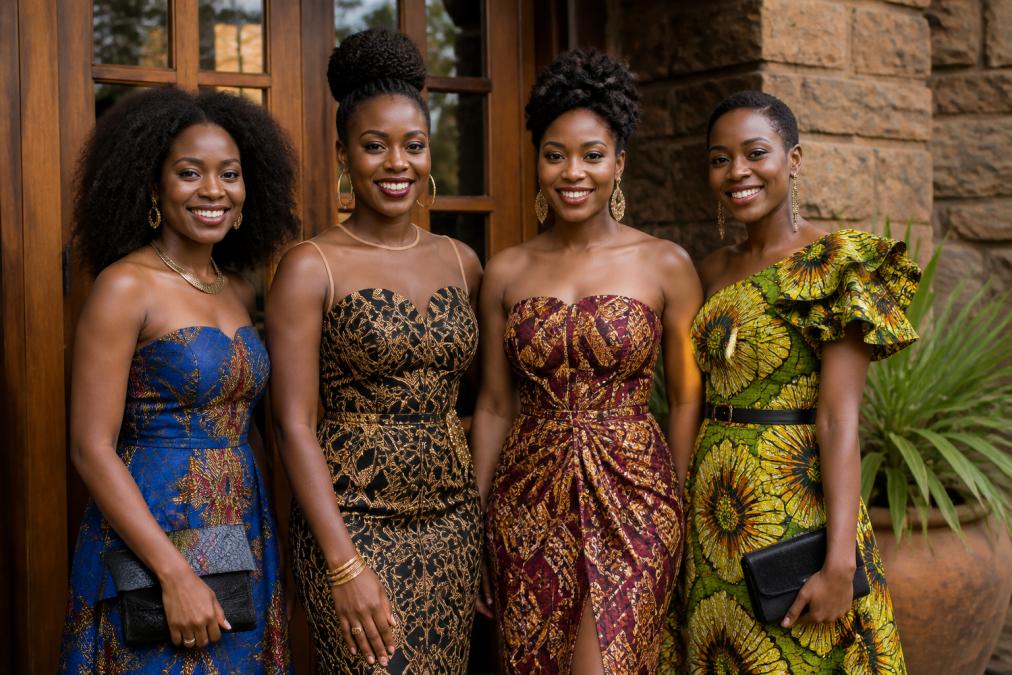
When you're attending a wedding, the last thing you want is to blend into the crowd wearing what everyone else is wearing. Statement dresses have become the go-to choice for guests who understand that occasion wear should reflect their personality and values, not just follow trends. The shift toward distinctive, handcrafted pieces signals something deeper: women are prioritizing quality, craftsmanship, and ethical production over fast-fashion convenience.
A wedding guest dress isn't just fabric and seams. It's a choice about what you stand for. Guests selecting statement pieces often care about where their money goes, who made their dress, and whether the garment will last beyond a single season. This is where ethical luxury brands like KAHINDO have reshaped the conversation around occasion wear. Rather than settling for mass-produced options, discerning shoppers are investing in wedding guest dresses that combine bold design with transparent, fair-trade production.
The appeal is straightforward: you get a singular piece that photographs well, feels exceptional to wear, and carries a story. No two handcrafted dresses are identical. The artisans who make them infuse subtle variations into every garment, which means your wedding guest look is genuinely one-of-a-kind.
Ethical Wedding Guest Dresses: What Sets Them Apart
Ethical wedding guest dresses prioritize fair wages, transparent supply chains, and artisan empowerment alongside design excellence. This means the women who handcraft your dress earn living wages and work in safe conditions, not hidden away in factories where corners are cut to maximize profit margins.
What distinguishes ethical occasion wear from standard contemporary silhouettes is accountability. When you buy from a brand committed to fair-trade practices, you receive documentation of where your dress was made and who made it. KAHINDO includes a provenance card with every piece, detailing the artisan's name and labor hours invested. This transparency transforms a purchase into a relationship.
The production methods matter too. Ethical brands often use slow-bath dyeing processes that create non-replicable color gradients, rather than industrial dyeing that produces identical batches. The result is a dress with genuine depth and character, the kind of textile quality that improves with age rather than deteriorating after a few wears.
Beyond production ethics, sustainable fashion choices for wedding guests mean selecting pieces designed to last. A dress made from quality materials with careful construction will serve you for years across multiple occasions. This stands in sharp contrast to trend-driven pieces engineered to be worn once and discarded.
Contemporary Silhouettes and Romantic Aesthetics in Occasion Wear
The tension between contemporary design and romantic aesthetics defines modern wedding guest fashion. Contemporary silhouettes favor clean lines, architectural details, and unexpected cuts, think strapless mini dresses with ombré gradients or bold one-shoulder designs. Romantic aesthetics, by contrast, lean into flowing fabrics, soft color palettes, and ethereal drape.
The smartest occasion wear bridges both worlds. A dress can be contemporary in its silhouette while romantic in its execution. The Strapless Ombré Organza Mini Dress exemplifies this balance: a clean, modern strapless cut paired with double-layer ombré organza that creates ethereal movement and soft color transitions. The result reads sophisticated without feeling overdressed.
Contemporary design for weddings also means rejecting cookie-cutter trends. Rather than following what influencers wore last season, statement pieces draw from cultural heritage and artisanal traditions. African-inspired prints and textile techniques offer visual richness that mass-market occasion wear simply cannot replicate. These designs carry meaning beyond aesthetics.
Romantic aesthetics work best when paired with intentional restraint. A flowing midi dress in a jewel tone with metallic thread accents, like the Chidi Midi Dress, delivers romance without feeling costume-like. The key is quality fabric that drapes beautifully and construction that flatters rather than overwhelms.

| Design Element | Contemporary Approach | Romantic Approach | Best Wedding Use |
|---|---|---|---|
| Silhouette | Clean lines, asymmetry, unexpected cuts | Flowing, soft, layered | Pair architectural details with luxurious fabric |
| Color | Jewel tones, bold contrasts | Pastels, soft gradients | Saturated colors with subtle ombré effects |
| Fabric | Structured, textured (metallic thread, knit jacquard) | Organza, rayon, silk blends | Double-layer materials for movement and depth |
| Details | Pockets, zippers, cut-outs | Ruffles, peplum, flowing panels | Functional details that add visual interest |
How to Style Statement Dresses for Weddings: Color, Fabric, and Fit
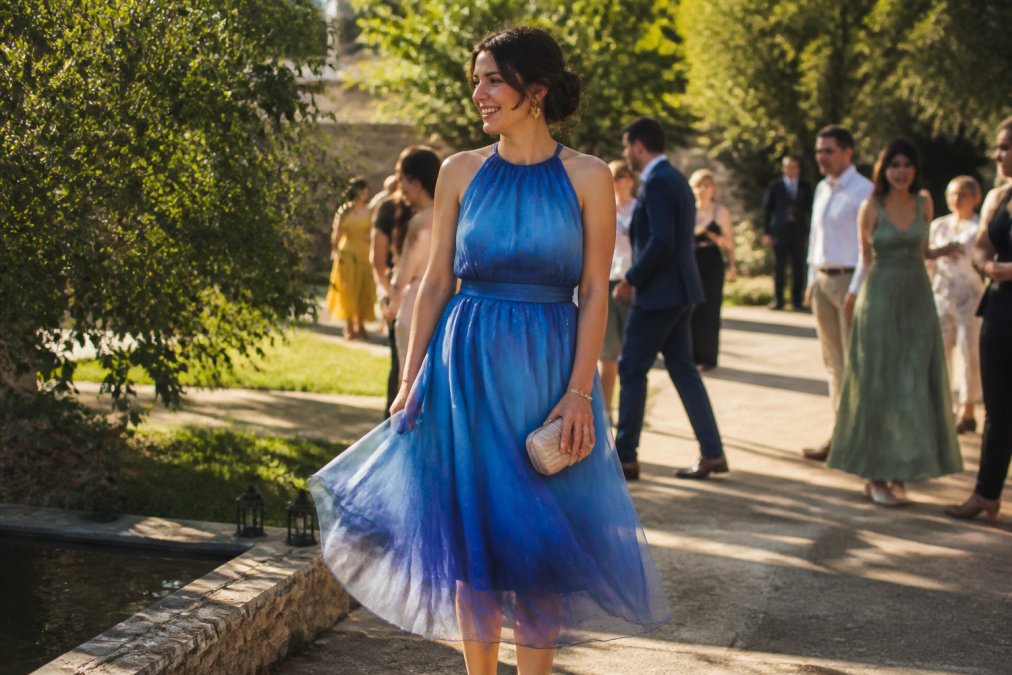
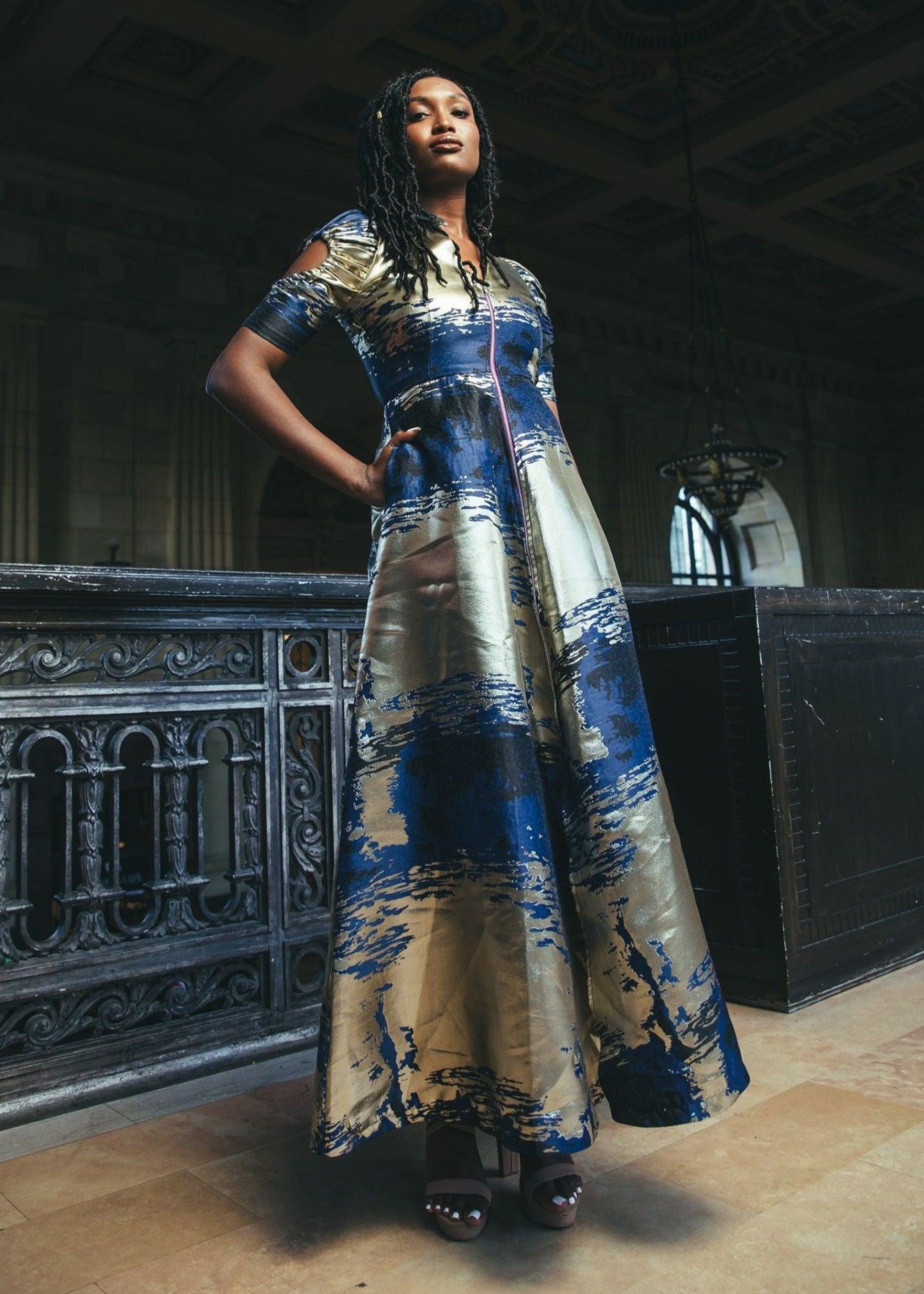
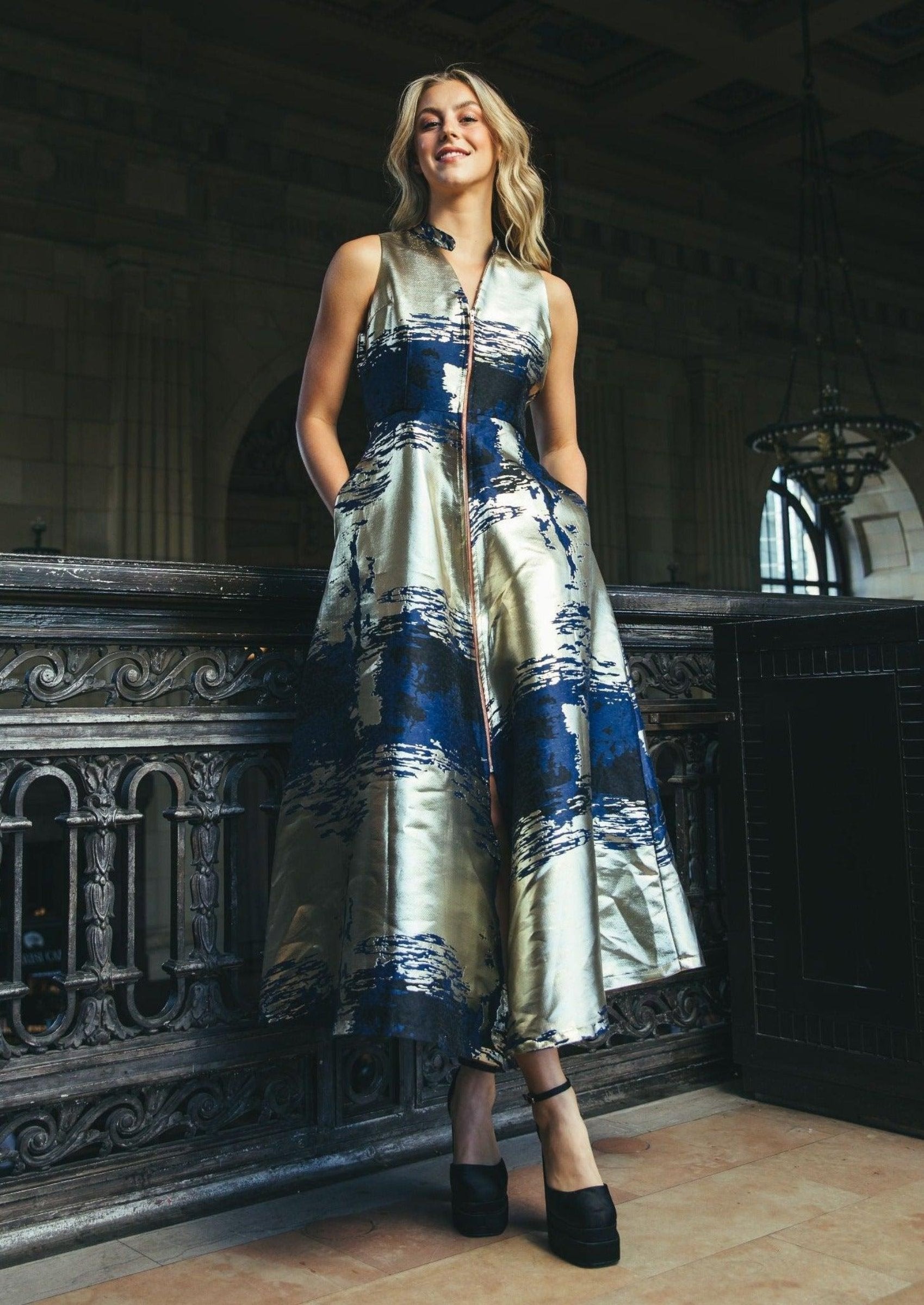
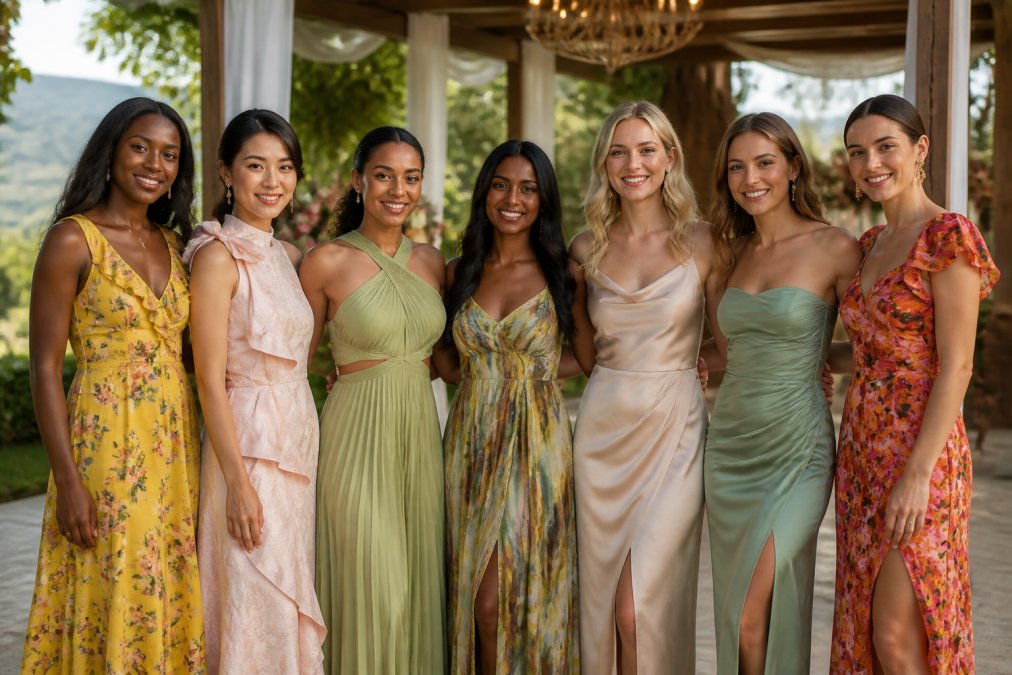
Color palettes for wedding guests should complement the event's tone while ensuring you feel confident and authentic. Bold jewel tones, royal blue, burgundy, emerald, work across seasons and photograph beautifully. Ombré effects add dimension without requiring loud prints. Metallic threads woven into fabric create luminosity that photographs well and catches light naturally throughout the evening.
Fabric composition directly impacts how a dress flatters your body and moves throughout the event. A blend of polyester and metallic thread (like the Cleopatra Maxi Dress) offers a shimmering texture and structural integrity. Organza with spandex provides gentle stretch for comfort while maintaining elegant drape. Cotton and rayon blends offer breathability for daytime or outdoor weddings.

The fit conversation requires honesty. Handcrafted pieces often fit true to size, but some designers run small or offer generous sizing. The Burgundy Gold Metallic One-Shoulder Mini Dress runs small, sizing up ensures the asymmetric neckline sits properly and movement feels unrestricted. Always check sizing notes before purchasing, especially for statement pieces where fit directly impacts how the design reads.

Styling a statement dress means letting the piece do the work. Minimal jewelry, simple shoes, and an understated clutch keep focus on the dress itself. For daytime weddings, consider pairing a bold midi dress with neutral accessories. For evening events, metallics and jewel-tone shoes amplify the dress's impact without competing for attention. Adapting these styling principles becomes even more essential when navigating the specific requirements of destination wedding attire, where the setting often dictates a shift toward lighter fabrics and more relaxed silhouettes.
Handcrafted Wedding Guest Dresses: Quality, Durability, and Investment Value
Handcrafted wedding guest dresses represent a different category of occasion wear entirely. Each piece is made by artisans who invest time and skill into construction details that mass-produced dresses simply cannot match. Invisible zippers, hand-finished seams, and precision tailoring ensure durability that extends far beyond a single event.
The investment value of handcrafted pieces lies in longevity. A dress made from quality materials, double-layer organza, metallic jacquard, premium cotton, will maintain its shape and color after multiple wears and proper care. The Double Collar Ombré Organza Midi Dress weighs just 9 ounces but holds its structure beautifully throughout an entire event, thanks to careful fabric selection and construction techniques.
Durability also means the dress won't pill, fade, or lose its sheen prematurely.
Rental vs. Purchase: When to Buy an Artisan-Made Dress
The rental-versus-purchase decision hinges on frequency, budget, and emotional attachment. Renting makes sense if you attend one formal event annually and want to minimize closet space. Purchasing an artisan-made dress becomes the smarter choice when you attend multiple weddings, galas, or milestone events per year, or when you want a piece you can style differently across occasions.
Finding Your Perfect Fit: Body Type and Dress Silhouettes
Not every silhouette flatters every body type, and smart wedding guest dressing means choosing cuts that make you feel confident and comfortable. The key is understanding which silhouettes emphasize your strengths and which ones work against your proportions.
Frequently Asked Questions
What makes ethical wedding guest dresses different from fast-fashion options?
Ethical wedding guest dresses are handcrafted by fairly compensated artisans using sustainable practices, ensuring living wages and transparent supply chains. Unlike mass-produced alternatives, each piece features unique textile artistry, heritage-quality construction, and documented provenance. These dresses hold their shape, color, and integrity across multiple wears, making them genuine investment pieces rather than disposable occasion wear.
How do I know if a handcrafted dress will actually fit my body type?
Look for brands offering detailed sizing guides, fit notes, and generous return policies. Many artisan-made dresses feature architectural silhouettes, like peplum details, strategic ruching, or adjustable elements, designed to flatter multiple body types. Check customer reviews for specific fit feedback, and don't hesitate to contact the brand about your concerns. Brands committed to quality craftsmanship stand behind their garments with exchanges or returns if fit doesn't work.
Is buying a handcrafted wedding guest dress worth more than renting?
Yes, if you attend multiple formal events annually. A well-made dress costs $70-$370 but wears for years across weddings, galas, and celebrations. Rental services charge $30-$150 per use, so after 3-5 rentals, ownership becomes more economical. Additionally, owning a statement piece gives you styling flexibility, the satisfaction of supporting artisans, and the security of having a trusted dress ready without rental constraints.
What color palettes and fabrics work best for wedding guest occasions?
Jewel tones, royal blue, burgundy, emerald, photograph beautifully and suit most skin tones. Metallic-threaded fabrics and ombré organza add movement and luxury without overwhelming the occasion. For daytime weddings, cotton prints and lighter hues work well; evening events call for richer fabrics like jacquard or satin. Avoid white or black unless the invitation specifies; instead, choose colors that complement the season and venue while allowing the bride to remain the focal point.
How can I verify that a brand's fair-trade claims are actually legitimate?
Authentic ethical brands provide provenance documentation, artisan names, and specific production details, not vague sustainability language. Look for third-party certifications, transparent pricing breakdowns, and brands that share photos of actual production facilities and artisans. Many ethical luxury brands include provenance cards with each garment detailing labor hours and the specific artisan who created it, allowing you to trace your purchase directly to the people who made it.