

Cleobella vs Agaati for Weddings: Which Fits?
Table of Contents
- Cleobella vs. Agaati: Key Differences at a Glance
- Sustainable Wedding Guest Dresses: Comparing the Ethical Stakes
- Fabric and Craftsmanship: What You're Actually Wearing
- Decoding the Dress Code: From Cocktail to Black-Tie Optional
- The Cost-Per-Wear Case for Artisan-Made Wedding Attire
- KAHINDO Wedding Guest Dresses: A Third Way Forward
- Which Brand Should You Choose for Your Next Wedding?
- Frequently Asked Questions
Last Updated: September 8, 2026
Choosing between Cleobella vs Agaati for weddings often comes down to a single question: do you want a globally inspired aesthetic or a minimalist one? Both labels offer elevated occasionwear, but they approach the category from different angles. The global wedding wear market is projected to reach USD 74.46 billion in 2026, yet most shoppers still struggle to find a piece that balances sustainability with standout style 360iResearch Wedding Wear Market Report. Below, we break down the practical differences to help you decide which brand fits your event, your values, and your wardrobe strategy.
Cleobella vs. Agaati: Key Differences at a Glance
This guide is a direct head-to-head comparison built for a specific decision, covering the details that actually matter when you're choosing between these two distinct aesthetics for a wedding.
| Attribute | Cleobella | Agaati |
|---|---|---|
| Aesthetic | Bohemian, handcrafted, globally inspired | Minimalist, sculptural, architectural |
| Fabric Focus | Natural fibers (cotton, silk, linen), artisanal block prints, hand-loomed textiles | Structured fabrics (crepe, technical blends), precise draping, clean finishes |
| Silhouette | Flowing, relaxed, movement-friendly | Tailored, form-fitting, structured |
| Color Palette | Earthy tones, vibrant global prints, ombré effects | Neutral solids, monochromatic palettes, muted tones |
| Sizing Inclusivity | Limited range; typically XS-L, with some styles running small; check individual garment measurements | Broader range; typically XS-XL, with more consistent sizing across styles |
| Price Range | $300-$600 for dresses; occasional sale items below $250 | $400-$800 for dresses; limited markdowns |
| Best For | Garden parties, beach weddings, daytime events, outdoor ceremonies | Modern lofts, evening receptions, black-tie optional, city venues |
| Manufacturing | Small-batch production, emphasis on traditional textile crafts | Quality construction with focus on garment longevity |
What the Table Doesn't Tell You
Three less visible factors separate these brands in practice:
-
Fit Philosophy: Cleobella's relaxed silhouettes often mean you can wear your regular size without tailoring. Agaati's structured pieces frequently require alterations to achieve that "sculptural" look, adding $50-$100 to your total cost. Factor this into your budget before you buy.
-
Fabric Behavior: Cleobella's natural fibers breathe beautifully in warm weather but wrinkle easily during travel. Agaati's structured fabrics hold their shape through a full day of sitting, standing, and dancing, but they trap heat in outdoor summer settings.
-
Repeat Wear Potential: Cleobella's bold prints are memorable, guests at one wedding may recognize the dress at another event. Agaati's neutral tones and clean lines read as more generic, making them easier to re-wear without feeling repetitive.
The Dress Code Decoder
Wedding invitations use vague language, but these two brands map cleanly onto standard dress codes. Use this quick reference when you're deciding which aesthetic fits the event:
| Dress Code | Cleobella | Agaati |
|---|---|---|
| Black-Tie | Not recommended, too casual | Yes, with floor-length gowns in solid tones |
| Black-Tie Optional | Only with maxi lengths in elevated fabrics | Yes, ideal for this formality level |
| Formal | Select styles work; choose structured pieces | Yes, particularly column dresses |
| Semi-Formal / Cocktail | Yes, midi dresses in vibrant prints | Yes, shorter sculptural dresses |
| Garden Party / Daytime | Yes, this is Cleobella's sweet spot | Not recommended, too structured |
| Beach / Destination | Yes, flowing natural fibers are perfect | Not recommended, heavy fabrics, limited breathability |
Sizing Reality Check
Artisan-made clothing rarely follows standard size charts. Before you order, measure yourself against each brand's specific garment measurements rather than relying on your usual dress size. A common pattern is that shoppers may need different sizes in artisan-made clothing compared to mainstream brands. Always check the fabric content too, natural fibers may shrink, while structured blends typically hold their shape through washing and dry cleaning.
Sustainable Wedding Guest Dresses: Comparing the Ethical Stakes
Sustainability is where the cleobella vs agaati conversation gets complicated. The fashion industry contributes an estimated 8-10% of global carbon emissions, making garment production a significant environmental factor Rawshot.ai Industry Analysis. Both brands market themselves as conscious, but the depth of that commitment varies.
Cleobella emphasizes small-batch production and natural materials, which aligns with slow fashion principles. Agaati focuses on quality construction meant to last beyond a single season. However, research into collaborative consumption models in bridal fashion suggests that rental and resale are growing alternatives to purchase-to-own for eco-conscious shoppers Journal of Sustainable Marketing Study.
Fabric and Craftsmanship: What You're Actually Wearing
Cleobella typically uses hand-loomed cottons, silks, and artisanal dyes that celebrate textile craftsmanship. Agaati counters with precise tailoring and premium fabrics that create a structured, architectural drape. When comparing cleobella vs agaati, fabric quality is the clearest differentiator.
Agaati's strength lies in garment longevity; structured pieces resist wear and hold their shape. Cleobella's appeal rests on the uniqueness of handcrafted textiles, where subtle variations make each piece one of a kind. For wedding guests attending multiple events, consider how each fabric performs across a day-to-night transition. Natural fibers breathe during outdoor ceremonies, while structured fabrics photograph beautifully under evening light.
Decoding the Dress Code: From Cocktail to Black-Tie Optional
For cocktail attire, a Cleobella midi dress in a vibrant print works effortlessly. For black-tie optional, Agaati's sculptural gowns in solid tones meet the formality bar with ease. The cleobella vs agaati decision should start with the dress code, not the aesthetic.

A common mistake is buying a dress you love before confirming it fits the event's formality. A floor-length Agaati gown may overwhelm a garden party, while a breezy Cleobella dress may feel underdressed at a black-tie gala. Match the silhouette to the venue and the time of day, then layer in your personal style.
The Cost-Per-Wear Case for Artisan-Made Wedding Attire
Between travel, gifts, and attire, a single wedding can easily cost $500-$1,000. The dress you choose should be evaluated like any other investment, by understanding what you're actually paying per use.
The Math Behind Cost-Per-Wear
Cost-per-wear is simple: divide the purchase price by the number of times you wear the garment. Here's how that breaks down across different purchase strategies for a typical wedding season:
| Scenario | Purchase Price | Wears | Cost-Per-Wear |
|---|---|---|---|
| Fast fashion dress | $120 | 1 | $120.00 |
| Fast fashion dress (worn twice) | $120 | 2 | $60.00 |
| Cleobella dress | $400 | 1 | $400.00 |
| Cleobella dress (worn 5 times) | $400 | 5 | $80.00 |
| Agaati dress | $600 | 1 | $600.00 |
| Agaati dress (worn 5 times) | $600 | 5 | $120.00 |
| Agaati dress (worn 10 times) | $600 | 10 | $60.00 |
| Rental (per event) | $150 | 1 | $150.00 |
| Rental (per event, 5 events) | $750 | 5 | $150.00 |
The Rental Comparison Nobody Does
Rental services charge $100-$200 per event for designer dresses. If you attend three weddings in a season, you'll spend $300-$600 on rentals, comparable to buying one Cleobella dress outright. But rental has hidden costs: shipping fees, insurance waivers, dry cleaning charges for minor stains, and the risk of late fees if the dress doesn't fit perfectly.
A purchased dress becomes part of your rotation for future events, galas, holiday parties, milestone birthdays, date nights. A rental is gone after one wear, and you have nothing to show for the money spent.
The Multi-Event Wedding Season Scenario
Consider this realistic scenario: you're invited to three weddings in one year, a beach ceremony in June, a garden party in August, and a black-tie optional reception in November.
Option A: Buy one versatile dress. A $400 Cleobella dress in a neutral print with convertible styling could work for the beach and garden events. Add a $200 tailor to adjust the hem and add sleeves for the November event. Total: $600 for three wears = $200 per wear.
Option B: Buy two dresses. A $350 Cleobella midi for the daytime events and a $500 Agaati gown for the evening reception. Total: $850 for three wears = $283 per wear.
Option C: Rent all three. At $150 per rental, you'll spend $450 total, but you'll have nothing to show for it afterward. Cost-per-wear is $150, but your wardrobe hasn't grown.
Option D: Buy one KAHINDO piece. A KAHINDO ombré dress, styled differently with accessories, layers, and shoes, can be worn at multiple events, offering a lower cost-per-wear and a unique, conversation-starting piece for future events.
The Hidden Value of Artisan-Made Clothing
Beyond the math, artisan-made clothing carries value that fast fashion and rentals don't. When you purchase from brands that practice fair-trade production, your money supports skilled labor and supply chain transparency. The global wedding dress customization service market was valued at USD 4.8 billion in 2025, reflecting growing demand for pieces that feel personal DataIntelo Customization Market Report.
How to Calculate Your Own Break-Even Point
Before you buy, ask yourself three questions:
- How many weddings or formal events do you attend per year? If the answer is one, a rental might make sense. If it's two or more, buying becomes financially competitive.
- Can this dress be styled multiple ways? Look for pieces with convertible straps, removable sleeves, or silhouettes that work with different accessories. A dress that transitions from day to night with a jacket change has a lower effective cost-per-wear.
- Does the brand offer repair or restoration services? Some artisan brands will repair damaged pieces, extending their lifespan. This is rare in fast fashion and almost never available with rentals.
The Verdict on Cost-Per-Wear
For a single wedding with no other formal events on your calendar, renting is the financially rational choice. For a wedding season, or if you attend galas, fundraisers, or holiday parties regularly, buying an artisan-made piece that you'll wear multiple times wins on both cost and sustainability. Choose the piece that fits your calendar, not just your closet.
KAHINDO Wedding Guest Dresses: A Third Way Forward
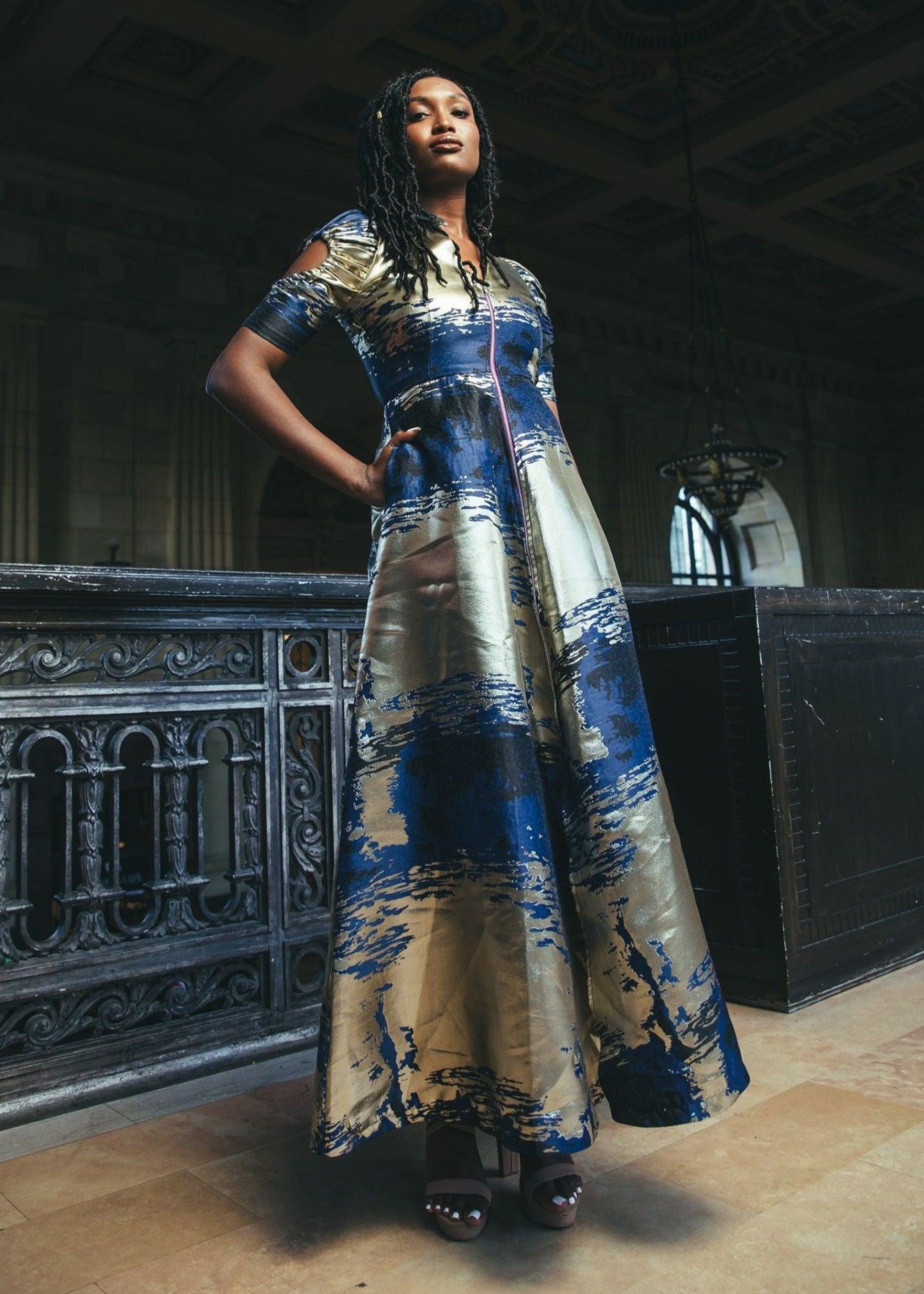
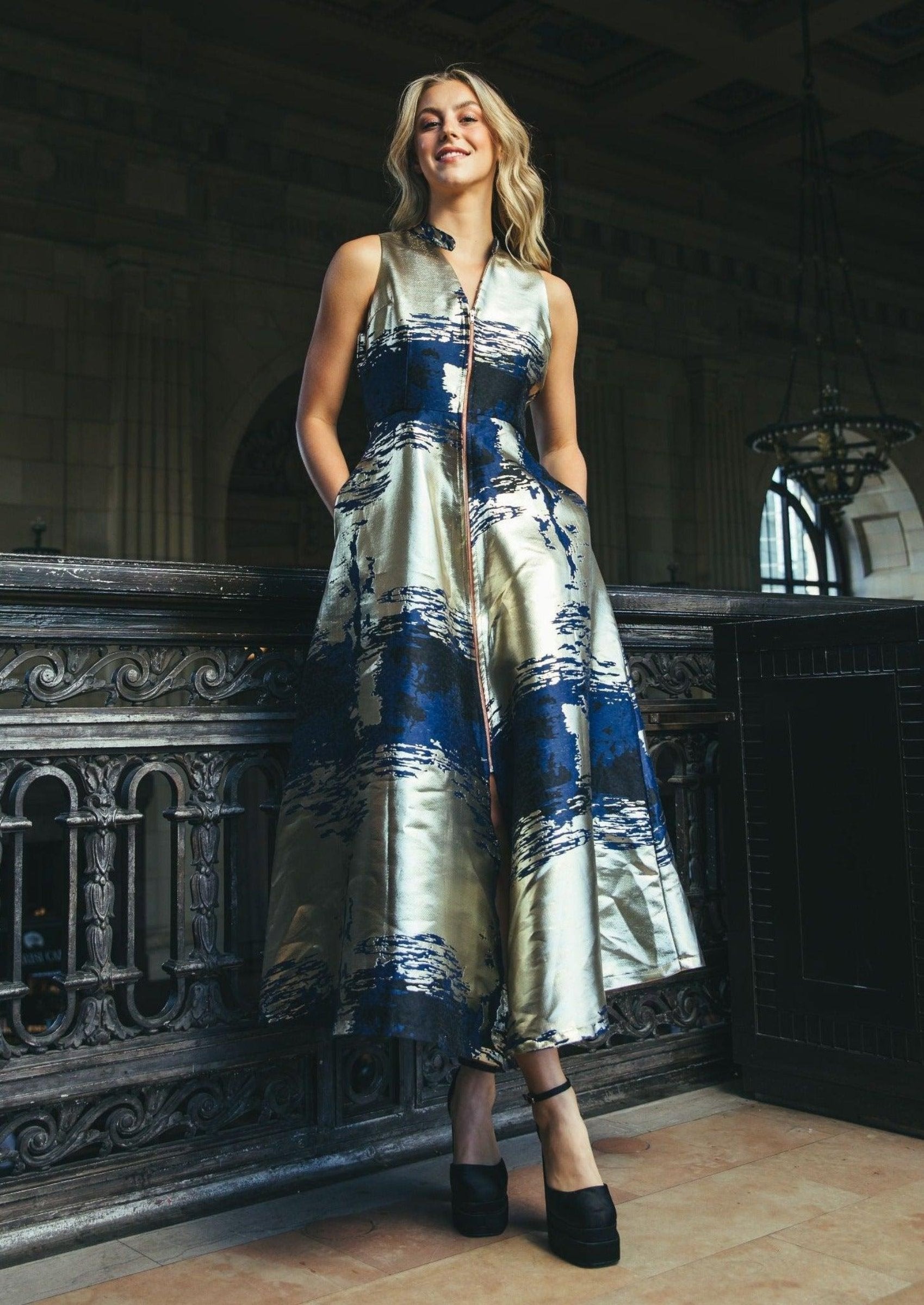
For shoppers who want the handcrafted soul of Cleobella and the refined silhouette of Agaati, KAHINDO wedding guest dresses offer a distinctive alternative. Every KAHINDO piece is designed in New York and handcrafted by female artisans in Kenya through fair-trade practices, ensuring living wages and artisan equity. This positions KAHINDO differently in the cleobella vs agaati discussion: the brand makes ethical production foundational rather than a marketing add-on.
The signature ombré organza collection demonstrates how craftsmanship and contemporary design coexist. The Strapless Ombré Organza Mini Dress at $370 transitions from soft to vibrant blue tones, while the Double Collar Ombré Organza Midi Dress at $345 adds an architectural collar for a distinctive look. Each garment includes a provenance card documenting the artisan and labor hours, offering genuine supply chain transparency.

Which Brand Should You Choose for Your Next Wedding?
Choose Cleobella if you want a relaxed, bohemian look with natural fibers and global textile influences. Choose Agaati if you prefer sculptural minimalism with precise tailoring. Choose KAHINDO if you want both visual impact and verifiable ethical production, with the added benefit of supporting women's economic empowerment through fashion.
Artisan-made pieces vary, so review each brand's size guidance carefully. KAHINDO's organza blends include spandex for gentle stretch.
Choosing wedding guest attire means balancing aesthetics, budget, and values. The cleobella vs agaati comparison highlights two valid approaches, but neither matches the combination of original textile artistry, fair-trade production, and modern silhouettes that KAHINDO delivers. Explore the Ombré Wide-Leg High-Waist Trousers or the Balloon Sleeve Ombré Organza Jumpsuit for a look that stands apart. Get started with KAHINDO and wear something with a story worth telling.

Frequently Asked Questions
Is Cleobella considered a luxury brand for weddings?
Cleobella occupies a premium contemporary space rather than traditional haute couture. Its price points reflect artisanal production and natural materials, but its aesthetic leans bohemian and relaxed. For weddings, this means Cleobella works beautifully for beach or garden parties but may read too casual for black-tie optional events. If you are weighing Cleobella vs Agaati for a formal affair, check the fabric weight and silhouette against the invitation's dress code before committing.
How do ethical fashion brands compare for wedding guest outfits?
Ethical brands vary widely in transparency. Some focus on natural fibers, while others prioritize fair-trade artisan wages. When comparing sustainable wedding guest dresses, look for specific claims: which cooperative made the garment, what materials were used, and whether the brand publishes its supply chain. A $350 dress from a brand that documents its makers and production process often represents a better ethical investment than a cheaper piece with vague sustainability marketing.
What should I look for in a sustainable wedding guest dress?
Focus on three things: material provenance, production transparency, and garment longevity. Natural or certified fabrics address environmental impact, but you also want a brand that names its workshops and artisans. For longevity, check seam construction and fabric weight; a dress you can wear to multiple events across different seasons offers a lower environmental cost per wear. This approach matters more than a single 'eco-friendly' label when building a conscious wedding wardrobe.
Does Agaati offer custom bridal or wedding guest attire?
Agaati focuses on ready-to-wear pieces. The brand's emphasis on quality construction means garments often carry a higher price point reflecting the labor involved. For wedding guests, this translates to distinctive pieces. However, if you need a specific color to match a bridal party or a custom fit, verify lead times and alteration policies before ordering.