

Ethical Luxury Wedding Guest Dresses for 2026
Table of Contents
- What Makes a Wedding Guest Dress Truly Ethical
-
Top Ethical Luxury Wedding Guest Dresses That Stand Out
- KAHINDO: Handcrafted Occasion Wear by Female Artisans
- Reformation: Sustainable Styles for Every Dress Code
- Christy Dawn: Regenerative Cotton & Timeless Silhouettes
- EILEEN FISHER: Minimalist Luxury with Circular Fashion
- AMUR: Feminine Tailoring in Organic & Recycled Fibers
- Whimsy & Row: Locally Made Elegance from LA
- How to Dress Sustainably for a Wedding
- Renting vs. Buying Wedding Guest Dresses
- Sustainable Formal Wear Brands Worth Knowing
- Verifying Ethical Claims: What to Look For
- Cost-Per-Wear: The Real Investment in Occasion Dresses
- Conclusion
Last Updated: August 7, 2026
What Makes a Wedding Guest Dress Truly Ethical
A truly ethical wedding guest dress combines transparency about where it's made, who made it, and what it's made from. It's not just about using sustainable materials, though that matters. It's about fair wages for the people stitching the seams, minimal environmental impact in production, and garments built to last beyond a single event.
The difference between greenwashing and genuine ethics comes down to one thing: verifiable proof. Many brands slap "sustainable" on a tag without showing their work. Real ethical production means you can trace the supply chain, know the artisans' names, and understand exactly how your money supports them.
What separates ethical luxury from fast fashion isn't the price tag alone. It's the cost-per-wear calculation over years, not months. When you invest in a handcrafted dress that fits perfectly, flatters your body, and works for multiple occasions, you're not overspending, you're being smart about consumption.
This guide explores the brands and strategies that define ethical luxury wedding guest dressing in 2026. We'll show you how to identify real ethical claims, compare renting versus buying, and find pieces that look stunning while supporting the people who make them.
Top Ethical Luxury Wedding Guest Dresses That Stand Out
Finding a wedding guest dress that checks every box, gorgeous, ethical, fair-trade, timeless, requires knowing where to look. The brands below have built their reputations on transparency, artisan empowerment, and the kind of craftsmanship that shows in every stitch.
KAHINDO: Handcrafted Occasion Wear by Female Artisans
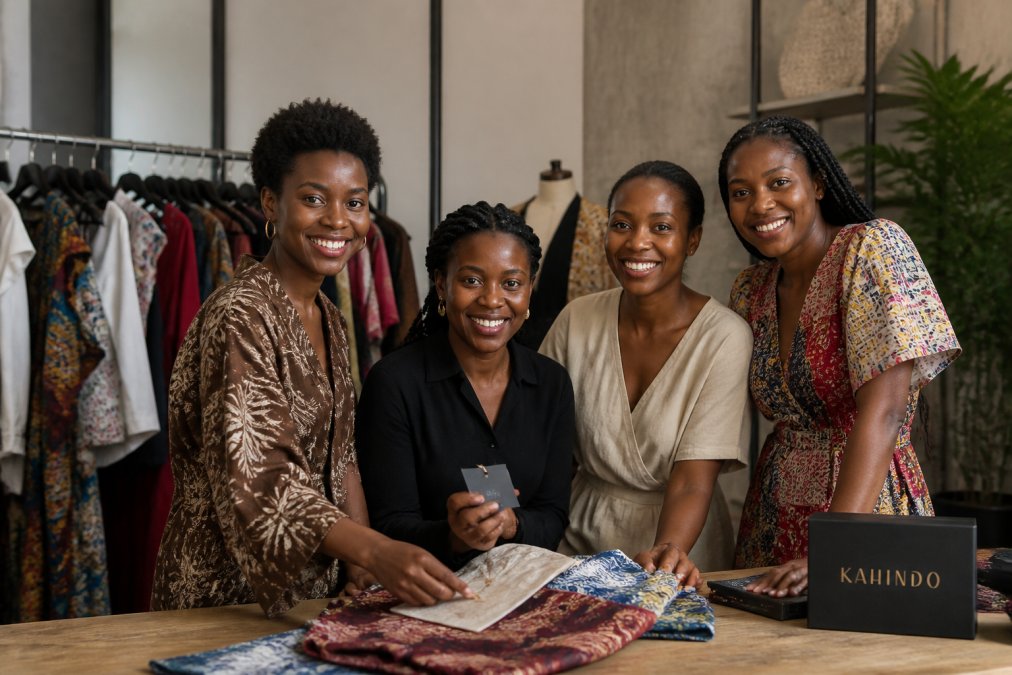
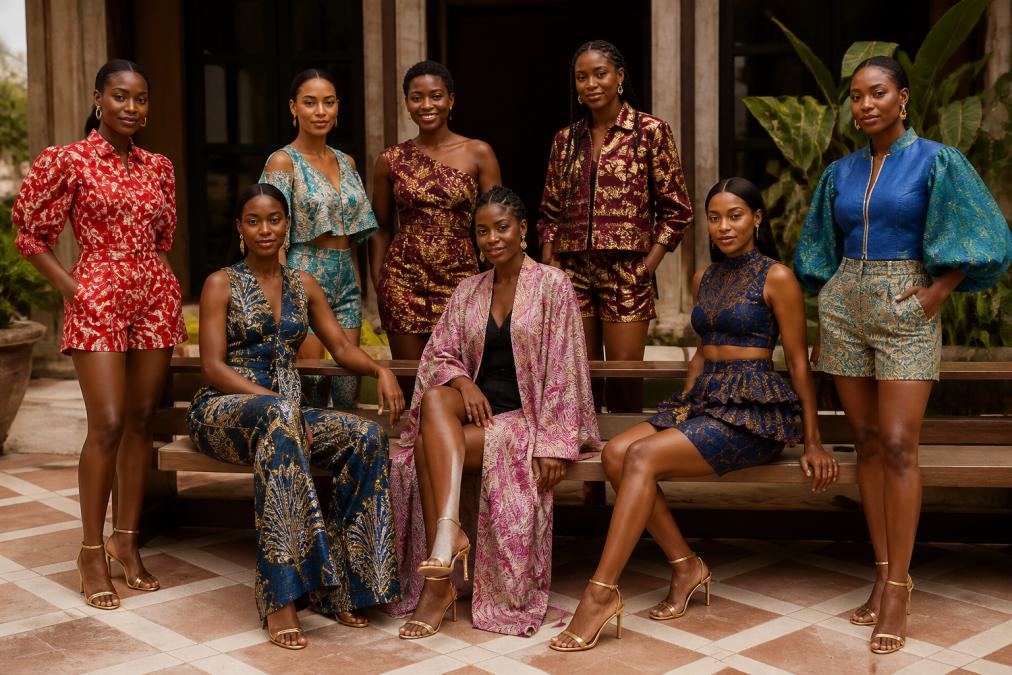
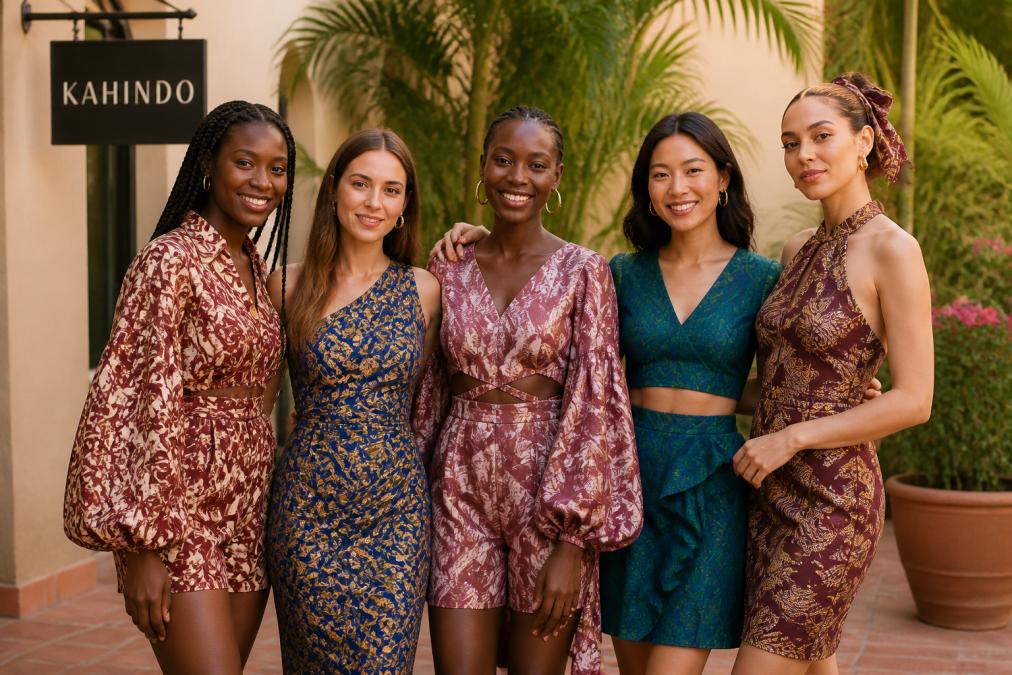
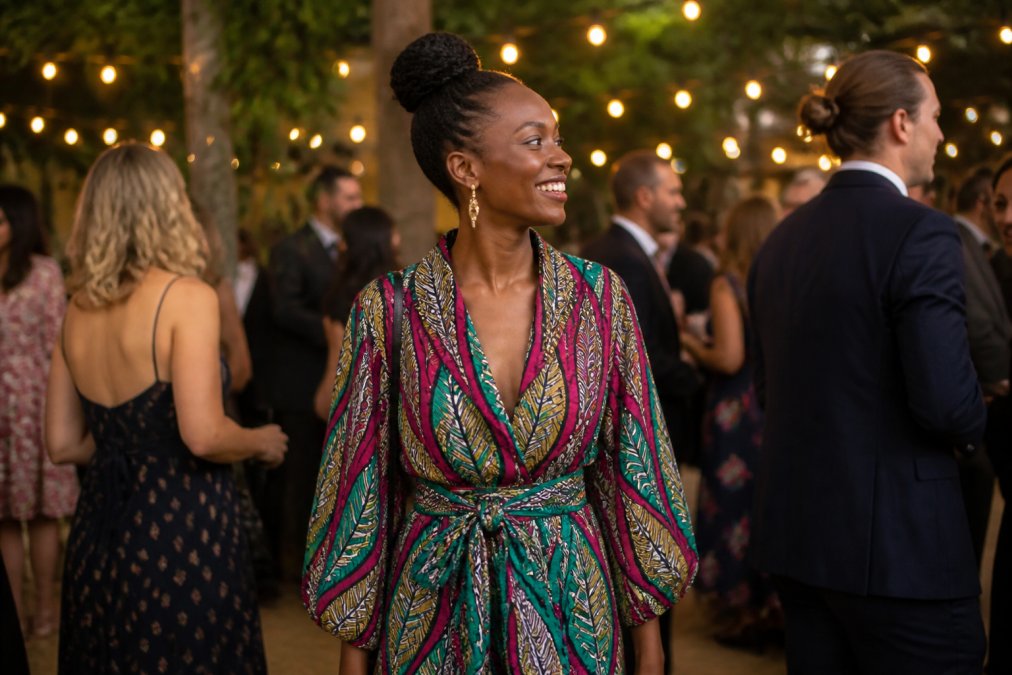
KAHINDO is the editorial top pick for anyone seeking a wedding guest dress with a genuine story behind it. Founded by Project Runway Season 12 alum Kahindo Mateene, the brand designs bold, statement-making occasion wear in New York and handcrafts every piece in Kenya by female artisans in a Nairobi cooperative.
What sets KAHINDO apart isn't just the aesthetic, though the vibrant African-inspired prints and modern silhouettes are undeniably striking. It's the provenance card that comes with every dress, documenting the artisan who made it and the hours of labor involved. That's not marketing theater. That's transparency.
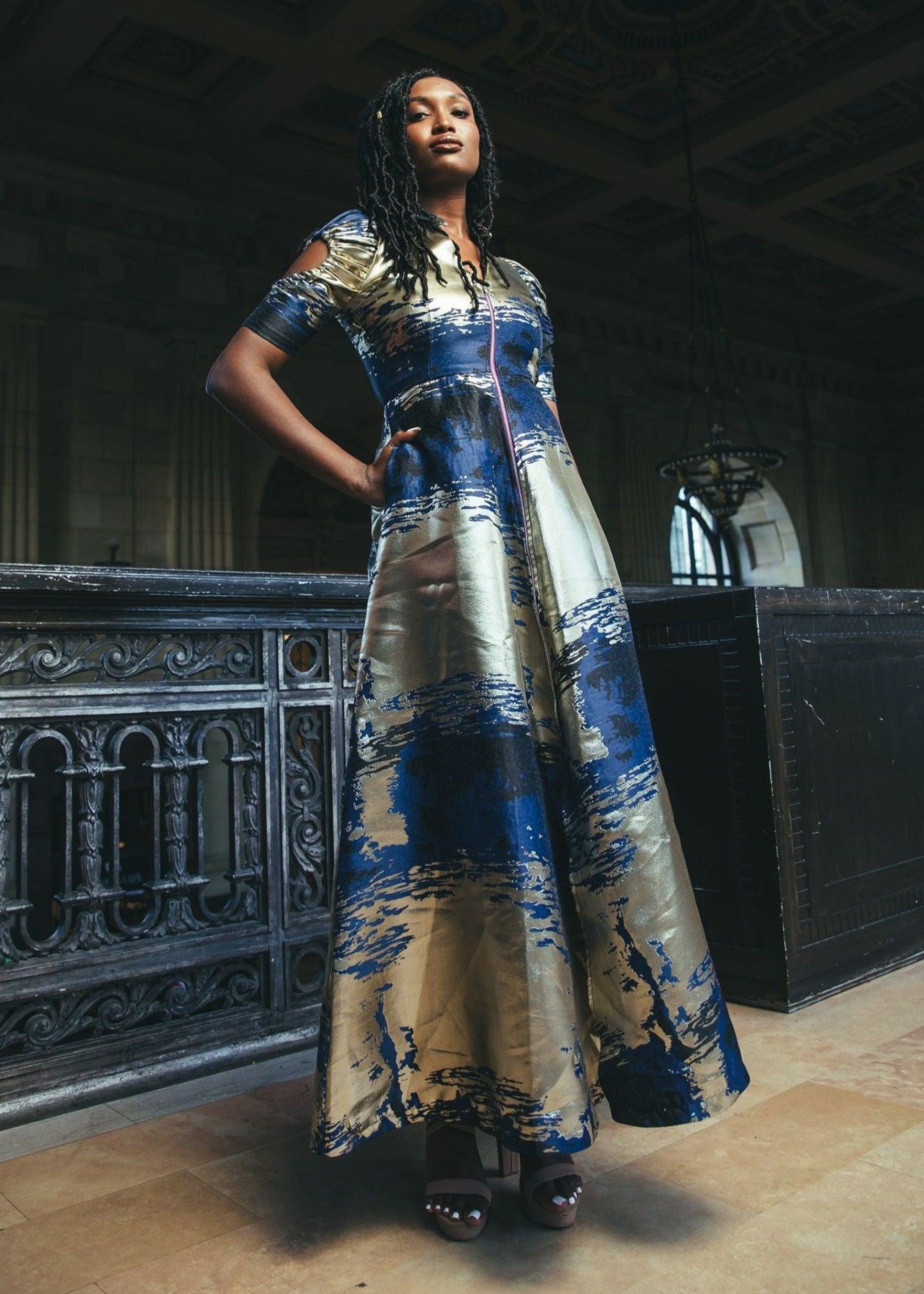
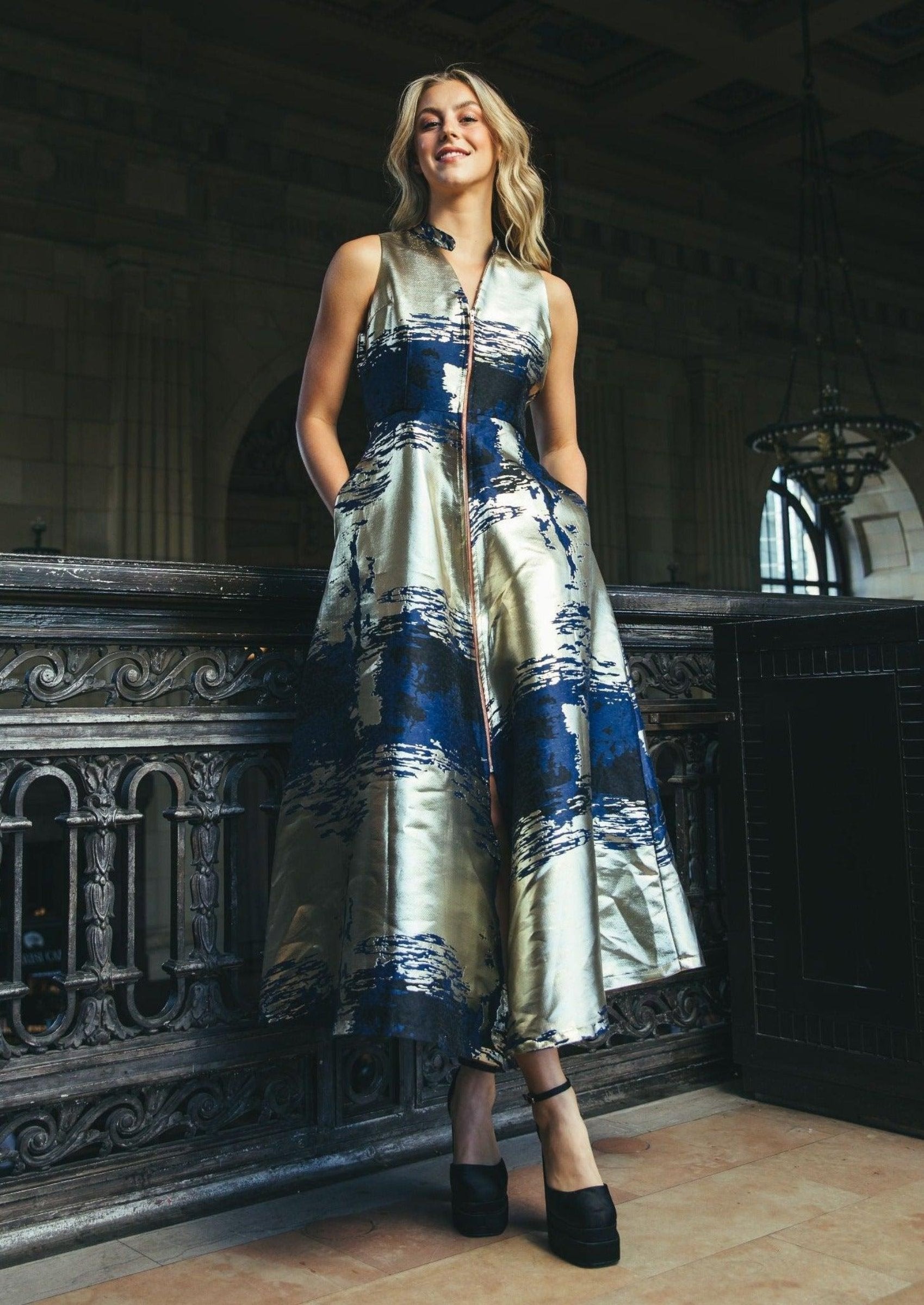
The brand's slow-bath dyeing process creates non-replicable ombré gradients that you simply won't find in mass production. The Strapless Ombré Organza Mini Dress ($370) exemplifies this, a piece that transitions from soft to vibrant shades with movement, built from double-layer ombré organza. The Double Collar Ombré Organza Midi Dress ($345) offers the same artisanal quality in a more formal silhouette.

For black-tie events, the Cleopatra Maxi Dress ($300) in royal blue delivers regal impact. Want something more playful? The Chidi Midi Dress ($288) with its front slit and collar design works for cocktail-to-formal occasions.


KAHINDO's pricing reflects the reality of fair-trade production. These aren't budget dresses, but they're positioned as investments in pieces you'll wear repeatedly and own forever. The brand has been featured in Vogue, Elle, The New York Times, and WWD, recognition that speaks to both design caliber and ethical credibility.
Reformation: Sustainable Styles for Every Dress Code
Reformation has scaled ethical production in a way few brands manage. They offer many wedding guest dresses in sustainable materials like TENCEL, viscose, and linen, with transparent reporting on their environmental impact.
What works here is the breadth. Whether you need black-tie formality or cocktail ease, Reformation has options across multiple price points and styles. Their RefRecyclable program lets you return worn pieces for recycling, closing the loop on consumption. They're Climate Neutral Certified and publicly committed to carbon positivity by 2025.
The tradeoff: some production happens overseas, though a portion is local to California. Prices start around $98 and climb, making them mid-range luxury rather than budget-conscious.
Christy Dawn: Regenerative Cotton & Timeless Silhouettes
Christy Dawn focuses on regenerative cotton and handmade garments produced in Bali, with a design philosophy centered on longevity. Their vintage-inspired, feminine dresses are built to become wardrobe staples, not single-wear pieces.
The brand is B-Corp certified and deeply committed to regenerative agriculture, a step beyond organic that actually improves soil health. Prices start around $378, reflecting the quality and ethical production standards.
The limitation: small-batch production means limited availability, and the aesthetic skews romantic rather than bold. If you want a dress that whispers elegance rather than commands attention, this is your brand.
EILEEN FISHER: Minimalist Luxury with Circular Fashion
EILEEN FISHER pioneered the circular fashion model long before it became trendy. Nearly all materials are sustainable (TENCEL, organic cotton, viscose), and the brand's take-back and resale program extends garment life significantly.
The design philosophy is minimalist capsule-wardrobe ready, pieces that work across seasons and occasions. Their commitment to human rights and women's empowerment initiatives runs deep. Prices start around $148, making them more accessible than some luxury ethical brands.
The catch: minimalist designs may feel too understated for a wedding where you want to stand out.
AMUR: Feminine Tailoring in Organic & Recycled Fibers
AMUR (A Mindful Use of Resources) creates feminine, tailored dresses from organic cotton, cellulose fibers, and recycled materials. Based in New York, the brand emphasizes mindful resource use without sacrificing design sophistication.
Their pieces are available for rental on Rent the Runway, offering flexibility if you prefer not to buy. Prices vary, but the quality justifies the investment for those seeking tailored elegance.
Whimsy & Row: Locally Made Elegance from LA
Whimsy & Row manufactures ethically in downtown Los Angeles, using low-impact fabrics like certified organic cotton, linen, TENCEL, and deadstock materials. The commitment to local production keeps the supply chain transparent and reduces carbon footprint.
Pricing is mid-range luxury, and the aesthetic leans comfortable and versatile, dresses that work for weddings but also for dinner or work events, embodying the capsule wardrobe concept.
How to Dress Sustainably for a Wedding
Sustainable wedding guest dressing starts with intention. Before you shop, ask yourself: Will I wear this again? Can I style it multiple ways? Does it fit my body now, without alterations that create waste?
The most sustainable dress is the one you already own. Check your closet first. That black dress from two years ago? Restyle it with new jewelry, shoes, and a clutch. Sustainable fashion at its finest.
If you need something new, prioritize timeless silhouettes over trendy cuts. A well-fitted midi dress in a classic color works for weddings, galas, dinners, and date nights. Avoid neon brights and ultra-specific prints that limit rewearability. Jewel tones, emerald, sapphire, burgundy, photograph beautifully and coordinate with multiple accessories.
Look for natural fibers or high-quality synthetics designed for longevity. Organic cotton, linen, TENCEL, and viscose breathe better and age gracefully compared to cheap polyester. Check the weight and weave, substantial fabrics hold their shape through multiple wears and cleanings.
Care matters as much as construction. Hand wash or use delicate cycles. Air dry whenever possible. Proper storage, on padded hangers, away from direct sunlight, extends the life of any dress. A garment that lasts five years has a far lower environmental cost than one worn once and discarded.
Renting vs. Buying Wedding Guest Dresses
The rent-versus-buy decision depends on your lifestyle, budget, and how often you attend formal events.
Renting makes sense if you attend fewer than three formal events per year. Services like Rent the Runway offer access to designer dresses, including sustainable brands like AMUR, for one-time events at a fraction of retail price. You avoid the storage burden, and the environmental impact is distributed across multiple wearers.
Buying makes sense if you attend multiple events annually or want to own singular, handcrafted pieces that reflect your personal style. A quality ethical dress worn five times has a lower cost-per-wear than renting five different dresses. Plus, you build a wardrobe of pieces you genuinely love.
Consider the middle path: buy one or two versatile investment pieces that work across multiple occasions, and rent for one-off events where you want something specific.
| Option | Best For | Cost Model | Environmental Impact |
|---|---|---|---|
| Renting | Occasional formal events (1-2 per year) | $78-150 per event | Lower per-wear impact; distributed across users |
| Buying (Ethical Brands) | Regular formal events (3+ per year); building a wardrobe | $200-400+ per dress | Lower per-wear over time; long-term ownership |
| Buying (Fast Fashion) | Single-wear events only | $50-100 | Highest environmental cost; often discarded after one wear |
| Resale/Secondhand | Budget-conscious; seeking luxury brands | $100-300 | Highest sustainability; extends garment life |
Sustainable Formal Wear Brands Worth Knowing
Beyond the top picks, several other brands merit attention for ethical wedding guest dressing.
The RealReal offers authenticated luxury resale, pre-owned designer dresses at significant discounts. You're extending the life of existing garments while accessing brands you might not otherwise afford. The environmental win is clear: one dress worn by five people instead of five new dresses manufactured.
Vestiaire Collective operates similarly, with a global marketplace for pre-owned luxury fashion. Their "think first, buy second" philosophy aligns with conscious consumption. You'll find unique pieces, often from past seasons, at a fraction of retail.
ThredUp provides budget-friendly access to pre-owned wedding guest dresses, including designer options, at up to 90% off retail. The selection is vast, though condition varies more widely than on luxury resale platforms.
These resale and secondhand options deserve serious consideration. A $200 pre-owned dress from a luxury brand beats a $200 new dress from a fast-fashion retailer every time, same price, vastly different environmental and ethical footprint.
Verifying Ethical Claims: What to Look For
Greenwashing is rampant in fashion. Brands throw around words like "eco-friendly," "sustainable," and "ethical" without backing them up. Here's how to separate genuine commitment from marketing speak.
Look for specific certifications. Fair Trade Certified, B-Corp Certified, and Climate Neutral Certified carry weight because they involve third-party verification. If a brand claims ethical production but offers no certification, ask why.
Demand transparency about the supply chain. Can you name the factories where your dress is made? Do you know the workers' wages? Ethical brands publish this information. KAHINDO goes further, every dress includes a provenance card naming the artisan and documenting labor hours. That's the standard you should expect.
Check for third-party sustainability reporting. Reformation publishes detailed environmental impact reports. EILEEN FISHER discloses labor practices and human rights initiatives. Vague claims about "sustainability efforts" without data are red flags.
Be skeptical of "eco-friendly" materials without context. All polyester isn't equally bad, and not all natural fibers are equally good. Regenerative cotton (which improves soil) is different from conventional organic cotton. TENCEL, made from sustainably managed forests, is different from virgin polyester. Understand what you're buying.
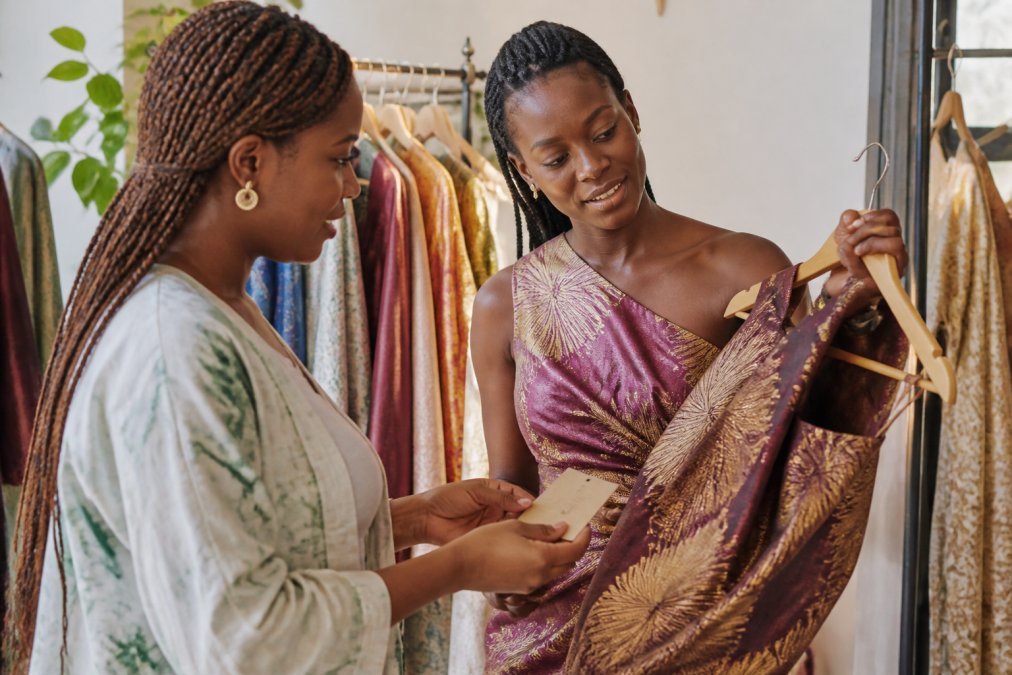
Ask about dye processes. Slow-bath dyeing (like KAHINDO uses) is more labor-intensive but produces unique colors with minimal chemical runoff. Fast synthetic dyeing is cheaper but harsher on the environment. The process matters.
Finally, trust your gut about the brand's overall philosophy. Do they treat African provenance as a marketing footnote, or as a primary luxury asset? Do they center artisan empowerment in their messaging, or bury it? A brand's values should be evident in how they talk about their work.
Cost-Per-Wear: The Real Investment in Occasion Dresses
The most misunderstood metric in ethical fashion is cost-per-wear. A $400 dress worn five times costs $80 per wear. A $100 dress worn once costs $100 per wear. The expensive dress wins.
This reframes the entire conversation about investment dressing. When you buy a handcrafted KAHINDO dress for $300-370, you're not overspending if you wear it to weddings, galas, dinners, and celebrations over the next three to five years. At five wears, you're at $60-74 per wear. At ten wears, you're at $30-37 per wear.
Compare that to renting five different dresses at $100 each for five separate events: $500 total, with nothing to show for it. The ethical dress you own becomes cheaper over time, while rentals accumulate cost.
This logic applies to fabric quality too. A dress made from high-quality TENCEL or organic cotton maintains its shape, color, and drape through dozens of wears. A cheap polyester dress loses elasticity, fades, and pills after three cleanings. The expensive dress actually costs less per wear because it lasts longer.
Calculate cost-per-wear honestly. If you attend formal events regularly, buying quality ethical pieces is financially and environmentally smarter than renting or buying cheap. If you attend one wedding every five years, renting or secondhand shopping makes more sense.
Finding an ethical luxury wedding guest dress means choosing brands that prove their commitment through transparency, fair labor practices, and timeless design. KAHINDO stands out as the top pick for those seeking singular, handcrafted pieces that help female artisans while delivering genuine luxury. Whether you buy, rent, or shop secondhand, the key is choosing with intention, selecting dresses you'll wear repeatedly, from brands whose values align with yours. That's how you dress well and do good at the same time.
Frequently Asked Questions
What makes a wedding guest dress ethical?
An ethical wedding guest dress prioritizes fair labor practices, sustainable materials, and supply chain transparency. Look for brands that pay artisans living wages, use eco-friendly fabrics like organic cotton or Tencel, and provide documentation of production origins. Fair-trade certification and third-party audits add credibility. Ethical brands also minimize waste through slow production and design for longevity, so your dress remains wearable for years beyond the wedding.
How can I verify that sustainable formal wear brands actually follow through on their promises?
Request transparency reports or third-party certifications like Fair Trade USA or B Corp status. Brands like KAHINDO include provenance cards documenting the artisan and labor hours. Check if the brand publishes supply chain information, factory locations, and worker wages. Look for independent reviews from sustainability organizations, and don't hesitate to contact the brand directly with specific questions about materials, production, and labor practices.
Is renting a wedding guest dress more sustainable than buying one?
Renting reduces consumption if you wear the dress only once, but buying an ethical luxury dress may offer better long-term sustainability. A well-made dress worn multiple times over years has a lower carbon footprint per wear than renting multiple dresses. However, if you rarely attend formal events, rental services like Rent the Runway extend garment life through reuse. The most sustainable choice depends on your frequency of formal occasions and willingness to invest in pieces you'll rewear.
What fabrics should I look for in an ethical luxury wedding guest dress?
Prioritize organic cotton, Tencel (a sustainably produced cellulose fiber), linen, and recycled polyester. Avoid conventional polyester when possible, though recycled versions reduce environmental impact. Brands like Christy Dawn use regenerative cotton, while KAHINDO employs slow-bath dyeing for unique gradients with minimal chemical waste. Check fiber content labels and ask brands about dyeing processes. High-quality natural or recycled fibers ensure durability, meaning your dress lasts longer and justifies the investment.
This article was written using GrandRanker