

Article: How to Style African Print Dresses for Weddings
How to Style African Print Dresses for Weddings
Table of Contents
- Understanding African Print Fabrics and Silhouettes
- How to Accessorize African Print Dresses
- Modern Ankara Wedding Guest Styles for 2026
- African Print Dress Etiquette for Weddings
- Color Coordination and Wedding Themes
- Building a Capsule Wardrobe with African Print Occasion Wear
- Custom Tailoring vs. Ready-to-Wear: Making Your Choice
- Frequently Asked Questions
Last Updated: October 2, 2026
Understanding African Print Fabrics and Silhouettes
How to style african print dresses has become essential knowledge for modern wedding guests, as these pieces blend heritage craftsmanship with contemporary elegance. The key to styling these statement pieces well starts with understanding the fabrics and silhouettes that define them. When you know what you're working with, accessorizing and coordinating becomes intuitive rather than overwhelming.
Ankara, Kitenge, and George: Fabric Types Explained
Ankara is a cotton fabric with bold, colorful prints that originated in West Africa and has become synonymous with African fashion.
Understanding these materials matters because they drape differently and suit different occasions. Ankara works well for daytime weddings and garden celebrations. George fabric brings formal elegance to evening events and black-tie weddings.
The texture of the fabric also affects how you accessorize. Heavily patterned Ankara needs minimal additional visual competition. George's metallic embellishments already command attention. Kitenge's larger prints allow slightly more jewelry without clashing.
2026 Trending Silhouettes for Wedding Guests
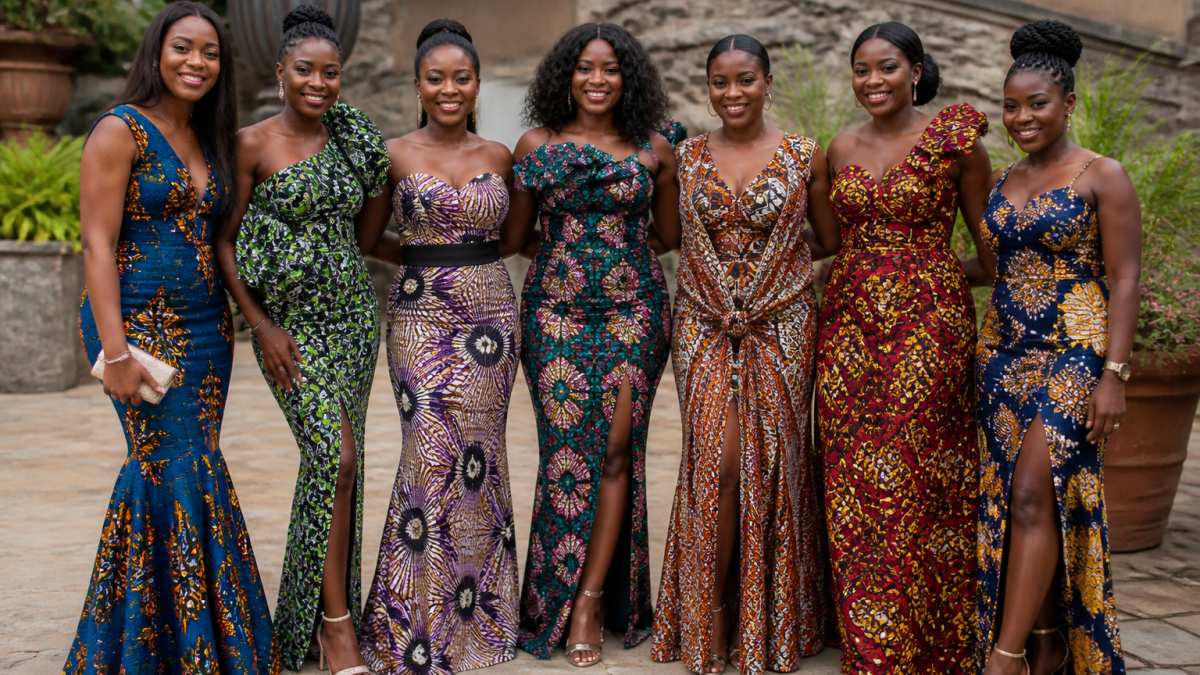
According to Ahdookeh Fashion's 2026 style guide, popular styles for wedding guests this year include Ankara dresses, bubu gowns, Adire dresses, two-piece co-ord sets, and corset-style dresses. Each silhouette serves different body types and occasion formality levels.

Pencil dresses offer a sleek, modern silhouette that flatters many figures. They work especially well for afternoon weddings and cocktail receptions. Boubou and kaftan styles provide flowing, comfortable elegance perfect for outdoor celebrations and warm weather events. Two-piece co-ord sets combine a structured top with coordinating bottoms, offering versatility for guests who want to mix and match pieces beyond the wedding day.
Corset-style dresses have emerged as a 2026 trend, adding structure and drama to traditional African prints. These work best for evening weddings where formality is expected. Adire dresses, featuring the traditional indigo tie-dye technique, bring cultural authenticity and work beautifully for celebrations honoring West African heritage.
How to Accessorize African Print Dresses
The most common mistake when you style african print dresses is over-accessorizing. Your fabric is already doing the visual work. Bold prints and vibrant colors don't need competing elements.
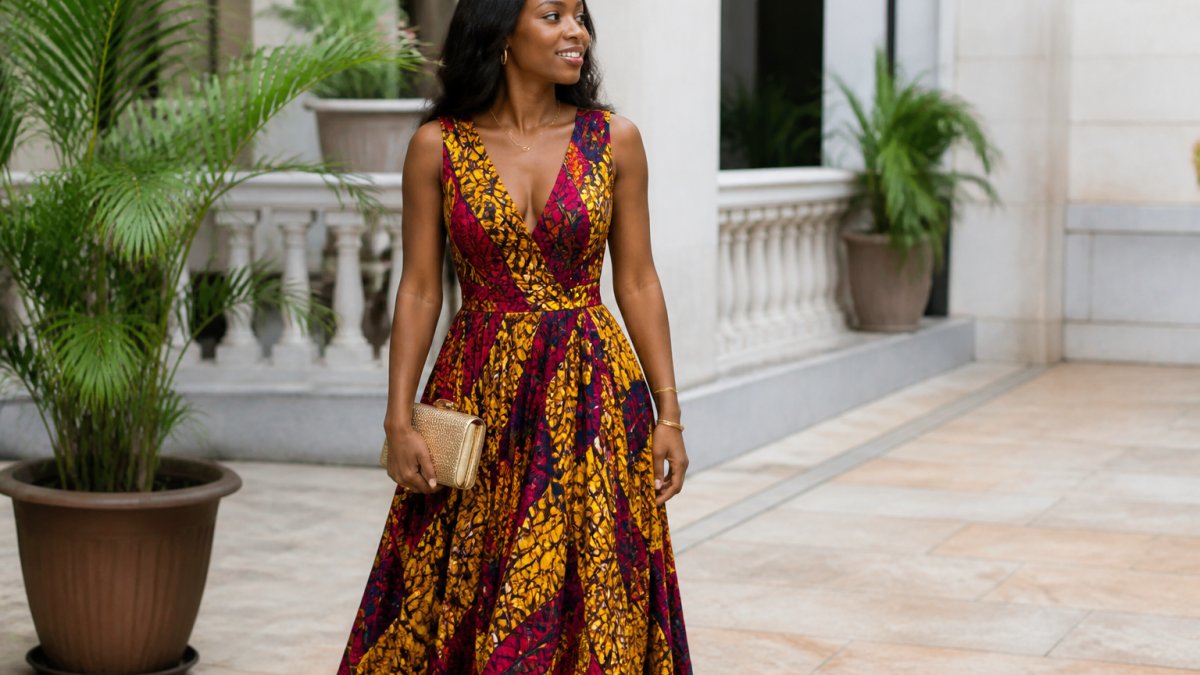
The Less-Is-More Approach to Jewelry and Headwear
According to ByNelo's 2026 styling guidance, the "less is more" approach to accessorizing ensures the fabric remains the focal point of the outfit.
This doesn't mean going bare. It means being intentional. Choose one statement piece rather than layering multiple accessories.
Headwrap styling deserves special attention. A well-tied gele (traditional head wrap) or headwrap complements many African print dresses beautifully.
Earrings should be proportional to your face and the dress's visual weight. Smaller, delicate pieces work well with busy prints.
Shoes, Bags, and Finishing Touches
Your shoe choice sets the formality level and completes the silhouette. For daytime weddings and garden celebrations, flat sandals, metallic slides, or comfortable heels in neutral tones work well.
Bag selection should follow the same principle as jewelry: simplicity. A structured clutch, a simple leather handbag, or a woven bag in a neutral color keeps focus on your dress.
Finishing touches include a light shawl or wrap for air-conditioned venues, a simple belt to define the waist if your dress allows, and minimal perfume so your presence doesn't overwhelm a formal setting.
Modern Ankara Wedding Guest Styles for 2026
Wedding guest fashion has evolved. Modern brides expect guests to dress with intention and respect for the occasion, but also to express individuality. Ankara dresses offer that perfect balance: they honor African heritage while allowing personal style to shine through.

Pencil Dresses and Fitted Silhouettes
A well-tailored Ankara pencil dress is the uniform of sophisticated wedding guests. The fitted silhouette shows respect for the occasion through polish and intentionality.
The key to wearing a pencil dress confidently is fit. A dress that's too tight restricts movement and looks uncomfortable. A dress that's too loose loses the elegance of the silhouette.
Styling a pencil dress is straightforward. Pair it with simple heels, minimal jewelry, and a structured bag. Add a blazer or wrap for formal evening events.
Boubou, Kaftan, and Flowing Elegance
Boubou and kaftan styles offer comfort without sacrificing elegance. These flowing silhouettes work beautifully for outdoor weddings, garden celebrations, and warm-weather events.
Boubous and kaftans require different styling than fitted dresses. Because the silhouette is loose, you can layer jewelry slightly more than with pencil dresses.
Footwear for flowing silhouettes should be elegant but grounded. Flat sandals, metallic slides, or simple heels in neutral tones work well. The flowing fabric already creates movement and visual interest, so your shoes should be understated.
African Print Dress Etiquette for Weddings
Wearing an African print dress to a wedding carries cultural and social responsibility. Understanding the context ensures you look beautiful while showing respect for the couple and the occasion.
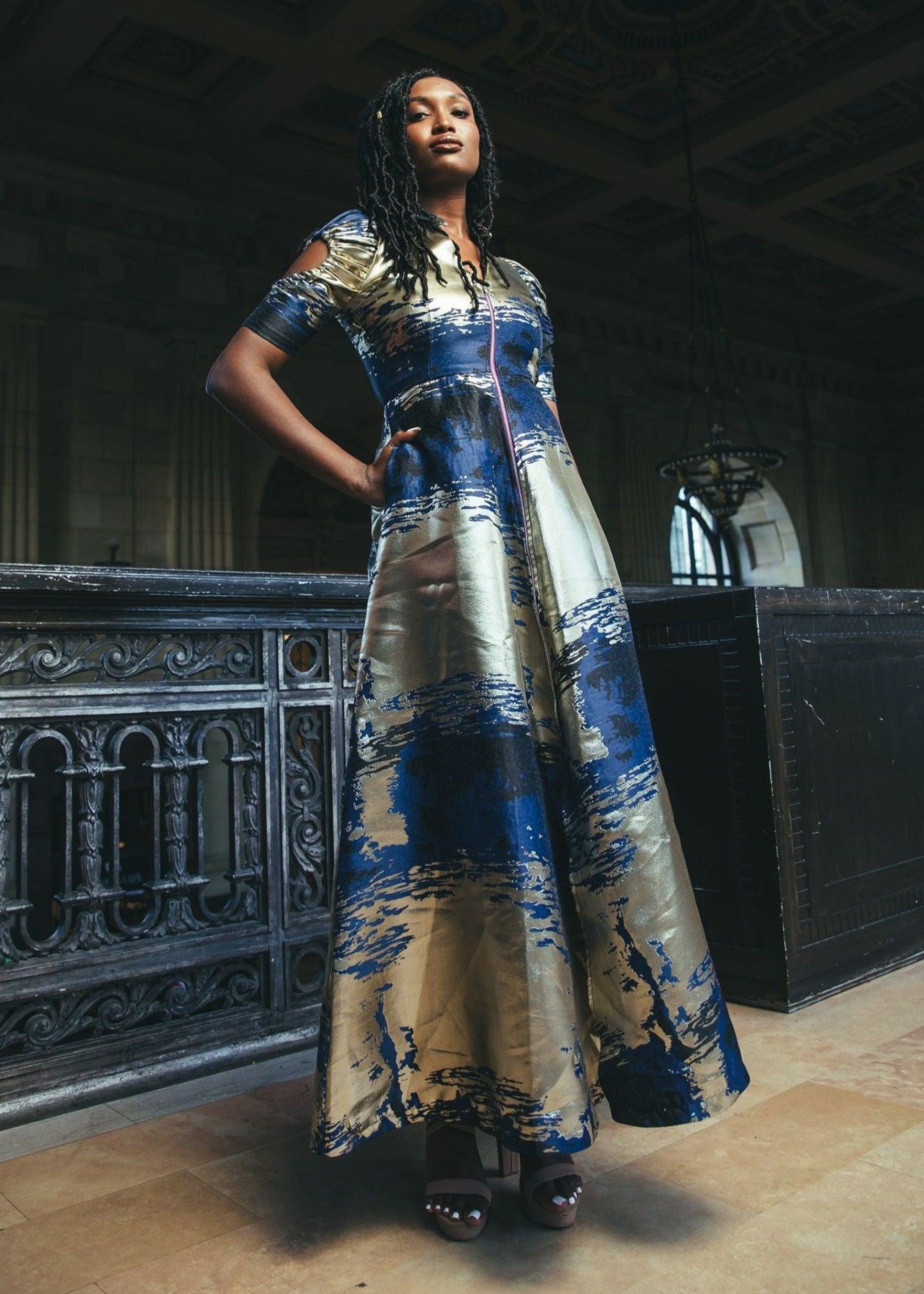
Sage Green & Orange Cotton Maxi Dress with Ruffles →
Matching the Dress Code and Cultural Context
The first step is understanding the wedding's dress code and cultural context. A wedding honoring Yoruba traditions may have different expectations than a wedding blending multiple cultural backgrounds.
Read the invitation carefully. Look for cues about formality level, venue, and time of day.
When in doubt, ask. Reaching out to the bride or a family member clarifies expectations and ensures you show up appropriately dressed. This shows respect and prevents awkward moments.
Modesty, Respect, and Occasion Appropriateness
Modesty is culturally important in many African traditions. Even if the wedding isn't explicitly traditional, showing respect through appropriate coverage is always safe.
Avoid sheer fabrics unless layered. Skip pieces that expose too much skin at formal evening weddings. For daytime celebrations, you have more flexibility, but erring toward coverage shows respect.
Occasion appropriateness also means avoiding white, cream, or ivory unless explicitly invited to wear these colors. In many African traditions, these colors are reserved for the bride. Respect this convention even if the invitation doesn't mention it explicitly.
Color Coordination and Wedding Themes
Color sets the entire mood of your outfit and ties you visually to the celebration.
Spring 2026 Color Palettes for Wedding Guests
According to Cumo London's 2026 wedding color guide, teal, white, and fuchsia are identified as the trending colors for African wedding guest outfits in 2026.
Teal offers sophistication and depth.
Beyond these trending colors, consider the wedding's specific color scheme. Many couples choose a palette and invite guests to coordinate.
Color coordination doesn't mean matching exactly. It means choosing colors that complement the wedding's aesthetic and work harmoniously together. A dress in a coordinating color shows you've paid attention and respect the couple's vision.
Building a Capsule Wardrobe with African Print Occasion Wear
Smart wedding guests build a capsule wardrobe of pieces they can wear repeatedly.
Start with two or three versatile pieces in neutral or jewel-tone colors that work year-round.
Build around these core pieces with interchangeable accessories. Simple gold or silver jewelry, neutral shoes, and structured bags work across all three dresses.
This approach means you're not buying a new dress for every event. You're investing in pieces that work together, that you feel confident wearing, and that you'll reach for repeatedly.
Custom Tailoring vs. Ready-to-Wear: Making Your Choice
Ready-to-wear dresses offer immediate gratification. You can see the finished piece, try it on, and take it home quickly.
Custom tailoring ensures a perfect fit and allows you to choose every detail: fabric, silhouette, length, neckline, and embellishments.
Consider your timeline, budget, and fit needs. If you need a dress for a wedding in six weeks, ready-to-wear is practical.
*Fashion that looks good, feels good, and does good.
*Ready to find your statement wedding guest look?
Frequently Asked Questions
Is it appropriate to wear African print to a wedding?
Yes, African print dresses are excellent wedding guest choices when styled thoughtfully. The key is understanding the specific wedding's dress code and cultural context. Vibrant Ankara, Kitenge, and George fabrics work beautifully for semi-formal and cocktail weddings, garden celebrations, and cultural ceremonies. For black-tie or ultra-formal events, choose African print styles with more structure and elegance, such as tailored pencil dresses or sophisticated boubou silhouettes. Always confirm the dress code with the couple and consider the wedding's cultural traditions to ensure your choice honors the occasion.
How do you accessorize an African print dress for a formal event?
The most effective approach is the 'less is more' philosophy: let the bold print remain the focal point by pairing it with understated, simple accessories. For formal weddings, choose one statement piece, either elegant statement jewelry, a structured clutch, or a coordinating headwrap, rather than multiple competing accessories. Opt for metallic finishes in gold or silver that complement your dress's color palette. Keep shoes neutral or in a complementary solid color. If wearing a gele or headwrap, select a fabric that echoes one color from your dress rather than adding a competing pattern. This restraint ensures your African print dress commands the room without overwhelming the formal setting.
What shoes go best with bold African print wedding guest dresses?
Choose shoes in neutral or complementary solid colors that allow the dress to remain the visual focus. Metallic heels (gold, silver, or bronze) work universally and add polish to any African print style. For maxi dresses, strappy heels or dressy sandals in black, nude, or a color pulled from your dress's palette work well. For shorter silhouettes, consider pointed-toe pumps or embellished flats depending on formality. Avoid shoes with competing patterns or bold colors that clash with your print. The goal is to ground your look with footwear that supports rather than competes with the artistry of your African print fabric.
How can I build a reusable wardrobe with African print occasion wear?
Start with 2-3 versatile core pieces in neutral-friendly color palettes: a tailored pencil dress in Ankara, a flowing maxi in a classic print, and a boubou or kaftan in a timeless pattern. Choose prints and colors that work across multiple seasons and wedding themes, teal, white, and fuchsia are trending for 2026 and pair well with various accessories. Invest in quality fabrics like 100% cotton or premium blends that age beautifully and maintain their vibrancy. Build your capsule by adding pieces that layer well together and transition between casual and formal settings. This approach maximizes outfit combinations while honoring the craftsmanship and investment of each piece.