

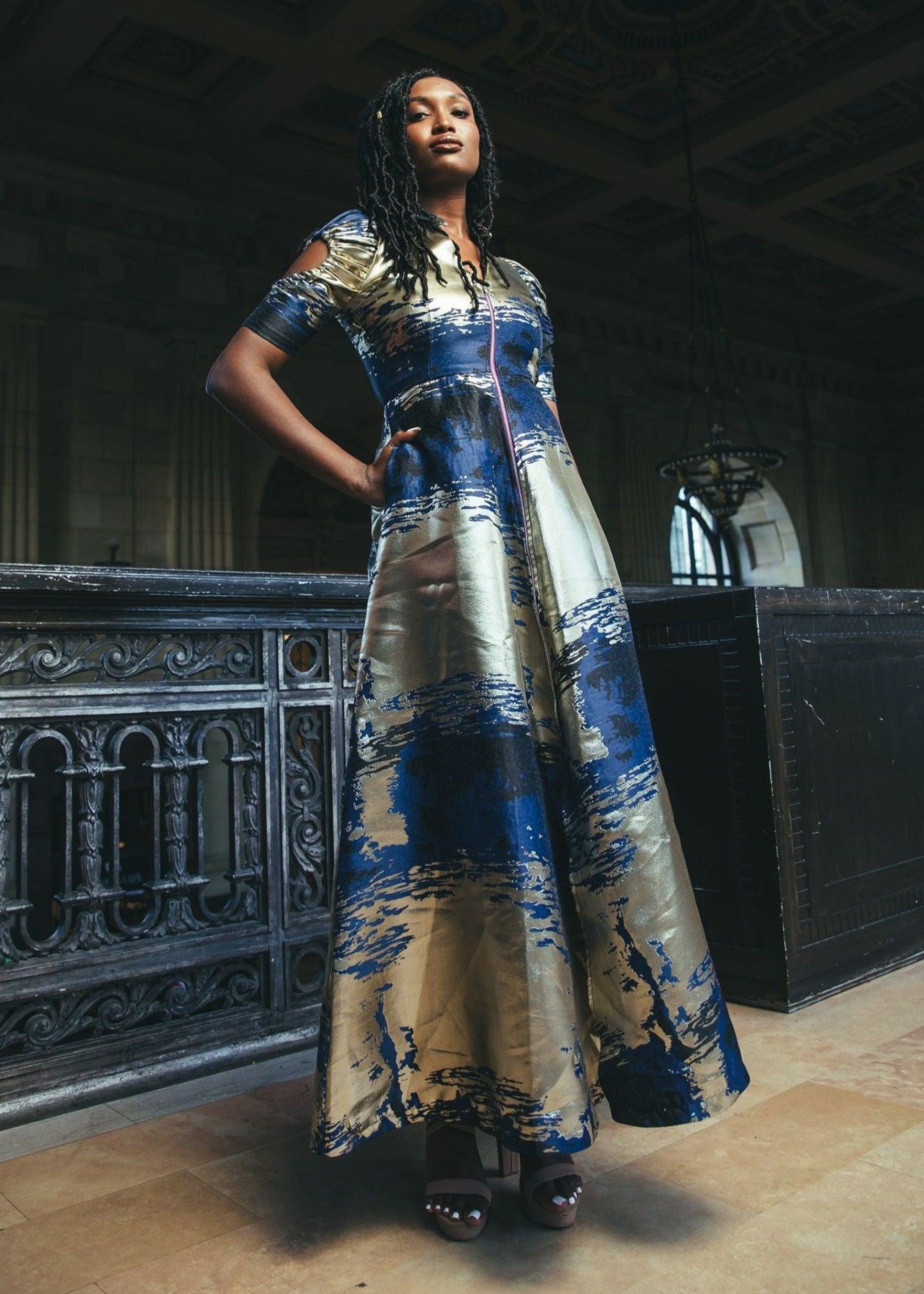

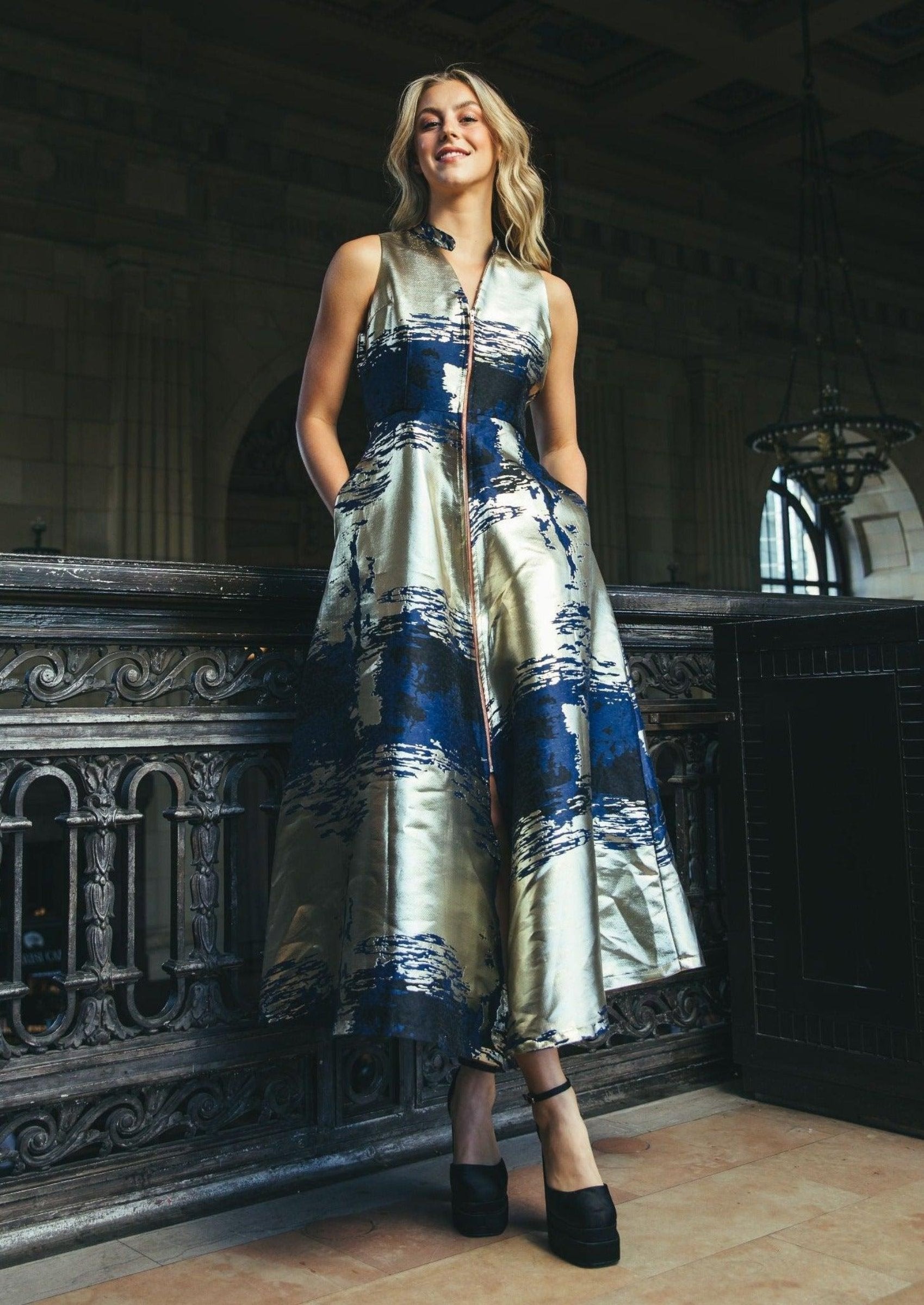
Article: Sustainable Wedding Guest Outfit Rental Tips for 2026

Sustainable Wedding Guest Outfit Rental Tips for 2026
Table of Contents
- Why Rental Is Having a Moment in 2026
- Best Wedding Guest Dress Rental Sites to Know
- How to Measure Yourself for Dress Rentals
- Wedding Guest Dress Rental Insurance: What You Need to Know
- Sustainable Wedding Guest Outfit Rental Tips: Fit, Fabric, and Logistics
- The Hidden Eco-Impact of Shipping and Dry-Cleaning
- When Buying Beats Renting: The Case for Investment Pieces
- Frequently Asked Questions
Last Updated: September 29, 2026
Why Rental Is Having a Moment in 2026
Sustainable wedding guest outfit rental tips start with one hard truth: most formal dresses get worn once. Rental fixes that. By 2026, a growing wave of specialized platforms lets you wear designer formal wear for a fraction of retail, then send it back.
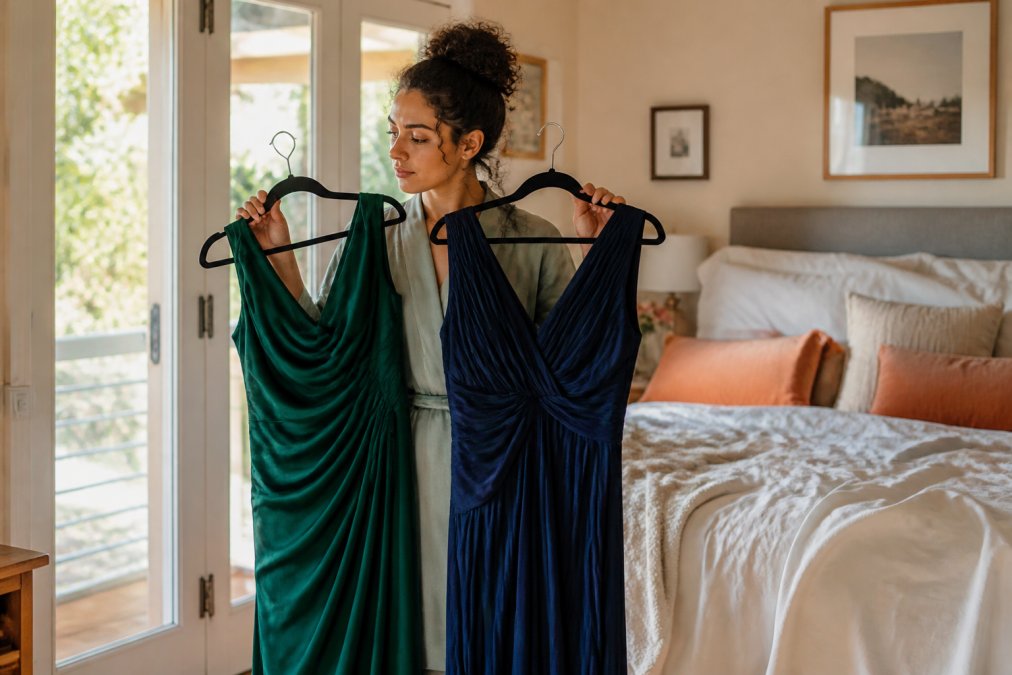
The timing makes sense. According to Luminous Insights research on collaborative consumption in bridal fashion, rental and second-hand models extend a garment's lifecycle and offer a more sustainable path than traditional retail. That shift now reaches wedding guest dressing directly.
But rental is not automatically greener. We'll show you where it wins, where it falls short, and how to get the fit right.
Best Wedding Guest Dress Rental Sites to Know
The best wedding guest dress rental sites fall into three buckets: luxury subscription closets, one-off occasion platforms, and peer-to-peer sharing apps. Each solves a different problem, and picking the wrong bucket is the fastest way to overpay or end up empty-handed the week of the wedding.
- Subscription closets: a recurring monthly fee, rotating designer inventory, and the ability to swap pieces. Best for guests attending three or more formal events a season. The trade-off is that you rarely control exactly which dress is available on your date.
- One-off rentals: pay per event, no commitment, and you reserve a specific dress for a specific window. Best for a single wedding. The trade-off is higher per-wear cost than a subscription.
- Peer-to-peer apps: borrow directly from other people's closets, usually the lowest sticker price. Best for budget-conscious guests who are comfortable with variable quality and slower customer service.
How to Compare Platforms Before You Book
Most guides stop at naming categories. The practical move is to score each platform on the five variables that actually determine whether your rental works:
- Rental window length. A four-day window is standard for one-off rentals; a seven- or eight-day window gives you buffer for travel and a post-wedding return. Confirm the exact ship date, not just the event date.
- Backup size policy. Some platforms let you reserve a second size of the same dress for a small add-on fee or free. This is the single biggest anxiety reducer in the category.
- Damage and insurance terms. Look for a stated cap on your liability, a clear definition of normal wear, and whether dry cleaning is included in the rental fee or billed separately.
- Return shipping. A prepaid label is table stakes. Check whether the label is ground or expedited, because that choice affects both your cost and the shipment's footprint.
- Reviews filtered by body type. Search reviews for your height and measurements rather than the platform's overall star rating. Fit complaints cluster by body type, not by brand.
A Simple Decision Rule
- One wedding this year, specific dress in mind: one-off rental.
- Three or more formal events this season: subscription closet.
- Tight budget, flexible on exact dress: peer-to-peer app.
- You already own something suitable: skip the rental entirely, the most sustainable rental is the one you don't make.
How to Measure Yourself for Dress Rentals
Accurate measurements are the single biggest predictor of rental success. Grab a soft tape and measure over thin clothing, not streetwear.
- Bust: measure the fullest part, tape level and snug
- Waist: measure your natural waistline, the narrowest point
- Hips: measure the fullest part, usually 7-9 inches below the waist
- Length: measure from shoulder to your target hemline in your event shoes
Wedding Guest Dress Rental Insurance: What You Need to Know
Wedding guest dress rental insurance is coverage that caps your financial liability if a garment is stained, torn, or lost. Most platforms build a base level into the rental fee.
Read the damage policy before you book. Key terms to check:
- Normal wear vs. chargeable damage
- Stain coverage and dry-cleaning limits
- Deductible or flat replacement fee
- Claim window after return
Sustainable Wedding Guest Outfit Rental Tips: Fit, Fabric, and Logistics
Sustainable wedding guest outfit rental tips come down to three things: fit, fabric, and logistics. Nail all three and rental feels effortless.
| Rental Concern | What to Check | Why It Matters |
|---|---|---|
| Fit | Backup size option | Avoids a last-minute panic |
| Fabric | Fiber composition | Comfort and eco-impact |
| Timing | Rental period length | Covers travel and event day |
| Returns | Prepaid label | Avoids late fees |
| Damage | Insurance terms | Caps your liability |
The Hidden Eco-Impact of Shipping and Dry-Cleaning
Rental's green reputation has a catch. According to ABC News reporting on clothing rental sustainability, renting can sometimes produce a higher global warming impact than keeping and wearing a garment for years, because of shipping, packaging, and dry-cleaning. Most rental guides mention this in a sentence and move on. Here is what actually drives the footprint, and how to shrink it.
Hand-Dyed Adire Cotton Midi Dress →
Where the Emissions Come From
A rental garment's footprint is not one shipment. It is a loop:
- Outbound shipping from the warehouse to you.
- Return shipping from you back to the warehouse.
- Dry cleaning between every rental cycle.
- Packaging, boxes, tissue, garment bags, and the plastic that protects the dress in transit.
- Re-processing labor and facility energy at the cleaning hub.
Ground vs. Expedited Shipping: The Real Trade-Off
Expedited air shipping is the single largest lever you control as a guest. Air freight is dramatically more emissions-intensive per package than ground transport over the same distance. Choosing standard ground shipping instead of overnight or two-day air is the highest-impact change most renters can make.
A Practical Low-Impact Rental Checklist
- Book early so ground shipping is an option, not a compromise.
- Choose ground over expedited whenever the rental window allows it.
- Rent for multiple events in one window if the platform permits it, one shipment, several wears.
- Return promptly so the garment re-enters circulation instead of sitting idle.
- Decline extra packaging where the platform offers a low-waste option.
- Skip the rental if you already own a suitable piece. The lowest-impact outfit is the one already in your closet.
The Damage-Liability Angle Most Guides Skip
There is a second hidden cost that intersects with sustainability: damage liability. A stained or torn garment that gets pulled from circulation carries its own environmental cost, because the platform has to repair, replace, or retire it. That is why reading the damage policy is not just a financial move, it is an environmental one. A dress that stays in rotation for years is the whole point of rental.
Before you book, confirm:
- What counts as normal wear versus chargeable damage
- Whether stains are covered and what the dry-cleaning limit is
- Whether there is a deductible or a flat replacement fee
- How long you have to file a claim after return
When Buying Beats Renting: The Case for Investment Pieces
Buying wins when a garment earns its cost-per-wear. If you attend three or more formal events a year, or you want a piece you'll rewear for years, ownership often beats rental on both cost and impact.
Frequently Asked Questions
How do I choose the right size when renting a wedding guest dress?
Always use your current measurements, not the size you wear in a specific brand. Take your bust, waist, and hip measurements in inches over lightweight clothing. Check each rental platform's size chart because a size 8 at one site may differ at another. If you're between sizes, size up and plan for alterations. Many rental services offer fit guarantees or free size exchanges, so confirm the policy before booking.
What are the benefits of renting wedding guest outfits versus buying?
Renting gives you access to high-end formal wear without the full retail cost, and it supports circular fashion by extending garment longevity. You can wear a designer piece for a one-off event and return it, avoiding textile waste. However, research from ABC News and Good Morning America found that renting can sometimes have a higher global warming impact than keeping and wearing a garment for years, due to shipping and dry-cleaning. Renting works best for occasional events where you won't rewear the piece.
What happens if a rented wedding guest dress gets damaged?
Most rental platforms offer damage protection or insurance coverage for an added fee, which covers accidental stains and tears. Without it, you're liable for repair or replacement costs. Before your event, read the rental agreement carefully to understand what counts as normal wear versus damage. Take photos of the garment when it arrives to document its condition. If a spill happens, contact the rental company immediately rather than attempting DIY cleaning, which can void your coverage.
Are rental services actually more sustainable than buying secondhand?
It depends on how often you'd wear the piece. Secondhand buying keeps a garment in use for years, while rental relies on shipping logistics, packaging, and repeated dry-cleaning. A 2021 ABC News report noted that rental's carbon footprint can exceed that of owning and wearing a garment long-term. For a single event, renting a sustainable wedding guest outfit can beat buying new fast fashion. For a dress you'll rewear, pre-loved or an ethically made investment piece like KAHINDO's hand-dyed Adire cotton midi dress offers better cost-per-wear and lower impact over time.
Rental solves the one-wear problem, but only when fit, fabric, and logistics line up. When you want a look you'll reach for again, KAHINDO offers handcrafted, fair-trade occasionwear built to last. Shop the Blue Ombré and pieces made by female artisans, with transparent sourcing behind every garment. Get started with KAHINDO and wear something worth keeping.