


Sustainable Fashion for Wedding Guests: 2026 Guide
Table of Contents
- Why Sustainable Fashion for Wedding Guests Matters in 2026
- Eco-Friendly Formal Wear Fabrics: What to Look For
- Renting vs Buying Wedding Guest Outfits: Which Makes Sense
- How to Style Sustainable Occasionwear for Every Dress Code
- Second-Hand and Resale Platforms for Sustainable Wedding Guest Fashion
- Men's and Gender-Neutral Sustainable Wedding Guest Options
- Conclusion
- Frequently Asked Questions
Last Updated: September 10, 2026
Why Sustainable Fashion for Wedding Guests Matters in 2026
Sustainable fashion for wedding guests is the practice of choosing occasionwear that is ethically made, low-impact, and worn well beyond a single event. The stakes are higher than most guests realize. According to ThredUp's 2026 wedding report, 87% of wedding guests admit to buying single-use outfits for events, and 68% of those pieces sit unworn in closets afterward. That is a lot of money, fabric, and labor spent on one night.
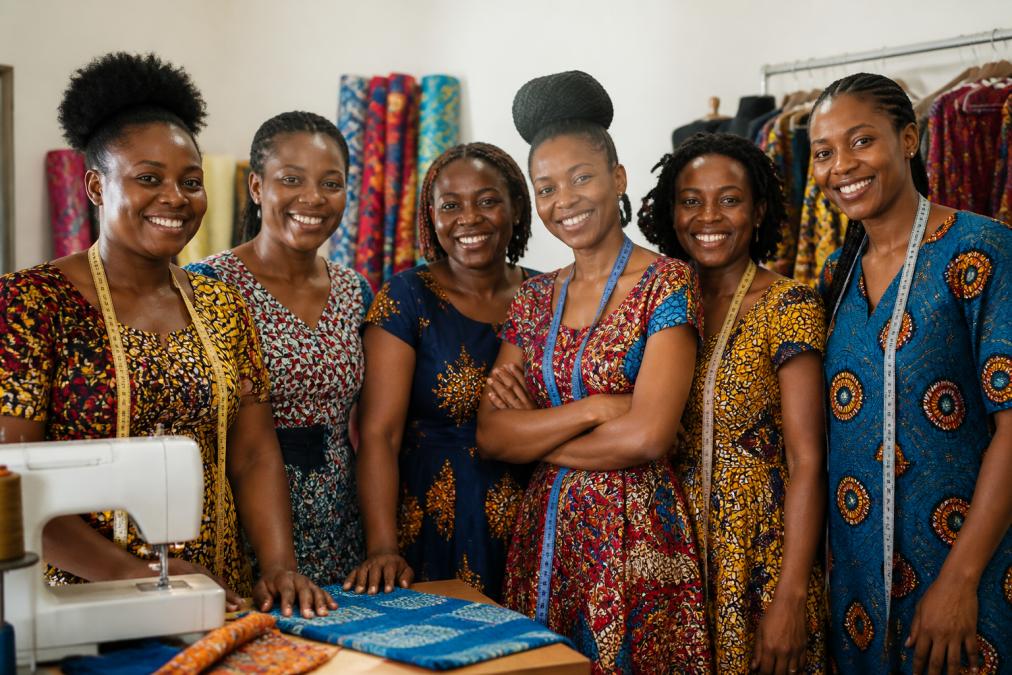
At KAHINDO, we design every piece with that statistic in mind: handcrafted occasionwear meant to be re-worn, restyled, and remembered. Below, we break down the fabrics, rental math, dress codes, and resale options that make sustainable fashion for wedding guests practical instead of aspirational.

Eco-Friendly Formal Wear Fabrics: What to Look For
The most sustainable formal wear fabrics are natural fibers (organic cotton, linen, hemp, peace silk) and recycled or low-impact options (deadstock, recycled polyester, TENCEL™ Lyocell). Certification matters more than marketing language, so look for fair trade certified and responsible sourcing labels before you buy.
Natural Fibers: Organic Cotton, Linen, Hemp, and Peace Silk
Organic cotton, linen, hemp, and peace silk biodegrade, breathe well, and hold up across seasons. Hemp and linen need less water than conventional cotton, and peace silk is harvested without harming the silkworm (thegoodtrade.com). The trade-off is wrinkle resistance. Linen creases, hemp softens slowly, and peace silk needs careful handling. For anyone building a capsule wardrobe of wardrobe staples, these fibers are the foundation.
Recycled and Low-Impact Options: Deadstock, Recycled Polyester, and TENCEL™ Lyocell
Deadstock fabric is surplus textile that would otherwise be discarded, and recycled polyester diverts plastic bottles from landfills. TENCEL™ Lyocell, made from wood pulp in a closed-loop system, drapes like silk with a fraction of the water use. Low-impact dyes and slow-bath dyeing, the technique behind KAHINDO's hand-dyed Adire prints, produce unique gradients that cannot be replicated. The trade-off: limited runs and longer lead times.
| Fabric | Best For | Key Trade-Off |
|---|---|---|
| Organic cotton | Breathable midi dresses | Wrinkles easily |
| Linen | Summer cocktail attire | Creases visibly |
| Hemp | Structured pieces | Softens over time |
| Peace silk | Black tie optional | Delicate care |
| Deadstock | One-of-a-kind prints | Limited stock |
| TENCEL™ Lyocell | Fluid draping | Higher price point |
Renting vs Buying Wedding Guest Outfits: Which Makes Sense
Renting wins for one-off black-tie events where you will never wear the piece again. Buying wins when the garment can be restyled across at least three occasions. That is the entire decision, and most guests get it backward by renting the pieces they could actually re-wear.
When Renting Works and When It Doesn't
Rental makes sense for a strict dress code you will not encounter again within a year, or a trend-driven silhouette you would not commit to. It falls apart when you factor in fit risk, cleaning fees, and shipping windows. If the rental arrives two days before the event and the fit is off, you have no backup.
The Cost-Per-Wear Case for Buying Ethically Made Pieces
Cost-per-wear is the price of a garment divided by the number of times you wear it. A $75 dress worn eight times costs $9.38 per wear. A $150 rental worn once costs $150 per wear. KAHINDO's hand-dyed Adire cotton midi dress, for example, works for a summer wedding, a rehearsal dinner, and a garden party, which is exactly the math that makes ethical production the better investment.
How to Style Sustainable Occasionwear for Every Dress Code
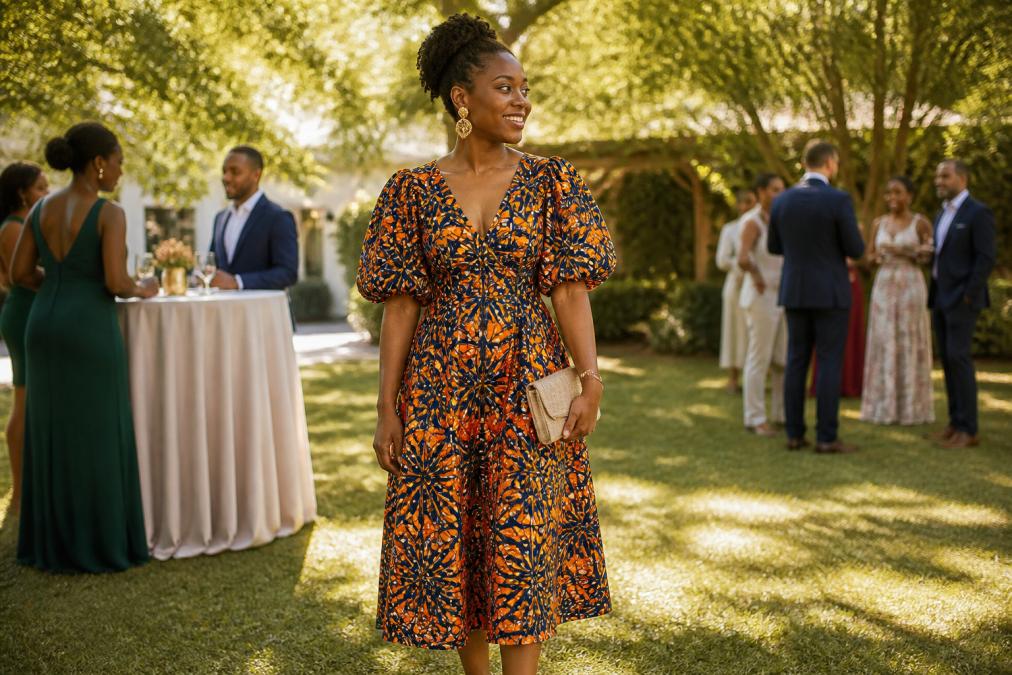
The trick to styling sustainable occasionwear is treating one statement piece as the anchor and letting accessories and layering do the dress-code work. A single dress can read cocktail, black tie optional, or garden formal depending on how you build around it.
Cocktail Attire and Black Tie Optional
Cocktail attire calls for a midi or knee-length dress with polished accessories. Black tie optional means you can wear a floor-length gown or a refined midi with elevated jewelry and a structured clutch. A wrap or open-back silhouette, like KAHINDO's viscose wrap midi, adapts to both because the fabric drapes formally while staying comfortable.

Capsule Wardrobe Integration and Versatile Styling
Capsule wardrobe integration means every occasion piece earns its place by working across at least three outfits. Pair a printed midi with a tailored blazer for a rehearsal dinner, wear it alone for the wedding, then add a denim jacket and flats for brunch the next morning. Versatile styling is the difference between a garment that lives in your closet and one that lives in your life.
Second-Hand and Resale Platforms for Sustainable Wedding Guest Fashion
Second-hand and resale platforms are the fastest route to sustainable formal wear without paying full retail, and they are the single biggest gap in most wedding guest guides, which default to new-retail affiliate lists. Resale keeps garments in circulation, which is the core of circular fashion and a direct answer to the 68% of single-use outfits that go unworn (thredup.com).
Where to Source Sustainable Formal Wear Second-Hand
Different platforms reward different shopping styles:
- General resale marketplaces (Poshmark, Mercari, eBay) carry the widest inventory and the deepest discounts, but you are buying from individuals, so listings vary wildly in photo quality and measurement detail.
- Curated and consignment resale (The RealReal, Vestiaire Collective, ThredUp) authenticate higher-end labels and often provide standardized condition grades, which matters for silk, wool, and structured tailoring.
- Peer rental and clothing-swap apps (Pickle, By Rotation in select markets) let you borrow a piece for a single event without owning it, which is the closest resale equivalent to rental.
- Local consignment and charity shops remain the lowest-cost option and the only one where you can inspect fabric hand-feel and stitching in person before buying.
How to Search Resale Like a Stylist
Generic searches return generic results. Instead:
- Search by fabric, not by style. Queries like "100% silk midi," "linen maxi dress," or "wool blazer" surface pieces that will actually hold up, and they filter out the polyester blends that dominate fast-fashion resale listings.
- Search by certification and label. Terms like "GOTS," "Fair Trade Certified," "deadstock," and specific ethical brands narrow the field to pieces with verifiable supply chains.
- Set saved searches with size and color filters so new listings land in your feed the day they post. Popular sizes and neutral colors sell within hours.
- Check measurements against your own body, not the tag. A "size 8" from one label can match a "size 12" from another. Ask the seller for flat-lay measurements (bust, waist, hip, length) and compare them to a garment you already own and love.
Resale Pitfalls Specific to Wedding Guest Attire
- Alteration history. Formal wear is frequently hemmed or taken in. Ask directly whether the piece has been altered, and request a photo of the original hem if the seller is unsure.
- Stock photos vs. actual garment. Listings that use only brand stock images hide stains, pilling, and fading. Always request a real photo in natural light.
- Dry-cleaning and odor. Vintage formal wear sometimes carries perfume or storage odor that does not lift with one cleaning. Ask about storage conditions.
- Return policies. Many peer-to-peer platforms are final sale. Confirm the return window before you commit, especially for a piece you cannot try on first.
The Circular-Care Habit After the Event
Resale is not only a sourcing channel; it is an exit strategy. If a piece does not earn a permanent place in your closet after the wedding, relisting it on the same platform keeps it in circulation and recovers part of your cost. That closed loop, buy second-hand, wear, relist, is what separates circular fashion from a one-time bargain.
Men's and Gender-Neutral Sustainable Wedding Guest Options
Men's and gender-neutral sustainable options are the most underserved category in wedding guest fashion, and the gap is widening as more couples plan inclusive celebrations. Nearly every ranking guide treats "wedding guest outfit" as a synonym for "dress," which leaves a large share of guests without real guidance. This section fills that gap.
Sustainable Fabrics for Suiting and Tailored Looks
The same fiber logic that applies to dresses applies to suits, with a few adjustments:
- Hemp-blend suiting drapes with structure, resists wrinkling better than pure linen, and softens with wear. It is the strongest natural-fiber alternative to conventional wool for warm-weather weddings.
- Recycled and deadstock wool gives you the hand and drape of traditional tailoring without new fiber production. Deadstock wool blazers are often one-of-a-kind because the mill run is finite.
- Organic cotton shirting is the workhorse layer. Look for GOTS certification to confirm the fiber is genuinely organic rather than a marketing claim.
- TENCEL™ Lyocell blends work well for warm-weather trousers and unstructured jackets because they breathe and resist creasing.
- Peace silk and linen appear in gender-neutral vests, overshirts, and wide-leg trousers, offering formal texture without the weight of traditional suiting.
Silhouettes That Read Formal Without Defaulting to a Gown or a Standard Suit
- Tailored vest over a fluid trouser. A structured vest in a hand-dyed or printed fabric reads formal and photographs well, and it works across body types and gender presentations. KAHINDO's Adire print cotton vest, cut from hand-dyed fabric, is built for exactly this layering role.
- Wide-leg trousers with a matching overshirt. A tonal set in linen or hemp-blend reads as a modern alternative to a two-piece suit and can be broken apart for everyday wear afterward.
- Jumpsuits in structured fabrics. A well-cut jumpsuit in deadstock wool or hemp blend satisfies cocktail and black-tie-optional dress codes and avoids the gown-or-suit binary entirely.
- Unstructured blazers over a midi or maxi skirt. This combination works for guests who want tailoring without a full suit, and the blazer restyles easily for work.
Dress-Code Translation for Non-Dress Options
- Cocktail: a tailored vest with wide-leg trousers, or a structured jumpsuit with polished loafers or heeled boots.
- Black tie optional: a deadstock wool blazer over a fluid trouser in a dark tone, or a floor-length jumpsuit with elevated jewelry.
- Garden or semi-formal: a hemp-blend overshirt and matching trouser in a lighter color, worn open over a plain organic cotton tee.
- Beach or destination: linen trousers and a peace silk or linen vest, no jacket required.
Sizing and Fit Considerations
Sustainable suiting and gender-neutral formal wear are still catching up on size range. A few practical workarounds:
- Buy to the largest measurement and tailor down. Hemp and wool blends take alterations well, and a good tailor can reshape shoulders and taper legs.
- Prioritize adjustable closures. Drawstring waists, side tabs, and wrap-style vests accommodate more body types than fixed waistbands.
- Ask brands about extended sizing directly. Many small ethical labels produce in limited runs and will cut a size on request; it never hurts to email before ordering.
Conclusion
The hardest part of dressing for a wedding is resisting the one-wear mindset that produces 87% single-use purchases. Choosing fabrics that biodegrade, calculating cost-per-wear before renting, and building around pieces you can restyle solves most of it. KAHINDO designs handcrafted occasionwear with fair-trade production, original African-inspired prints, and a provenance card documenting the artisan behind each piece, so your wedding guest look carries a story worth re-wearing. Shop the Blue Ombré collection and dress for the celebration, not the landfill.
Frequently Asked Questions
What are the best brands for sustainable wedding guest dresses?
Look for brands that prioritize supply chain transparency and ethical production. KAHINDO designs occasionwear handcrafted by female artisans in Kenya through fair trade practices, with pieces ranging from $55 to $80. Each garment includes a provenance card documenting the artisan and labor hours. Other factors to check include eco-certified textiles, low-impact dyes, and whether the brand publishes information about its factories and labor standards. Brands that treat African provenance as a primary luxury asset rather than a marketing footnote tend to offer the most authentic sustainable options.
What fabrics should I look for in sustainable occasionwear?
Prioritize organic cotton, linen, hemp, TENCEL™ Lyocell, peace silk, and responsibly sourced wool. These fibers biodegrade more readily and use less water and chemicals than conventional alternatives. For formal wear, viscose and rayon blends offer a silky drape that works for cocktail and semi-formal dress codes. Recycled polyester and deadstock fabric are strong choices when you need structure or stain resistance. Avoid fabrics with unclear origins or those treated with heavy chemical finishes, and always check whether the brand uses low-impact dyes.
Is renting a dress more sustainable than buying new?
Renting reduces immediate waste because one garment serves multiple wearers, but it isn't automatically the greener choice. Rental services rely on dry cleaning between wears, which uses solvents and energy, and shipping adds emissions. Buying a well-made piece you'll wear repeatedly often wins on cost-per-wear. ThredUp's 2026 data shows 68% of single-use wedding guest outfits remain unworn in closets after the event. A hybrid approach works best: rent for one-off black-tie events, buy for weddings and galas where you'll rewear the piece.
How do I style a sustainable outfit for a black-tie wedding?
Start with a floor-length or midi dress in a rich, dark hue or a bold artisan print that reads as formal. Add structure with a tailored wrap or vest layered over the dress, and choose accessories made from recycled metals or upcycled materials. For black-tie optional, a fully lined midi dress in a polished fabric works well. Keep the silhouette clean and let the textile artistry carry the look. KAHINDO's Casablanca Dress, a viscose wrap with an open back, fits cocktail and summer wedding dress codes at $80.
How can I verify that a brand's fair-trade claims are real?
Look for third-party certifications such as Fair Trade Certified, and check whether the brand names its factories or artisan cooperatives. KAHINDO includes a provenance card with each garment documenting the artisan and labor hours, which gives you a paper trail. Brands that publish supply chain transparency reports or partner with recognized certifying bodies are more credible than those using vague language like 'ethically inspired.' When in doubt, contact the brand directly and ask where and by whom the garment was made.