




Is Zara Ethical Now? 2026 Reality Check
Table of Contents
- Is Zara Ethical? The Verdict
- Environmental Impact and Carbon Emissions
- Labor Practices and Worker Rights
- Supply Chain Transparency and Auditing
- Fast Fashion vs Ethical Fashion: Why Zara's Model Matters
- How to Identify Ethical Clothing Brands
- Sustainable Fashion Brands for Women: Alternatives to Fast Fashion
- Conclusion: What Zara's Ethics Mean for Your Choices
- Frequently Asked Questions
Last Updated: September 1, 2026
Is Zara Ethical? The Verdict
Is Zara ethical now? The short answer: no, not substantially. Despite ambitious sustainability commitments and recycling initiatives, Zara's fast fashion business model fundamentally contradicts ethical production. The brand produces over 450 million garments annually, designs new collections every two weeks, and relies on rapid global logistics that generate enormous environmental and social costs. According to Good On You's ethical rating system, Zara scores "It's a Start" overall, a middling rating that acknowledges some progress while highlighting persistent failures in labor practices, environmental impact, and supply chain transparency.
The disconnect between Zara's public sustainability goals and its actual performance is striking. Inditex, Zara's parent company, committed to a 30% emissions reduction by 2030 and carbon neutrality by 2040, approved by the Science Based Targets initiative. Yet SustainabilityTracker.com's 2026 analysis reveals that transport emissions rose 10% in 2024 alone, driven by increased reliance on air freight from Asian factories to the Spanish logistics hub. This trend directly contradicts the company's stated environmental goals.
What makes Zara's ethical standing so complicated is that the brand has genuinely implemented some programs, water-efficient dyeing processes, a garment recycling platform, organic cotton collections. But these initiatives exist at the margins of a business fundamentally built on overproduction, rapid consumption, and disposability. It's the difference between a company making a genuine transition and one applying green paint to a broken system.
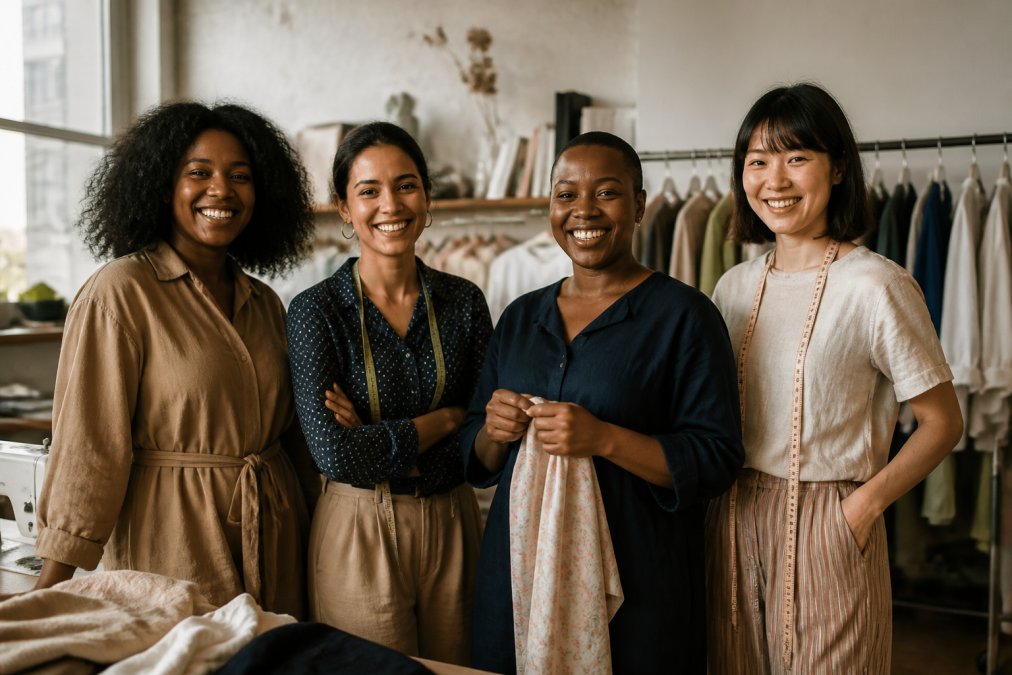
This guide from KAHINDO explores what the 2026 data actually shows about Zara's ethics, where the brand falls short, and what truly ethical alternatives look like for women seeking occasion wear without compromising values.
Environmental Impact and Carbon Emissions
Transport and distribution account for approximately 20% of Zara's total climate footprint, making logistics the second-largest environmental burden after raw material production. This figure matters because it reveals a structural problem: Zara's competitive advantage depends on moving clothes from factories in Asia to stores globally in weeks, not months. That speed requires air freight, which is catastrophically carbon-intensive.
The numbers are sobering. Inditex reported total emissions of 13,920,988 tons CO2e in 2024, making it one of the highest-emitting apparel companies globally. Despite pledging to reduce emissions by 50% by 2030, the company has reduced only 1% of Scope 3 emissions (supply chain and distribution) since 2018, against a 51% target by 2030. That gap signals a company far off track on its most ambitious promise.
Where Zara has made measurable progress: water efficiency in wet processes like dyeing and washing improved by 26% compared to 2020. The company also committed to 100% renewable energy in facilities by 2030. These are real improvements, but they address only a fraction of the environmental damage. Renewable energy in warehouses doesn't solve the core problem, that the business model itself generates waste at scale.
The fast fashion cycle creates a hidden environmental cost most consumers don't see. When Zara restocks stores every two weeks with new designs, unsold inventory becomes waste. The company produces 450 million garments annually; even a 10% overproduction rate means 45 million unwanted pieces per year. Many end up in landfills or incinerated, negating any benefit from water-efficient dyeing processes.
| Environmental Metric | Zara's Status | Industry Context |
|---|---|---|
| Annual production volume | 450 million garments | Among highest globally |
| Transport emissions trend (2024) | Up 10% | Worsening trajectory |
| Water reduction (dyeing/washing) | 26% vs. 2020 | Positive but limited scope |
| Scope 3 emissions progress | 1% reduction vs. 51% target | Severely behind schedule |
| Renewable energy commitment | 100% by 2030 | Goal-oriented but unverified |
Labor Practices and Worker Rights
Worker exploitation in Zara's supply chain remains the most damning ethical failure. Investigations in 2024 and 2025 by the Clean Clothes Campaign revealed allegations of low wages, poor working conditions, and labor rights violations in production hubs across Spain and Brazil. These aren't isolated incidents, they reflect systemic pressure on suppliers to meet Zara's two-week restock deadlines at minimal cost.
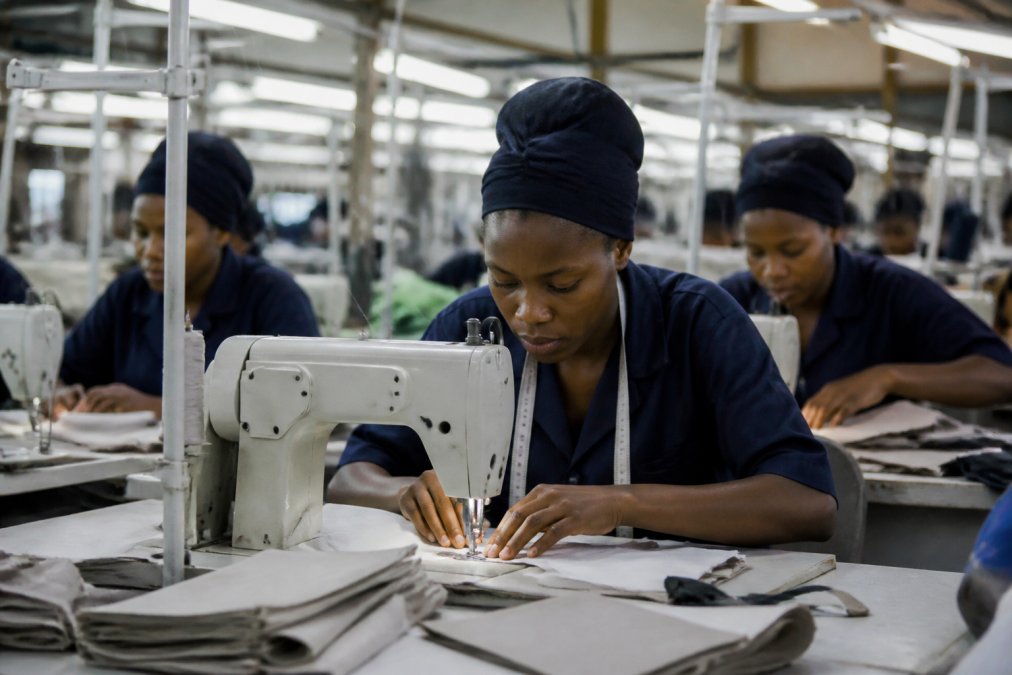
The wage issue is particularly stark. As of January 2026, Good On You's assessment noted that Zara "has made barely any advancements on payment across their supply chain, which means that their workers are not making a living wage." A living wage, the income needed to meet basic needs, remains absent for most garment workers producing Zara clothing. This isn't a minor oversight; it's a foundational ethical failure that undermines every sustainability initiative the brand advertises.
Transparency compounds the problem. Zara publishes sustainability goals but lacks detailed supply chain auditing and third-party verification. Workers lack effective grievance mechanisms, and the company has not demonstrated meaningful due diligence in investigating human rights violations. The absence of independent audits creates an accountability vacuum where worker protections can be promised but not verified.
In November 2025, trade unions across Europe organized rallies demanding fairer profit-sharing for Zara workers, signaling that labor conditions remain unacceptable despite the brand's public commitments. The company's response has been muted, suggesting labor justice is not a priority.
Supply Chain Transparency and Auditing
Transparency is where Zara's ethical performance truly collapses. The brand publishes sustainability reports and goals, but these documents lack the specificity and independent verification that would make them credible. Zara does not provide detailed factory lists, worker wage data, or third-party audit results, the baseline requirements for genuine accountability.
This opacity creates space for greenwashing. Zara's "Join Life" collection, featuring organic cotton and recycled polyester, represents a small fraction of total production. The brand markets these items as evidence of ethical commitment while 99% of production follows conventional, resource-intensive processes. Calling this a sustainability strategy is misleading.
The Xinjiang cotton issue illustrates the transparency failure. As of January 2026, Good On You's findings stated that Zara "has not taken sufficient steps to remediate its links to cotton sourced from Xinjiang, a region at risk of Uyghur forced labour." The Canadian Ombudsperson for Responsible Enterprise launched an investigation into Zara Canada over these allegations. The company has not publicly disclosed concrete steps to sever ties with potentially exploitative supply chains.
Supply chain traceability, knowing exactly where materials come from and who made them, is absent. Zara's business model doesn't require it; the company prioritizes speed over accountability. This structural choice makes ethical production impossible at scale.
Fast Fashion vs Ethical Fashion: Why Zara's Model Matters
The core problem isn't Zara's specific practices; it's the fast fashion business model itself. Designing, manufacturing, and distributing new clothing lines every two weeks, with restocking every 14 days, creates inherent contradictions with ethical production.
Ethical fashion requires time: time for fair wages to be negotiated, time for supply chains to be audited, time for workers to have stable employment, time for materials to be sourced responsibly. Fast fashion obliterates time. It replaces it with urgency, pressure, and cost-cutting that inevitably harm workers and the environment.
The numbers make this clear. Zara's 450 million annual garments require constant sourcing pressure, supplier switching, and labor exploitation to maintain profitability. A brand committed to living wages and environmental stewardship would produce far fewer pieces, at higher prices, with longer design-to-retail cycles. That's not Zara's model.
Conscious Spend gave Zara an "F" overall grade for sustainability, human impact, and transparency in 2026, rating the brand "Critical" in human impact. This assessment reflects the reality: no amount of recycling programs or organic cotton collections can offset the damage of a fast fashion system.
The contrast with slow fashion is instructive. Brands like KAHINDO, which handcrafts occasion wear with female artisans in Kenya, produce limited quantities, ensure fair wages through direct relationships, and maintain complete supply chain transparency. Every piece includes a provenance card documenting the artisan and labor hours. This is the opposite of Zara's anonymous, volume-driven model.
How to Identify Ethical Clothing Brands
Evaluating ethical fashion requires looking beyond marketing claims to structural evidence. Here are the markers of genuinely ethical brands:
Living Wages: Ethical brands publicly commit to and verify living wages for all workers. They don't hide wage data or use opacity as cover. Ask for evidence, not promises.
Supply Chain Transparency: Ethical brands name their factories, disclose worker wages, and submit to third-party audits. If a brand won't tell you where clothing is made or by whom, that's a red flag.
Limited Production Volume: Ethical brands produce fewer pieces, which allows for quality control, worker dignity, and environmental responsibility. High-volume production is structurally incompatible with ethics.
Slow Cycles: New collections arrive seasonally, not weekly. Restocking happens monthly or quarterly, not bi-weekly. This pace allows for proper supply chain management and worker stability.
Third-Party Certification: Look for Fair Trade Certified, B Corp certification, or ratings from independent assessors like Good On You. These require external verification, not self-reporting.
Provenance Documentation: Ethical brands tell you who made your garment. KAHINDO includes a provenance card with each piece, documenting the artisan and labor hours. This transparency builds accountability.
Pricing That Reflects Reality: Ethical clothing costs more because it pays workers fairly and uses quality materials. If a brand's prices seem too low, workers are likely underpaid.
Durability and Longevity: Ethical brands design pieces meant to last years, not seasons. Fast fashion encourages replacement; ethical fashion encourages care and repair.
Sustainable Fashion Brands for Women: Alternatives to Fast Fashion
For women seeking occasion wear without the ethical compromises of fast fashion, several brands offer genuine alternatives. These companies prioritize transparency, fair wages, and quality craftsmanship.
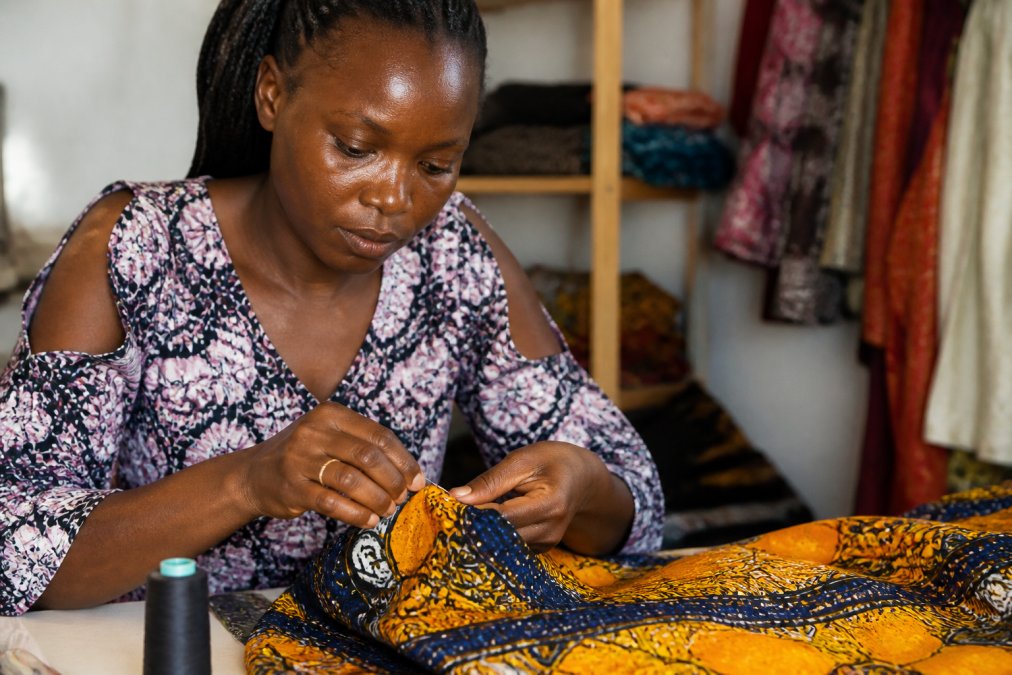
KAHINDO stands out as a luxury occasion wear brand designed for weddings, galas, and celebrations. Every piece is handcrafted by female artisans in a Nairobi cooperative, ensuring fair wages and economic empowerment. The brand's collections feature original prints rooted in Congolese textile traditions, slow-bath dyeing for unique gradients, and complete supply chain transparency. Each garment includes a provenance card documenting the artisan and labor hours. For women seeking wedding guest dresses, bridesmaid gowns, or eveningwear that reflects their values, KAHINDO offers distinctive, responsibly made pieces. The Sade Jumper ($280.00), Mali Dress ($80.00), and 100% Viscose Midi Dress ($65.00) exemplify the brand's commitment to handcrafted quality and ethical production.

Reformation produces trendy, contemporary clothing with a focus on sustainable materials and transparent manufacturing. The brand publishes factory information and environmental impact data, though critics argue the fast-fashion pace undermines these efforts.
Patagonia prioritizes durability and environmental stewardship, with a strong commitment to fair labor practices and supply chain transparency. Their clothing is designed to last, reducing consumption and waste.
Everlane emphasizes radical transparency, publishing factory names, worker wages, and production costs. While not perfect, the brand's commitment to disclosure sets a standard for accountability.
Stella McCartney designs luxury fashion without animal products, with a focus on sustainable materials and ethical manufacturing. The brand's higher price point reflects genuine quality and fair labor practices.
Each of these brands shares a commitment to transparency, fair wages, and quality that Zara structurally cannot achieve within its fast fashion model.
Conclusion: What Zara's Ethics Mean for Your Choices
Zara is not an ethical brand, despite its sustainability initiatives and public commitments. The fast fashion business model, rapid production, constant restocking, global logistics, and volume-driven profitability, is fundamentally incompatible with ethical production. Transport emissions are rising, worker wages remain below living standards, supply chains lack transparency, and the company is severely behind on its emissions reduction targets.
This matters for your choices because every purchase is a vote for the system you're supporting. Buying from Zara means accepting the trade-offs: cheaper prices in exchange for worker exploitation, environmental damage, and supply chain opacity.
If you care about ethical fashion, KAHINDO offers a genuine alternative for occasion wear. Handcrafted by female artisans in Kenya with fair-trade practices ensuring living wages, every piece comes with complete transparency about who made it and how long it took. The brand's commitment to artisan empowerment and supply chain accountability is foundational, not a marketing add-on. Shop KAHINDO's occasion wear and wear fashion that truly does good.
=== FAQ ANSWERS (audit these too, same rules) ===
[1] Q: Is Zara ethical or unethical? A: Zara's ethics are mixed. Good On You rates it 'It's a Start' overall (3/5 for Planet, 3/5 for People, 2/5 for Animals as of January 2026). The brand has made efforts like its Join Life collection and Pre-Owned platform, but faces significant criticism: workers lack living wages, transport emissions rose 10% in 2024, and only 1% of Scope 3 emissions have been reduced since 2018 against a 51% target by 2030. Independent assessors flag greenwashing concerns given Zara's fast fashion model produces 450 million garments annually.
[2] Q: What are the main criticisms of Zara's supply chain? A: Zara's supply chain faces multiple criticisms: cotton linked to illegal deforestation in Brazil, insufficient action on Xinjiang-sourced cotton risks, lack of living wages for garment workers, poor transparency regarding third-party auditing, and allegations of labor exploitation in production hubs. Good On You notes Zara 'has not taken sufficient steps to remediate its links to cotton sourced from Xinjiang.' The Canadian Ombudsperson for Responsible Enterprise launched an investigation into Zara Canada regarding forced labor concerns.
[3] Q: How can I identify ethical clothing brands and verify their claims? A: Look for third-party certifications like Fair Trade Certified, B Corp status, or ratings from Good On You. Check if brands publish detailed supply chain transparency reports, disclose factory locations, and commit to living wages (not just minimum wage). Verify claims through independent audits, not marketing alone. Ask whether the brand traces raw materials, uses sustainable dyeing processes, and provides worker grievance mechanisms. Brands like KAHINDO document artisan origins on each garment's provenance card, enabling direct verification of ethical production.
[4] Q: Is Zara still considered fast fashion? A: Yes. Zara's business model remains fast fashion: it designs, manufactures, and distributes new collections within four to five weeks, restocking stores every two weeks. This rapid cycle produces 450 million garments annually, driving resource consumption and waste. Critics argue this model is structurally incompatible with genuine sustainability, regardless of initiatives like Join Life. Even sustainability researchers and Gen Z consumers identify Zara as fast fashion, meaning its environmental and social footprint is inherent to how it operates, not just its supply chain choices.
Frequently Asked Questions
Is Zara ethical or unethical?
Zara's ethics are mixed. Good On You rates it 'It's a Start' overall (3/5 for Planet, 3/5 for People, 2/5 for Animals as of January 2026). The brand has made efforts like its Join Life collection and Pre-Owned platform, but faces significant criticism: workers lack living wages, transport emissions rose 10% in 2024, and only 1% of Scope 3 emissions have been reduced since 2018 against a 51% target by 2030. Independent assessors flag greenwashing concerns given Zara's fast fashion model produces 450 million garments annually.
What are the main criticisms of Zara's supply chain?
Zara's supply chain faces multiple criticisms: cotton linked to illegal deforestation in Brazil, insufficient action on Xinjiang-sourced cotton risks, lack of living wages for garment workers, poor transparency regarding third-party auditing, and allegations of labor exploitation in production hubs. Good On You notes Zara 'has not taken sufficient steps to remediate its links to cotton sourced from Xinjiang.' The Canadian Ombudsperson for Responsible Enterprise launched an investigation into Zara Canada regarding forced labor concerns.
How can I identify ethical clothing brands and verify their claims?
Look for third-party certifications like Fair Trade Certified, B Corp status, or ratings from Good On You. Check if brands publish detailed supply chain transparency reports, disclose factory locations, and commit to living wages (not just minimum wage). Verify claims through independent audits, not marketing alone. Ask whether the brand traces raw materials, uses sustainable dyeing processes, and provides worker grievance mechanisms. Brands like KAHINDO document artisan origins on each garment's provenance card, enabling direct verification of ethical production.
Is Zara still considered fast fashion?
Yes. Zara's business model remains fast fashion: it designs, manufactures, and distributes new collections within four to five weeks, restocking stores every two weeks. This rapid cycle produces 450 million garments annually, driving resource consumption and waste. Critics argue this model is structurally incompatible with genuine sustainability, regardless of initiatives like Join Life. Even sustainability researchers and Gen Z consumers identify Zara as fast fashion, meaning its environmental and social footprint is inherent to how it operates, not just its supply chain choices.
The choice between fast fashion and ethical alternatives is ultimately a choice about what you value: convenience and low prices, or transparency, fair wages, and environmental stewardship. Zara's 2026 performance shows that the brand has chosen speed and profit over genuine ethics. The sustainable fashion brands that lead the industry have made a different choice, and the evidence is visible in their supply chains, their worker wages, and their commitment to accountability.
This article was written using GrandRanker