

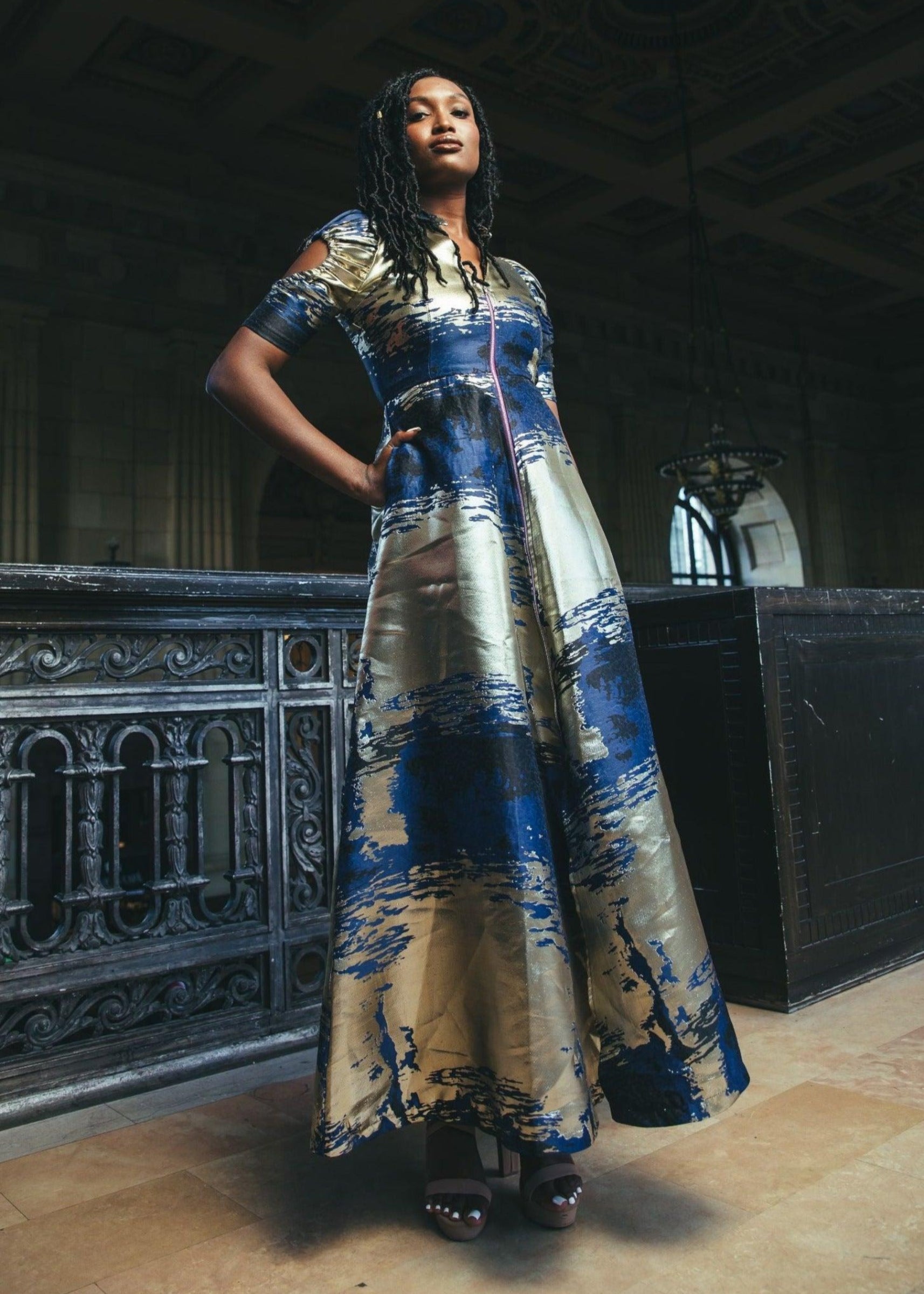

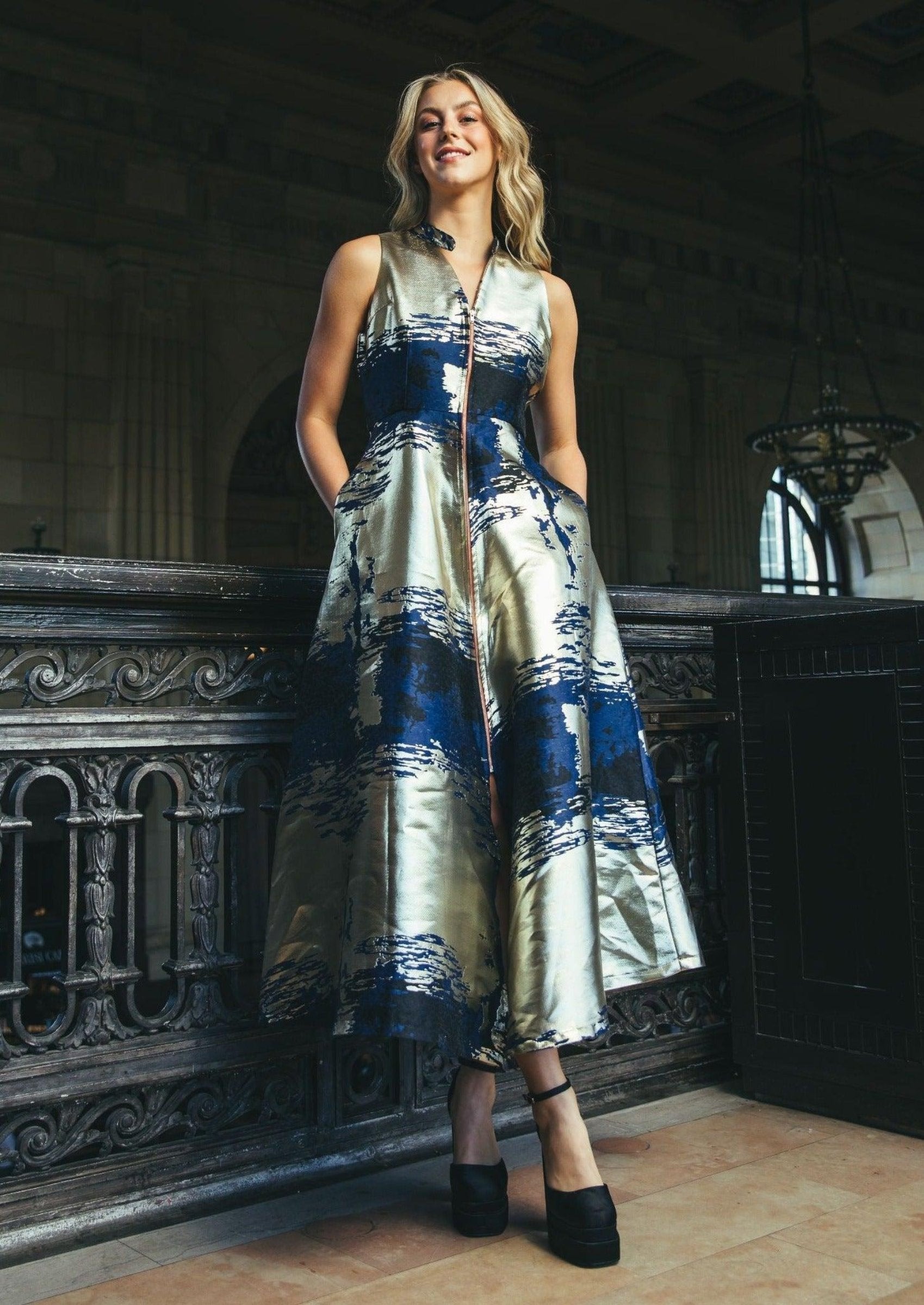
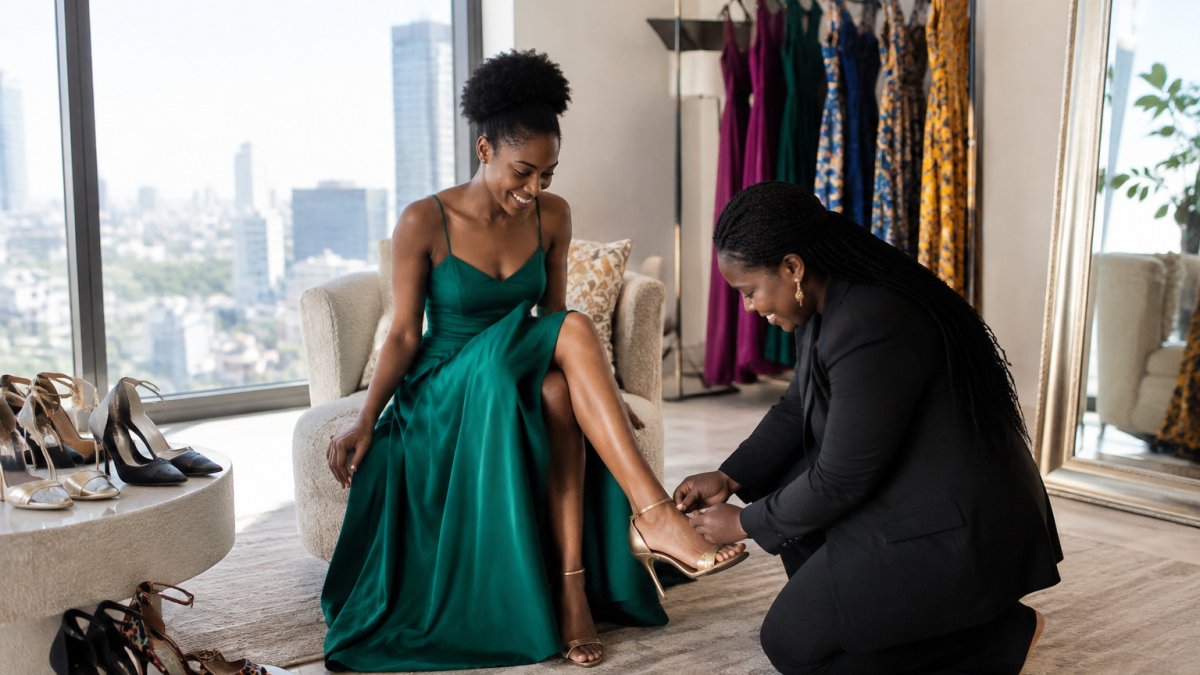
How to Match Gala Shoes to a Floor-Length Dress
Quick Summary
The best gala footwear for a floor-length dress is chosen by first testing the hem with the exact shoes you plan to wear, since the shoe changes the hem length. Match the heel height to the gown silhouette, pick a shoe you can walk in for the whole event, and coordinate the shoe finish with the gown fabric.
- Test the gown hem with the actual shoes on a hard, flat floor before buying.
- Fitted or column gowns suit a pointed pump of three to four inches.
- A-line or ball gowns often pair well with a block heel or dressy flat.
- Choose a block heel or cushioned insole for events lasting four hours or more.
- Keep a second pair of flats in a bag for dancing and changing shoes.
Table of Contents
- Step 1: Measure Your Hem Length and Your Shoe Clearance
- Step 2: Choose a Heel Height That Suits the Gown Silhouette
- Step 3: Pick Comfortable Shoes for an Evening Gown
- Step 4: Explore Shoes to Wear With Dresses Besides Heels
- Step 5: Coordinate Color, Material and Embellishment
- Common Mistakes to Avoid When Matching Gala Footwear
- Booking Your Fitting and Choosing Your Gala Look With KAHINDO
- Frequently Asked Questions
Step 1: Measure Your Hem Length and Your Shoe Clearance
Start with the hem, not the shoe. A floor-length gown hides most gala footwear, so you need to know exactly where the fabric falls before you shop for anything. Most shoppers who buy the wrong pair skip this step entirely, and then discover at the fitting that the gown was hemmed for a heel height they no longer plan to wear.
Test the gown with the actual shoes, not a stand-in
A common mistake is testing a gown in socks or in a random pair of heels. The shoe you wear changes the hem by half an inch or more, which is enough to make a sweep-length gown pool on the floor or hover above your toes. Put on the exact pair you intend to wear, or a pair with the same heel height and toe shape, before you judge anything.
Stand on a hard, flat floor, not carpet. Carpet compresses under the gown and gives a false reading. Have someone check the hem from the front, back and both sides, and mark where the fabric touches the floor with painter's tape. A practical test takes about ten minutes:
- Wear the actual shoes you plan to use, or the closest match in heel height and toe box
- Stand still first and note the clearance between the hem and the floor at the front, sides and back
- Walk slowly for several steps, watching how the hem moves at each stride
- Sit down in a chair and check whether the hem lifts enough to expose the shoe, and whether the toe box or ankle strap catches the fabric
- Check the back where a train or sweep may drag, since that is where a too-long hem causes trips
If the hem brushes your toes at every step, you have three options: choose a taller shoe, have the hem tailored, or pick a different pair entirely. Decide which before you buy, because a hem alteration is far cheaper than a gown that never gets worn.
Decide when the gown needs alterations
A true floor-length gown, often called a sweep or puddle length, covers the feet almost completely. Your shoes may only show when you step forward or sit down. That is good news for flexibility: you can choose almost any shoe and still look polished. It also means the shoe you pick matters less for display than for comfort and fit.
A common pattern is that the gown is hemmed for a heel height the wearer abandons after an hour. If you plan to change into flats for dancing, test the gown in both the heel and the flat before alterations.
Watch out: a hem that is too long can catch your heel and cause a fall on a crowded dance floor.
Step 2: Choose a Heel Height That Suits the Gown Silhouette
Heel height changes how the gown moves, even when the shoe is hidden. A fitted column gown with a mermaid or trumpet flare looks best with a pointed-toe pump of three to four inches, which gives a clean leg line. A full ball gown or a soft A-line skirt often works with a lower block heel or a dressy flat because the volume of the skirt balances the proportions. A lower heel or dressy flat also leaves room for jewelry to balance the gown’s proportions, while Banabella offers a natural next step in coordinating formal accessories.
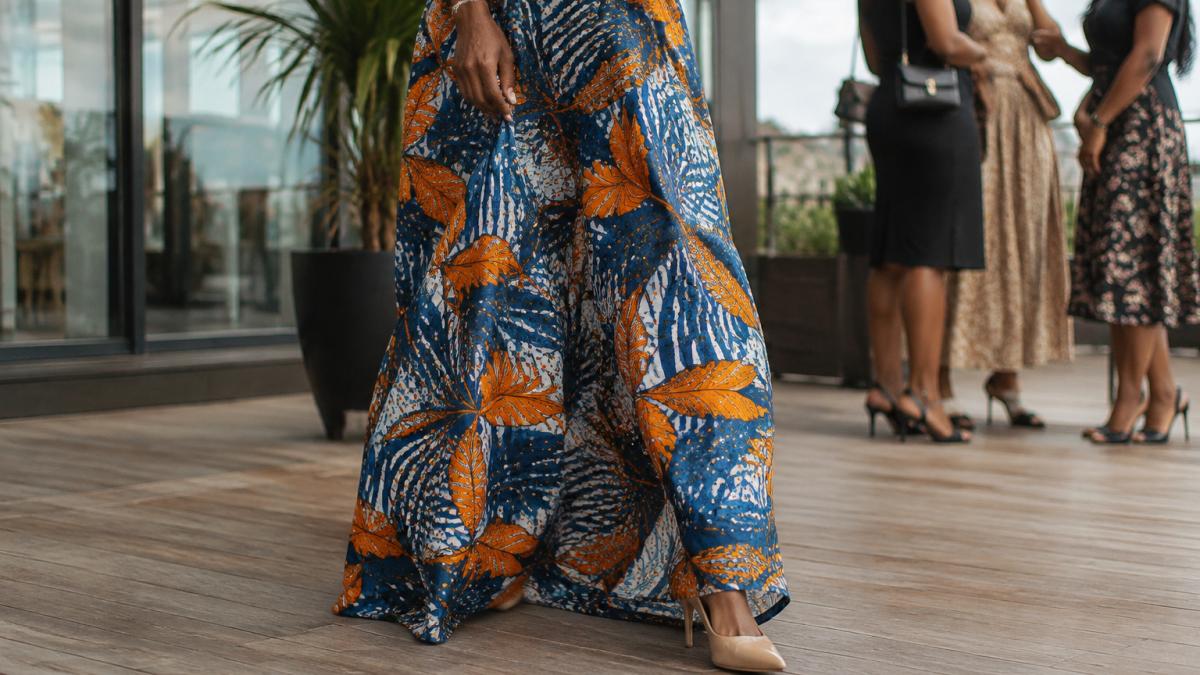
Here is a quick guide to starting points:
| Gown silhouette | Suggested heel height | Best shoe style |
|---|---|---|
| Fitted or column | 3 to 4 inches | Pointed-toe pump or slim stiletto |
| Mermaid or trumpet | 2.5 to 4 inches | Ankle-strap or closed-toe heel |
| A-line or ball gown | 0 to 3 inches | Block heel or dressy flat |
| Sheath with a sweep | 2 to 3.5 inches | Simple heeled sandal |
Suggested heel height
Heels taller than four inches can be hard to walk in for long stretches, so choose a height you can manage for the whole event.
Step 3: Pick Comfortable Shoes for an Evening Gown
Comfort decides whether you enjoy the evening. Many guests choose the most dramatic shoe, then spend the night sitting out dances. Plan for the hours you will actually stand, walk and celebrate.
Planning for event duration and venue surfaces
Think about how long you will be on your feet. A seated dinner followed by a short reception needs a different shoe than an all-night gala with dancing.
- Short events (up to 3 hours): A stiletto or pointed pump works if you can walk in it comfortably
- Long events (4 hours or more): Choose a block heel, a cushioned insole or a dressy flat
- Outdoor venues: Grass, gravel and cobblestones catch thin heels, so pick a wider heel or a platform
- Ballrooms and polished floors: Smooth surfaces can make soles slippery, so look for grip
Pack a second pair of flats in a bag or coat check. Changing shoes for dinner and dancing is a common, well-accepted habit at formal events.
Step 4: Explore Shoes to Wear With Dresses Besides Heels
Heels are not the only polished option. Dressy flats, embellished sandals and sleek loafers can all work with a floor-length gown, especially when the hem hides most of the shoe.
Consider these alternatives:
- Pointed flats in metallic or satin finishes that echo the gown's color
- Strappy sandals with a low heel for warm-weather galas
- Embellished slides for a relaxed but elegant look at a daytime wedding
- Ankle-strap flats that feel secure during dancing
A flat shoe will not change the overall line of a column gown the way a heel does. If the gown has a dramatic silhouette, keep at least a small heel to preserve the leg line.
Step 5: Coordinate Color, Material and Embellishment
Once the shape is settled, match the shoe to the gown's color and finish. The goal is not a perfect color match, it is a deliberate relationship between the shoe and the gown's fabric, sheen and embellishment. A subtle match creates a long, unbroken line, while a contrasting accent draws the eye to your feet when the hem lifts.
Match the shoe finish to the gown fabric
Fabric sheen matters more than exact color. A satin gown has a liquid, reflective surface, so a satin or metallic shoe in a related tone reads as intentional, while a matte suede shoe in the same color can look flat beside it. For a statement piece that ties into the outfit's palette, you can see the orange and pearl headband fascinator. A crepe or velvet gown absorbs light, so a patent or metallic shoe adds a useful contrast at the hem. A common pattern is to echo the gown's finish in the shoe rather than match its exact dye lot, because dye lots rarely match across fabrics.

- Satin gown: satin, metallic or patent shoe in a related tone
- Crepe or matte gown: suede, satin or a low-sheen metallic
- Velvet gown: satin or metallic shoe for contrast; avoid another heavy matte texture
- Beaded or embroidered gown: keep the shoe plain so the gown stays the focus
Coordinate metallics and neutrals without overmatching
Metallics are the most forgiving formal shoe finish because they pick up the gown's undertone. Gold shoes warm up ivory, champagne and rich jewel tones; silver and pewter cool down navy, gray and cool-toned pastels. A neutral shoe, nude, blush, taupe, works when you want the leg line to continue rather than the foot to announce itself, and it is the safest choice when the gown color is hard to match.
Overmatching is a real risk. A shoe in the exact same shade as the gown can look like a uniform rather than a choice, especially in photographs where the two surfaces catch light differently. A slight contrast, a half-shade lighter or darker, or a different finish in the same family, usually looks more intentional than a precise match.
Let embellishment set the accent budget
Treat the gown's embellishment as a budget for shine. If the gown has heavy beading, crystals or embroidery, keep the shoe simple and let the gown carry the accent. If the gown is clean and simple, an embellished shoe, a crystal-encrusted strap, a metallic heel, a jeweled buckle, adds interest without competing. Statement jewelry, such as a headpiece or earrings, can carry the accent instead of the shoe, so decide which element gets the shine before you shop.
Watch out: embellished shoes can snag a delicate hem or a beaded gown when you sit or cross your legs. Check the shoe's crystals and buckles against the gown's fabric before the event, and choose a smooth-lined shoe if the gown has a fragile sweep.
Common Mistakes to Avoid When Matching Gala Footwear
Most mismatches come from a few predictable errors. Avoid these:
- Buying shoes before measuring the hem. Always check length first
- Choosing a heel you cannot walk in. Comfort shows in your posture
- Ignoring the venue surface. Thin heels can sink into grass or lodge in cracks
- Overmatching the color. A slight contrast often looks more intentional
- Forgetting to test the pair with the gown. Wear both together before the event
Watch out: new shoes often pinch on the first wear. Break them in at home for several hours before your event to avoid blisters.
Booking Your Fitting and Choosing Your Gala Look With KAHINDO
Once you know your hem length and heel height, a fitting helps confirm the final look. Pricing depends on the style, fabric and customization you choose, so check the current collection and details on kahindo.com for exact prices, or contact the team for a quote. For a complete look, you can also explore the statement earrings and accessories that coordinate with bold gowns.

For guidance on pairing a gown with footwear and accessories, the styling statement pieces for galas guide covers how to balance a full look. You may also want to review artisan-made evening wear options if you prefer flat or alternative footwear with your gown.
Frequently Asked Questions
What shoes should you wear with a floor-length formal dress?
Choose a shoe that matches the dress's formality and comfort needs. Pointed-toe pumps and slim heels suit most floor-length gowns, while embellished or metallic flats work for a relaxed gala. Because a full-length hem usually covers the shoe, focus on fit, heel clearance and a finish that suits the fabric rather than on visibility. Test your choice by walking the length of the room in the dress before the event.
How high should heels be with a floor-length gown?
A mid-height heel of roughly 2 to 3 inches is a practical default for a floor-length gown because it keeps you steady on long events while still giving the leg line some lift. Higher heels can work with a fitted gown that sits well clear of the floor, but a higher heel makes a sweeping hem more likely to catch. Always check heel clearance by walking in the gown with your planned shoes on.
Can you wear flats with a gala dress?
Yes. Dressy flats, embellished flats or flat sandals can suit a gala when the hem fully covers the shoe and the fabric is refined. Flats are especially useful for long evenings, venues with stairs or lawns, and anyone who needs comfort over height. Choose a closed or minimally strapped design with a polished finish so the shoe still reads as formal.
How can you keep a floor-length dress from dragging?
Measure the hem at home by walking in your planned shoes and noting where the fabric meets the floor. If the hem sweeps too low, ask a tailor to take it up to the height you need, keeping in mind that a slight sweep looks intentional while a dragging hem wears out quickly and catches on heels. Test the adjusted length in the same shoes you will wear on the night.