

Article: Designer Dress Rental vs. Buying: Which Is Worth It
Designer Dress Rental vs. Buying: Which Is Worth It
Table of Contents
- Designer Dress Rental vs. Buying: The Core Trade-Off
- Designer Dress Rental Cost: What You Actually Pay
- Cost Per Wear Dress Calculator: Breaking Even on Your Investment
- Designer Dress Rental Pros and Cons
- Best Investment Dresses for Weddings and Special Occasions
- Fit, Sizing, Damage Liability, and Practical Rental Risks
- Sustainability and Environmental Impact: Rental vs. Ownership
- Conclusion: When to Rent and When to Buy
- Frequently Asked Questions
Last Updated: October 6, 2026
Designer Dress Rental vs. Buying: The Core Trade-Off
The core tension is straightforward: designer dress rental lets you wear luxury for less upfront, while buying gives you ownership, flexibility, and lasting value.
At KAHINDO, we design occasion-ready dresses that women wear multiple times, pieces with enough artistry and quality that they don't feel like one-time purchases. But we also understand that not every formal event calls for ownership. Let's examine where rental and buying each make sense.
Designer Dress Rental Cost: What You Actually Pay
Rental fees vary widely depending on the dress quality and rental service model. A typical designer dress rental costs between $50 and $150 for a weekend rental, with luxury pieces commanding the higher end. Some services charge per-day rates; others offer monthly subscription models.
But the real cost extends beyond the rental fee itself. Consider these hidden expenses:
- Damage liability and cleaning deposits: Most rental services require a damage waiver or deposit, typically $20-50, protecting against stains, tears, or alterations
- Shipping costs: If you're renting from an online service, expect $15-30 for return shipping
- Alterations: Rental dresses rarely fit perfectly off-the-rack. Tailoring can cost $50-150 depending on the work needed
- Subscription fees: If you're a frequent renter, monthly subscriptions ($60-150) may apply
- Backup dress fees: If your rental doesn't arrive or doesn't fit, some services charge extra to expedite a replacement
A single rental that seems affordable at $100 can easily cost $180-250 once you factor in shipping, damage protection, and tailoring.
Cost Per Wear Dress Calculator: Breaking Even on Your Investment
The "cost per wear" metric is where the rental vs. buying decision becomes clear. This calculation divides the total cost of a dress by the number of times you'll wear it.
Here's how to use this framework:
For rental: Total cost = rental fee + shipping + alterations + damage waiver = approximately $150-250 per event
For buying: Total cost = purchase price divided by number of wears
Example scenarios:
| Scenario | Dress Cost | Wears | Cost Per Wear | Better Choice |
|---|---|---|---|---|
| Wear once, never again | $150 (rental) | 1 | $150 | Rental |
| Wear 2-3 times over 3 years | $200 (purchase) | 2.5 | $80 | Buy |
| Wear 4+ times over 5 years | $300 (purchase) | 4 | $75 | Buy |
| Wear once per year for 5 years | $250 (rental × 5) | 5 | $50 | Buy |
If you attend formal events fewer than twice per year and don't repeat outfits, rental makes financial sense. If you're someone who wears the same dress to multiple events over years, buying becomes the better investment.
Designer Dress Rental Pros and Cons
Pros of renting:
- Lower upfront cost for a single event, no commitment to ownership
- Wardrobe variety, wear a different dress to every event without storage concerns
- Trend access, wear current styles without buying pieces that may feel dated next season
- No storage burden, ideal if you live in a small space and don't want to maintain a formal wardrobe
- Reduced decision fatigue, curated selections make choosing easier than browsing thousands of options
Cons of renting:
- Fit uncertainty, rental dresses may not fit your body type perfectly, and alterations add cost and time
- Limited selection in your size, popular dresses and sizes sell out quickly
- Damage liability stress, you're responsible for keeping the dress pristine, which creates anxiety during the event
- Hidden costs compound, shipping, alterations, and damage waivers add up fast
- No emotional ownership, you can't keep a dress that made you feel beautiful
- Hygiene concerns, rental dresses are worn by multiple people; cleaning standards vary by service
Pros of buying:
- Cost per wear drops with each use, the more you wear it, the better the value
- Perfect fit potential, you can tailor a dress to your exact measurements
- Ownership and flexibility, wear it whenever you want, however you want
- Sentimental value, keep dresses from important events as memories
- Styling freedom, pair the dress with different shoes, jewelry, and accessories across events
- No damage liability, it's yours; normal wear and tear don't matter
Cons of buying:
- Higher upfront cost, a designer dress is a significant investment
- Storage requirements, formal dresses need space and proper care
- Repeat outfit risk, wearing the same dress to multiple events in the same social circle may feel repetitive
- Trend obsolescence, styles change; a dress that feels current now may feel dated in three years
- Maintenance costs, dry cleaning, repairs, and storage add to the total cost of ownership
Best Investment Dresses for Weddings and Special Occasions
The dresses worth buying are those with lasting appeal and versatile styling potential.
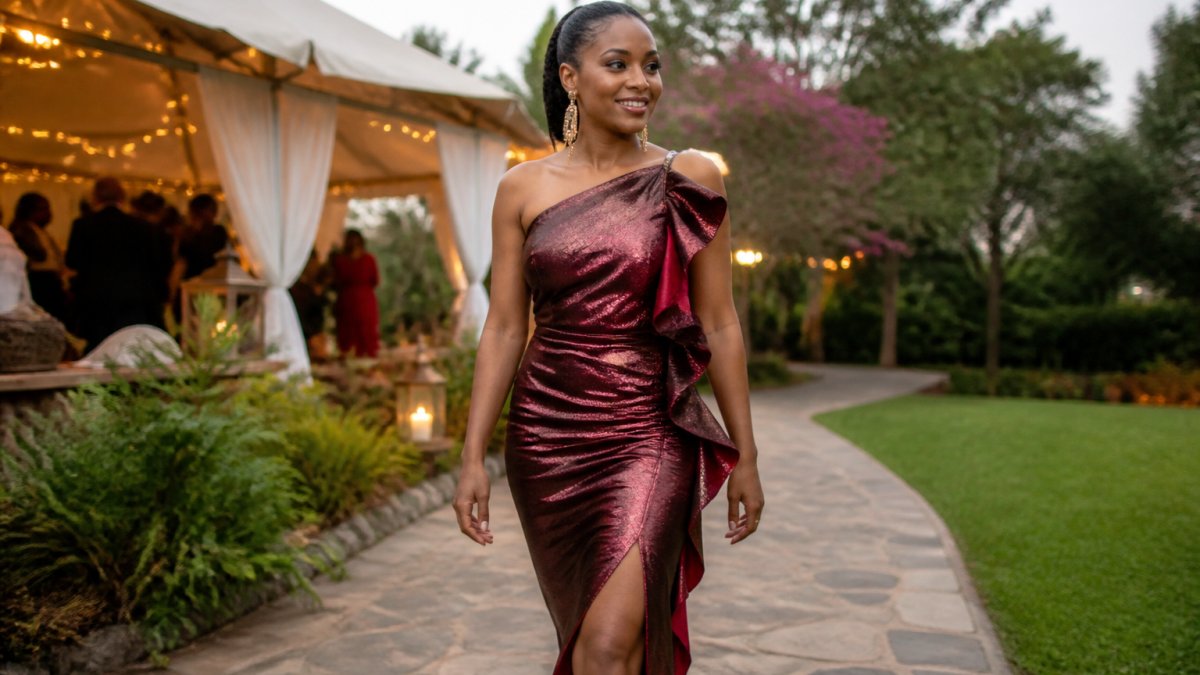
Investment-worthy dresses share these characteristics:
- Timeless silhouettes, A-line, wrap, or pencil styles endure longer than trendy cuts
- Quality fabrication, natural fibers or high-quality blends hold color and shape through multiple wears and cleanings
- Versatile color, jewel tones, metallics, and classic black work across seasons and dress codes
- Artisan craftsmanship, handmade details and original prints feel distinctive enough to wear multiple times without seeming repetitive
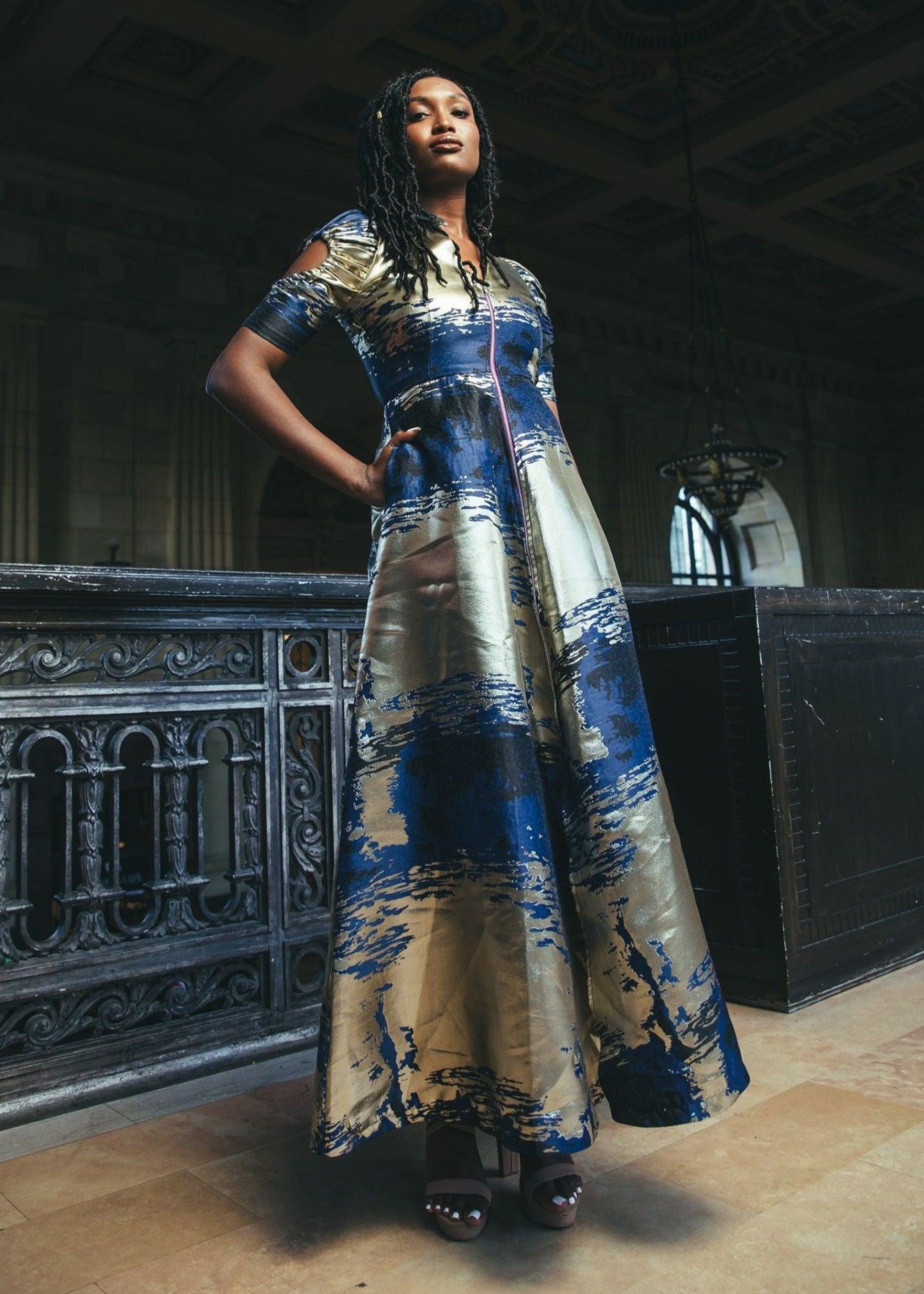
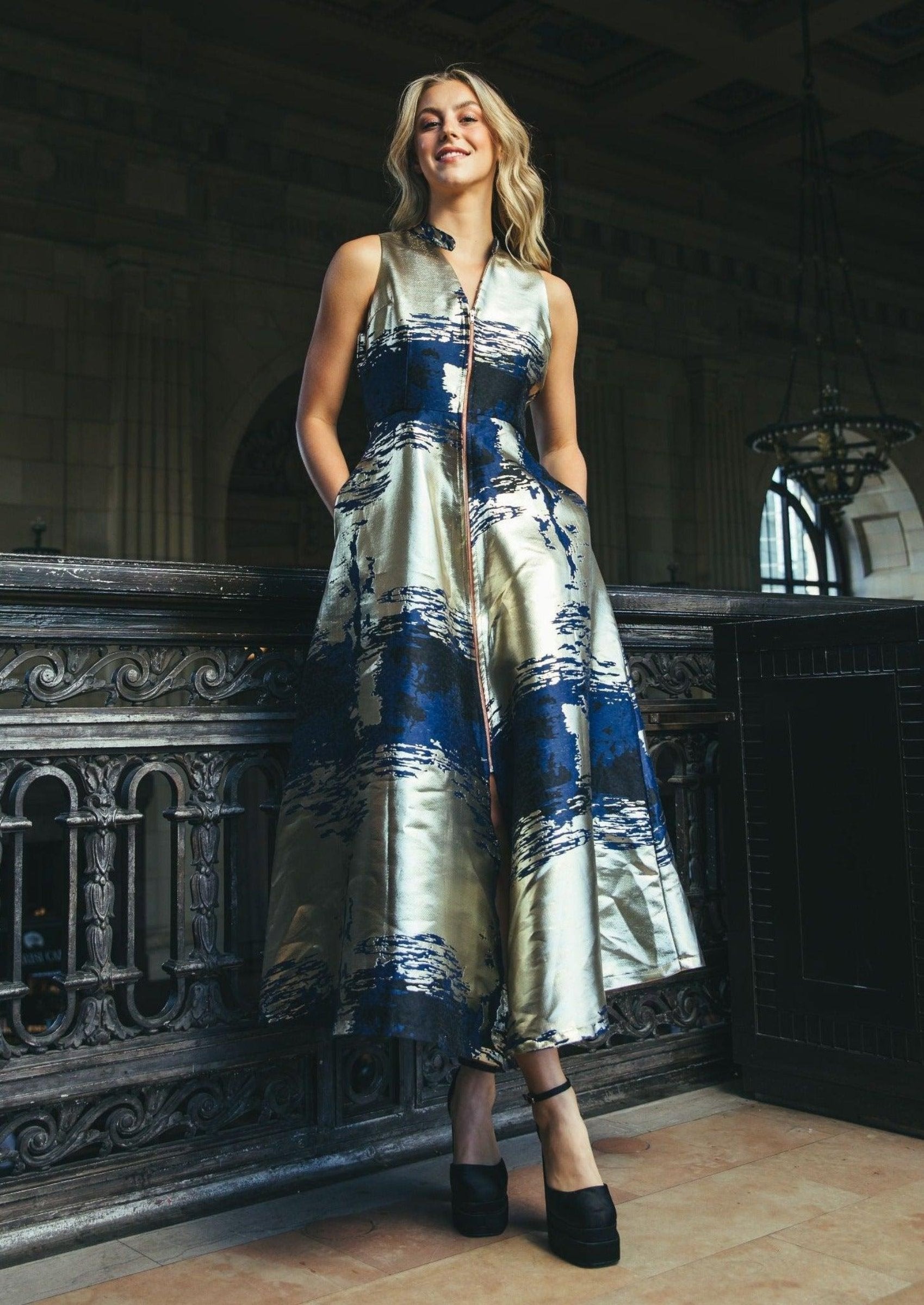
KAHINDO's collection exemplifies investment dressing. The Burgundy Gold Metallic Jacquard Halter Pencil Dress at $75 combines a timeless silhouette with a metallic jacquard that catches light beautifully, the kind of piece you'll reach for repeatedly. The Strapless Ombré Organza Mini Dress at $370 features handcrafted ombré detailing that makes it feel singular and special, justifying multiple wears.

The Orange Maxi Gown with Trumpet Sleeves & Front Slit at $100 demonstrates how bold color and dramatic silhouette create a statement piece that stands out at formal events without feeling costume-like.

Fit, Sizing, Damage Liability, and Practical Rental Risks
This is where rental becomes complicated. Rental dresses are designed to fit a range of body types, which means they rarely fit anyone perfectly. You're almost always paying for alterations, and that cost isn't always predictable.
Burgundy Gold Metallic Jacquard Halter Pencil Dress →
Fit challenges with rental:
- Sizing inconsistency, dress sizes vary by designer and style; a size 6 in one brand may be a size 8 in another
- Limited size runs, rental services stock fewer sizes than retail, so your size may be unavailable in the dress you want
- Alteration costs, hemming, taking in, or letting out a dress costs $50-150, sometimes more for complex work
- Rushed tailoring, if you rent close to the event, alterators may charge rush fees or refuse the job
- Fit anxiety, you don't know if the dress will work until it arrives, leaving little time to find a backup
Damage liability concerns:
- Strict cleaning standards, rental services define what constitutes "damage"; a stain you think is minor may be charged as damage
- Deposit holds, damage waivers ($20-50) are non-refundable even if nothing goes wrong
- Liability disputes, disagreements about whether damage occurred can delay refunds or result in unexpected charges
- Dry cleaning costs, you're responsible for returning the dress clean, and professional cleaning costs $15-30
Backup planning:
If your rental doesn't fit or doesn't arrive on time, you have limited options. Buying gives you certainty; renting requires a backup plan. Many renters keep a simple black dress on hand as insurance, which undermines the cost savings of renting in the first place.
Sustainability and Environmental Impact: Rental vs. Ownership
But the reality is more nuanced. Rental has environmental costs that aren't always visible:
Environmental impact of rental:
- Frequent shipping, each rental requires two shipments (outbound and return), adding carbon emissions
- Cleaning chemicals, rental services use industrial dry cleaning, which involves perchloroethylene (PERC), a chemical solvent with environmental and health concerns
- Shorter garment lifespan, rental dresses are handled by multiple people and cleaned frequently, leading to faster deterioration and earlier disposal
- Centralized infrastructure, warehouses, climate control, and logistics networks consume energy
Environmental impact of buying:
- Single manufacturing cycle, one dress is made once
- Longer lifespan, well-made dresses worn multiple times over years reduce the environmental cost per wear
- Home care, washing by hand or in cold water uses less energy than industrial cleaning
- Artisan production, handcrafted pieces often use sustainable dyeing methods and natural fibers
The environmental winner depends on how many times you wear the dress. A dress worn once has a higher environmental cost per wear whether rented or bought.
KAHINDO's handcrafted approach reflects this reality. Pieces are made using slow-bath dyeing processes that create unique, non-replicable gradients.
According to research on fashion consumption and waste, the most sustainable garment is the one already in your closet, worn repeatedly. The second most sustainable is a well-made piece purchased once and worn many times.
Conclusion: When to Rent and When to Buy
The real investment isn't just financial, it's about intention. Renting is transactional; buying is intentional.
KAHINDO's collection is designed for women who choose to buy thoughtfully. The Orange & Blue Custom Print Strapless Maxi Lace Dress at $109 or the Burgundy Gold Metallic One-Shoulder Mini Dress at $95 are the kind of investment dresses that justify ownership through quality, uniqueness, and the story behind their creation.

The question isn't whether designer dress rental or buying is universally "worth it." The question is: what kind of relationship do you want with the clothes you wear to moments that matter?
Investing in occasion-ready fashion doesn't have to mean compromising on ethics or craftsmanship. Shop the Strapless Ombré Organza Mini Dress and discover dresses that look good, feel good, and do good.
Frequently Asked Questions
Is renting a designer dress worth it compared to buying?
Renting makes sense if you wear a dress once or twice per year and value wardrobe variety over ownership. Buying becomes worthwhile when you attend multiple formal events annually, want a piece with sentimental value, or plan to wear the dress across several occasions. A designer dress rental typically costs 20-40% of the purchase price, but you pay that cost repeatedly. If you wear a dress three or more times, buying often becomes the better financial investment, especially with handcrafted pieces designed to last.
How do you calculate cost per wear for a designer dress?
Divide the total cost (rental fees or purchase price) by the number of times you'll wear it. If a dress costs $100 to buy and you wear it 4 times, your cost per wear is $25. If renting costs $40 and you use it once, your cost per wear is $40. Break-even typically occurs at 2-3 wears for rental versus purchase. Consider your event frequency, storage space, and whether you value owning a singular, handcrafted piece that won't appear on anyone else at your event.
What are the main disadvantages of renting designer dresses?
Rental limitations include damage liability (you may pay cleaning or repair fees), limited sizing flexibility, no ownership or sentimental value, and the inconvenience of rental timelines and return deadlines. Rented dresses may show signs of previous wear, fit inconsistently across brands, and offer no customization. Additionally, repeated rental fees accumulate quickly if you attend many formal events. For occasional wearers, these trade-offs may be acceptable; for frequent event attendees, ownership often provides better value and peace of mind.
How do you know if a rented or purchased dress will actually fit properly?
For rentals, request detailed size guides and customer reviews specific to fit; many rental services note whether items run small or large. For purchased pieces, check return and exchange policies, reputable brands offer flexible returns if the fit doesn't work. KAHINDO dresses fit true to size with gentle stretch; the Hadiza Mini Dress runs small, so sizing up is recommended. Always verify the brand's return window and whether alterations are included. If fit is uncertain, purchasing from a brand with a generous return policy or buying from a designer known for consistent sizing reduces the risk of being stuck with an unwearable dress.
Is buying a handcrafted designer dress a better investment than renting?
Yes, if you attend formal events regularly or value a unique, non-mass-produced piece. Handcrafted dresses from ethical brands like KAHINDO, designed in New York and made by female artisans in Kenya, offer singular quality, fair-trade craftsmanship, and lasting durability. These pieces often appreciate in personal value and can be reworn, altered, or passed on. At price points from $75 to $370, KAHINDO dresses deliver investment-grade quality and artisan empowerment. Rental services cannot offer this level of exclusivity or the satisfaction of owning a garment with documented provenance and a story tied to the women who made it.