

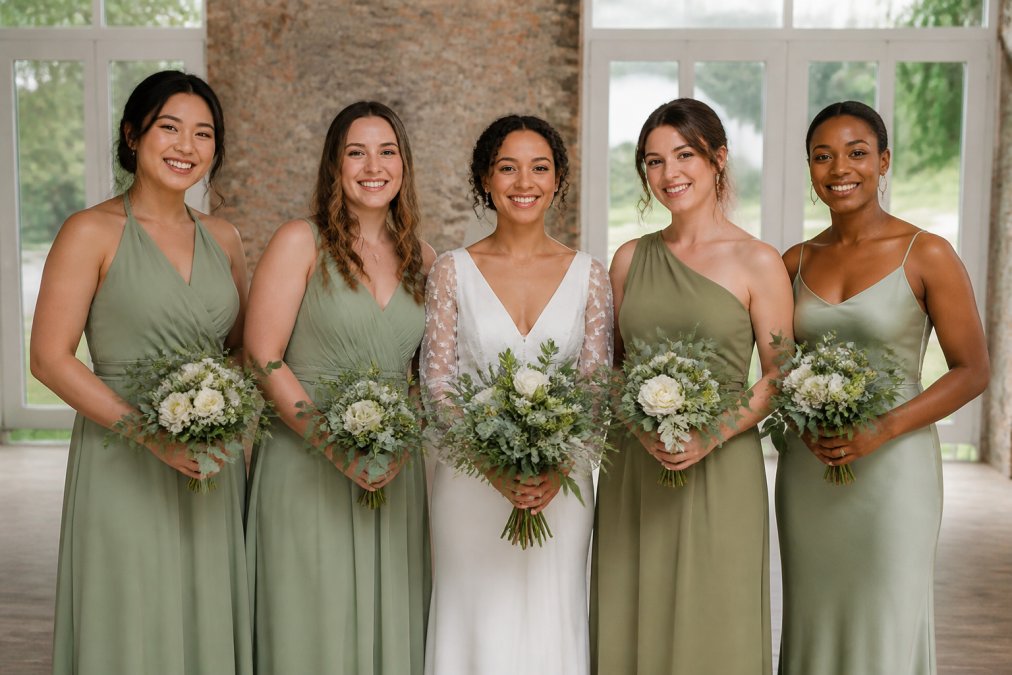
Best Ethical Bridesmaid Dress Brands: 2026 Guide
Table of Contents
- What Makes a Bridesmaid Dress Brand Truly Ethical?
- KAHINDO: Ethical Luxury Occasionwear Handcrafted by Female Artisans
- Cost-Per-Wear: Why Ethical Bridesmaid Dresses Are a Smarter Investment
- Sustainable Wedding Guest Dresses That Coordinate With the Bridal Party
- How to Plan a Sustainable Wedding: A Practical Checklist
- Fabric Care, Longevity, and End-of-Life Garment Management
- Frequently Asked Questions
Last Updated: September 16, 2026
What Makes a Bridesmaid Dress Brand Truly Ethical?
Finding the best ethical bridesmaid dress brands starts with one uncomfortable truth: most "sustainable" labels are marketing, not manufacturing, so the best ethical bridesmaid dress brands must prove their claims. A brand earns the word ethical when it can document where its fabric came from, who sewed the garment, and what that worker was paid. This guide from KAHINDO walks through the certifications worth trusting, the labor standards that actually mean something, and how to run the numbers on cost-per-wear before you commit.
Supply chain transparency is the practice of publicly documenting every stage of production, from fiber to finished garment, so a buyer can trace a dress back to the mill and the maker. Without it, "eco-friendly" is just a color on a hangtag.
Certifications and Supply Chain Transparency
The certifications that matter most for occasionwear are fair trade certification, GOTS for organic cotton, and GRS for recycled polyester. Each one requires third-party auditing, which is why greenwashed brands rarely pursue them. Federal Trade Commission Green Guides set the legal standard for environmental marketing claims, and a brand that can't name its certifying body usually can't meet it.
Ask three questions before buying:
- Which factory or co-operative made this garment?
- What certification does the fabric carry?
- Can the brand name the dye house?
If any answer is vague, keep looking.
Fair Wages and Ethical Labor Standards
Fair wages mean garment workers earn enough to cover living costs in their own region, verified by an independent auditor rather than self-reported. Ethical labor standards go further: no forced overtime, safe facilities, and freedom of association. Small-batch production at a named co-operative is far easier to verify than a tiered supply chain spread across multiple countries.
KAHINDO: Ethical Luxury Occasionwear Handcrafted by Female Artisans
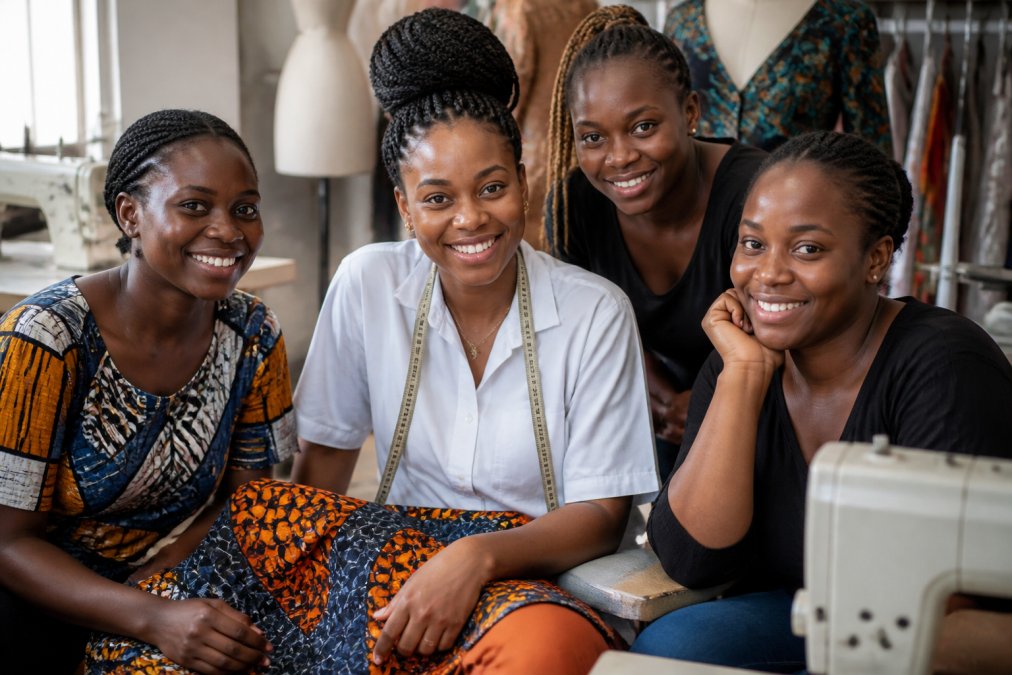
KAHINDO is an ethical luxury womenswear brand founded by Kahindo Mateene, designing bold occasionwear for weddings, celebrations, and evenings that matter. Every piece is designed in New York and handcrafted by female artisans in Kenya, blending African-inspired prints with modern silhouettes.
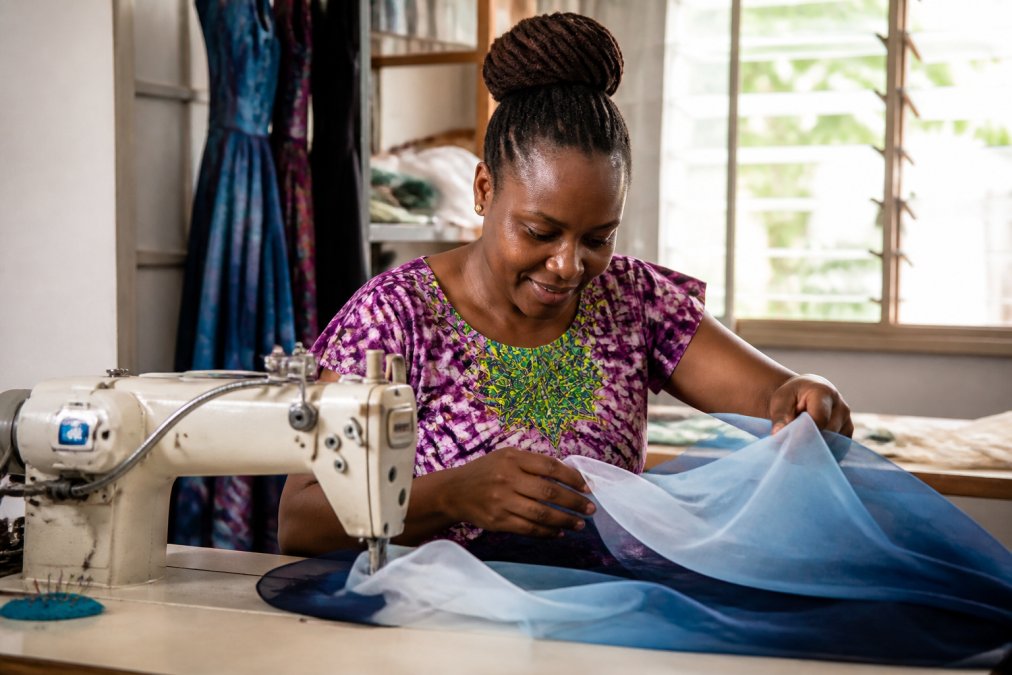
The Ombré Organza Collection for Bridal Parties
The Strapless Ombré Organza Mini Dress ($370) works for bridesmaids wanting a modern twist, while the Double Collar Ombré Organza Midi Dress ($345) suits mothers of the bride and coordinated colorways.

Provenance, Slow-Bath Dyeing, and Artisan Equity
Every KAHINDO garment ships with a provenance card documenting the artisan and labor hours behind it.
| Dress | Price | Best For | Fabric |
|---|---|---|---|
| Strapless Ombré Organza Mini | $370 | Modern bridesmaids | Ombré organza |
| Double Collar Ombré Organza Midi | $345 | Mothers of the bride | Ombré organza |
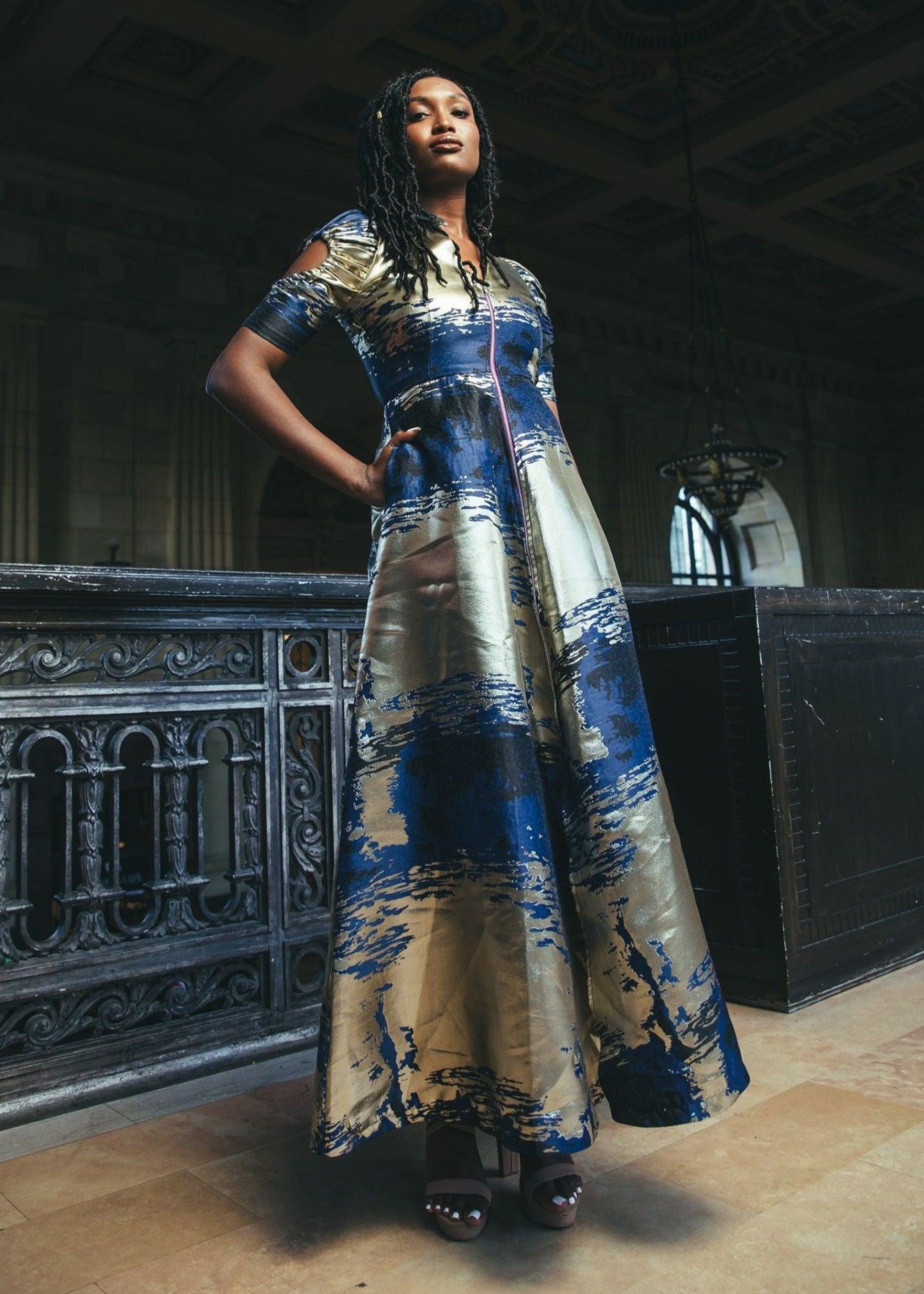
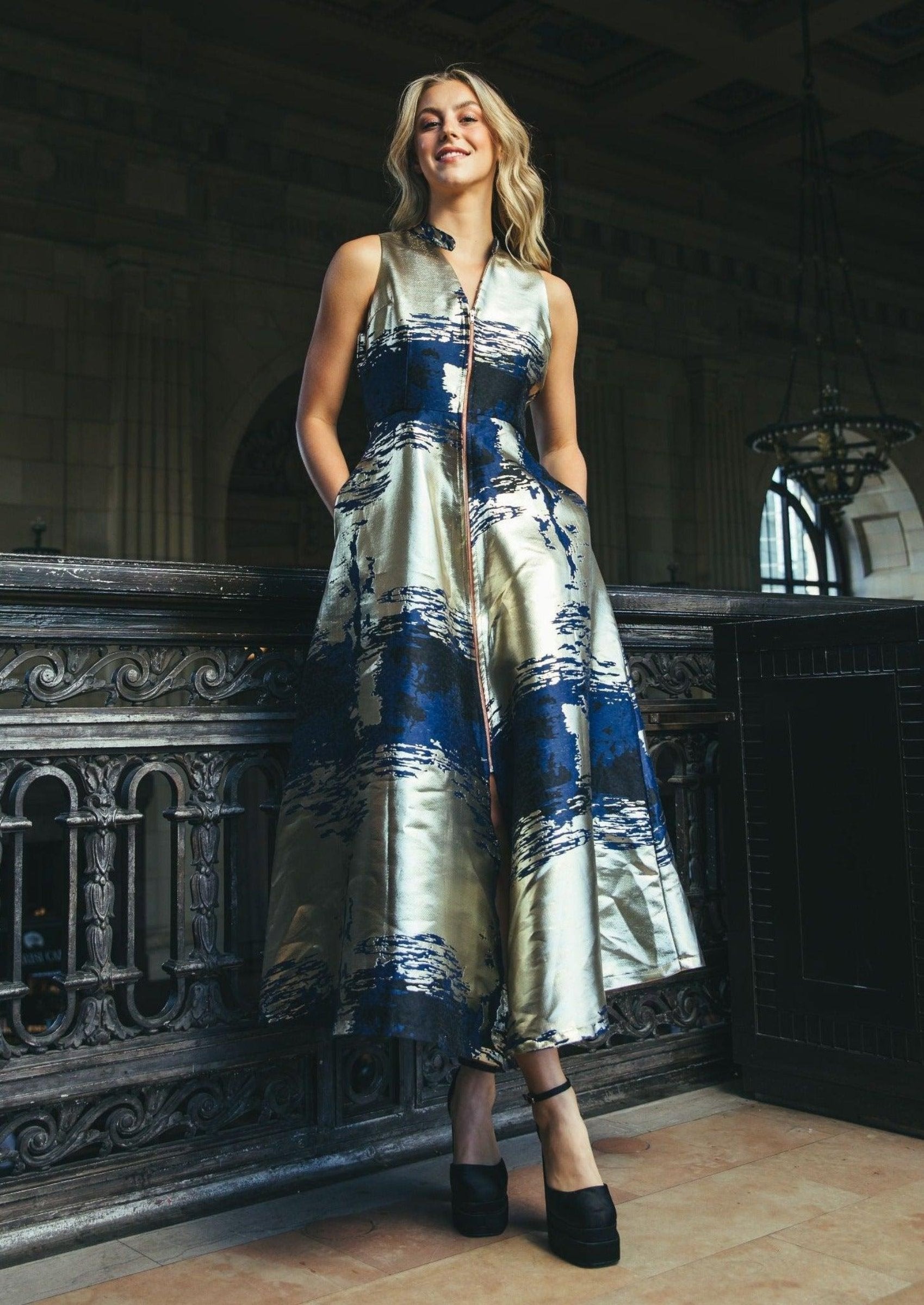
| Cleopatra Maxi | $300 | Grand evening events | Metallic jacquard |
| Chidi Midi | $288 | Cocktail and reception | Metallic jacquard |
Cost-Per-Wear: Why Ethical Bridesmaid Dresses Are a Smarter Investment
Cost-per-wear (CPW) is the purchase price divided by the number of times you actually wear the garment.
| Purchase path | Price | Wears | Cost per wear |
|---|---|---|---|
| Fast-fashion bridesmaid dress | $120 | 1 | $120 |
| Rental (single event) | $150 | 1 | $150 |
| Ethical made-to-order dress | $370 | 4 | $92.50 |
| Ethical dress, worn 8 times over 3 years | $370 | 8 | $46.25 |
The resale value most bridesmaids ignore
CPW has a second half that most guides skip: residual value.
How to lower CPW before you buy
- Pick a silhouette you would wear to a non-wedding event. A midi in a solid color clears more occasions than a floor-length gown in a novelty print.
- Confirm alterations are included or budgeted. A $60 alteration that makes a dress wearable three more times drops CPW by roughly $20 per wear.
- Coordinate the palette, not the dress. When each bridesmaid picks a silhouette she will re-wear, the group photo still reads as coordinated.
- Plan the second and third wear at purchase. If you cannot name two future occasions, the CPW math does not work yet.
Where rental fits, and where it doesn't
Rental is an option for a bridesmaid who will truly wear the dress once and never again.
Strapless Ombré Organza Mini Dress →
Sustainable Wedding Guest Dresses That Coordinate With the Bridal Party
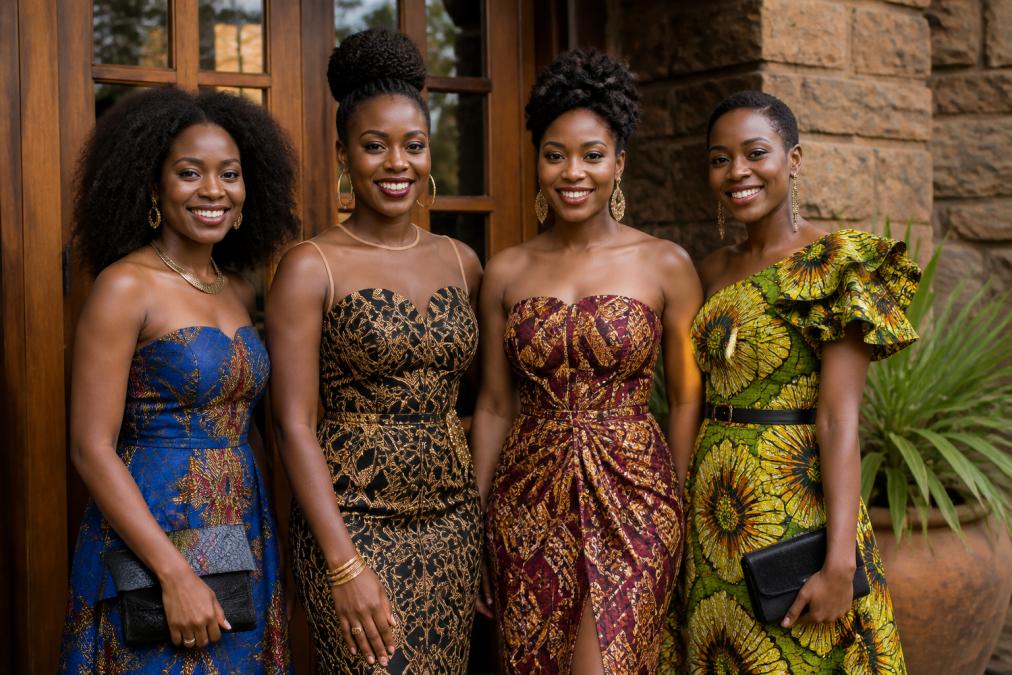
Sustainable wedding guest dresses solve a real problem: guests who buy something new for every event generate waste, and bridal parties rarely coordinate well when everyone shops separately.
How to Plan a Sustainable Wedding: A Practical Checklist
Most sustainable-wedding checklists tell you what to do without telling you how to judge whether a brand is telling the truth.
The brand-vetting rubric
Score each brand from 0 to 2 on the six criteria below.
| Criterion | 0 points | 1 point | 2 points |
|---|---|---|---|
| Factory disclosure | Not named | Named, no address | Named with city and country |
| Fabric certification | None stated | "Eco-friendly" claim only | GOTS, GRS, or fair trade cert named |
| Wage transparency | Not addressed | "Fair wages" claim | Living-wage policy or audit referenced |
| Production model | Mass-produced stock | Small-batch | Made-to-order or named co-operative |
| Sizing range | 3 sizes or fewer | 4-6 sizes | 7+ sizes or custom sizing |
| End-of-life program | None | Resale or donation advice | Take-back, repair, or resale program |
The planning checklist
- Set a color palette and a fabric direction before anyone shops, so dresses can be re-worn
- Score each candidate brand on the rubric above and keep the notes
- Request factory, certification, and wage details in writing from every brand
- Choose made-to-order or small-batch production over mass-produced stock
- Confirm sizing, alteration, and exchange terms in writing before ordering
- Consolidate shipping for the whole party rather than ordering piecemeal
- Plan transport for the group, not individual cars
- Arrange donation, resale, or alteration for dresses after the event
Made-to-order vs. mass production: the real trade-off
Made-to-order production cuts deadstock waste because garments are cut after the order is placed, and it usually means a smaller, more traceable workforce.
Inclusive sizing is an ethics issue, not a marketing one
A brand that only cuts sizes 0-8 is not serving most bridal parties, and a bridal party that cannot fit into the "ethical" option will default to fast fashion.
Budget-friendly ethical alternatives
- Resale and consignment. Pre-loved occasionwear from a brand with named factories keeps the ethical provenance and cuts the price substantially.
- Rental for the bridal party, purchase for the bride. Rental inventory is limited in size range, so it works best for smaller, similarly sized parties.
- One investment dress, styled differently. A single well-made midi worn with different accessories across the rehearsal, ceremony, and reception drops CPW without a second purchase.
Fabric Care, Longevity, and End-of-Life Garment Management
Fabric care is the single biggest factor in how long an occasion dress survives.
Frequently Asked Questions
What makes a bridesmaid dress brand ethical?
An ethical bridesmaid dress brand prioritizes fair wages, safe working conditions, and supply chain transparency. Look for brands that disclose their manufacturing partners, pay living wages, and use sustainable materials. KAHINDO, for example, provides a provenance card with every garment documenting the artisan and labor hours, so you can verify exactly who made your dress and how. Certifications like fair trade and third-party audits add another layer of accountability.
Are there affordable sustainable bridesmaid dress options?
Yes. While ethical luxury occasionwear often costs more upfront, cost-per-wear analysis changes the math. A $70 sample sale dress worn to three events costs about $23 per wear. KAHINDO offers several styles under $100, including the Queensroad Strapless Dress at $70 and the Capepoint Slip Dress at $70. These pieces are handcrafted by female artisans in Kenya through fair trade practices, so your budget goes toward ethical production rather than mass-market margins.
How can I tell if a wedding brand is truly sustainable?
Ask three questions: Where was the dress made? Who made it? What happens to it after the wedding? Brands that answer all three with specifics are usually genuine. Look for named production partners, artisan stories, and end-of-life programs. KAHINDO designs in New York and handcrafts in Kenya through a Nairobi co-operative, with slow-bath dyeing that reduces water waste. If a brand only says 'eco-friendly' without naming factories or certifications, treat that claim with caution.
What fabrics should I look for in ethical bridesmaid dresses?
Prioritize organic cotton, deadstock fabric, and recycled polyester. These reduce environmental impact compared to conventional textiles. KAHINDO uses double-layer ombré organza, metallic jacquard, and 100% cotton depending on the style. Also consider fabric care: dry-clean-only fabrics have a higher lifecycle footprint, while machine-washable options like the Luanda Dress (polyester, viscose, elastane) are easier to maintain and keep in rotation longer.
How do ethical bridesmaid brands support fair labor practices?
Ethical brands pay living wages, provide safe working conditions, and often invest in artisan communities. KAHINDO works with female artisans in a Nairobi co-operative, ensuring fair-trade practices and artisan equity. Each garment includes a provenance card documenting the maker and labor hours. This level of transparency lets you trace your purchase directly to the person who crafted it, which is rare in the bridesmaid dress market where most production is outsourced and anonymous.