

7 Steps to Sourcing Sustainable Fabric for Custom Dresses
Last Updated: October 31, 2026
Quick Summary
Sustainable fabric sourcing for custom dresses means choosing textiles that cut environmental and social harm while still holding shape, drape and color through fitting and a full day of wear. Start by matching the fiber to the silhouette, season and occasion, then verify certifications and order small-batch swatches before committing.
- Match fiber to silhouette: corseted bodices need body, bias-cut skirts need fluid drape.
- Check that certificates cover the exact product, facility and processing stage you are buying.
- Order at least a half-yard swatch, not a 4-inch square, to test drape and opacity.
- Consider deadstock fabric to prevent waste, but plan the pattern around limited yardage.
- Budget landed cost, including shipping, duties, sample and waste allowance, not just price per yard.
Table of Contents
- What Makes a Fabric Sustainable for a Custom Dress?
- Step 1: Match the Fiber to the Silhouette, Season and Occasion
- Step 2: Verify Fabric Certifications and Environmental Claims
- Step 3: Vet Sustainable Textile Suppliers Before You Order
- Step 4: Plan Small-Batch Fabric Sourcing and Minimum Orders
- Step 5: Consider Deadstock Fabric for Custom Clothing
- Step 6: Budget Landed Cost, Lead Times and Sampling
- Booking Your First Custom Dress Fitting With KAHINDO
- Frequently Asked Questions
Choosing sustainable fabric for a custom dress is harder than it looks. "Eco-friendly" is a label anyone can print, and a fabric that works for a sundress can fail badly on a fitted gown.
Sustainable fabric sourcing for custom dresses means choosing textiles that reduce environmental and social harm while still holding shape, drape and color through a fitting and a full day of wear.
What Makes a Fabric Sustainable for a Custom Dress?
A fabric is more sustainable when it uses fewer resources, releases fewer pollutants, and is made under fair labor conditions. For a custom dress, durability matters just as much, because a garment that lasts many years has a lower impact per wear.
Organic Cotton, Linen, and Hemp Compared
Organic cotton is widely available and comfortable, but it can wrinkle and softens with age. Linen is strong and breathes well, though it creases easily. Hemp is durable and improves with washing, yet it can feel stiff in some weaves. Each fiber suits different dresses.
Lyocell, Recycled Polyester, and Other Regenerated Fibers
Lyocell, often sold under the Tencel name, is made from wood pulp in a closed-loop process, and it drapes beautifully. Recycled polyester keeps plastic out of landfills but sheds microfibers when washed. Regenerated fibers are not automatically sustainable, so check how each one is made.
Step 1: Match the Fiber to the Silhouette, Season and Occasion
Most sustainable-fabric guides stop at "linen is breathable, lyocell drapes well." That advice collapses the moment you are cutting a fitted bodice or a bias-cut skirt.
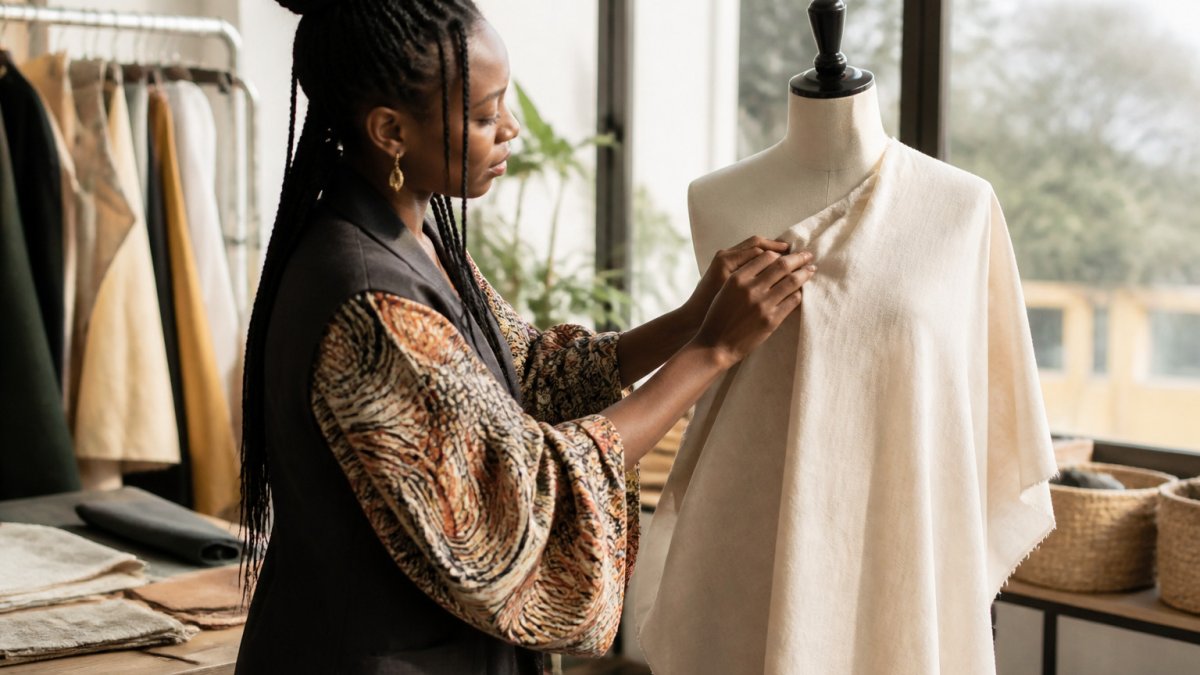
Use the matrix below as a starting filter, then confirm with a swatch. Weights are given in ounces per square yard (oz/yd²); ask for it explicitly if a supplier lists only grams per square meter (gsm).
| Dress silhouette / use | Drape | Weight target | Opacity | Stretch | Lining needed? | Fibers that work |
|---|---|---|---|---|---|---|
| Structured gown, corseted bodice | Low (holds shape) | 6-10 oz/yd² | Opaque | None to 2% | Yes, boning channels need a stable underlayer | Hemp-cotton blends, tightly woven organic cotton sateen, deadstock wool crepe |
| Bias-cut slip or column | High (fluid) | 3-5 oz/yd² | Often semi-sheer | 2-5% crosswise helps | Usually yes at bodice | Lyocell/Tencel, cupro, washed silk, fine linen |
| Fit-and-flare day dress | Medium | 4-7 oz/yd² | Opaque | 2-4% | No if opaque | Organic cotton poplin, linen-cotton, recycled polyester blends |
| Summer sundress | Medium-high | 3-5 oz/yd² | Opaque to semi | 0-3% | No | Linen, organic cotton voile, hemp-linen |
| Evening column or sheath | Medium-low | 5-8 oz/yd² | Opaque | 2-5% | Yes for structure | Lyocell twill, recycled polyester crepe, deadstock silk blend |
| Puff-sleeve or gathered bodice | Medium | 3-5 oz/yd² | Opaque | 0-2% | Sometimes | Organic cotton lawn, lyocell, fine linen |
| Midi wrap dress | High | 3-5 oz/yd² | Opaque | 2-5% | No | Lyocell jersey, organic cotton jersey, Tencel-linen |
Three questions narrow the field before you ever request a swatch:
- What is the silhouette? A corseted bodice needs a fabric with enough body to support structure; a bias-cut skirt needs crosswise stretch and fluid drape. If the answer is "both," plan on two fabrics, a stable bodice cloth and a fluid skirt cloth, rather than compromising on one.
- When will the dress be worn? Summer events favor breathable linen, cotton voile, and lyocell; late-fall and winter events favor heavier crepe, twill, and deadstock wool blends. A 3 oz/yd² linen in a December evening gown will read as a beach cover-up.
- Where is the event, and for how long? An outdoor ceremony in humid weather punishes heavy polyester; a black-tie indoor reception punishes lightweight linen that creases at the seat. Match the fabric's recovery and wrinkle behavior to the wear time, not just the season.
Two dress-specific checks that generic fabric roundups skip:
- Opacity under tension. Hold the swatch stretched across your fingers against a light source. Fabrics that pass a flat opacity test can go sheer over a hip or knee. If it fails, either add a lining or move the fabric to a skirt-only role.
- Seam and hem behavior. Fold and stitch a scrap on the bias and on the straight grain. Lightweight lyocell and fine linen can pucker or press out badly at the hem; a fabric that will not hold a clean hem will cost you hours in finishing or force a facing you did not budget for.
Once the silhouette, season, and occasion are locked, you have a short list of two or three fibers, and you can move to verification without wasting sample yardage on fabrics that were never going to work. Refining this selection process requires a deeper commitment to transparency, as identifying ethical brands ensures that the integrity of the supply chain remains as impeccable as the garment construction itself.
Step 2: Verify Fabric Certifications and Environmental Claims
A certification logo is a starting point, not proof. The most common failure in sustainable fabric sourcing is a supplier who holds a valid certificate for one product, one facility, or one stage of processing, and applies the logo to everything they sell. Verification means matching the certificate's scope to the exact fabric you are buying, and confirming the chain of custody from fiber to finished cloth.
What the major standards actually cover
| Standard | What it certifies | What it does NOT cover | Scope question to ask |
|---|---|---|---|
| GOTS (Global Organic Textile Standard) | Organic fiber content plus processing, social, and chemical criteria across the textile chain | Non-organic fibers; retail-only operations | Which products and facilities are on the certificate, and is the fabric you want listed by product category? |
| OEKO-TEX STANDARD 100 | Tested for harmful substances in the finished article or component | Organic content, labor practices, or environmental footprint | Which article/component was tested, and does the certificate cover the color and finish you are ordering? |
| OEKO-TEX MADE IN GREEN | Traceable production and tested chemicals for a specific article | Fiber origin beyond what the label states | Can the supplier provide the product ID that traces to the facility? |
| Textile Exchange standards (e.g., GRS, RCS, RWS) | Recycled content (GRS/RCS) or responsible wool (RWS) with chain-of-custody requirements | Full environmental or social performance of the garment | Is the certificate current, and does the scope include the specific material and processing stage? |
| bluesign | Chemical input management at the mill level | Fiber sustainability or labor conditions | Is the mill itself approved, and does the approval cover the dyeing and finishing used for your fabric? |
Standards bodies publish their own scope documents, and the certificate itself lists the products, facilities, and validity dates covered. Read those fields, not the marketing page.
The chain-of-custody question
A fiber can be certified organic at the farm and still lose that status if it is blended, dyed, or finished at an uncertified facility. Chain of custody is the paper trail that connects the certified fiber to the fabric on the roll.
Ask the supplier to walk the chain: fiber source, spinner, mill, dyehouse, finisher. If any link is missing, the claim weakens at that link.
Transaction documents to request
Before you pay for production yardage, request:
- The certificate itself, with certificate number, issuing body, validity dates, and the product/facility scope visible.
- A transaction certificate or scope certificate covering the specific shipment, where the standard requires one (GOTS and the Textile Exchange standards use transaction certificates to tie a specific sale to certified production).
- A fiber content and care label specification matching the fabric you are ordering, not a generic mill sheet.
Red flags in supplier claims
- Vague language with no standard behind it. "Eco-friendly," "green," "conscious," and "sustainable" are not defined terms in U.S. advertising; the FTC's Green Guides caution against unqualified general environmental claims. If a supplier cannot name the standard and the scope, treat the claim as unverified.
- Logo without a certificate. A logo image is not a certificate. Ask for the document.
- Scope creep. A certificate for "cotton jersey" does not cover the supplier's linen or lyocell. Match the product category.
A practical verification workflow
- Identify the exact fabric, color, and finish you intend to order.
- Ask the supplier which standard applies and request the certificate and transaction documents for that product.
- Verify the certificate number with the issuing body.
- Confirm the scope covers the product category, facility, and processing stage.
- Save the documents with your order file so the claim is defensible if a customer asks.
Verification is not a one-time gate. Re-check certificates at each reorder, because facilities, scopes, and validity dates change, and a claim that was accurate last season may not be accurate this one.
Step 3: Vet Sustainable Textile Suppliers Before You Order
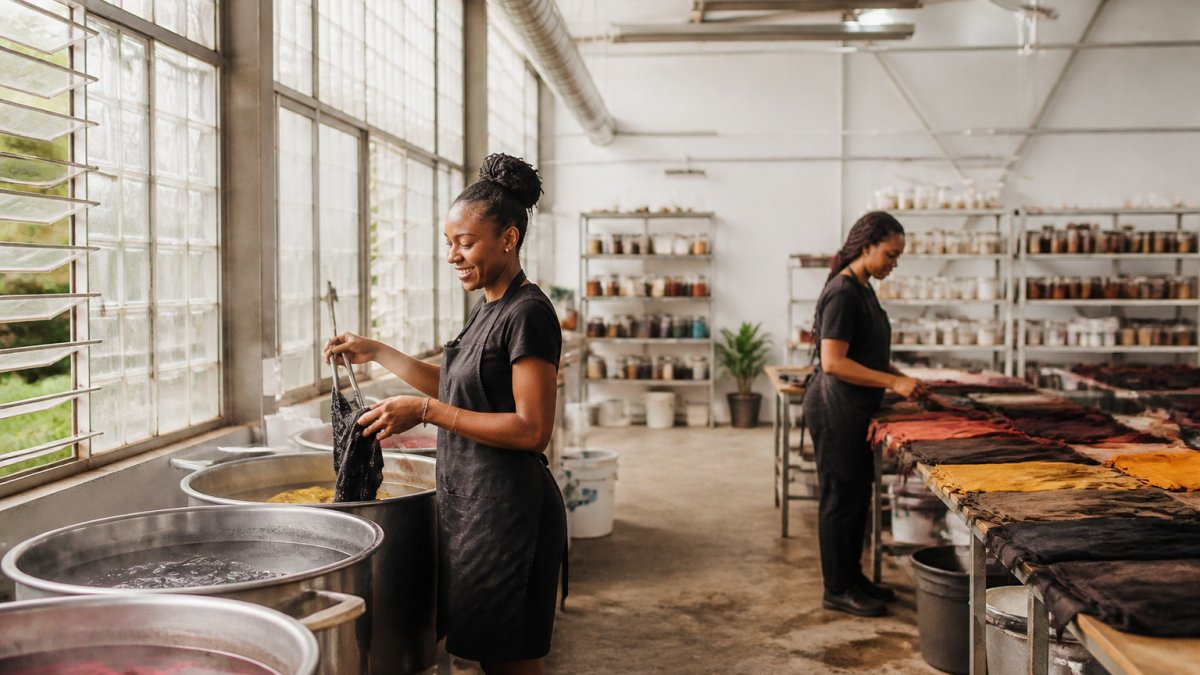
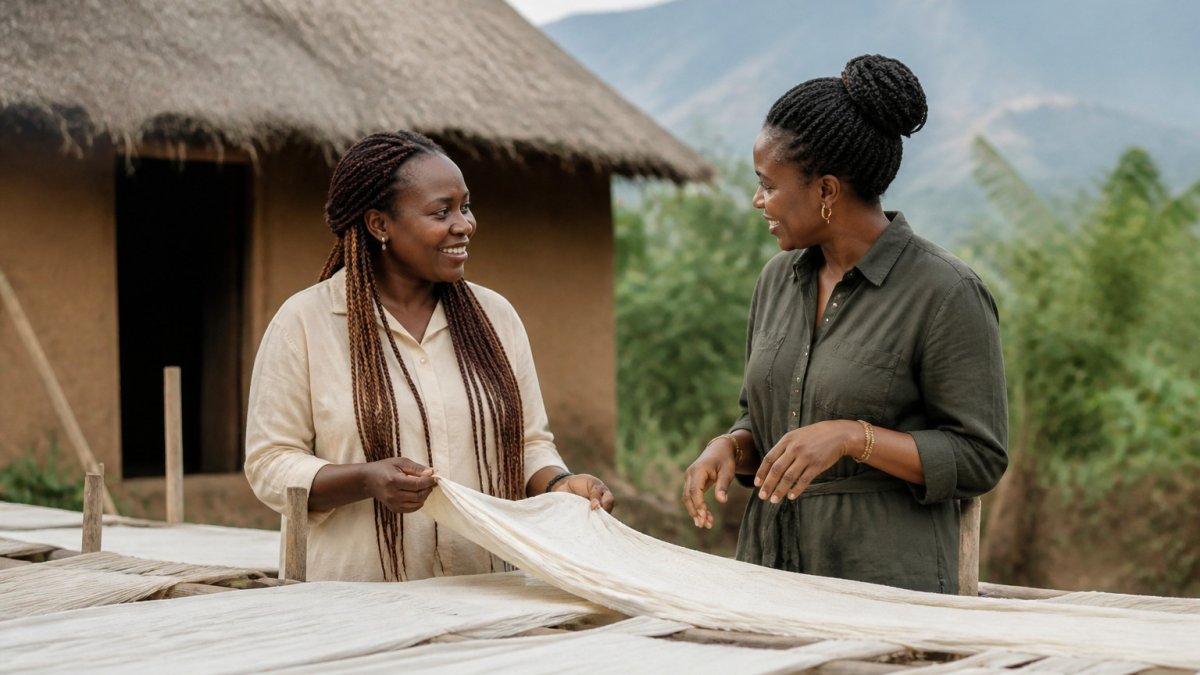
Before you commit, review a supplier's transparency. Good suppliers name their mills, explain their dyeing methods, and share their labor practices. You can also see the artisans behind the fabric on the Our Artisans page.
Request a sample, check the fabric in natural light, and confirm the composition on paper before you pay for a full run.
Step 4: Plan Small-Batch Fabric Sourcing and Minimum Orders
Many sustainable mills have high minimum order quantities, which is a problem for custom work. Small-batch sourcing lets you buy only what a dress needs, cutting waste.
Ask each supplier about:
- Minimum yardage per color or print
- Whether they sell remnants or short cuts
- Lead times for reordering the same fabric
Step 5: Consider Deadstock Fabric for Custom Clothing
Deadstock fabric is surplus material that mills would otherwise discard. Using it prevents waste, and it often comes at a lower cost. The trade-off is limited quantity, so plan your pattern around the yardage you can get.
Check that deadstock is sourced transparently, just as you would with new fabric.
Step 6: Budget Landed Cost, Lead Times and Sampling
Fabric price is only part of the total. Landed cost includes shipping, import duties, cutting waste, and any sample yardage. Sustainable options can look more expensive per yard but may cost less once you add these up.
Build in time for sampling. A fit test with a muslin or sample swatch can save a costly remake.
- Fabric cost per yard
- Shipping and duties
- Sample and waste allowance
Booking Your First Custom Dress Fitting With KAHINDO
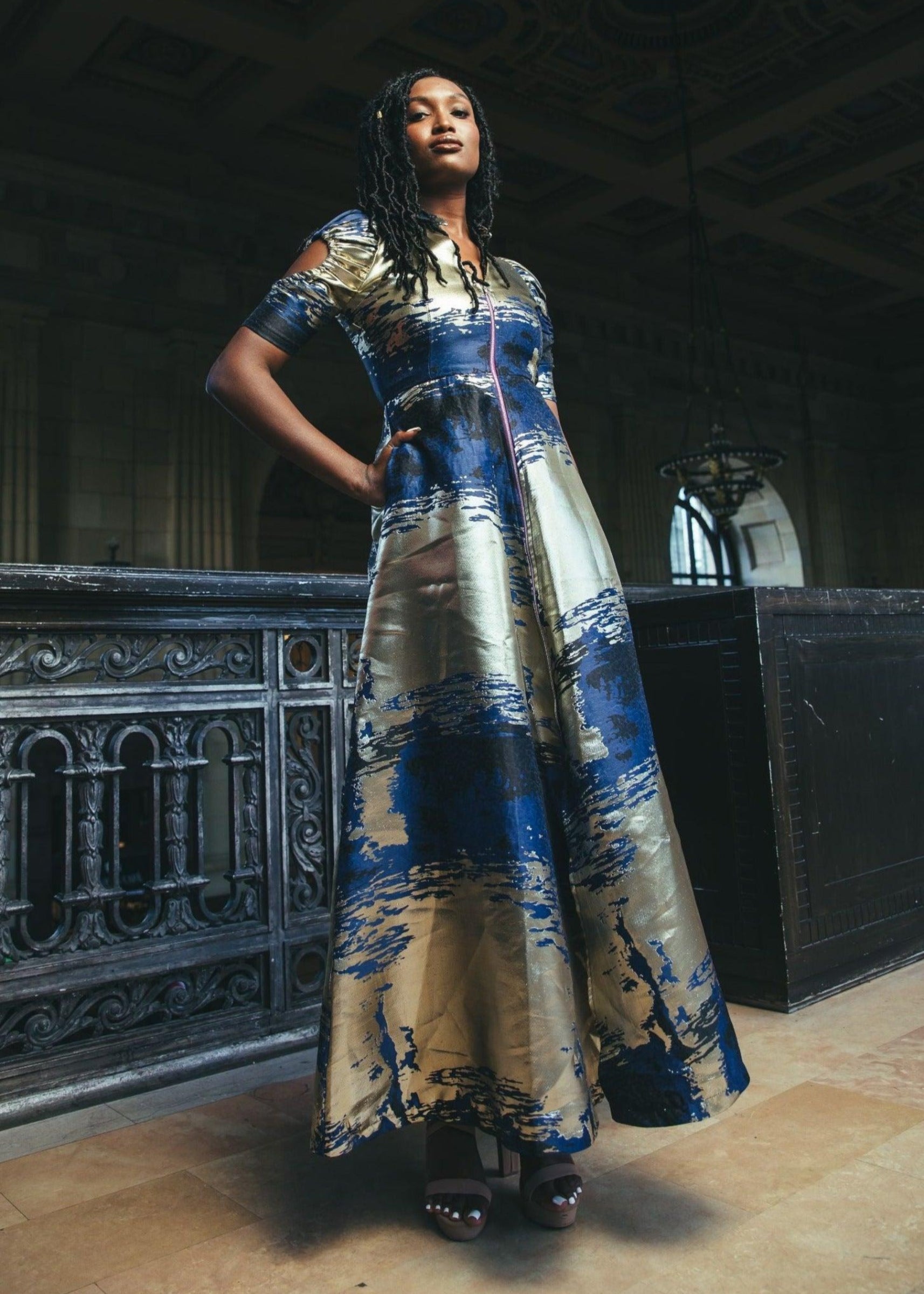
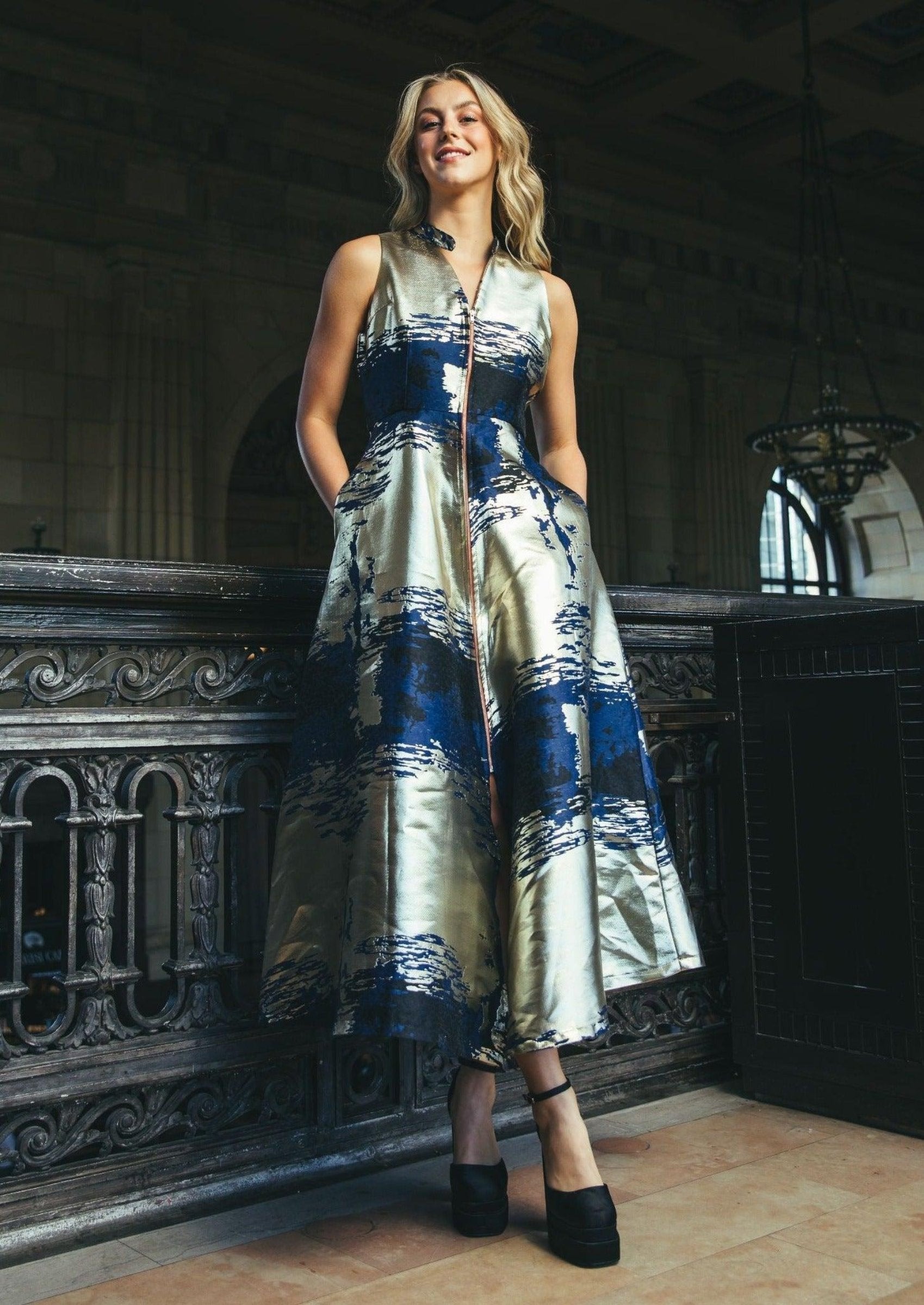
Once you have chosen your fabric, the next step is the fit. KAHINDO designs each piece in New York and handcrafts it with female artisans in Kenya, so you can see the full process from textile to finished garment. Browse the Mother of the Bride Dresses collection to find a silhouette that suits your event, and read How To Ensure Perfect Dress Fit before you book.
Frequently Asked Questions
What fabrics are considered sustainable for custom dresses?
Organic cotton, linen, hemp, lyocell (often sold as Tencel), and recycled polyester are the fibers most often called sustainable for dressmaking. Each trades off differently: organic cotton is breathable and easy to sew but water-intensive to grow, linen and hemp are durable low-impact plant fibers, and lyocell is a regenerated cellulose fiber with a fluid drape suited to occasionwear. Recycled polyester reduces virgin material use but sheds microfibers when washed, so it is best chosen for structured pieces that are cared for gently. Match the fiber to the garment's silhouette, season and care needs.
How can designers verify a fabric supplier's sustainability claims?
Ask for the certificate behind each claim, then check it against the issuing body's public database. Standards such as GOTS for organic textiles, OEKO-TEX for tested chemical safety, and Textile Exchange standards such as GRS for recycled content can be verified by certificate number. Request a transaction certificate tied to your specific lot, not just a general company certificate, and confirm the scope covers the exact fabric you are buying. Unverifiable claims like 'eco-friendly' without a standard behind them should be treated as marketing, not proof.
How much fabric should I order for a custom dress?
Start from the pattern's stated yardage for your size and view, then add a margin for pattern matching, directional prints and fit adjustments. A common rule is to add 10 to 15 percent for shrinkage and cutting error on natural fibers like cotton and linen, which can shrink after the first wash. Pre-wash the fabric before cutting if the garment will be laundered. For bridal or occasion pieces, ordering a small extra cut allows for a repair or a later alteration without a new dye lot.
How can I source sustainable fabric in small quantities?
Look for suppliers that sell by the yard with low minimum order quantities, and ask directly about the minimum per color and per fiber. Small-batch fabric sourcing is easier with deadstock or surplus lots, which are often sold in single-yard or short-cut quantities. Confirm lead times and whether the supplier will ship small lots internationally, since duties and freight can change the landed cost sharply on a short order. Sampling a small swatch before committing to a full length protects both your budget and the final garment.
Sourcing sustainable fabric takes patience, but each step makes the final dress more reliable and more responsible. Start with the silhouette, verify every claim, and budget for the full cost. KAHINDO is ready to help you turn a considered fabric choice into a dress you will wear for years.