

Ethical Fashion Versus Fast Fashion
A dress can say many things before you speak. It can signal confidence, mark a milestone, and carry the energy of the moment. That is why ethical fashion versus fast fashion is not a niche debate for women who dress with intention. It is a question of what your clothes represent when the occasion matters.
For years, fast fashion trained shoppers to expect immediacy. New drops every week. Low prices that make hesitation feel unnecessary. A closet full of options for every invite on the calendar. On the surface, it can look like freedom. In practice, it often creates the opposite - more clutter, more compromise, and less connection to what you wear.
Ethical fashion asks something different. It asks where a garment came from, who made it, how it was made, and whether it deserves a place in your wardrobe beyond a single event. For the woman shopping for a wedding weekend, a black-tie gala, or a once-in-a-lifetime family celebration, those questions are not abstract. They shape how a piece feels on the body and in the memory.
What ethical fashion versus fast fashion really means
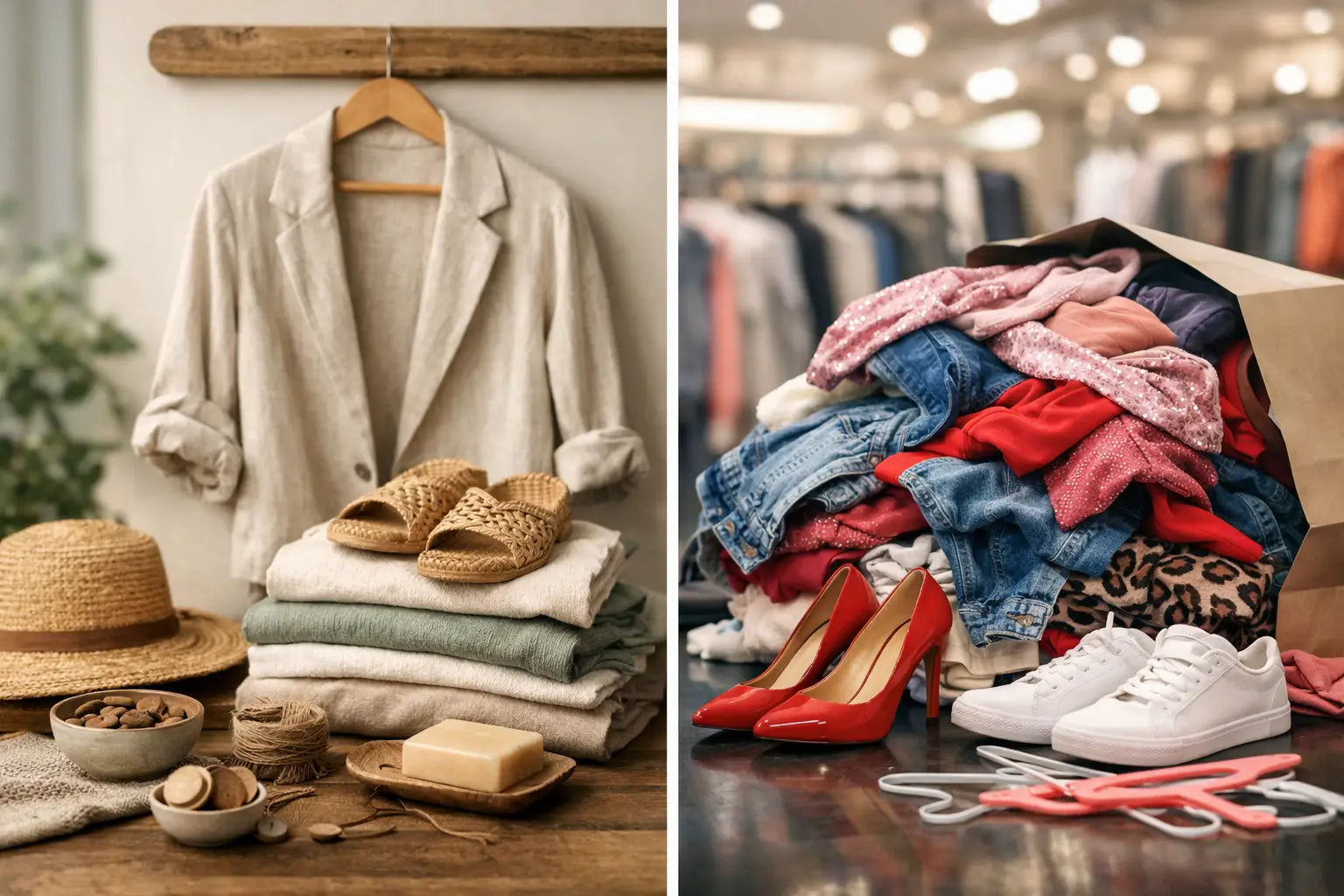
The clearest difference between ethical fashion versus fast fashion is not simply price. It is the philosophy behind the garment.
Fast fashion is built for speed and volume. Its business model depends on producing trend-driven clothing quickly and cheaply, often in ways that leave little room for fair wages, careful craftsmanship, or long-term wear. The goal is constant consumption. If the hem unravels, the fit feels off, or the style dates quickly, the system still works because it was never designed for permanence.
Ethical fashion is built with human and material value in mind. That can mean fair-trade production, artisan craftsmanship, safer working conditions, smaller production runs, responsible sourcing, and design that prioritizes longevity over churn. It is not one rigid formula, and no brand is flawless. But the intent and the standards are fundamentally different.
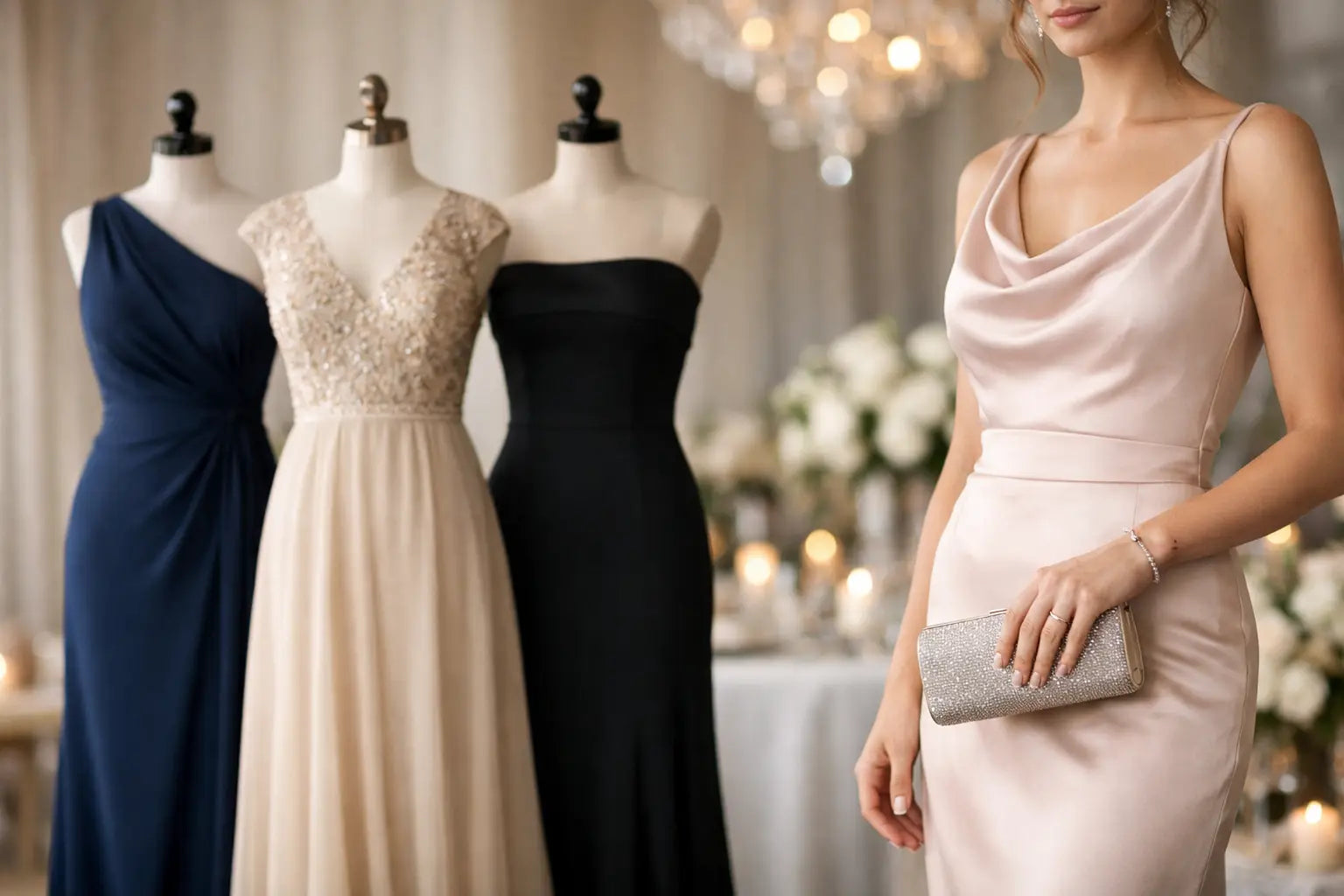
That distinction matters even more in occasionwear. Special event dressing should feel elevated, not disposable. A beautifully made gown or statement dress should hold its shape, photograph well, move with grace, and still feel relevant when the next invitation arrives.
Why fast fashion feels convenient - and where it falls short
Fast fashion succeeds because it solves a real emotional need. Many women have stood in front of a closet days before an event and thought, I need something now. The accessibility is part of its appeal. It offers instant answers for busy schedules, changing sizes, trend pressure, and social occasions that can feel visually demanding.
But convenience has a cost, and it is rarely confined to the price tag. The fabric may look polished online and feel thin in person. The cut may mimic luxury without delivering structure. The embellishment may impress under bright studio lighting and disappoint at the actual event. There is also the quieter cost of sameness - the sense that a dress was made to fill a cart, not to create a moment.
For women who care about presence, that trade-off becomes harder to ignore with time. Buying for a milestone is different from buying for a passing mood. You are not just dressing for a date on the calendar. You are dressing for photographs, memories, and the feeling of being fully yourself.
The value of ethical fashion in a special-occasion wardrobe
Ethical fashion brings substance back to style. It connects beauty to intention.
That can show up first in craftsmanship. A garment made by skilled hands tends to carry a different level of finish - cleaner lines, better drape, more thoughtful construction. It can also show up in design. Rather than chasing whatever is momentarily viral, ethical brands often create with staying power in mind. The result is clothing that feels distinctive, not disposable.
There is also emotional value. When you know a piece was made under fair conditions, by artisans whose work is respected, the garment gains weight in the best sense. It becomes more than a solution for one evening. It becomes part of a wardrobe built with care.
For a values-driven woman, that matters. So does versatility. The right ethical occasionwear piece can be reworn with a new heel, a different earring, or a tailored layer and feel fresh again. That kind of repeat value is often missing from fast fashion, where many pieces are engineered for a short life span both physically and stylistically.
Ethical fashion versus fast fashion in quality, labor, and impact
When comparing ethical fashion versus fast fashion, three areas deserve close attention: quality, labor, and impact.
Quality is the most visible. Better materials and construction tend to mean a garment holds up after alterations, cleaning, travel, and repeat wear. In occasion dressing, this is essential. A special event look needs to perform, not merely appear impressive for a few hours.
Labor is less visible, but no less important. Fast fashion often keeps prices low by pushing pressure down the supply chain. Ethical production aims to create dignity within that same chain through fair wages, safer conditions, and respect for craft. In brands rooted in artisan work, fashion becomes a source of livelihood and preservation, not extraction.
Impact is broader. Fast fashion's environmental footprint is shaped by overproduction, synthetic materials, waste, and the expectation that clothing is temporary. Ethical fashion does not erase fashion's footprint, but it can reduce harm through smaller runs, slower production, and garments meant to stay in use longer. The most sustainable dress, in many cases, is the one you treasure and wear again.
Why price is not the whole story
It is fair to acknowledge that ethical fashion often costs more upfront. Better labor practices, smaller production volumes, and higher-quality materials rarely produce bargain pricing. For some shoppers, that can feel limiting.
But the better question is cost per wear and cost per meaning. A lower-priced dress worn once and forgotten is not always the more economical choice. Neither is a piece that needs replacing because the fit, finish, or fabrication could not carry the occasion. Investment dressing makes sense when the garment delivers beauty, durability, and repeat potential.
This is especially true for women building a wardrobe around significant events. A standout dress that can return for weddings, galas, dinners, and formal celebrations often serves you better than a series of short-lived purchases that never quite feel extraordinary.
How to shop with intention without becoming rigid
Choosing ethical fashion does not require perfection. It requires discernment.
Start by shopping less often and more deliberately. Instead of asking whether you need something new for every event, ask whether the piece earns its place. Does it fit beautifully? Does it feel like you? Can you picture wearing it again in a different setting?
Look beyond marketing language. Words like sustainable and conscious can be vague without specifics behind them. Stronger signals include transparency about production, artisan partnerships, fair-trade practices, material choices, and limited-run craftsmanship.
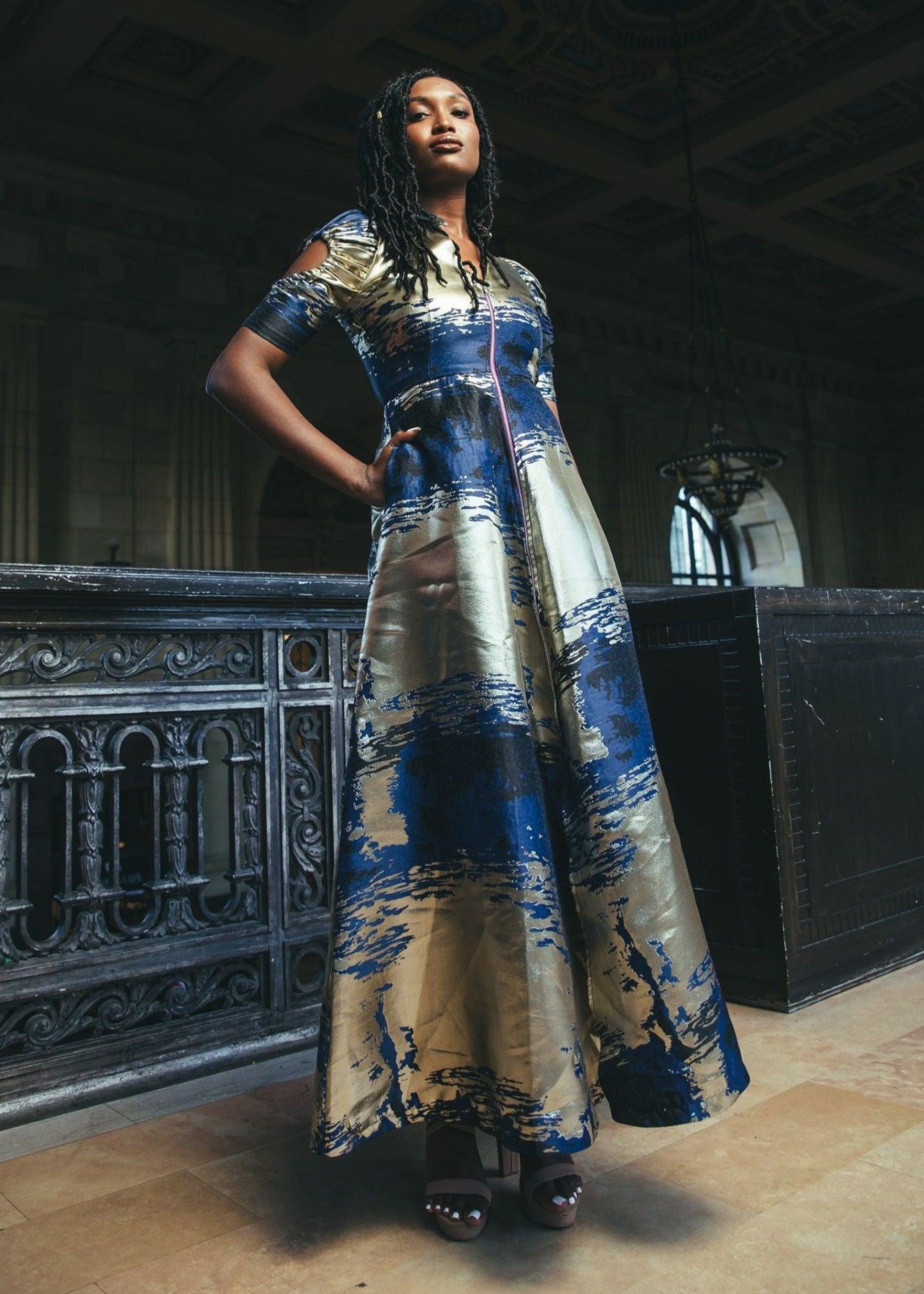
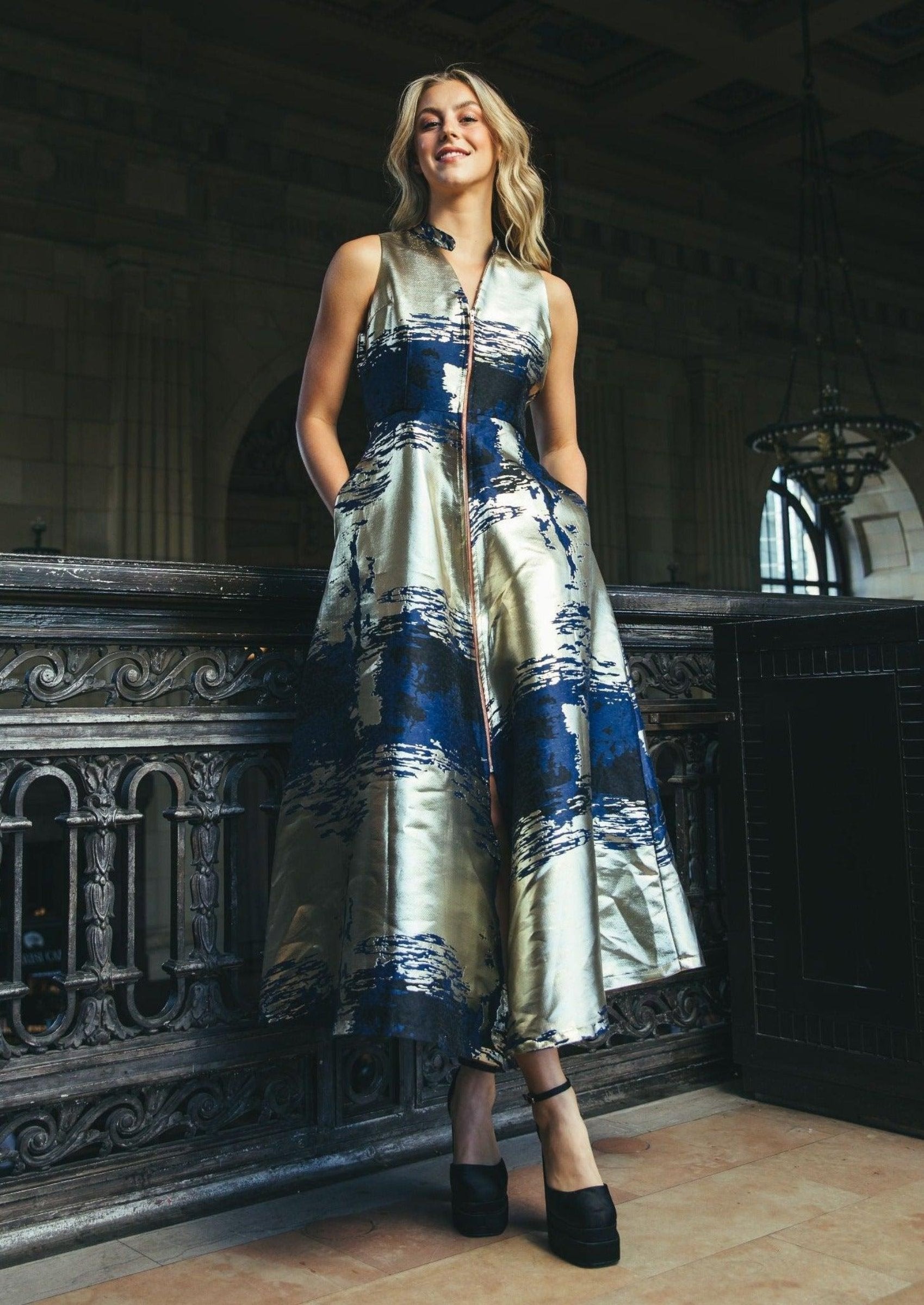
Pay attention to design longevity. A bold print, rich color, or dramatic silhouette can still be timeless when it reflects point of view rather than trend chasing. That is often where ethical luxury stands apart. It offers distinction without disposability.
And allow for nuance. Not every fast-fashion purchase comes from indifference, and not every ethical brand operates at the same standard. Sometimes budget, timing, or sizing needs shape the decision. The goal is not purity. It is progress toward a wardrobe that aligns more closely with your values and your sense of style.
The future belongs to fashion with meaning
Luxury is being redefined. It is no longer only about exclusivity or label recognition. Increasingly, true luxury means craftsmanship, integrity, and a point of view strong enough to outlast a trend cycle.
That shift is good news for women who want more from what they wear. They do not want a dress that simply fills a need. They want one that carries beauty with purpose. They want fashion that looks exceptional in the room and feels equally strong in the story behind it.
That is where brands like KAHINDO resonate so powerfully - not because ethics are added to the garment, but because they are woven into its foundation through bold design, artisan craft, and meaningful production.
The next time you shop for an important occasion, think beyond the event itself. Choose the piece that honors the moment, respects the hands that made it, and still deserves a place in your wardrobe long after the music fades.