


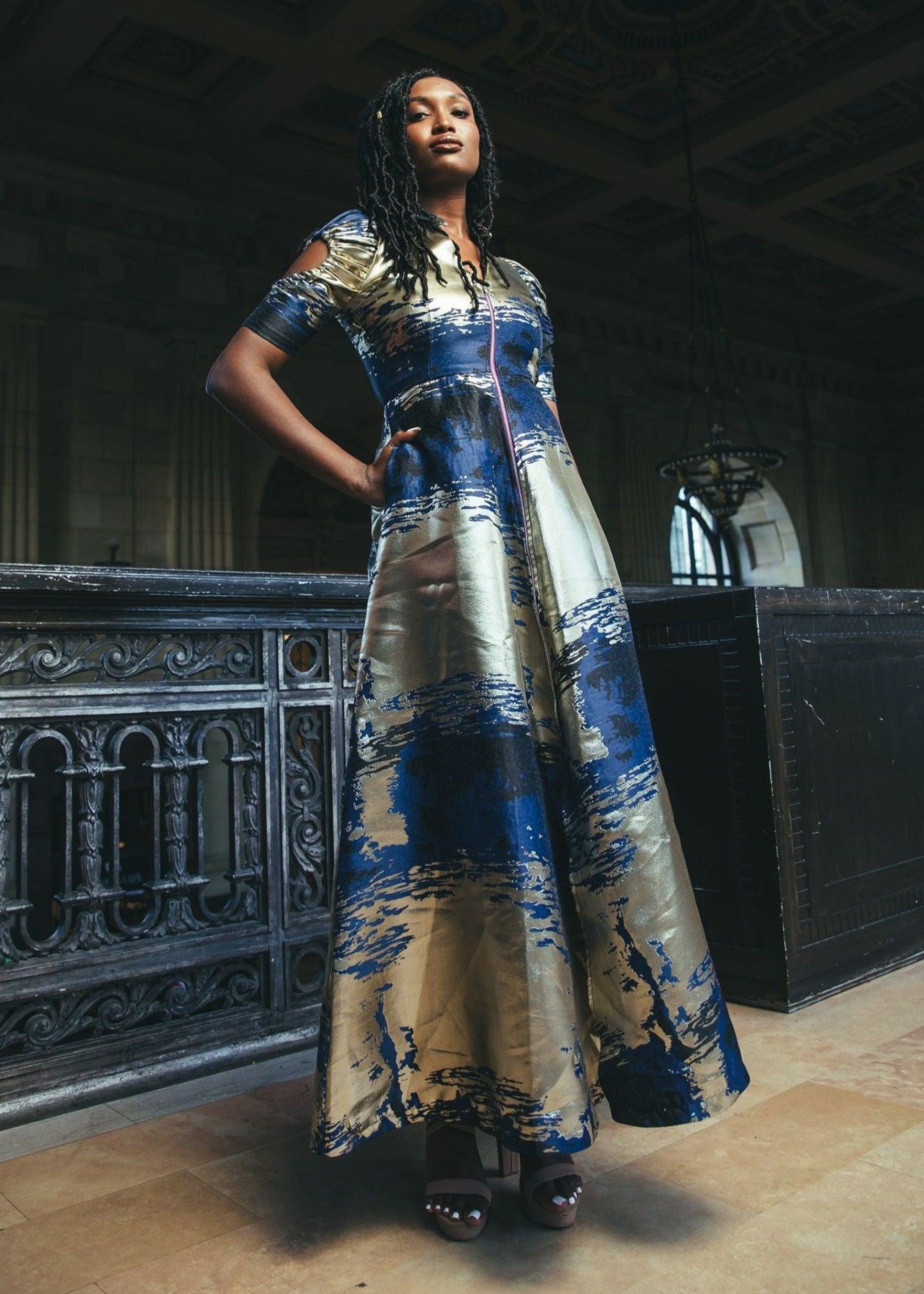

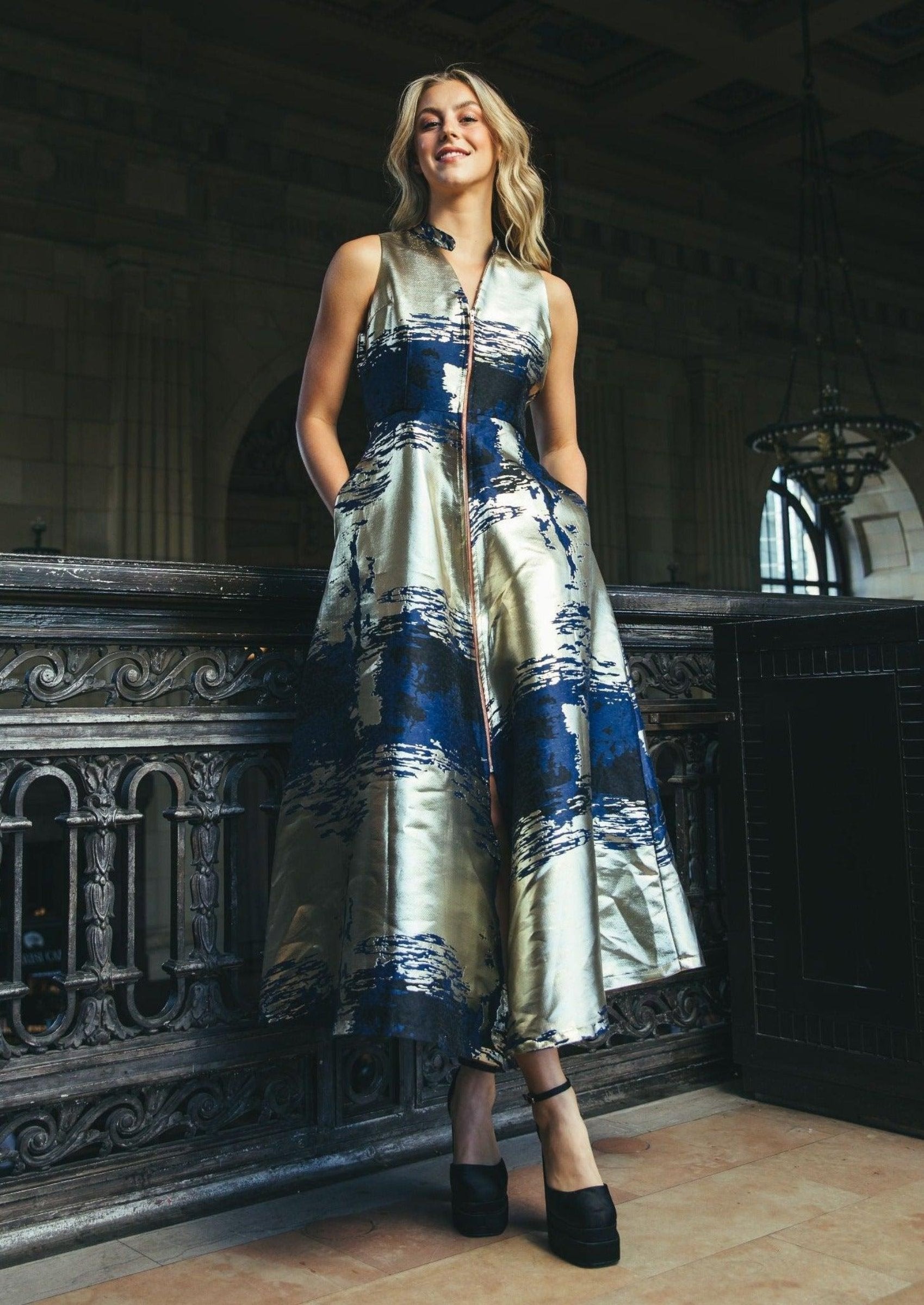

What Is Fair Trade Fashion, Really?
A beautiful dress can do more than turn heads. It can carry a story of skilled hands, fair wages, cultural craft, and a supply chain built with respect. That is the real answer to what is fair trade fashion - not a marketing phrase, but a different standard for how clothing is made and who benefits from it.
For women who shop with intention, that difference matters. Especially when the piece is meant for a wedding, a gala, or a milestone celebration, the question is no longer just How does it look? It is also Who made it, under what conditions, and what kind of value does this garment create beyond the moment it is worn?
What Is Fair Trade Fashion?
Fair trade fashion is clothing made under standards designed to protect the people behind the garment. At its core, it means workers and artisans are paid fairly, work in safe conditions, and are treated with dignity throughout the production process. It also tends to support transparency, long-term partnerships, and more thoughtful production practices.
That definition sounds simple. In practice, it asks the fashion industry to reverse some of its most entrenched habits.
Conventional fashion often pressures suppliers to produce quickly and cheaply, which can push wages down and standards with them. Fair trade fashion shifts the focus. Instead of asking how little a garment can cost, it asks what it truly takes to make it well and make it ethically.
This is why fair trade fashion often resonates with women who invest rather than impulse buy. You are not only choosing fabric, fit, and finish. You are choosing a system of value.
What Fair Trade Looks Like in Practice
A fair trade label should mean more than good intentions. It should reflect real conditions on the ground.
That usually includes fair pay relative to local standards, safe and healthy working environments, and policies that prohibit exploitation, forced labor, and child labor. It can also include predictable orders, reasonable working hours, and direct support for artisan communities whose skills are too often underpriced in the global market.
In many cases, fair trade fashion also preserves traditional craftsmanship. That matters because craft is not a trend detail. It is design knowledge passed from one generation to the next, often by women whose work supports families and communities.
For a luxury customer, this changes the meaning of quality. Quality is not only the finish of the seam or the drape of the fabric, though both matter. Quality also lives in the integrity of the process.
Why Fair Trade Fashion Matters in Luxury
Luxury has long been associated with rarity, craftsmanship, and care. Fair trade fashion belongs in that conversation because it honors the human skill behind the garment instead of hiding it.
The best occasionwear is never ordinary. It is memorable, considered, and emotionally charged. You wear it to witness a wedding, host a celebration, or mark a turning point in your life. A piece created through fair trade production carries that sense of significance more fully because it reflects care at every level, from design to finishing.
It also challenges a tired assumption that ethics require aesthetic compromise. They do not. A dress can be bold, striking, impeccably made, and ethically produced. In fact, when a brand invests in artisan skill and responsible production, the result often feels more distinctive, not less.
That said, fair trade does not automatically mean luxury, and luxury does not automatically mean fair trade. The overlap happens when a brand values both design excellence and human dignity equally.
Fair Trade Fashion vs. Sustainable Fashion
These terms are often used together, and sometimes interchangeably, but they are not identical.
Fair trade fashion focuses first on people - wages, working conditions, equity, and ethical partnerships. Sustainable fashion is broader. It usually includes environmental concerns such as lower-impact materials, reduced waste, water use, and durability.
The strongest brands often do both, but one does not guarantee the other. A garment can be made from eco-conscious fabric and still come from an unfair labor system. It can also be fairly made by artisans while using materials that are not the lowest-impact option available.
That is where nuance matters. If you are deciding where to spend, it helps to know what a brand is prioritizing and how clearly it explains its process. Fashion that looks good, feels good, and does good is rarely built on one claim alone.
How to Tell if a Brand Is Truly Fair Trade
Not every brand that uses the language of ethics is operating at the same standard. Some are deeply committed. Others are simply fluent in the vocabulary.
A trustworthy brand will usually be clear about who makes its clothing, where production happens, and what kind of relationship it has with makers. It may reference artisan partnerships, women-led production, fair wages, or specific manufacturing values. Some brands also work with formal fair trade certifications, though not all ethical businesses pursue certification for reasons of cost, scale, or structure.
What matters is whether the brand offers substance. Can it explain its production model in plain language? Does it speak about makers as central to the product, not as an afterthought? Does the story feel specific rather than vague?
Price can be another clue, though not a perfect one. Fair trade fashion often costs more than mass-market clothing because fair labor, smaller production runs, and handcrafted detail are more expensive to do properly. That does not mean every higher-priced piece is ethical. It means ethical fashion rarely competes with artificially cheap pricing.
The Trade-Offs Are Real
Fair trade fashion is not flawless, and shoppers deserve honesty about that.
Because it prioritizes fair pay and smaller-scale production, it may offer fewer units, longer lead times, or less constant newness than fast fashion. Sizing can vary more when pieces are handmade or produced in smaller batches. Prices are typically higher upfront. If you are accustomed to endless choice and immediate delivery, the shift can feel unfamiliar.
But those trade-offs are often tied to the very values that make fair trade meaningful. Less speed can allow for more care. Smaller production can reduce excess. Higher pricing can reflect real labor rather than hidden cost borne by someone else.
For many women, especially when shopping for occasionwear, the equation makes sense. If a garment is beautifully made, emotionally resonant, and wearable beyond a single event, the value extends far beyond one night.
What Is Fair Trade Fashion Worth Paying For?
The better question may be what are you paying for now.
In conventional retail, low prices can hide a chain of compromises - underpaid labor, rushed production, weak construction, and garments designed to be replaced quickly. Fair trade fashion asks for a more honest transaction. You pay more, but you are more likely to receive craftsmanship, intentional design, and a product made with respect for the people behind it.
That matters even more in categories where fit, finish, and presence count. A special occasion dress should not feel disposable. It should feel worthy of the moment and worthy of keeping.
When fair trade is done well, you are paying for beauty with substance. For artistry with accountability. For fashion that reflects your standards, not just your style.
Why This Conversation Is Changing How Women Shop
Women are asking sharper questions now. Not because ethics are fashionable, but because transparency has changed expectations. Once you know how much labor, talent, and coordination goes into a garment, it becomes harder to accept a system that treats makers as invisible.
This is especially true for women who see clothing as an extension of identity. What you wear to a celebration says something. So does what you support with your purchase.
That does not mean every wardrobe must be rebuilt overnight or every purchase must meet a perfect standard. Most thoughtful shoppers are balancing values, budget, fit, and occasion in real time. Fair trade fashion is not about perfection. It is about choosing better when you can, and choosing with open eyes.
For brands rooted in craftsmanship and empowerment, this is not a side note. It is the foundation. At KAHINDO, fair-trade production is inseparable from the beauty of the finished piece because the hands that make a garment are part of its luxury.
The next time you slip into a dress that makes an entrance, ask a second question alongside the first. Not only Does this look extraordinary? Ask Was it made in a way that honors the people who brought it to life? That is where style becomes something deeper than appearance. It becomes a choice you can feel proud to wear.


