

What Is Ethical Luxury Fashion, Really?
A beautiful dress can turn heads for a night. A beautifully made dress can hold its power for years. That distinction sits at the heart of what is ethical luxury fashion - not simply clothing with a higher price point, but fashion that brings together design, craftsmanship, and responsible production in a way that feels as exceptional as it looks.
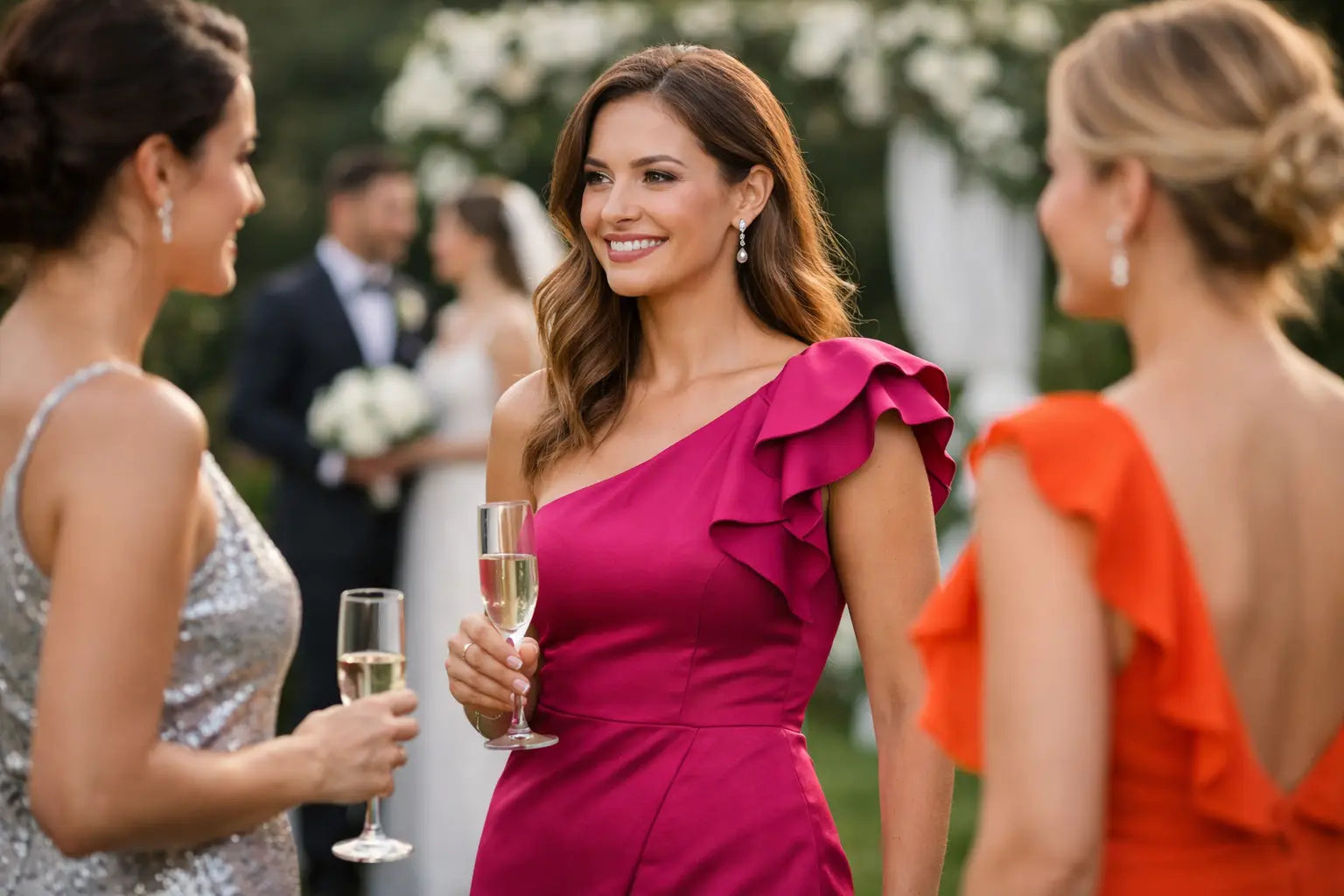
For the woman shopping for a wedding, gala, or milestone celebration, this matters. Occasionwear is never just another purchase. It is tied to memory, photographs, confidence, and presence. When a garment is made ethically and with true luxury standards, it offers something richer than surface appeal. It delivers beauty with integrity.
What is ethical luxury fashion?
Ethical luxury fashion is high-end clothing created with equal attention to aesthetics, quality, and human impact. It asks more from a garment than fine fabric, flattering tailoring, or a recognizable label. It also asks who made it, under what conditions, how the materials were sourced, and whether the piece was designed to last.
Traditional luxury has long been associated with exclusivity, craftsmanship, and heritage. Ethical fashion has focused on fair wages, safer working conditions, responsible sourcing, and environmental awareness. Ethical luxury fashion brings these worlds together. The result is a category where desirability and values are not competing ideas. They are part of the same standard.
That does not mean every ethical luxury brand looks the same. Some lead with artisanal production. Others prioritize low-impact materials or small-batch manufacturing. Others are rooted in cultural preservation or women-led supply chains. The common thread is intention. Nothing is treated as an afterthought.
Why ethical luxury matters more in occasionwear
There is a difference between buying for volume and buying for meaning. Occasion dressing naturally leans toward the latter. Whether you are choosing a wedding guest dress, a bridesmaid gown, or a mother-of-the-bride look, the stakes feel higher. You want drama, polish, and a sense of individuality - but you also want a piece worth investing in.
That is where ethical luxury makes particular sense. A thoughtfully made occasion piece is less likely to feel disposable. It is designed with care, often produced in smaller quantities, and built to earn repeat wear rather than a single appearance. In practice, that can mean stronger construction, better finishing, more considered silhouettes, and a point of view that does not expire after one season.
It also changes the emotional value of the purchase. Looking incredible is one part of the experience. Knowing the garment supports skilled makers, fair-trade practices, or heritage techniques adds another layer of meaning. For many women, that is the new definition of dressing well.
The traits that define ethical luxury fashion
The first marker is craftsmanship. True luxury is not just visual. It shows up in fit, hand feel, finishing, and the way a garment moves. An ethical luxury piece should feel intentional from the inside out, with details that support longevity rather than just presentation.
The second is fair and respectful production. This means the people making the clothing are paid fairly, work in safe conditions, and are treated as skilled contributors, not invisible labor. In many cases, ethical luxury brands build long-term relationships with artisan communities or small production partners rather than chasing the lowest possible cost.
The third is material consideration. This does not always mean a brand uses the exact same textiles as another ethical label, because sourcing is rarely that simple. Some fabrics have a lighter environmental footprint. Others are chosen because they preserve artisanal methods, wear beautifully over time, or reduce waste through smaller production runs. Ethical luxury is rarely about one perfect material. It is about making deliberate choices and being honest about trade-offs.
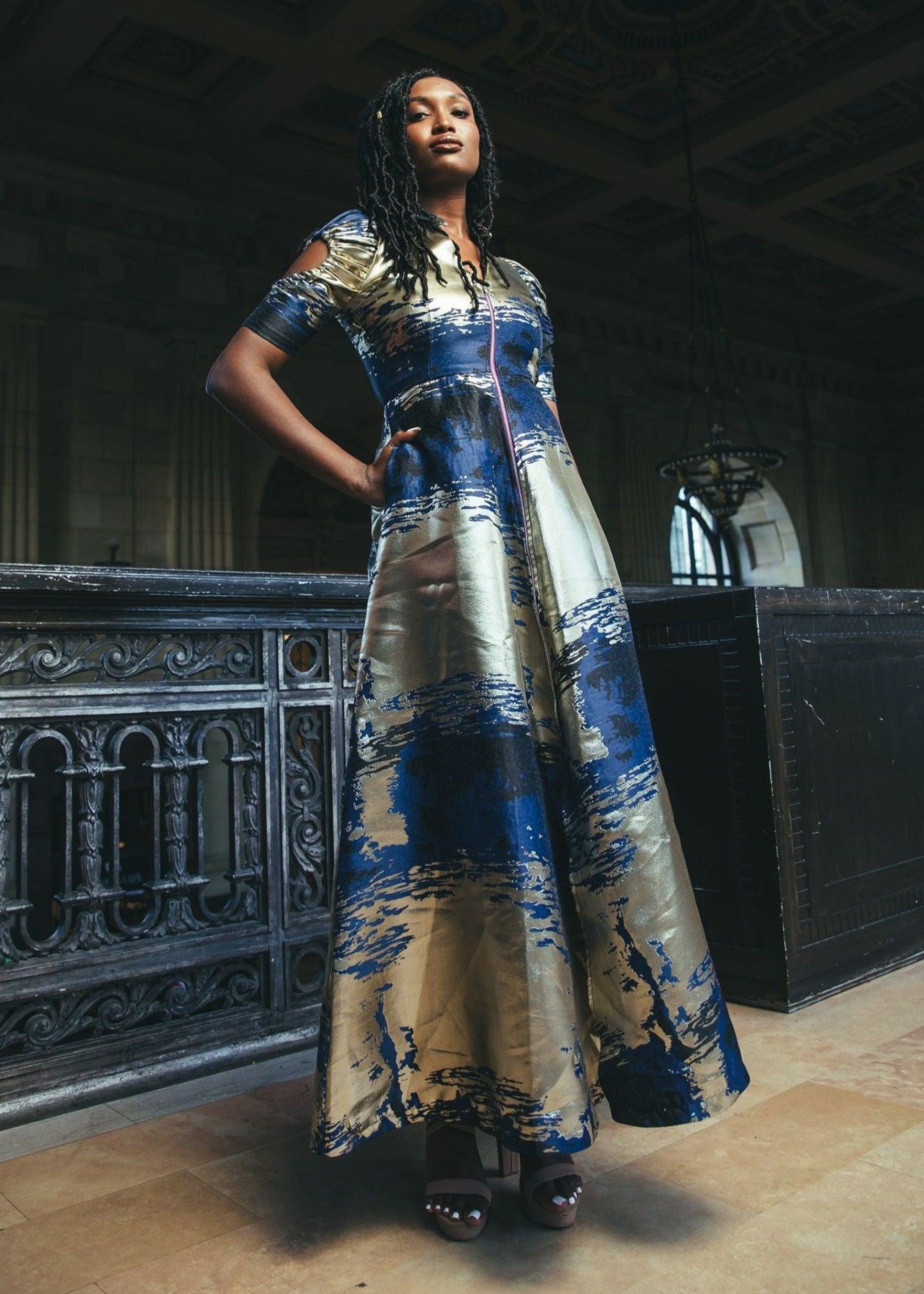
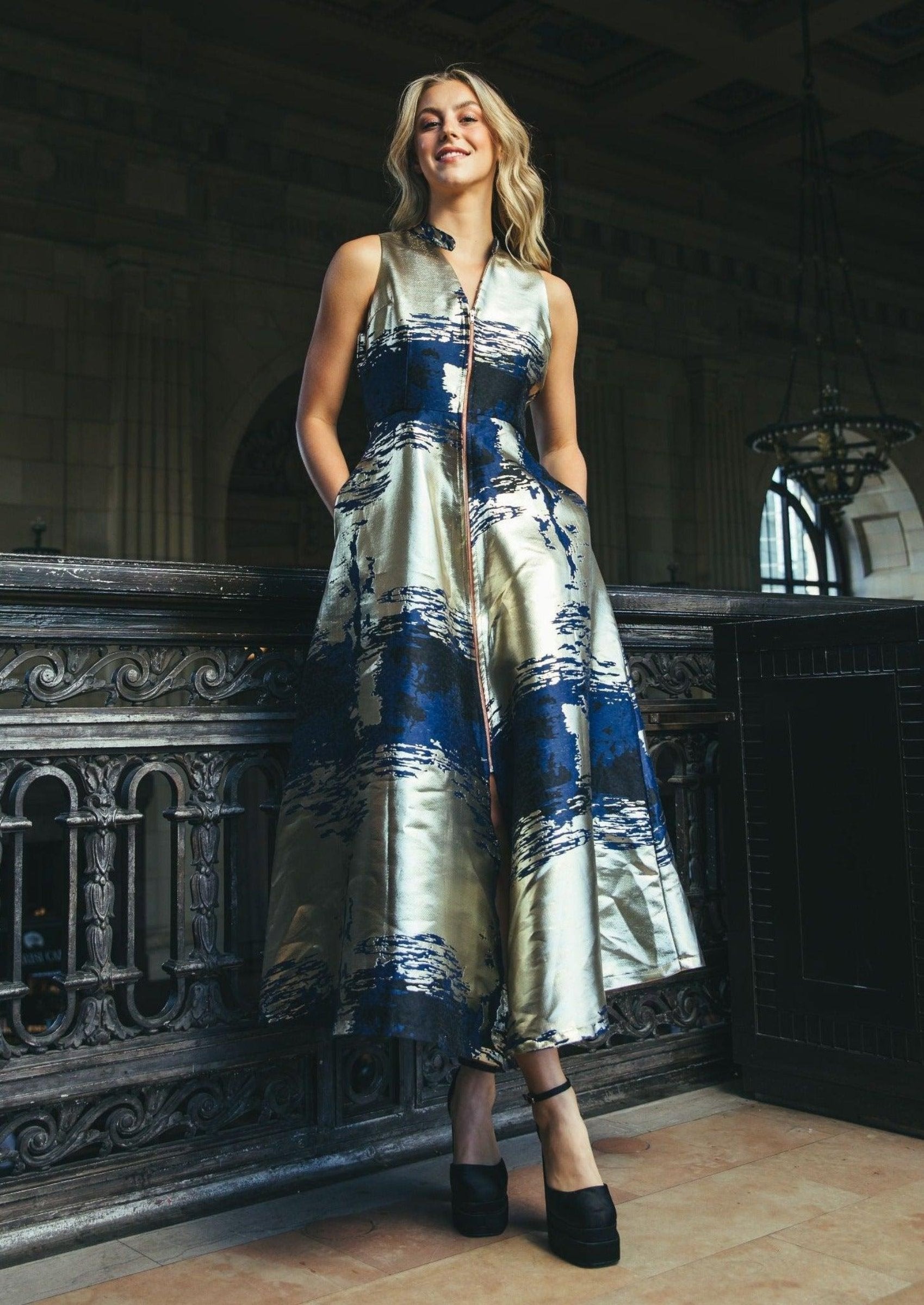
The fourth is design with staying power. Trend-driven fashion often depends on urgency and replacement. Ethical luxury tends to value enduring appeal. That does not mean plain or restrained. A bold print, sculptural sleeve, or unforgettable color can still have longevity if it is grounded in strong design rather than momentary hype.
Finally, ethical luxury fashion values cultural respect. When brands draw from global aesthetics, craft traditions, or regional textile histories, the question is not only whether the result is beautiful. It is whether the work honors its origins, collaborates responsibly, and credits the communities shaping the final product.
What ethical luxury fashion is not
It is not marketing language placed on top of ordinary production. A premium campaign, a high price, or limited inventory does not automatically make a brand ethical. Luxury imagery can be easy to create. Ethical systems take work.
It is also not perfection. Few brands operate without compromise, especially in a global industry with complex supply chains. A label may offer exceptional labor practices while still working through material challenges. Another may use better fabrics but lack full visibility across every production stage. The point is not flawlessness. The point is seriousness, transparency, and measurable effort.
And ethical luxury is not the same as minimalism. Some consumers still associate responsible fashion with muted palettes and practical basics. That idea is outdated. Ethical fashion can be expressive, fashion-forward, and unapologetically celebratory. For occasionwear, it should be.
How to recognize what is ethical luxury fashion when you shop
Start with the product itself. Does the garment feel substantial? Is the tailoring precise? Are the fabric, lining, and finishing aligned with the price? Ethical luxury should hold up under scrutiny, not rely on branding alone.
Then look at the brand story, but read it carefully. Vague language about caring, consciousness, or artisan inspiration is not enough. Strong brands explain how they produce, who they work with, and what values shape their decisions. If women’s empowerment, fair trade, or handcrafted production are central to the brand, those commitments should feel specific rather than decorative.
It also helps to notice scale. Smaller-batch production often supports both quality and ethics, though not always automatically. A brand producing in limited quantities may have more control over standards, less excess inventory, and a stronger relationship with its makers. For a customer, that usually translates to a piece that feels more distinctive as well.
Price deserves a more nuanced view too. Ethical luxury fashion is rarely inexpensive, because quality materials, skilled labor, and responsible production cost more. But high price alone proves nothing. The better question is whether the value is visible - in the design, the workmanship, the sourcing, and the integrity behind the label.
Why the future of luxury is ethical
Luxury is changing because the customer is changing. Today’s discerning shopper still wants beauty, exclusivity, and impeccable style. She also wants clarity. She wants to know her purchase reflects her standards, not just her taste.
That shift is especially powerful among women who buy with intention. They are not interested in closets full of forgettable pieces. They want garments with presence. They want craftsmanship they can feel. They want fashion that respects both the wearer and the maker.
This is why ethical luxury is not a niche idea. It is a more complete one. It expands the meaning of luxury from possession to purpose, from status to substance. A remarkable dress should do more than photograph well. It should carry a story worth standing in.
Brands built on that belief are helping reshape the category. At KAHINDO, for example, ethical production is not positioned as an extra virtue layered onto fashion. It is part of the luxury itself - expressed through bold design, handcrafted quality, and work that creates real opportunity for female artisans in Africa.
For the customer, that creates a different kind of confidence. Not just confidence in how she looks, but in what her purchase supports. Fashion that looks good, feels good, and does good is not a compromise. It is a higher standard.
When you are choosing what to wear for life’s most memorable moments, that standard is worth seeking. The right piece should make an entrance, hold its beauty beyond a single occasion, and leave something meaningful in its wake.