


What Ethical Luxury Fashion Should Feel Like
Ethical luxury fashion brands are changing what luxury means
A beautiful dress can turn heads. A meaningful one stays with you.
That distinction matters when you are shopping for a wedding, a gala, or a once-in-a-lifetime celebration. The best occasionwear does more than photograph well. It carries presence, craftsmanship, and a point of view. For women who shop with intention, luxury is no longer only about exclusivity or price. It is about knowing who made the garment, how it was made, and whether it deserves a place in your wardrobe long after the event is over.
That is where ethical luxury fashion brands stand apart. They offer something richer than surface appeal. They bring together design, quality, and accountability in a way that feels modern, discerning, and deeply personal.
What makes a brand both ethical and luxurious?
Ethical and luxury are sometimes treated as opposing ideas, as though conscience requires compromise. In reality, true luxury has always been about care. Care in the fabric. Care in the cut. Care in the handwork. Care in the experience of wearing something that feels exceptional.
An ethical luxury brand applies that same level of care to production. It asks harder questions. Who is making this piece? Are artisans and makers paid fairly? Is the supply chain transparent enough to trust? Is the garment designed to last, or simply to sell for one season and disappear?
Luxury, at its best, is intentional. Ethical production simply extends that intention beyond the final look.
This does not mean every ethical claim carries equal weight. Some brands focus on sustainable materials but say little about labor. Others speak about craftsmanship yet offer almost no transparency on wages or working conditions. The strongest brands treat ethics as a foundation, not a marketing layer. You can feel the difference in the integrity of the product and the consistency of the story behind it.
Why ethical luxury fashion brands matter for occasionwear
Occasion dressing comes with a particular kind of pressure. You want impact, but not excess. You want something memorable, but not disposable. You want to feel elevated, photographed, and fully yourself.
Fast fashion rarely meets that standard. A dress made for a single wear often shows it in the fabric, the fit, and the finish. It may look acceptable on a product page and far less convincing in motion, in daylight, or after one evening out. For milestone events, that kind of compromise tends to feel obvious.
Ethical luxury occasionwear answers a different brief. It is built for significance. Better construction means stronger drape, cleaner tailoring, and a more flattering fit. Handcrafted detail adds depth that does not rely on trend-driven embellishment. Thoughtful design means a gown or jumpsuit can feel distinctive without becoming dated six months later.
For many women, that is the real value proposition. A special piece should rise to the occasion, then remain worthy of future ones. It should not feel like a costume for a single night.
How to recognize real value beyond the price tag
The language of luxury can be persuasive. So can the language of ethics. Neither is enough on its own.
When evaluating ethical luxury fashion brands, start with the garment itself. Fabric matters. Does it have substance, fluidity, and finish? Construction matters just as much. Look for careful seaming, quality lining, and silhouettes that are shaped rather than rushed. A beautifully made piece does not announce itself through logos. It announces itself through how it moves and how it holds up.
Then consider the brand's production story. Vague language is a warning sign. If a label speaks in broad terms about empowerment or sustainability but offers no specifics about where garments are made, who makes them, or what standards guide production, the promise may be thinner than it sounds.
The strongest ethical brands are often precise. They can tell you where design happens, where production happens, and why those relationships matter. They treat artisanship as part of luxury, not as a charitable footnote. That distinction is important. Craftsmanship deserves to be recognized as expertise.
The role of artisanship in ethical luxury fashion brands
There is a difference between something manufactured and something made.
In luxury fashion, that difference often comes down to handwork, specialized skill, and a respect for technique. In ethical fashion, it also reflects a respect for the people behind the garment. When brands invest in artisans, fair-trade production, and long-term maker relationships, the result is not only more responsible. It is often more beautiful.
You see it in the precision of a print placement, the confidence of a cut, and the kind of finishing that mass production struggles to replicate. You also feel it in the emotional weight of the piece. A garment shaped by skilled hands carries a different kind of value than one designed for speed and volume.
That does not mean every handcrafted piece is automatically superior, or that scale is inherently suspect. It does mean that ethical luxury tends to favor depth over churn. It values the maker's skill as part of what makes the garment desirable in the first place.
Style with staying power beats trend cycles
Women investing in ethical luxury are rarely looking for more clothes. They are looking for better ones.
That usually means choosing pieces with staying power. Not basic, not forgettable, and certainly not dull. Staying power is about design that feels expressive without being tethered to a fleeting microtrend. It is the dress you can wear to a destination wedding this year, a formal celebration next year, and a milestone dinner after that, styling it differently each time.
This is especially true in occasionwear. The most successful pieces strike a balance between impact and longevity. A bold print, a sculptural sleeve, a rich color story, or an elegant jumpsuit can feel memorable without becoming limiting. The goal is not to blend in. It is to invest in something distinctive enough to feel special and refined enough to wear again.
That balance is where ethical luxury often excels. Because the model is less dependent on constant novelty, there is more room for design with conviction.
What to ask before you buy
The smartest luxury purchases usually begin with a few clear questions.
First, ask whether the piece reflects your life or only the moment. A dramatic gown may be perfect for a black-tie wedding and irrelevant afterward. A beautifully cut dress in a striking print may carry through multiple events with ease. Neither choice is wrong. It depends on how you define value.
Second, ask whether the brand's ethics are visible in the product, not just the messaging. Responsible production should support quality, not distract from its absence.
Third, ask whether the brand understands occasion dressing as women actually live it. That means fit that flatters, design that feels confident, and a point of view strong enough to stand out in a room full of sameness. The best ethical luxury brands do not ask you to choose between beauty and principle. They understand that both are nonnegotiable.
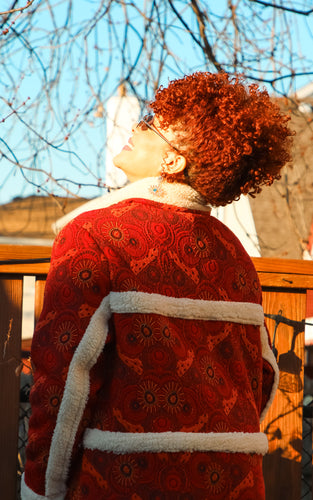
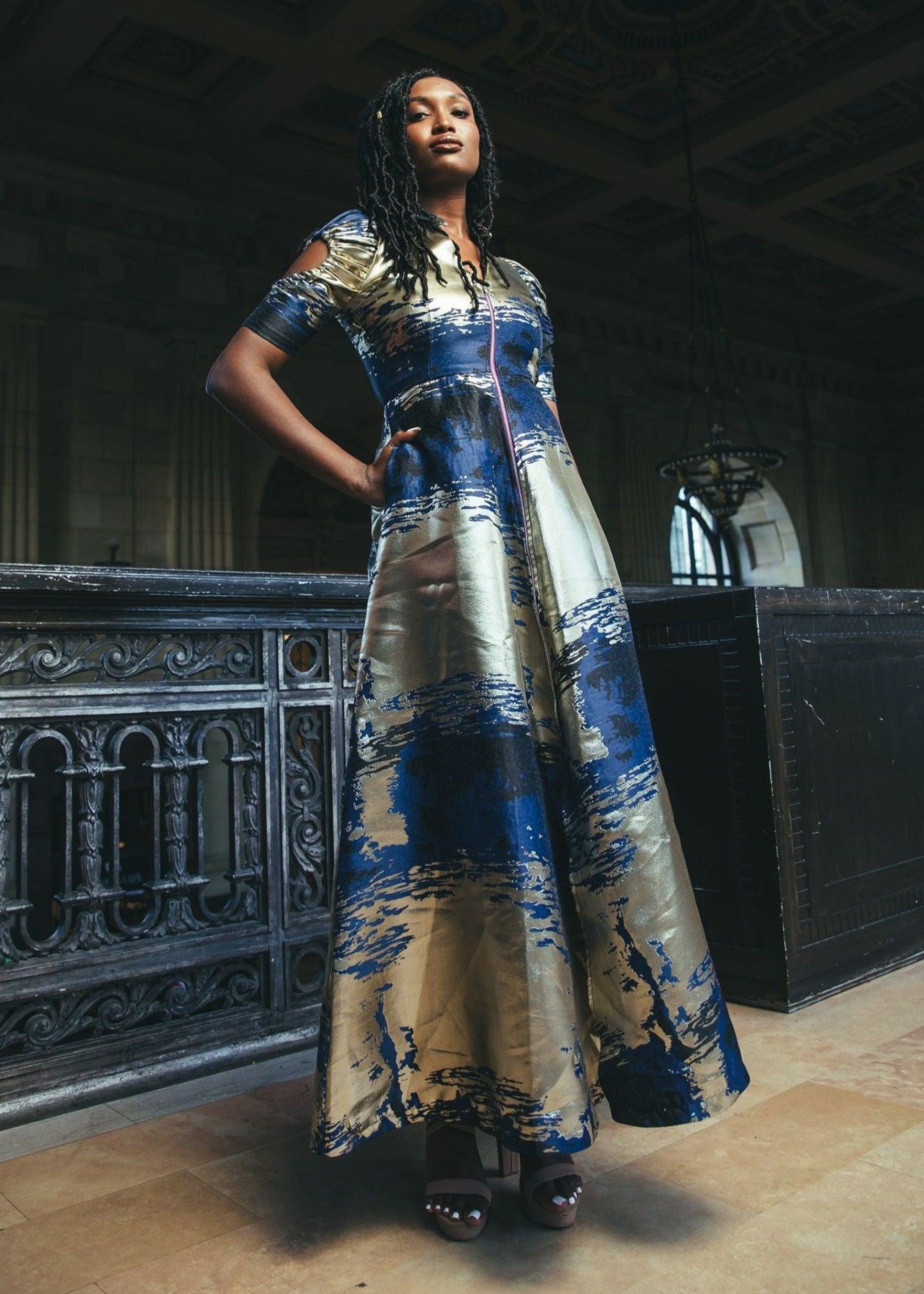
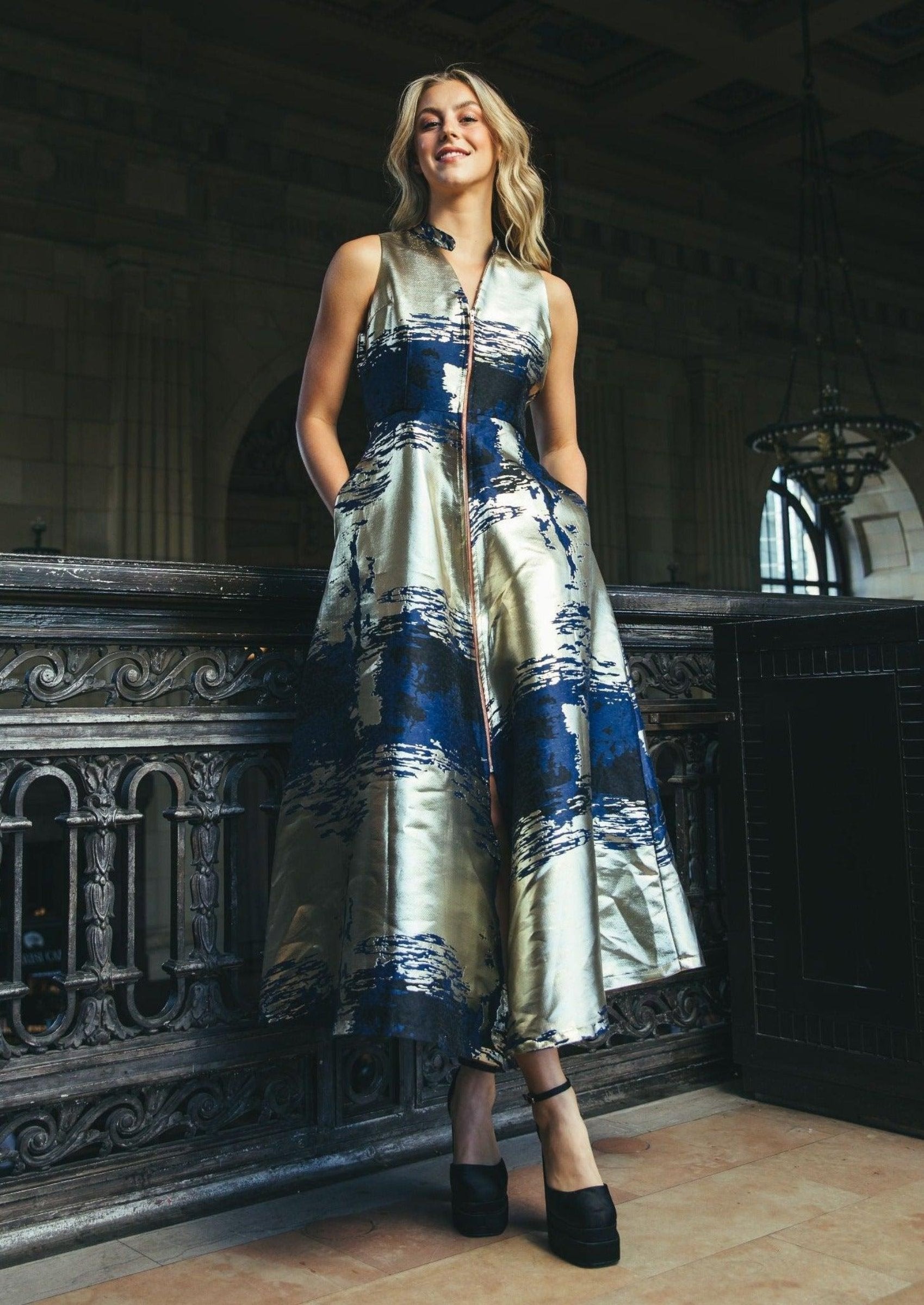
For women drawn to bold occasionwear with meaning behind it, this is where brands like KAHINDO resonate. Designed in New York and handcrafted by female artisans in Africa, the collection reflects a powerful truth about modern luxury: fashion that looks good, feels good, and does good is not a niche. It is the standard more women now expect.
The future of luxury is more personal, not less
Luxury is moving away from excess for excess's sake. What feels aspirational now is discernment.
Women want fewer, better pieces. They want beauty with substance. They want craftsmanship they can see, values they can trust, and design that says something about who they are. Ethical luxury fashion brands meet that desire because they offer more than garments. They offer alignment between style and self.
That does not make every purchase simple. Ethical production can raise prices. Small-batch craftsmanship can mean limited availability. A statement piece may still require tailoring to feel perfect. But those trade-offs often lead to a more satisfying wardrobe, one built on intention rather than impulse.
The right dress should do more than fill a space in your closet. It should mark a moment, carry a story, and make your entrance feel exactly as meaningful as the occasion itself.