


Fair Trade Womens Occasionwear That Stands Out
A black-tie wedding invitation asks more of a dress than a passing trend ever could. It has to hold its own in a room full of photographs, movement, memory, and meaning. That is where fair trade womens occasionwear earns its place - not as a compromise, but as a sharper standard for women who want beauty with substance.
Occasion dressing has long been sold as spectacle first, story second. The result is often predictable: beautiful garments with no sense of who made them, disposable dresses worn once, and luxury language attached to pieces that were never built to last. Fair trade changes that equation. It asks better questions of fashion. Who made this? How was it crafted? Will it still feel powerful after the event is over?
Why fair trade womens occasionwear feels different
The difference begins before the dress ever reaches your closet. Fair trade womens occasionwear is shaped by a production model that values skilled labor, dignified pay, and long-term craftsmanship. That foundation matters because occasionwear is not casual clothing. It is clothing for milestone moments, and milestone moments deserve more than rushed construction and vague sourcing.
There is also a design difference. When a garment is made with care rather than speed, the details read differently. A print feels more intentional. A seam lies cleaner. A silhouette holds its shape with more confidence. You can see it, but you can also feel it when you put it on. The piece carries presence.
For a woman shopping for a wedding guest look, a gala gown, or a mother-of-the-bride ensemble, that presence matters. She is not looking for something merely acceptable. She wants a piece that respects the occasion and reflects her point of view.
Luxury and ethics are not opposing ideas
There is still a stubborn assumption that ethical fashion must look restrained, plain, or overly earnest. In occasionwear, that misconception falls apart quickly. The best fair trade pieces are every bit as striking as conventional luxury - often more so, because they are not chasing sameness.
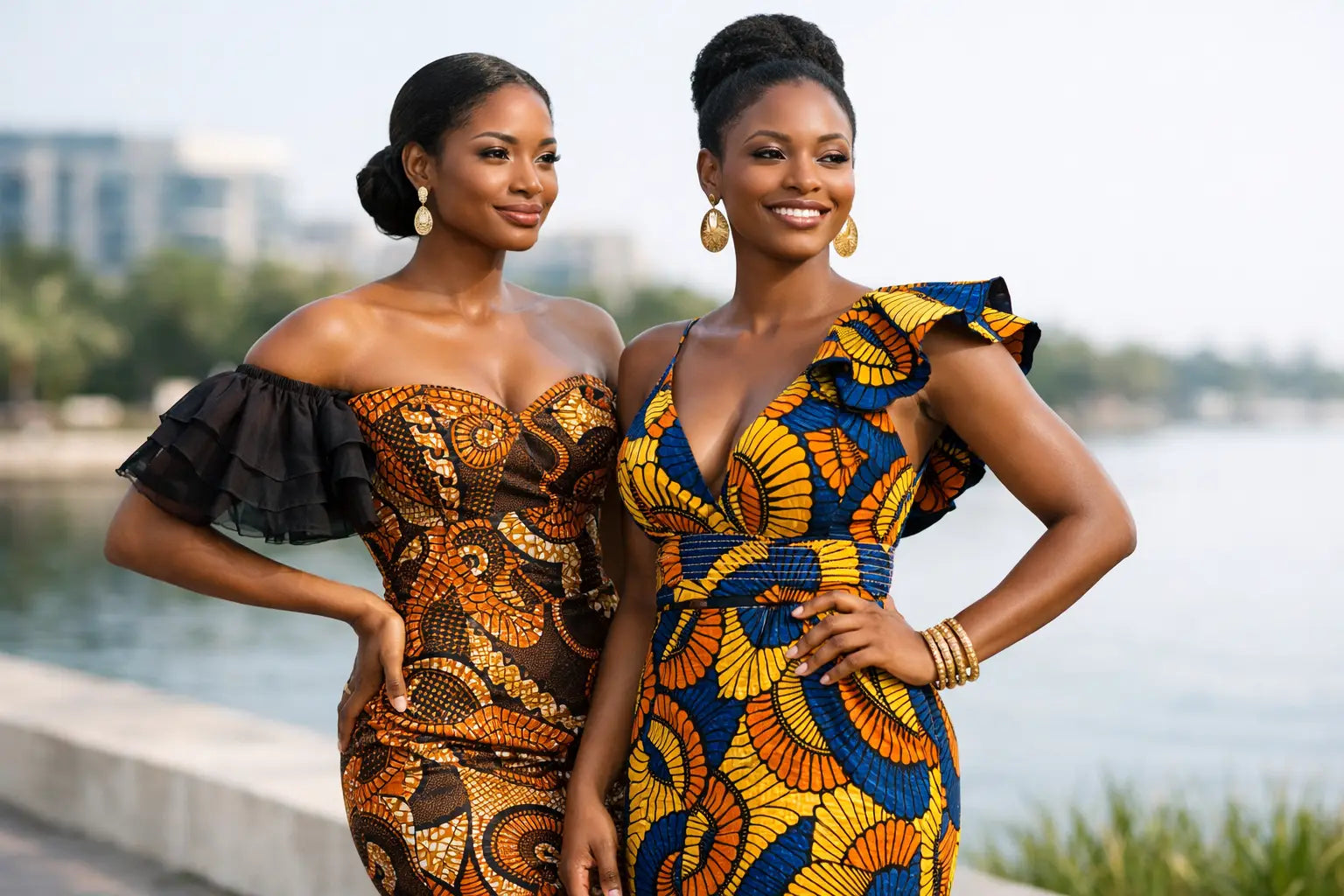
Bold print, sculptural volume, saturated color, hand-finished detail, and modern shape all belong in this conversation. Ethical production does not diminish glamour. It sharpens it. It makes the garment feel grounded in something real.
That said, not every shopper defines luxury the same way. For some, luxury means intricate fabrication and dramatic scale. For others, it means a precise fit, exceptional fabric, and the confidence of knowing a piece was made with integrity. The strongest occasionwear brands understand that both can be true at once.
What to look for when shopping fair trade occasionwear
The first question is not whether a dress is ethical enough. It is whether it is beautiful enough for the moment you are dressing for. If the answer is no, the rest hardly matters. Occasionwear should still deliver impact.
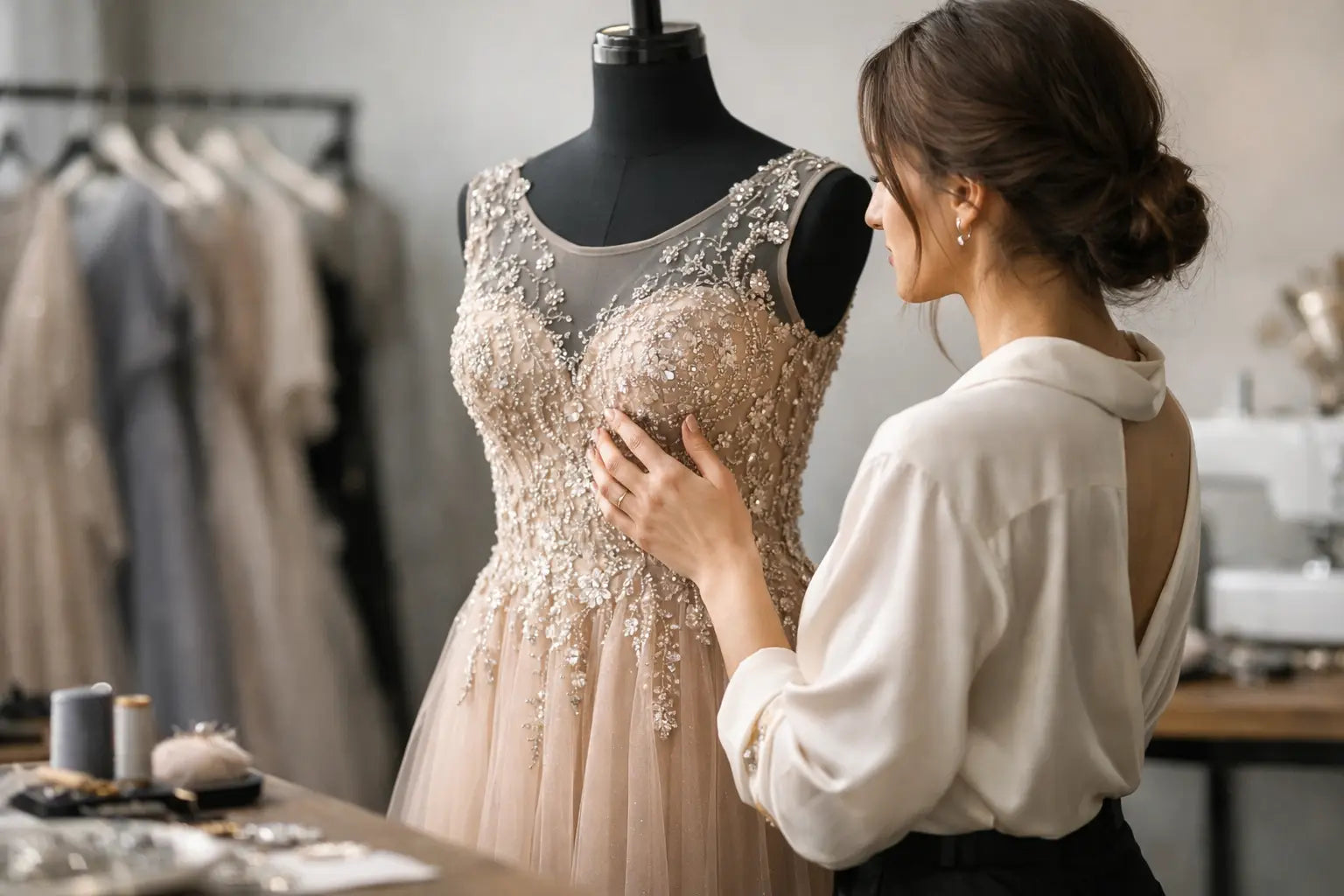
Once design clears that bar, look at the construction. Formal pieces need structure, not just surface appeal. Pay attention to fabric weight, lining, drape, and whether the silhouette appears considered from every angle. Photos can suggest this, but product descriptions and close-up imagery should support the promise.
Then look at the brand's production language. Fair trade should be clear, not decorative. A credible brand can tell you who makes the garments, where they are made, and what the model supports. General claims about sustainability are not the same as a real production story.
It is also worth considering repeat wear. A bridesmaid dress you can style again, a statement gown that can return for another gala, or an elegant jumpsuit that works across several formal events often justifies a stronger investment. Cost per wear is not the most romantic way to shop for fashion, but it is a useful discipline when the category has been trained to normalize one-time use.
The occasions that call for more than ordinary
Wedding guest dressing is often the clearest case for fair trade occasionwear. You want to stand out, but with intention. That usually means choosing a piece with personality - rich print, sculpted sleeve, expressive color, or a silhouette that feels directional without fighting the dress code.
Bridesmaid dressing asks for something slightly different. Here, rewear matters more. The best fair trade options avoid the flat, generic quality that so many bridal party dresses share. They bring polish and individuality while still feeling unified within a wedding aesthetic.
For the mother of the bride or groom, the standard is higher still. This is not a role for an afterthought dress. It calls for confidence, elegance, and presence, with enough distinction to feel memorable and enough restraint to feel appropriate. Fair trade occasionwear can be especially compelling here because craftsmanship shows. It reads as considered, not excessive.
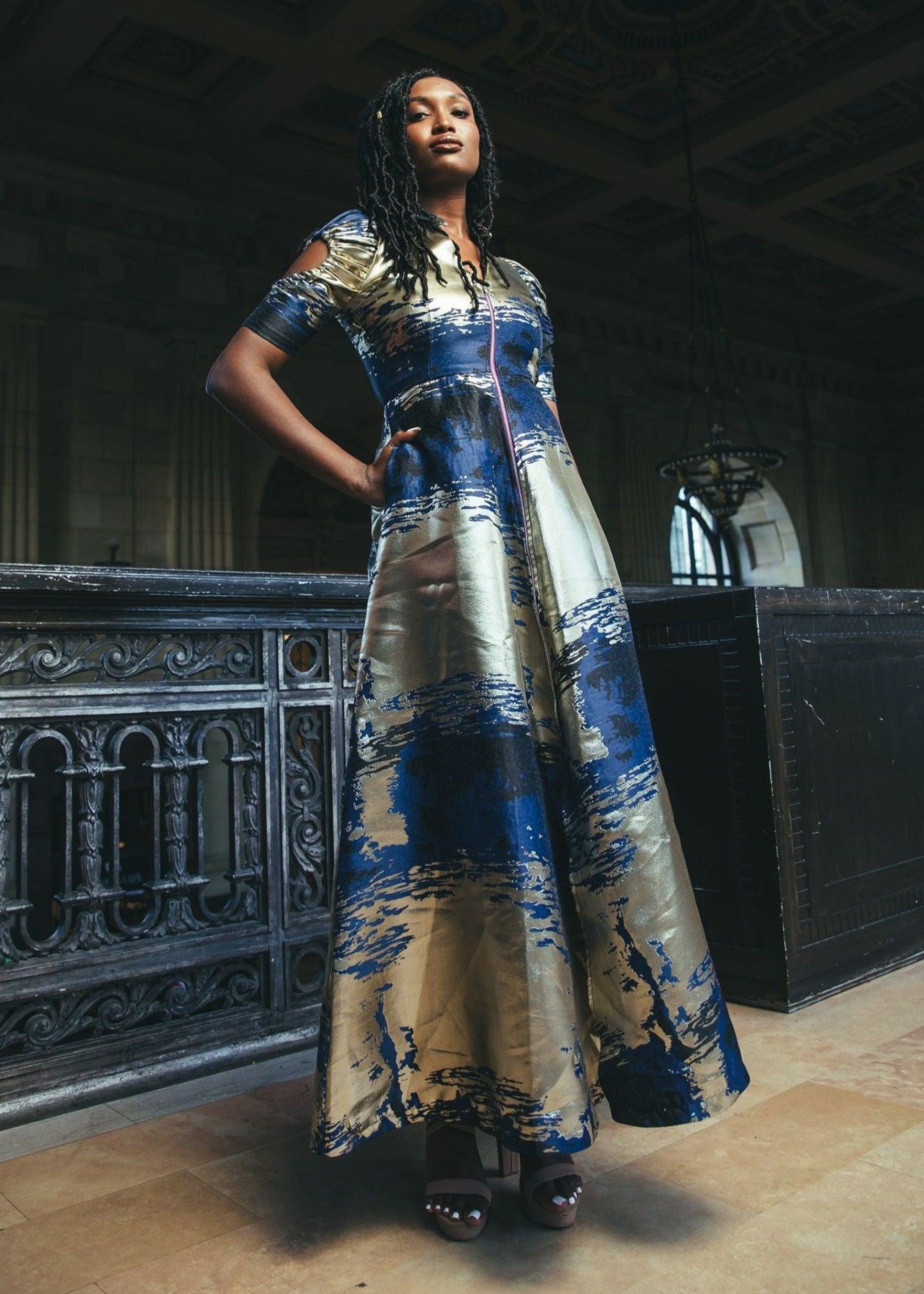
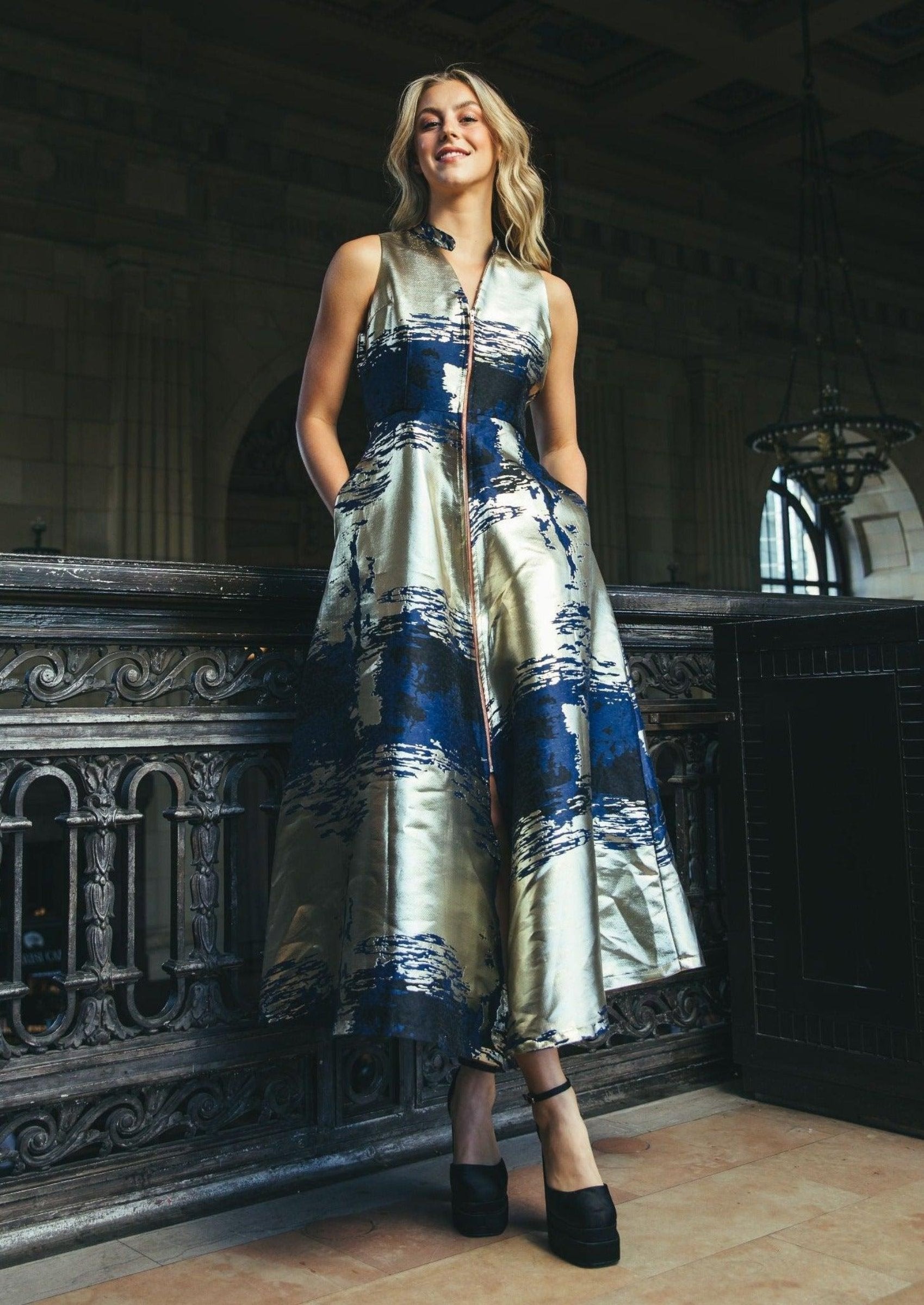
Galas, fundraisers, destination celebrations, and formal holiday events offer even more freedom. These are the moments when women often want a true entrance piece - something with movement, authority, and visual depth. A well-made dress or jumpsuit with a strong point of view does that better than trend-led sparkle alone.
The trade-offs are real - and worth understanding
Fair trade occasionwear is not always the cheapest option, nor should it be. Skilled handwork, smaller production runs, and responsible manufacturing come at a price. For some shoppers, that will narrow the field. But higher cost does not automatically equal better value, so the smartest approach is to assess what you are truly getting: design distinction, quality, transparency, and longevity.
There can also be less volume and less urgency-driven inventory than in mainstream formalwear. If you are used to endless pages of near-identical options, a more curated assortment may feel limited at first. In practice, it often leads to better decisions. Fewer, stronger choices tend to produce a more memorable wardrobe.
Fit can be another area where it depends. Occasionwear is more exacting than daywear, and bold silhouettes are often meant to hold shape in a particular way. Read size guidance carefully and allow time for tailoring if needed. A great formal look rarely comes down to the dress alone. The final polish often lives in the fit.
Style with meaning has lasting power
The strongest argument for fair trade womens occasionwear is not moral pressure. It is that these pieces often become the ones women remember most. Not because they were safe, and not because they were trendy, but because they felt aligned - with the moment, with personal style, and with a broader sense of values.
A dress made by female artisans, shaped by cultural richness, and designed with modern confidence carries more than visual impact. It carries perspective. That perspective is part of what makes a garment feel alive when you wear it.
This matters in photographs, of course, but it matters even more in memory. Years later, what lingers is rarely just the hemline or neckline. It is how the piece made you feel: poised, seen, powerful, celebratory. Fashion that looks good, feels good, and does good leaves a different kind of impression.
For women building a wardrobe around significant events rather than constant consumption, this is a smarter way to buy. It favors pieces with identity over pieces with shelf life. It respects craft. It honors the people behind the garment. And it does not ask you to mute your style in order to shop with intention.
At its best, fair trade occasionwear proves that impact and elegance belong in the same sentence. Brands such as KAHINDO show what that can look like when bold design, female craftsmanship, and ethical production are treated not as separate virtues, but as one standard. If you are dressing for a moment that matters, choose a piece worthy of being remembered.